 Your One-Stop Wire Mesh Fence Supplier | POLYMETAL
stainless steel mesh net: 5 shocking mistakes cost you
If your stainless steel mesh net is correctly designed, specified and installed, it quietly prevents deadly falls, stopped objects and escaped animals for decades. If it isn’t, one hidden weakness in the mesh type, material grade or installation can turn into a sudden, expensive and even fatal accident.
This article keeps all the technical details and specifications you need, but frames them around 5 shocking mistakes that designers, buyers and installers commonly make with stainless steel mesh net. Avoid these, and your system is far more likely to save lives instead of failing without warning.
Mistake 1 – Not really understanding what stainless steel mesh net is
Stainless Steel Mesh Net – Durable, Safe and Versatile Protection
Stainless steel mesh net (also called stainless steel wire mesh, wire rope mesh or safety mesh) is a high-strength, corrosion-resistant netting system used to protect people, animals, structures and equipment while keeping visibility and ventilation as open as possible.
Whether it’s installed as a balustrade infill on a staircase, a bird aviary wall, a machine guard, or a façade screen, stainless steel mesh net offers a clean, modern look with long service life and low maintenance. When people treat it like “just another piece of mesh” instead of a safety-critical component, that’s where risk begins.
1. What Is Stainless Steel Mesh Net?
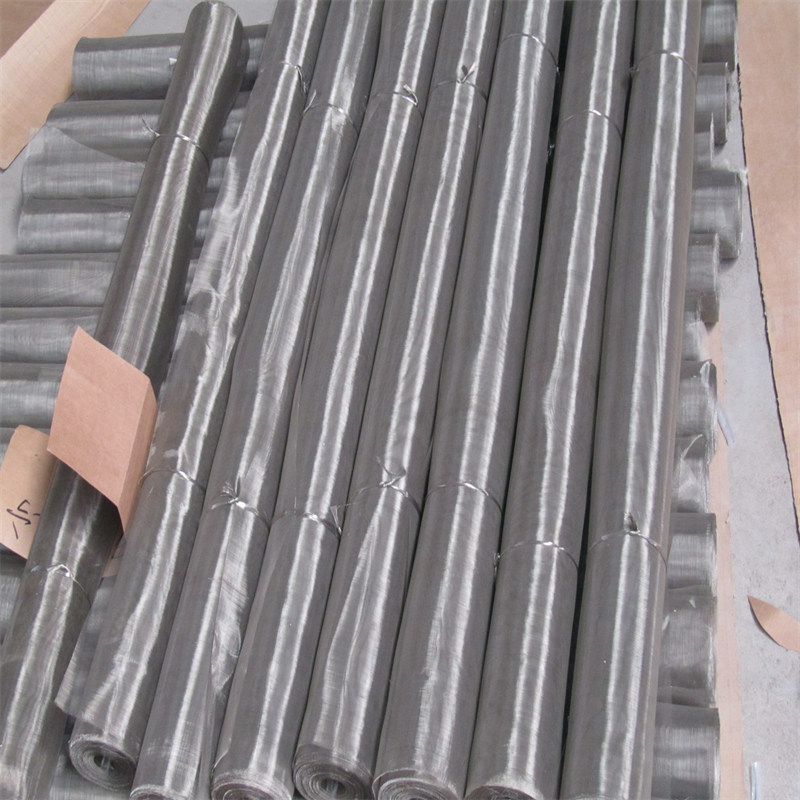
Stainless steel mesh net is made by arranging stainless steel wires or cables in a regular pattern and connecting them at each intersection. Depending on the manufacturing process, it can be:
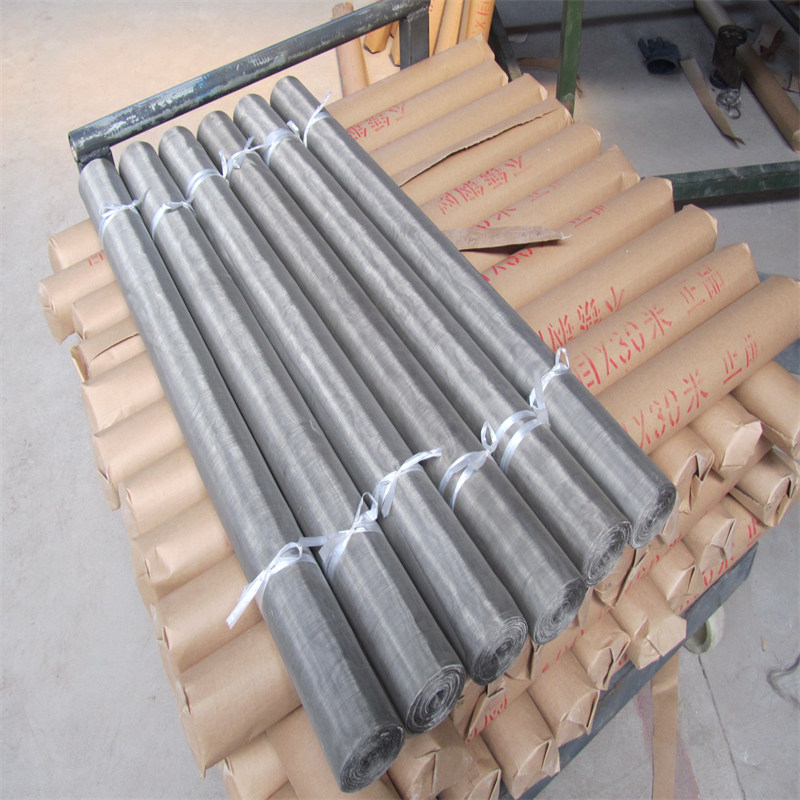
Woven wire mesh – individual wires woven over and under each other
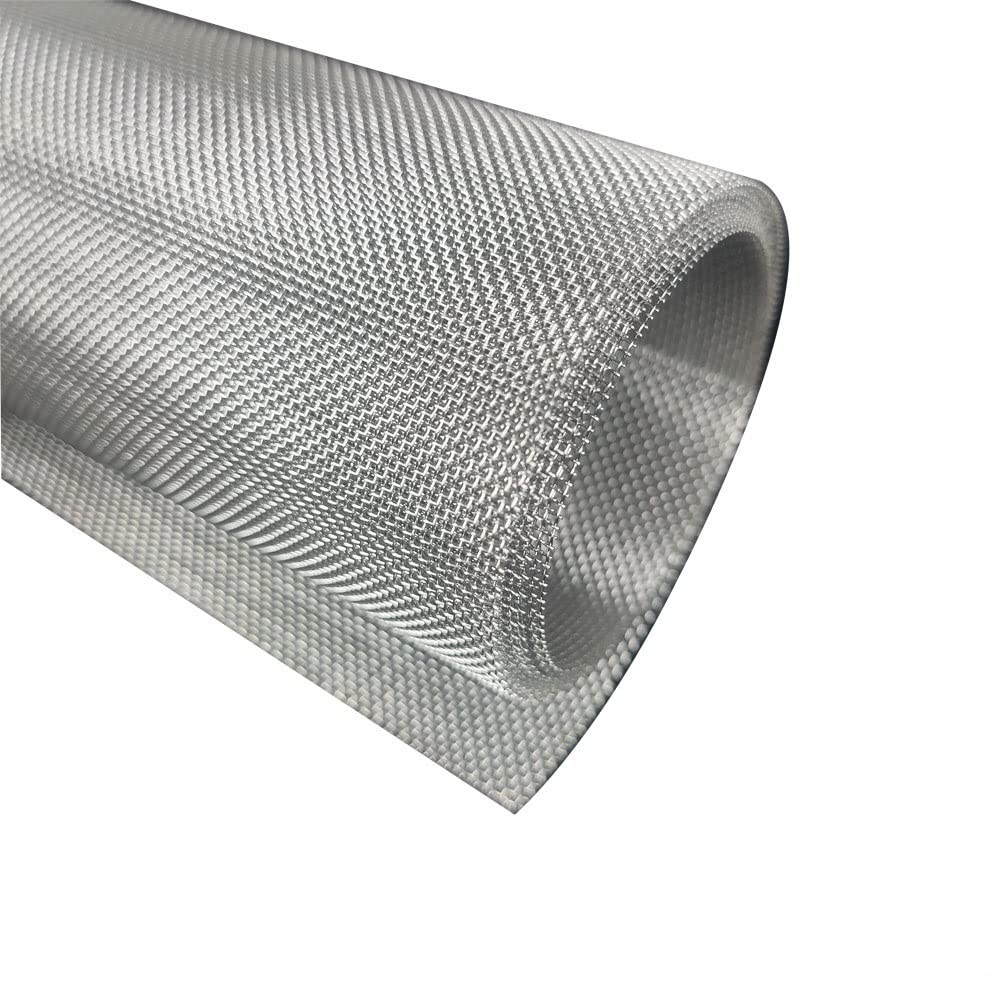
| Model | Material | Mesh Count (mesh/inch) | Wire Dia (mm) | Aperture (mm) | Weave Type | Open Area (%) | Roll Width (m) | Roll Length (m) | Typical Use |
|---|---|---|---|---|---|---|---|---|---|
| WW-01 | SS304 | 10 × 10 | 0.50 | 2.04 | Plain | 65 | 1.0 | 30 | General screening |
| WW-02 | SS304 | 20 × 20 | 0.40 | 0.88 | Plain | 48 | 1.2 | 30 | Particle separation |
| WW-03 | SS316 | 30 × 30 | 0.30 | 0.55 | Twill | 42 | 1.0 | 20 | Fine filtration |
| WW-04 | SS316L | 40 × 40 | 0.23 | 0.40 | Twill | 38 | 1.2 | 20 | Industrial filter media |
| WW-05 | SS304 | 50 × 50 | 0.20 | 0.31 | Plain | 36 | 1.0 | 15 | Ventilation guards |
| WW-06 | SS316 | 80 × 80 | 0.14 | 0.18 | Dutch | 30 | 1.0 | 10 | Fine liquid filtration |
| WW-07 | SS316L | 100 × 100 | 0.10 | 0.15 | Dutch | 28 | 1.2 | 10 | Precision sieving |
| WW-08 | SS304 | 4 × 4 | 1.20 | 5.15 | Plain | 70 | 1.5 | 30 | Guard mesh / safety |
| WW-09 | SS304 | 6 × 6 | 0.80 | 3.43 | Plain | 68 | 1.5 | 30 | Animal cages |
| WW-10 | SS316 | 8 × 8 | 0.60 | 2.58 | Plain | 66 | 2.0 | 30 | Architectural panels |
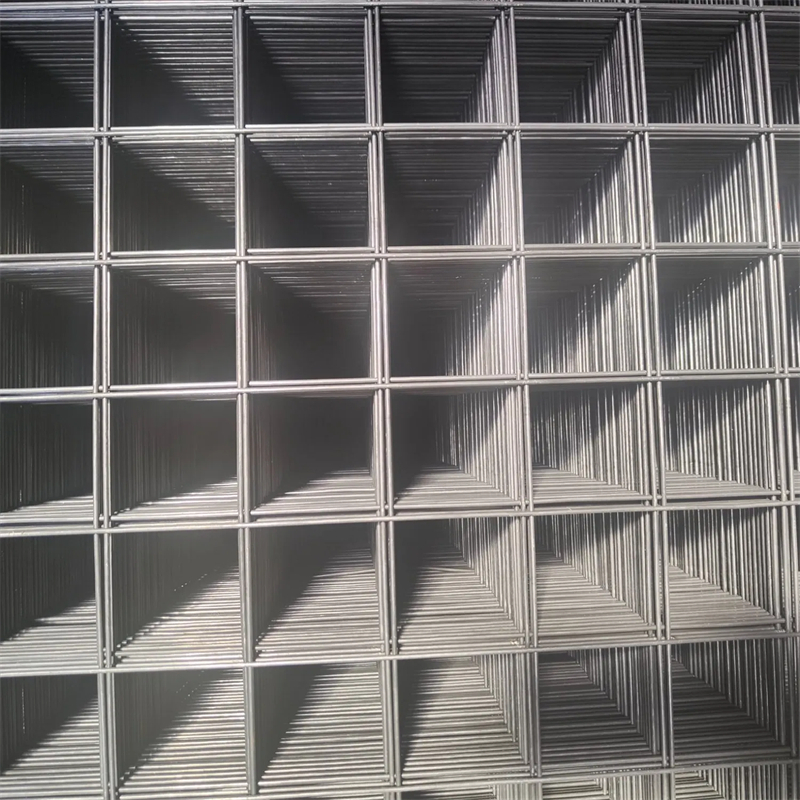
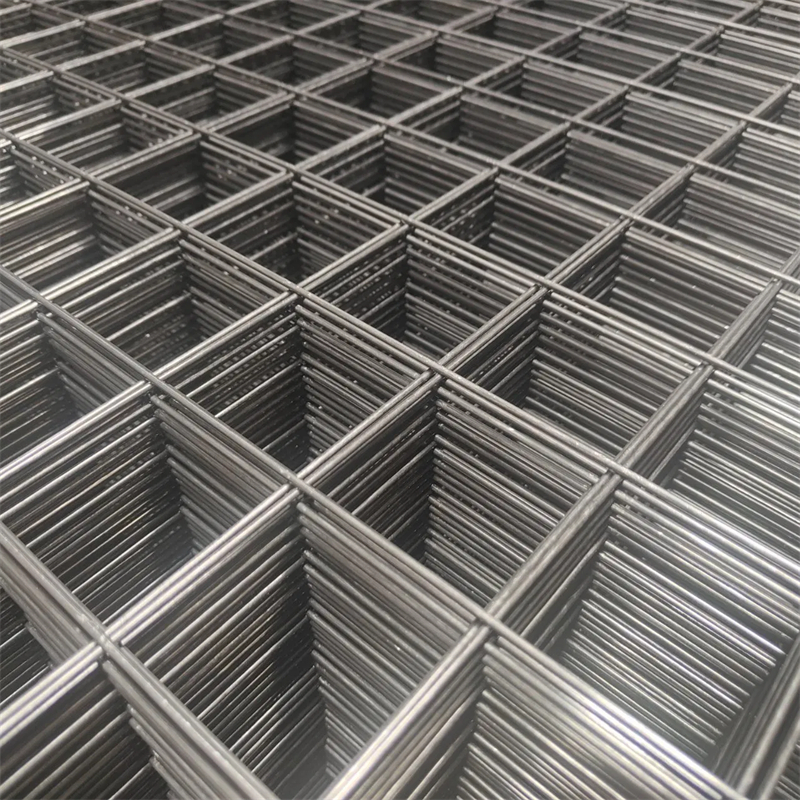
Welded mesh – wires welded at right angles to form a rigid grid
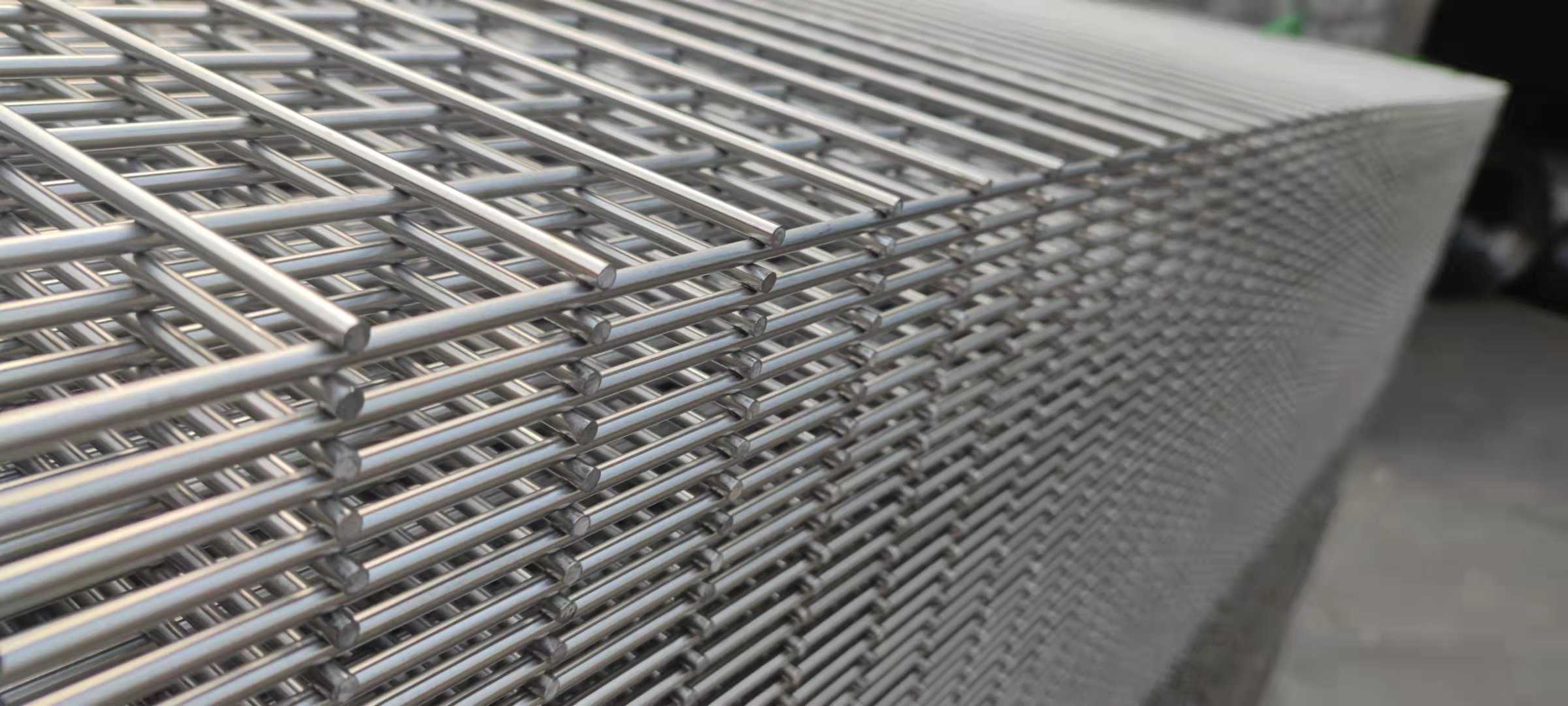
| Model | Material | Wire Dia (mm) | Mesh Aperture (mm) | Grid Type | Panel Size (W × H, mm) | Finish | Edge Type | Approx. Weight (kg/m²) | Typical Application |
|---|---|---|---|---|---|---|---|---|---|
| WM-01 | SS304 | 2.0 | 25 × 25 | Square | 1000 × 2000 | Stainless | Cut edge | 2.8 | Machine guards |
| WM-02 | SS304 | 3.0 | 50 × 50 | Square | 1200 × 2400 | Stainless | Framed | 3.2 | Security cages |
| WM-03 | SS316 | 4.0 | 50 × 50 | Square | 1500 × 3000 | Stainless | Cut edge | 5.1 | Coastal fencing |
| WM-04 | SS304 | 2.5 | 50 × 100 | Rectangular | 1200 × 2400 | Stainless | Cut edge | 3.0 | Partition walls |
| WM-05 | SS316 | 5.0 | 75 × 75 | Square | 2000 × 3000 | Stainless | Framed | 7.2 | High-security zones |
| WM-06 | Galv. Steel | 2.0 | 50 × 50 | Square | 1800 × 3000 | Hot-dip galvanized | Cut edge | 2.5 | Temporary fencing |
| WM-07 | SS304 | 1.5 | 12.5 × 12.5 | Square | 1000 × 2000 | Stainless | Cut edge | 2.2 | Small animal cages |
| WM-08 | SS316 | 3.0 | 25 × 50 | Rectangular | 1200 × 2400 | Stainless | Framed | 4.0 | Balcony fence panels |
| WM-09 | SS304 | 2.5 | 30 × 30 | Square | 1000 × 2000 | Stainless | Cut edge | 3.4 | Storage enclosures |
| WM-10 | SS316 | 4.0 | 100 × 100 | Square | 2000 × 3000 | Stainless | Cut edge | 4.9 | Perimeter enclosures |
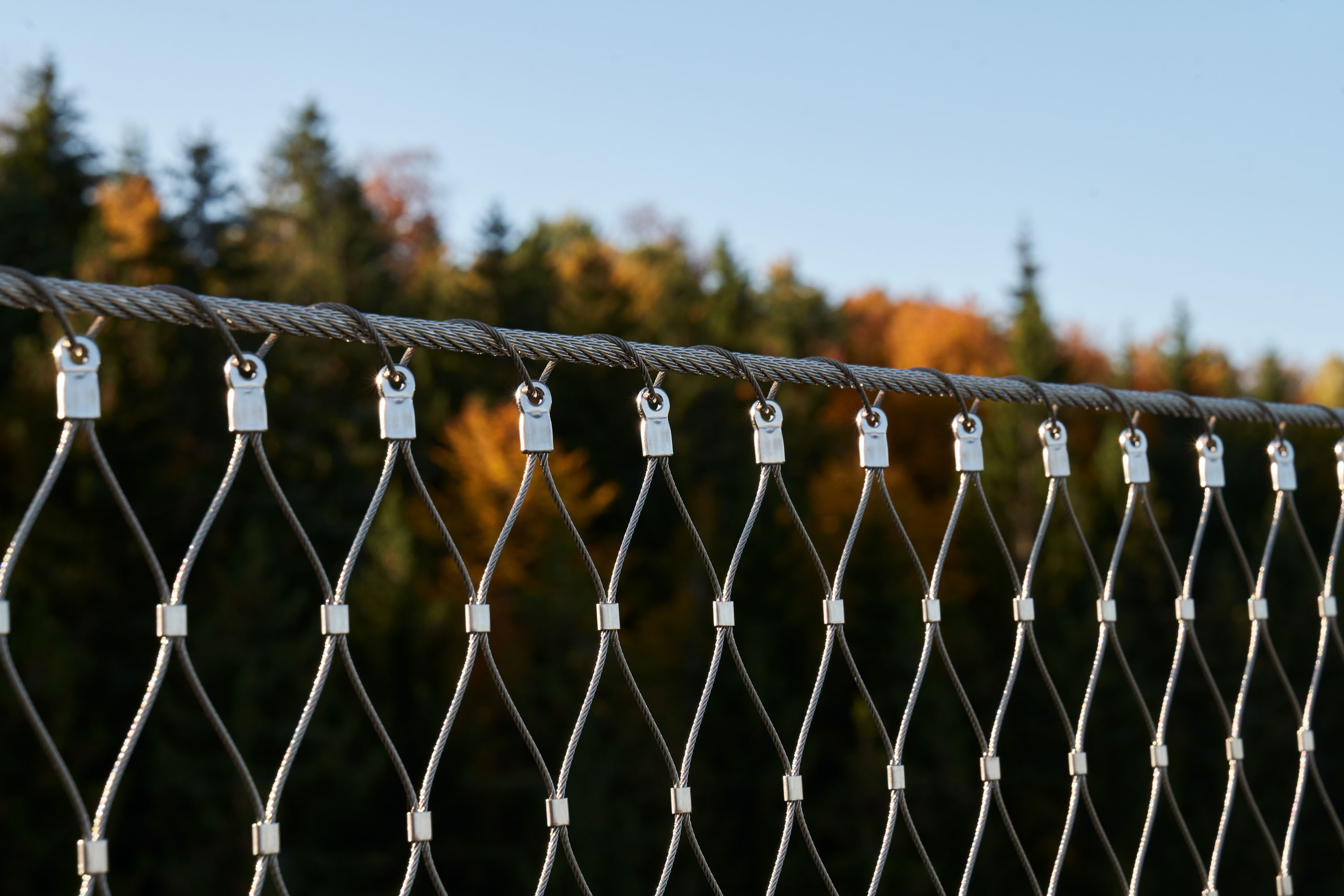
Wire rope mesh / cable mesh – multi-strand wire ropes joined with knots or ferrules to create flexible diamond openings
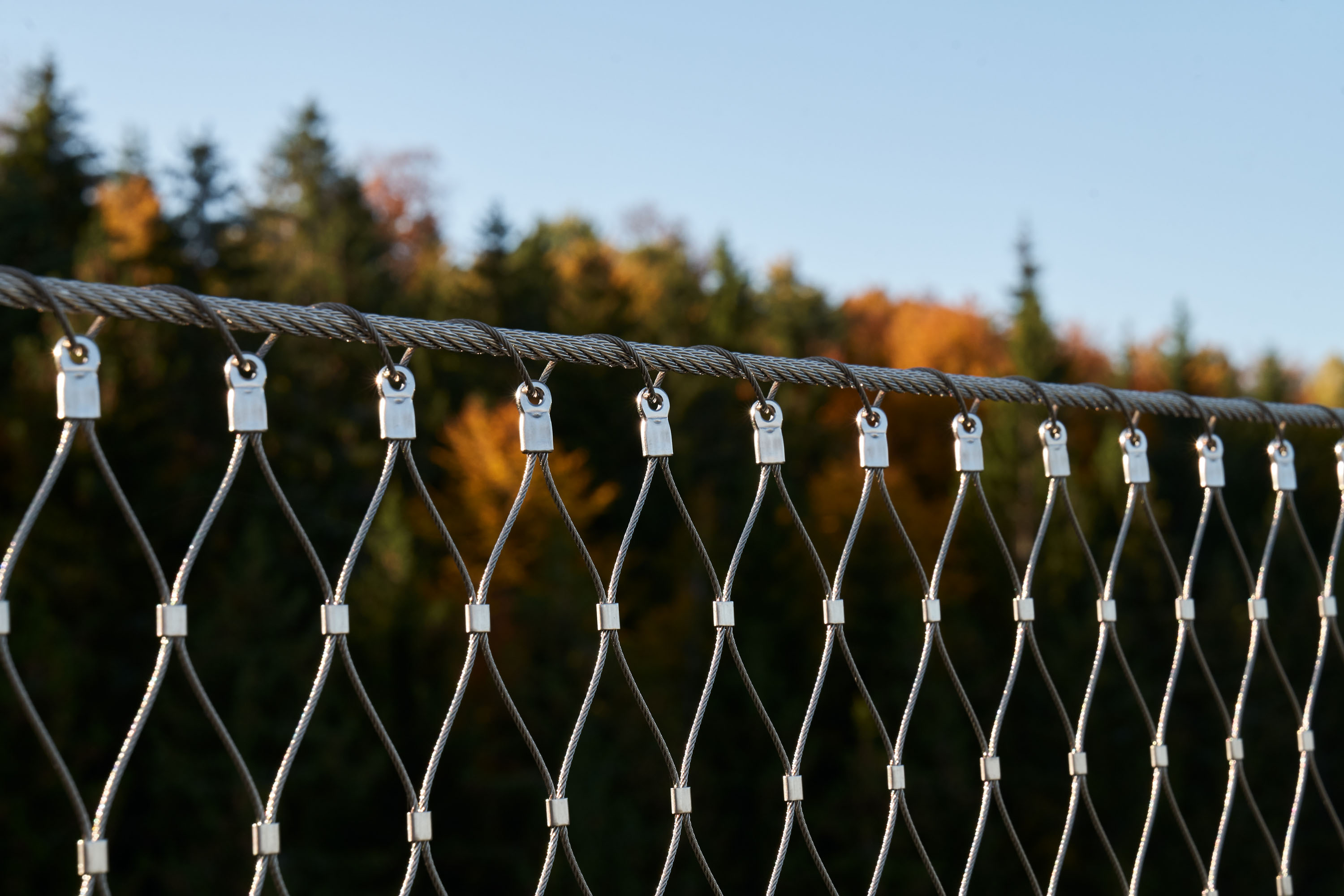
| Model | Rope Dia (mm) | Rope Structure | Mesh Aperture (MW × MH, mm) | Mesh Style | Material | Approx. Break Load (kN) | Open Area (%) | Typical Panel Size (W × H, m) | Typical Application |
|---|---|---|---|---|---|---|---|---|---|
| CM-01 | 1.5 | 7×7 | 30 × 50 | Ferruled | SS316 | 1.8 | 86 | 2.0 × 1.0 | Stair balustrade infill |
| CM-02 | 1.5 | 7×7 | 40 × 70 | Ferruled | SS316 | 1.8 | 90 | 3.0 × 1.2 | Balcony railing mesh |
| CM-03 | 2.0 | 7×7 | 50 × 86 | Ferruled | SS316L | 2.9 | 94 | 3.0 × 1.5 | Public viewing platforms |
| CM-04 | 2.0 | 7×7 | 60 × 105 | Ferruled | SS316L | 2.9 | 95 | 4.0 × 2.0 | Bridge edge protection |
| CM-05 | 2.0 | 7×7 | 80 × 140 | Ferruled | SS316 | 2.9 | 96 | 4.0 × 2.5 | Green wall support |
| CM-06 | 2.4 | 7×19 | 40 × 70 | Knotted | SS316 | 4.3 | 84 | 2.5 × 1.5 | Animal enclosure (medium) |
| CM-07 | 3.0 | 7×19 | 60 × 105 | Knotted | SS316 | 5.1 | 87 | 5.0 × 3.0 | Large bird aviary |
| CM-08 | 3.0 | 7×19 | 80 × 140 | Ferruled | SS316L | 5.1 | 90 | 6.0 × 3.0 | Zoo mesh for big cats |
| CM-09 | 3.0 | 7×19 | 100 × 175 | Ferruled | SS316L | 5.1 | 92 | 8.0 × 4.0 | Stadium anti-throw net |
| CM-10 | 4.0 | 7×19 | 120 × 208 | Ferruled | SS316 | 7.5 | 94 | 10.0 × 5.0 | High-span façade mesh |
Knitted / crimped mesh – used where flexibility or decorative texture is required
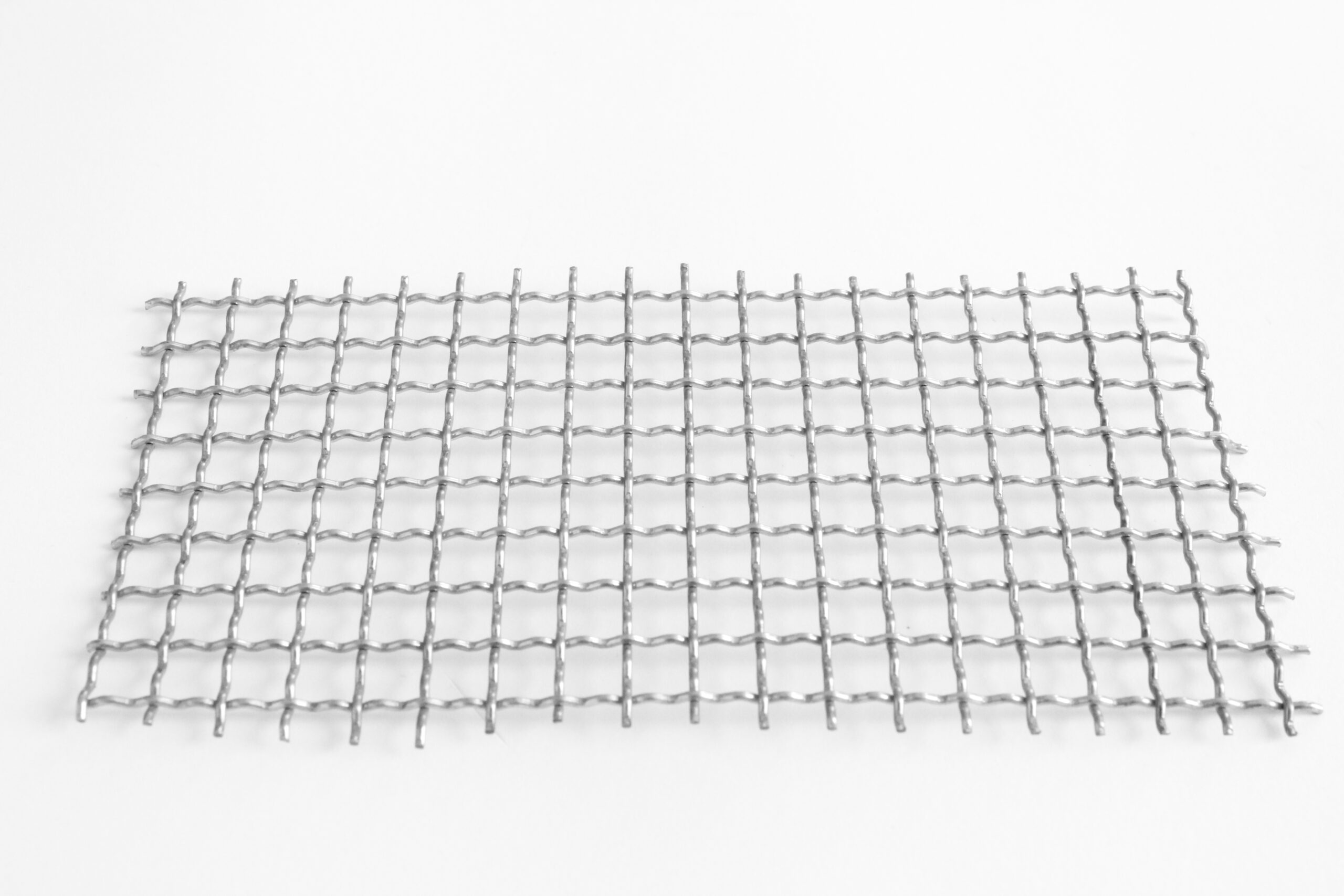
| Model | Mesh Type | Material | Wire Dia (mm) | Pattern / Crimp | Aperture (mm) | Open Area (%) | Roll Width (m) | Roll Length (m) | Typical Application |
|---|---|---|---|---|---|---|---|---|---|
| KM-01 | Crimped | SS304 | 1.0 | Double-crimp | 5 × 5 | 60 | 1.0 | 20 | Decorative grilles |
| KM-02 | Crimped | SS304 | 1.5 | Lock-crimp | 10 × 10 | 65 | 1.2 | 20 | Balustrade infill panels |
| KM-03 | Crimped | SS316 | 2.0 | Flat-top | 15 × 15 | 70 | 1.5 | 20 | Architectural screens |
| KM-04 | Crimped | SS316 | 3.0 | Double-crimp | 20 × 20 | 72 | 2.0 | 15 | Walkway & platform guards |
| KM-05 | Knitted | SS304 | 0.25 | Knitted mesh | 2.0 × 4.0 | 90 | 0.8 | 30 | Demister pads |
| KM-06 | Knitted | SS316 | 0.28 | Knitted mesh | 2.5 × 4.5 | 92 | 1.0 | 30 | Mist eliminators |
| KM-07 | Crimped | SS304 | 1.2 | Double-crimp | 8 × 8 | 62 | 1.0 | 25 | Ceiling & wall panels |
| KM-08 | Crimped | SS316 | 1.6 | Lock-crimp | 12 × 12 | 68 | 1.5 | 25 | Sun shading mesh |
| KM-09 | Crimped | SS304 | 2.5 | Flat-top | 25 × 25 | 75 | 2.0 | 15 | Heavy-duty grills & guards |
| KM-10 | Knitted | SS316 | 0.30 | Knitted mesh | 3.0 × 5.0 | 93 | 1.2 | 20 | Acoustic & filter media |
Mistake 2 – Picking the wrong mesh type for a life-safety application
Each mesh construction behaves very differently under load, impact and long-term exposure. Treating all these options as “the same mesh” is a fast way to end up with a system that looks right at handover but fails when people lean, climb or fall against it.
2. Why Choose Stainless Steel for Mesh Netting?
Compared with galvanized steel, aluminum or plastic mesh, stainless steel mesh net offers several key advantages:
- Corrosion resistance
Stainless steel (especially grades 304 and 316/316L) resists rust, moisture, chemicals and UV, making it ideal for outdoor, coastal and industrial environments. - High strength vs. weight
Thin wires and cables can carry large loads, so the net looks light and unobtrusive but is strong enough to act as fall protection or containment. - Long service life
No flaking, peeling coatings or frequent repainting. With basic cleaning, stainless mesh can last decades. - Clean, hygienic surface
Stainless steel is easy to wash and does not leach toxic coatings, making it suitable for public buildings, food areas and animal enclosures. - Architectural aesthetics
Slim lines and open patterns create a contemporary look that works well with glass, concrete, timber and other modern materials.
3. Typical Materials and Mesh Types
3.1 Stainless steel grades
Most stainless steel mesh net products use austenitic stainless steels:
- AISI 304 / 304L – general purpose grade for interior and many outdoor uses
- AISI 316 / 316L – marine grade, with improved resistance to chlorides and harsh atmospheres
Both the wires/cables and any ferrules or frames are usually made from the same grade to ensure consistent appearance and avoid galvanic corrosion.
3.2 Mesh constructions
- Woven mesh net
- Square or rectangular openings
- Wide range of wire diameters and apertures
- Common in filtration, insect screens, light guards
- Welded mesh net
- Rigid panels, strong at each welded joint
- Often used for machine guards, cages, security fencing
- Wire rope / cable mesh net
- Multi-strand cables (7×7, 7×19) form flexible diamonds
- Hand-woven (knotted) or ferruled (pressed sleeves)
- Ideal for balustrades, zoo mesh, aviaries, fall protection
Mistake 3 – Ignoring material grade and key design parameters
Using the wrong stainless grade or guessing mesh aperture and wire diameter may look fine on drawings, but in the real world it can mean excessive deflection, broken wires or people and objects passing straight through the net.
4. Key Design Parameters
When specifying a stainless steel mesh net, designers typically consider:
- Wire / cable diameter – thicker wire = higher strength and stiffness
- Mesh aperture (opening size) – determines safety level, transparency and what can pass through
- Mesh orientation – square grid or diamond (standing or lying)
- Panel size – rolls or prefabricated panels to fit the frame
- Open area (%) – ratio of open space to metal; affects visibility, airflow and weight
Example guide ranges for stainless steel mesh net:
- Wire / cable diameter: 1.0–4.0 mm
- Aperture:
- Small: 10–30 mm (safety for small objects / children / small birds)
- Medium: 30–60 mm (balustrades, mixed use)
- Large: 60–120 mm+ (facades, green walls, large aviaries)
Mistake 4 – Forgetting how and where stainless steel mesh net will actually be used
Mesh that is safe for a light-duty balcony can be completely wrong for a public bridge, zoo enclosure or industrial platform. Underestimating real loads and user behaviour is a direct path to unexpected accidents.
5. Typical Applications of Stainless Steel Mesh Net
Stainless steel mesh net is used across many sectors:
- Balustrades and stair infill
- Infill panels for staircases, balconies and galleries
- Prevent falls while keeping views open
- Bridges and elevated walkways
- Side protection on pedestrian bridges and skywalks
- Anti-throw and anti-climb barriers in public spaces
- Zoo and aviary enclosures
- Flexible wire rope mesh netting for birds and animals
- Large spans with minimal visual obstruction
- Safety and fall protection
- Edge protection on roofs, platforms and industrial sites
- Nets under work areas to catch tools or debris
- Façade and green wall support
- Secondary “skin” on building facades as a design feature
- Trellis mesh to support climbing plants and living walls
- Industrial and utility guards
- Machine guards, fan guards, light covers and partition walls
- Storage cages and protective screens
Mistake 5 – Treating installation, inspection and maintenance as an afterthought
Even the best stainless steel mesh net can fail without warning if it is poorly anchored, incorrectly tensioned or never inspected. Many incidents happen not because the mesh was weak on paper, but because it was never installed and maintained as designed.
6. Installation and Handling
Correct installation is just as important as choosing the right mesh:
- Framing and supports
- Use steel, stainless or suitable structural members to carry tension
- Ensure posts, frames and fixing points can resist design loads
- Fixings and tensioning (especially for cable mesh)
- Use stainless clamps, lacing, shackles or custom profiles
- Apply even tension so the mesh forms clean, regular openings
- Avoid sharp edges that could damage the wires
- Cutting and finishing
- Cut with appropriate tools to avoid frayed or crushed wires
- Treat or cap any exposed ends to prevent injury
- Maintenance
- Periodic visual inspection for damage or deformation
- Cleaning with water or mild detergent to remove dirt and deposits
- Minimal or no repainting required with stainless steel
7. Advantages in Life-Cycle Cost
Even though stainless steel mesh net can have a higher initial cost than basic galvanized products, it often wins over the full life of the project:
- Fewer replacements
- No regular painting or coating renewal
- Reduced downtime for maintenance
- Better appearance for longer, especially in high-visibility areas
For architects, engineers and owners, this makes stainless steel mesh net a smart choice where safety, aesthetics and long-term performance all matter.
8. Summary – turn a potential failure point into a life-saving system
Stainless steel mesh net combines strength, durability and transparency in a single system. With multiple construction types (woven, welded, wire rope), a wide range of apertures and diameters, and excellent corrosion resistance, it can be tailored to almost any safety, enclosure or architectural requirement. From elegant balustrades and green façades to rugged industrial guards and zoo enclosures, stainless steel mesh net offers a reliable, low-maintenance solution that protects people and structures without closing in the space.
But the title of this article is also your warning: stainless steel mesh net can save lives—or fail without warning. If you ignore what the mesh really is, choose the wrong type, neglect material grades, skip critical design checks, or treat installation and maintenance as minor details, you increase the chance of a sudden, costly and dangerous failure.
Follow the specifications, tables and guides in this article carefully, and your stainless steel mesh net is far more likely to do what it was designed to do: quietly prevent accidents every single day.