Your One-Stop Wire Mesh Fence Supplier | POLYMETAL
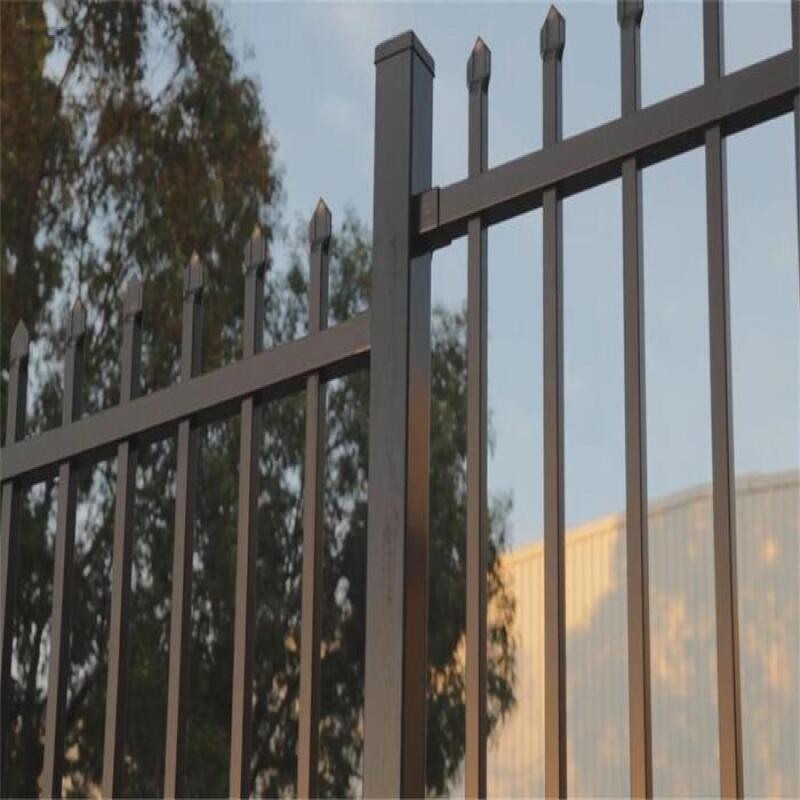
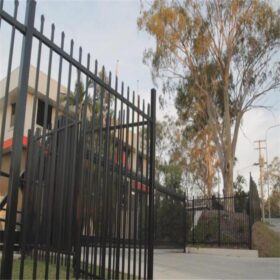
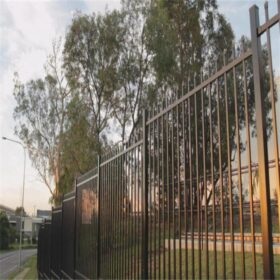
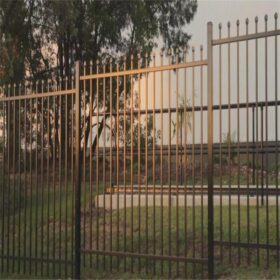
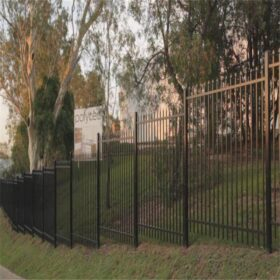
A steel picket fence is designed to stop intruders, control access and give your boundary a strong, professional finish. When the specification is correct, it works as a real barrier with long service life and low maintenance. But when height, tube size, wall thickness, rail section, upright spacing or post strength are cut to save a few dollars, the same fence turns into a cosmetic line that looks secure while quietly exposing you to theft, accidents, complaints and expensive rework. A properly engineered powder coated zinc steel picket fence with rich-zinc primer, phosphate treatment and polyester topcoat delivers reliable performance on residential, commercial and industrial sites.
Risk fact #1: Under-sized height quietly turns your steel picket fence into a climbing aid
Dropping from 1800mm to 1500mm or even 1200mm fence height may look like a small change on paper, but in practice it creates an easy climbing aid for adults and teenagers. The standard 1800mm crimp-top design is chosen because it forces intruders to stretch and exposes them, especially when spear tips are sharp and spears are properly spaced. Once you cut height, especially on retaining walls or near steps, you open a risk window that is difficult and expensive to close later.
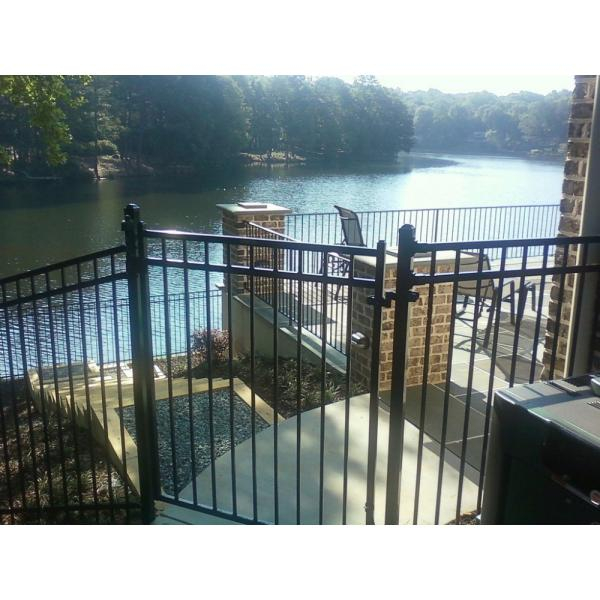 | 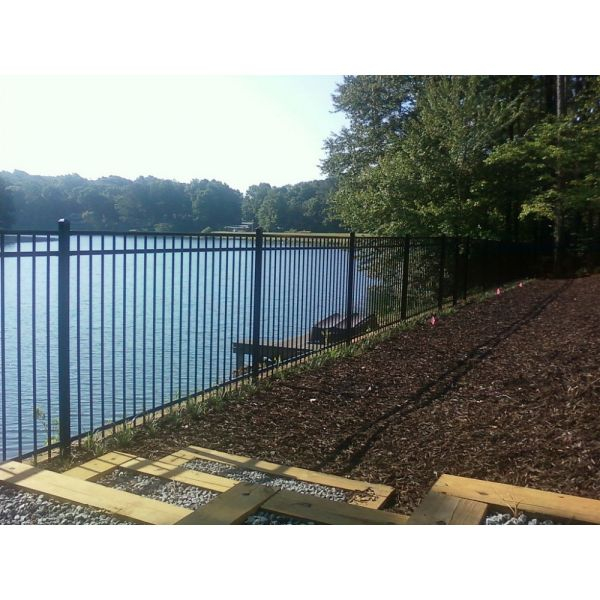 | 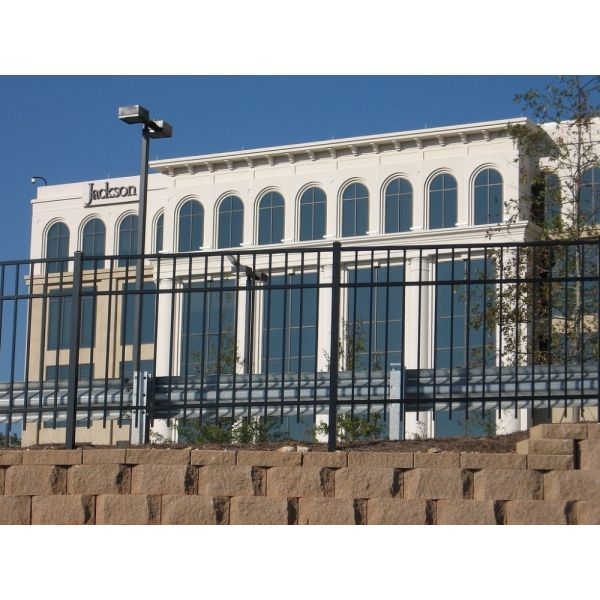 | 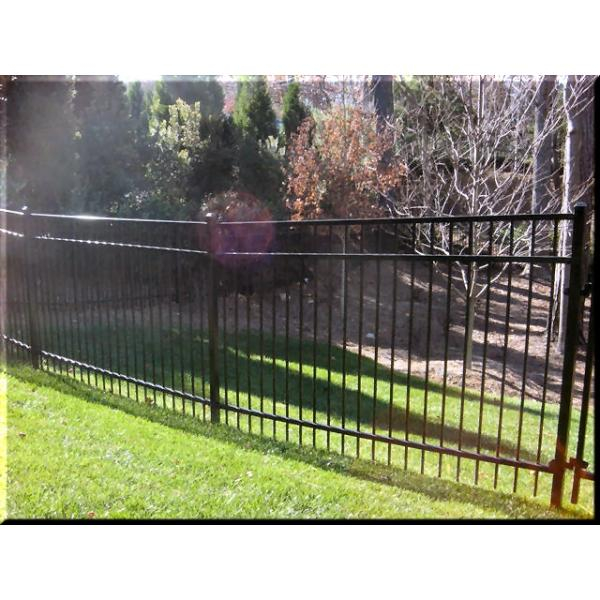 |
Basic product profile of powder coated zinc steel picket fence
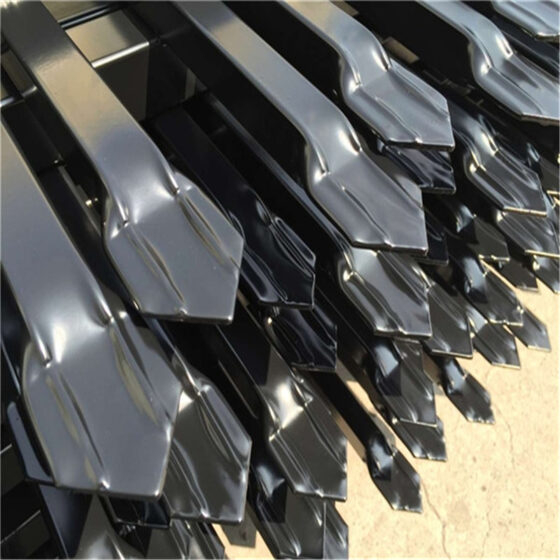
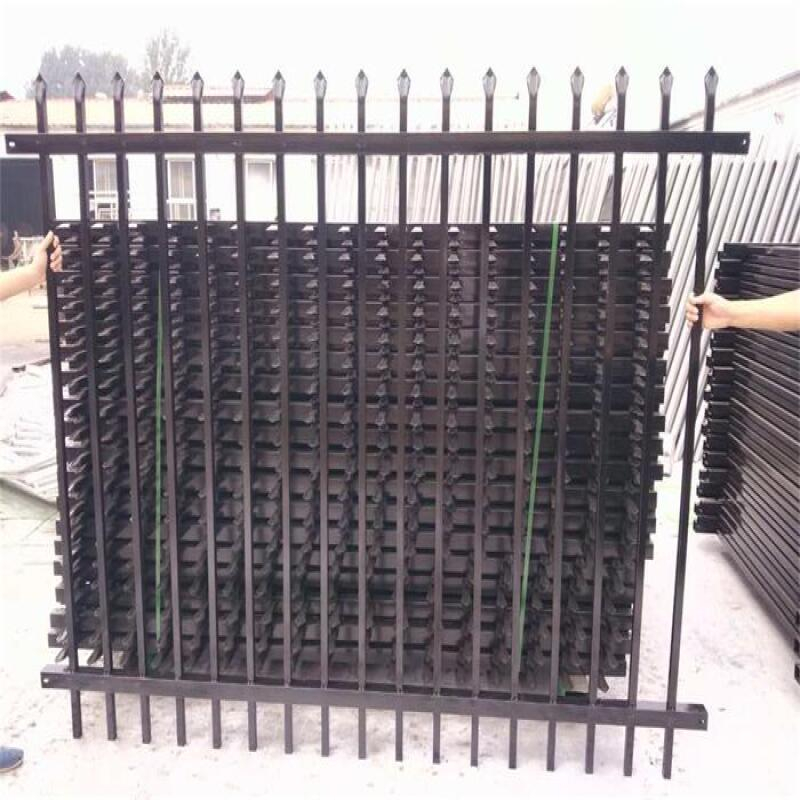
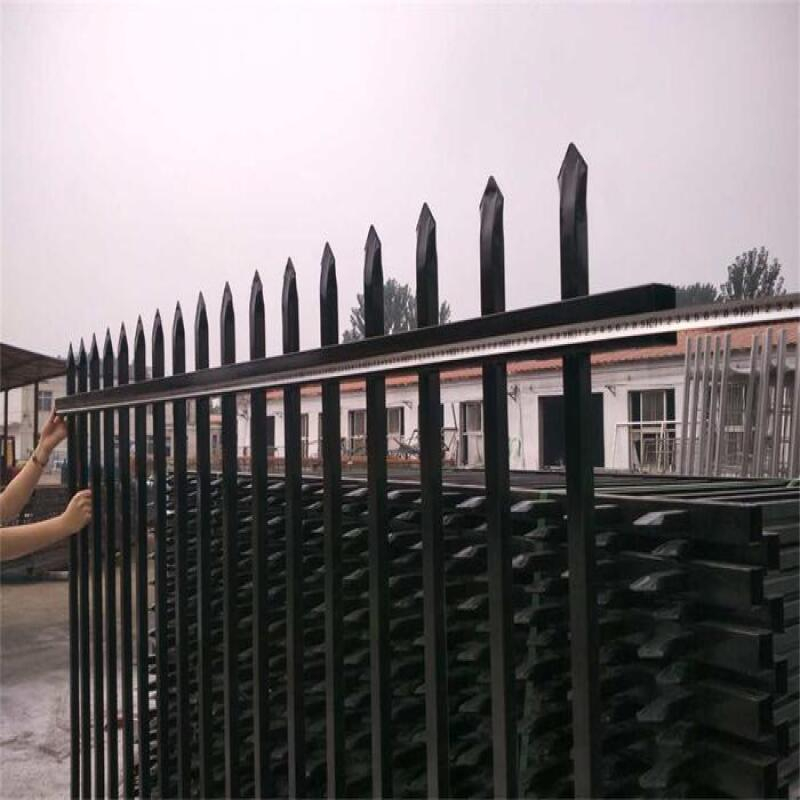
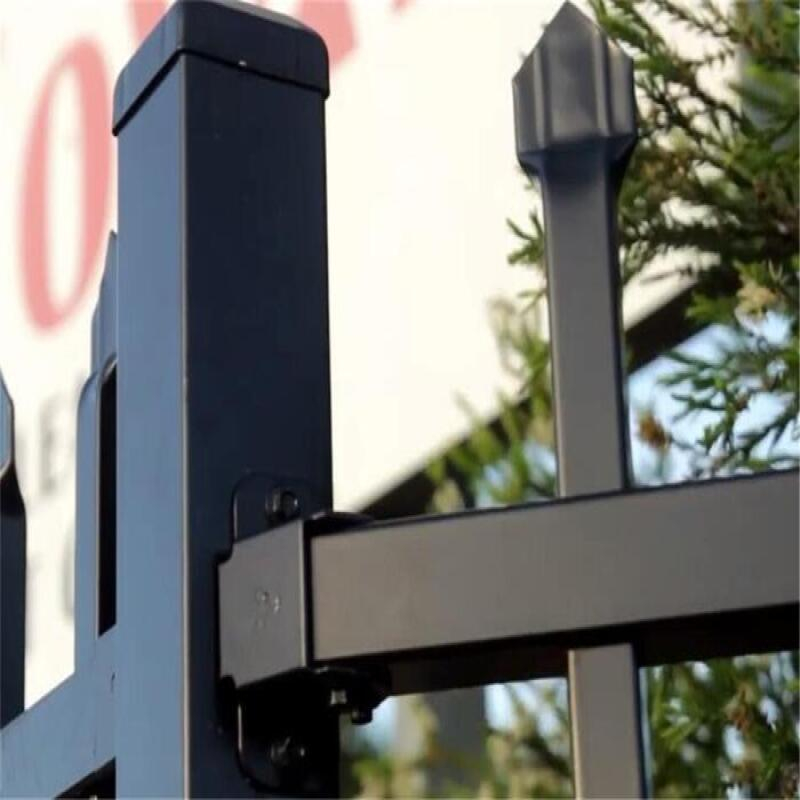
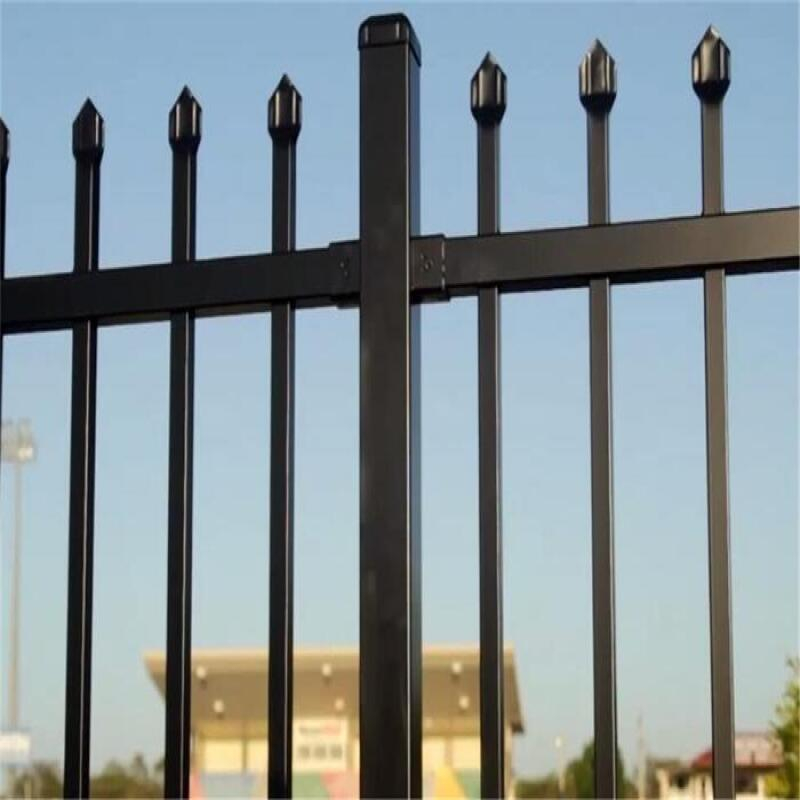
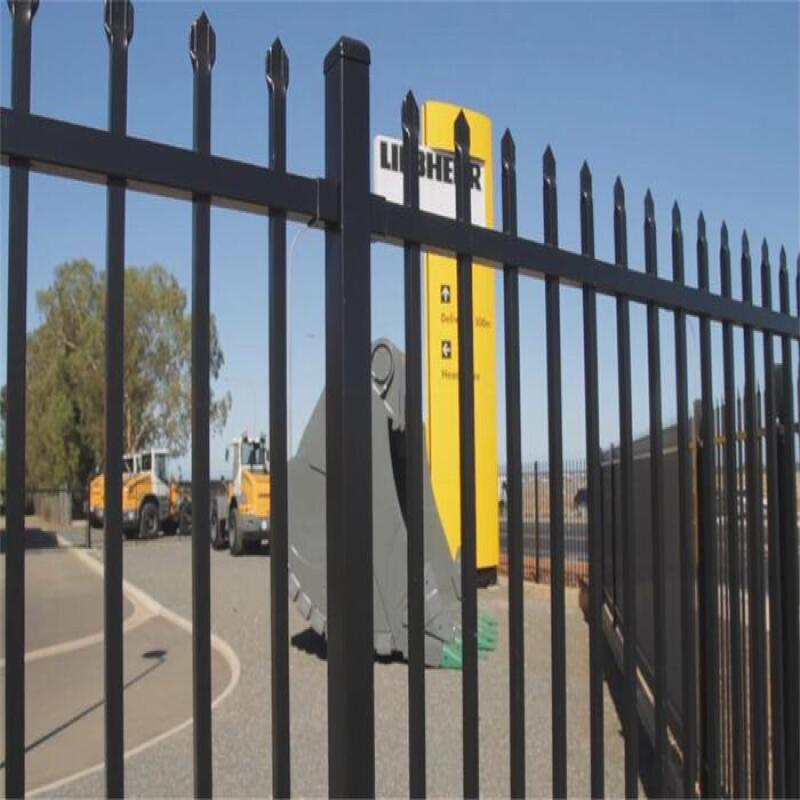
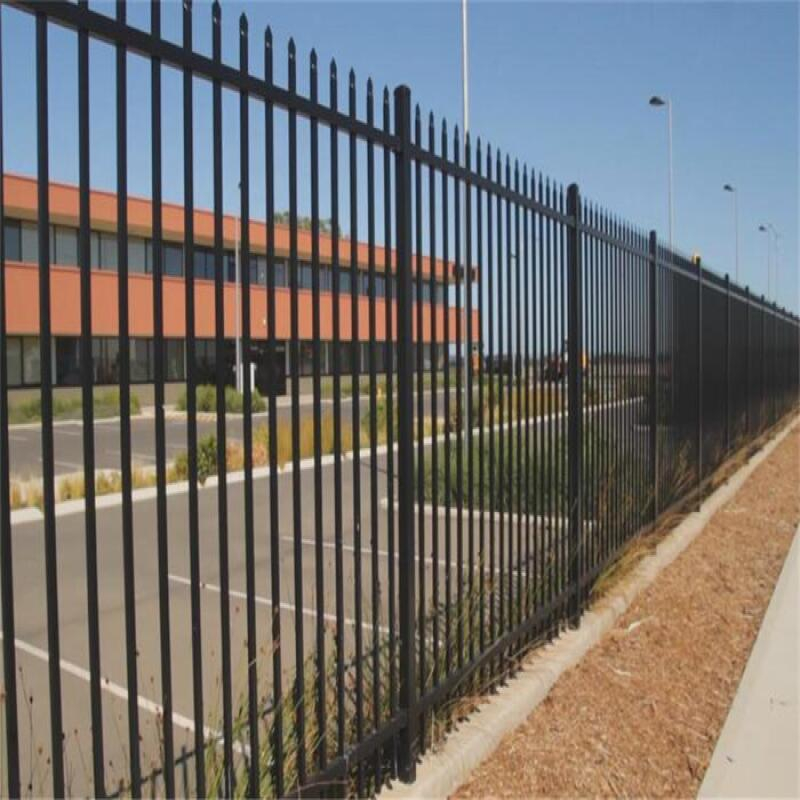
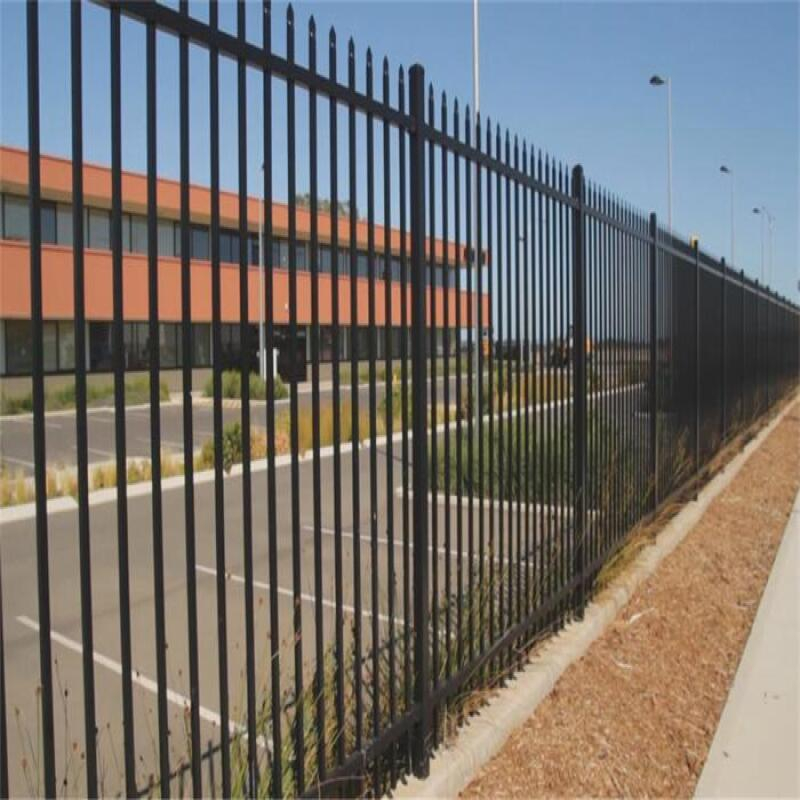
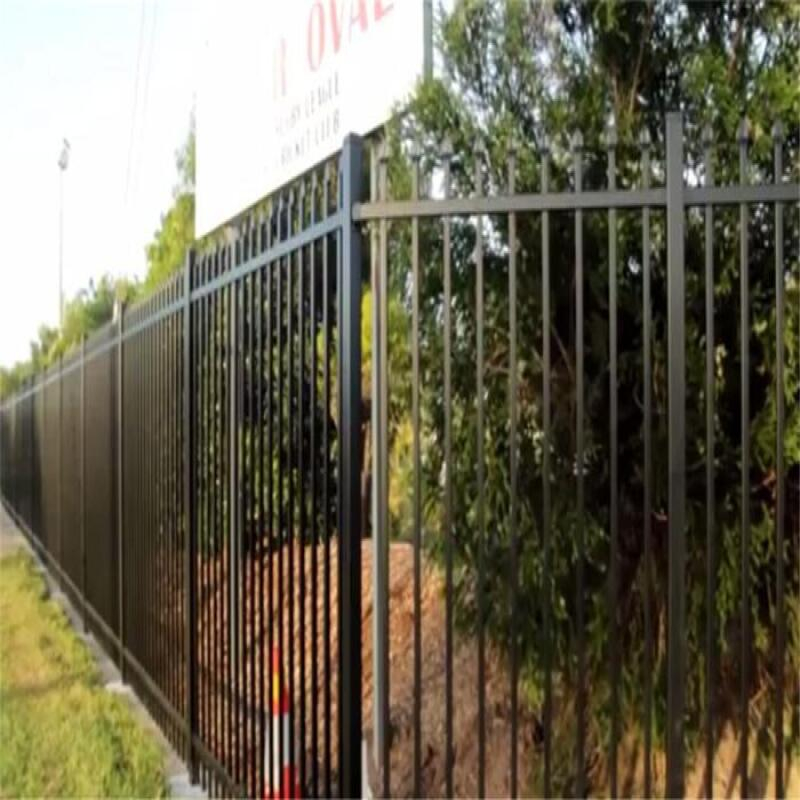
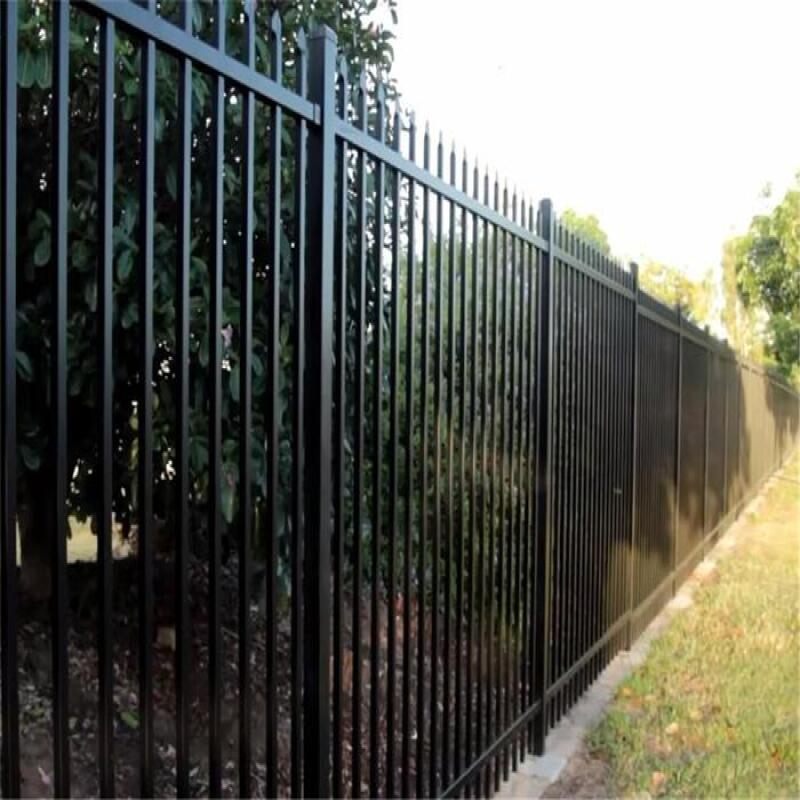
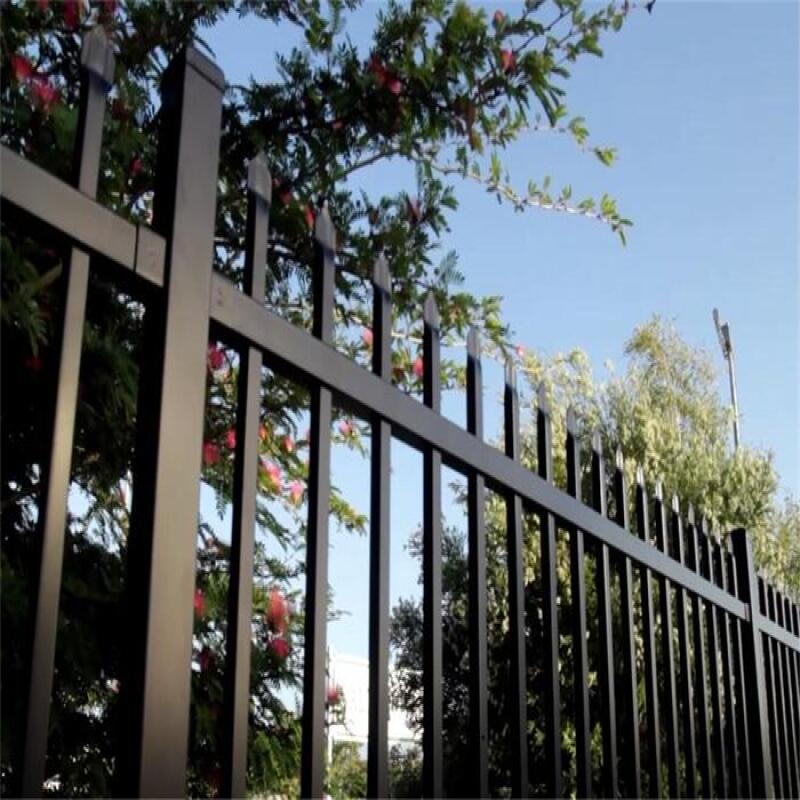
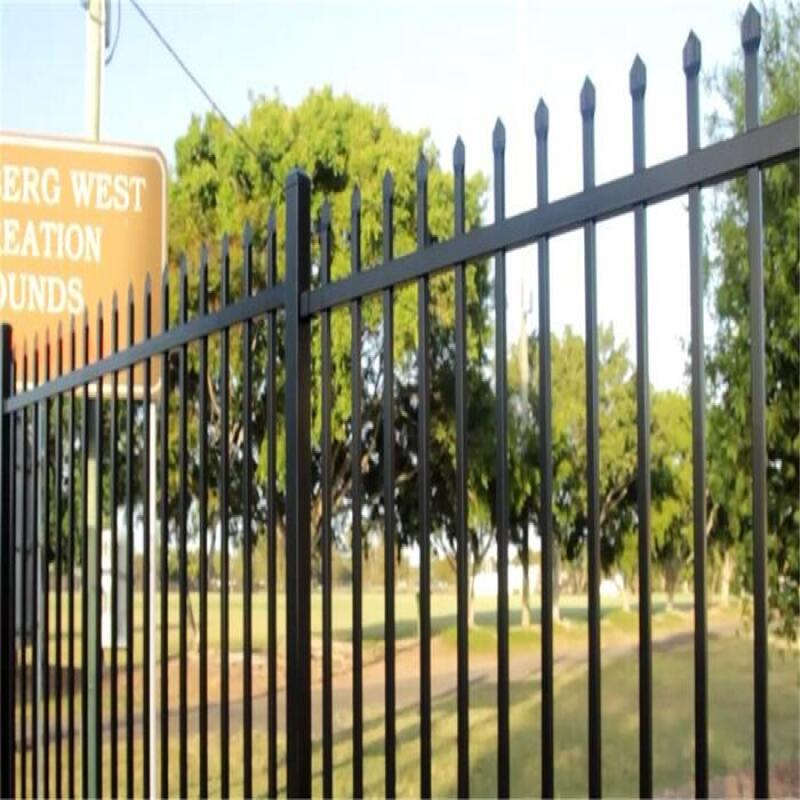
The core product is a heavy duty crimp-top steel picket fence in black colour only. A popular configuration is width 2400mm x height 1800mm with crimp-top diamond spear profile. The top rail is 40x40x1.6mm, verticals are commonly 25x25x1.2mm (some lighter versions use 20x20x1.0mm), and each panel includes 17 vertical pickets with diamond crimped tops. The gap in between pickets is 110mm, carefully chosen to block climbing while keeping a clear view. Posts are 60x60x2.0mm and 3000mm long, not the shorter 2.6m posts some suppliers offer, which means deeper embedment and greater stability in concrete. Normal powder coated brackets and reinforced security brackets hold the panel to the posts, and powder coated caps protect each 60×60 post from water. Every panel is phosphate treated before powder coating, a key step that many suppliers overlook; this is why a true steel picket fence can stay smooth, glossy and rust-free for many years.
Cost trap point #2: Choosing 20×20 uprights everywhere hides a serious strength downside
Using 20x20x0.8–1.0mm uprights across the whole project can make the quote look attractive, but it adds a hidden downside to your steel picket fence. These lighter pickets bend much more easily when hit by trolleys, balls or bicycles, and they deform quickly in high-traffic areas like schools and car parks. Once a few uprights bend, the line looks weak and you face repeated replacement costs. A smarter layout uses 25x25x1.0–1.2mm uprights for key security zones and keeps lighter pickets only for low-risk decorative areas.
Core construction and material features
Rails, uprights, spacing and posts
A serious steel picket fence is based on a simple but powerful structure: square tube rails, square tube uprights, controlled spacing and matched posts. Horizontal rails are usually 40x40x1.2–1.6mm or 25x25x1.0–1.2mm; vertical pickets range from 16×16, 19×19, 20×20 to 25x25mm with wall thickness 0.8–1.2mm depending on strength level. Center spacing between uprights is typically 110–120mm, and posts are 50x50x1.5mm, 60x60x2.0mm or 75x75x2.0mm based on height and loading. When these elements are balanced, the fence is straight, rigid and safe.
Flaw insight #3: Ignoring the 110mm spacing data can lead to climbing problems and safety complaints
The 110mm spacing data widely used for security steel picket fence is not an accident; it is the result of many years of practice. If you increase spacing too much, shoes and hands can find easy support, and even small heads may slip between uprights, creating a serious safety flaw. If you reduce spacing too much, you waste steel and money. Keeping 110mm for security lines and 120mm for lighter boundaries gives a clean look, strong safety performance and fewer complaints from inspectors and end users.
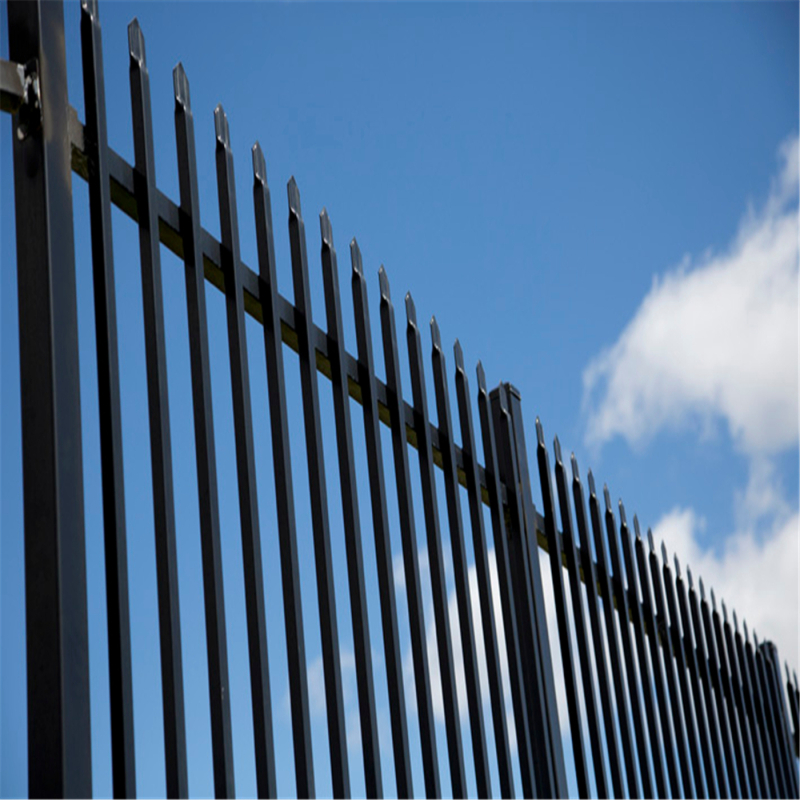
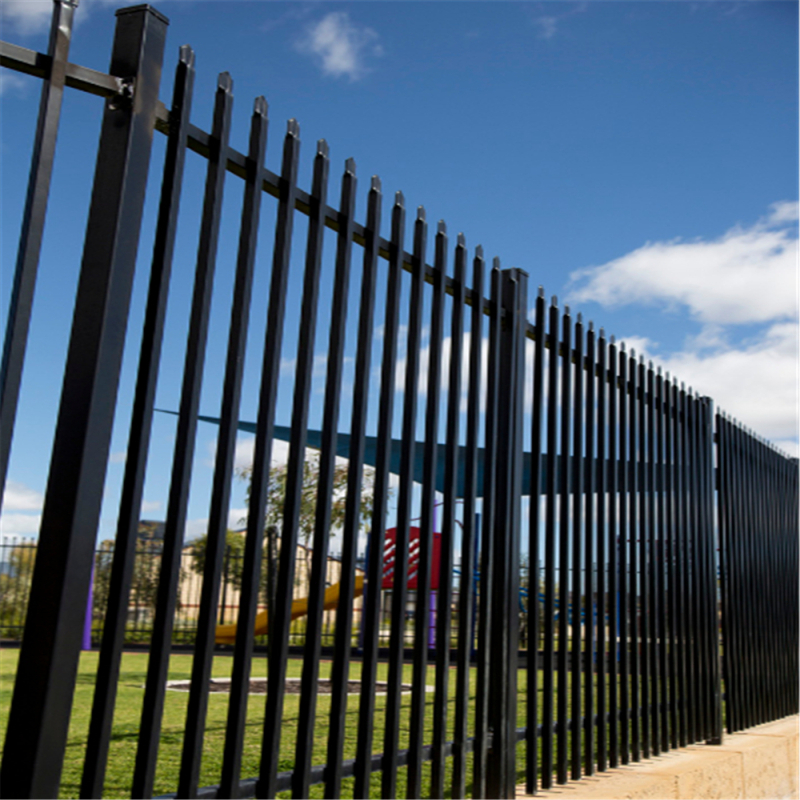
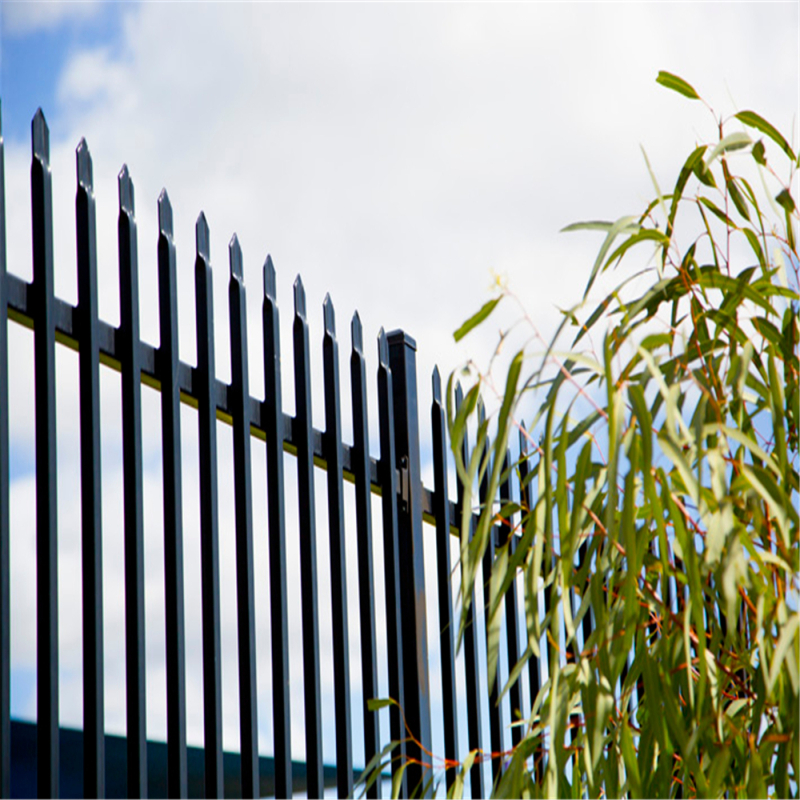
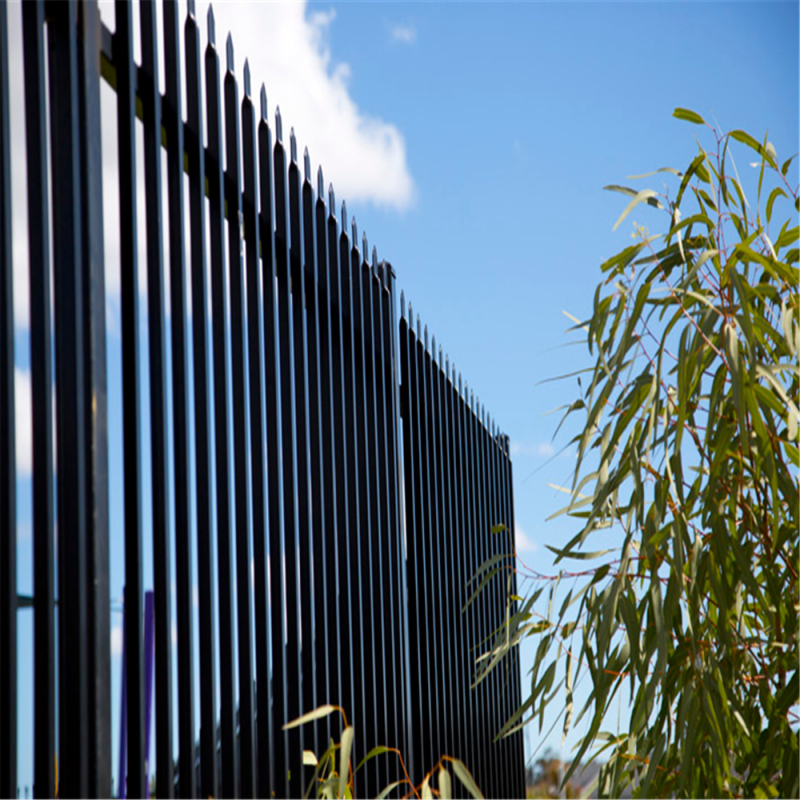
Specification Table #1 – Light and residential steel picket fence panels
| Model | Height (mm) | Width (mm) | Upright Tubes (mm) | Upright Wall Thickness (mm) | Rail Size (mm) | Rail Thickness (mm) | Upright Spacing (mm) | Post Size (mm) |
|---|---|---|---|---|---|---|---|---|
| SPF-R-09-24-1616 | 900 | 2400 | 16×16 | 0.8 | 25×25 | 1.0 | 120 | 50x50x1.5 |
| SPF-R-12-24-1616 | 1200 | 2400 | 16×16 | 0.8 | 25×25 | 1.0 | 120 | 50x50x1.5 |
| SPF-R-15-24-1616 | 1500 | 2400 | 16×16 | 1.0 | 25×25 | 1.0 | 120 | 50x50x1.5 |
| SPF-R-18-24-1616 | 1800 | 2400 | 16×16 | 1.0 | 25×25 | 1.0 | 120 | 50x50x1.5 |
| SPF-R-09-24-1919 | 900 | 2400 | 19×19 | 0.8 | 25×25 | 1.0 | 120 | 50x50x1.5 |
| SPF-R-12-24-1919 | 1200 | 2400 | 19×19 | 0.8 | 25×25 | 1.0 | 120 | 50x50x1.5 |
| SPF-R-15-24-1919 | 1500 | 2400 | 19×19 | 1.0 | 25×25 | 1.0 | 120 | 50x50x1.5 |
| SPF-R-18-24-1919 | 1800 | 2400 | 19×19 | 1.0 | 25×25 | 1.0 | 120 | 50x50x1.5 |
| SPF-R-09-24-2020 | 900 | 2400 | 20×20 | 0.8 | 25×25 | 1.0 | 110 | 50x50x1.5 |
| SPF-R-12-24-2020 | 1200 | 2400 | 20×20 | 0.8 | 25×25 | 1.0 | 110 | 50x50x1.5 |
| SPF-R-15-24-2020 | 1500 | 2400 | 20×20 | 1.0 | 25×25 | 1.0 | 110 | 60x60x2.0 |
| SPF-R-18-24-2020 | 1800 | 2400 | 20×20 | 1.0 | 25×25 | 1.0 | 110 | 60x60x2.0 |
| SPF-R-12-24-2525-L | 1200 | 2400 | 25×25 | 1.0 | 25×25 | 1.0 | 110 | 60x60x2.0 |
| SPF-R-15-24-2525-L | 1500 | 2400 | 25×25 | 1.0 | 25×25 | 1.0 | 110 | 60x60x2.0 |
| SPF-R-18-24-2525-L | 1800 | 2400 | 25×25 | 1.0 | 25×25 | 1.0 | 110 | 60x60x2.0 |
Material danger note #4: Using non-galvanized tube is a direct corrosion hazard
Some low-cost lines still use plain black tube with only a cosmetic powder coat over the top. This is a direct corrosion hazard because rust starts inside the tube and at welds, then pushes the coating off from underneath. A genuine powder coated zinc steel picket fence always uses galvanized tube first, then acid-washing, phosphate treatment, rich-zinc powder and finally polyester topcoat so that every cut, weld and edge is properly protected.
Surface treatment and coating system
Rich-zinc primer, phosphate treatment and polyester powder
High-quality steel picket fence panels follow a strict surface treatment principle. After cutting and punching, the steel is acid-washed to remove scale and contamination, then phosphate washed to create a micro-rough conversion layer. Rich-zinc powder coating is applied to build a strong zinc-rich base, and a polyester colour powder coat, usually black, is added as the final layer. This system delivers excellent adhesion, impact resistance and UV stability, which is why properly treated panels can stay glossy and rust-free for many years.
Oversight warning #5: Skipping phosphate treatment causes early coating failure and financial loss
Phosphate treatment may look like a “small” process step, but ignoring it is a serious oversight that leads directly to coating failure. Without phosphate, powder adhesion is weaker and micro-blisters can form under the film. In a few seasons, especially near coasts and industrial areas, the coating starts to chalk and peel at corners and spear tips. This oversight forces you to repaint, replace panels or accept a damaged appearance – every outcome means real financial loss that could have been avoided.
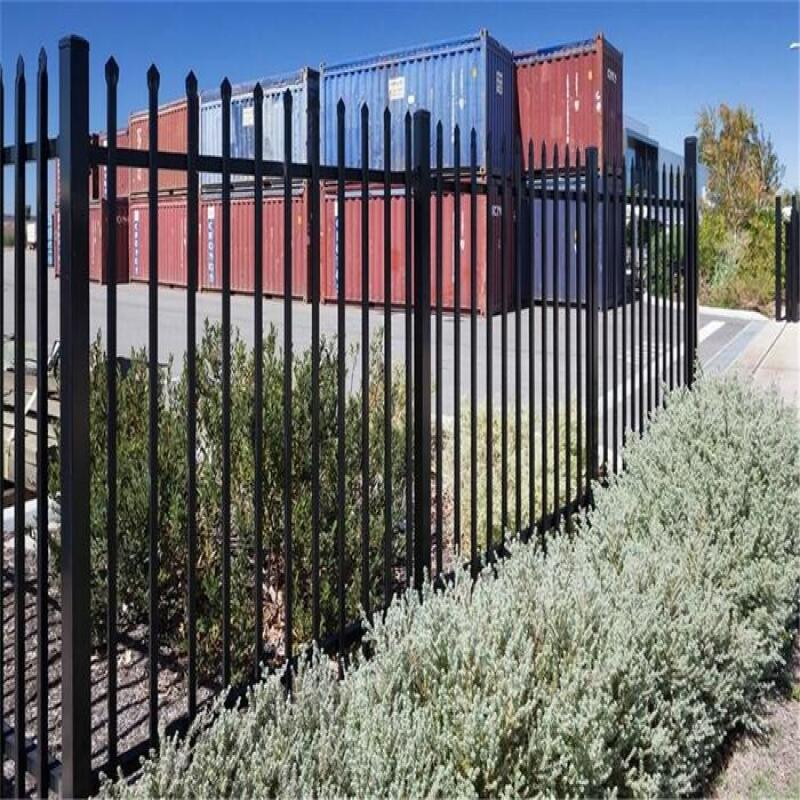
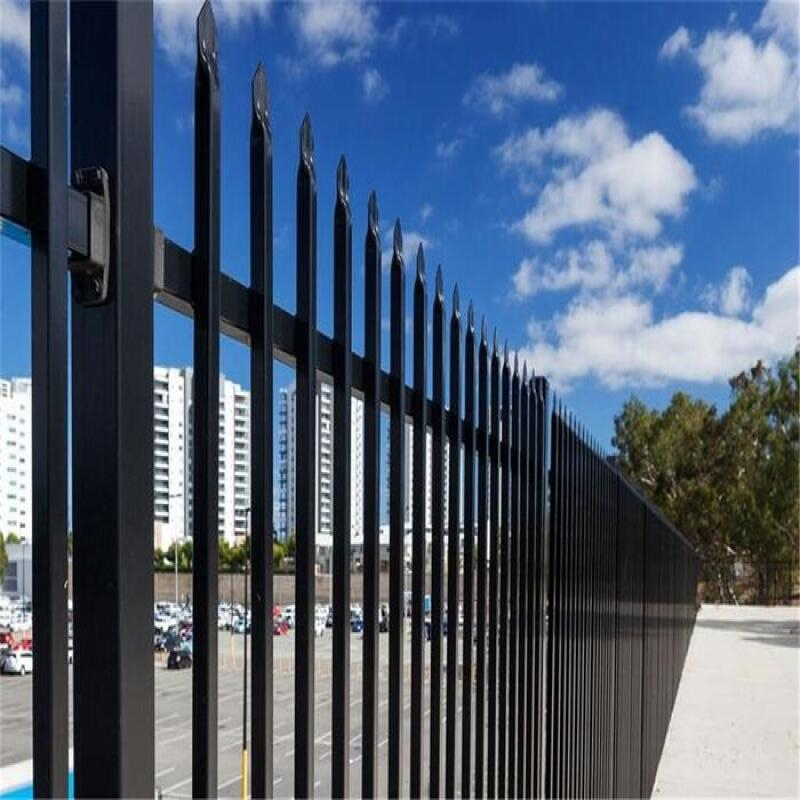
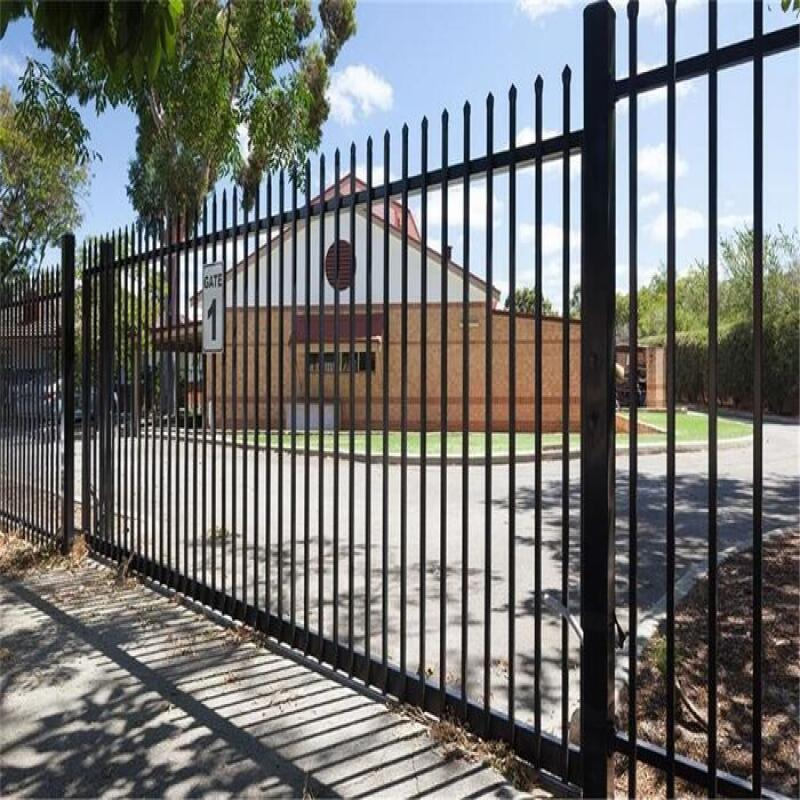
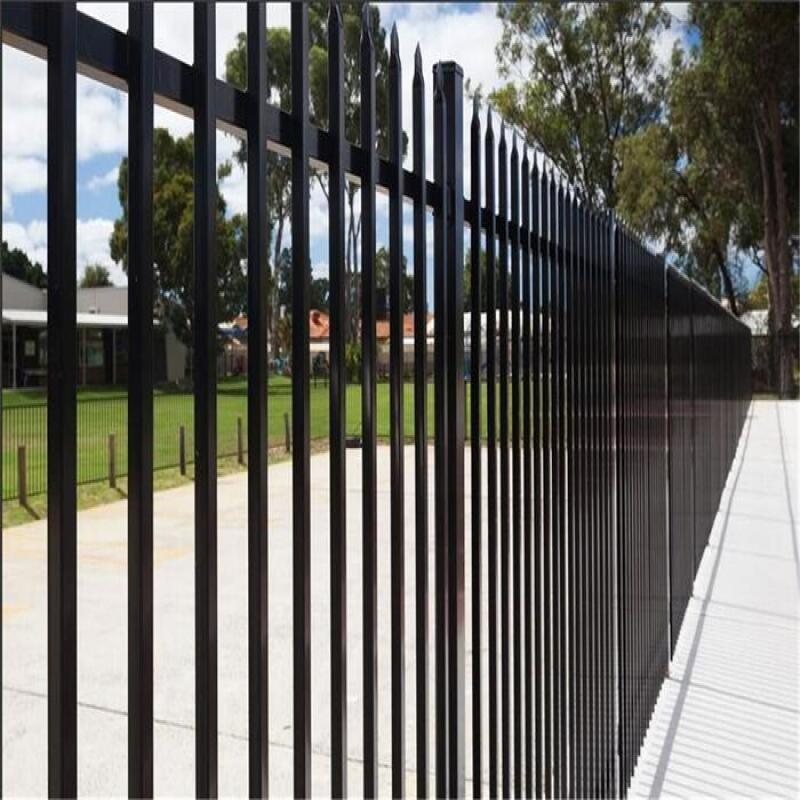
Popular steel picket fence specifications
Standard 1800mm and 2000mm security lines
For many security and boundary applications, 1800mm and 2000mm high panels provide the best balance of security, cost and appearance. 2400mm and 3000mm panel widths are common, with 40x40mm rails and 20×20 or 25x25mm uprights. Posts are upgraded to 60x60x2.0mm or 75x75x2.0mm to resist wind and crowds. Below is a summary of standard and commercial-grade models.
Specification Table #2 – Standard and commercial steel picket fence panels
| Model | Height (mm) | Width (mm) | Upright Tubes (mm) | Upright Wall Thickness (mm) | Rail Size (mm) | Rail Thickness (mm) | Upright Spacing (mm) | Post Size (mm) |
|---|---|---|---|---|---|---|---|---|
| SPF-S-15-30-1616 | 1500 | 3000 | 16×16 | 1.0 | 25×25 | 1.0 | 120 | 50x50x1.5 |
| SPF-S-17-30-1616 | 1700 | 3000 | 16×16 | 1.0 | 25×25 | 1.0 | 120 | 50x50x1.5 |
| SPF-S-18-30-1616 | 1800 | 3000 | 16×16 | 1.0 | 25×25 | 1.0 | 120 | 50x50x1.5 |
| SPF-S-18-30-1919 | 1800 | 3000 | 19×19 | 1.0 | 25×25 | 1.0 | 120 | 60x60x2.0 |
| SPF-S-18-30-2020 | 1800 | 3000 | 20×20 | 1.0 | 25×25 | 1.2 | 110 | 60x60x2.0 |
| SPF-S-18-30-2525 | 1800 | 3000 | 25×25 | 1.0 | 25×25 | 1.2 | 110 | 60x60x2.0 |
| SPF-S-20-24-2020 | 2000 | 2400 | 20×20 | 1.0 | 40×40 | 1.6 | 110 | 60x60x2.0 |
| SPF-S-20-24-2525 | 2000 | 2400 | 25×25 | 1.2 | 40×40 | 1.6 | 110 | 60x60x2.0 |
| SPF-S-20-24-3030 | 2000 | 2400 | 30×30 | 1.2 | 40×40 | 1.8 | 110 | 75x75x2.5 |
| SPF-S-18-24-2020 | 1800 | 2400 | 20×20 | 1.0 | 40×40 | 1.6 | 110 | 60x60x2.0 |
| SPF-S-18-24-2525 | 1800 | 2400 | 25×25 | 1.2 | 40×40 | 1.6 | 110 | 60x60x2.0 |
| SPF-S-18-24-3030 | 1800 | 2400 | 30×30 | 1.2 | 40×40 | 1.8 | 110 | 75x75x2.5 |
| SPF-S-17-24-2020 | 1700 | 2400 | 20×20 | 1.0 | 40×40 | 1.6 | 110 | 60x60x2.0 |
| SPF-S-17-24-2525 | 1700 | 2400 | 25×25 | 1.0 | 40×40 | 1.6 | 110 | 60x60x2.0 |
| SPF-S-17-24-3030 | 1700 | 2400 | 30×30 | 1.2 | 40×40 | 1.8 | 110 | 75x75x2.5 |
Post strength danger trend #6: Light posts create a bending pattern that destroys your fence line
Even with strong rails and uprights, if posts are too light you create a dangerous trend: over time, wind, crowds and small vehicle bumps slowly bend posts at ground level. The fence line begins to wave and your premium steel picket fence starts to look cheap. Upgrading to 60x60x2.0mm or 75x75x2.0mm posts in busy zones stops this bending pattern and protects your long-term appearance and safety.
Heavy-duty, industrial and security configurations
Industrial yards, depots and high-risk sites
Industrial and commercial sites with forklifts, trucks and high wind loads need heavy duty steel picket fence options. These use thicker uprights, stronger rails and larger posts to resist collision and fatigue. For example, 25x25x1.5–2.0mm or 30x30x1.5–2.0mm uprights combined with 40x40x2.0–2.5mm rails and 75x75x2.5–80x80x3.0mm posts provide a robust frame that can handle real-world abuse in warehouses, depots and factories.
Specification Table #3 – Heavy duty and security steel picket fence panels
| Model | Height (mm) | Width (mm) | Upright Tubes (mm) | Upright Wall Thickness (mm) | Rail Size (mm) | Rail Thickness (mm) | Upright Spacing (mm) | Post Size (mm) |
|---|---|---|---|---|---|---|---|---|
| SPF-H-18-24-2525 | 1800 | 2400 | 25×25 | 1.5 | 40×40 | 2.0 | 110 | 75x75x2.5 |
| SPF-H-18-24-3030 | 1800 | 2400 | 30×30 | 1.5 | 40×40 | 2.0 | 110 | 75x75x2.5 |
| SPF-H-20-24-2525 | 2000 | 2400 | 25×25 | 1.5 | 40×40 | 2.0 | 110 | 75x75x2.5 |
| SPF-H-20-24-3030 | 2000 | 2400 | 30×30 | 1.5 | 40×40 | 2.0 | 110 | 75x75x2.5 |
| SPF-H-24-24-2525 | 2400 | 2400 | 25×25 | 1.8 | 40×40 | 2.3 | 110 | 80x80x3.0 |
| SPF-H-24-24-3030 | 2400 | 2400 | 30×30 | 1.8 | 40×40 | 2.3 | 110 | 80x80x3.0 |
| SPF-H-18-30-2525 | 1800 | 3000 | 25×25 | 1.5 | 40×40 | 2.0 | 110 | 75x75x2.5 |
| SPF-H-18-30-3030 | 1800 | 3000 | 30×30 | 1.5 | 40×40 | 2.0 | 110 | 75x75x2.5 |
| SPF-H-20-30-2525 | 2000 | 3000 | 25×25 | 1.8 | 40×40 | 2.3 | 110 | 80x80x3.0 |
| SPF-H-20-30-3030 | 2000 | 3000 | 30×30 | 1.8 | 40×40 | 2.3 | 110 | 80x80x3.0 |
| SPF-H-24-30-2525 | 2400 | 3000 | 25×25 | 1.8 | 40×40 | 2.5 | 110 | 90x90x3.0 |
| SPF-H-24-30-3030 | 2400 | 3000 | 30×30 | 2.0 | 40×40 | 2.5 | 110 | 90x90x3.0 |
| SPF-H-18-24-2525-G | 1800 | 2400 | 25×25 | 2.0 | 40×40 | 2.5 | 110 | 100x100x4.0 |
| SPF-H-18-24-3030-G | 1800 | 2400 | 30×30 | 2.0 | 40×40 | 2.5 | 110 | 100x100x4.0 |
| SPF-H-24-24-3030-G | 2400 | 2400 | 30×30 | 2.5 | 40×40 | 3.0 | 100 | 100x100x4.0 |
Traffic hazard view #7: Underestimating vehicle impact turns your fence into a crisis point
On industrial sites, forklifts, utes and trucks operate close to the fence every day. If your steel picket fence is built to only residential strength, one strong bump can fold panels or posts and create an open gap. This hazard can trigger a real security crisis. Heavy-duty models with thicker uprights, rails and posts absorb these impacts and keep your perimeter intact when accidents happen.
Applications and typical projects
Railings, schools, villas and industrial premises
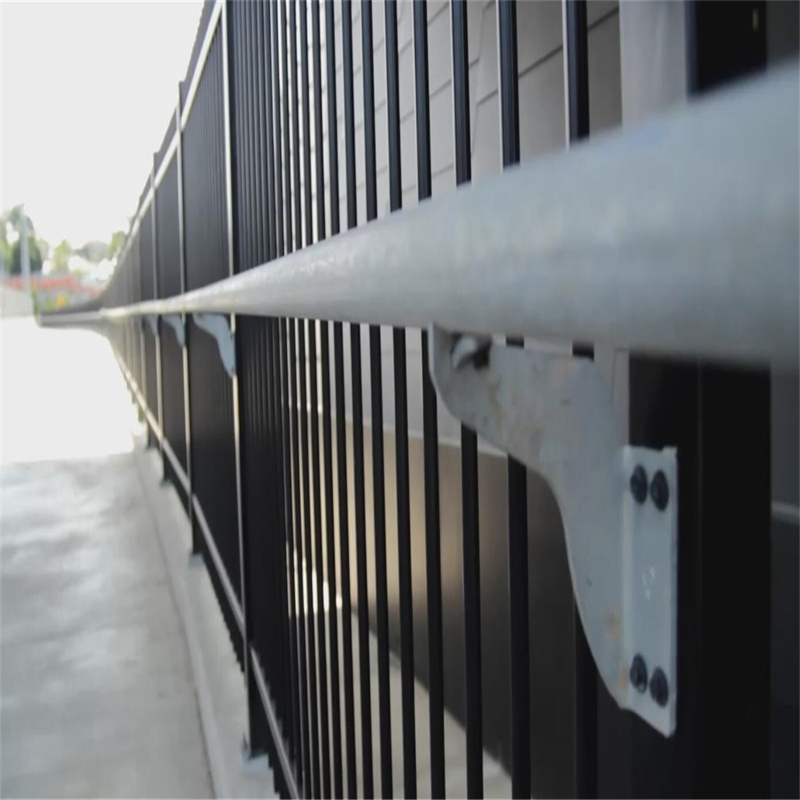
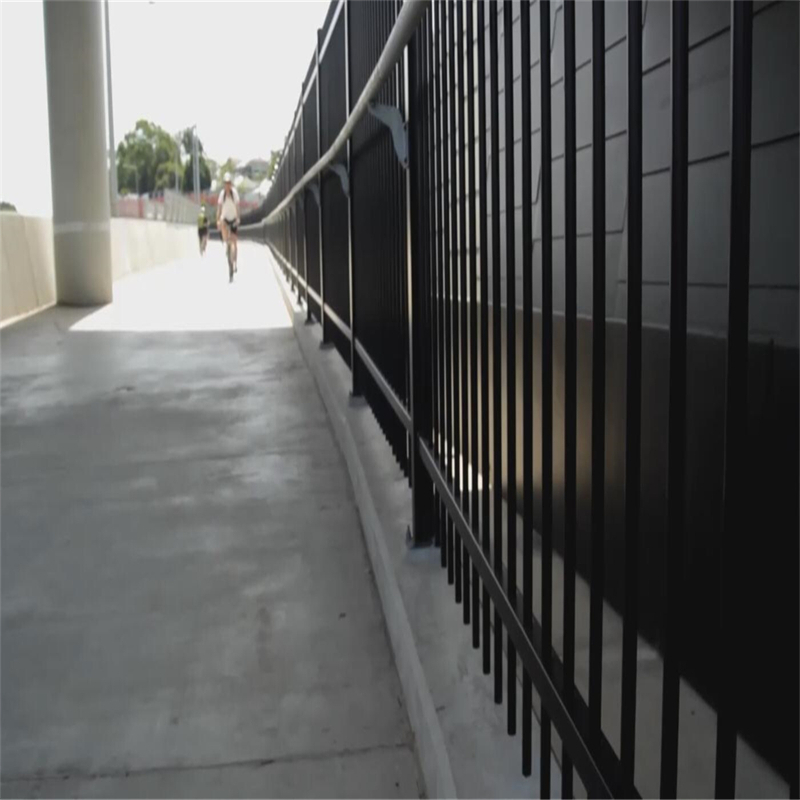
Steel picket fence systems are widely used in railings, industrial and commercial premises, schools and colleges, reservoirs, railways, motorways, residential streets and private mansions. The crimp-top spear design delivers a clear “no entry” message while still looking clean and modern. In villas and communities it combines security with style; in factories and depots it works as a robust barrier that resists daily wear.
Myth angle #8: The ‘solid wrought iron only’ illusion can waste your budget
Some buyers still carry the illusion that only solid wrought iron bars are strong enough for security. In reality, modern hollow-tube steel picket fence panels with correct sections and coatings provide excellent strength with far better corrosion control and easier installation. Chasing the old wrought iron myth means heavy labour, complex on-site welding and frequent repainting. Switching to engineered steel picket fence turns that waste into a controlled, profitable investment.

Manufacturing process of steel picket fence
Main manufacture steps
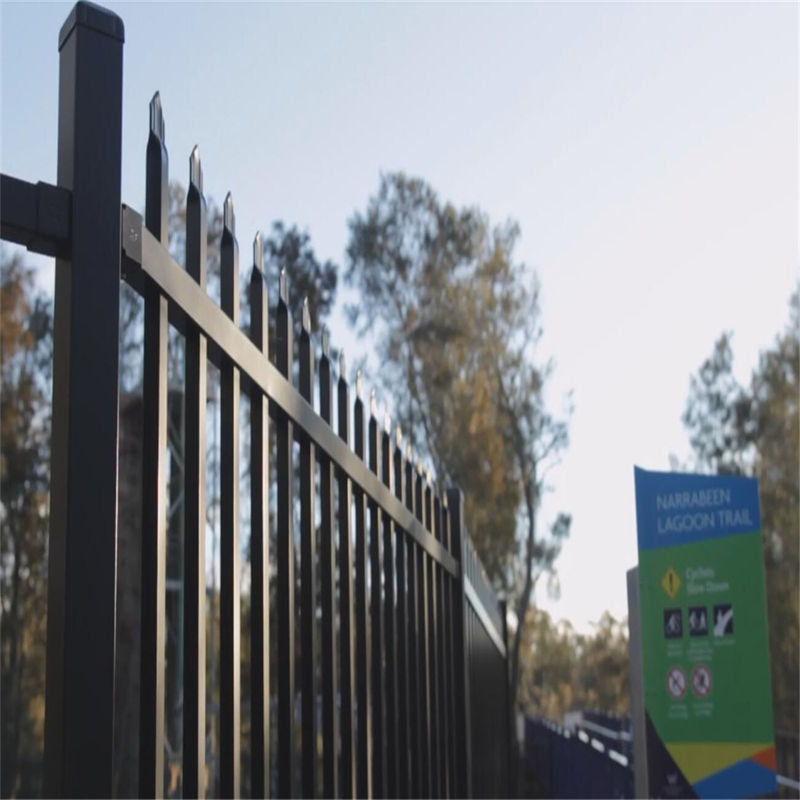
The main manufacture process for a quality powder coated zinc steel picket fence follows a clear checklist: 1) Cut shot – cutting rails, pickets and posts to exact length; 2) Punching holes – for assembly and brackets; 3) Acid-washing – removing scale and oil; 4) Rich-zinc powder coating – building a zinc-rich base layer; 5) Polyester colour powder coating – applying the final colour, usually black; 6) Assembly – fixing rails and uprights, crimping spear tops and welding where required; 7) Packing – protecting each panel, post and accessory for long-distance transport. This process keeps dimensions accurate and coating quality consistent across every batch.
Process insight #9: Skipping the rich-zinc primer stage is the one mistake that will cost you most
The ninth process insight is the one many people ignore, and if you skip it you will suffer direct loss. Rich-zinc powder primer is what gives your steel picket fence its deep, sacrificial protection layer. Without it, even a good polyester topcoat cannot stop rust creeping from chips and scratches. Over time, rust streaks appear at spear tips, welds and cut edges, and you face repainting or replacing panels years earlier than planned. Keeping the rich-zinc stage in your process is a powerful payoff that protects your quality promise and your profit.
Packing and loading of steel picket fence
Standard packing method and container loading
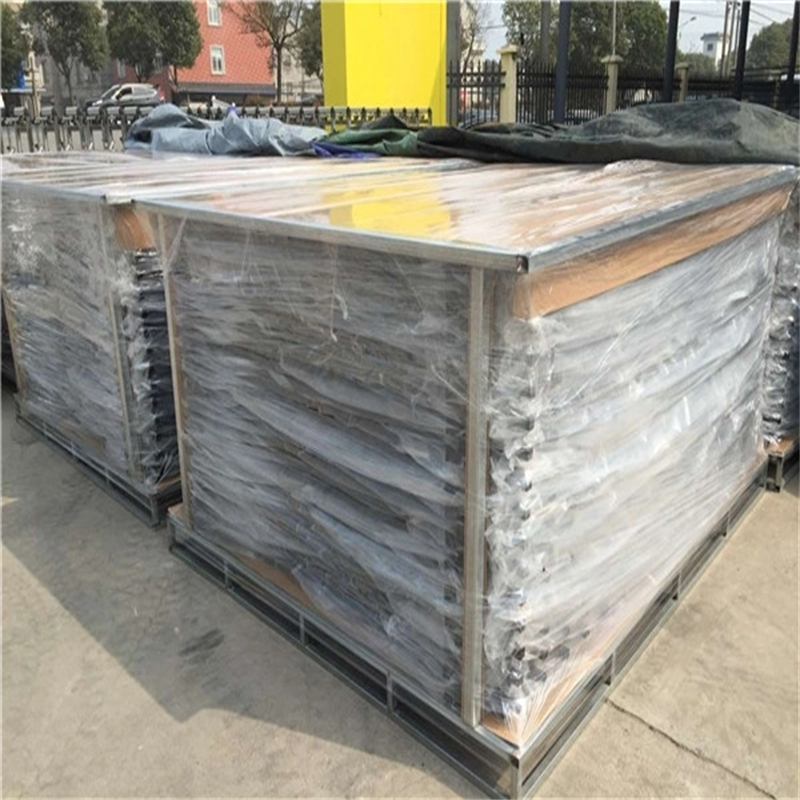
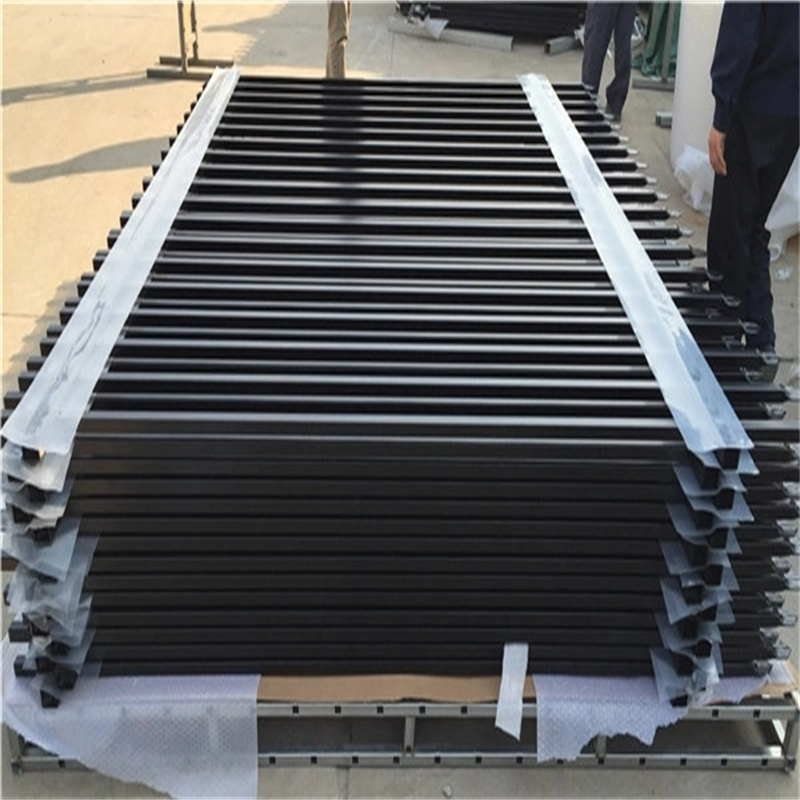
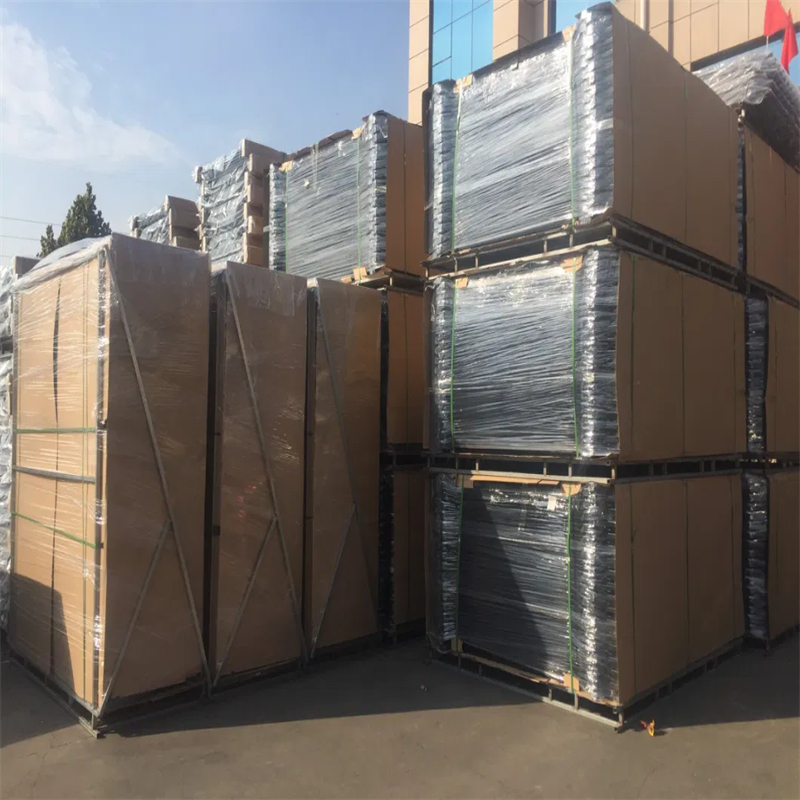
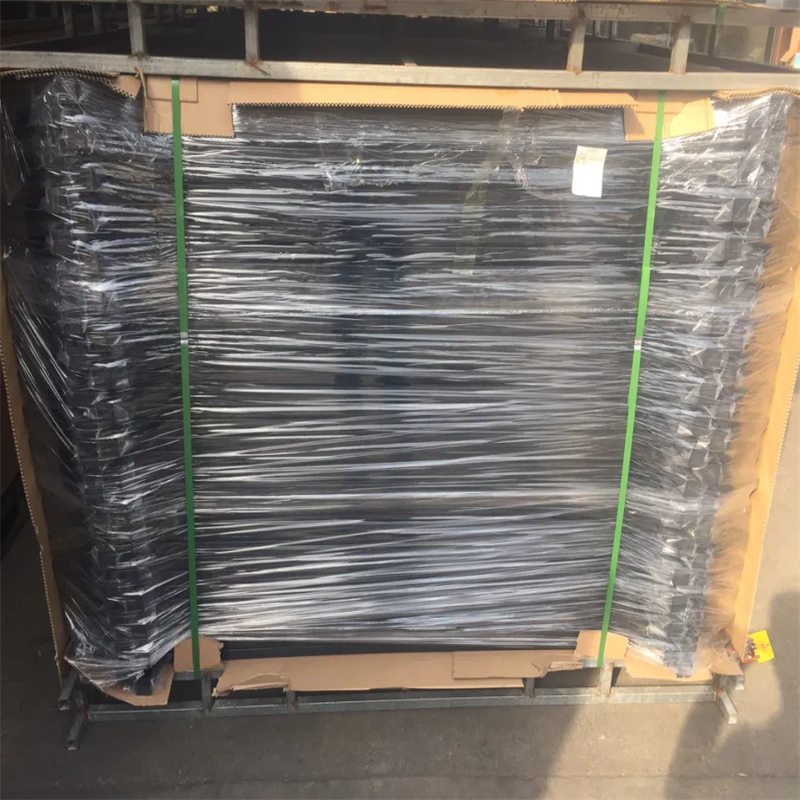
Steel fence packaged correctly arrives in showroom condition and installs quickly. Panels are wrapped with plastic foam, stacked in straight bundles and strapped tightly; they can be assembled as full panel sets or nested as loose frames depending on order requirements. Foam-protected bundles are then fixed on pallets, usually around 30 pieces per pallet, so forklifts can handle them safely. One 20ft container can load around 107 steel picket fence sets and one 40HQ can load around 470 sets, depending on height and post size. Posts are wrapped with plastic film, caps included, and stacked on separate pallets. All brackets, caps, bolts and nuts are packed in clearly labelled poly bags and strong cartons, so installers receive a complete kit for every job.
Packing risk outline #10: Weak pallet and loose strapping create hidden damage and warranty problems
If pallets are undersized or strapping is loose, panels move during transport, corners rub and spear tips chip through the powder coat. This packing risk may not be visible until the container is opened at site, forcing quick repairs, re-sprays or even replacements. Using strong pallets, foam protection and tight strapping removes this problem and keeps your steel picket fence looking perfect when customers see it for the first time.
System benefits and long-term payoff
Complete system and easy installation
A professional steel picket fence is supplied as a complete system: heavy duty crimp-top panels, normal and security brackets, 60×60 or 75×75 posts with caps, and matching gates. The simple structure makes transport easy and installation fast on flat ground, slopes and bends. It is especially suitable for fencing in mountains, slopes and curved boundaries where flexibility and consistent panel size save time and cost.
Economic advantage and design flexibility
Compared with traditional welded wrought iron, steel picket fence offers an economic advantage: less weight, standard modules, better corrosion protection and lower life-cycle cost. At the same time, it allows you to design custom spear shapes, rail layouts and colours according to project requirements, giving architects and owners a flexible tool for security and style.
Benefit payoff view: Choosing engineered steel picket fence protects your reputation and profit
When you choose an engineered steel picket fence with the correct height, tube sizes, wall thickness, rail dimensions, spacing, post size, rich-zinc primer, phosphate treatment and polyester powder coating, you lock in a long-term benefit payoff. Your fence works as a real security barrier, keeps its appearance, reduces maintenance and supports your reputation as a professional supplier. Cutting these elements may lower the initial quote, but it also increases the risk of damage, complaints and loss over the life of the project.
Conclusion: controlling every critical aspect of steel picket fence
Choosing a steel picket fence is not just about copying a catalogue photo. It is about controlling every danger fact, cost trap, flaw insight, material danger note, oversight warning, strength trend, traffic hazard view, myth angle, process insight and packing risk outline that affects real-world security and long-term cost. By following the height, tube size, wall thickness, rail dimensions, upright spacing, post size, manufacturing process and coating system described above – and by paying special attention to the ninth process insight about rich-zinc primer – you protect your property, your customers and your profit on every project that uses a powder coated zinc steel picket fence together with stainless steel mesh railing where higher transparency or architectural detailing is required.