Your One-Stop Wire Mesh Fence Supplier | POLYMETAL
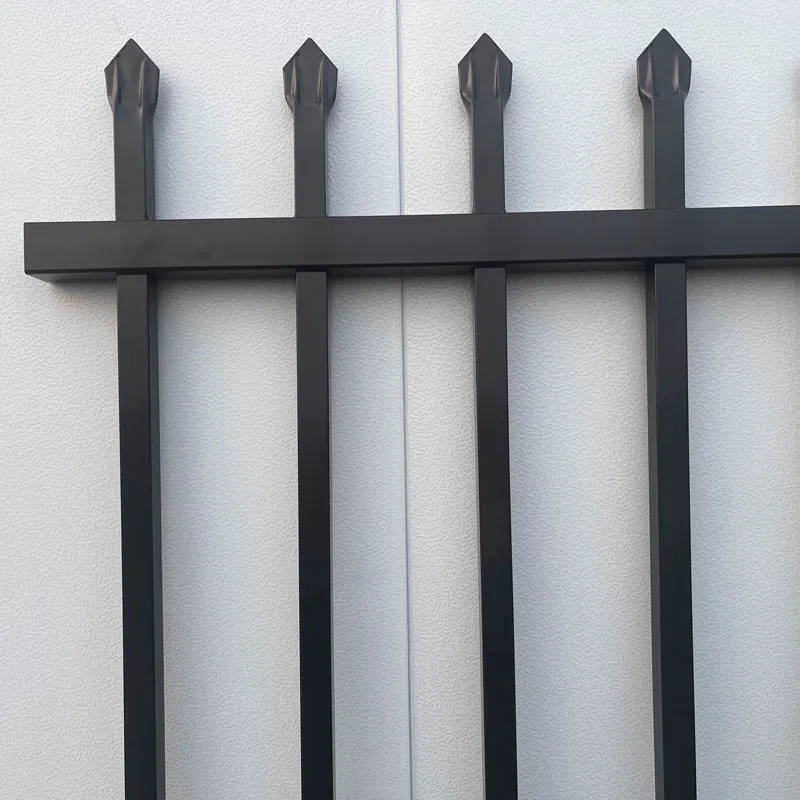


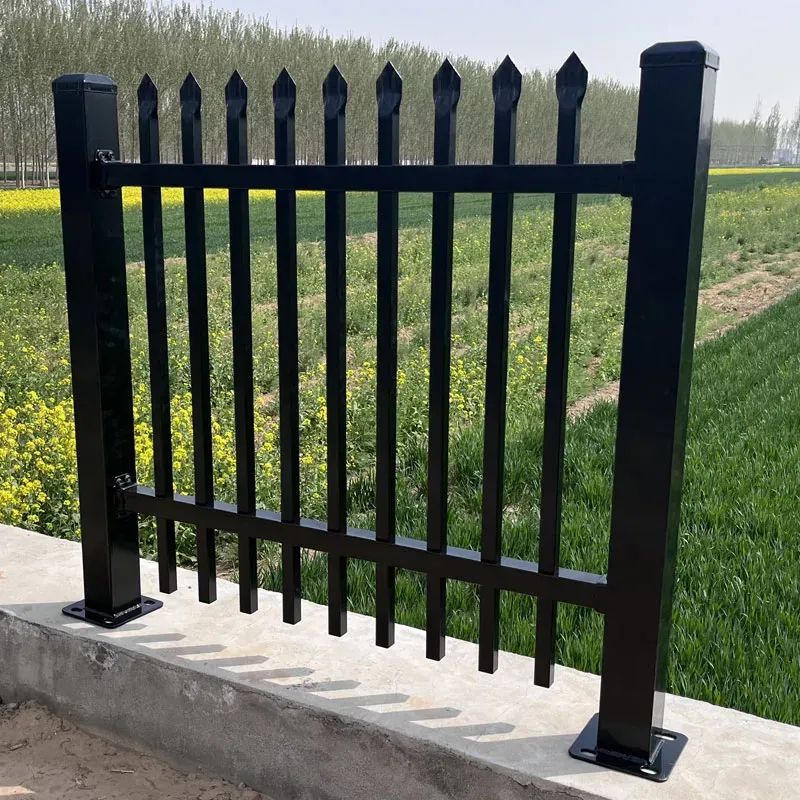
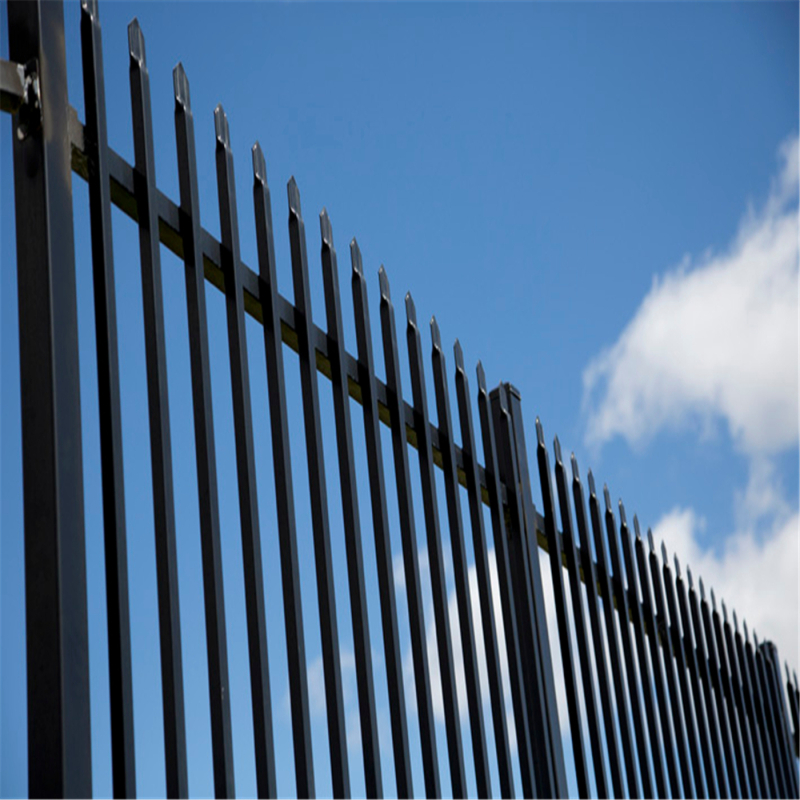
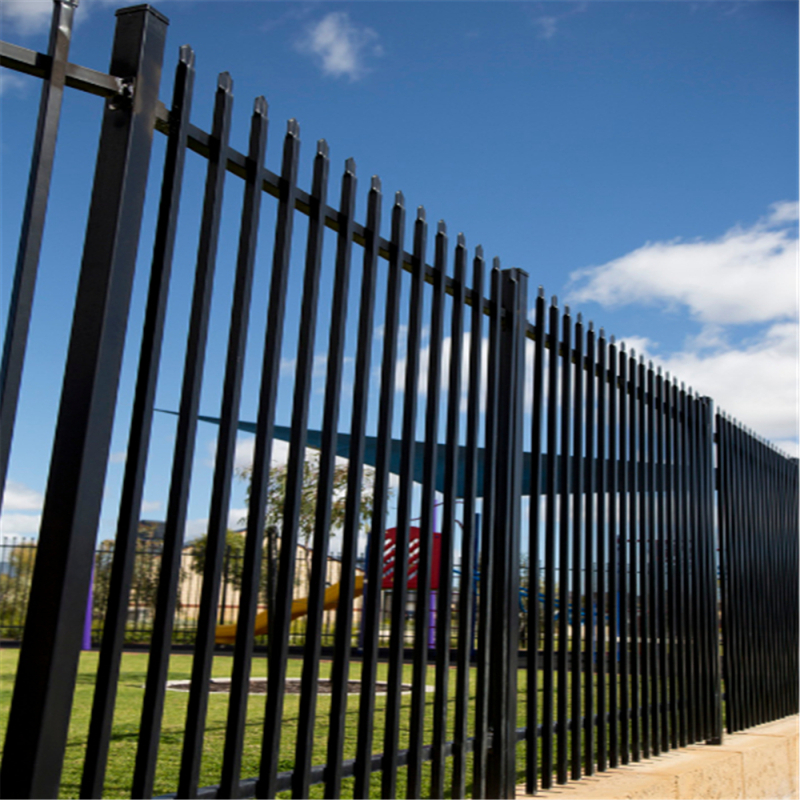
Steel picket fencing is a rigid, pre-fabricated tubular panel system designed to create straight perimeter lines with a visible deterrent profile. It’s widely specified for commercial boundaries, schools, depots, industrial sites, and higher-risk residential perimeters where the fence must stay aligned, resist impact, and keep its finish under real outdoor exposure. The problem is that many steel picket fencing panels look similar in photos, but real performance is decided by rail frame size, rail thickness, upright size and thickness, upright spacing, and—most importantly—post section and post wall strength. Get one component wrong and the fence can flex, drift, loosen at joints, or start leaning once wind load, vibration, soil movement, and daily knocks show up. If you’re comparing common steel grades used in fencing supply chains, you can also reference Q195 steel to understand where it typically sits in strength and forming behavior versus higher-grade options.
POLYMETAL Steel Picket Fencing Product Description
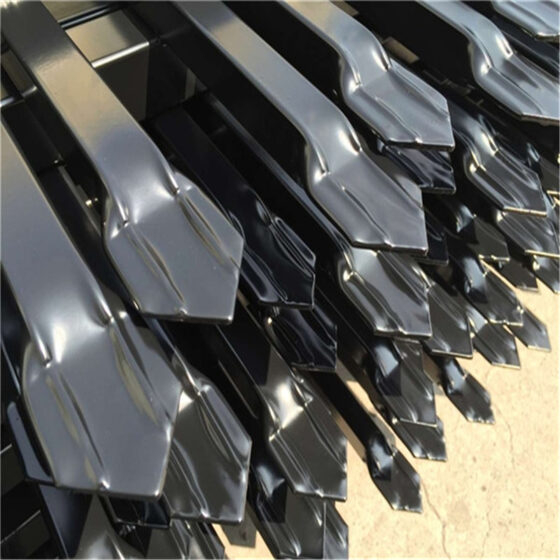
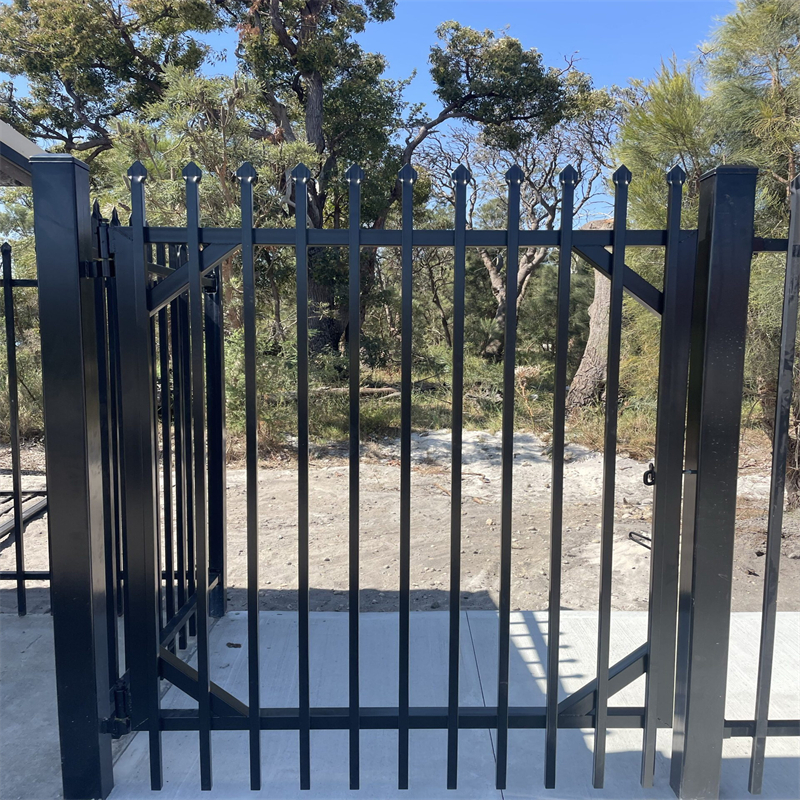
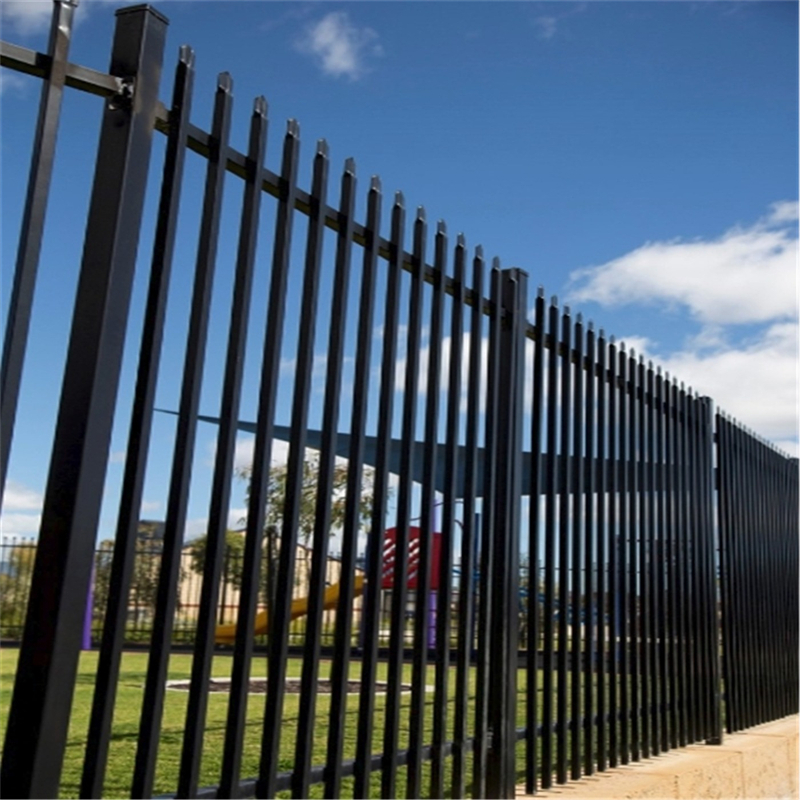
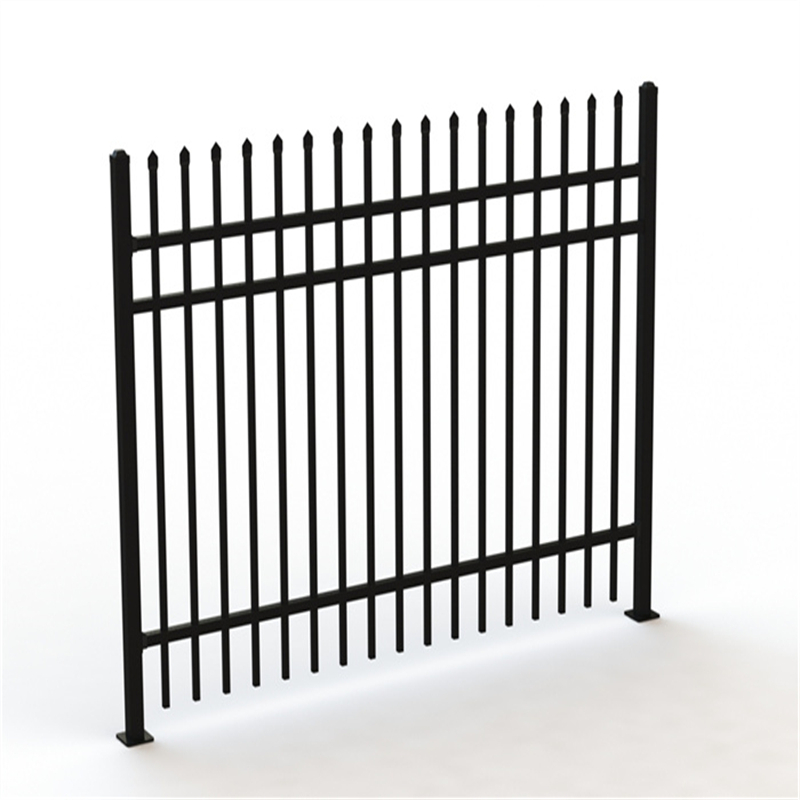
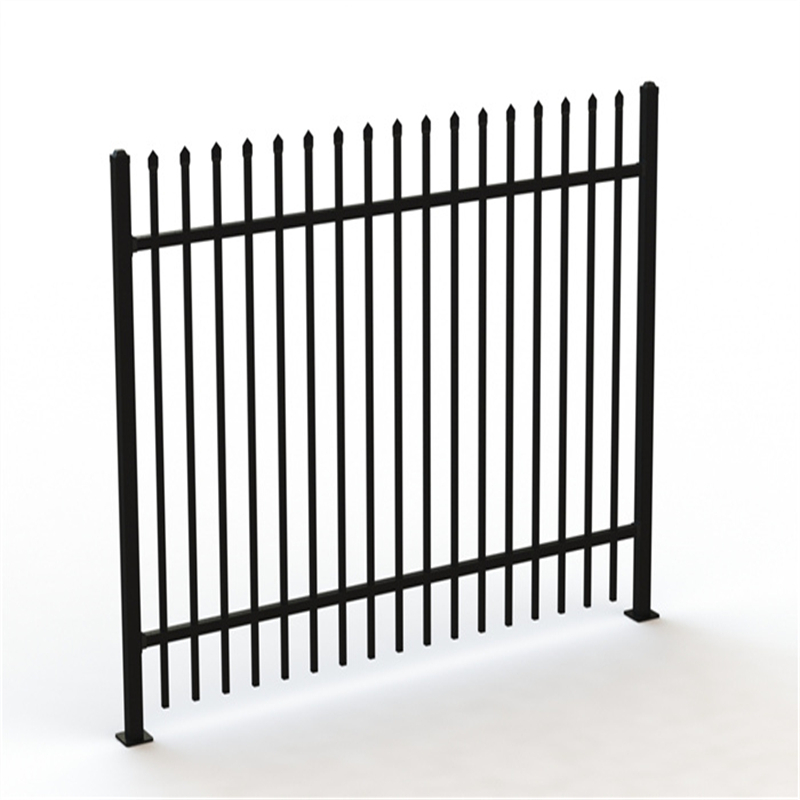
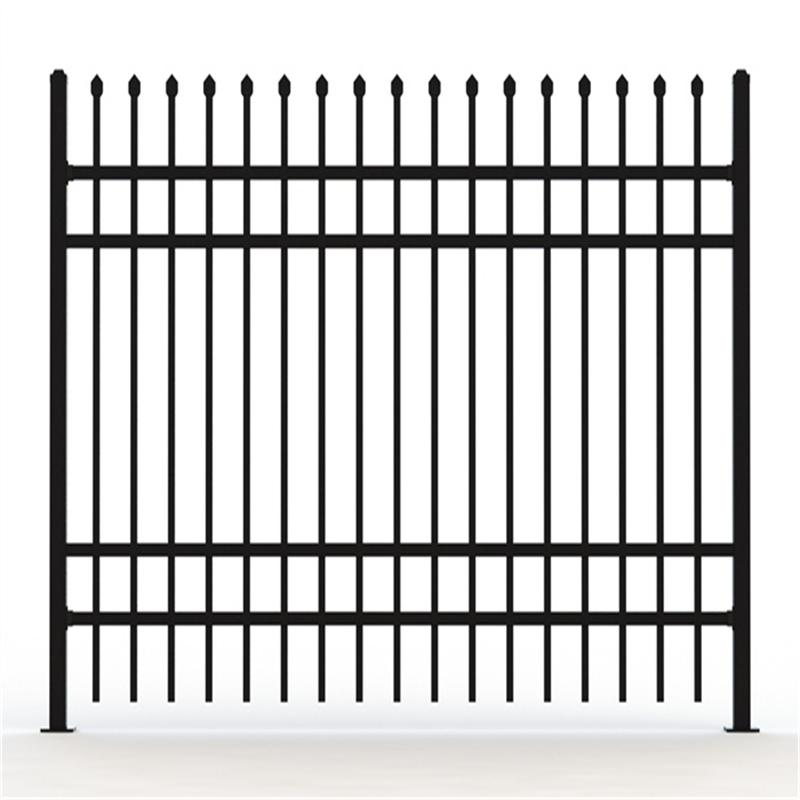
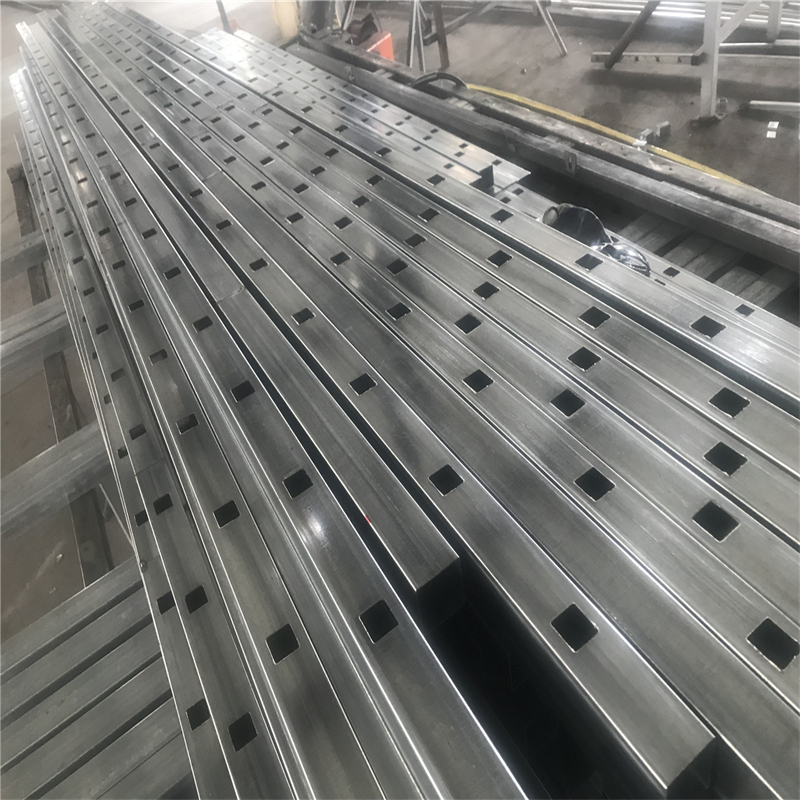
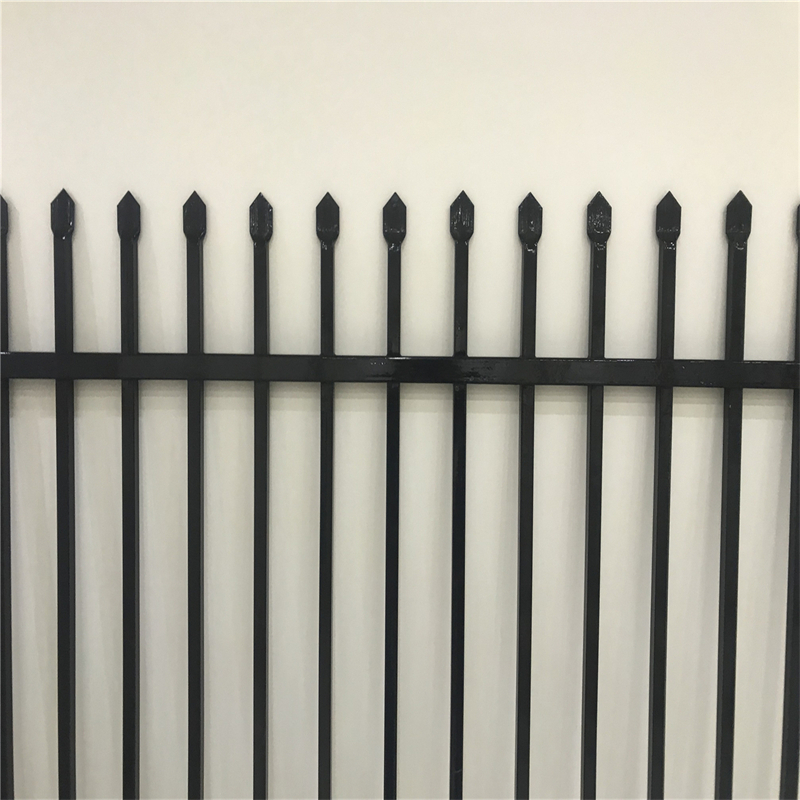
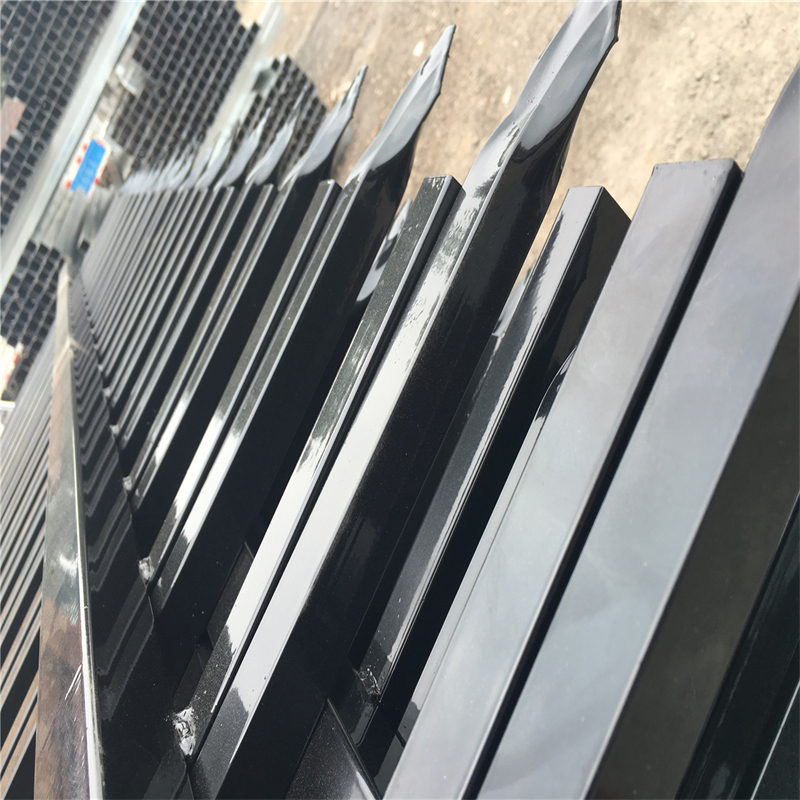
POLYMETAL steel picket fencing is engineered as a matched system so the panel face, fixings, and posts support each other instead of failing one-by-one under load. Rail frames are selected from 40×40mm, 45×45mm, and 50×50mm, with rail thickness ranging from 1.60mm up to 3.00mm depending on duty level and handling intensity. Uprights (pickets) are offered in 16×16mm, 25×25mm, and 30×30mm with thickness options from 0.80mm to 2.00mm, allowing you to tune stiffness and anti-climb behavior without overbuilding where it isn’t needed.
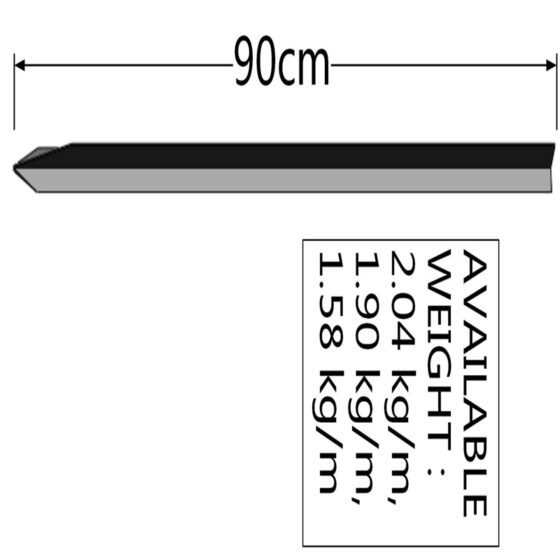
Post options include 60×60mm, 65×65mm, 75×75mm, 80×80mm, and 100×100mm with wall thickness choices of 1.6mm, 2.00mm, and 2.50mm, helping corners and long runs stay firm instead of “walking” at the joints. A critical rule controls long-run stability: fence post height must be panel height + 600mm to support embedment and reduce leaning and repeat repairs. When the full specification set is selected as one system, steel picket fencing stays straight, quiet, and secure—rather than becoming a maintenance problem that never ends.
Where Steel Picket Fencing Works Best
Commercial and Industrial Perimeters
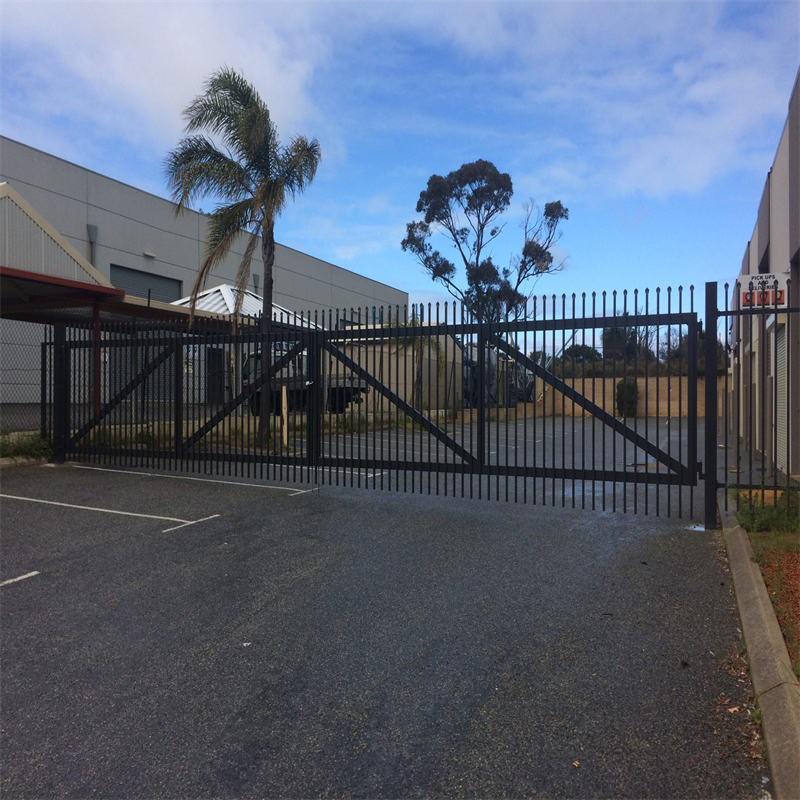
For sites that need clear boundaries, vehicle separation, controlled access points, and deterrence without blocking visibility.
Schools, Depots, and Public Facilities
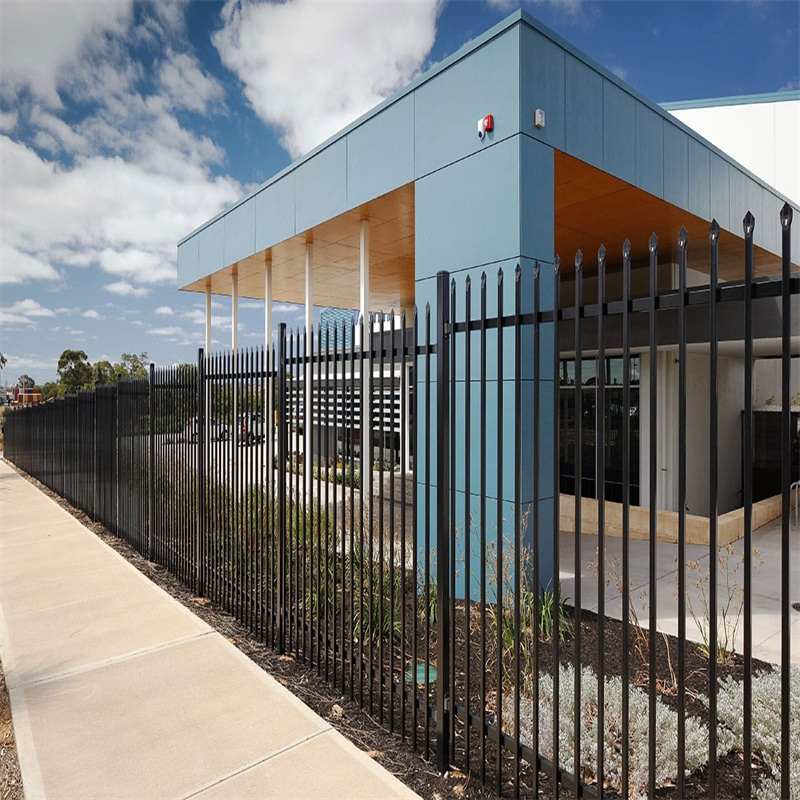
Where appearance matters, but tamper resistance, straight lines, and long-term durability matter more.
High-Risk Yards and Property Lines
Where wind load, foot traffic, pets, and repeated bumps will expose weak specs fast.
The “Matched-System” Rule That Prevents Rework
Steel picket fencing only stays rigid when rail thickness, upright thickness/spacing, and post wall strength are matched as one system. If posts flex, the panels start moving. If panels move, joints loosen. If joints loosen, the line drifts. That drift becomes permanent labor: re-tighten, re-align, re-set, replace.
Top 22 Traps (Especially #15 Danger) That Decide Whether You Save Money—or Pay Twice
- Buying by photo instead of verifying rail/upright/post specs.
- Selecting fence height for looks instead of risk level and exposure.
- Choosing 2450mm-wide panels without upgrading post strength.
- Picking 40×40 rails when the site needs 45×45 or 50×50 stiffness.
- Ignoring rail thickness—thin rails bend first, then joints loosen.
- Using 0.80mm uprights in impact zones (traffic, pets, handling).
- Choosing 16×16 uprights where 25×25 or 30×30 is required.
- Mixing upright thickness across one job, creating “soft zones.”
- Choosing wider spacing to “save steel” and losing face stiffness.
- Undersizing posts at corners and gate returns where movement multiplies.
- Using low post wall thickness on tall panels in windy areas.
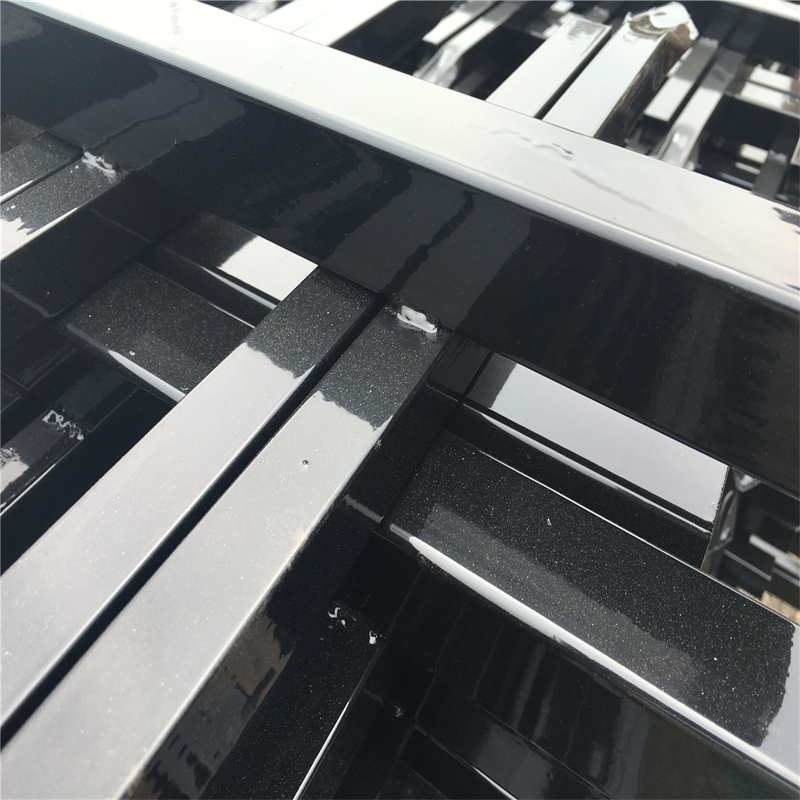
- Treating “galvanized” as one finish and ignoring weld/cut-end protection.
- Using non-standard brackets/fixings that loosen under vibration.
- Poor transport/stacking that warps panels before installation begins.
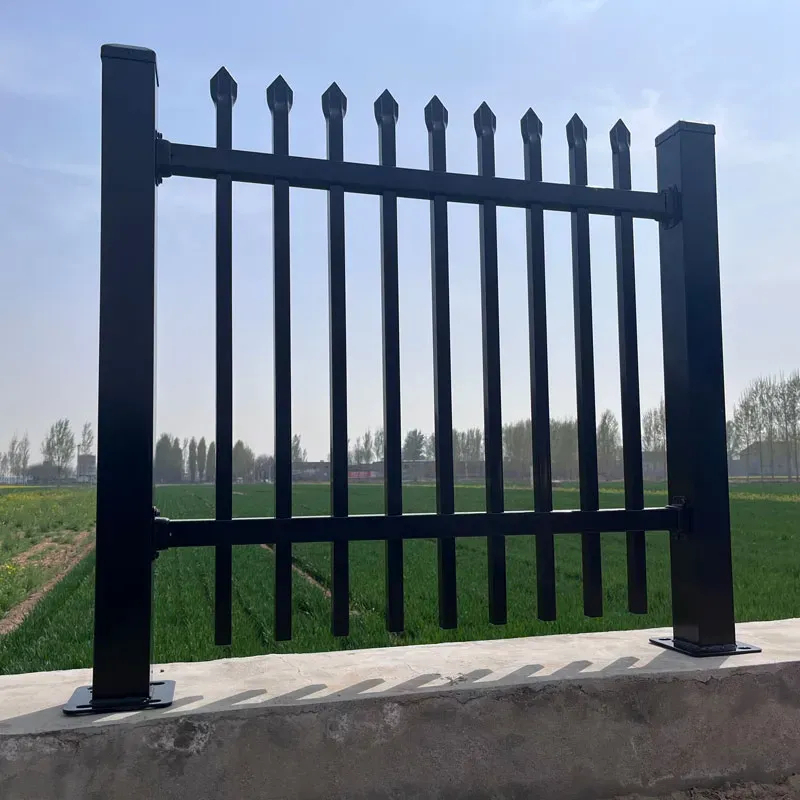
- Trap #15 Danger: Skipping the panel height + 600mm post-height rule
When posts aren’t tall enough for correct embedment, the fence may look straight on install day—then soil movement and wind load start shifting the line. Panels “work” at the joints, clamps loosen, rattling begins, and the run slowly leans until you’re re-setting posts and re-fixing panels across the job. - Overbuilding rails while keeping weak posts—money wasted at the joints.
- Overbuilding posts while keeping light rails—money wasted in the face.
- Mixing too many SKUs and creating installation mistakes and uneven stiffness.
- Ignoring ground clearance consistency, causing stress points and noise.
- Assuming “security” comes from spear tops alone, not full spec control.
- Chasing the lowest unit price instead of the lowest lifetime rework cost.
- Treating steel picket fencing as decorative when it carries real daily load.
Specifications in Tables
Table 1: POLYMETAL Steel Picket Fencing — Standard Series (10 Specs)
| Spec | Fence Height (mm) | Fence Width (mm) | Rail Frame (mm) | Rail Thickness (mm) | Upright (mm) | Upright Thickness (mm) | Upright Number | Upright Spacing (mm) | Post Option (mm) | Post Wall (mm) | Fence Post Height (mm) |
|---|---|---|---|---|---|---|---|---|---|---|---|
| SPF-01 | 1200 | 2400 | 40×40 | 1.60 | 16×16 | 0.80 | 18 | 100 | 60×60 | 1.60 | 1800 |
| SPF-02 | 1200 | 2450 | 40×40 | 2.00 | 25×25 | 0.80 | 16 | 115 | 60×60 | 2.00 | 1800 |
| SPF-03 | 1500 | 2400 | 40×40 | 2.00 | 25×25 | 1.00 | 17 | 108 | 65×65 | 2.00 | 2100 |
| SPF-04 | 1500 | 2450 | 45×45 | 1.60 | 16×16 | 1.00 | 18 | 100 | 65×65 | 1.60 | 2100 |
| SPF-05 | 1800 | 2400 | 45×45 | 2.00 | 25×25 | 1.00 | 18 | 100 | 75×75 | 2.00 | 2400 |
| SPF-06 | 1800 | 2450 | 45×45 | 2.50 | 25×25 | 1.20 | 17 | 108 | 80×80 | 2.00 | 2400 |
| SPF-07 | 2100 | 2400 | 45×45 | 2.50 | 30×30 | 1.20 | 17 | 108 | 80×80 | 2.50 | 2700 |
| SPF-08 | 2100 | 2450 | 50×50 | 2.00 | 30×30 | 1.20 | 16 | 115 | 80×80 | 2.50 | 2700 |
| SPF-09 | 2400 | 2400 | 50×50 | 2.50 | 30×30 | 2.00 | 18 | 100 | 100×100 | 2.50 | 3000 |
| SPF-10 | 2400 | 2450 | 50×50 | 3.00 | 30×30 | 2.00 | 17 | 108 | 100×100 | 2.50 | 3000 |
Table 2: POLYMETAL Steel Picket Fencing — Heavy-Duty Boundary Series (10 Specs)
| Spec | Fence Height (mm) | Fence Width (mm) | Rail Frame (mm) | Rail Thickness (mm) | Upright (mm) | Upright Thickness (mm) | Upright Number | Upright Spacing (mm) | Post Option (mm) | Post Wall (mm) | Fence Post Height (mm) |
|---|---|---|---|---|---|---|---|---|---|---|---|
| HDF-01 | 1200 | 2400 | 45×45 | 2.50 | 25×25 | 1.20 | 18 | 100 | 75×75 | 2.50 | 1800 |
| HDF-02 | 1200 | 2450 | 45×45 | 2.00 | 25×25 | 1.00 | 16 | 115 | 75×75 | 2.00 | 1800 |
| HDF-03 | 1500 | 2400 | 45×45 | 2.50 | 30×30 | 1.20 | 17 | 108 | 80×80 | 2.50 | 2100 |
| HDF-04 | 1500 | 2450 | 45×45 | 2.50 | 25×25 | 1.20 | 18 | 100 | 75×75 | 2.50 | 2100 |
| HDF-05 | 1800 | 2400 | 50×50 | 3.00 | 30×30 | 2.00 | 18 | 100 | 100×100 | 2.50 | 2400 |
| HDF-06 | 1800 | 2450 | 50×50 | 2.50 | 30×30 | 1.20 | 17 | 108 | 80×80 | 2.50 | 2400 |
| HDF-07 | 2100 | 2400 | 50×50 | 3.00 | 30×30 | 2.00 | 17 | 108 | 100×100 | 2.50 | 2700 |
| HDF-08 | 2100 | 2450 | 50×50 | 3.00 | 30×30 | 2.00 | 16 | 115 | 100×100 | 2.50 | 2700 |
| HDF-09 | 2400 | 2400 | 50×50 | 3.00 | 30×30 | 2.00 | 18 | 100 | 100×100 | 2.50 | 3000 |
| HDF-10 | 2400 | 2450 | 50×50 | 3.00 | 30×30 | 2.00 | 18 | 100 | 100×100 | 2.50 | 3000 |
Table 3: POLYMETAL Steel Picket Fencing — Tight-Spacing Anti-Climb Series (10 Specs)
| Spec | Fence Height (mm) | Fence Width (mm) | Rail Frame (mm) | Rail Thickness (mm) | Upright (mm) | Upright Thickness (mm) | Upright Number | Upright Spacing (mm) | Post Option (mm) | Post Wall (mm) | Fence Post Height (mm) |
|---|---|---|---|---|---|---|---|---|---|---|---|
| TAF-01 | 1200 | 2400 | 45×45 | 2.00 | 25×25 | 1.00 | 18 | 100 | 65×65 | 2.00 | 1800 |
| TAF-02 | 1200 | 2450 | 45×45 | 2.50 | 25×25 | 1.20 | 18 | 100 | 75×75 | 2.00 | 1800 |
| TAF-03 | 1500 | 2400 | 45×45 | 2.50 | 25×25 | 1.20 | 18 | 100 | 75×75 | 2.00 | 2100 |
| TAF-04 | 1500 | 2450 | 45×45 | 2.50 | 30×30 | 1.20 | 18 | 100 | 80×80 | 2.50 | 2100 |
| TAF-05 | 1800 | 2400 | 45×45 | 2.50 | 30×30 | 1.20 | 18 | 100 | 80×80 | 2.50 | 2400 |
| TAF-06 | 1800 | 2450 | 50×50 | 2.50 | 30×30 | 1.20 | 18 | 100 | 80×80 | 2.50 | 2400 |
| TAF-07 | 2100 | 2400 | 50×50 | 3.00 | 30×30 | 2.00 | 18 | 100 | 100×100 | 2.50 | 2700 |
| TAF-08 | 2100 | 2450 | 50×50 | 3.00 | 30×30 | 2.00 | 18 | 100 | 100×100 | 2.50 | 2700 |
| TAF-09 | 2400 | 2400 | 50×50 | 3.00 | 30×30 | 2.00 | 18 | 100 | 100×100 | 2.50 | 3000 |
| TAF-10 | 2400 | 2450 | 50×50 | 3.00 | 30×30 | 2.00 | 18 | 100 | 100×100 | 2.50 | 3000 |
Table 4: POLYMETAL Steel Picket Fencing — Coastal & High-Corrosion Series (10 Specs)
| Spec | Fence Height (mm) | Fence Width (mm) | Rail Frame (mm) | Rail Thickness (mm) | Upright (mm) | Upright Thickness (mm) | Upright Number | Upright Spacing (mm) | Post Option (mm) | Post Wall (mm) | Fence Post Height (mm) |
|---|---|---|---|---|---|---|---|---|---|---|---|
| CHF-01 | 1200 | 2400 | 45×45 | 2.00 | 25×25 | 1.20 | 18 | 100 | 75×75 | 2.50 | 1800 |
| CHF-02 | 1200 | 2450 | 40×40 | 2.00 | 16×16 | 1.00 | 18 | 100 | 65×65 | 2.00 | 1800 |
| CHF-03 | 1500 | 2400 | 45×45 | 2.50 | 25×25 | 1.20 | 17 | 108 | 80×80 | 2.50 | 2100 |
| CHF-04 | 1500 | 2450 | 45×45 | 2.00 | 25×25 | 1.20 | 16 | 115 | 75×75 | 2.00 | 2100 |
| CHF-05 | 1800 | 2400 | 50×50 | 2.50 | 30×30 | 2.00 | 18 | 100 | 100×100 | 2.50 | 2400 |
| CHF-06 | 1800 | 2450 | 45×45 | 2.50 | 25×25 | 1.20 | 17 | 108 | 80×80 | 2.50 | 2400 |
| CHF-07 | 2100 | 2400 | 50×50 | 3.00 | 30×30 | 2.00 | 17 | 108 | 100×100 | 2.50 | 2700 |
| CHF-08 | 2100 | 2450 | 50×50 | 2.50 | 30×30 | 2.00 | 16 | 115 | 100×100 | 2.50 | 2700 |
| CHF-09 | 2400 | 2400 | 50×50 | 3.00 | 30×30 | 2.00 | 18 | 100 | 100×100 | 2.50 | 3000 |
| CHF-10 | 2400 | 2450 | 50×50 | 3.00 | 30×30 | 2.00 | 17 | 108 | 100×100 | 2.50 | 3000 |
Table 5: POLYMETAL Steel Picket Fencing — Balanced Value Series (10 Specs)
| Spec | Fence Height (mm) | Fence Width (mm) | Rail Frame (mm) | Rail Thickness (mm) | Upright (mm) | Upright Thickness (mm) | Upright Number | Upright Spacing (mm) | Post Option (mm) | Post Wall (mm) | Fence Post Height (mm) |
|---|---|---|---|---|---|---|---|---|---|---|---|
| BVF-01 | 1200 | 2400 | 40×40 | 1.60 | 25×25 | 0.80 | 17 | 108 | 60×60 | 1.60 | 1800 |
| BVF-02 | 1200 | 2450 | 40×40 | 2.00 | 16×16 | 1.00 | 18 | 100 | 60×60 | 2.00 | 1800 |
| BVF-03 | 1500 | 2400 | 40×40 | 2.00 | 25×25 | 1.00 | 16 | 115 | 65×65 | 2.00 | 2100 |
| BVF-04 | 1500 | 2450 | 45×45 | 2.00 | 16×16 | 1.20 | 17 | 108 | 65×65 | 2.00 | 2100 |
| BVF-05 | 1800 | 2400 | 45×45 | 2.00 | 25×25 | 1.20 | 17 | 108 | 75×75 | 2.00 | 2400 |
| BVF-06 | 1800 | 2450 | 45×45 | 2.50 | 25×25 | 1.20 | 16 | 115 | 80×80 | 2.50 | 2400 |
| BVF-07 | 2100 | 2400 | 45×45 | 2.50 | 30×30 | 1.20 | 16 | 115 | 80×80 | 2.50 | 2700 |
| BVF-08 | 2100 | 2450 | 50×50 | 2.50 | 30×30 | 2.00 | 17 | 108 | 80×80 | 2.50 | 2700 |
| BVF-09 | 2400 | 2400 | 50×50 | 2.50 | 30×30 | 2.00 | 17 | 108 | 100×100 | 2.50 | 3000 |
| BVF-10 | 2400 | 2450 | 50×50 | 3.00 | 30×30 | 2.00 | 18 | 100 | 100×100 | 2.50 | 3000 |
Conclusion
POLYMETAL steel picket fencing only stays straight, quiet, and secure when rail thickness, upright thickness/spacing, and post wall strength are selected as one matched system—and when posts follow the panel height + 600mm rule. Avoid the Top 22 traps, especially Trap #15 Danger, and you prevent small spec shortcuts from turning into leaning lines, loose joints, corrosion hotspots, and repeat repair costs; if your project also uses architectural screening, this balustrade cable mesh guide is a helpful durability benchmark for high-stress, high-visibility installations.