Your One-Stop Wire Mesh Fence Supplier | POLYMETAL
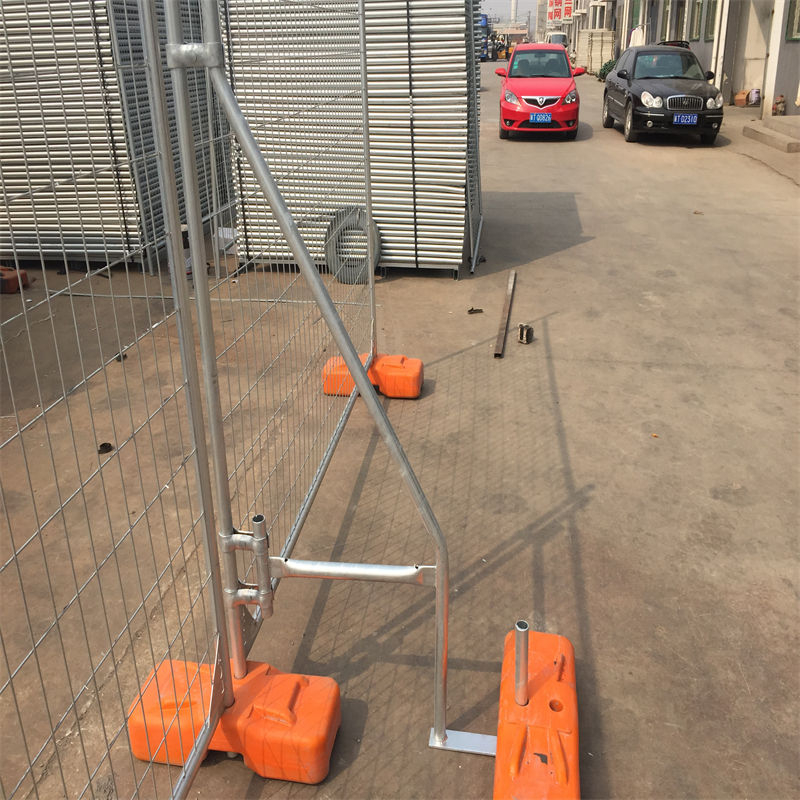
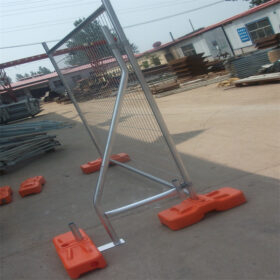
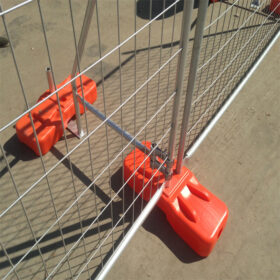
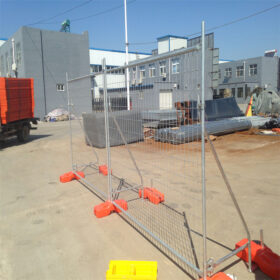
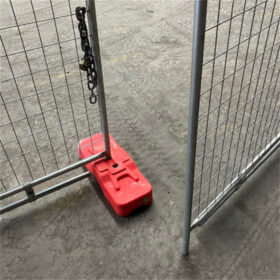
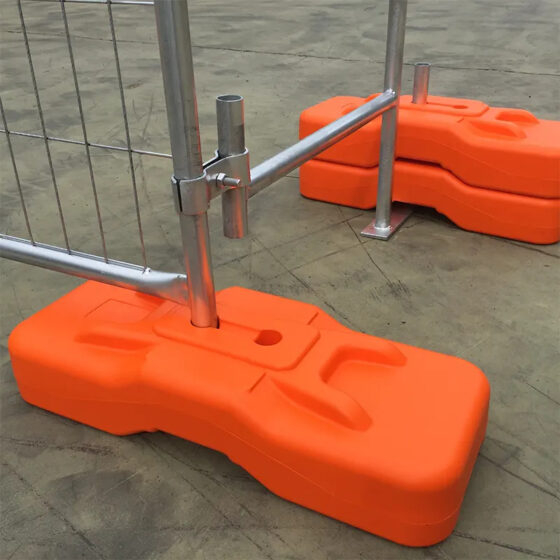
Temporary construction fence panels are supposed to make a jobsite safer, faster to manage, and harder to break into. But the uncomfortable truth is that most site disputes, delays, and security losses don’t happen because you had “no fence.” They happen because the temporary construction fence panels you used had hidden weaknesses you didn’t notice until wind, crowds, delivery impacts, or repeated relocation turned small defects into big gaps—especially when the wrong types of temporary fence feet were used and the line started shifting under load.
This article is built around 12 shocking traps that quietly destroy budgets, timelines, and safety records. If you only remember one thing, remember Trap No.7, because that’s the one that can drain money and time before you even realize the fence line has already failed.
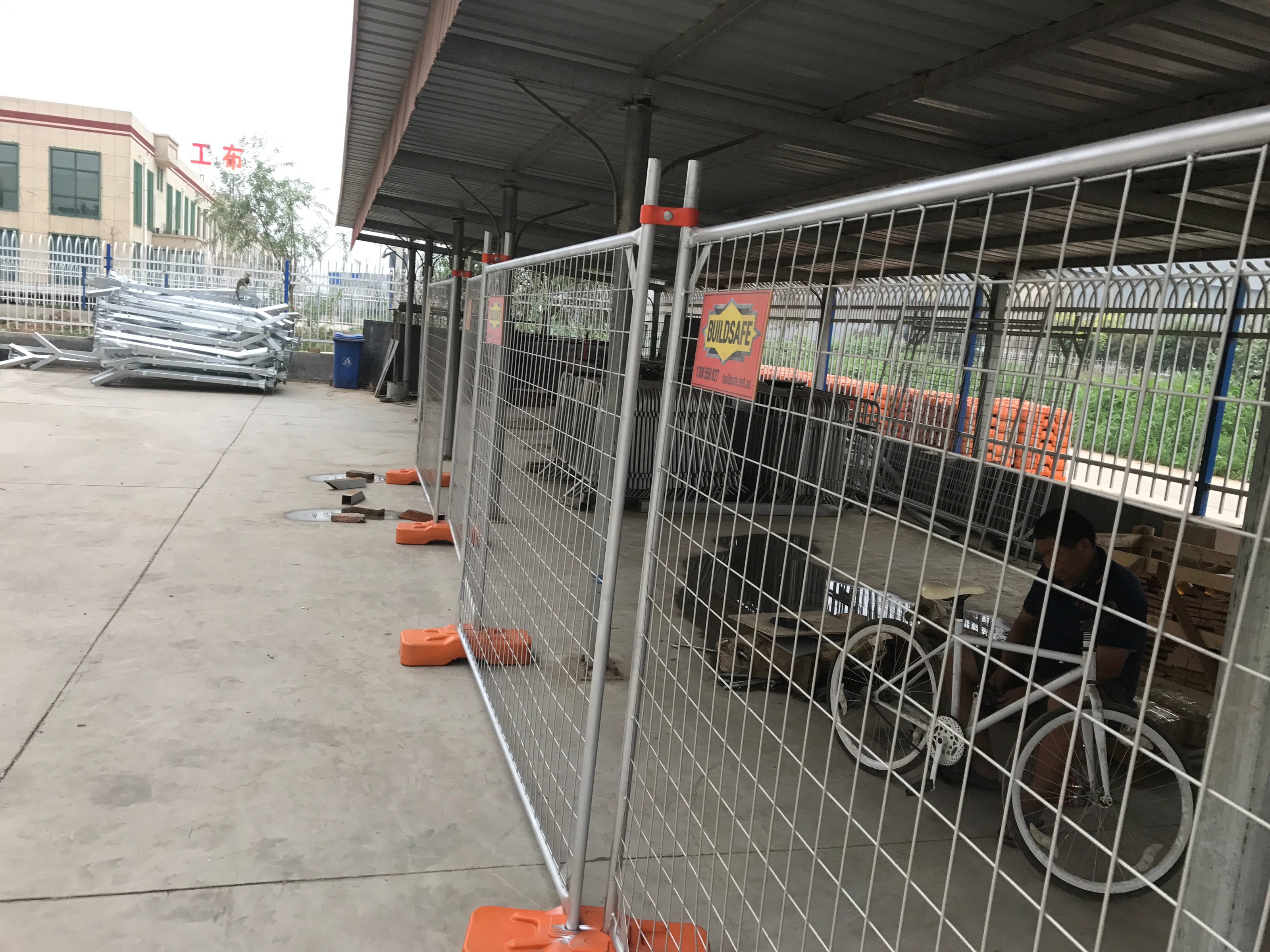
What “Good” Temporary Construction Fence Panels Should Actually Deliver
A reliable temporary construction fence panels system should stay aligned under everyday site abuse, resist corrosion, keep consistent mesh geometry, and avoid turning connectors and feet into weak points. It should remain rugged yet portable, allowing quick repositioning without the fence line becoming looser and more climbable after every move. Most importantly, it should reduce risk: intrusion risk, trip hazard risk, and the “gap growth” risk that starts small and ends expensive.
Top 12 Shocking Traps You Don’t Know
Trap No.1: Treating Frame Tube OD Like a Cosmetic Detail
Frame tube OD is not decoration. A lighter OD can flex earlier, especially along long runs where pressure accumulates at joints. Temporary construction fence panels that look fine in a single panel test may wave, lean, and open gaps when connected into a full line.
Trap No.2: Picking Frame Thickness That Can’t Survive Relocation
Temporary construction fence panels get moved. A lot. If frame thickness is too light for your relocation frequency, you’ll see dents, twists, and alignment drift that make the fence easier to push out and harder to clamp tightly.
Trap No.3: Using the Wrong Width Without Planning the Middle Brace
Longer widths like 3300mm and 3500mm demand a middle brace. Without it, deflection increases, panels “oil-can” under force, and a fence line that looked straight on day one becomes a problem line by week two.
Trap No.4: Assuming One Wire Diameter Works for Every Jobsite
Wire diameter affects cut resistance, deformation resistance, and how fast the panel becomes climb-friendly after impact. A lighter wire can be fine for low-risk separation, but it becomes a costly mistake when theft pressure or repeated contact is real.
Trap No.5: Forgetting Mesh Opening Is a Climbing and Handhold Decision
Mesh opening is not just “visibility.” It changes hand placement, foothold patterns, and how easily the panel can be manipulated. Temporary construction fence panels should limit unintended climbing behavior, not accidentally support it.
Trap No.6: Mixing Specs Across Orders Until Your Fence Line Becomes Inconsistent
If you reorder panels with slightly different OD, thickness, or wire diameter, your connectors won’t behave the same and your line tension becomes inconsistent. That’s how “one weak bay” becomes the entry point everyone discovers.
Trap No.7: The Coating Thickness Oversight That Triggers the Biggest Loss
This is the trap that destroys budgets quietly: underestimating what coating thickness really means on a jobsite. Light coatings can look acceptable at delivery, but once panels scrape during transport, stacking, and relocation, corrosion begins at damaged points and spreads. When rust appears, the fence loses appearance, value, and perceived security fast—then you spend again replacing panels, repainting, and fixing complaints. If you get Trap No.7 wrong, you don’t just lose money—you lose control.
Trap No.8: Ignoring How Wind Turns Small Flex Into Fence Collapse
Wind load doesn’t need to be extreme to cause trouble. A line of slightly-flexible panels becomes a lever system, pulling feet, loosening clamps, and creating tilt. Temporary construction fence panels must be chosen as a connected system, not as single pieces.
Trap No.9: Letting Connectors Become the Weakest Link
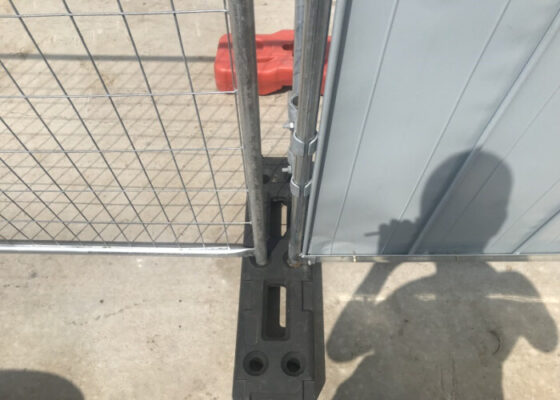
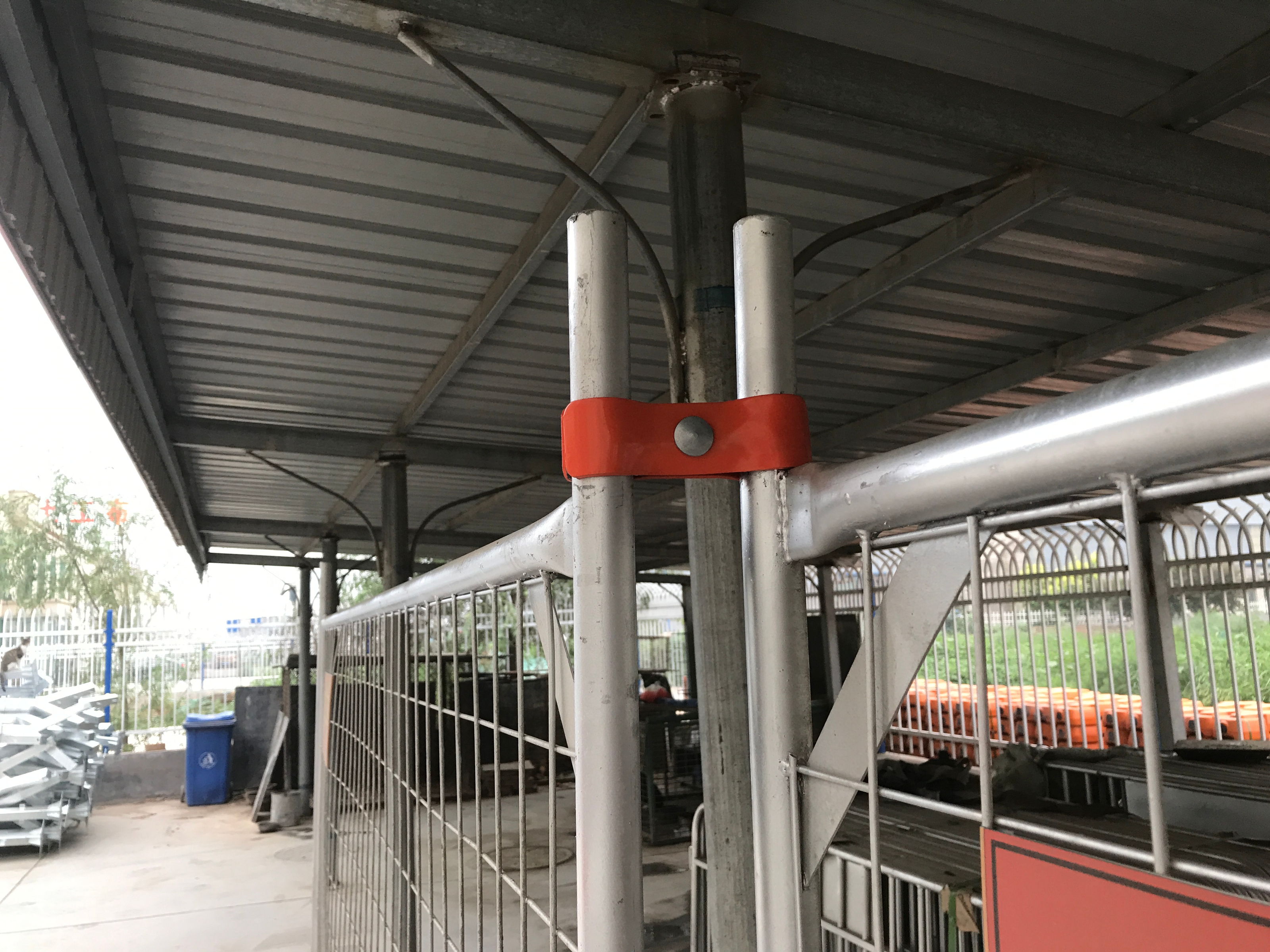
Strong panels with weak joints still fail. Most breaches and collapses start at connections, because that’s where force concentrates. Temporary construction fence panels must maintain consistent geometry so connectors stay tight and predictable.
Trap No.10: Underestimating How Fast Gaps Become “Normal”
A small gap becomes an unofficial shortcut. Then it becomes the place people enter, exit, and push through. Temporary construction fence panels should reduce gap formation, because once gaps are accepted by the site, they spread.
Trap No.11: Choosing “Portable” Panels That Damage Too Easily in Storage
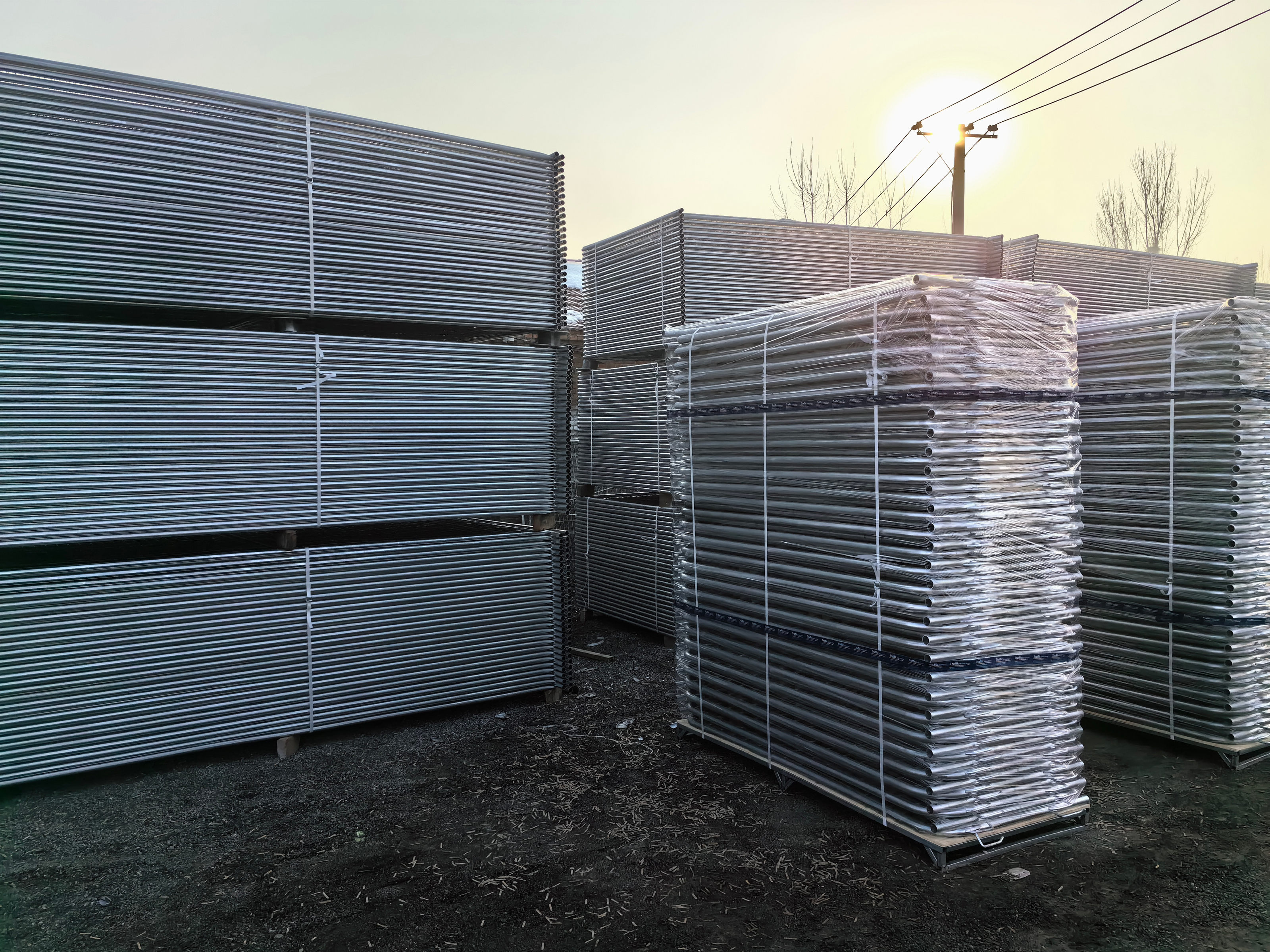
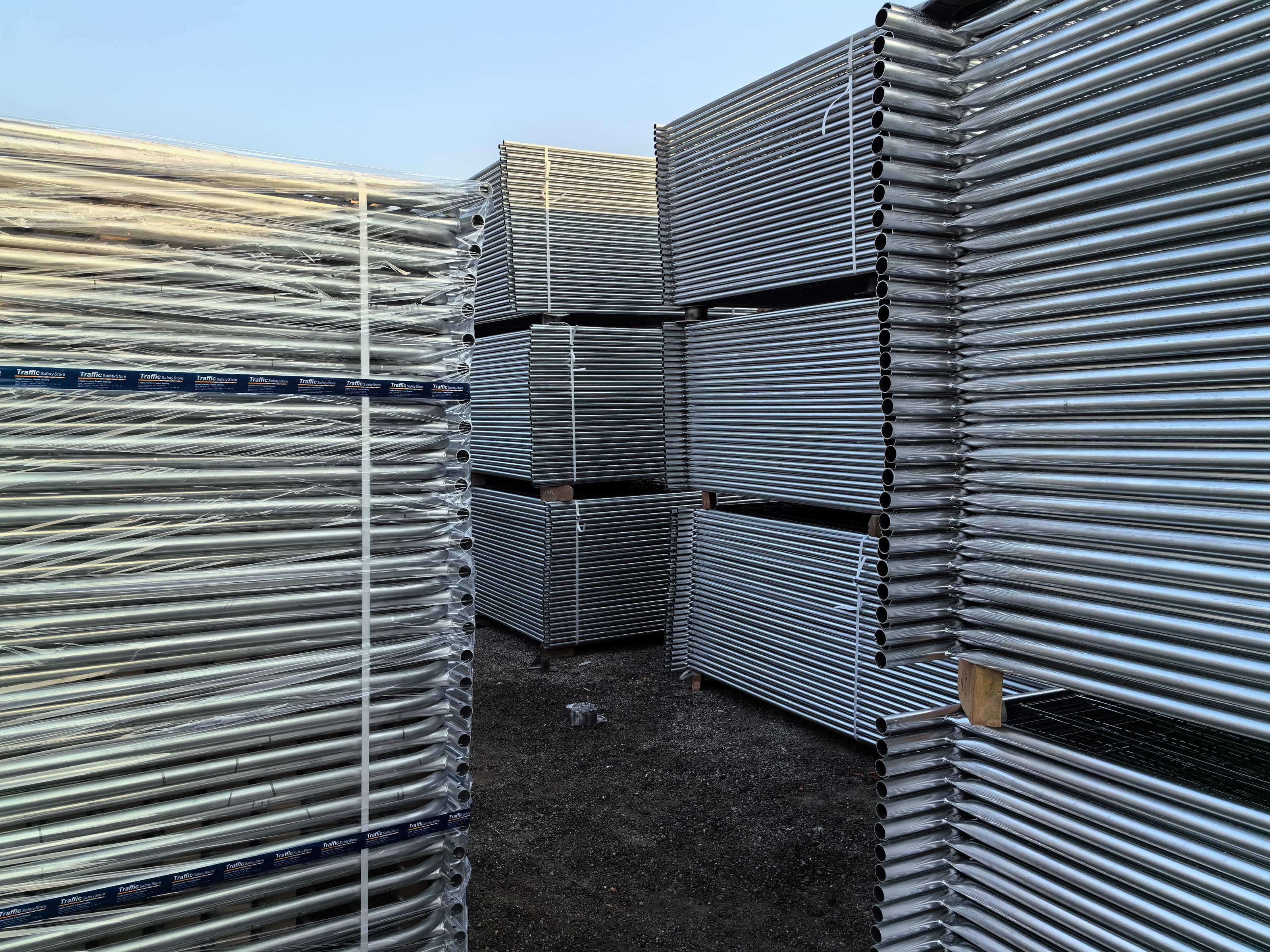
If panels are awkward to stack or too easily deformed in bundles, storage becomes the first damage event before the fence even reaches the site. Temporary construction fence panels must survive handling, not just installation.
Trap No.12: Treating Safety and Security as Separate Problems
Sites often choose one spec for “security zones” and another for “public separation,” then mix them in a rush. That creates inconsistent barrier behavior and surprise weak points. A smart approach defines zones and assigns specs intentionally.
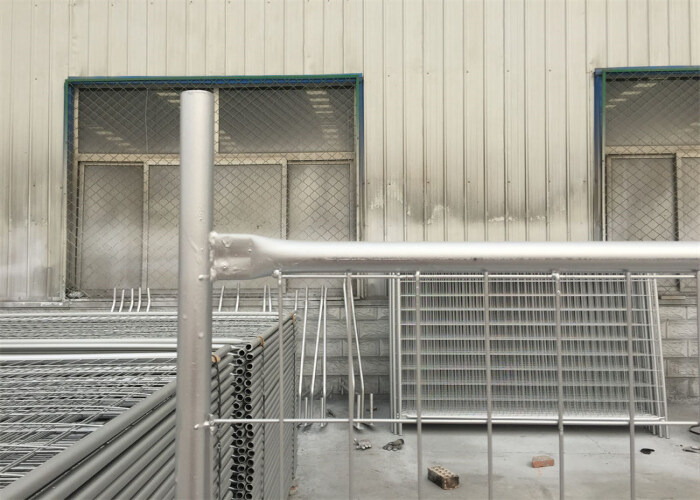
POLYMETAL Temporary Construction Fence Panels Product Description
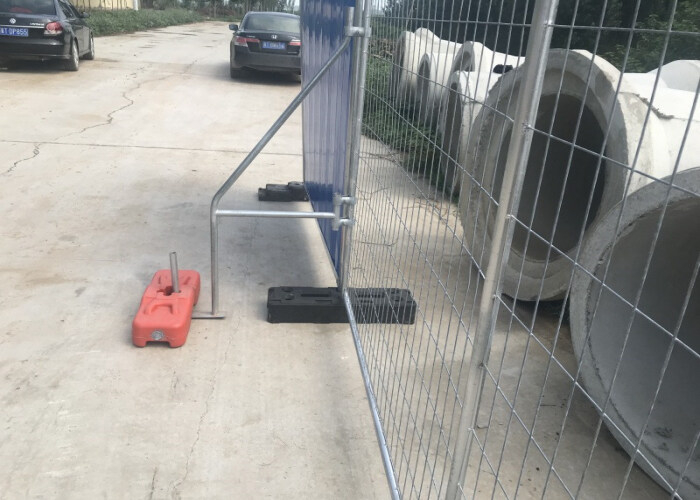
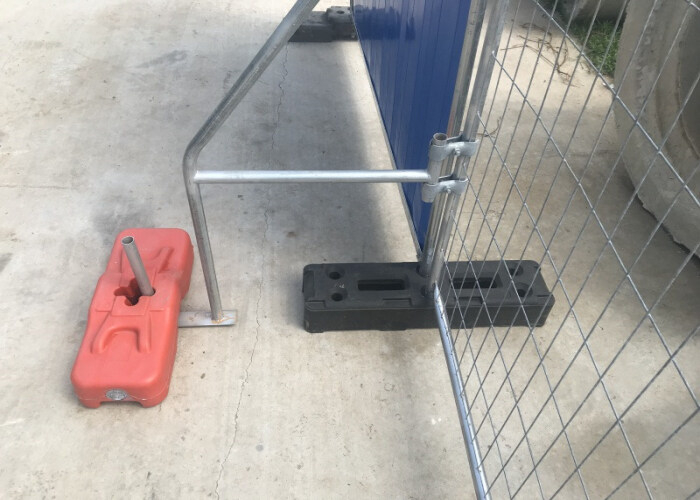
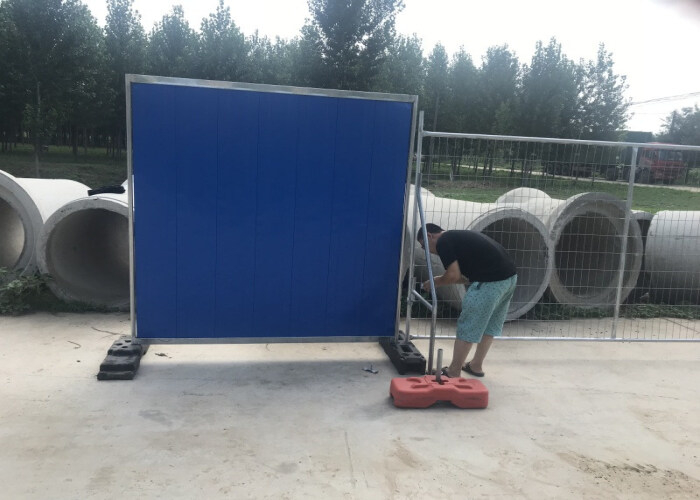
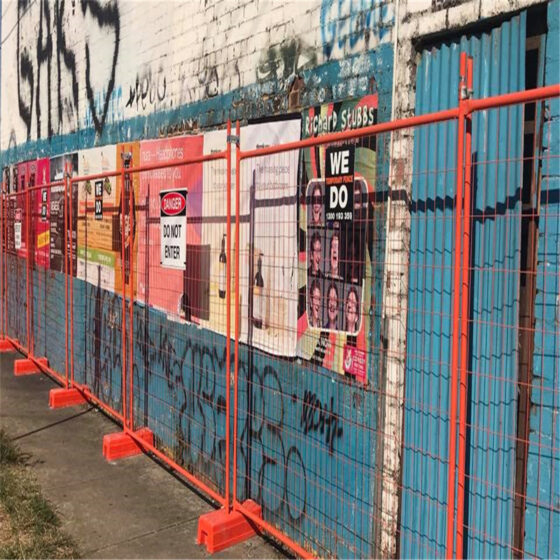
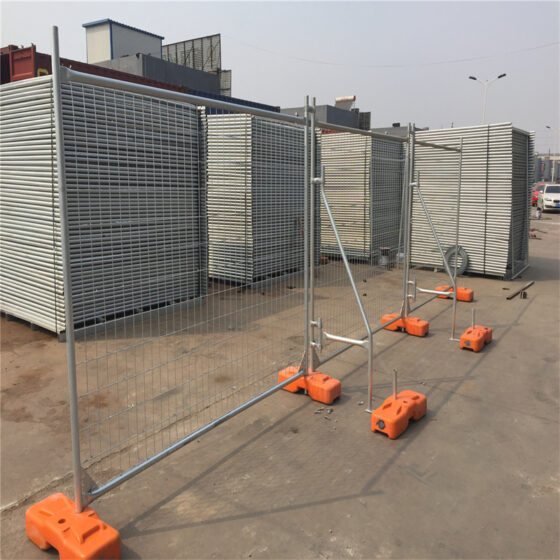
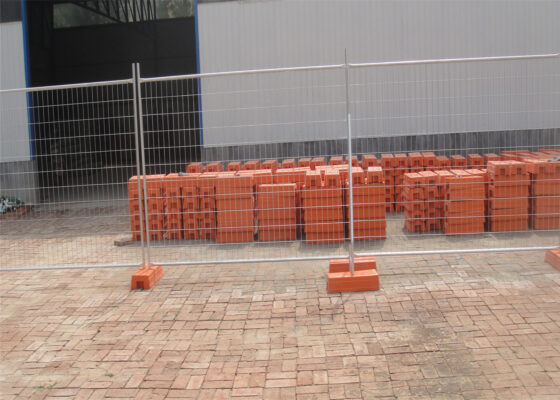
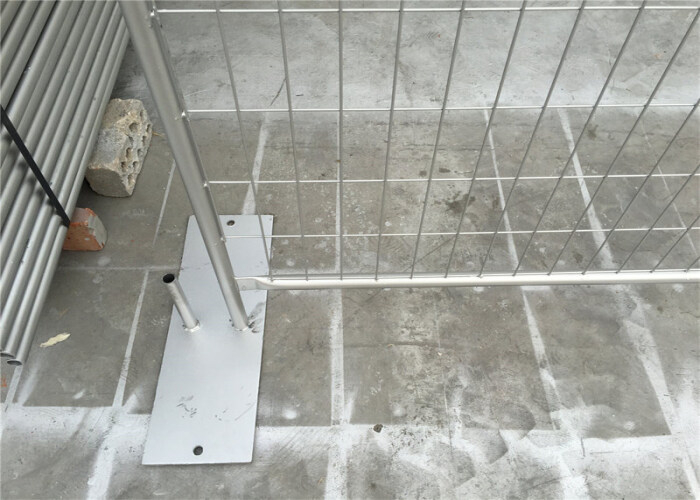
POLYMETAL temporary construction fence panels are engineered as a rugged yet portable perimeter system designed for repeated installation, removal, and relocation across changing site conditions. Built with welded mesh infill and tubular frames, the panels support multiple frame tube OD options and a range of frame thickness selections so contractors can match rigidity to risk level and handling frequency. The mesh opening of 60mm × 150mm balances visibility and site control, while wire diameter choices allow you to scale resistance to deformation and intrusion pressure. POLYMETAL also offers multiple hot dipped galvanized coating levels to improve rust-proof quality in demanding outdoor environments, helping the fence line stay professional-looking and stable across long runs, corners, and high-traffic zones.
Specifications
Table 1: 2400mm Width Configurations (10 Specs)
| Spec ID | Panel Height | Panel Width | Frame Tube OD | Frame Thickness | Mesh Opening | Wire Diameter | Vertical Wire | Horizontal Wire | Middle Brace | Finish |
|---|---|---|---|---|---|---|---|---|---|---|
| PM-TCFP-2400-01 | 2100mm | 2400mm | OD32mm | 1.0mm | 60×150mm | 2.70mm | 13 pcs | 38 pcs | No | 14 microns HDG |
| PM-TCFP-2400-02 | 2100mm | 2400mm | OD32mm | 1.2mm | 60×150mm | 3.00mm | 13 pcs | 38 pcs | No | 42 microns HDG |
| PM-TCFP-2400-03 | 2100mm | 2400mm | OD38mm | 1.2mm | 60×150mm | 2.70mm | 13 pcs | 38 pcs | No | 14 microns HDG |
| PM-TCFP-2400-04 | 2100mm | 2400mm | OD38mm | 1.4mm | 60×150mm | 3.00mm | 13 pcs | 38 pcs | No | 42 microns HDG |
| PM-TCFP-2400-05 | 2100mm | 2400mm | OD40mm | 1.4mm | 60×150mm | 3.00mm | 13 pcs | 38 pcs | No | 42 microns HDG |
| PM-TCFP-2400-06 | 2100mm | 2400mm | OD40mm | 1.5mm | 60×150mm | 4.00mm | 13 pcs | 38 pcs | No | 100 microns HDG |
| PM-TCFP-2400-07 | 2100mm | 2400mm | OD41mm | 1.4mm | 60×150mm | 2.70mm | 13 pcs | 38 pcs | No | 42 microns HDG |
| PM-TCFP-2400-08 | 2100mm | 2400mm | OD41mm | 1.5mm | 60×150mm | 3.00mm | 13 pcs | 38 pcs | No | 100 microns HDG |
| PM-TCFP-2400-09 | 2100mm | 2400mm | OD38mm | 2.00mm | 60×150mm | 4.00mm | 13 pcs | 38 pcs | No | 100 microns HDG |
| PM-TCFP-2400-10 | 2100mm | 2400mm | OD32mm | 2.00mm | 60×150mm | 3.00mm | 13 pcs | 38 pcs | No | 100 microns HDG |
Table 2: 3300mm Width With Middle Brace (10 Specs)
| Spec ID | Panel Height | Panel Width | Frame Tube OD | Frame Thickness | Mesh Opening | Wire Diameter | Vertical Wire | Horizontal Wire | Middle Brace | Finish |
|---|---|---|---|---|---|---|---|---|---|---|
| PM-TCFP-3300-01 | 2100mm | 3300mm | OD32mm | 1.2mm | 60×150mm | 2.70mm | 13 pcs | 38 pcs | Yes | 14 microns HDG |
| PM-TCFP-3300-02 | 2100mm | 3300mm | OD32mm | 1.4mm | 60×150mm | 3.00mm | 13 pcs | 38 pcs | Yes | 42 microns HDG |
| PM-TCFP-3300-03 | 2100mm | 3300mm | OD38mm | 1.2mm | 60×150mm | 3.00mm | 13 pcs | 38 pcs | Yes | 14 microns HDG |
| PM-TCFP-3300-04 | 2100mm | 3300mm | OD38mm | 1.5mm | 60×150mm | 3.00mm | 13 pcs | 38 pcs | Yes | 42 microns HDG |
| PM-TCFP-3300-05 | 2100mm | 3300mm | OD40mm | 1.4mm | 60×150mm | 3.00mm | 13 pcs | 38 pcs | Yes | 42 microns HDG |
| PM-TCFP-3300-06 | 2100mm | 3300mm | OD40mm | 1.5mm | 60×150mm | 4.00mm | 13 pcs | 38 pcs | Yes | 100 microns HDG |
| PM-TCFP-3300-07 | 2100mm | 3300mm | OD41mm | 1.4mm | 60×150mm | 2.70mm | 13 pcs | 38 pcs | Yes | 42 microns HDG |
| PM-TCFP-3300-08 | 2100mm | 3300mm | OD41mm | 2.00mm | 60×150mm | 4.00mm | 13 pcs | 38 pcs | Yes | 100 microns HDG |
| PM-TCFP-3300-09 | 2100mm | 3300mm | OD38mm | 2.00mm | 60×150mm | 3.00mm | 13 pcs | 38 pcs | Yes | 100 microns HDG |
| PM-TCFP-3300-10 | 2100mm | 3300mm | OD32mm | 1.5mm | 60×150mm | 4.00mm | 13 pcs | 38 pcs | Yes | 42 microns HDG |
Table 3: 3500mm Width With Middle Brace (10 Specs)
| Spec ID | Panel Height | Panel Width | Frame Tube OD | Frame Thickness | Mesh Opening | Wire Diameter | Vertical Wire | Horizontal Wire | Middle Brace | Finish |
|---|---|---|---|---|---|---|---|---|---|---|
| PM-TCFP-3500-01 | 2100mm | 3500mm | OD32mm | 1.4mm | 60×150mm | 2.70mm | 13 pcs | 38 pcs | Yes | 14 microns HDG |
| PM-TCFP-3500-02 | 2100mm | 3500mm | OD32mm | 1.5mm | 60×150mm | 3.00mm | 13 pcs | 38 pcs | Yes | 42 microns HDG |
| PM-TCFP-3500-03 | 2100mm | 3500mm | OD38mm | 1.4mm | 60×150mm | 3.00mm | 13 pcs | 38 pcs | Yes | 42 microns HDG |
| PM-TCFP-3500-04 | 2100mm | 3500mm | OD38mm | 2.00mm | 60×150mm | 4.00mm | 13 pcs | 38 pcs | Yes | 100 microns HDG |
| PM-TCFP-3500-05 | 2100mm | 3500mm | OD40mm | 1.5mm | 60×150mm | 3.00mm | 13 pcs | 38 pcs | Yes | 42 microns HDG |
| PM-TCFP-3500-06 | 2100mm | 3500mm | OD40mm | 2.00mm | 60×150mm | 4.00mm | 13 pcs | 38 pcs | Yes | 100 microns HDG |
| PM-TCFP-3500-07 | 2100mm | 3500mm | OD41mm | 1.5mm | 60×150mm | 2.70mm | 13 pcs | 38 pcs | Yes | 42 microns HDG |
| PM-TCFP-3500-08 | 2100mm | 3500mm | OD41mm | 1.4mm | 60×150mm | 3.00mm | 13 pcs | 38 pcs | Yes | 14 microns HDG |
| PM-TCFP-3500-09 | 2100mm | 3500mm | OD38mm | 1.5mm | 60×150mm | 2.70mm | 13 pcs | 38 pcs | Yes | 42 microns HDG |
| PM-TCFP-3500-10 | 2100mm | 3500mm | OD32mm | 2.00mm | 60×150mm | 3.00mm | 13 pcs | 38 pcs | Yes | 100 microns HDG |
Table 4: Heavy-Duty / High-Coating Configurations (10 Specs)
| Spec ID | Panel Height | Panel Width | Frame Tube OD | Frame Thickness | Mesh Opening | Wire Diameter | Vertical Wire | Horizontal Wire | Middle Brace | Finish |
|---|---|---|---|---|---|---|---|---|---|---|
| PM-TCFP-HD-01 | 2100mm | 2400mm | OD41mm | 2.00mm | 60×150mm | 4.00mm | 13 pcs | 38 pcs | No | 100 microns HDG |
| PM-TCFP-HD-02 | 2100mm | 3300mm | OD41mm | 2.00mm | 60×150mm | 4.00mm | 13 pcs | 38 pcs | Yes | 100 microns HDG |
| PM-TCFP-HD-03 | 2100mm | 3500mm | OD41mm | 2.00mm | 60×150mm | 4.00mm | 13 pcs | 38 pcs | Yes | 100 microns HDG |
| PM-TCFP-HD-04 | 2100mm | 2400mm | OD40mm | 2.00mm | 60×150mm | 4.00mm | 13 pcs | 38 pcs | No | 100 microns HDG |
| PM-TCFP-HD-05 | 2100mm | 3300mm | OD40mm | 2.00mm | 60×150mm | 4.00mm | 13 pcs | 38 pcs | Yes | 100 microns HDG |
| PM-TCFP-HD-06 | 2100mm | 3500mm | OD40mm | 2.00mm | 60×150mm | 4.00mm | 13 pcs | 38 pcs | Yes | 100 microns HDG |
| PM-TCFP-HD-07 | 2100mm | 2400mm | OD38mm | 2.00mm | 60×150mm | 4.00mm | 13 pcs | 38 pcs | No | 100 microns HDG |
| PM-TCFP-HD-08 | 2100mm | 3300mm | OD38mm | 2.00mm | 60×150mm | 4.00mm | 13 pcs | 38 pcs | Yes | 100 microns HDG |
| PM-TCFP-HD-09 | 2100mm | 3500mm | OD38mm | 2.00mm | 60×150mm | 4.00mm | 13 pcs | 38 pcs | Yes | 100 microns HDG |
| PM-TCFP-HD-10 | 2100mm | 2400mm | OD32mm | 2.00mm | 60×150mm | 4.00mm | 13 pcs | 38 pcs | No | 100 microns HDG |
Final Warning Before You Buy
Temporary construction fence panels are only a “smart decision” if they reduce rework, resist corrosion, and keep the fence line stable under real site pressure. If you ignore the traps above—especially Trap No.7—you may still get panels, but you’ll also get the kind of losses that spread fast: gaps, complaints, replacements, and a perimeter you can’t trust when it matters most.