Your One-Stop Wire Mesh Fence Supplier | POLYMETAL
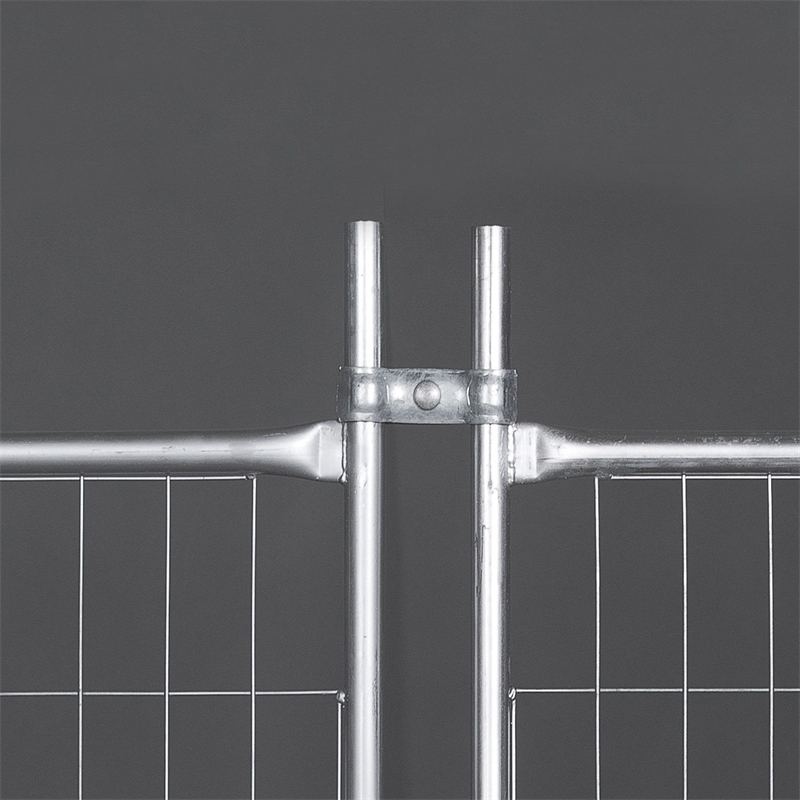
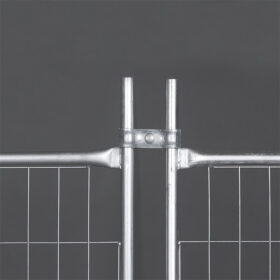
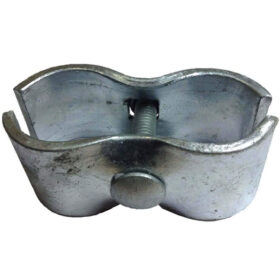
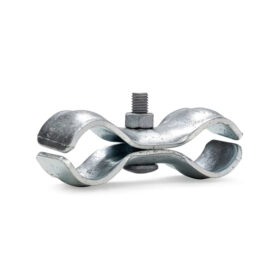
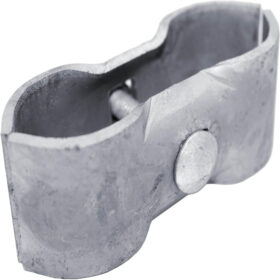
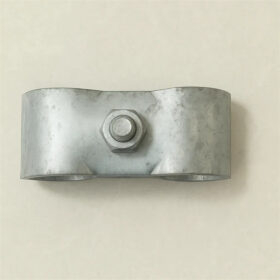
temporary fence panel clamps are small parts with a huge job: they lock neighbouring temporary fencing panels (and temp fence gates or brace stays) into one straight, stable line. The problem is that many clamps look almost identical in photos, but behave very differently under real wind load, repeated hire cycles, and fast installation. A clamp that is too thin, too sharp-edged, poorly punched, or weakly coated can slip, rattle, deform, and trigger a “domino effect” where panels drift out of line and the whole run becomes unsafe.
POLYMETAL supplies temporary fence panel clamps as a controlled accessory system. Geometry, punched edges, coating build, and bolt/nut matching are treated as performance factors—so installers get fast alignment, safer handling, and fewer call-backs.
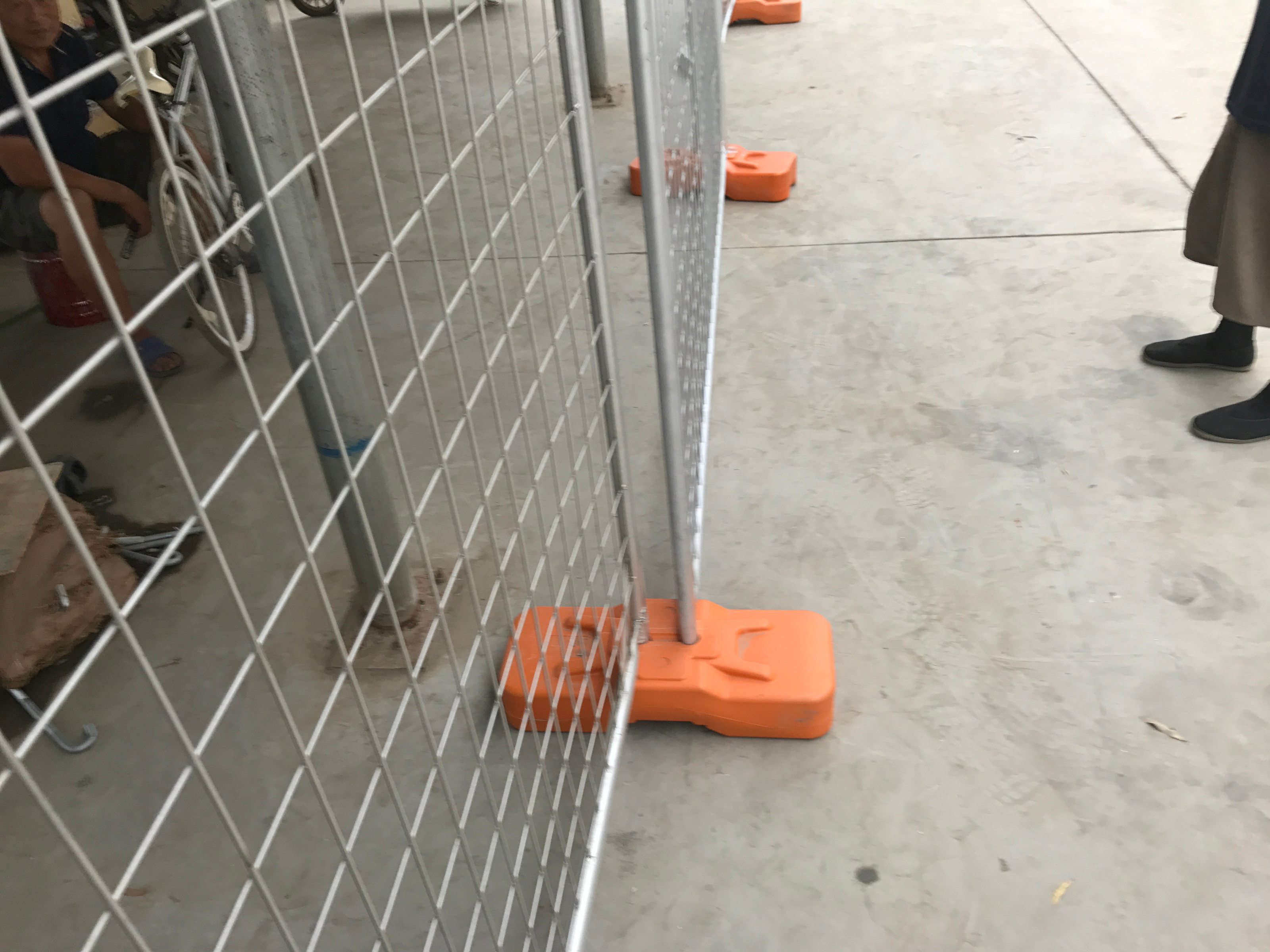
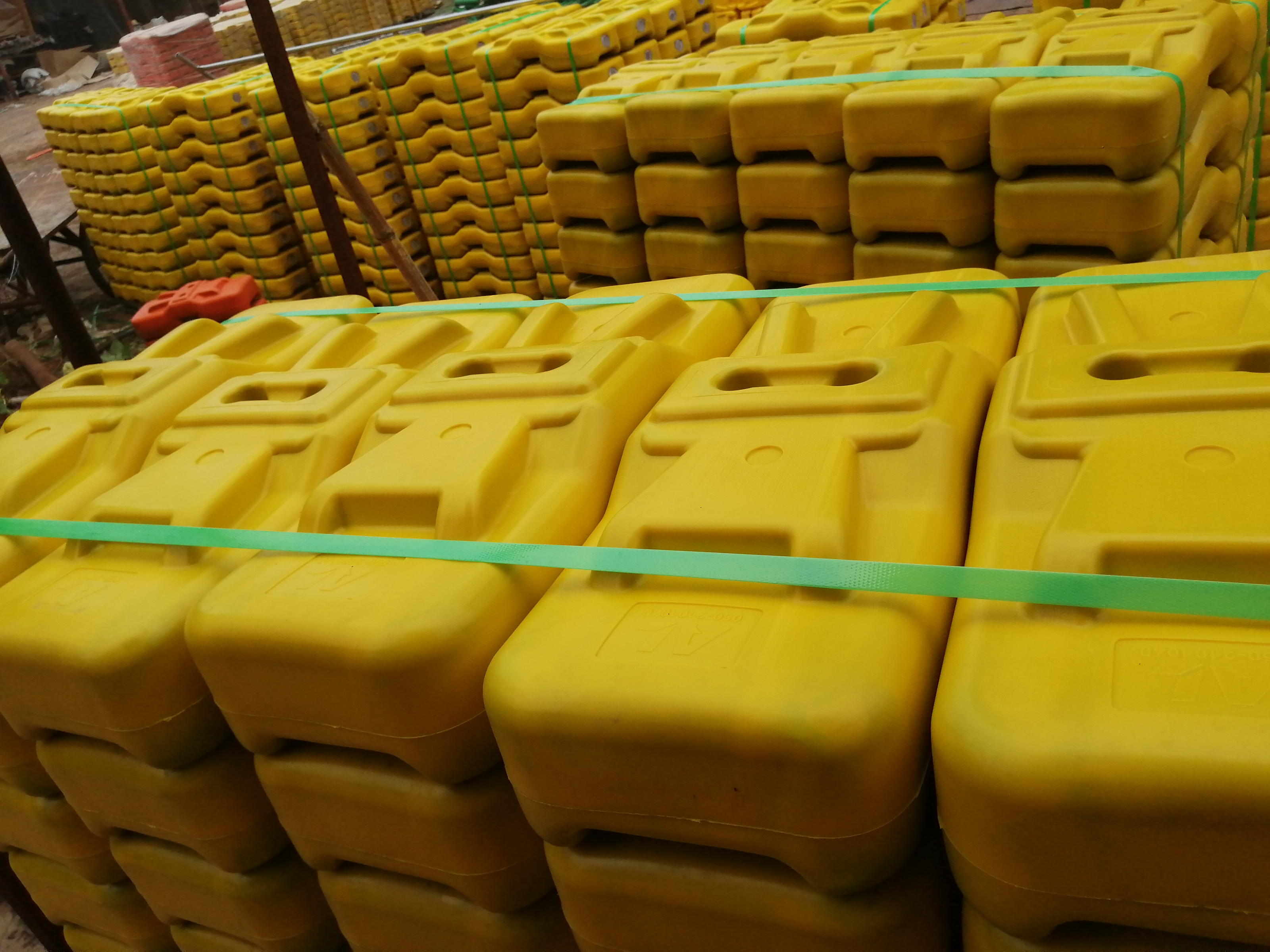
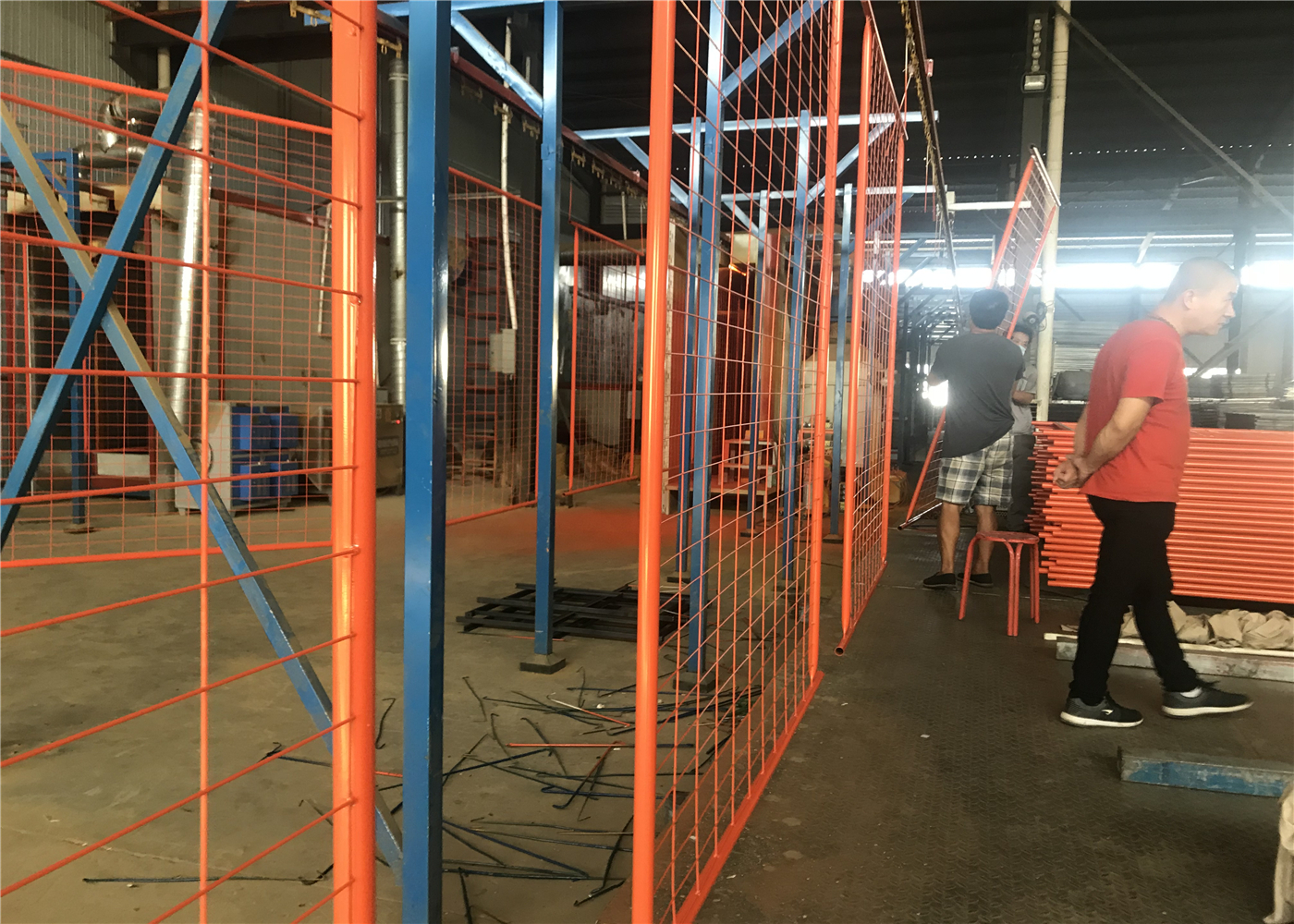
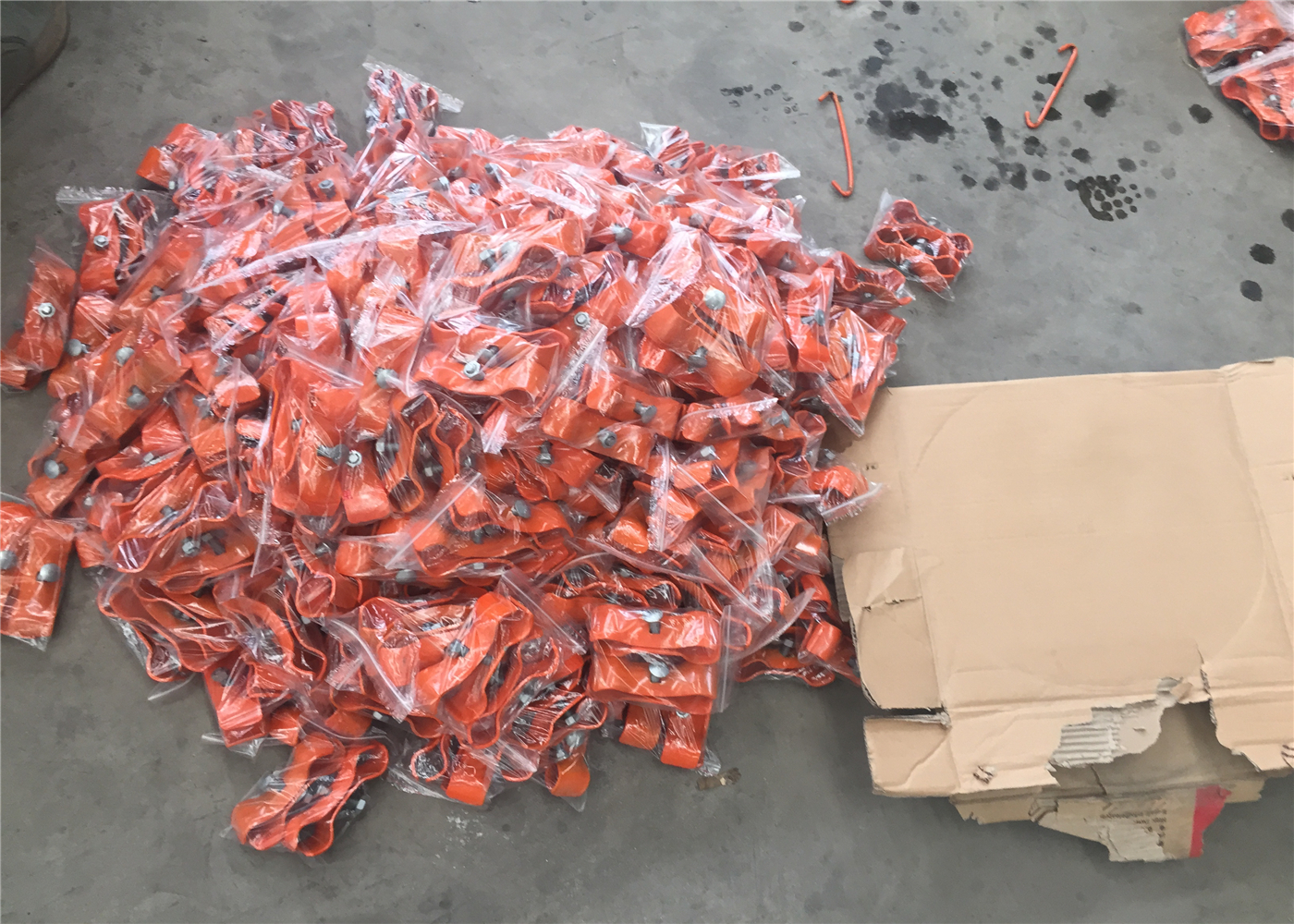
Brand Overview: POLYMETAL
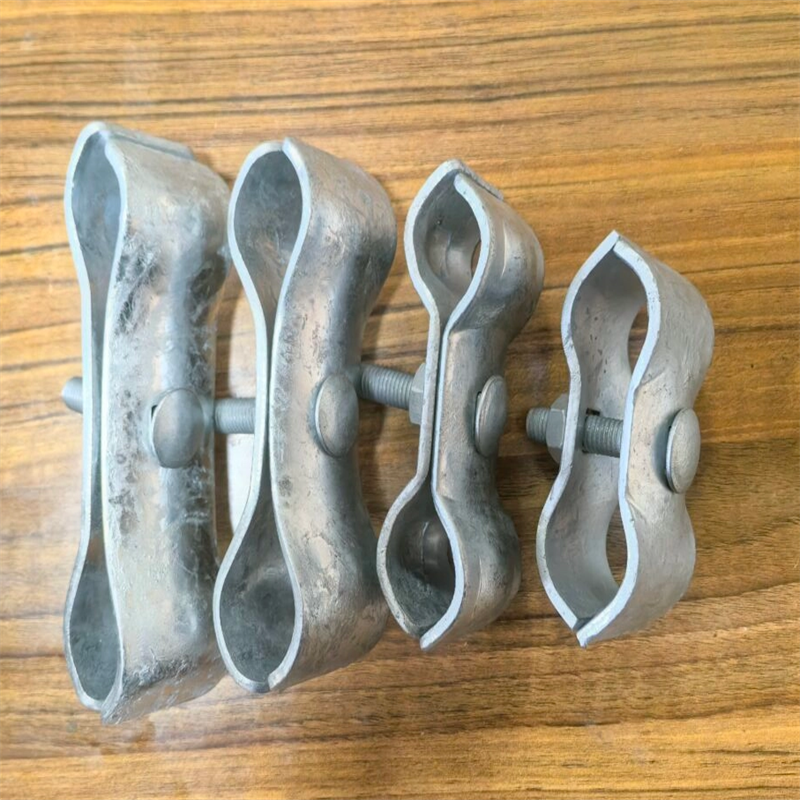
POLYMETAL focuses on repeatable clamp quality for temporary fencing systems used in Australia & New Zealand style installations. The clamp edges are punched in an ARC design (instead of sharp square corners) for higher acceptance by local install workers and fewer handling injuries. Thickness is built to heavy-duty expectations (4.00mm), and the clamp range is developed to match common pipe center distances so crews don’t “force-fit” panels and damage frames.
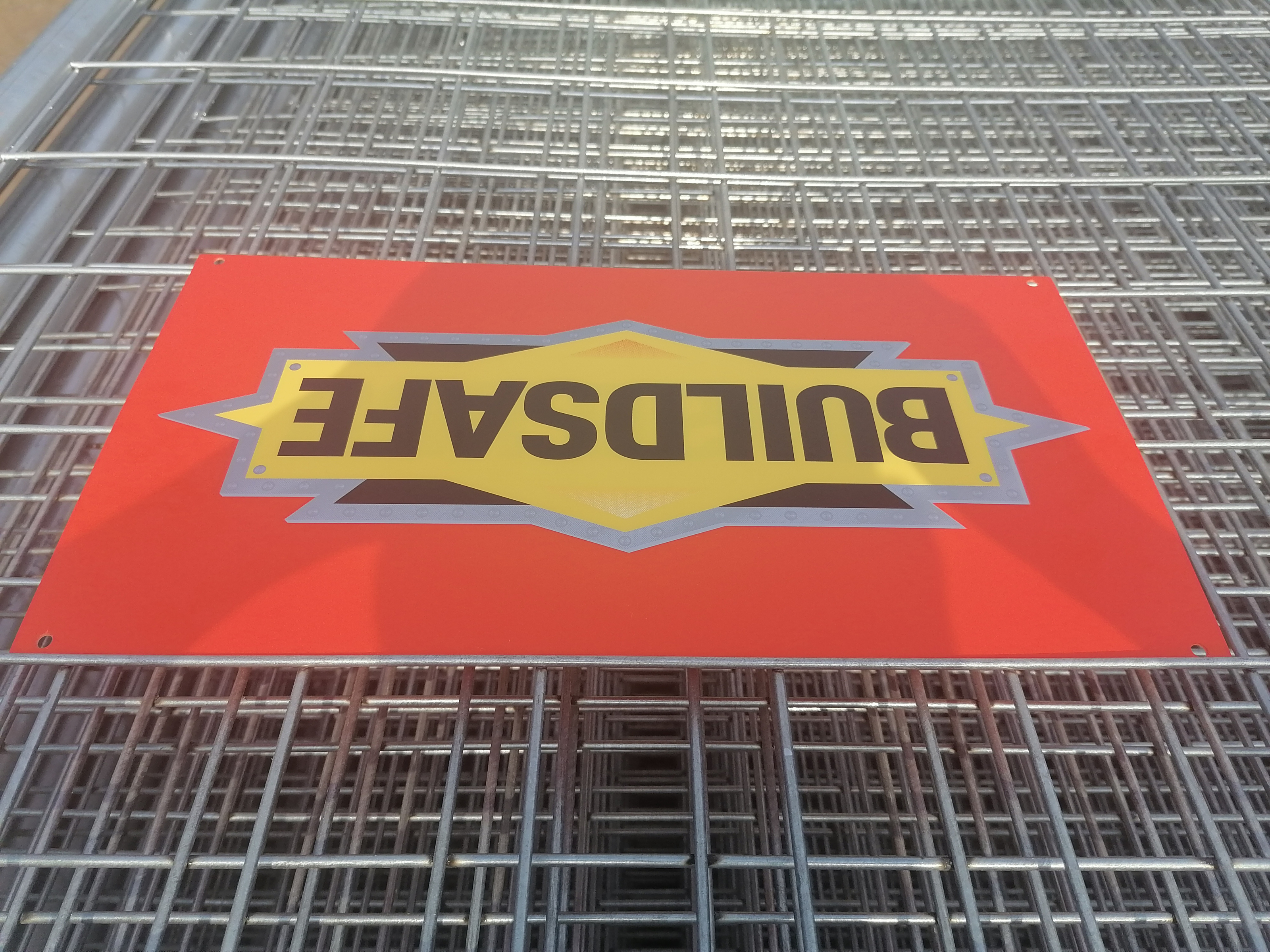
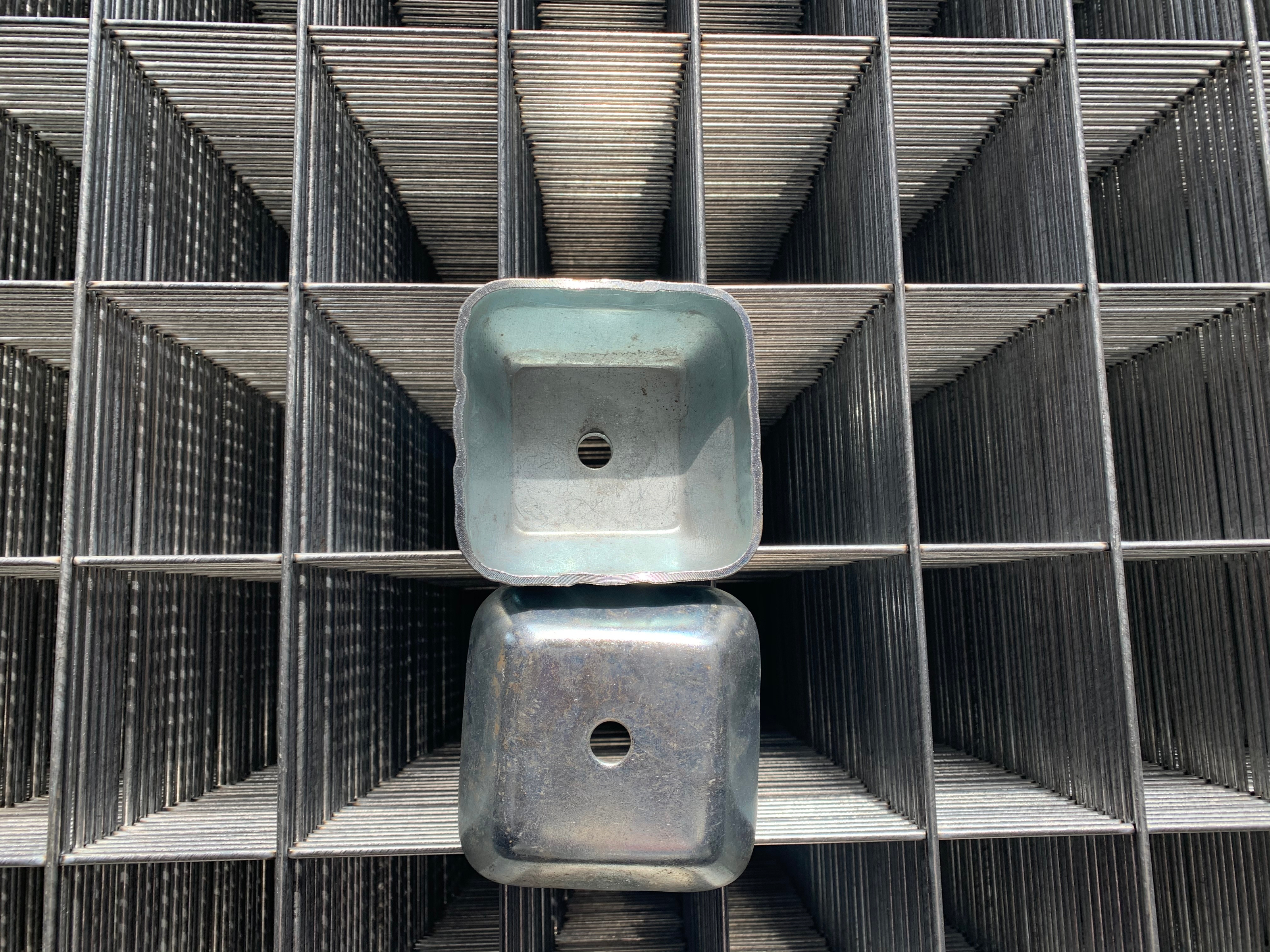
Product Description: POLYMETAL temporary fence panel clamps
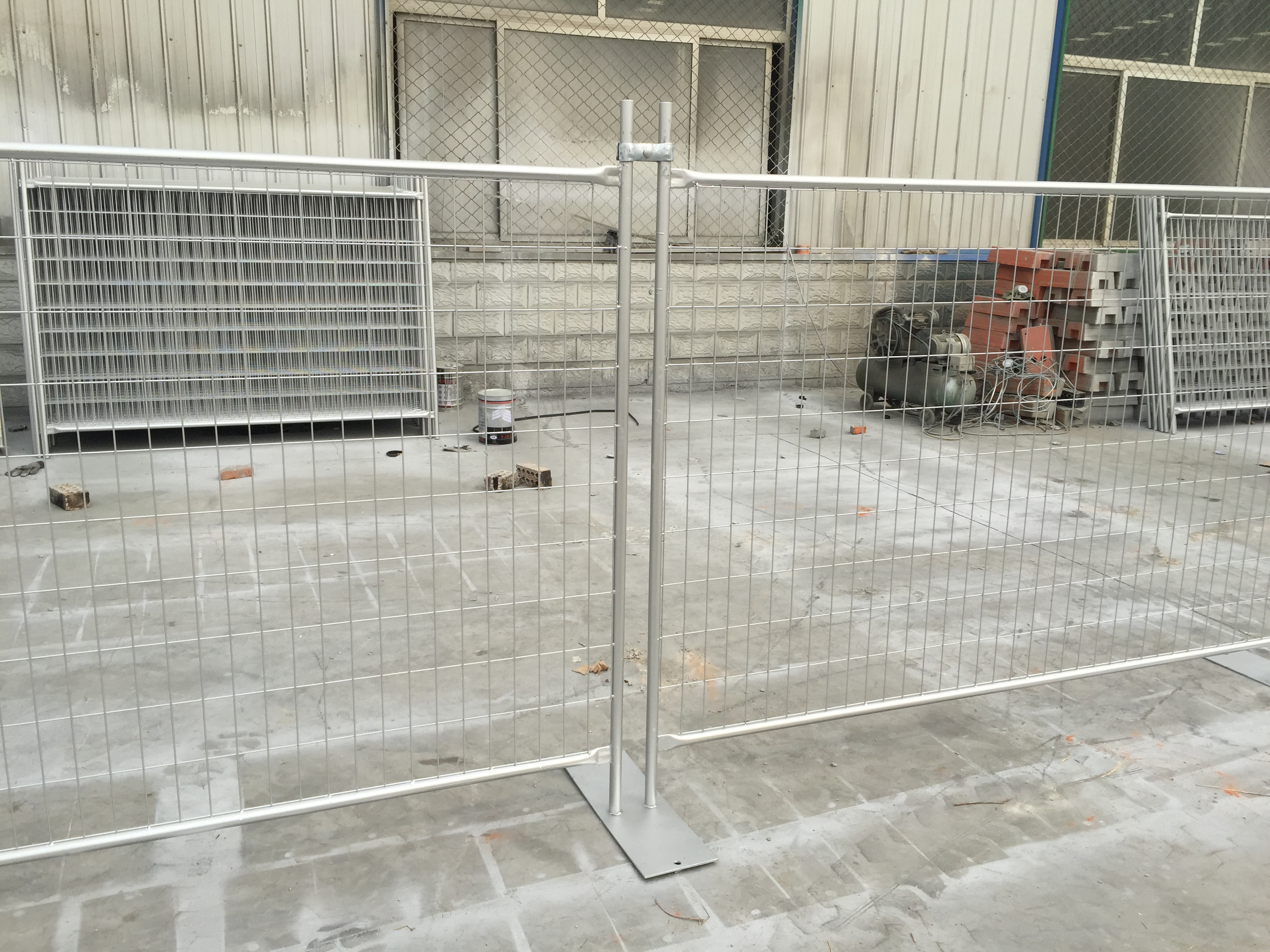
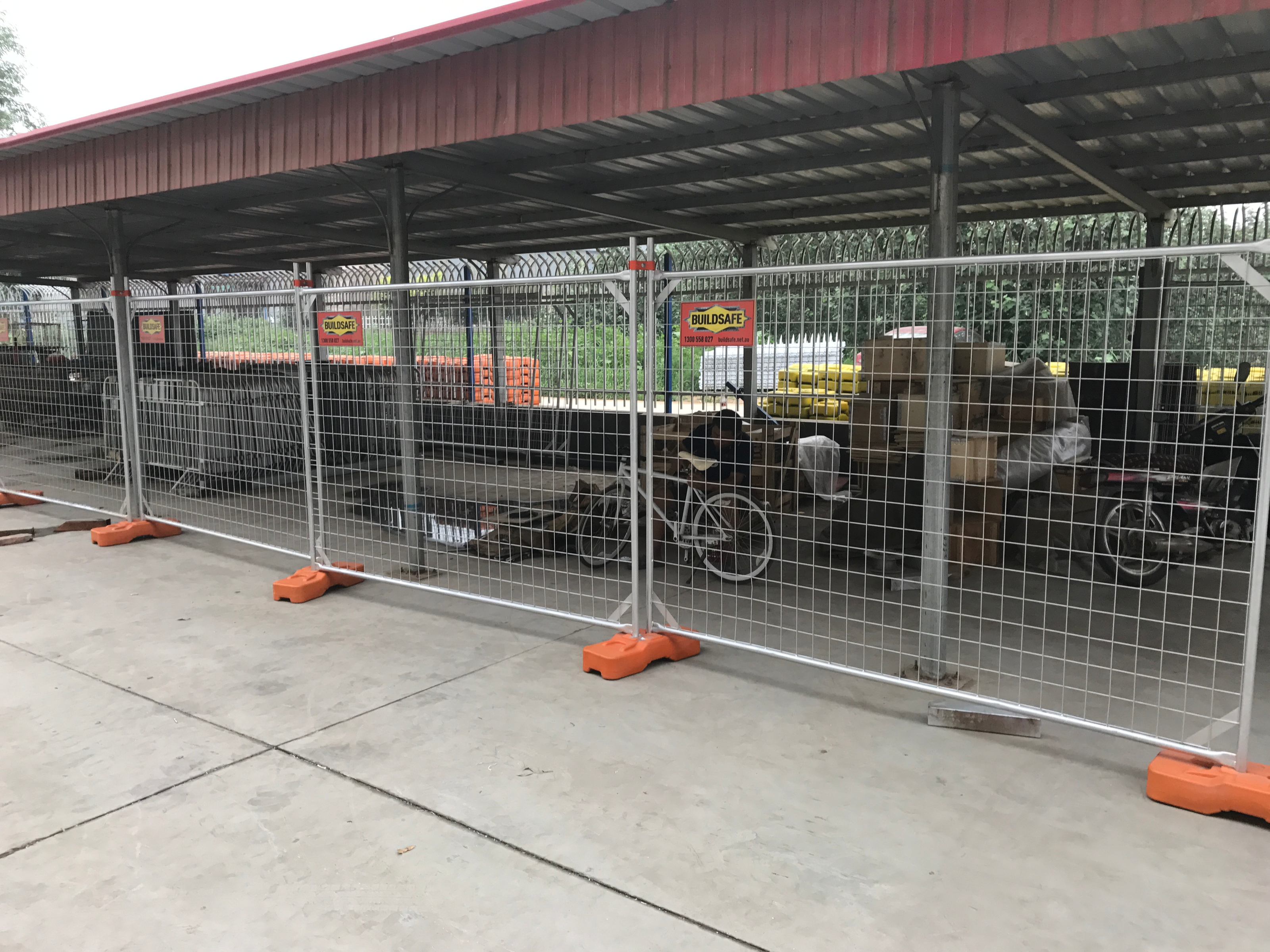
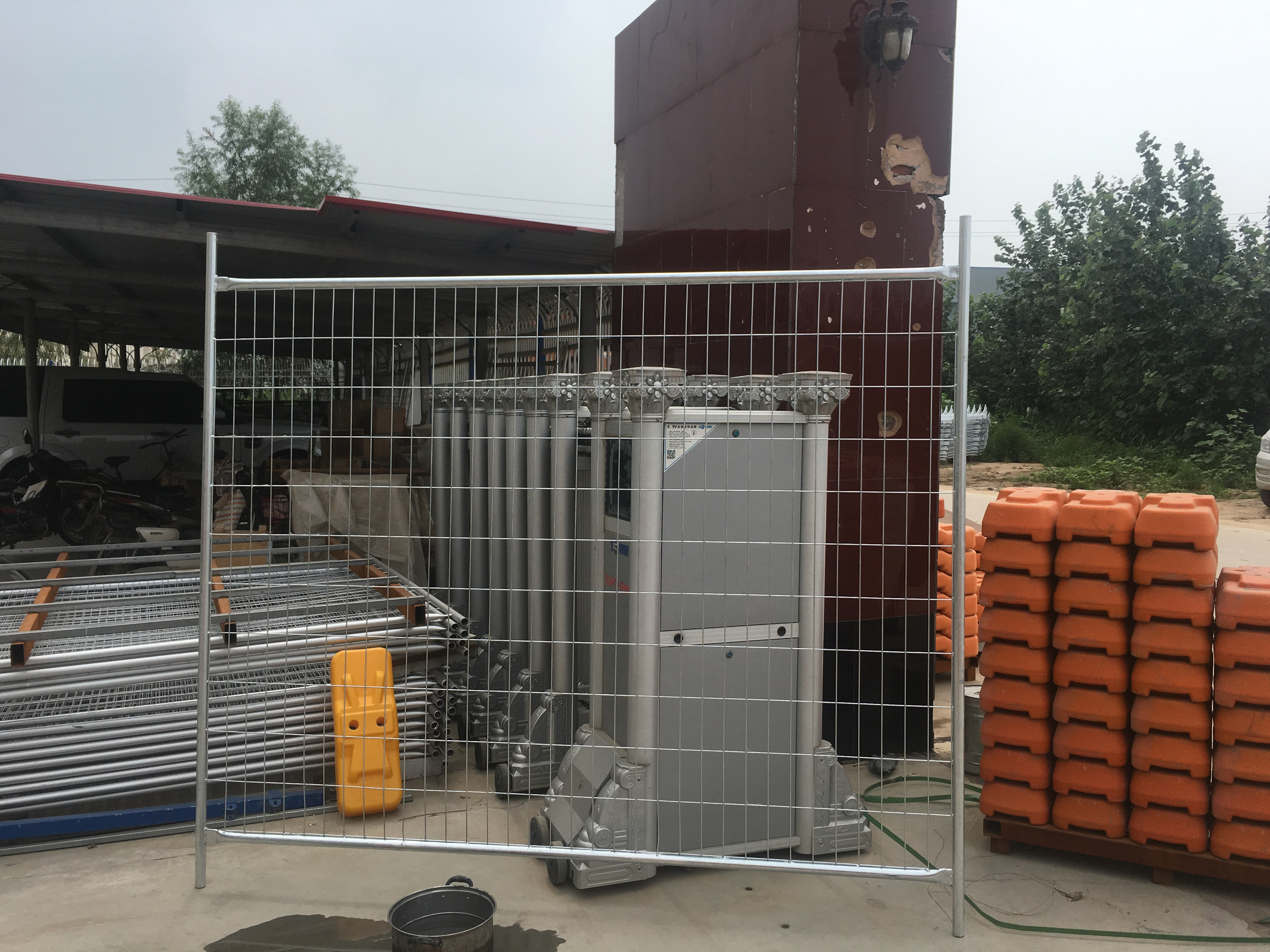
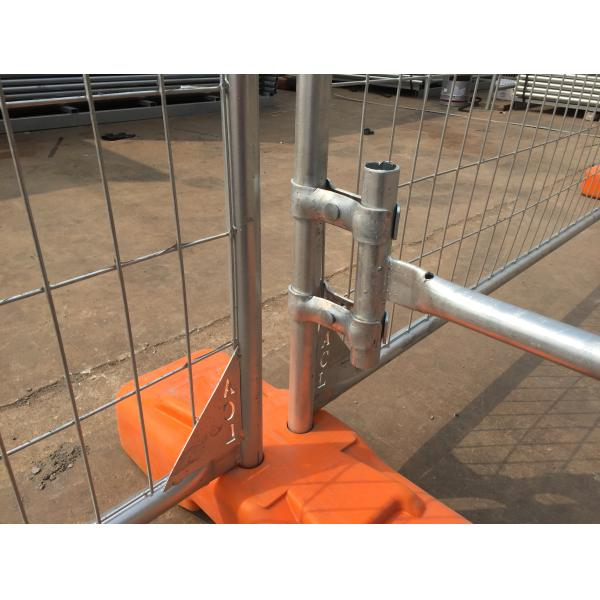
POLYMETAL temporary fence panel clamps are indispensable connectors used to secure neighbour fencing panels and stabilize temp fence gates and brace stays so the entire fence line stays straight and sturdy. The clamp design uses punched construction with smooth ARC-punched edges for better on-site handling and cleaner fit compared with sharp, square-edged alternatives. For reliability under repeated use, the clamp body is manufactured from Q195/Q235 steel and built in a heavy-duty 4.00mm thickness, matching the “tough-to-bend” expectations common in temporary fencing panels. Surface protection options include zinc plus coating combinations such as 14 microns and up to 42 microns hot dipped galvanized, with electrostatic powder coating available for better appearance and extra corrosion resistance in demanding environments.
To keep the full temporary fencing system stable in high-wind conditions, POLYMETAL also recommends brace stays as part of the overall setup, because clamps alone cannot compensate for poor bracing when weather becomes extreme.
Specifications: temporary fence panel clamps
Table 1: Temporary Fencing Clamp-100TYPE
| Temporary Fencing Clamp-100TYPE | ||
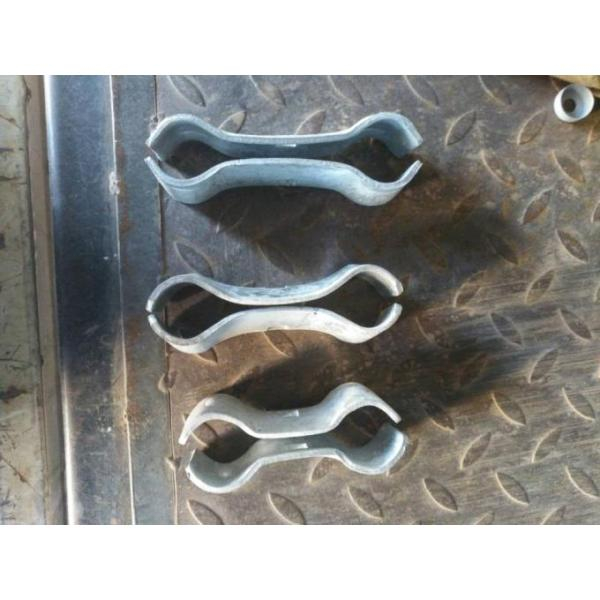 | Thickness | 4.00mm |
| Center distance | 100mm ( pipes centre to centre) /OVERALL LENGTH120MM | |
| Technical | Punched | |
| Materials | Q195 Q235 steel | |
| Design | Australia | |
| Made Country | China | |
| Treatment | 14 microns, 42 microns hot dipped galvanized electrostatic powder coated | |
| Application | Secured Temporary Fence panels, and Bracket Stay, Gate | |
| Weight | 0.45kg /set 2 pairs included big caps bolt and nuts | |
Table 2: Temporary Fencing Clamp-90TYPE
| Temporary Fencing Clamp-90TYPE | ||
 | Thickness | 4.00mm |
| Center distance | 90mm ( pipes centre to centre) /OVERALL LENGTH 110MM | |
| Technical | Punched | |
| Materials | Q195 Q235 steel | |
| Design | Australia | |
| Made Country | China | |
| Treatment | 14 microns, 42 microns hot dipped galvanized electrostatic powder coated | |
| Application | Secured Temporary Fence panels, and Bracket Stay, Gate | |
| Weight | 0.40kg /set 2 pairs included big caps bolt and nuts | |
Table 3: Temporary Fencing Clamp-80TYPE
| Temporary Fencing Clamp-80TYPE | ||
 | Thickness | 4.00mm |
| Center distance | 80mm ( pipes centre to centre) /OVERALL LENGTH 100MM | |
| Technical | Punched | |
| Materials | Q195 Q235 steel | |
| Design | Australia | |
| Made Country | China | |
| Treatment | 14 microns, 42 microns hot dipped galvanized electrostatic powder coated | |
| Application | Secured Temporary Fence panels, and Bracket Stay, Gate | |
| Weight | 0.35kg /set 2 pairs included big caps bolt and nuts | |
Applications: temporary fence panel clamps
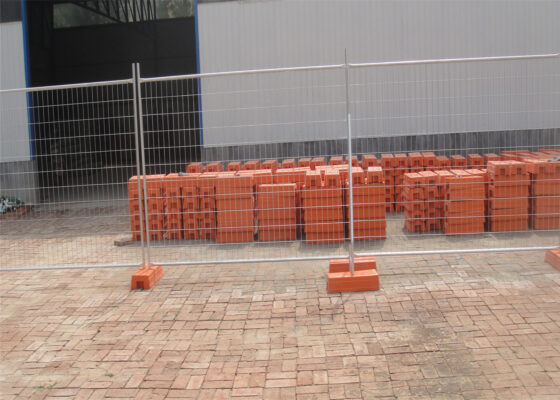
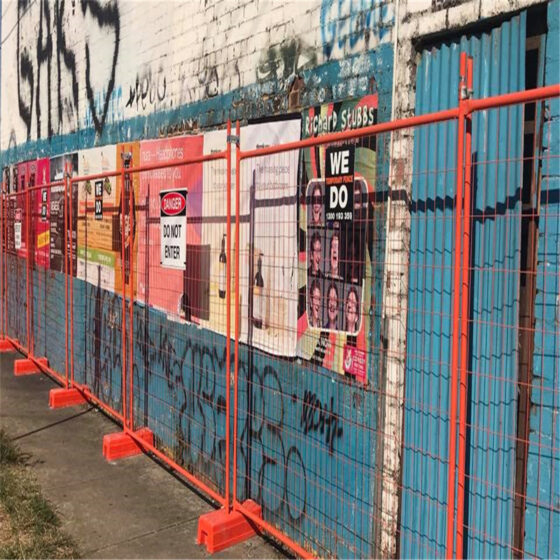
temporary fence panel clamps are used to connect temporary fencing panels into continuous runs for construction sites, roadworks, events and crowd management, site storage areas, restricted access zones, equipment compounds, and temporary gate/entry sections. They are also used together with brace stays to improve stability in high-wind regions where panels can “walk” or twist if the line is not supported correctly.
Benefits: What the Right Clamp System Delivers
When the center distance matches your panel pipe layout, alignment is faster and the fence line stays straight instead of drifting into a wave pattern. When the clamp thickness is truly heavy-duty (4.00mm), the connection resists bending and keeps pressure evenly distributed at the joint. When ARC-punched edges replace sharp corners, handling becomes safer and crews accept the part more easily on busy sites. When galvanizing and coating are controlled, clamps resist early rust that can seize nuts, slow installation, and trigger repeated replacements across hire cycles.
Packing: Protect Coating, Protect Threads, Prevent Missing Parts
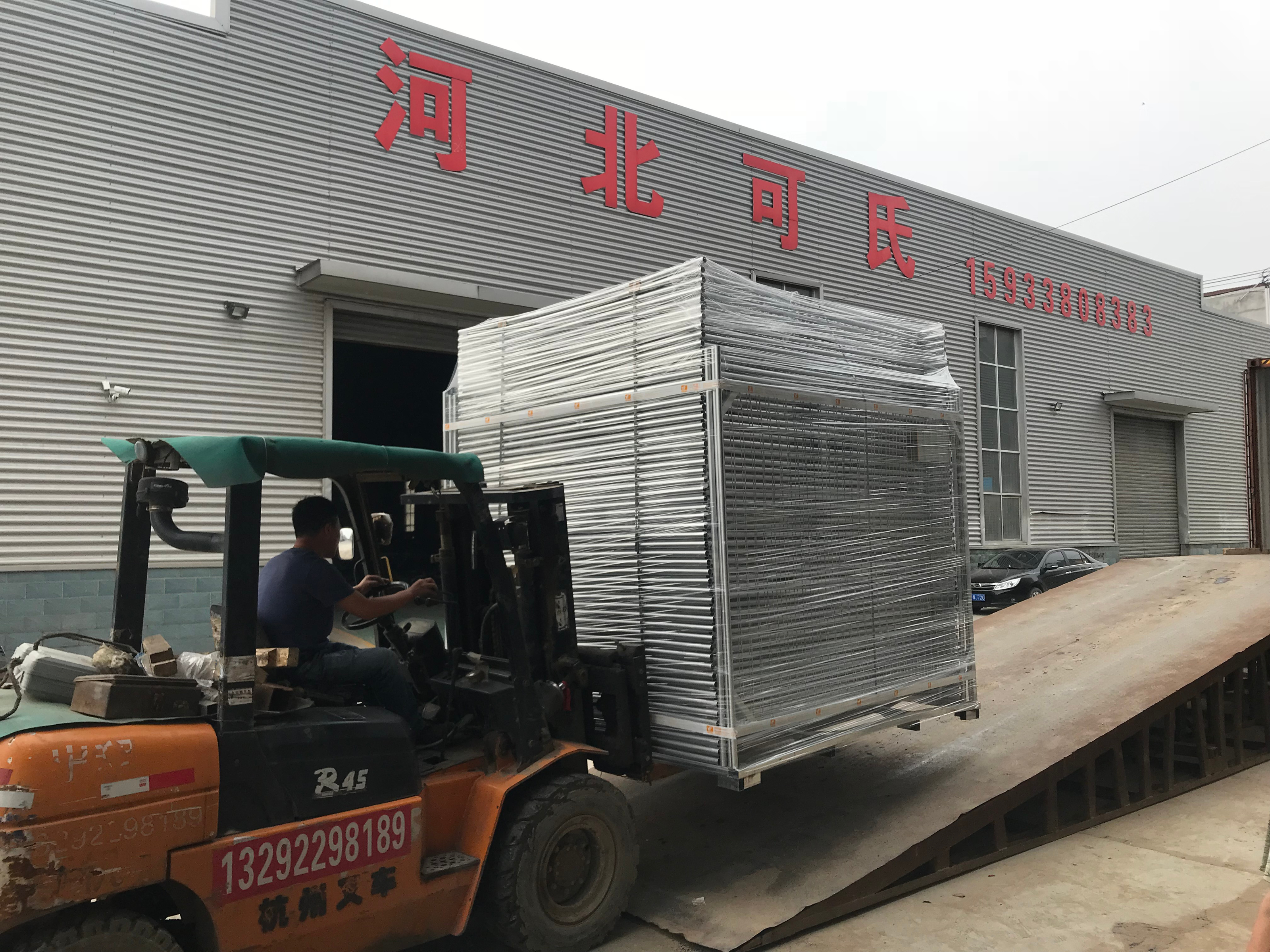
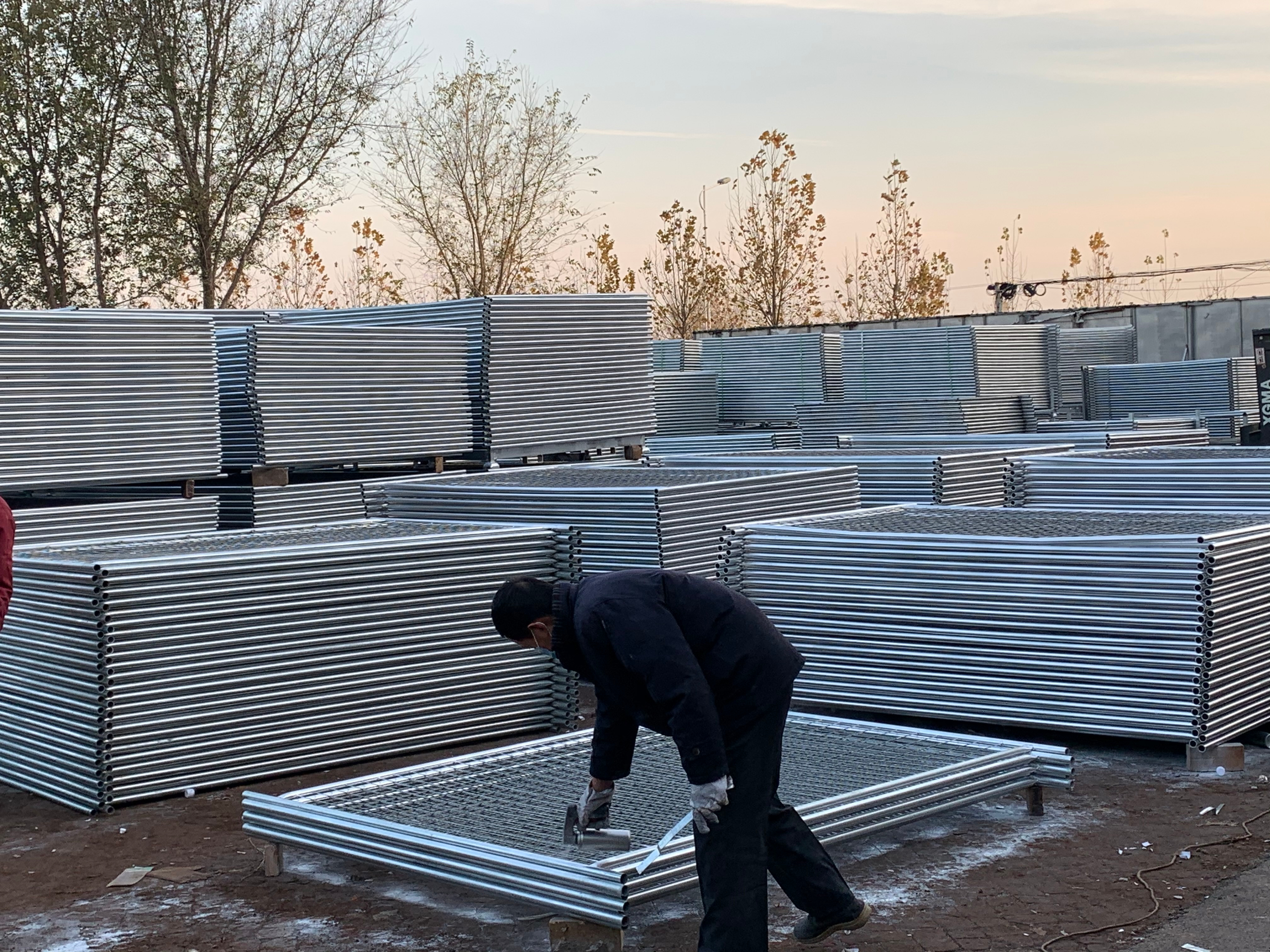
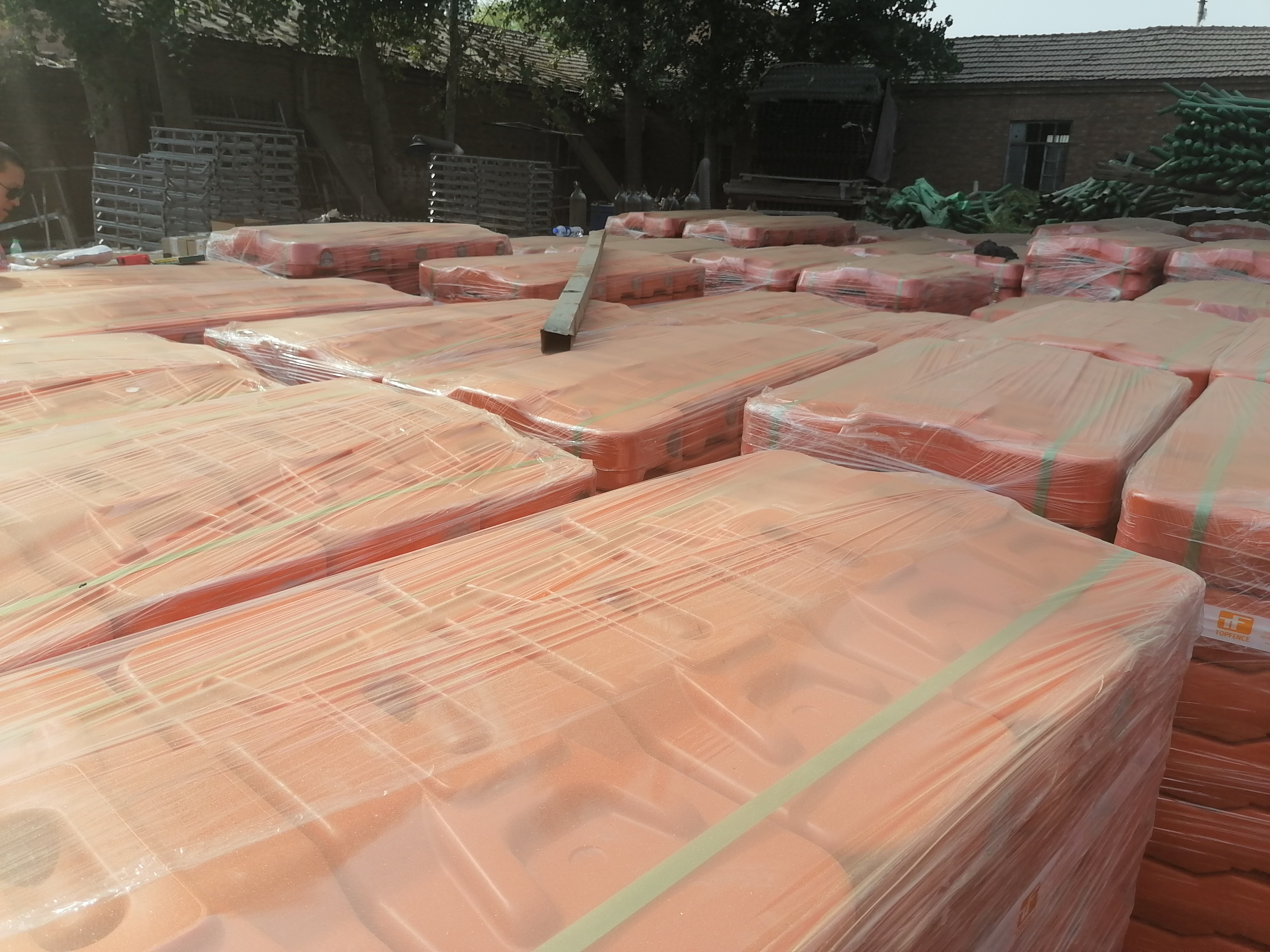
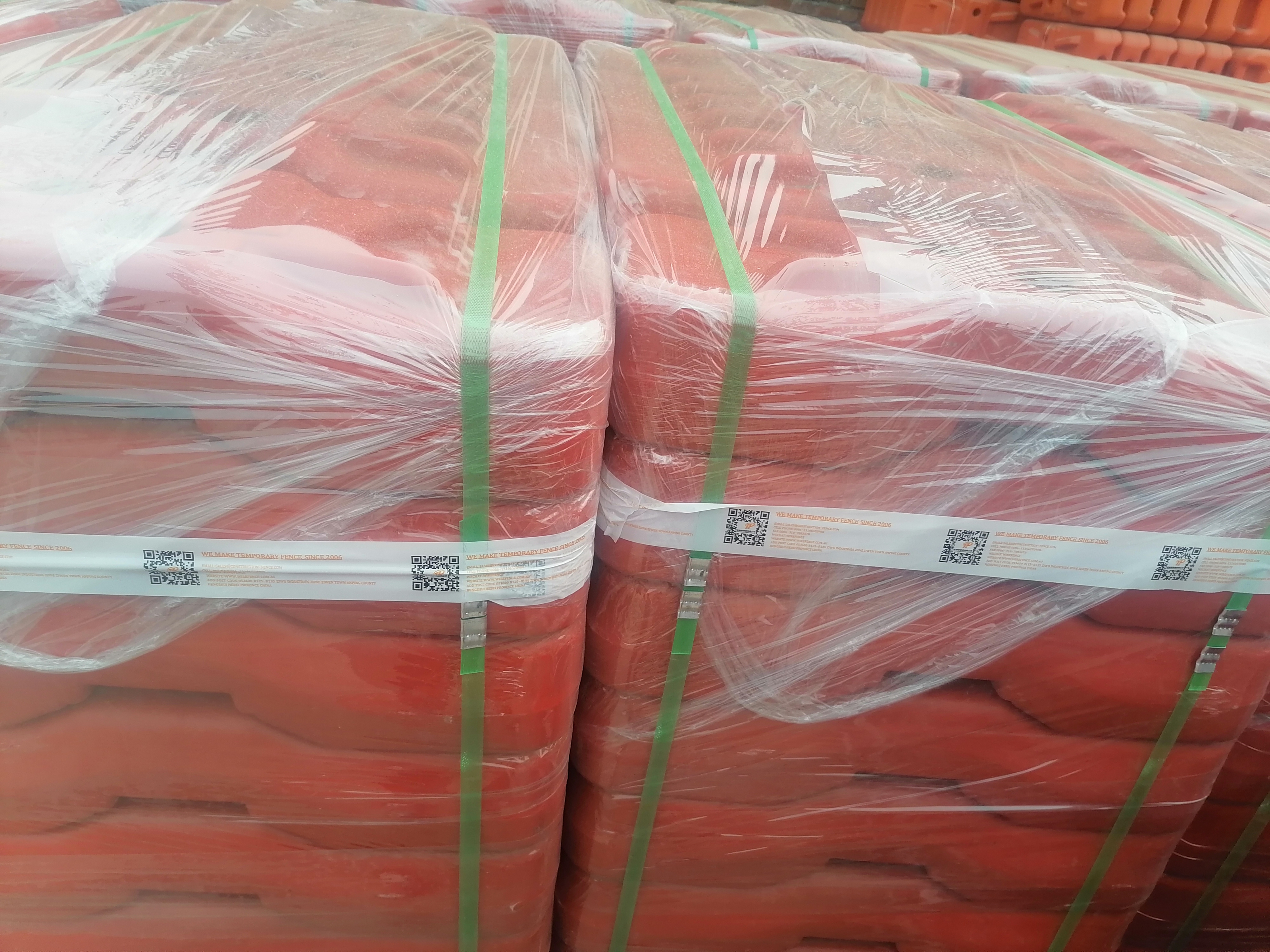
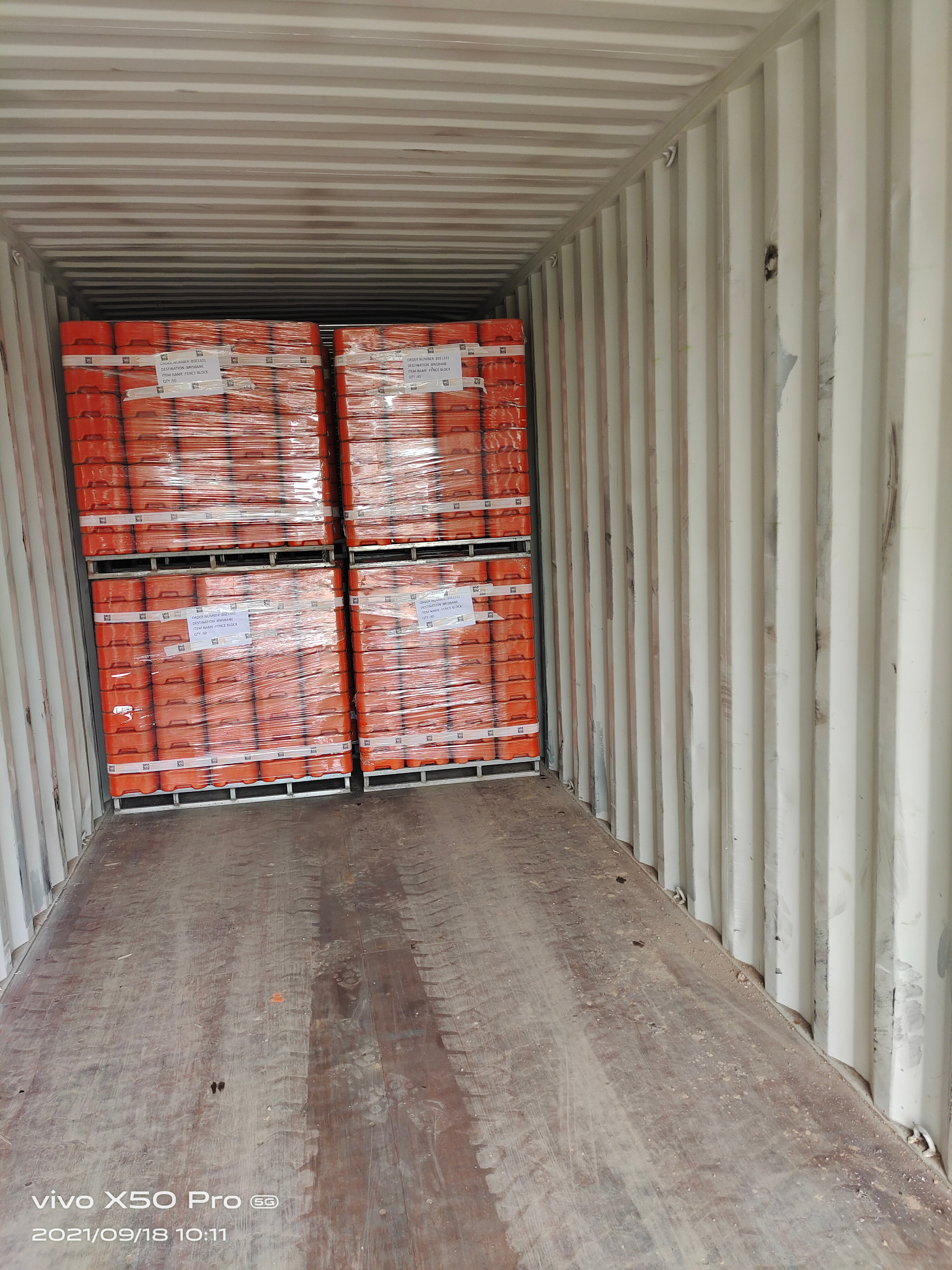
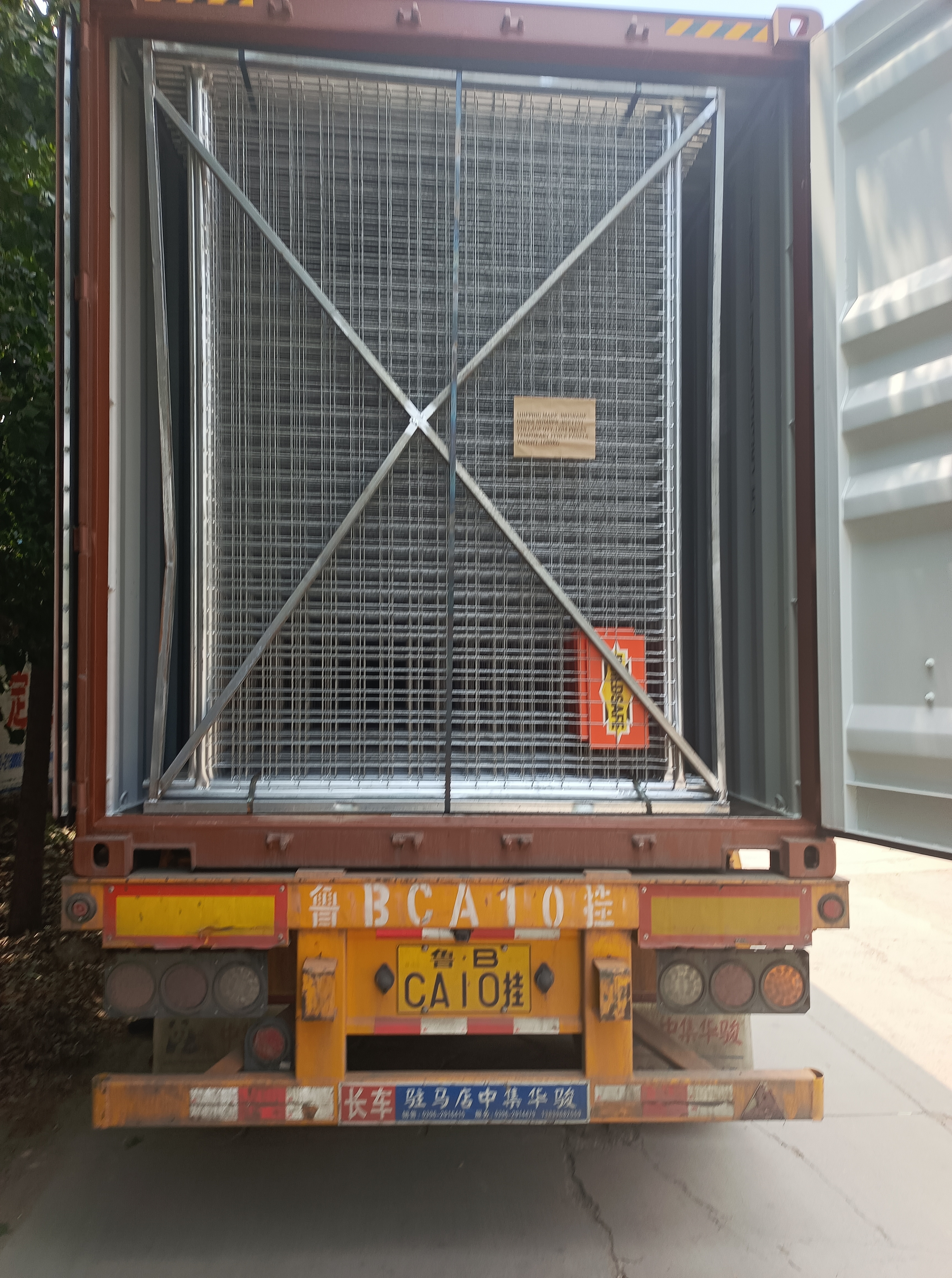
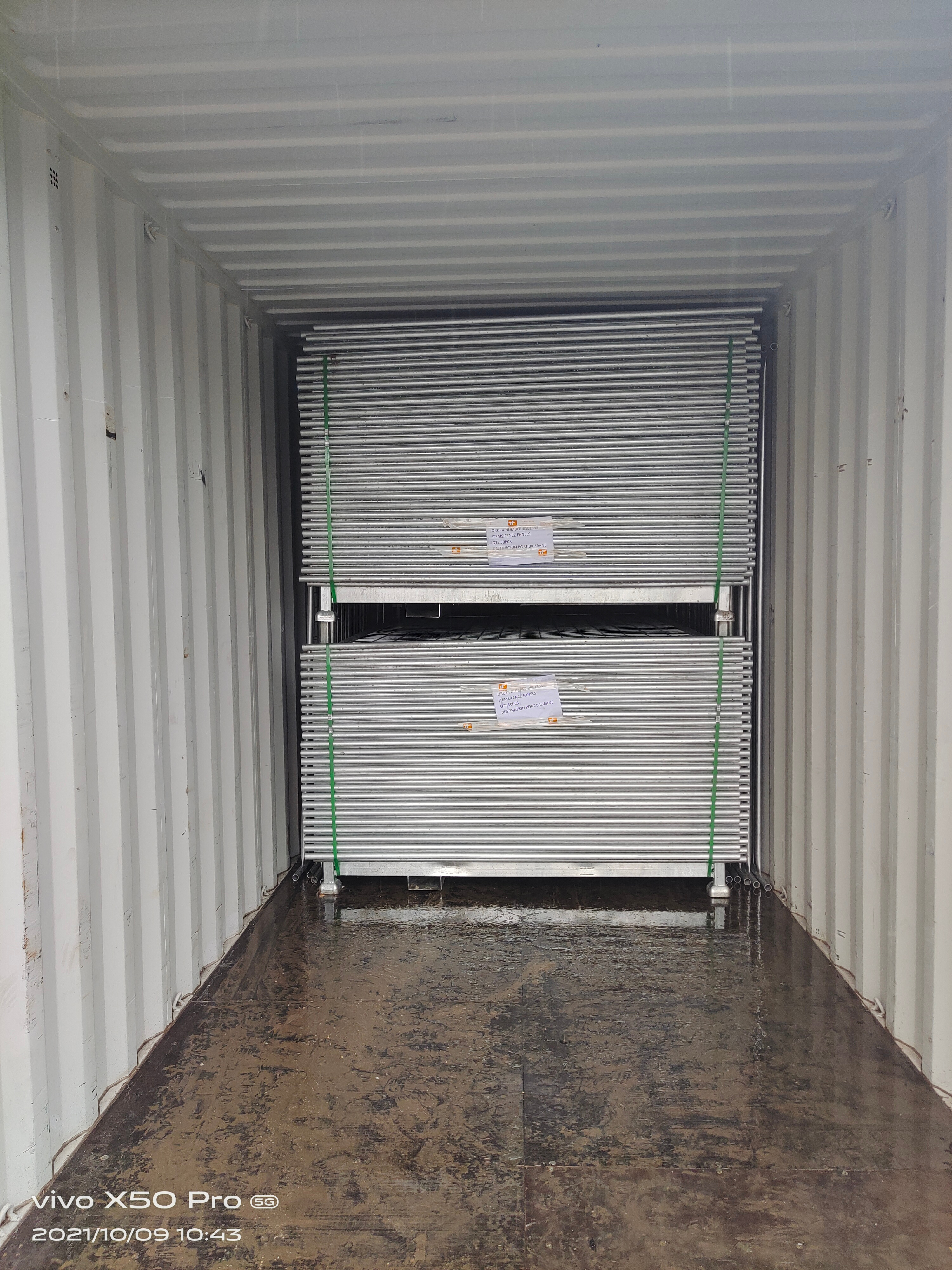
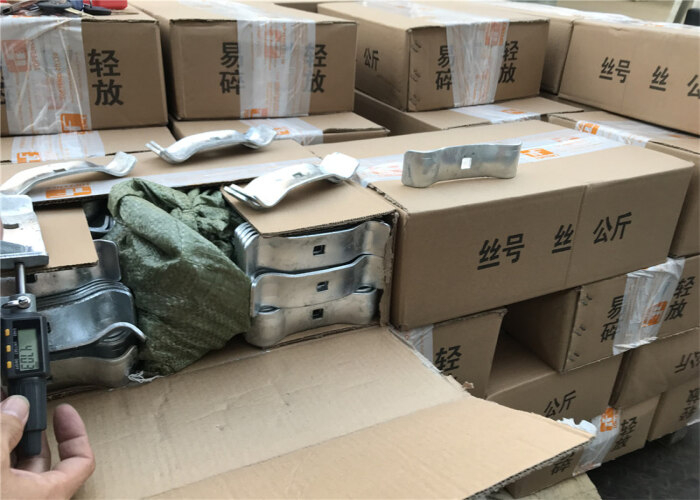
Clamp packing should keep coating and threads intact. Sets should be packed as complete kits (2 pairs with matching caps, bolts, and nuts), then bagged and boxed to stop missing hardware delays. Cartons should be strapped to pallets to prevent crushing, and moisture control should be used to reduce “white rust” risk during transit and storage. This is how clamp performance stays consistent from the first install to repeated redeployments.
Standard and Quality Control
POLYMETAL temporary fence panel clamps are developed for compliance-minded markets and have been aligned to AS and NZS style requirements through long-term market testing since 2007. Quality control focuses on punched accuracy (center distance discipline), ARC edge finish, thickness consistency, coating build consistency, and hardware fit so clamps tighten cleanly without cross-threading or slipping under load.
Top 10 TRAPS for temporary fence panel clamps (Especially #8)
TRAP #1: Ordering “any clamp” without matching center distance
If your pipe centers don’t match 80/90/100mm designs, crews force the fit, panels twist, and the fence line loses stability fast.
TRAP #2: Buying thin clamps that deform after a few installs
Thin clamp bodies bend under tightening pressure, then the joint loosens and rattles in wind.
TRAP #3: Ignoring edge design (sharp corners create real site problems)
Square, sharp edges increase handling injuries and reduce installer acceptance, slowing deployment.
TRAP #4: Accepting weak punching that creates sloppy geometry
Bad punching leads to inconsistent alignment and uneven load transfer at the joint.
TRAP #5: Choosing “steel” without specifying Q195/Q235 level consistency
Material inconsistency increases cracking risk and reduces repeat performance across batches.
TRAP #6: Forgetting braces and expecting clamps alone to beat high wind
In extreme wind climates, a clamp is not a brace; without stays, the line can walk and rotate.
TRAP #7: Mixing bolt/nut quality and creating seized fasteners
Cheap hardware rusts first, seizes, and turns fast setup into slow, unsafe improvisation.
TRAP #8: The hidden LOSS—cheap coating turns into rust, seized nuts, and downtime
This is the budget killer. Light coating fails early, clamps rust, nuts seize, and crews waste time fighting hardware. Panels loosen, lines drift, and you pay again in emergency replacements, extra labor, and schedule damage.
TRAP #9: Not ordering clamps as complete sets (missing parts stop the whole line)
One missing nut can break a long run plan and trigger unsafe “temporary fixes” on site.
TRAP #10: Buying “photo-similar” clamps and receiving inconsistent batches
Inconsistent geometry creates fit problems, uneven tightening, and repeated call-backs across jobs.
FAQs: temporary fence panel clamps
FAQ 1: Which type should I choose—80, 90, or 100?
Choose the type that matches your panel pipe center distance. Correct matching prevents twisting and speeds installation.
FAQ 2: What makes these clamps heavy-duty?
4.00mm thickness, punched construction, and controlled coating options designed for repeat use.
FAQ 3: Why does ARC edge punching matter?
ARC edges reduce sharp handling points and improve installer acceptance compared with square-edged designs.
FAQ 4: Do clamps replace brace stays in high wind?
No. Clamps connect panels; braces stabilize the system. For extreme wind climates, braces are strongly recommended.
FAQ 5: What surface treatment should I choose?
Hot dipped galvanized and coated options are preferred for longer outdoor service life and reduced rust/seizing risk in hire cycles.
FAQ 6: How should clamps be packed for shipping?
Pack as complete bolt/nut sets, bagged and boxed, then strapped on pallets to prevent thread damage, part loss, and coating scratches—especially when the clamp system will be used together with 3 types of temporary fence feet to keep the whole temporary fence line stable and fast to deploy.