Your One-Stop Wire Mesh Fence Supplier | POLYMETAL
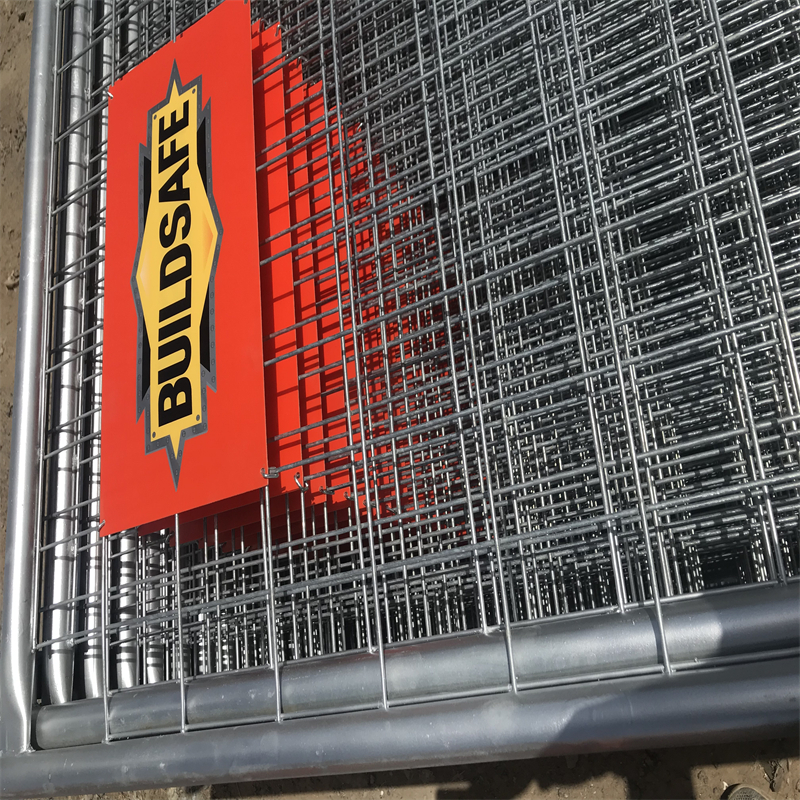


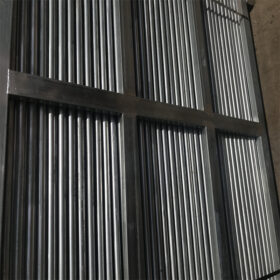

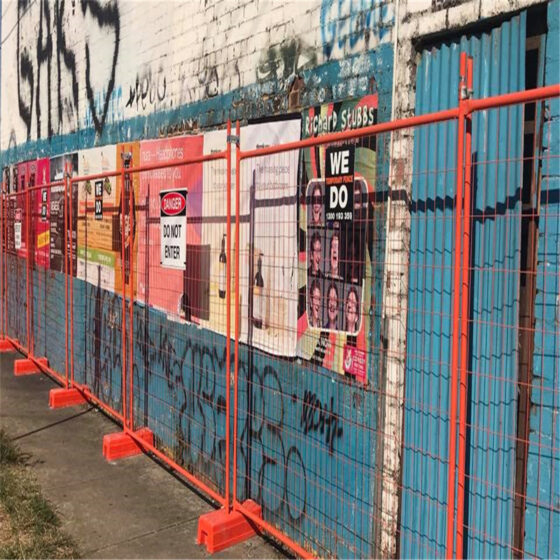
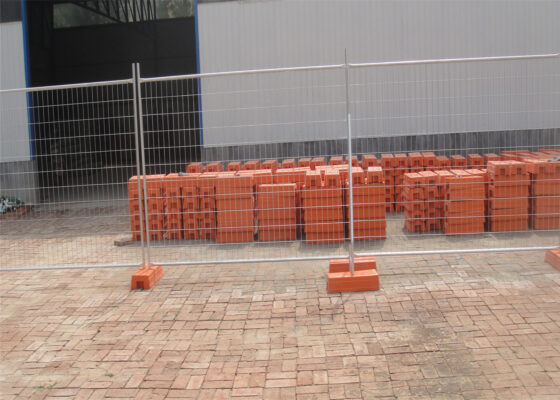
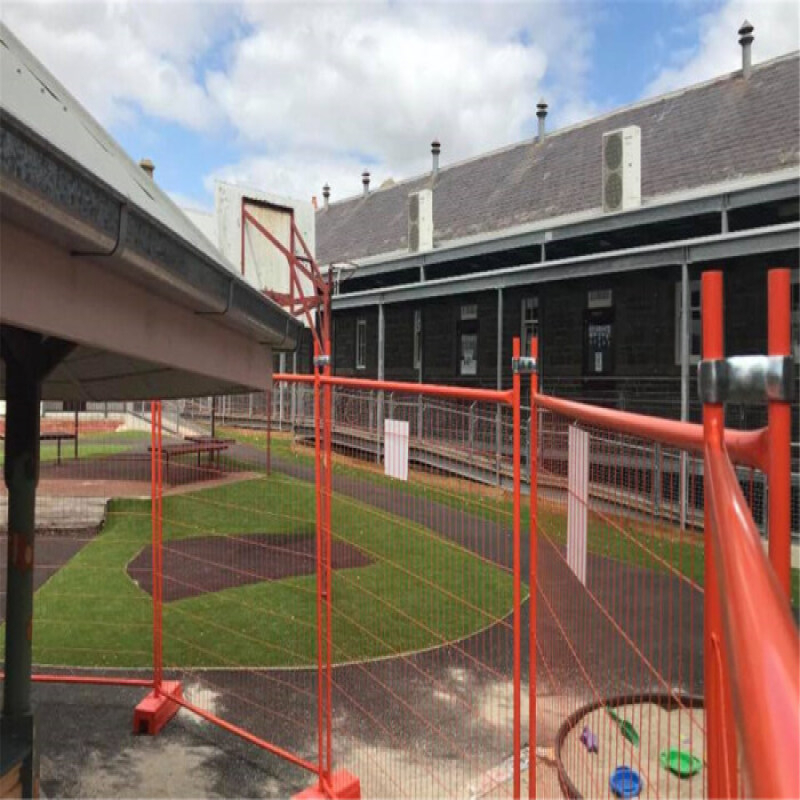
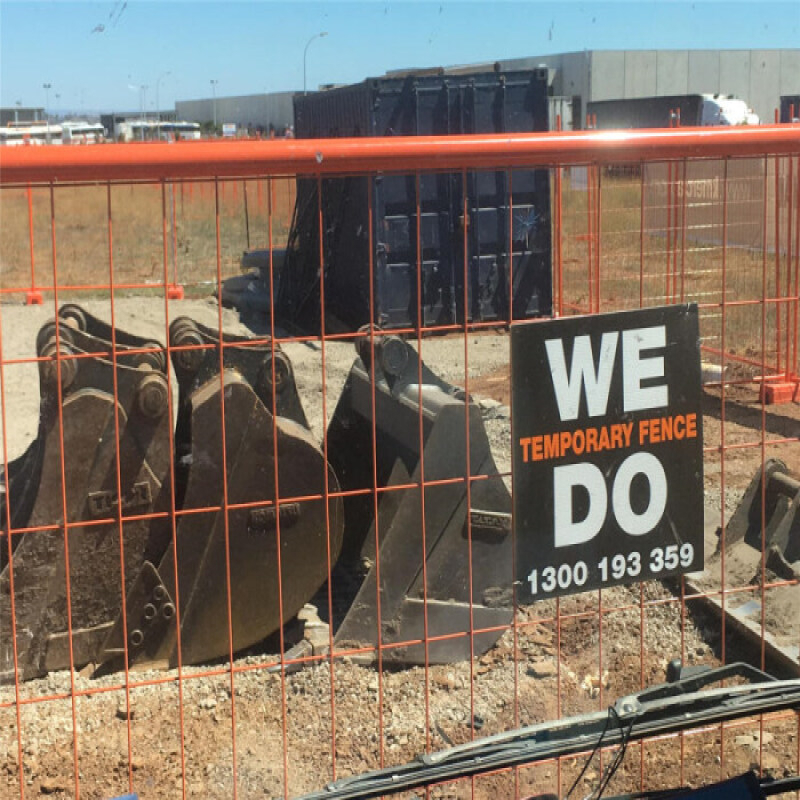
POLYMETAL temporary fences are modular welded-mesh panel systems designed for fast site setup, reliable crowd and access control, and repeatable performance across construction, events, and industrial operations. Built around a tubular frame with welded wire mesh infill, temporary fences create a visible, physical boundary that helps guide movement, reduce unauthorized entry, and support cleaner site management.
When the correct tube diameter, wall thickness, mesh opening, and coating are selected, temporary fences remain stable, resist deformation, and maintain a professional appearance through repeated handling.


Product Description
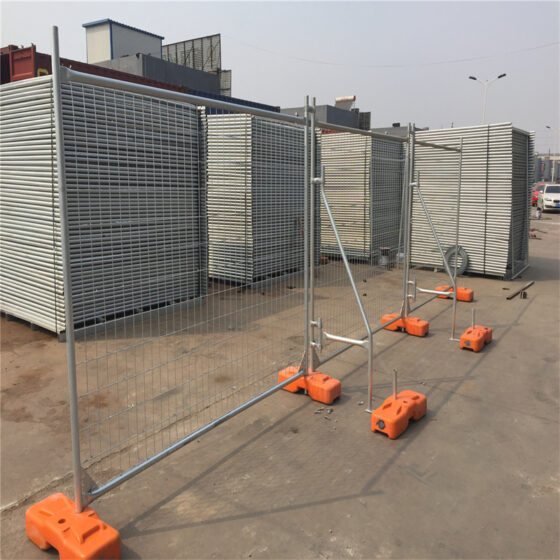
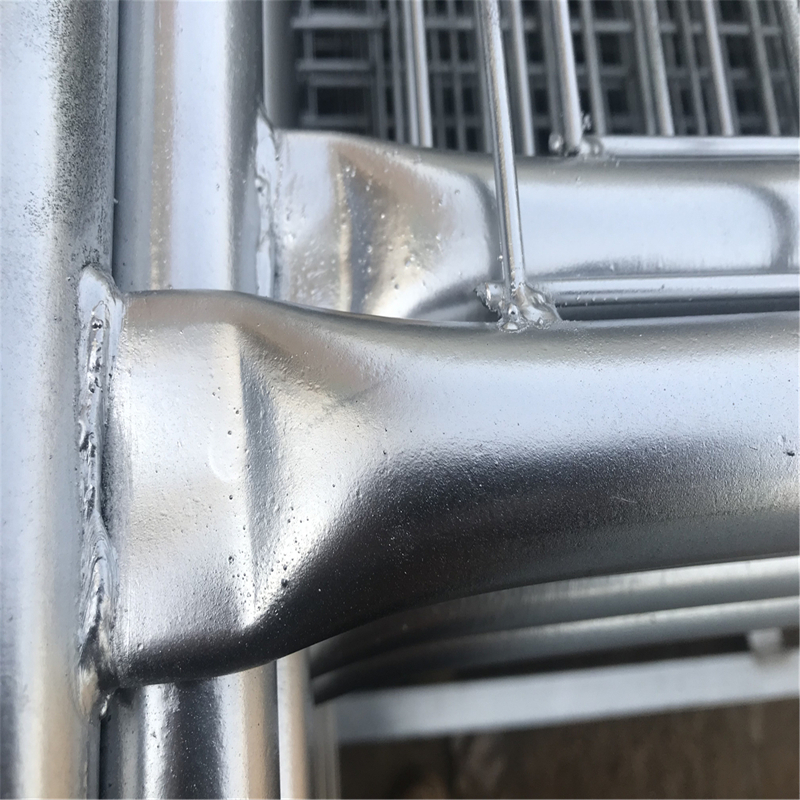
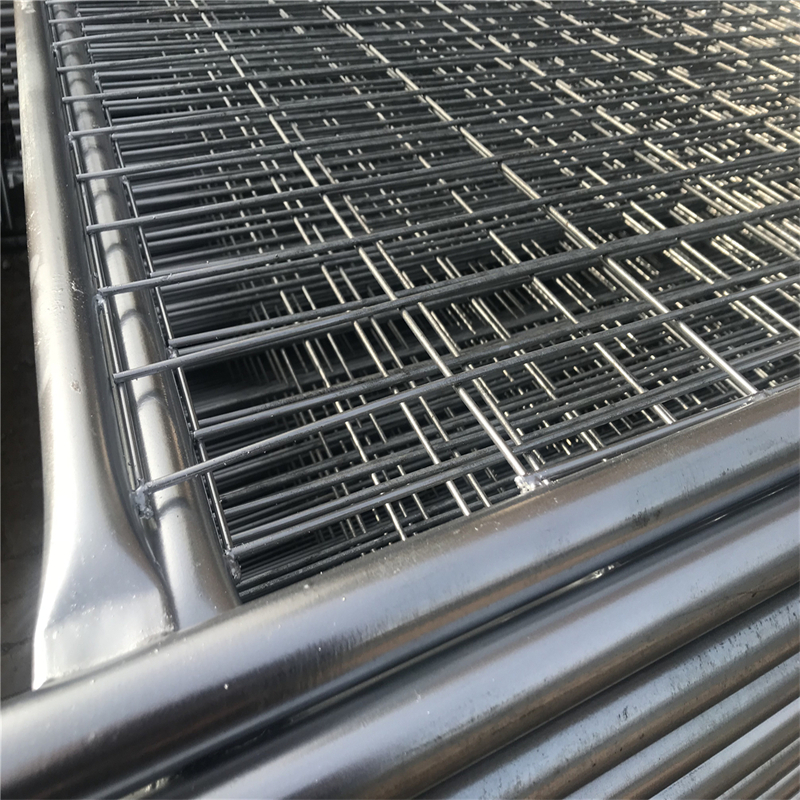
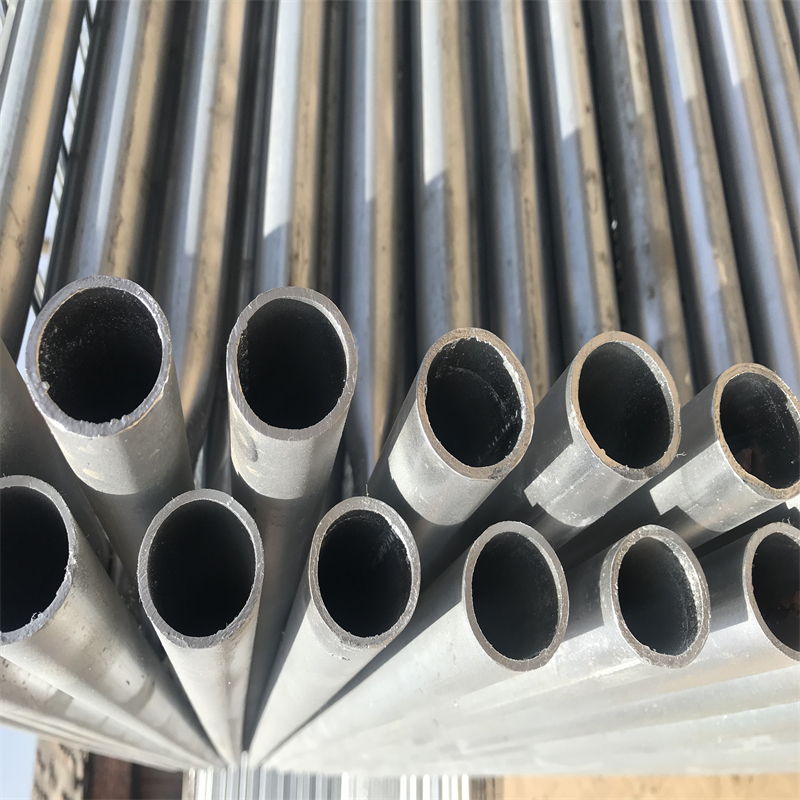
POLYMETAL temporary fences are manufactured with round frame tubes (OD32mm, OD38mm, OD40mm, or OD41mm) and welded mesh panels sized at 2100mm height with common widths of 2400mm, 3300mm, and 3500mm, with mid-rail support available for wider panels to improve rigidity during transport and on-site use. The mesh opening is typically 60mm×150mm, with wire diameter options of 2.70mm, 3.00mm, and 4.00mm to match strength requirements and handling frequency.
Frame wall thickness options include 1.0mm, 1.2mm, 1.4mm, 1.5mm, and 2.00mm, while hot-dip galvanized coating options are offered at different coating weights such as 14 microns, 42 microns, and 100 microns to suit varying corrosion environments and project durations.
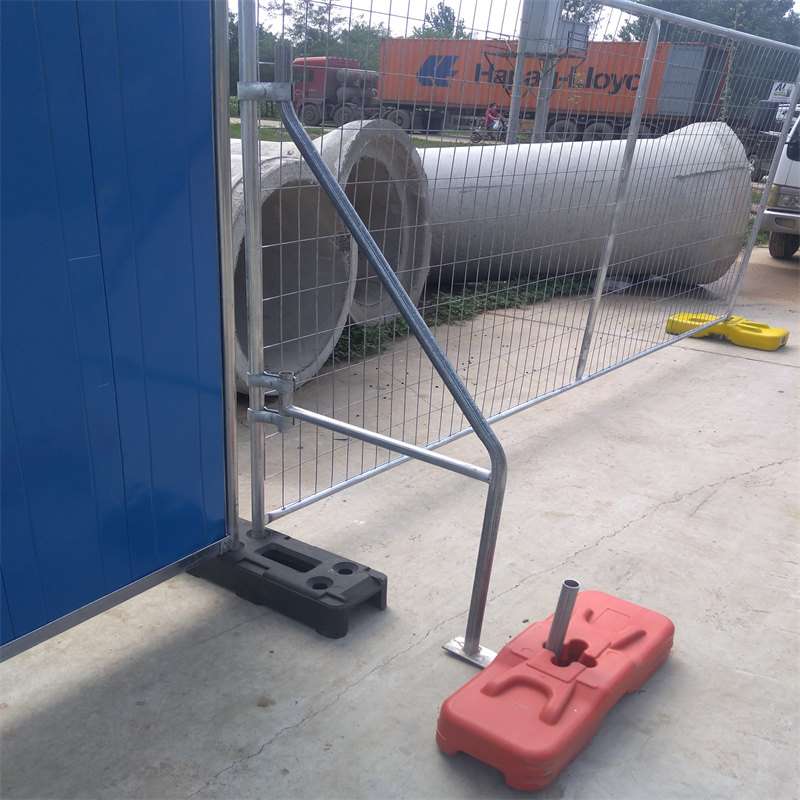
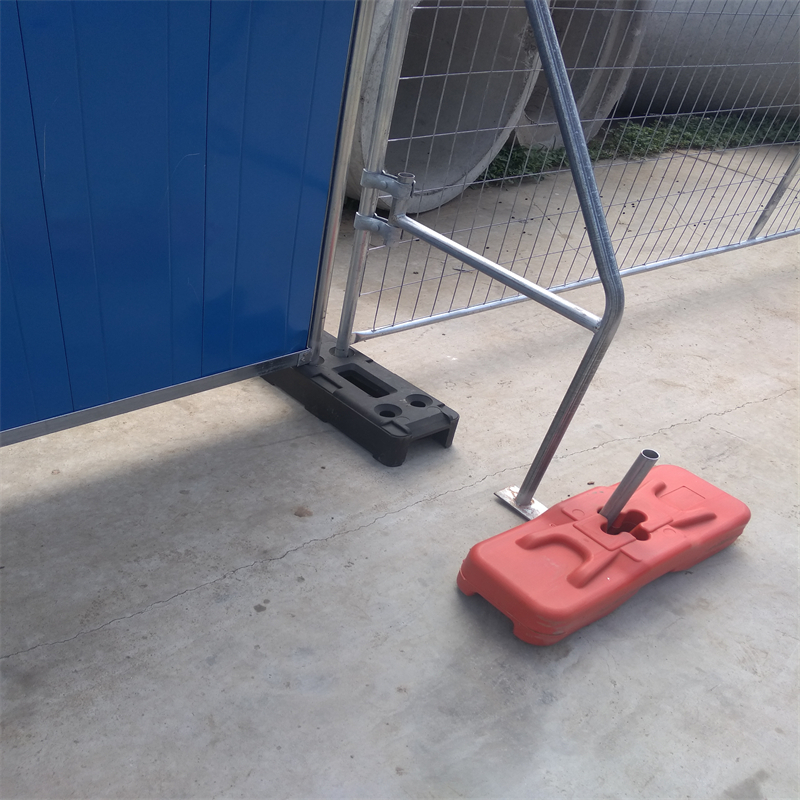
Panel wire layouts can be configured for common formats, including 12 vertical wires combined with horizontal wire counts tailored to panel width, helping temporary fences maintain consistent visibility, strength, and alignment across repeated installations. To improve stability on different ground conditions, you can also choose the right base option by referring to 3 types of temporary fence feet for common site applications.

Technology and Finish Options
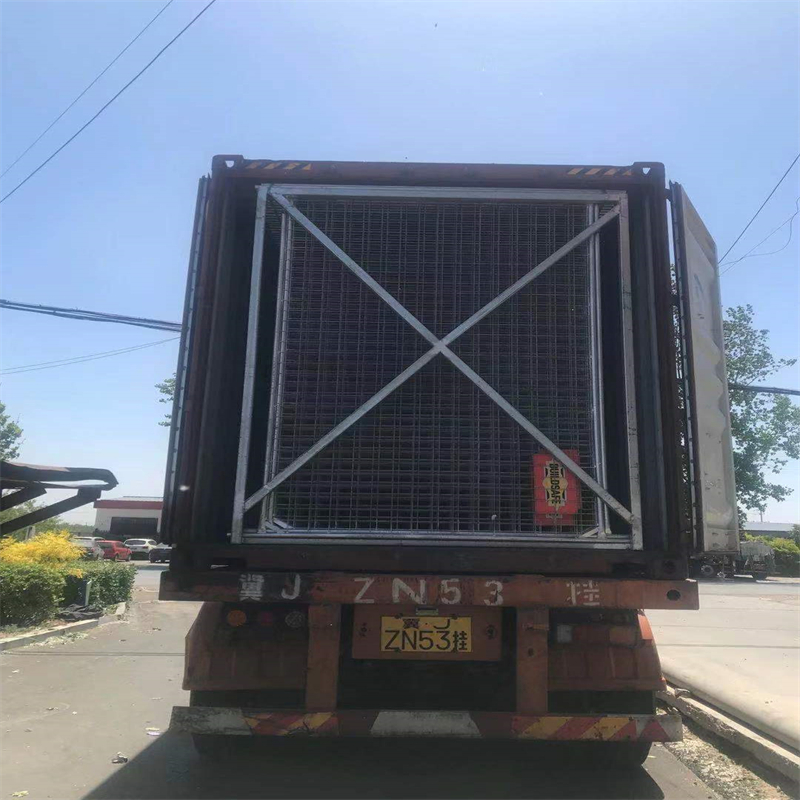
Temporary fences must survive repeated loading, stacking, and movement, so coating and fabrication details matter as much as dimensions. POLYMETAL panels can be hot-dip galvanized at multiple coating thickness levels to help manage corrosion risk and protect weld points. Wider panels can be supplied with a mid-rail or center support to reduce vibration and bending, especially during forklift handling, container loading, and high-wind exposure on open sites.
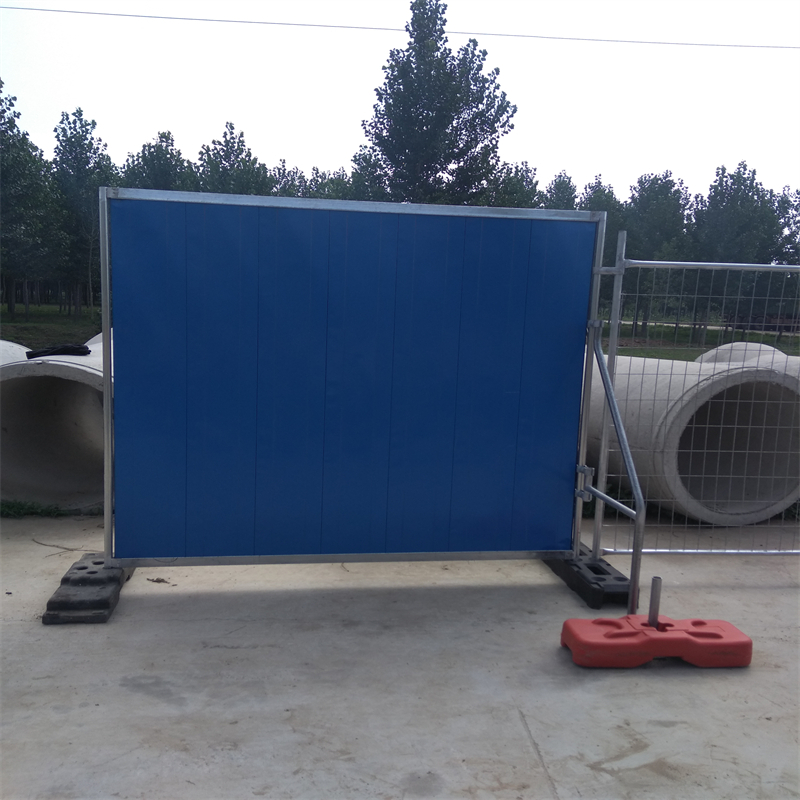
Temporary Fencing Feet
| Temporary Fence Feet (Bases / Blocks) | ||||||||
|---|---|---|---|---|---|---|---|---|
| Type | Size (L×W×H) | Material | Finish / Treatment | Colors | Weight (After Filled) | Clamp Center Distance | Suits Pipes (OD) | Photo |
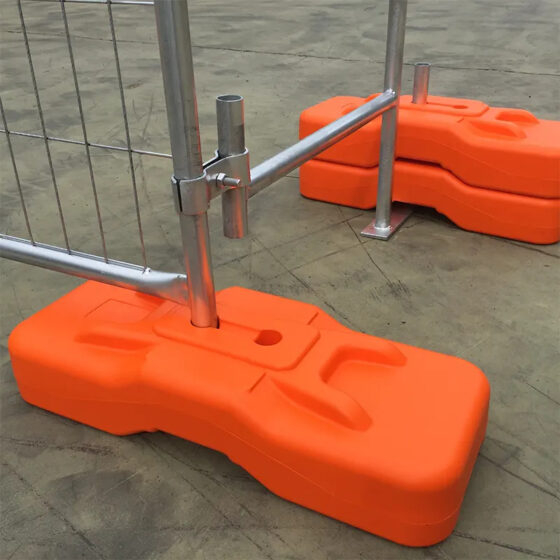
| Blow Molding Base (HDPE) | 600×228×150mm | HDPE | UV3–UV5 | Orange, Green, Yellow, etc. | 27–29kg | 100mm (center to center) | OD32mm / OD38mm / OD40mm / OD42mm / OD48mm | 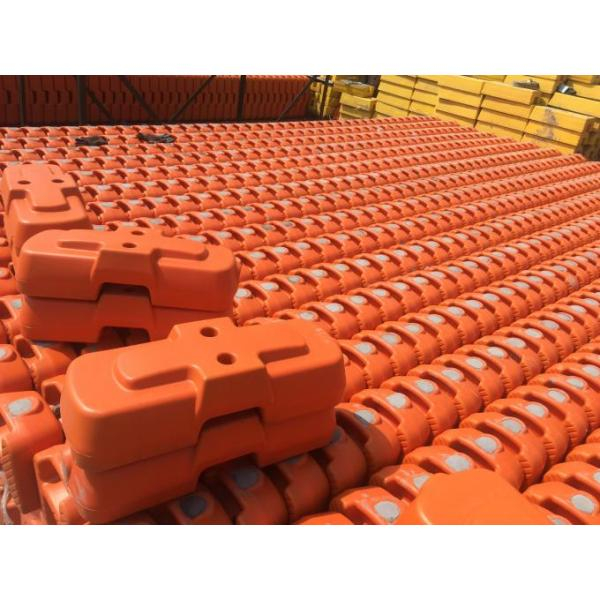 |
| Blow Molding Base (HDPE) | 620×230×130mm | HDPE | UV3–UV5 | Orange, Green, Yellow, etc. | 27–28kg | 90mm (center to center) | 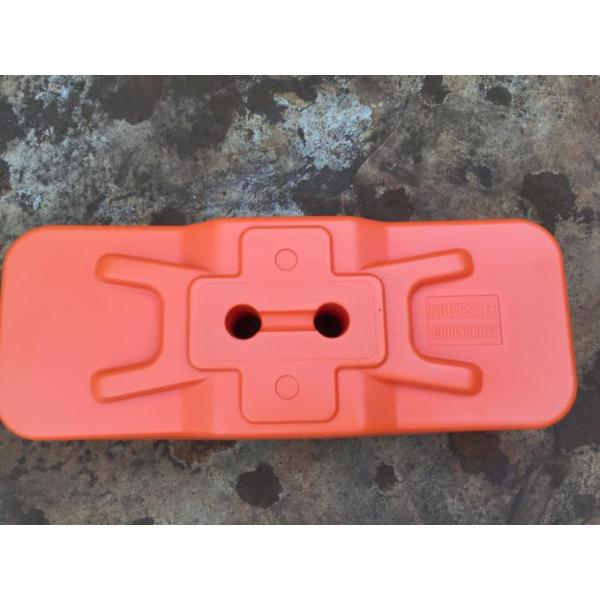 | |
| Blow Molding Base (HDPE) | 600×228×150mm | HDPE | UV3–UV5 | Orange, Green, Yellow, etc. | 29kg | 80mm | 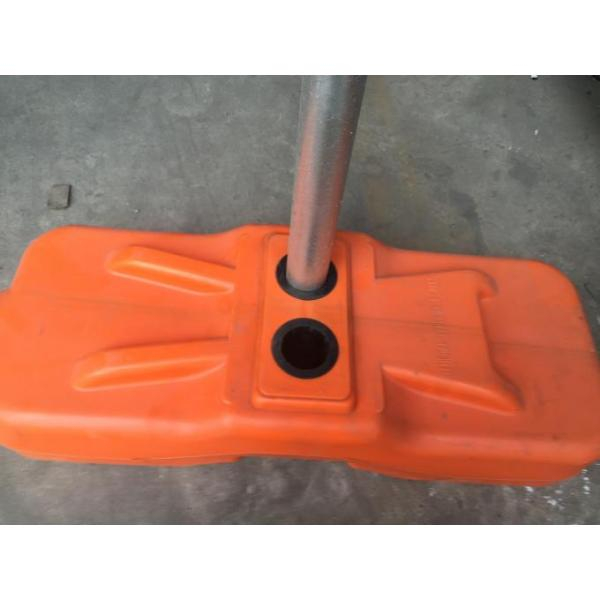 | |
| Blow Molding Base (HDPE) | 615×230×100mm | HDPE | UV3–UV5 | Orange, Green, Yellow, etc. | 27kg | 100mm (centre to centre) | 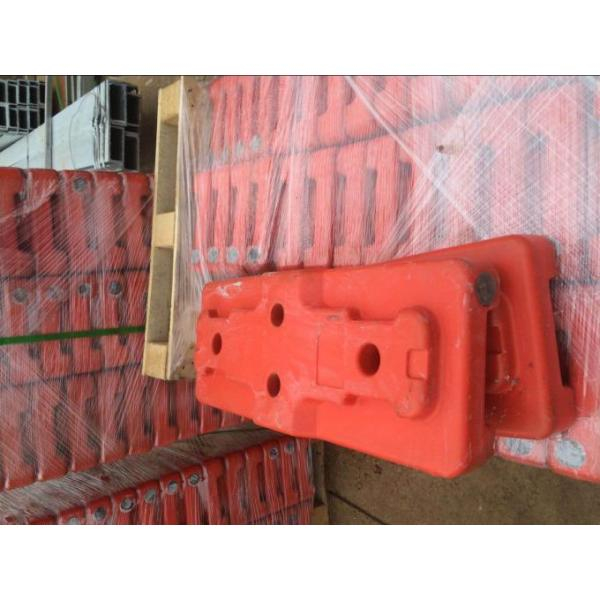 | |
| Blow Molding Base (HDPE) | 620×230×130mm | HDPE | UV3–UV5 | Orange, Green, Yellow, etc. | 27–28kg | 100mm (centre to centre) | 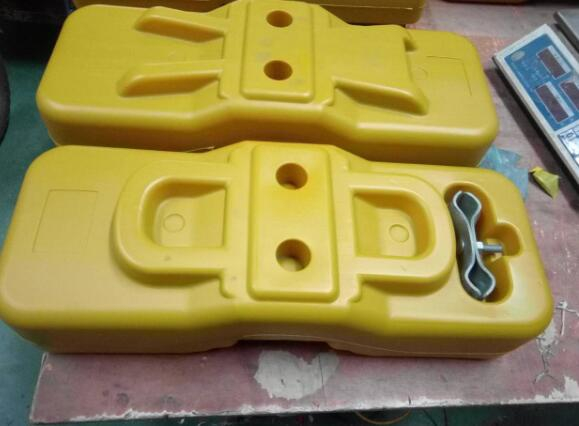 | |
| Blow Molding Base (HDPE) | 600×220×150mm | HDPE | UV3–UV5 | Orange, Green, Yellow, etc. | 29kg | 100mm | 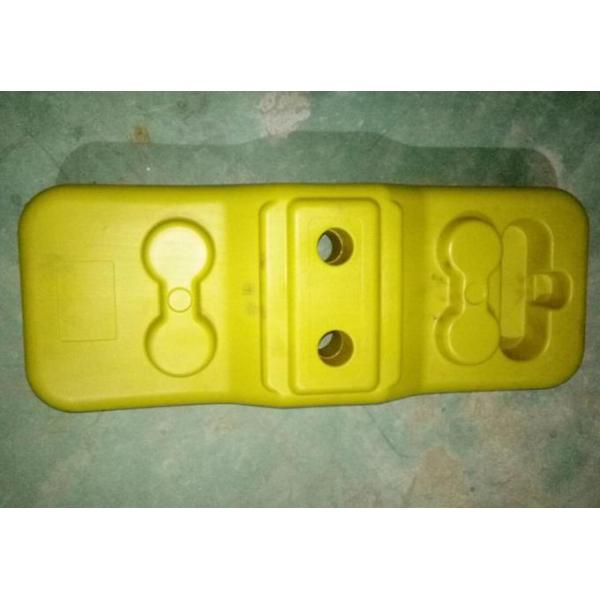 | |
| Temporary Fencing Block (Blow Molding, Fill Water) | 600×220×130mm | High-density polyethylene (HDPE) | UV3 / UV4 / UV5 | Green, Yellow, Black | 26kg | 75mm -100mm | 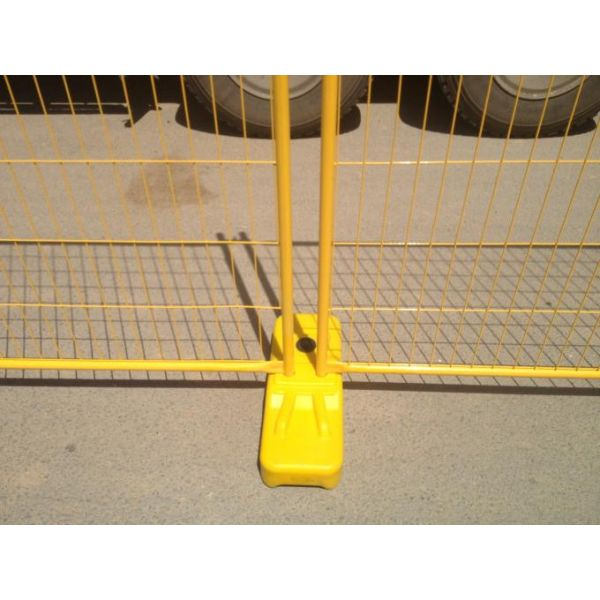 | |
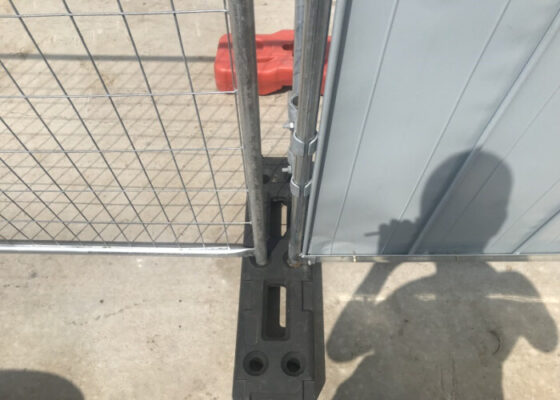
| Temporary Fencing Block (Recycled Rubber Foot) | 767×192×126mm | Recycled Rubber | Oil Painted | Green, Yellow, Black | 19kg | 50mm-100mm | 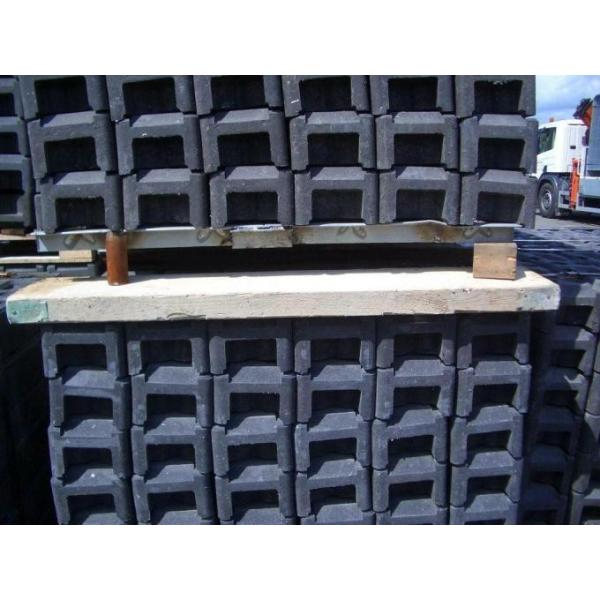 | |
Clamps
| Temporary Fencing Clamps | ||||||||
|---|---|---|---|---|---|---|---|---|
| Clamp Type | Thickness | Center Distance (Pipes C/C) | Overall Length | Technical | Material | Treatment | Weight | Photo |
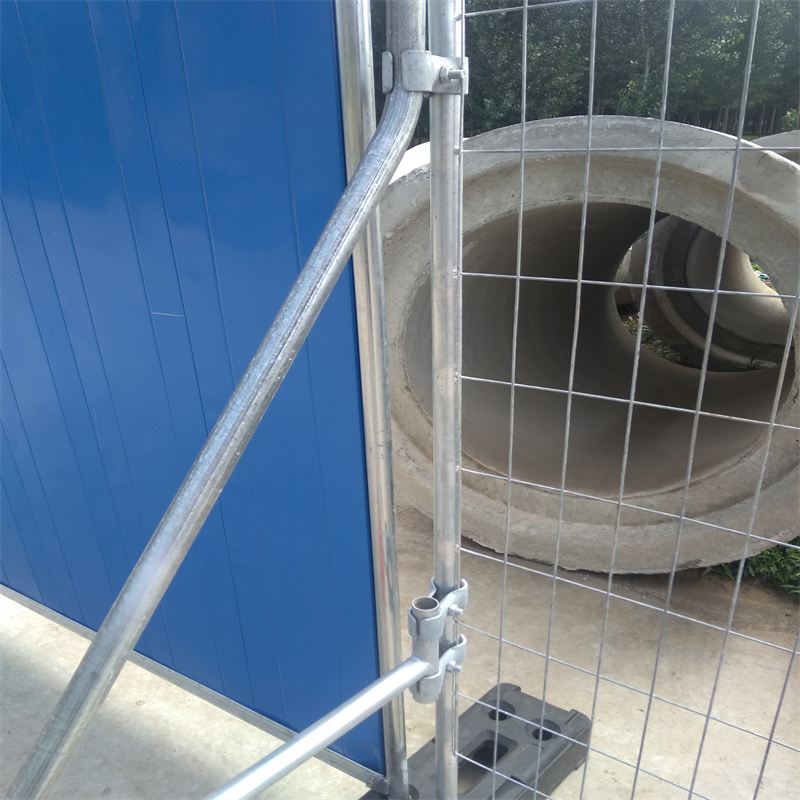
| Clamp-100 TYPE | 4.00mm | 100mm | 120mm | Punched | Q195 / Q235 Steel | 14 microns, 42 microns hot dipped galvanized; electrostatic powder coated | 0.45kg / set (2 pairs incl. caps, bolts & nuts) | 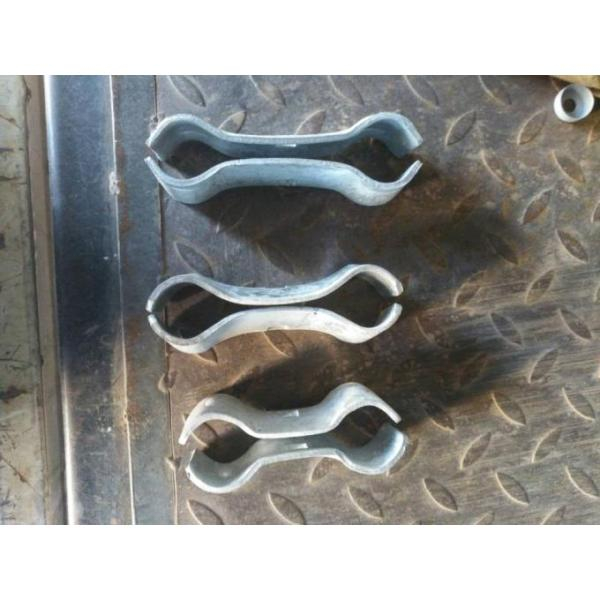 |
| Clamp-90 TYPE | 4.00mm | 90mm | 110mm | Punched | Q195 / Q235 Steel | 14 microns, 42 microns hot dipped galvanized; electrostatic powder coated | 0.40kg / set (2 pairs incl. caps, bolts & nuts) |  |
| Clamp-80 TYPE | 4.00mm | 80mm | 100mm | Punched | Q195 / Q235 Steel | 14 microns, 42 microns hot dipped galvanized; electrostatic powder coated | 0.35kg / set (2 pairs incl. caps, bolts & nuts) |  |
Table 1: Temporary Fences Panel Specifications (AS4687-2022 Compliant)
| Spec ID | Panel Height (mm) | Panel Width (mm) | Frame Tube OD (mm) | Frame Thickness (mm) | Mesh Opening (mm) | Wire Diameter (mm) | Vertical Wires (pcs) | Horizontal Wires (pcs) | Mid-Rail | Finish / Coating (microns) |
|---|---|---|---|---|---|---|---|---|---|---|
| TF-2100-2400-A | 2100 | 2400 | OD32 | 1.0 | 60×150 | 2.70 | 12 | 38 | No | 14 HDG |
| TF-2100-2400-B | 2100 | 2400 | OD38 | 1.2 | 60×150 | 3.00 | 12 | 38 | No | 42 Hot Dipped Galv. |
| TF-2100-2400-C | 2100 | 2400 | OD40 | 1.4 | 60×150 | 4.00 | 12 | 38 | No | 100 Hot Dipped Galv. |
| TF-2100-3300-A | 2100 | 3300 | OD38 | 1.2 | 60×150 | 2.70 | 12 | 53 | Yes | 14 HDG |
| TF-2100-3300-B | 2100 | 3300 | OD40 | 1.4 | 60×150 | 3.00 | 12 | 53 | Yes | 42 Hot Dipped Galv. |
| TF-2100-3300-C | 2100 | 3300 | OD41 | 1.5 | 60×150 | 4.00 | 12 | 53 | Yes | 100 Hot Dipped Galv. |
| TF-2100-3500-A | 2100 | 3500 | OD38 | 1.2 | 60×150 | 2.70 | 12 | 56 | Yes | 14 HDG |
| TF-2100-3500-B | 2100 | 3500 | OD40 | 1.5 | 60×150 | 3.00 | 12 | 56 | Yes | 42 Hot Dipped Galv. |
| TF-2100-3500-C | 2100 | 3500 | OD41 | 2.00 | 60×150 | 4.00 | 12 | 56 | Yes | 100 Hot Dipped Galv. |
| TF-2100-2400-D | 2100 | 2400 | OD41 | 2.00 | 60×150 | 4.00 | 12 | 38 | No | 100 Hot Dipped |
The Top 12 “Pitfall” Headlines You Can’t Ignore (Especially #11)
Pitfall #1: Buying Temporary Fences Without Matching Panel Width to Wind and Handling Reality
A wider temporary fence panel can reduce installation time, but it also increases sail effect in wind and stress during lifting. If width is chosen without considering exposure and site traffic, panels can distort or topple earlier than expected.
Pitfall #2: Selecting Frame OD Like It’s Only a Price Choice
OD32mm, OD38mm, OD40mm, and OD41mm frames behave very differently during repeated handling. A smaller tube may meet short-term needs but can deform faster when the site is rough or the panels are moved frequently.
Pitfall #3: Under-Specifying Frame Wall Thickness Until Panels Start Bending
Frame thickness options from 1.0mm up to 2.00mm strongly affect resistance to impact, dropping, and vibration. Too thin can turn temporary fences into a constant “straightening” job that wastes labor.
Pitfall #4: Treating Mesh Opening as a Visual Detail Instead of a Control Feature
The 60mm×150mm mesh opening supports visibility while limiting easy footholds and handholds. Changing mesh geometry can change how people interact with the fence, especially in crowd or public-facing areas.
Pitfall #5: Choosing Wire Diameter That Doesn’t Match the Abuse Level
Wire diameter options such as 2.70mm, 3.00mm, and 4.00mm directly impact stiffness and dent resistance. If the fence will face frequent contact, loading, or public pressure, thinner wire can deform quickly.
Pitfall #6: Ignoring Wire Count Layout Until the Panel Feels “Soft”
Temporary fences are not only about wire diameter; the panel layout matters too. Configurations like 12 vertical wires with different horizontal wire counts help manage stiffness, especially when panels are pushed or lifted.
Pitfall #7: Forgetting the Mid-Rail on Wide Panels
When widths move to 3300mm or 3500mm, mid-rail support can prevent the frame and mesh from “working loose” over time. Skipping it may reduce cost upfront but raise replacement rates later.
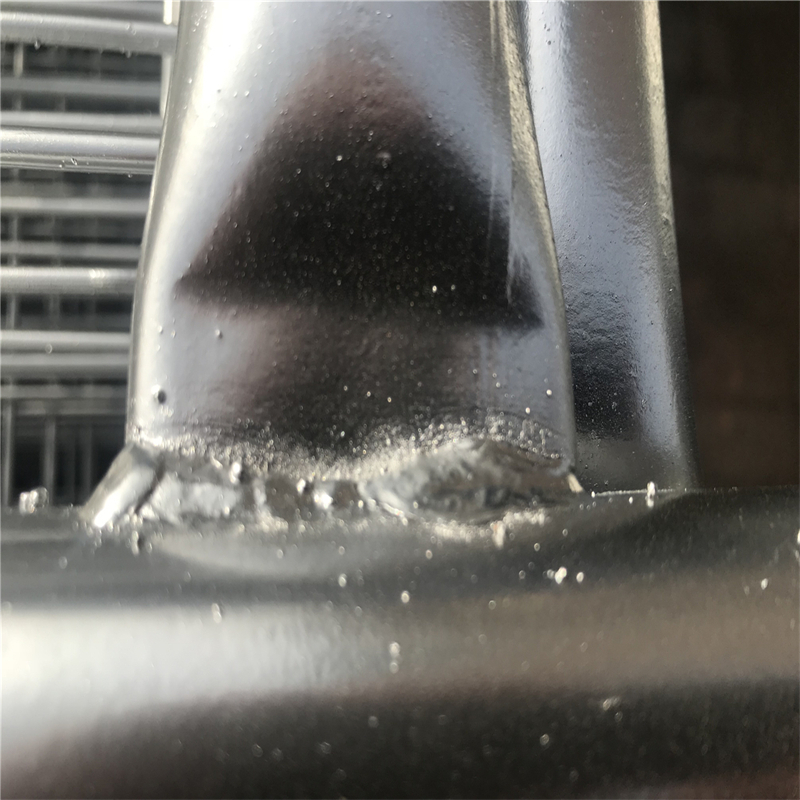
Pitfall #8: Picking a Finish That Looks Fine Now but Rusts at the Welds Later
Hot-dip galvanized coating thickness matters. If the coating is too light for the environment, corrosion can appear at weld points and edges, which accelerates deterioration and makes the site look unmanaged.
Pitfall #9: Overlooking Footing and Connection Hardware Until Installation Becomes Unstable
Temporary fences behave as a system. If feet, clamps, and connections are not matched to panel size and site conditions, even a strong panel can become a weak boundary.
Pitfall #10: Treating Temporary Fences Like a “Single Use” Item on a Multi-Stage Project
If you plan to relocate temporary fences repeatedly, the correct tube OD, wall thickness, and wire diameter become more important than the lowest initial cost because handling damage accumulates fast.
Pitfall #11: Missing AS4687-2022 Compliance and Paying the Price in Rework and Site Risk
If temporary fences are not specified and produced in line with AS4687-2022 expectations, projects can face preventable disruption—such as replacement orders, on-site changes, and access-control gaps that create real exposure when timing is tight.
Pitfall #12: Ordering Panels Without Planning Gates and Access Points
Temporary fences must support workflow. If gates and controlled entry are not planned early, the site often ends up with improvised openings that weaken control and increase operational confusion.
Applications
POLYMETAL temporary fences are commonly used for construction site boundaries, demolition zones, roadworks, utilities projects, events and festivals, public works, logistics yards, warehouses, temporary storage areas, restricted access zones, and any project that needs fast perimeter definition with clear visibility. To keep panels stable on different surfaces, you can select the right base option by referring to feet for temporary fence for common site conditions.
Benefits
Temporary fences help reduce unauthorized entry, organize pedestrian and vehicle movement, and improve site professionalism from day one. A correctly specified POLYMETAL temporary fence system improves stability through stronger frames and appropriate wire layouts, supports repeatable installation across multiple project stages, and reduces replacement frequency caused by bending, corrosion, and handling damage. With suitable galvanizing thickness, temporary fences can stay cleaner and more serviceable through repeated use, protecting both schedule and cost control.
Packing
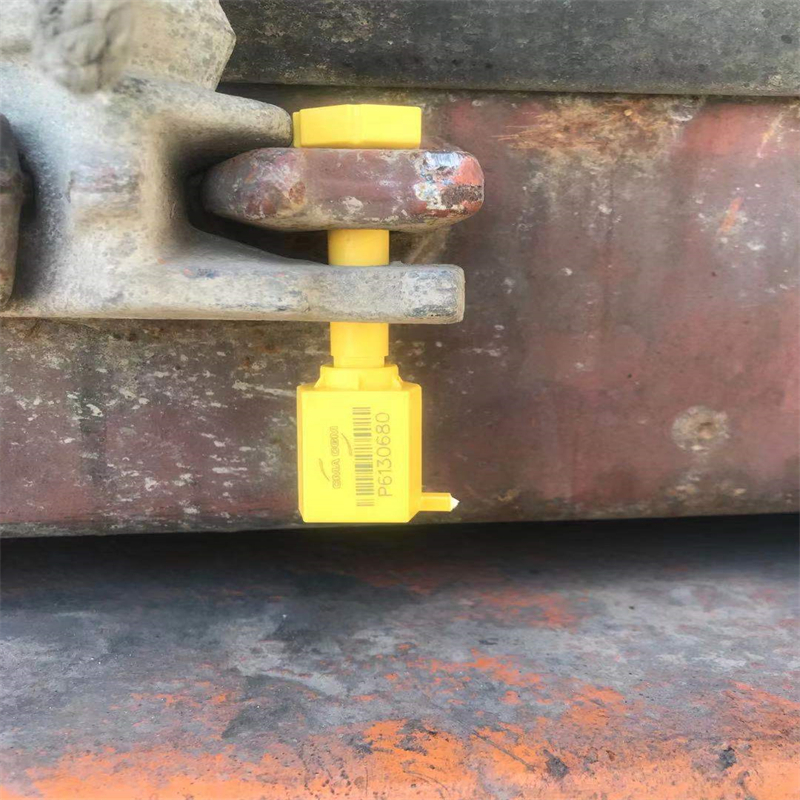
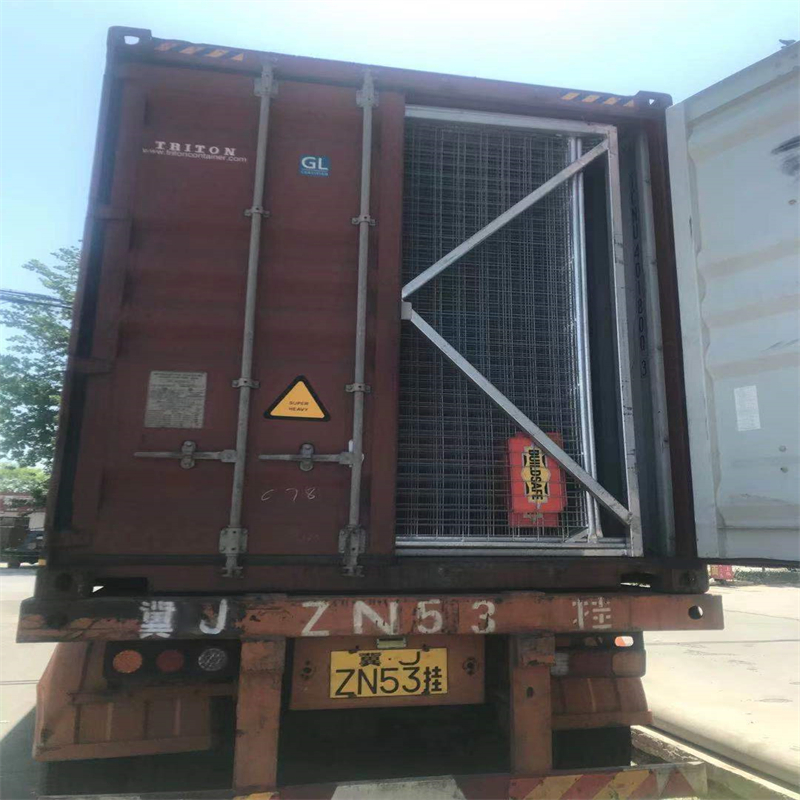
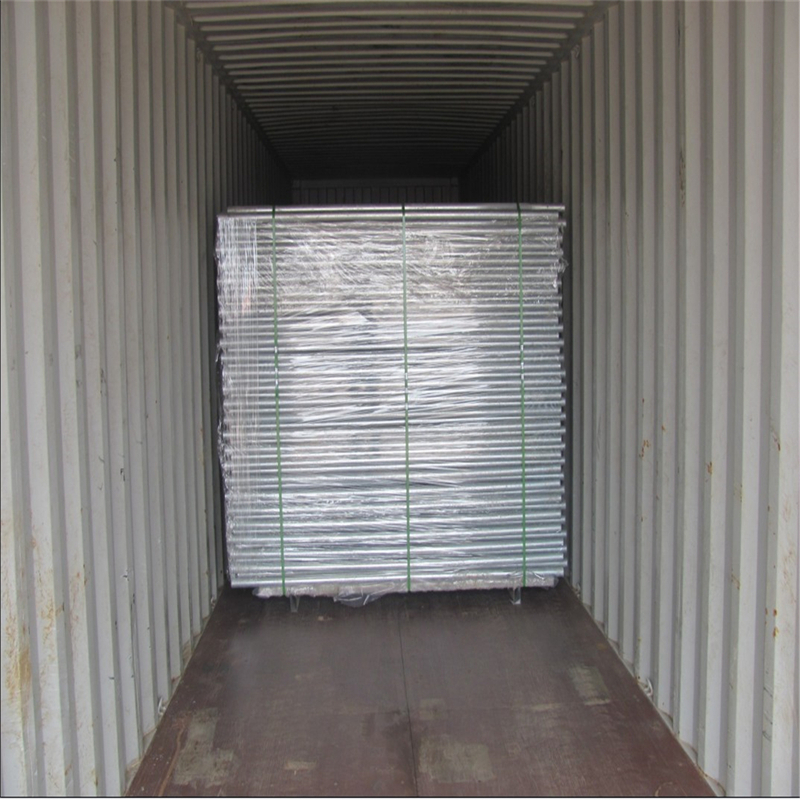
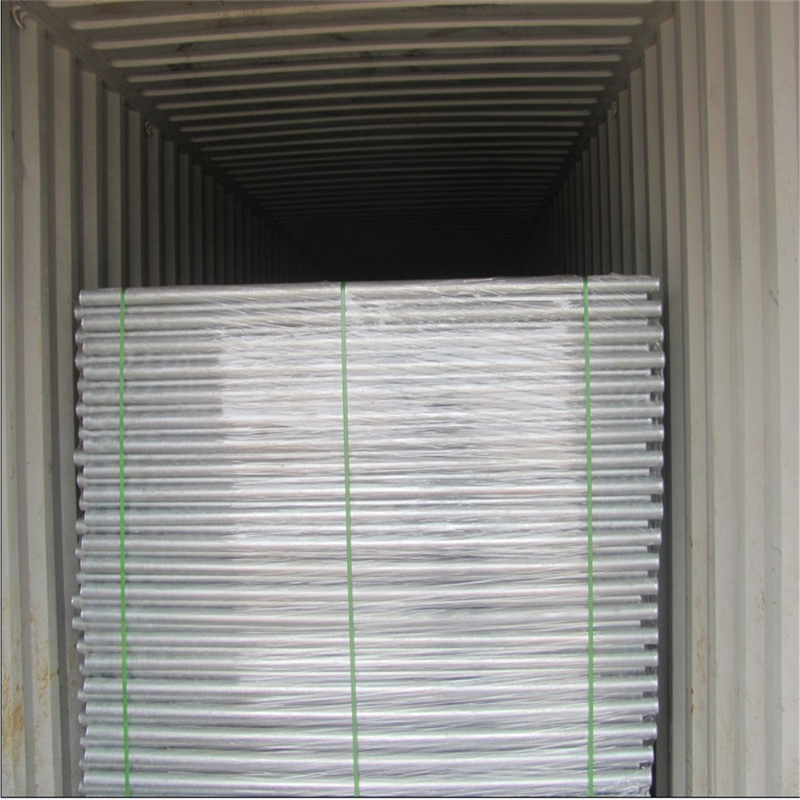
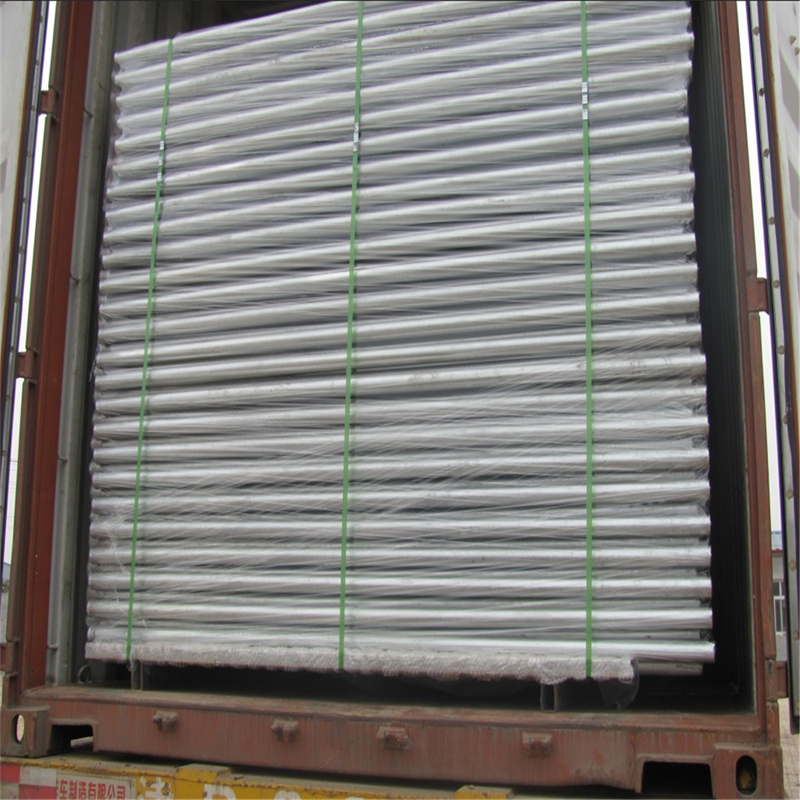
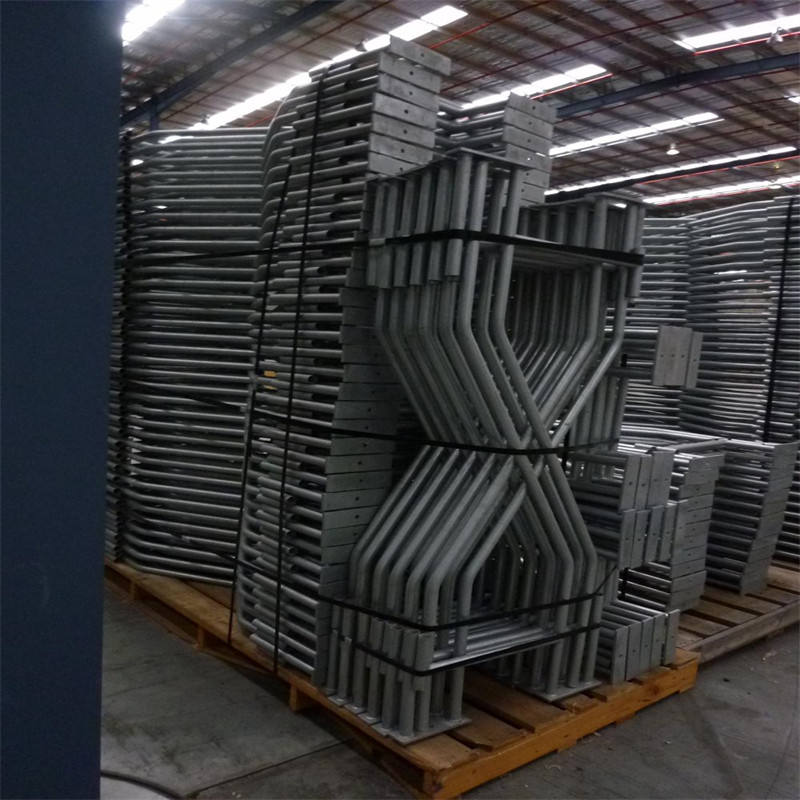
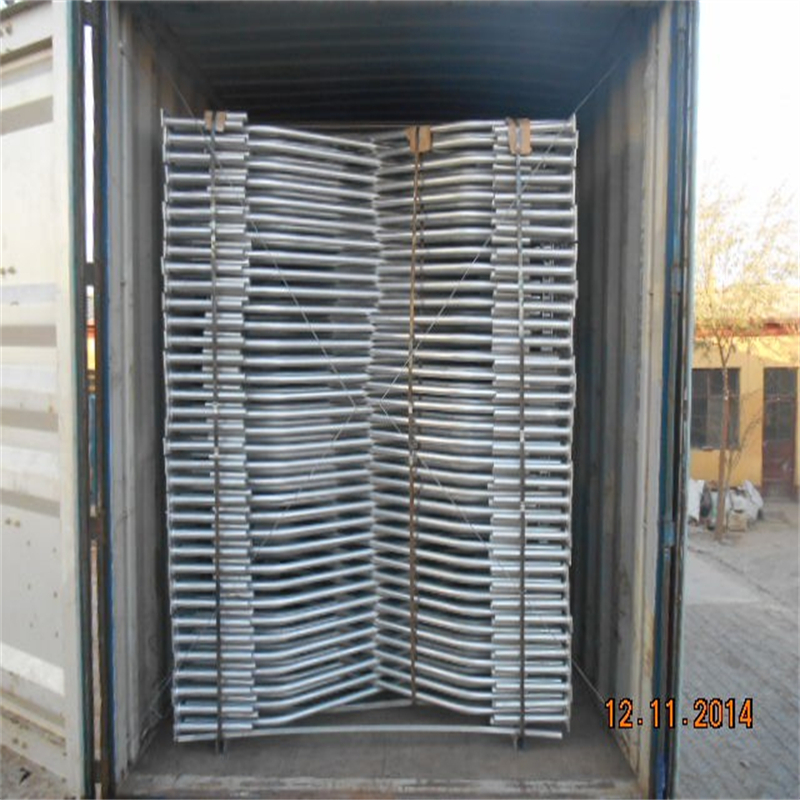
POLYMETAL temporary fences are typically packed to reduce coating damage and deformation during shipping and repeated unloading. Panels are stacked in aligned bundles, separated where needed to reduce abrasion, then palletized and strapped for stable forklift handling. Accessories such as clamps, couplers, and fasteners are packed in cartons to keep counting and site distribution clean, while pallets are labeled to support faster container unloading and faster on-site deployment.

Standard
POLYMETAL temporary fences can be produced to comply with AS4687-2022 requirements, supporting consistent panel sizing, weld integrity, and finish control for Australian projects. Production checks typically focus on mesh alignment, weld inspection, frame tube thickness verification, coating thickness consistency, and packing inspection to help reduce site-level failure and rework risk.
FAQs
Q: Which panel width should I choose for temporary fences? 2400mm is a common stable option for general use, while 3300mm and 3500mm can reduce labor time on long runs when paired with mid-rail support and appropriate feet and clamps.
Q: What mesh opening is standard for temporary fences? 60mm×150mm is widely used because it balances visibility, control, and practical stiffness.
Q: How do I choose wire diameter? 2.70mm suits lighter handling, 3.00mm suits general construction use, and 4.00mm suits higher abuse environments or repeated redeployment.
Q: Why does galvanizing thickness matter? Thicker hot-dip galvanizing generally improves corrosion resistance at weld points and edges, helping temporary fences remain usable for longer.
Q: Do wider panels need a mid-rail? For 3300mm and 3500mm panels, a mid-rail helps reduce bending and vibration during transport and improves stability during use, especially in wind-exposed areas.