Your One-Stop Wire Mesh Fence Supplier | POLYMETAL
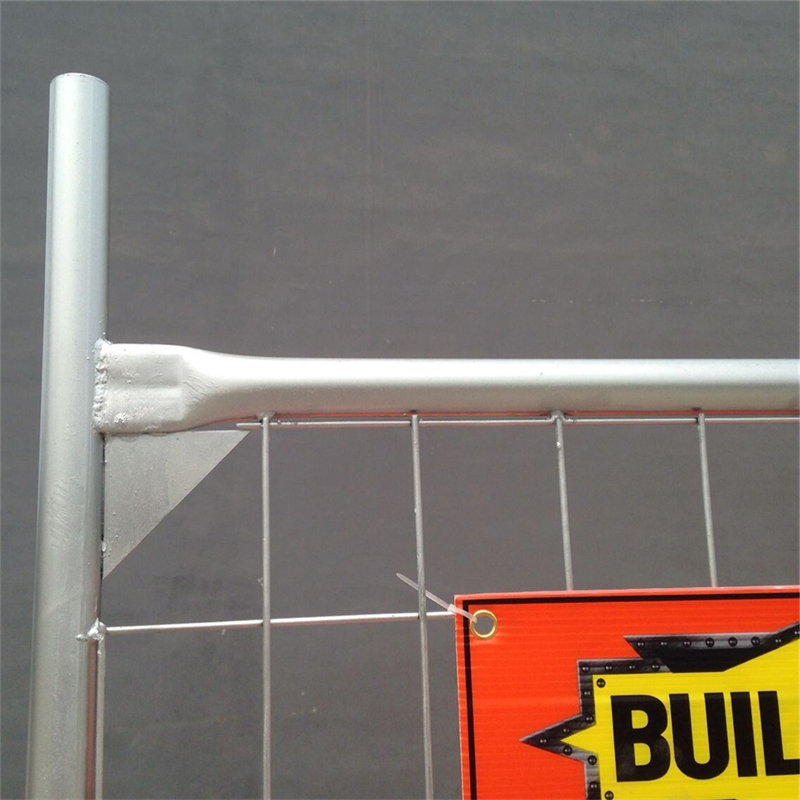
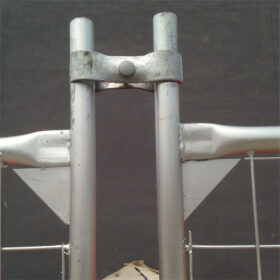
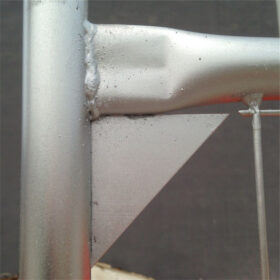
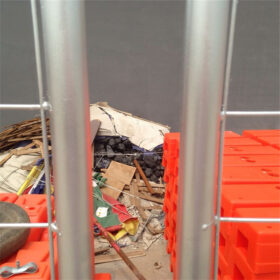
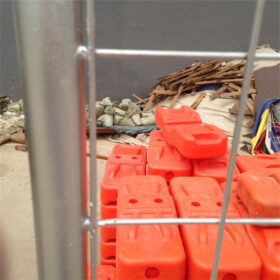
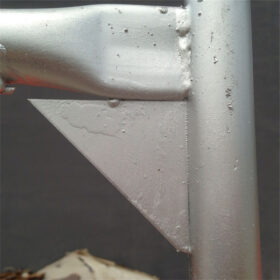
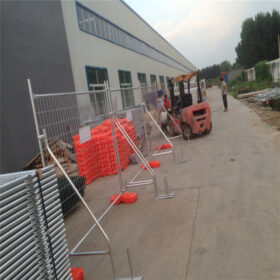
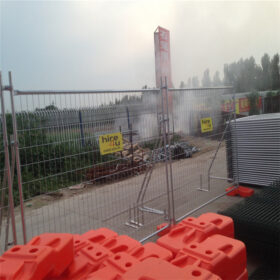
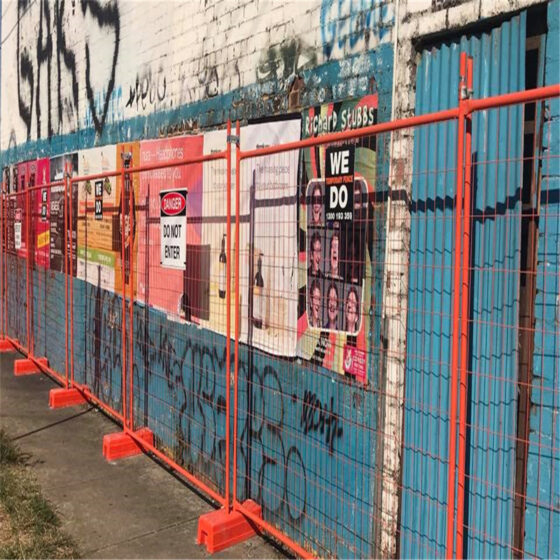
Temporary fencing Dunedin projects often face the same hidden enemy: corrosion. Dunedin sites see frequent moisture, coastal exposure, and fast weather shifts that punish weak zinc protection.
The most common failure is not “the panel doesn’t fit” — it’s that panels rust early, stain surfaces, and get rejected when a site manager demands a clean, safe perimeter line.
That rejection is expensive because temporary fencing Dunedin runs are usually deployed in volume, and replacing hundreds of panels turns a simple job into a logistics and labor crisis.
POLYMETAL focuses on long-run stability and corrosion resistance by controlling frame geometry, wire discipline, weld integrity, and — most importantly for Dunedin — hot-dipped galvanized performance.
When the zinc system is correct, temporary fencing Dunedin panels stay clean longer, handle repeated handling cycles, and reduce the biggest loss: premature replacement.
Steel Tube + Mesh Discipline: What Actually Holds a Dunedin Fence Line Straight
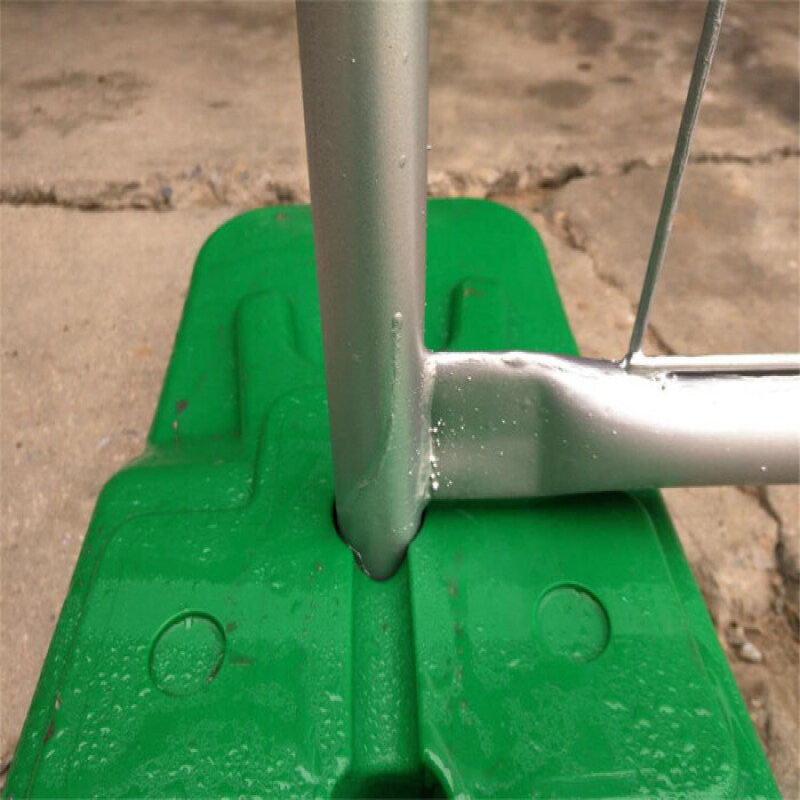
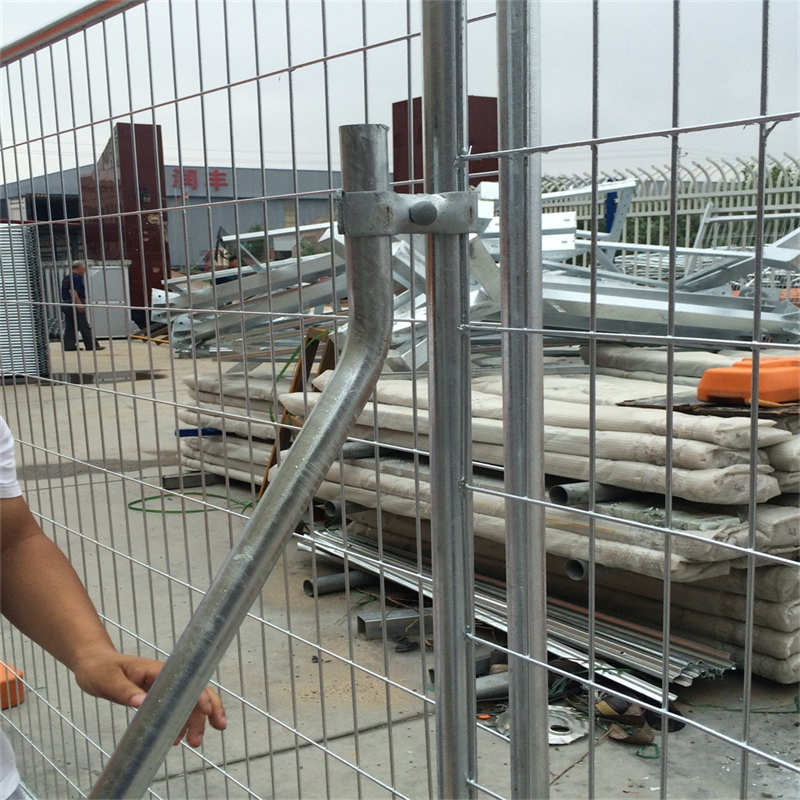
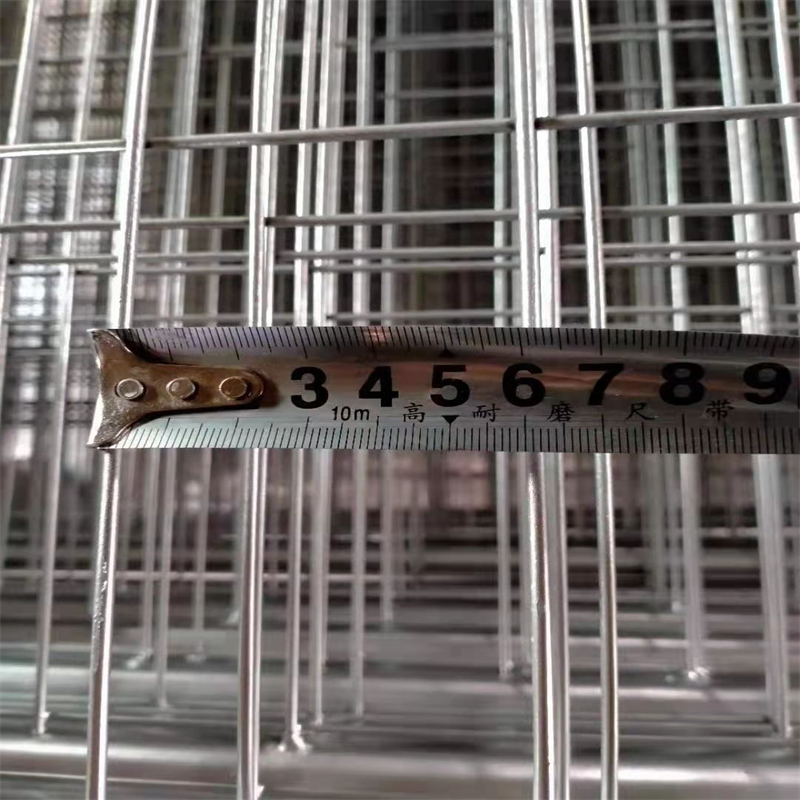
A temporary fencing Dunedin panel is only as straight as its frame stiffness and weld consistency. Frame tube diameter (OD32mm / OD38mm / OD40mm / OD41mm), frame thickness (1.0mm to 2.0mm), mesh opening (60mm × 150mm), wire diameter (2.70mm / 3.00mm / 4.00mm), and wire count discipline are not “nice-to-have” specs — they decide whether the line stays straight or turns into visible wave-lines after the first few relocations.
For Dunedin, the finish is the final “survival layer.” Market reality is harsh: 14 microns and 42 microns are widely accepted in lower-cost rental cycles, but they are also the fastest to show rust in harsh coastal conditions.
By contrast, 84 microns (about 600 gram/SQM) is the leading long-life choice that many NZ buyers prefer because it holds up across more climates, for more years, with fewer disputes.
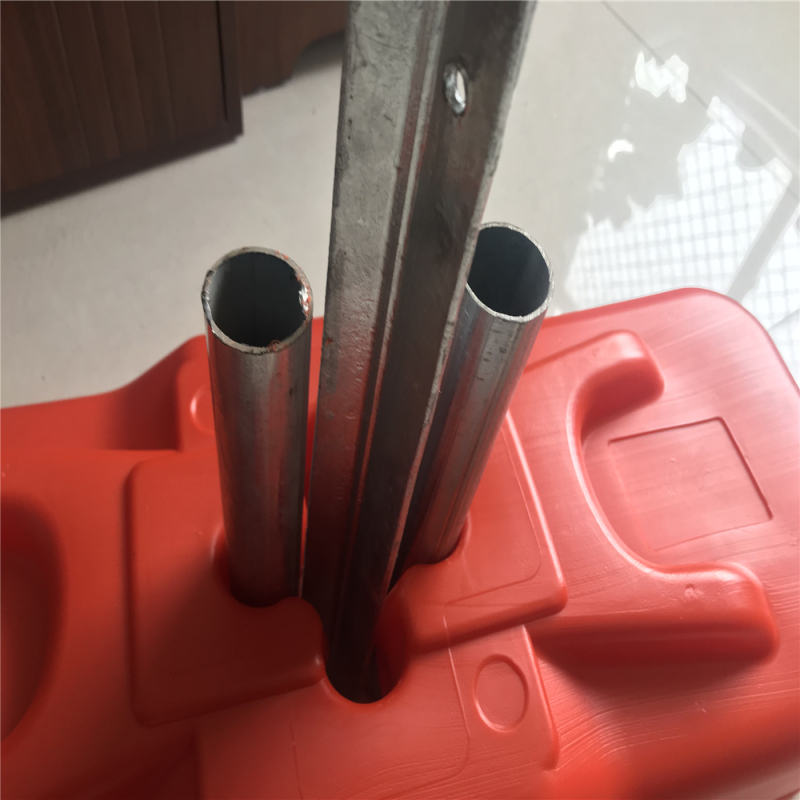
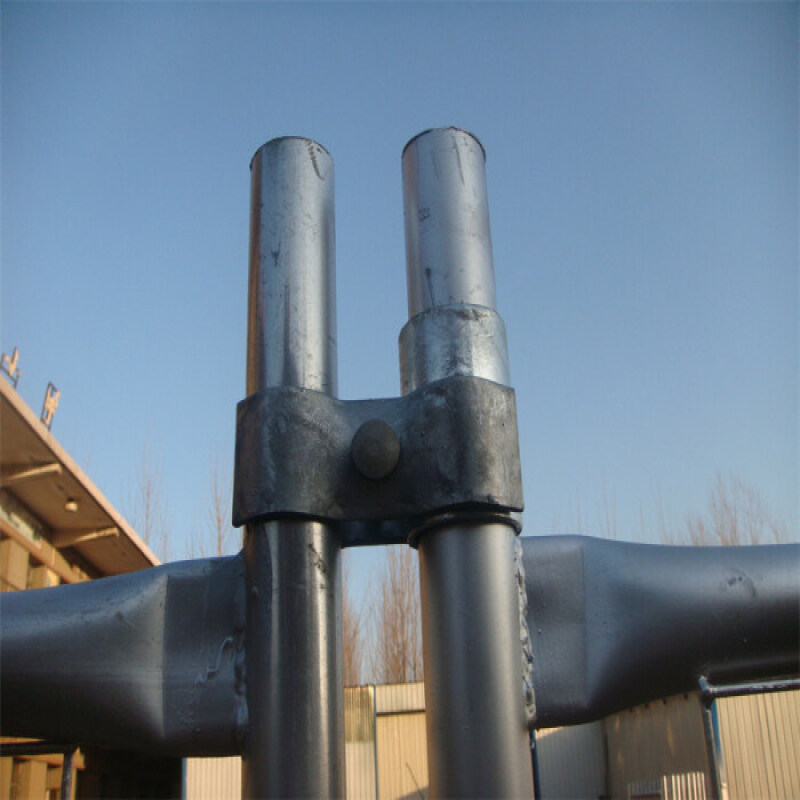
Finish Strategy for Temporary Fencing Dunedin
For maximum service life, hot dipped galvanized is the baseline. For premium appearance, powder coating only works when the pretreatment and film thickness are controlled and applied on a strong zinc base — not treated as a cosmetic shortcut. In Dunedin, choosing finish by “looks” is a common mistake; choosing finish by corrosion reality is what protects profit. That’s also why material-grade discipline matters: many temporary fence frames use Q195/Q235 tube, and understanding what Q195 steel really means helps buyers avoid “cheap tube” surprises that bend early and accelerate coating damage.
Compliance Snapshot: AS4687-2022 Mindset
POLYMETAL temporary fencing Dunedin panel configurations can be built to align with an AS4687-2022 style compliance mindset: consistent frame geometry, repeatable weld quality, stable feet/base selection, and accessory discipline (clamps, braces, and correct panel linking). In real deployments, the system is only as strong as the weakest accessory and the most ignored detail — corrosion protection.
Processing Flow (Temporary Fencing Dunedin Panels)
Cut tube → Wire straightening & cutting → Welding mesh → Punching / forming frame → Full welding (mesh to frame) → Grinding & slag removal → Surface cleaning → Hot dipped galvanized (optional, after fabricated) → Inspection → Packing → Container loading
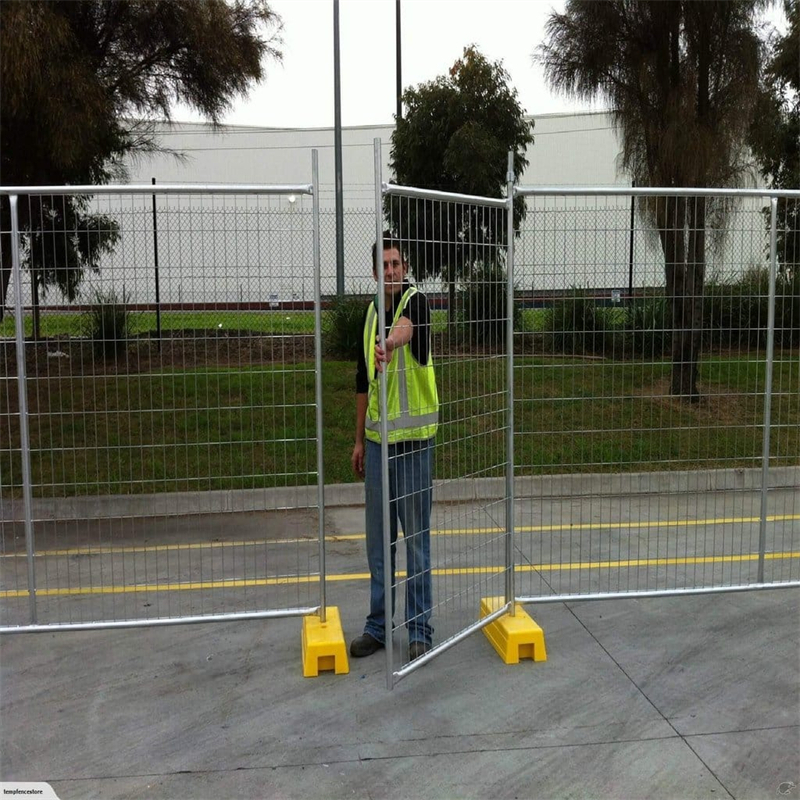
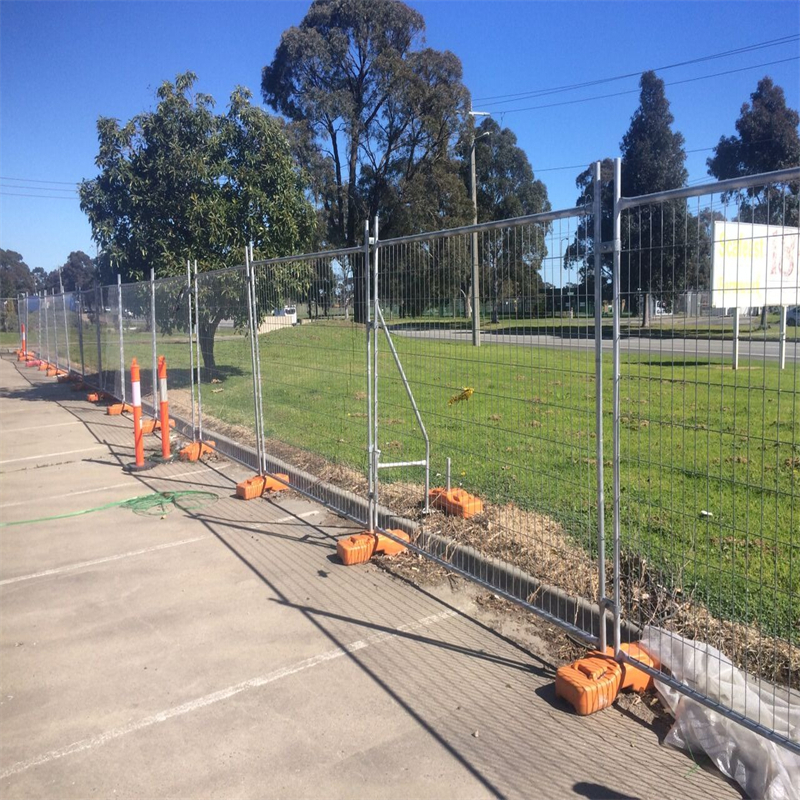
Top 15 Shocking Traps Buyers Miss in Temporary Fencing Dunedin
These are the real reasons temporary fencing Dunedin buyers lose money. The worst blowout usually happens when panels are already deployed and the site demands replacement — especially Trap #13.
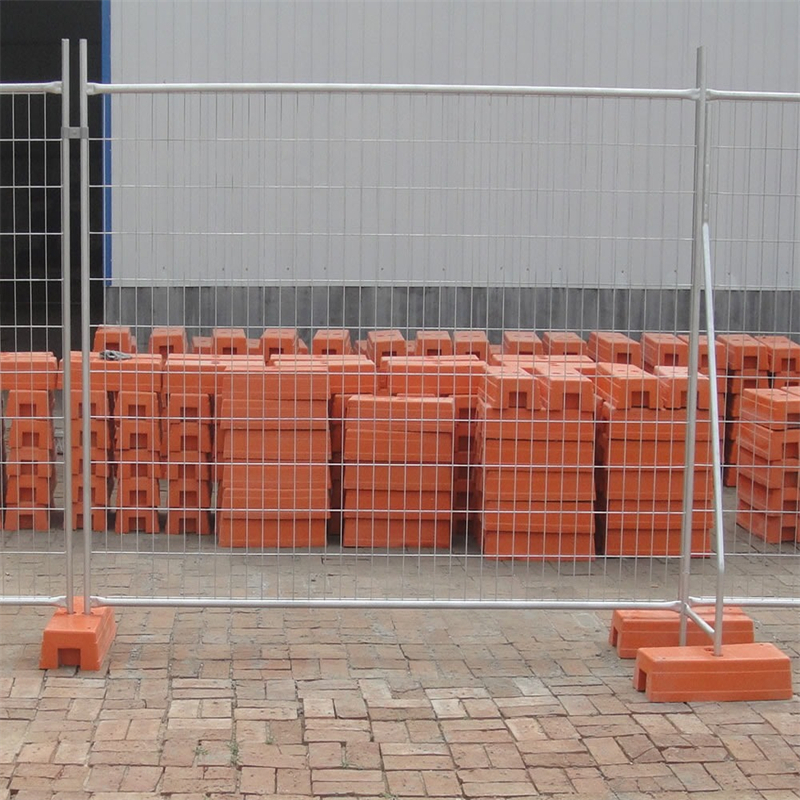
Trap #1 (illusion): “OD32 Is the Same as OD41” Frame Myth
OD32mm and OD41mm do not behave the same. Smaller tube OD flexes more under handling, wind, and vibration, and that flex becomes wave-lines across long runs. If the project needs a premium, straight appearance, lock the tube OD and thickness, not just the height—and if your site is coastal or chemical-exposed, it also helps to avoid “wrong material assumptions” by reviewing common corrosion-spec mistakes in this stainless steel mesh guide before finalizing durability targets.
Trap #2 (gap): Frame Thickness Quietly Drops
A downgrade from 2.00mm to 1.2mm or 1.0mm can look fine on arrival, then bend faster during unloading, stacking, and redeploy cycles. The first event passes, the second event exposes the weakness.
Trap #3 (mistake): “Mesh Is Mesh” Thinking
Mesh opening and wire diameter control stiffness. 60×150mm with 4.0mm wire behaves very differently than 2.7mm wire. If you want stable panels, don’t treat wire diameter as a cost-only line item.
Trap #4 (fault): Wrong Wire Count for the Panel Width
Wire counts must match panel width and load expectation. A 2.1m×2.4m panel commonly uses a different horizontal wire count than 2.1m×3.3m or 2.1m×3.5m panels. Wrong count equals weak face, more movement, and more complaints.
Trap #5 (warning): Long Panels Without Mid-Rail Support
For 3.3m and 3.5m widths, mid-rail support is a stability tool. Without it, long panels can twist during lifting and rattle under wind. Dunedin winds turn this into a real failure quickly.
Trap #6 (oversight): Clamps Treated as “Generic”
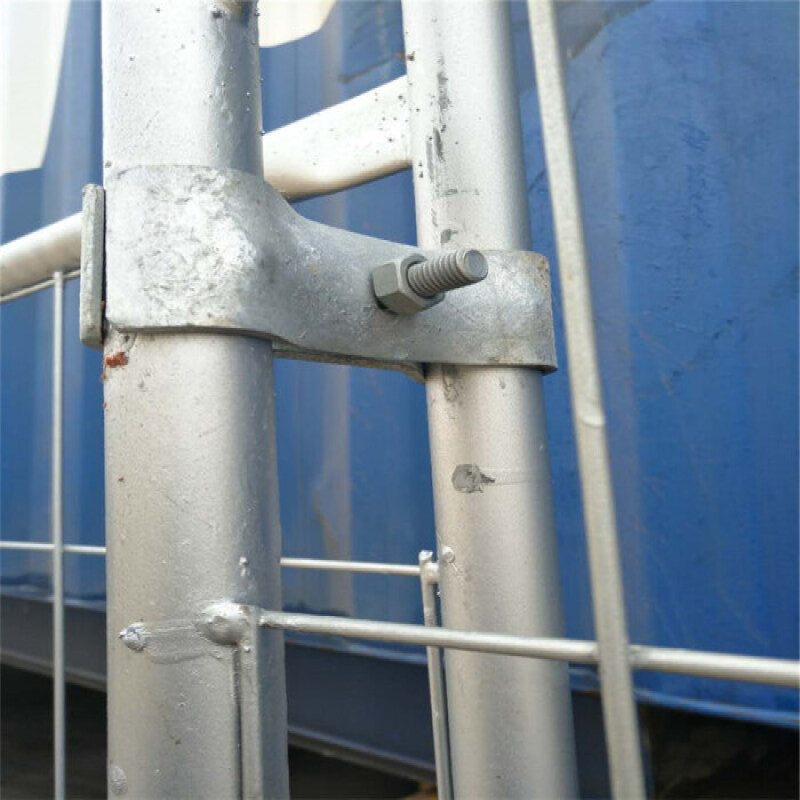
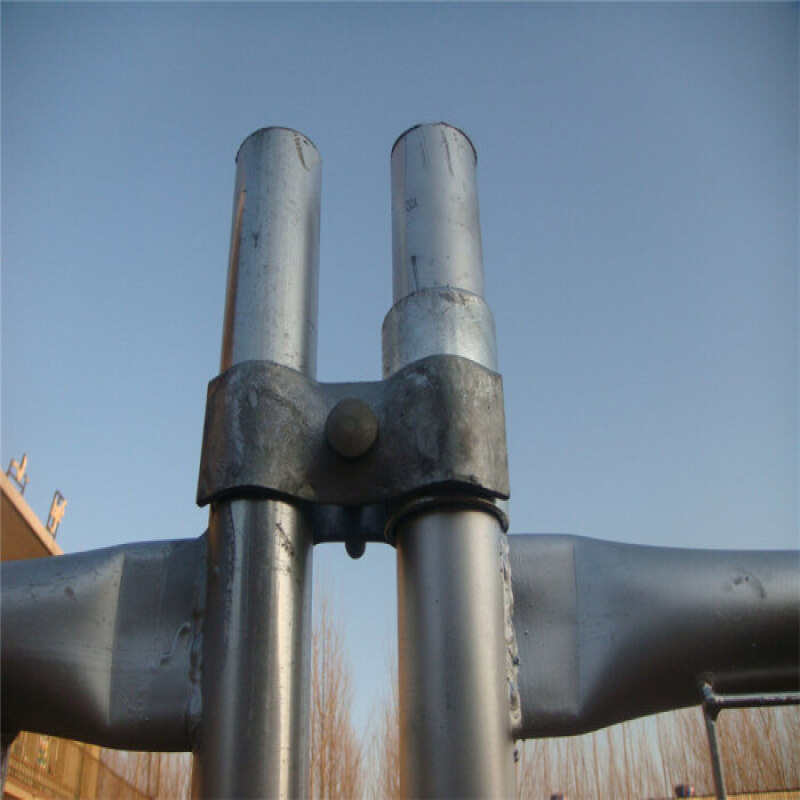
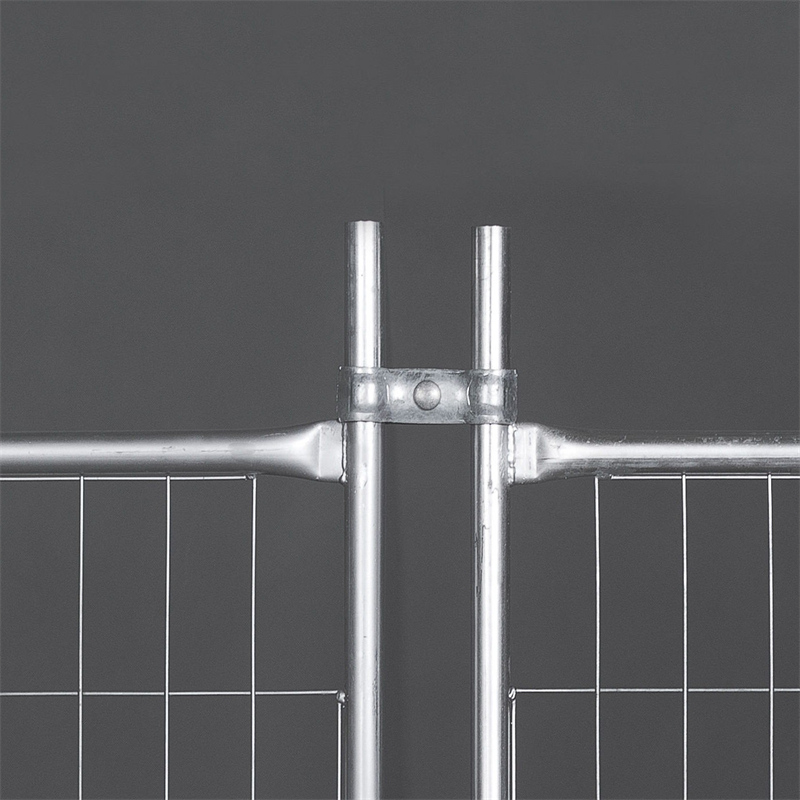
Clamp center distance (80 / 90 / 100mm) must match the actual pipe layout. Wrong clamp spacing forces installers to “fight” the line, leaving gaps and weak connections that open under pressure.
Trap #7 (risk): Base and Feet Choice Ignored
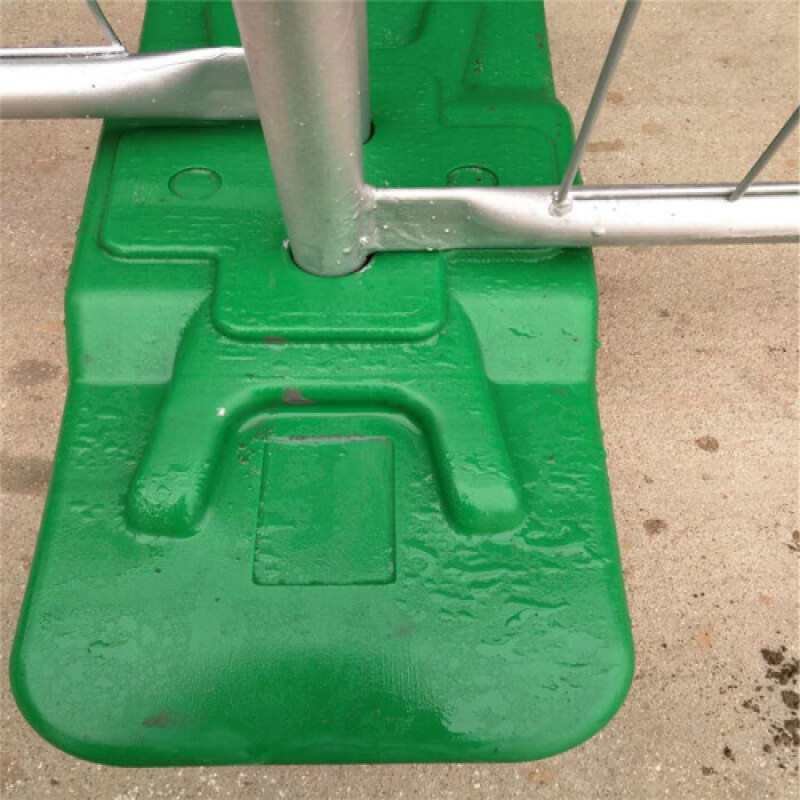
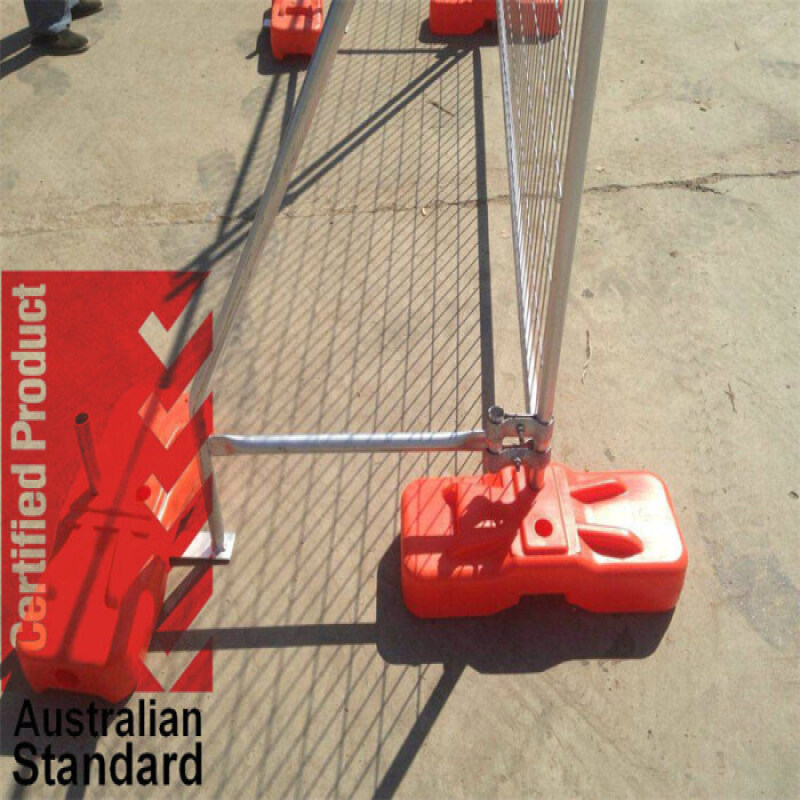
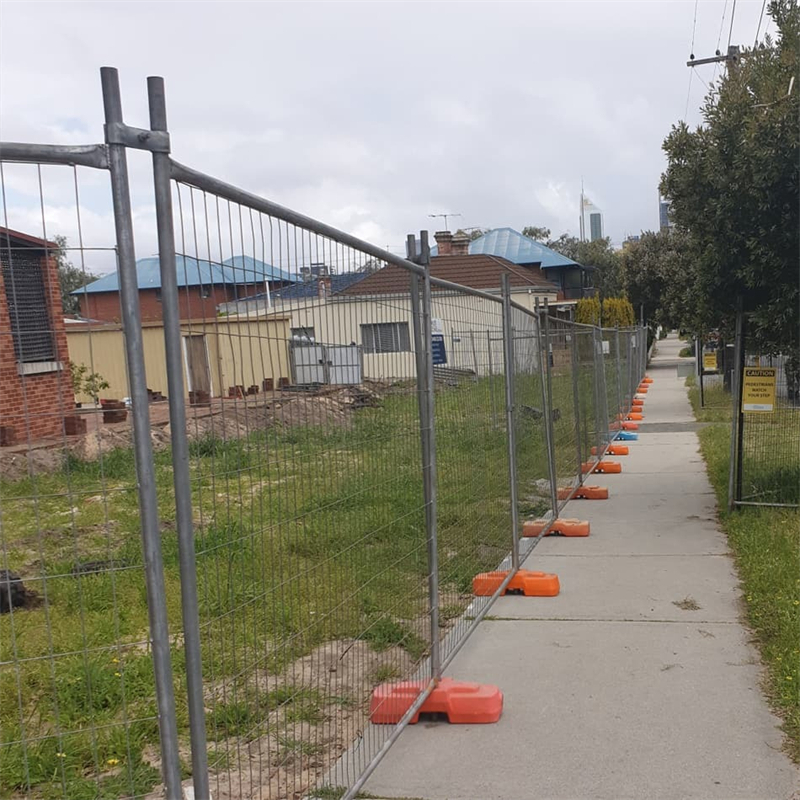
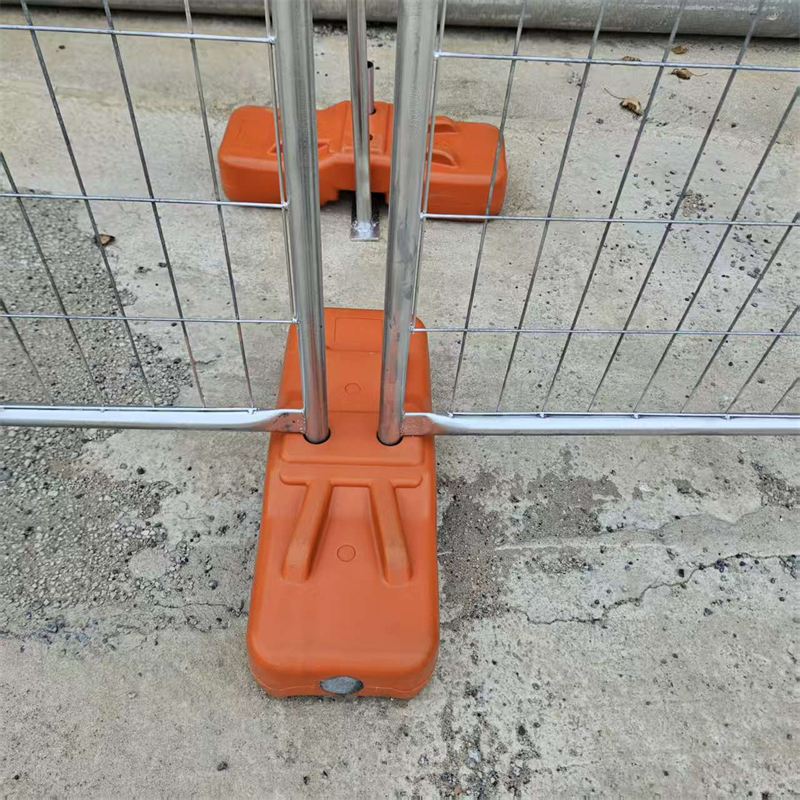
Many line failures are “feet failures.” A good panel on the wrong base slides, rocks, and walks. In high-wind or high-traffic zones, bracing plus the right base is the difference between stable control and a dangerous wobble line.
Trap #8 (danger): Weld Quality Assumed Instead of Specified
Weak welds create early rattle and opening points that become rust starters. Full welding and weld finishing reduce failure points and keep panels quieter and straighter during repeated handling.
Trap #9 (problem): Mixing 2400mm / 3300mm / 3500mm Widths Without Labels
Mixing panel widths without clear labeling causes misalignment, messy runs, and install delays. The job doesn’t fail in production — it fails when the site crew stacks the wrong panels in the wrong zone.
Trap #10 (pitfall): Wrong Finish Selection for Coastal Reality
Choosing a finish that suits a dry inland job and sending it to Dunedin is a profit trap. Corrosion becomes visible quickly, and the buyer becomes the target for claims.
Trap #11 (drawback): Pretreatment and Cleaning Skipped
Even a good zinc layer performs worse when oil, slag, and surface contamination remain. Poor cleaning shortens coating life and accelerates visible corrosion at weld areas.
Trap #12 (loss): Packing That Allows Rubbing
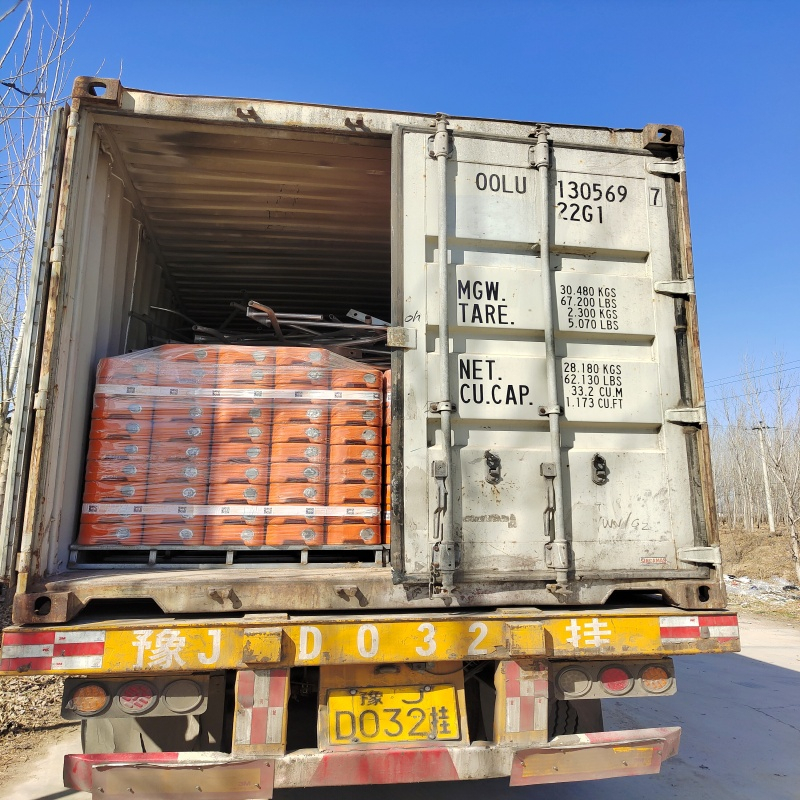
If panels rub in transit, the zinc layer and finish are damaged before the job starts. Scratches become rust starters, and the customer sees “defects” before deployment even begins.
Trap #13 (crisis): Buying 14/42 Microns for Dunedin and Expecting Long-Life
This is the biggest loss trigger. In harsh coastal conditions, low zinc protection becomes visible rust faster — and once rust shows, replacement is the only way to protect reputation and safety perception. For temporary fencing Dunedin, 84 microns (about 600 gram/SQM) is the long-life control point that prevents the “we must replace hundreds of panels” disaster.
Trap #14 (misstep): Skipping Bracing in High Wind Zones
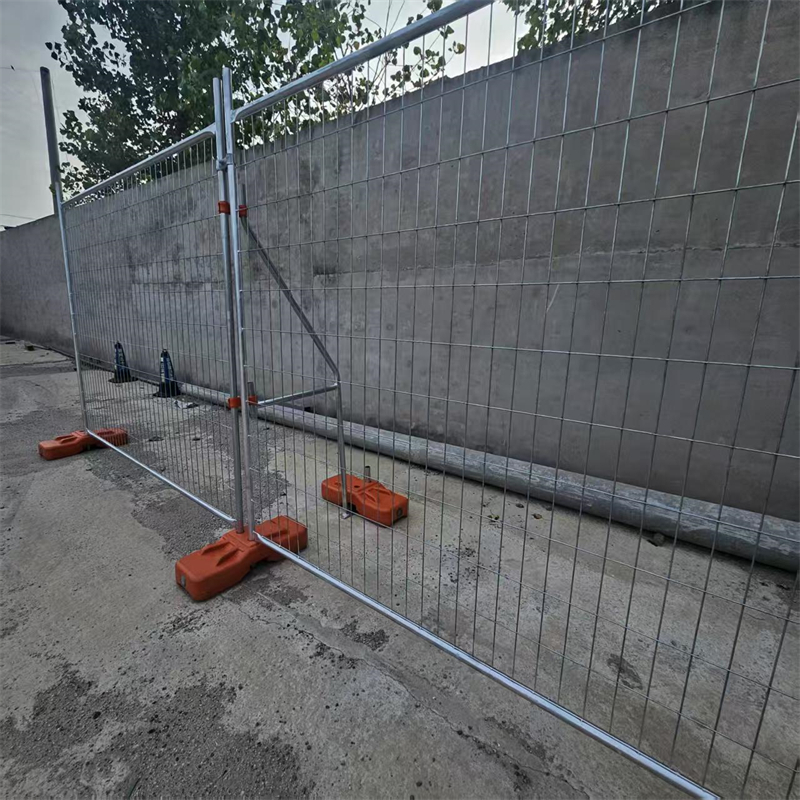
Braces are not optional in extreme wind. Without bracing, panels rock, clamps loosen, and bases slide — turning the fence into a safety risk and a liability exposure.
Trap #15 (checklist): No System Discipline (Panels + Bases + Clamps + Braces)
Temporary fencing Dunedin is a system sale, not a panel sale. If any part is under-specified, the entire line behaves poorly. System discipline prevents rework and protects margin.
Product Description
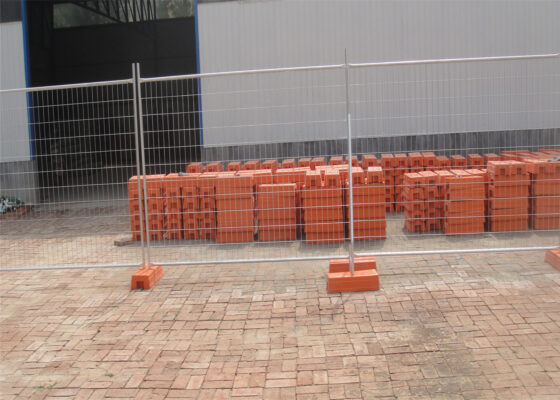
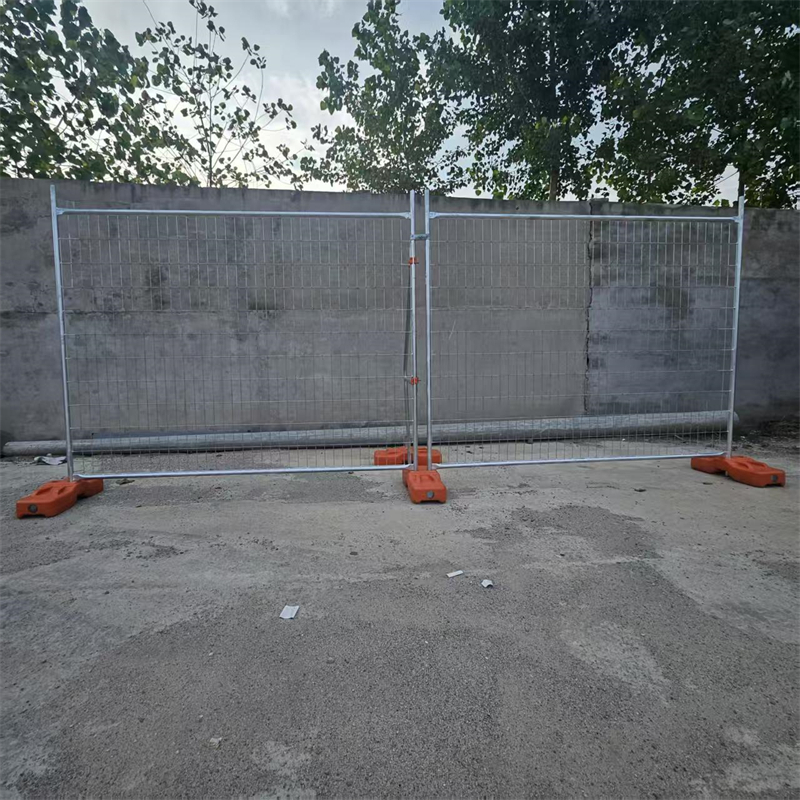
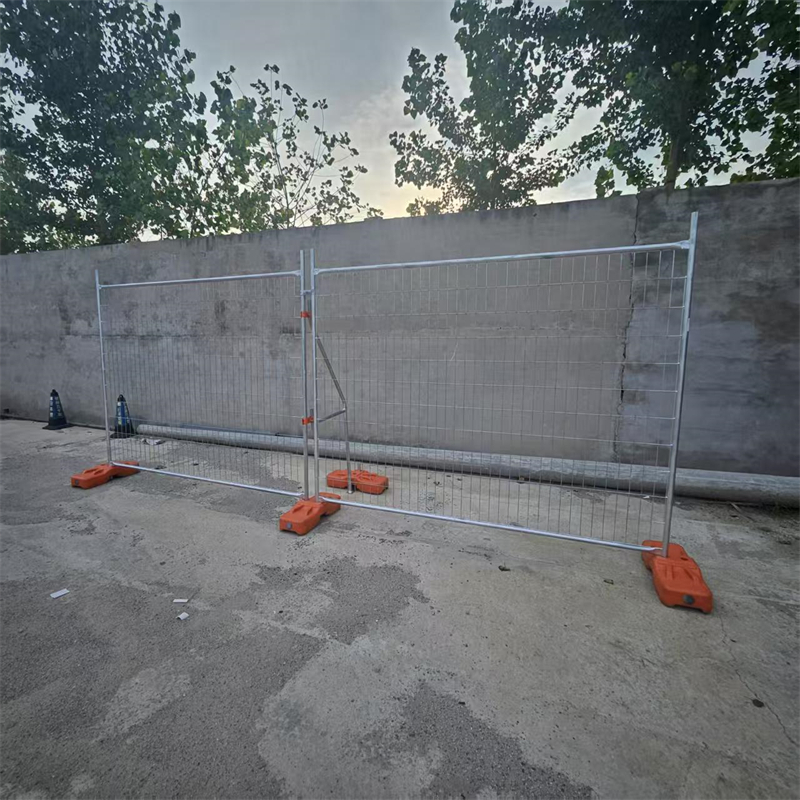
POLYMETAL temporary fencing Dunedin panels are engineered for repeatable deployment, long-run straightness, and corrosion resistance in demanding NZ conditions.
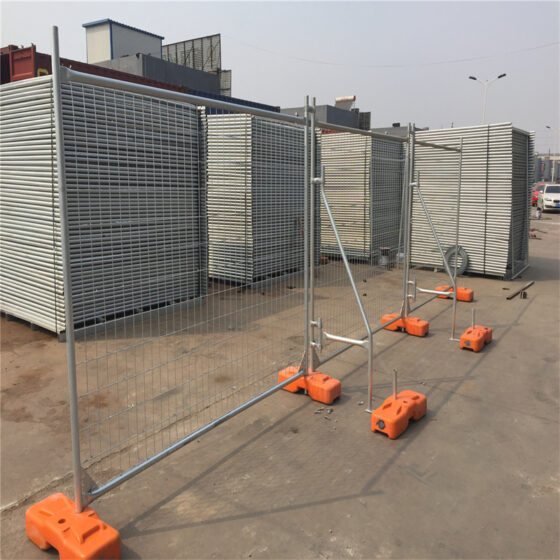
Panels are manufactured using strong steel tube frames (OD32mm, OD38mm, OD40mm, OD41mm) combined with a disciplined welded mesh pattern (60mm × 150mm) and controlled wire diameters (2.70mm, 3.00mm, 4.00mm) to reduce flex and vibration.
Standard height is 2100mm with common widths including 2400mm, 3300mm, and 3500mm, with mid-rail support used on longer panels to improve stability and reduce twist. For corrosion control, POLYMETAL supplies multiple zinc protection options including lower zinc coatings for fast turnover cycles and heavy hot dipped galvanized after fabricated options such as 84 microns (about 600 gram/SQM) to reduce rust risk and extend service life in salt spray climates.
The system is supported by matching bases, clamps, and bracing so the line stays connected, stable, and safe under wind and daily handling.
Specifications (Temporary Fencing Dunedin)
Specifications Table 1: Panel Configuration Options (10 Specs)
| Temporary Fencing Dunedin Panel Options (AS4687-2022 Mindset) | |||||||||
|---|---|---|---|---|---|---|---|---|---|
| Panel Size (H×W) | Frame Tube (OD) | Frame Thickness | Mid-Rail | Mesh Opening | Wire Diameter | Vertical Wires | Horizontal Wires | Finish Option | Use Case |
| 2100×2400 | OD32mm | 2.00mm | No | 60×150mm | 4.00mm | 12 pcs | 38 pcs | 84µ HDG (after fab) | Dunedin coastal, long-life |
| 2100×2400 | OD32mm | 1.50mm | No | 60×150mm | 3.00mm | 12 pcs | 38 pcs | 42µ HDG | General NZ sites |
| 2100×2400 | OD38mm | 1.50mm | No | 60×150mm | 3.00mm | 12 pcs | 38 pcs | 42µ HDG | Higher handling cycle |
| 2100×2400 | OD40mm | 1.40mm | No | 60×150mm | 2.70mm | 12 pcs | 38 pcs | 14µ (economy) | Short turnover rental |
| 2100×2400 | OD41mm | 1.20mm | No | 60×150mm | 3.00mm | 12 pcs | 38 pcs | 42µ HDG | Balanced cost/stiffness |
| 2100×3300 | OD38mm | 2.00mm | Yes | 60×150mm | 4.00mm | 12 pcs | 53 pcs | 84µ HDG (after fab) | Long runs, high wind |
| 2100×3300 | OD40mm | 1.50mm | Yes | 60×150mm | 3.00mm | 12 pcs | 53 pcs | 42µ HDG | Events / staging zones |
| 2100×3300 | OD41mm | 1.40mm | Yes | 60×150mm | 2.70mm | 12 pcs | 53 pcs | 14µ (economy) | Short duration zones |
| 2100×3500 | OD38mm | 2.00mm | Yes | 60×150mm | 4.00mm | 12 pcs | 56 pcs | 84µ HDG (after fab) | Maximum stability target |
| 2100×3500 | OD40mm | 1.50mm | Yes | 60×150mm | 3.00mm | 12 pcs | 56 pcs | 42µ HDG | Balanced cost for width |
Specifications Table 2: Zinc / Finish Options (10 Specs)
| Finish & Corrosion Control Options for Temporary Fencing Dunedin | |||||
|---|---|---|---|---|---|
| Finish Type | Coating Thickness | Approx Zinc (g/SQM) | Corrosion Resistance | Typical Use | Risk Level in Dunedin |
| Economy zinc | 14 microns | ~100 g/SQM | Low | Fast turnover rental | High rust risk |
| Light HDG | 20 microns | ~150 g/SQM | Low–Medium | Short-term sites | High rust risk |
| HDG | 30 microns | ~250 g/SQM | Medium | General construction | Medium–High risk |
| HDG | 42 microns | ~300 g/SQM | Medium | Common AU/NZ rental grade | Medium risk |
| HDG | 55 microns | ~400 g/SQM | Medium–High | Better cycle life | Lower risk |
| HDG | 60 microns | ~450 g/SQM | High | Higher exposure zones | Lower risk |
| Heavy HDG (after fabricated) | 84 microns | ~600 g/SQM | Very High | Coastal NZ, Dunedin preferred | Low risk |
| Heavy HDG (after fabricated) | 100 microns | ~700 g/SQM | Very High | Maximum corrosion control | Very low risk |
| Ultra HDG | 110 microns | ~800 g/SQM | Extreme | Salt spray exposure priority | Minimum risk |
| Ultra HDG | 120 microns | ~900 g/SQM | Extreme | Long-life fleet assets | Minimum risk |
Specifications Table 3: System Accessories (10 Specs)
| Temporary Fencing Dunedin System Accessories (Stability Controls) | |||||
|---|---|---|---|---|---|
| Item | Type / Model | Key Size | Material | Finish | Purpose |
| Base | HDPE blow molded | 600×228×150mm | HDPE 5502 | UV treated | Stability + anti-slide |
| Base | HDPE blow molded | 620×230×130mm | HDPE 5502 | UV treated | Common AU/NZ base |
| Clamp | 100 TYPE | 100mm center | Q195/Q235 | HDG / powder | Panel connection control |
| Clamp | 90 TYPE | 90mm center | Q195/Q235 | HDG / powder | Panel alignment |
| Clamp | 80 TYPE | 80mm center | Q195/Q235 | HDG / powder | Compact connection option |
| Brace | Wind brace | Heavy duty | Steel | HDG | High wind reinforcement |
| Feet | Concrete-filled base | 27–29kg filled | HDPE + concrete | UV treated | Mass for stability |
| Fasteners | Bolts & nuts | Complete set | Steel | HDG | Secure clamps |
| Pack unit | Metal pallet | Sea freight | Steel | Wrapped film | Prevents bending/rubbing |
| Labeling | Bundle label | By width/finish | — | — | Prevents mixed-spec chaos |
84 Microns HDG Reference Specification (Hot Dipped Galvanized After Fabricated)
| 84 microns HDG temporary fencing Dunedin, and hot-dipped galvanized after fabricated | |
| Dimensions | 2100mm(H)*2400mm(W) |
| Tubing | OD 32mm*2.00mm thick |
| Mesh Spacing | 60mm*150mm |
| Infill mesh size | 1736mm*2336mm |
| V wire number | 36 *sticks wire *4.00mm |
| H wire number | 17 *sticks wire *4.00mm |
| Finished | 84 microns /600 gram/SQM |
| Weight of panels | 20.5kg-22.0kg |
| Service life | Salt spray Testing results in at least 15 years |
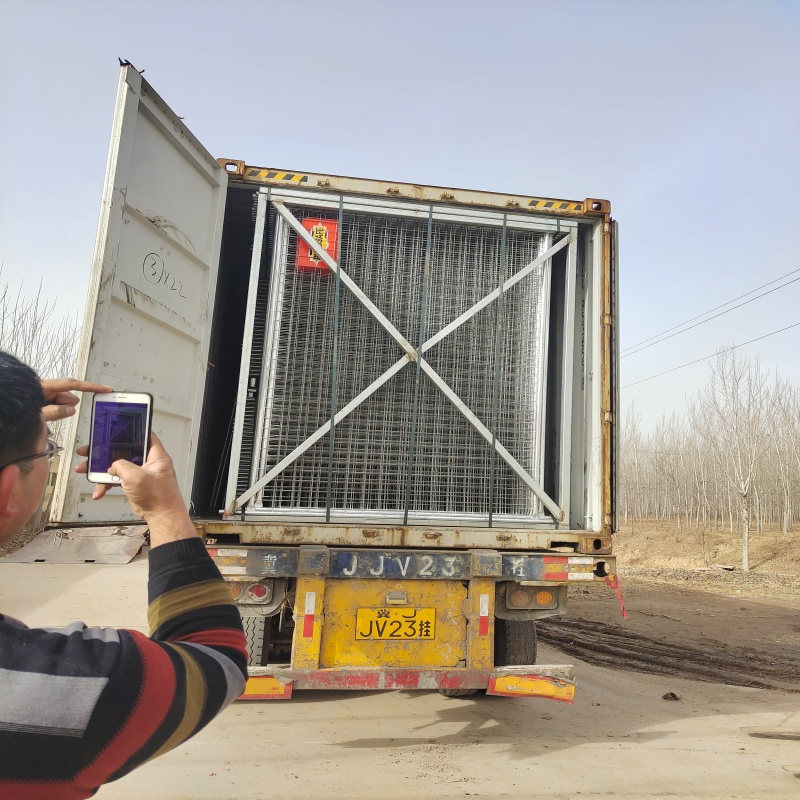
| 40HC container | 560 unit if covered clamp and base |
| Packing | Metal Pallet Wrapped with plastic film |
| Productions Time | All stocked |
| Ocean time | 25 days to 35 days to any port of AU & NZ |
| What papers do you provide after shipping containers | |
| Main 😛 packing list, Commercial Invoice, bill of lading copy or draft for telex release one, balance papers Plus For NZ: Containers Declaration For AU:P KD – Packing Declaration 2016 and Certificated of Original | |
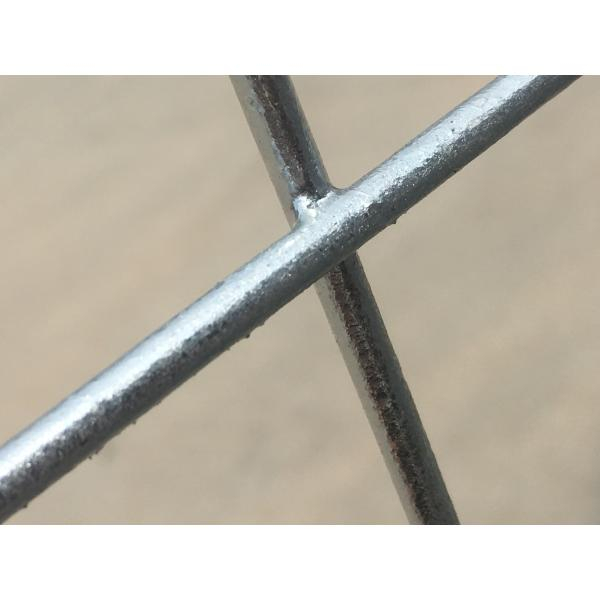
Wire and Tubing of full hot dipped galvanized temporary fencing Dunedin
Accessories of Temporary Fencing Dunedin
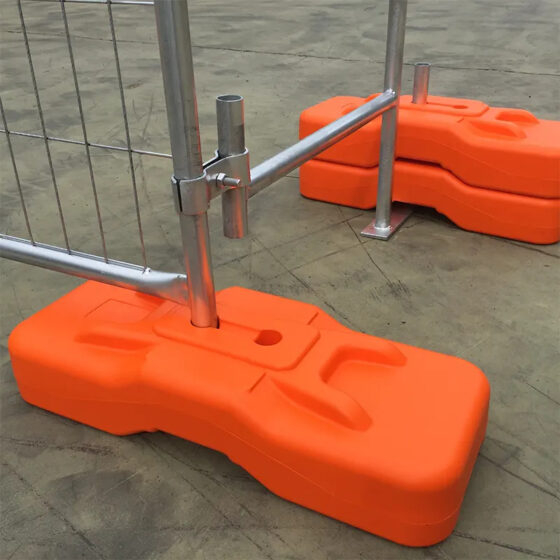
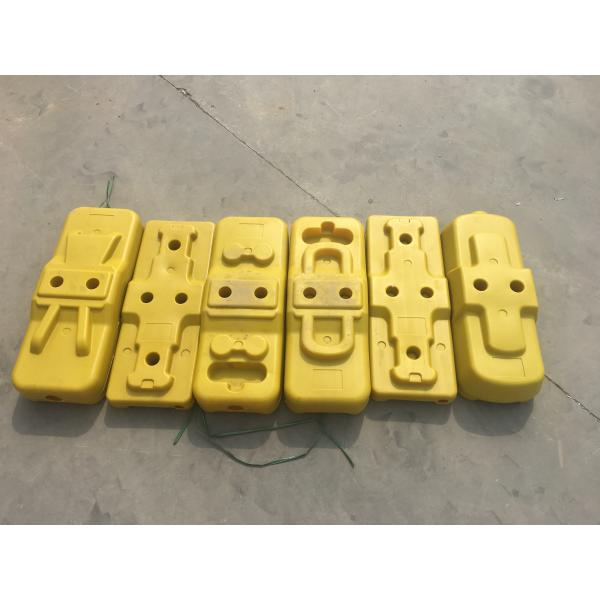
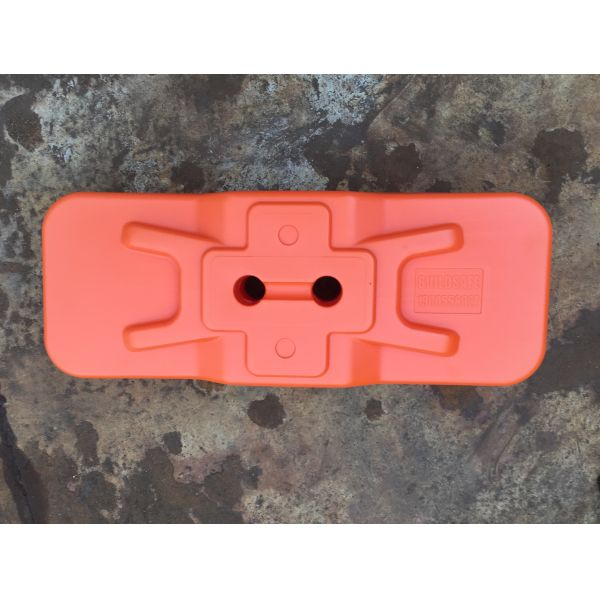
POLYMETAL supplies a complete temporary fencing Dunedin system including HDPE bases, clamps, and bracing. Base quality is a hidden stability control: a stronger blow-molded HDPE base reduces cracking risk during drops and repeated forklift handling, and heavier filled options add mass to reduce sliding and rocking on hard surfaces.
Fence Blocks
| Blow molding Base Version HDPE materials | Suit Pipes | |||||
| Size | 600 x 228 x 150mm | Size | 620 x 230 x 130mm | Size | 600 x 228mm x 150mm | 25mm to 60mm |
| Materials | HDPE 5502 | Materials | HDPE 5502 | Materials | HDPE 5502 | |
| Finish | UV 2002/531 BHT | Finish | UV2002/531 BHT | Finish | UV2002/531 BHT | |
| Colors | Orange, Green, Yellow etc | Colors | Orange, green, yellow etc | Colors | Orange, Green, Yellow etc | |
| Weight | After filled 27kg-29kg | Weight | After filled 27kg-28kg | Weight | 29kg | |
| Design | Australia | Design | Australia | Design | Australia | |
| Clamp | 100mm center to center | Clamp | 90mm center to center | Clamp | 80mm | |
 |  | | ||||
Clamps (Temporary Fencing Dunedin)
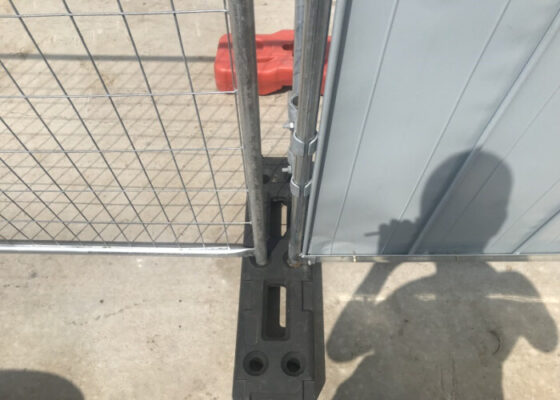
Temporary fencing clamps are stability controls. POLYMETAL clamps are designed for repeatable alignment and worker-friendly edges to reduce installation cuts and speed deployment. Clamp thickness at 4.00mm targets durability under repeated tightening and loosening cycles.
| Temporary Fencing Clamp-100TYPE | ||
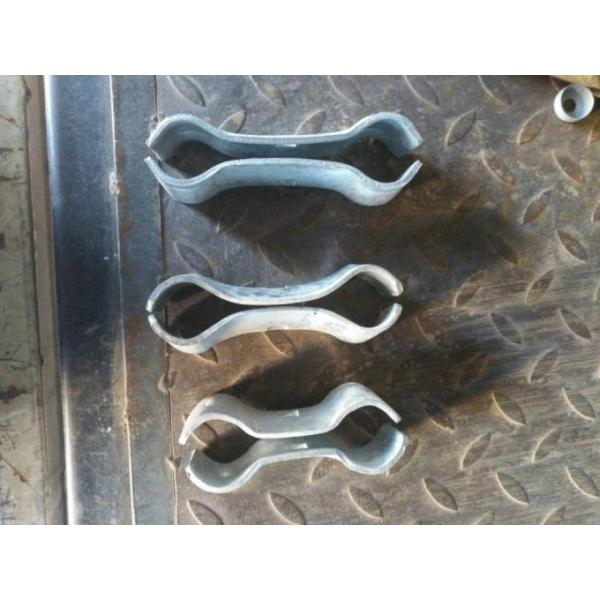 | Thickness | 4.00mm |
| Center distance | 100mm ( pipes center to center) /OVERALL LENGTH120MM | |
| Technical | Punched | |
| Materials | Q195 Q235 steel | |
| Design | Australia | |
| Made Country | China | |
| Treatment | 14 microns,42 microns hot dipped galvanized electrostatic powder-coated | |
| Application | Secured Temporary Fence panel, and Bracket, Stay, Gate | |
| Weight | 0.45kg /set 2 pairs included big caps bolt and nuts | |
| Temporary Fencing Clamp-90TYPE | ||
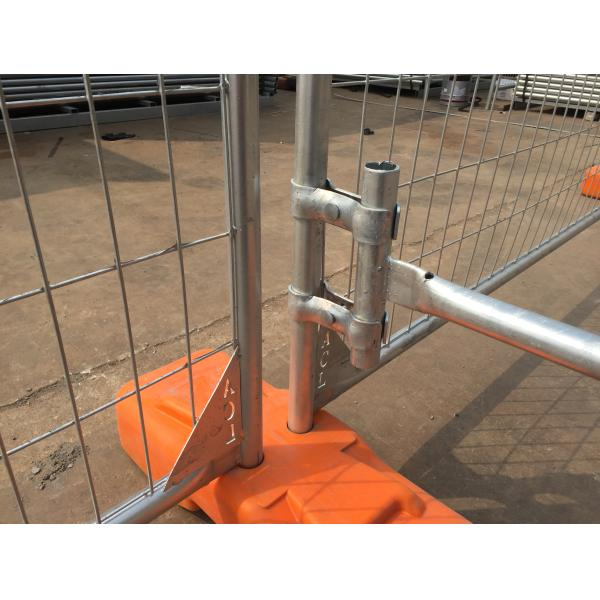 | Thickness | 4.00mm |
| Center distance | 90mm ( pipes center to center) /OVERALL LENGTH 110MM | |
| Technical | Punched | |
| Materials | Q195 Q235 steel | |
| Design | Australia | |
| Made Country | China | |
| Treatment | 14 microns,42 microns hot dipped galvanized electrostatic powder-coated | |
| Application | Secured Temporary Fence panels, and Bracket, Stay, Gate | |
| Weight | 0.40kg /set 2 pairs included big caps bolt and nuts | |
| Temporary Fencing Clamp-80TYPE | ||
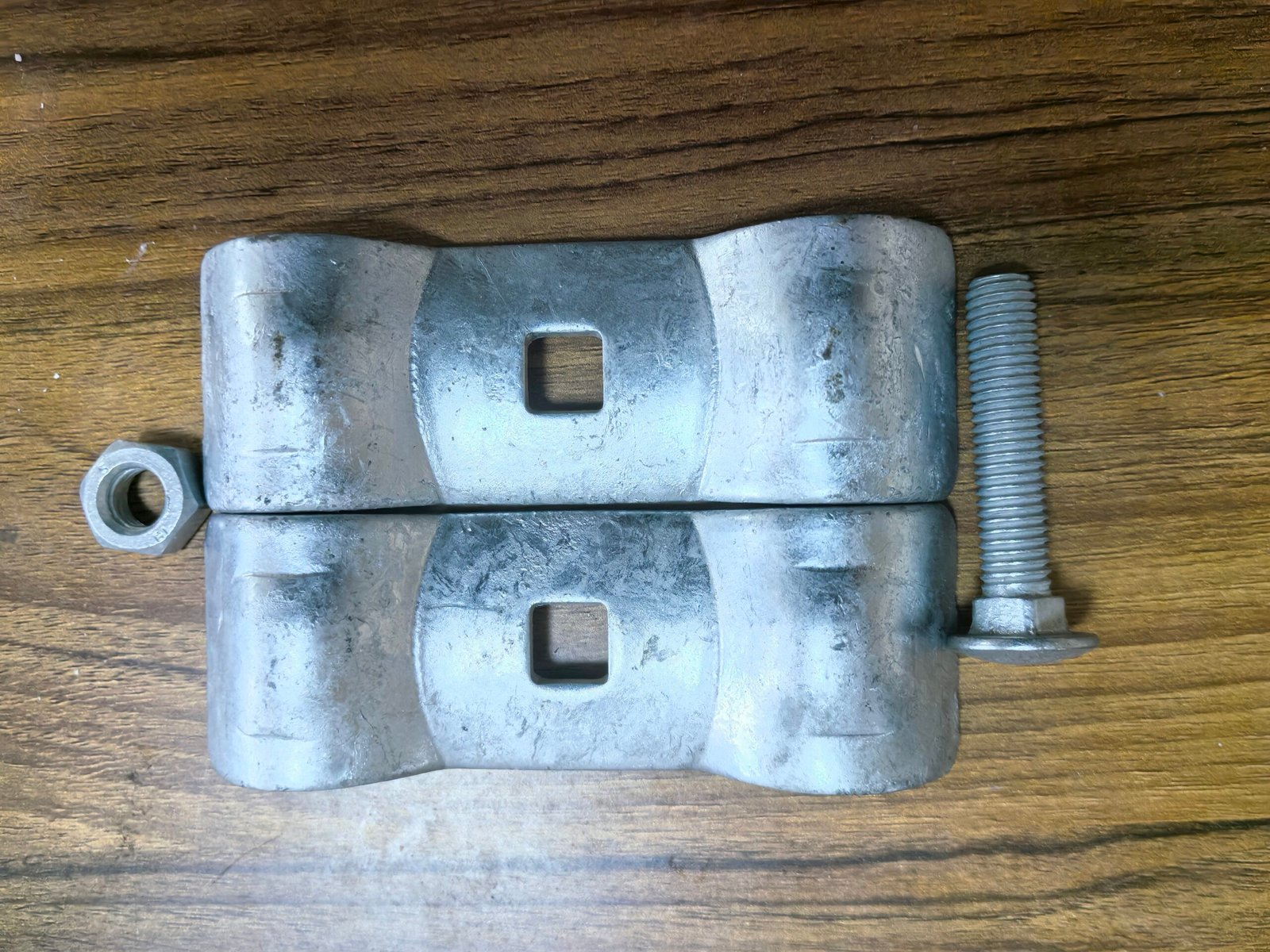 | Thickness | 4.00mm |
| Center distance | 80mm ( pipes center to center) /OVERALL LENGTH 100MM | |
| Technical temporary fencing Dunedin | Punched | |
| Materials | Q195 Q235 steel | |
| Design | Australia | |
| Made Country | China | |
| Treatment | 14 microns,42 microns hot dipped galvanized electrostatic powder-coated | |
| Application | Secured Temporary Fence panels, an Bracket, Stay, Gate | |
| Weight | 0.35kg /set 2 pairs included big caps bolt and nuts | |
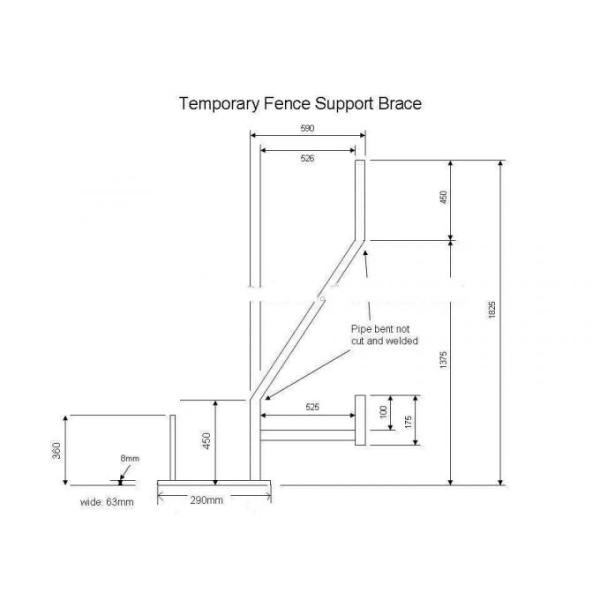
Brace
Temporary fencing Dunedin braces are used to withstand high wind and reduce the risk of panels not standing well in extreme weather. Bracing is one of the most cost-effective controls to prevent rocking, clamp loosening, and line collapse.
Applications (Temporary Fencing Dunedin)
- Construction site perimeter control and exclusion zones
- Public works and roadside pedestrian separation
- Event staging, queue lanes, and restricted access areas
- Industrial yards, warehouses, and temporary storage protection
- School and public facility temporary boundaries
- Emergency response and short-notice control zones
Benefits
- Rust control: Heavy HDG options reduce corrosion disputes in harsh climates.
- Straight long runs: Controlled tube OD and thickness reduce wave-lines.
- Repeatable deployment: Standard sizes and disciplined accessories speed install.
- Safer lines: Correct bases, clamps, and bracing reduce wobble and tipping risk.
- Lower replacement cost: Stronger zinc protection protects fleet value over time.
Packing
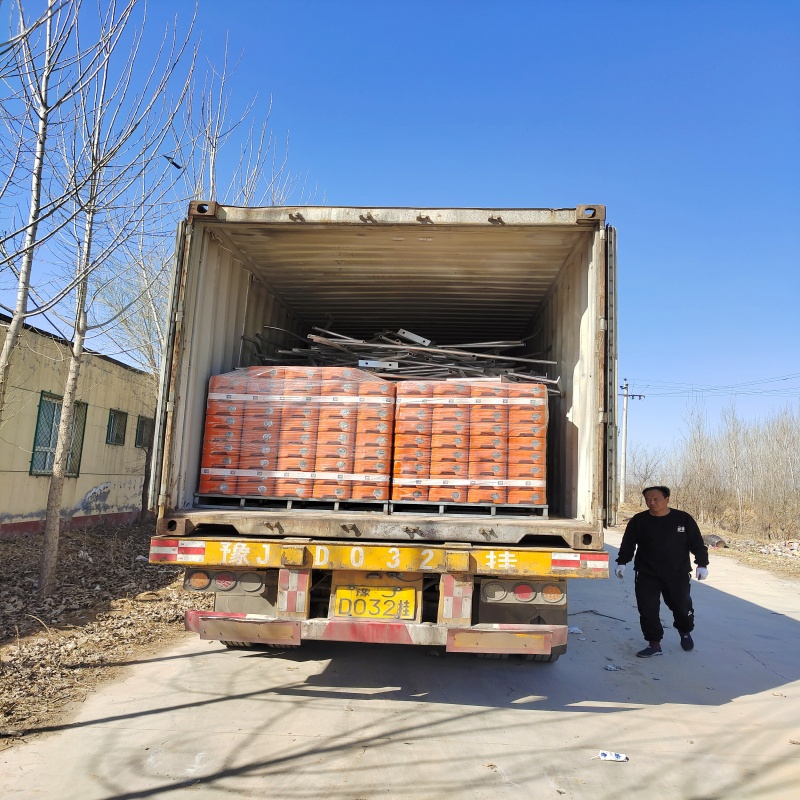
- Panels packed on metal pallets to reduce bending during sea freight
- Plastic film wrap + strapping discipline to prevent movement in transit
- Separation protection to reduce rubbing and zinc damage
- Accessories (bases, clamps, bolts) packed separately and labeled for faster receiving
Standard
- Height 2100mm with width options 2400 / 3300 / 3500mm (mid-rail on long panels)
- Mesh opening 60×150mm with wire diameter options 2.70 / 3.00 / 4.00mm
- Frame tube OD options 32 / 38 / 40 / 41mm with thickness 1.0–2.0mm
- Finish options from 14µ economy to 84µ / 100µ heavy hot dipped galvanized after fabricated
- System discipline: bases + clamps + bracing matched to wind and handling conditions
FAQs (Temporary Fencing Dunedin)
Q1: What is the #1 quality problem for temporary fencing Dunedin panels?
A: Rusting. The fastest way to reduce it is selecting heavy hot dipped galvanized after fabricated protection such as 84 microns (about 600 gram/SQM).
Q2: Why do NZ buyers prefer 84 microns more than many AU rental buyers?
A: NZ buyers often prioritize long-life durability across changing climates, while many rental cycles focus on shorter turnover cost. Dunedin conditions punish weak zinc faster.
Q3: Which panel widths are common for Dunedin jobs?
A: 2400mm is the standard, with 3300mm and 3500mm used for faster coverage; longer panels should use mid-rail support for stability.
Q4: What clamp spacing should I choose?
A: Match clamp center distance to your pipe layout (80 / 90 / 100mm). Correct clamp spacing keeps runs straight and reduces gaps.
Q5: What’s the fastest way to stop “wobble lines” in high wind?
A: Use a system approach: heavier zinc protection, correct base selection, disciplined clamp choice, and bracing in exposed zones.