Your One-Stop Wire Mesh Fence Supplier | POLYMETAL


Tubular Security Fencing is often treated as a simple boundary: mark the line, install panels, and the site looks “secured”. In reality, the wrong choice of fence height, rail frame, upright size or post system can quietly create risk:
- Easy climbing and unauthorised access
- Weak resistance to impact or wind load
- Rapid corrosion and structural weakening
- Complete fence failure leading to safety incidents and loss
When a fence fails, the damage goes beyond materials. You may face theft, accidents, insurance disputes, claims and expensive replacement. That is why Tubular Security Fencing should be treated as a long-term safety asset, not just a minor cost item.


Tubular Security Fencing Specification Tables
Light Duty / Residential & Landscape Tubular Security Fencing
| Model | Fence Height (mm) | Fence Width (mm) | Rail Frame (mm×mm) | Number of Rails | Upright (mm×mm) | Upright Spacing (mm) | Post Height (mm) | Post Size (mm×mm) | Surface Treatment | Colour |
|---|---|---|---|---|---|---|---|---|---|---|
| TSL-01 | 1200 | 2400 | 40×40 | 2 | 16×16 | 100 | 1800 | 60×65 | Pre-galvanised + Powder Coat | Black |
| TSL-02 | 1200 | 3000 | 40×40 | 2 | 16×16 | 100 | 2000 | 60×65 | Pre-galvanised + Powder Coat | Grey |
| TSL-03 | 1300 | 2400 | 40×40 | 2 | 25×25 | 100 | 1900 | 60×65 | Hot-dip Galvanised + Powder | Black |
| TSL-04 | 1350 | 2500 | 40×40 | 3 | 16×16 | 100 | 2000 | 60×65 | Pre-galvanised + Powder Coat | Green |
| TSL-05 | 1400 | 3000 | 40×40 | 3 | 25×25 | 100 | 2100 | 60×65 | Hot-dip Galvanised + Powder | Black |
| TSL-06 | 1500 | 2400 | 40×40 | 3 | 25×25 | 100 | 2100 | 75×75 | Pre-galvanised + Powder Coat | Monument |
| TSL-07 | 1500 | 3000 | 40×40 | 3 | 16×16 | 100 | 2200 | 75×75 | Hot-dip Galvanised + Powder | Black |
| TSL-08 | 1600 | 2500 | 40×40 | 3 | 25×25 | 100 | 2300 | 75×75 | Pre-galvanised + Powder Coat | Grey |
| TSL-09 | 1700 | 3000 | 40×40 | 3 | 25×25 | 100 | 2400 | 75×75 | Hot-dip Galvanised + Powder | Black |
| TSL-10 | 1800 | 3000 | 40×40 | 3 | 25×25 | 100 | 2400 | 75×75 | Hot-dip Galvanised + Powder | Black |
Medium Duty / Commercial & School Tubular Security Fencing
| Model | Fence Height (mm) | Fence Width (mm) | Rail Frame (mm×mm) | Number of Rails | Upright (mm×mm) | Upright Spacing (mm) | Post Height (mm) | Post Size (mm×mm) | Surface Treatment | Colour |
|---|---|---|---|---|---|---|---|---|---|---|
| TSM-01 | 1500 | 2400 | 45×45 | 3 | 25×25 | 100 | 2100 | 75×75 | Hot-dip Galvanised + Powder | Black |
| TSM-02 | 1500 | 3000 | 45×45 | 3 | 25×25 | 100 | 2200 | 75×75 | Hot-dip Galvanised + Powder | Grey |
| TSM-03 | 1600 | 2400 | 45×45 | 3 | 25×25 | 100 | 2200 | 75×75 | Pre-galvanised + Powder Coat | Black |
| TSM-04 | 1700 | 3000 | 45×45 | 3 | 30×30 | 100 | 2300 | 80×80 | Hot-dip Galvanised + Powder | Black |
| TSM-05 | 1800 | 2400 | 45×45 | 3 | 25×25 | 100 | 2400 | 80×80 | Hot-dip Galvanised + Powder | Black |
| TSM-06 | 1800 | 3000 | 45×45 | 3 | 30×30 | 100 | 2400 | 80×80 | Hot-dip Galvanised + Powder | Monument |
| TSM-07 | 1900 | 2500 | 45×45 | 3 | 25×25 | 100 | 2500 | 80×80 | Pre-galvanised + Powder Coat | Grey |
| TSM-08 | 2000 | 3000 | 45×45 | 4 | 30×30 | 100 | 2600 | 80×80 | Hot-dip Galvanised + Powder | Black |
| TSM-09 | 2100 | 2400 | 45×45 | 4 | 25×25 | 100 | 2700 | 80×80 | Hot-dip Galvanised + Powder | Black |
| TSM-10 | 2100 | 3000 | 45×45 | 4 | 30×30 | 100 | 2700 | 80×80 | Hot-dip Galvanised + Powder | Grey |
Heavy Duty / High-Security Tubular Security Fencing
| Model | Fence Height (mm) | Fence Width (mm) | Rail Frame (mm×mm) | Number of Rails | Upright (mm×mm) | Upright Spacing (mm) | Post Height (mm) | Post Size (mm×mm) | Surface Treatment | Colour |
|---|---|---|---|---|---|---|---|---|---|---|
| TSH-01 | 1800 | 2400 | 50×50 | 3 | 30×30 | 100 | 2400 | 80×80 | Hot-dip Galvanised + Powder | Black |
| TSH-02 | 1800 | 3000 | 50×50 | 3 | 30×30 | 100 | 2400 | 100×100 | Hot-dip Galvanised + Powder | Black |
| TSH-03 | 2000 | 2400 | 50×50 | 3 | 30×30 | 100 | 2600 | 80×80 | Hot-dip Galvanised + Powder | Grey |
| TSH-04 | 2000 | 3000 | 50×50 | 4 | 30×30 | 100 | 2600 | 100×100 | Hot-dip Galvanised + Powder | Black |
| TSH-05 | 2100 | 2400 | 50×50 | 4 | 25×25 | 100 | 2700 | 80×80 | Hot-dip Galvanised + Powder | Black |
| TSH-06 | 2100 | 3000 | 50×50 | 4 | 30×30 | 100 | 2700 | 100×100 | Hot-dip Galvanised + Powder | Monument |
| TSH-07 | 2400 | 2400 | 50×50 | 4 | 30×30 | 100 | 3000 | 100×100 | Hot-dip Galvanised + Powder | Black |
| TSH-08 | 2400 | 3000 | 50×50 | 4 | 30×30 | 100 | 3000 | 100×100 | Hot-dip Galvanised + Powder | Grey |
| TSH-09 | 2700 | 2400 | 50×50 | 4 | 30×30 | 100 | 3300 | 100×100 | Hot-dip Galvanised + Powder | Black |
| TSH-10 | 3000 | 3000 | 50×50 | 4 | 30×30 | 100 | 3600 | 100×100 | Hot-dip Galvanised + Powder | Black |
What Is Tubular Security Fencing?
Basic Definition
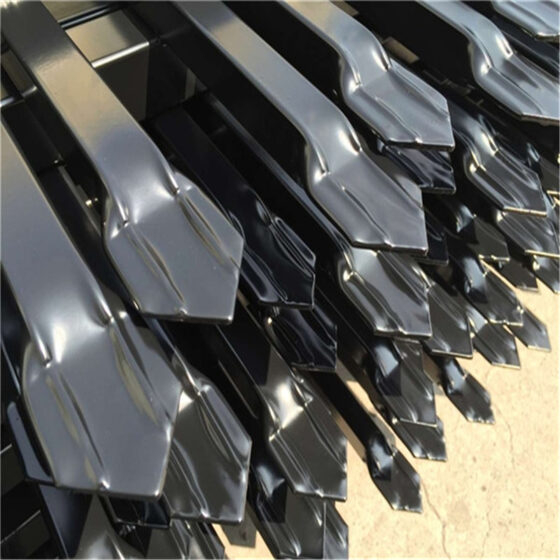
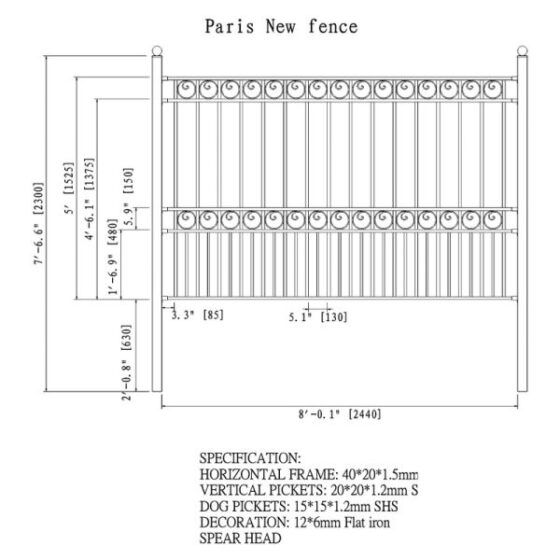
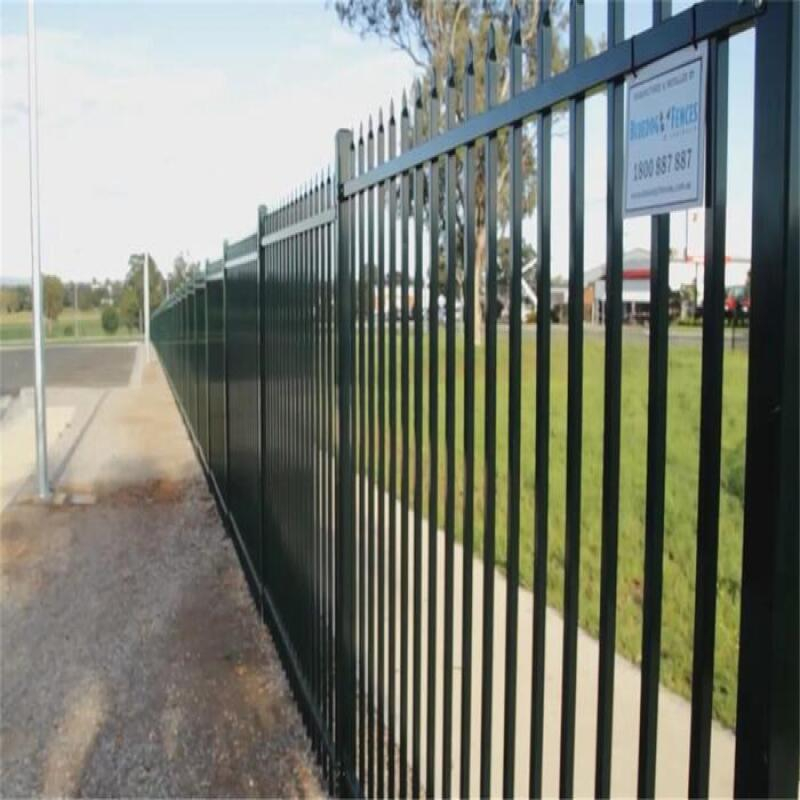
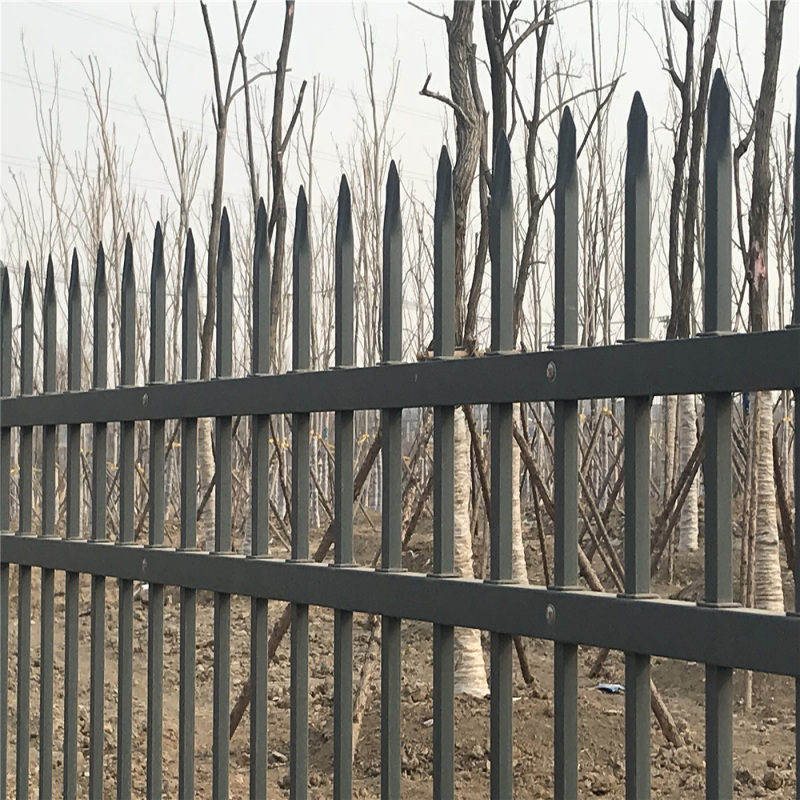
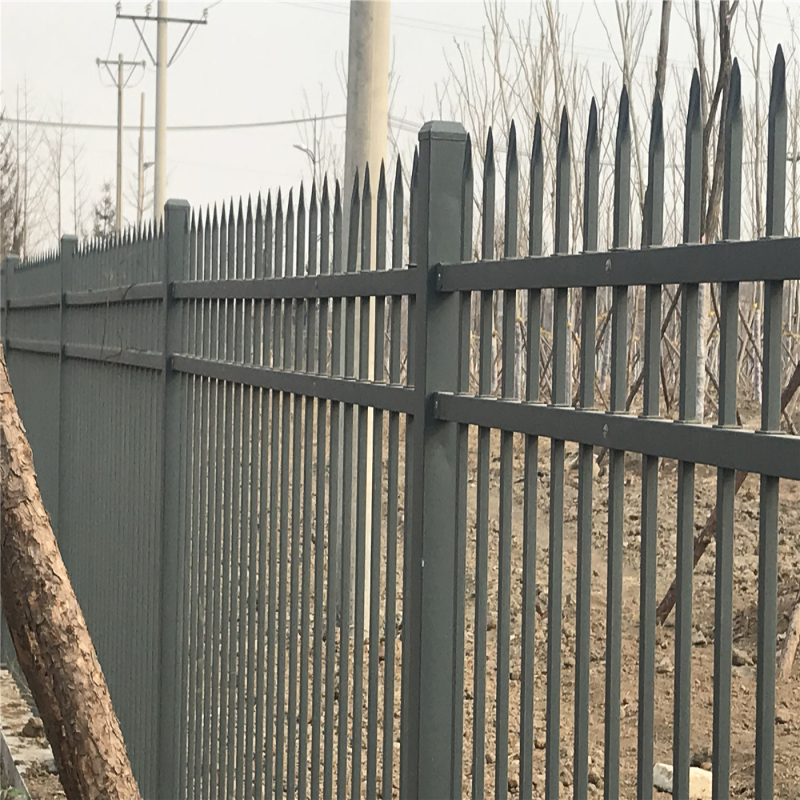
Tubular Security Fencing is a rigid steel tube fence system, where rails and uprights are welded into panels and fixed to posts. Tubular Steel Fence Panels is widely used around industrial estates, warehouses, schools, utilities, transport hubs and high-security sites.


Main Components of Tubular Security Fencing
- Fence Panels
- Rail Frame (Horizontal Rails): typically 40×40 mm, 45×45 mm or 50×50 mm square tube.
- Uprights (Vertical Tubes): typically 16×16 mm, 25×25 mm or 30×30 mm square tube.
- Upright Spacing: commonly 100 mm for good visibility and anti-climb performance.
- Posts
- Support each panel and transfer loads to the ground.
- Common post sizes: 60×65 mm, 75×75 mm, 80×80 mm, 100×100 mm.
- Post Fixing
- In-ground with concrete footings, or
- Base-plate mounted with mechanical anchors.
- Surface Treatment
- Pre-galvanised steel plus powder coating, or
- Hot-dip galvanised plus powder coating for stronger corrosion protection.
Compared with chain link or wire mesh, Tubular Security Fencing gives higher rigidity, cleaner appearance and better vandal resistance, making it ideal for visible, high-value sites.


Key Dimensions in Tubular Security Fencing Design
Fence Height
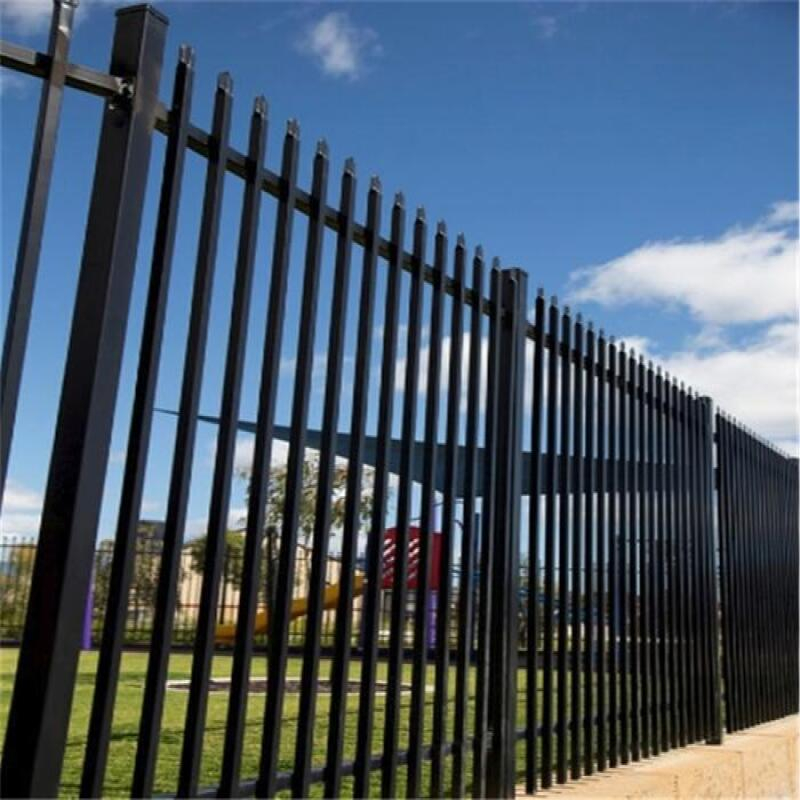
Choosing the right Fence Height is the first security decision:
- 1200–1500 mm: light duty, residential edges, gardens, low-risk boundaries.
- 1500–2100 mm: common for schools, commercial areas and light industrial zones.
- 2100 mm and above: high-security, restricted or hazardous areas.
Under-estimating height is a frequent and dangerous mistake: a fence that is too low invites climbing and intrusion.
Fence Width (Panel Length)
Typical Fence Width (panel length) ranges from 2400–3000 mm. Wider panels reduce the number of posts but increase bending moments on each post. For windy or exposed sites, shorter panel spans may be safer.
Post Height and the Classic 1800/2400 Combination
Post Height is normally 400–800 mm higher than the Fence Height to allow for embedment and fixings.
A common and practical combination is:
- Fence Height: 1800 mm
- Post Height: 2400 mm
This gives enough length for concrete embedment or base-plate height and allows for accessories like spikes or brackets. Incorrect post height or shallow embedment can cause tilting, cracking and ultimate failure of the fence system.



Structural Elements: Rail Frame, Uprights and Spacing
Rail Frame (Horizontal Rails)
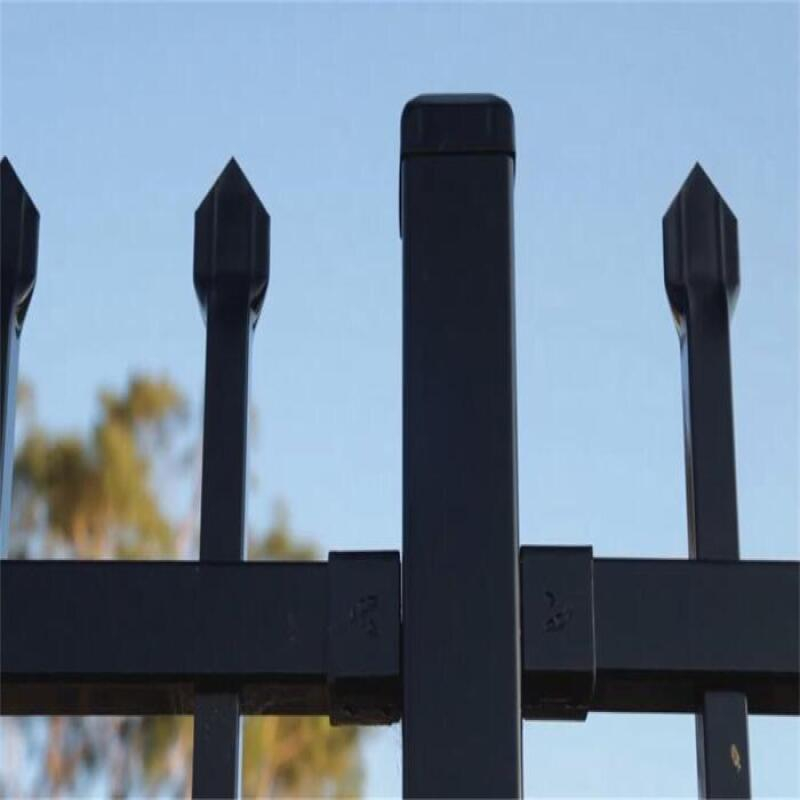
The Rail Frame is a key strength component:
- 40×40 mm: for light duty, residential or decorative boundaries.
- 45×45 mm: mid-range option for schools, commercial and light industrial use.
- 50×50 mm: heavy duty, suitable for tall fences, high wind or high-risk areas.
Undersized rails lead to visible deflection and a “flimsy” feel, even if the fence looks fine at first.
Uprights (Vertical Tubes)
- 16×16 mm: lighter, more decorative, suited to low-risk sites.
- 25×25 mm: the standard for general security and durability.
- 30×30 mm: used for heavy duty, high-risk or vandal-prone locations.
The larger the upright, the better it resists bending, impact and vandalism.
Upright Spacing
A common spacing is 100 mm, which offers a strong security balance:
- Makes climbing harder
- Helps prevent children or small bodies from passing through
- Maintains clear visibility for CCTV and natural surveillance
Wider spacing to “save steel” can become a serious security gap and expose you to accidents and intrusions.
Post Options and Their Impact on Security
Common Tubular Security Fencing Post Sizes
- 60×65 mm: suitable for light duty or shorter fences.
- 75×75 mm: strong, versatile choice for many commercial and school applications.
- 80×80 mm: used for higher fences or increased load.
- 100×100 mm: heavy duty, ideal for tall fences, high wind zones or high-security perimeters.
Where Stronger Posts Are Essential
Corners, gates and end posts carry more load than line posts. For these critical positions, 80×80 mm or 100×100 mm posts are often recommended, especially with taller panels or long gate leaves. Using undersized posts in these positions is a common cause of leaning and failure.

Common Dangers and Mistakes with Tubular Security Fencing
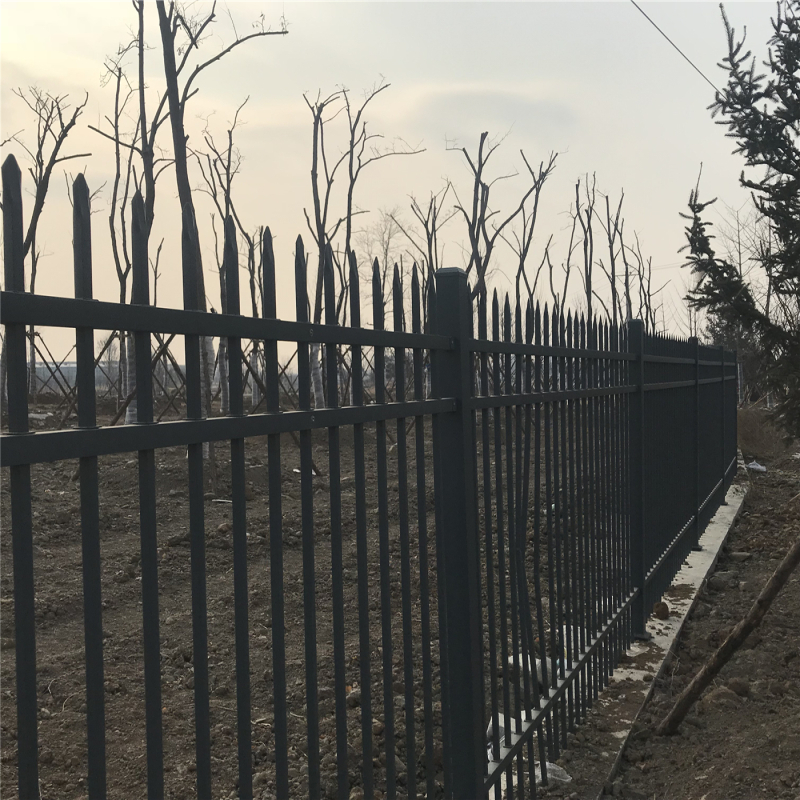
Fence Too Low for Real Risk Level
Choosing a low fence because it is cheaper or “looks fine” ignores actual risk. Public sites, high-value storage and high-traffic areas usually need higher Tubular Security Fencing to prevent climbing and unauthorised access.
Posts Too Small or Too Far Apart
To reduce material cost, some designs use small posts and very wide panels. Over time, posts can twist or lean, and rails can deflect under wind, people pressure or accidental vehicle impact.
Weak Rail Frame and Upright Combination
A 40×40 rail with thin uprights on a 3000 mm wide panel in a high-wind industrial area is a structural flaw. Movement will increase, welds may crack, and the fence loses its security value long before its theoretical life span.
Excessive Upright Spacing
Opening upright spacing beyond 100 mm can create dangerous gaps, especially around schools, playgrounds or public walkways. Children may attempt to climb through or get stuck.
Poor Corrosion Protection
Cheap or minimal galvanising and thin paint systems quickly rust in coastal, chemical or humid environments. Corrosion reduces structural capacity and destroys appearance, forcing premature replacement.
Weak Foundations and Shallow Embedment
Even a 100×100 mm post will fail if set in a small, shallow concrete footing. Ground conditions, frost zones and design wind loads have to be considered when sizing footings.
Ignoring Gates, Corners and Level Changes
Straight runs are easy to design; gates, corners and slope transitions are not. If these areas are not properly reinforced and detailed, they become the first points of misalignment, cracking and failure.
Practical Design Rules for Tubular Security Fencing
Matching Design to Risk
- Assess the site risk: public exposure, asset value, vandalism history, wind load.
- Choose Fence Height based on actual security needs, not just aesthetics.
- Choose Rail Frame:
- 40×40 mm for light duty,
- 45×45 mm for general security,
- 50×50 mm for heavy duty or tall fences.
- Choose Uprights:
- 25×25 mm for standard security,
- 30×30 mm for heavy duty or high-risk sites.
- Set Upright Spacing at 100 mm for a good balance of safety and visibility.
Posts, Foundations and Surface Finish
- For 1800 mm high fences, a 2400 mm post is a practical standard to allow proper embedment.
- For critical positions, use 75×75 mm, 80×80 mm or 100×100 mm posts.
- Always specify quality galvanising plus powder coating to maximise service life.
- Design corner, gate and step-down/step-up panels with extra attention to structural detail.



Conclusion: Tubular Security Fencing as a Long-Term Security Asset
ubular Security Fencing and chain link fence systems are not just lines on a drawing. Once installed, they become part of your long-term security strategy. A poor design leads to rust, bending, instability, complaints and claims. A well-designed system delivers quiet, reliable protection for years.
By correctly balancing fence height, panel width or mesh length, rail frame size, upright size, upright spacing and post configuration, you can turn Tubular Security Fencing and chain link fence into true security assets rather than hidden risks.