Your One-Stop Wire Mesh Fence Supplier | POLYMETAL
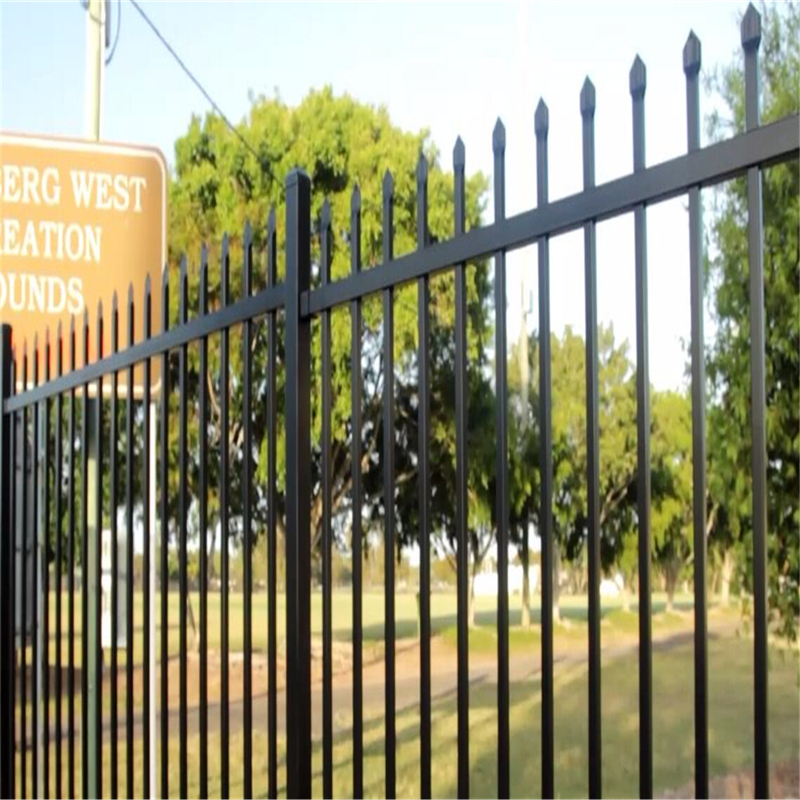
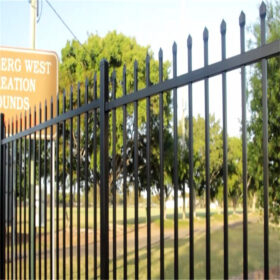
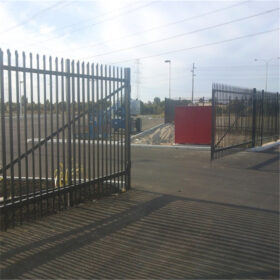
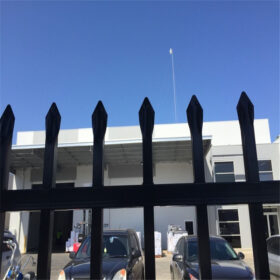
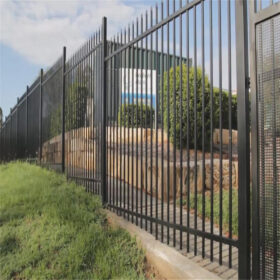
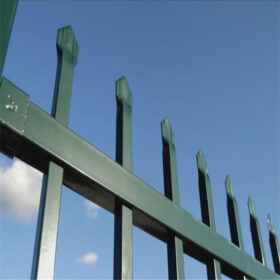
Tubular Steel Picket Fence looks clean, modern and harmless from the street, but behind the rails, uprights and posts there are 7 powerful danger facts that decide whether your fence becomes a long-lasting security upgrade or a cheap weakness that quietly destroys value. Many buyers only compare price and photos and ignore structural data, fence height and width, frame tube size, upright spacing, powder coating quality and post length standards. That mistake can create climbable gaps, bent panels, early rust, cracked foundations and unexpected replacement cost. This article gives you a clear, fear-driven checklist so you understand these danger facts before you place any Tubular Steel Picket Fence order.
Tubular Steel Picket Fence overview
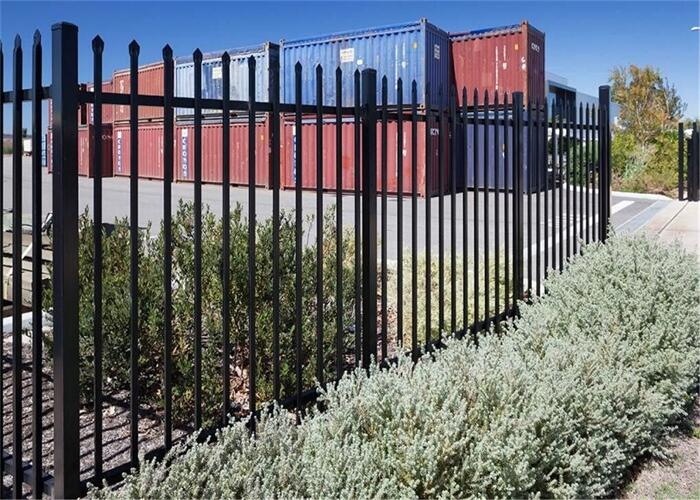
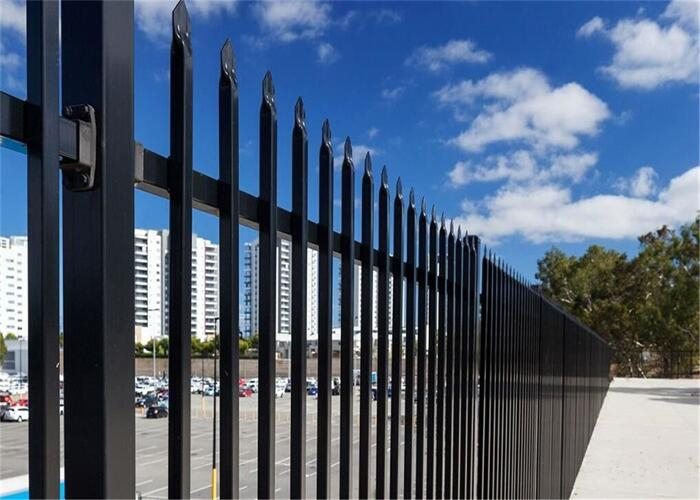
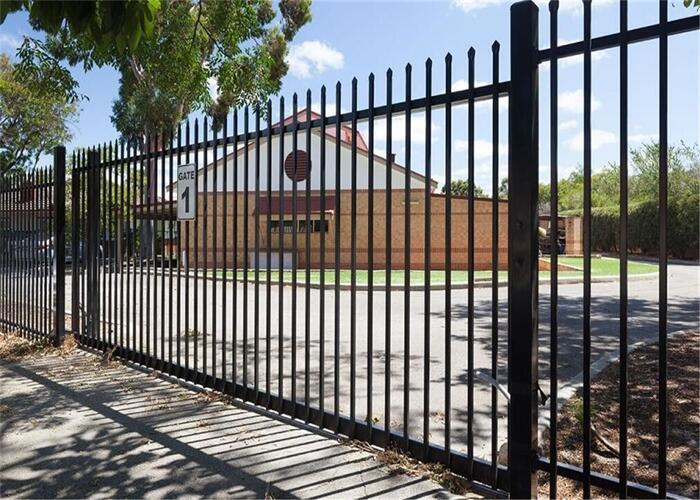
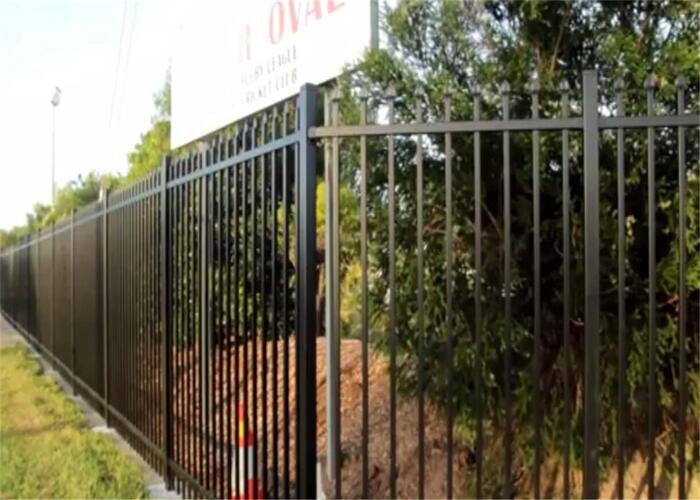
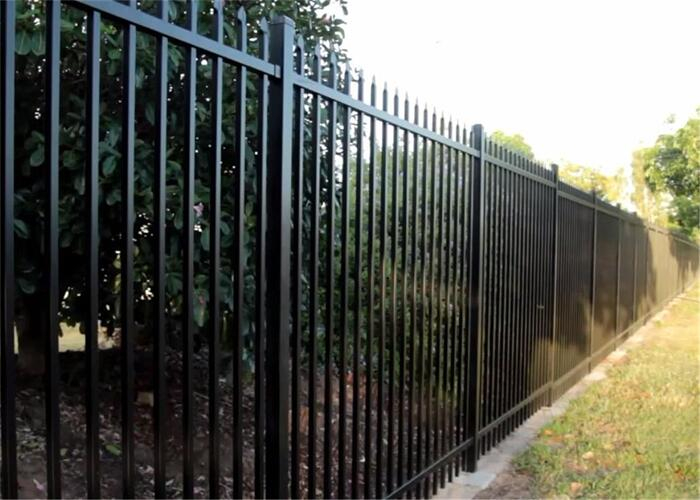
Tubular Steel Picket Fence is built from welded square or rectangular steel rails, vertical steel pickets and matching steel posts, all made from hot-dip galvanized tube and finished with durable powder coating or PVC coating. In some premium projects, decorative infill such as copper wire mesh is combined with the tubular frame to add ventilation, screening and a higher-end architectural look. Typical fence heights range from 900 mm to 2100 mm, with fence widths around 2400–3000 mm, using rail frames such as 40×40 mm, 45×45 mm or 50×50 mm, upright tubes like 25×25 mm, 30×30 mm or 16×16 mm and upright spacing commonly set at 100 mm for safe, modern infill. Posts in sizes such as 60×65 mm, 75×75 mm, 80×80 mm and 100×100 mm are selected to match fence height; for example, an 1800 mm high fence is combined with a 2400 mm fence post for reliable embedment and stability.
When all of these elements are correctly specified and welded, and when optional features like copper wire mesh are used wisely as infill or accent panels, Tubular Steel Picket Fence delivers a strong, elegant barrier for perimeter security, boundary definition, garden decoration and pool compliance, even when you are chasing a cheap price model.
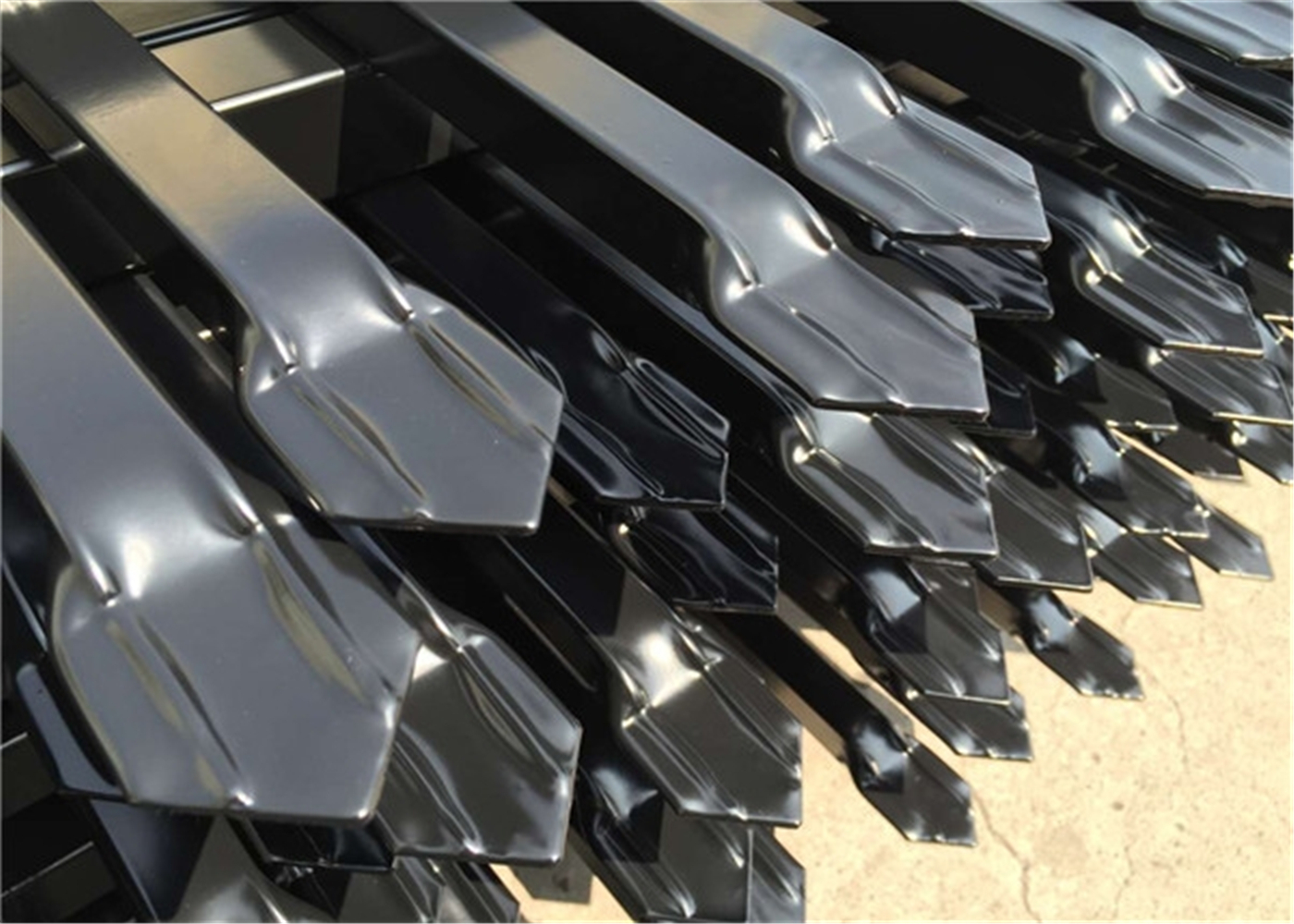

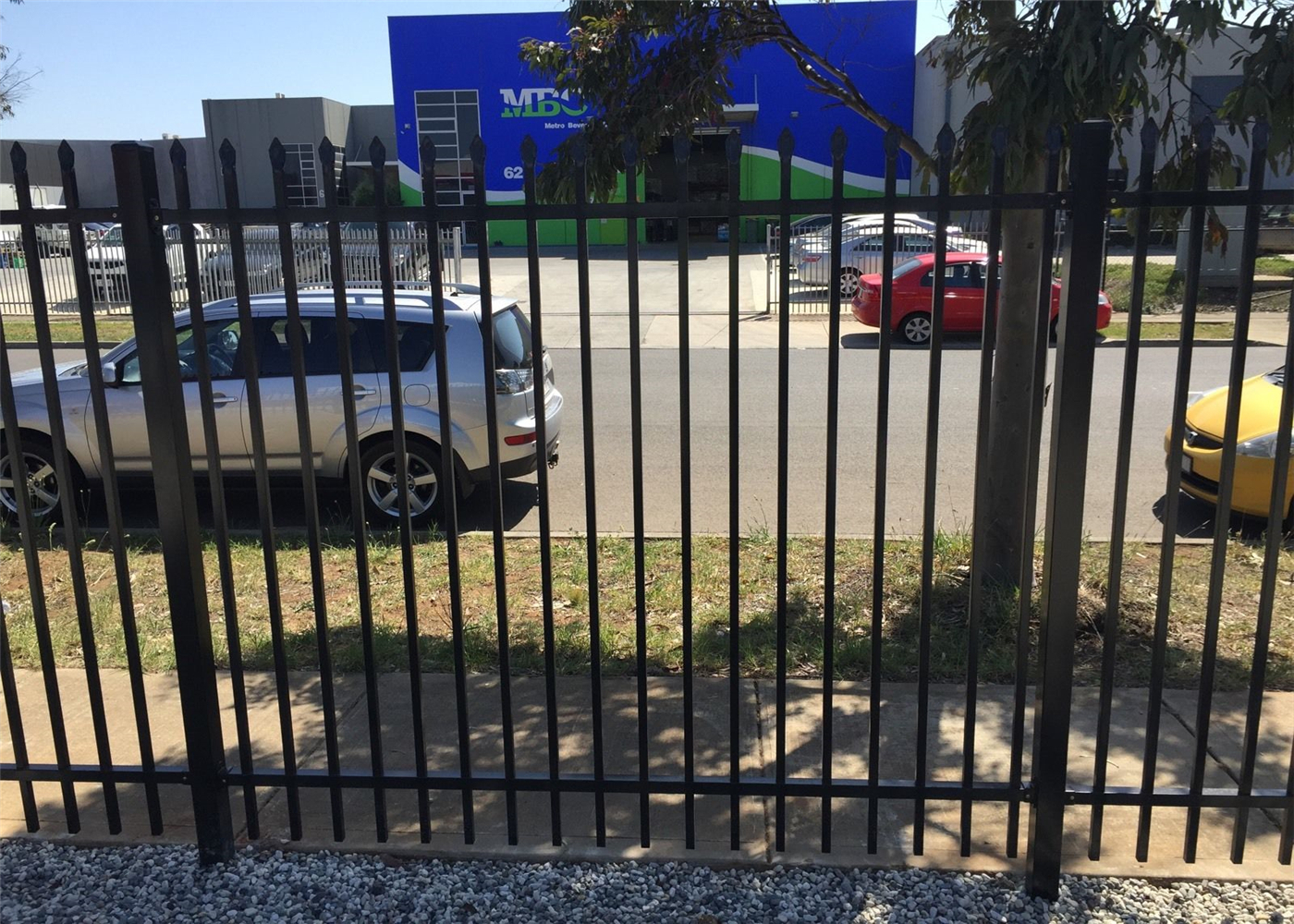
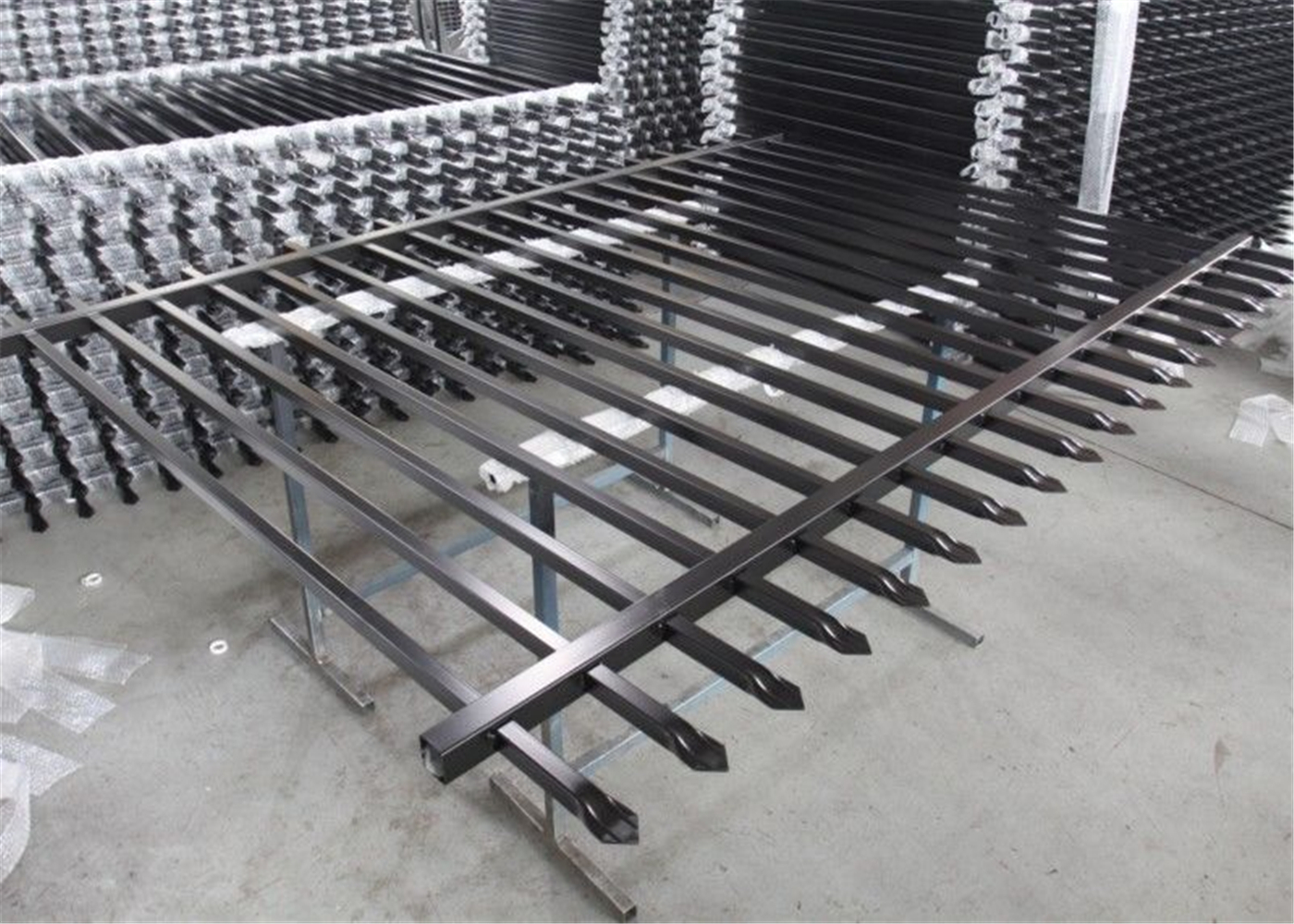
7 brutal danger facts about Tubular Steel Picket Fence
Ignoring the following 7 danger facts is how owners fall into structural failures, safety incidents and high lifetime cost. Understanding how Tubular Steel Picket Fence is engineered against these threats helps you protect your property from loss and crisis.

1. Fence height and width risk – wrong panel size for real security
Choosing the wrong fence height and width is the first hidden mistake. If you select panels that are too low or too wide, the fence becomes easy to climb and harder to brace in the wind. A 1200 mm high fence may suit front gardens but is dangerous for pool or high-security use, where 1500–1800 mm heights are standard. Oversized widths beyond 3000 mm on light frames can cause sagging and vibration. Fence height and width data must match your application, not only your budget.
2. Rail frame weakness – under-sized 40×40, 45×45 and 50×50 tubes
Frame rails carry every load from wind, knocks and the weight of the pickets. Cheap fences often copy the style but reduce the tube wall thickness. A proper Tubular Steel Picket Fence uses rail frames such as 40×40×1.6 mm, 45×45×1.6 mm or 50×50×2.0 mm; dropping to thin 1.0 mm or 1.2 mm walls in long panels creates a structural gap between appearance and real strength, causing twisting and cracking around welds after a few seasons.
3. Upright tube flaw – 25×25, 30×30 and 16×16 mm used wrongly
Vertical uprights transfer impact directly into rails and posts. 25×25×1.2 mm and 30×30×1.2 mm pickets give a strong premium feel for main security fences, while 16×16×1.2 mm is better for low or decorative applications. Using 16×16 mm uprights with thin walls in tall boundary or pool fences is a serious danger: pickets bend, rattle and may even buckle under load, turning your Tubular Steel Picket Fence into an unreliable barrier.
4. Upright spacing trap – 100 mm gaps used without safety thinking
Upright spacing is more than a style choice; it is a life-safety rule. Standard spacing of 100 mm between pickets looks neat, but if spacing is pushed wider to save material, gaps may allow small children to squeeze through or create footholds for climbing. Even when 100 mm is used, poor layout near posts and corners can create larger gaps. Every spacing pattern across the panel and at posts must be controlled or you create a silent trap in your fence line.
5. Post height and size danger – tall fence on the wrong post
Posts are the backbone of the fence. A classic safe rule is that an 1800 mm high fence uses a 2400 mm post to provide enough embedment or base-plate leverage. If you try to save money by using only 2000 mm posts, the fence can lean or lift in high wind. Similarly, using only 60×65×2.0 mm posts for a tall or exposed fence instead of 75×75, 80×80 or 100×100 mm posts is a major structural weakness that does not show in photos but will appear in storms.
6. Coating and galvanizing defect – hidden rust under cheap finishes
Even with perfect tubes, poor galvanizing and powder coating will destroy your investment. Tubular Steel Picket Fence must use hot-dip galvanized or high-zinc pre-galvanized tube, followed by thorough pre-treatment and high-build powder coating or PVC coating. Thin, uneven coatings, unsealed cut ends and welds, or cheap powder with weak UV resistance quickly lead to blistering, peeling and rust streaks. Once rust starts inside a tubular section, it spreads and causes irreversible damage, forcing early replacement.
7. Packing and standard pattern – damage before installation
Bad packing and lack of internal standards turn good fences into scrap before they arrive. Panels stacked loosely without steel pallets, spacers and stretch film rub and twist in transit, damaging the coating and bending rails. Posts stored without end caps and protection fill with water and debris. Without clear internal standards for steel grades, tube tolerance, galvanizing thickness and powder coating film build, every batch is different and you cannot rely on Tubular Steel Picket Fence performance over time.
Economy Tubular Steel Picket Fence specifications
The table below follows an economy-grade configuration where 16×16 mm uprights and 40×40×1.2 mm rails are paired with lighter posts. It gives 15 practical combinations of fence height, width and post size.
| Fence Height (mm) | Fence Width (mm) | Upright Size (mm) | Upright Thickness (mm) | Upright Spacing (mm) | Upright Quantity | Cross Rail (mm) | Post Height (mm) | Square Post (mm) |
|---|---|---|---|---|---|---|---|---|
| 900 | 2400 | 16×16 | 1.2 | 100 | 17 | 40×40×1.2 | 1500 | 60×65×2.0 |
| 1000 | 2400 | 16×16 | 1.2 | 100 | 17 | 40×40×1.2 | 1600 | 60×65×2.0 |
| 1100 | 2400 | 16×16 | 1.2 | 100 | 18 | 40×40×1.2 | 1700 | 60×65×2.0 |
| 1200 | 2400 | 16×16 | 1.2 | 100 | 18 | 40×40×1.2 | 1800 | 60×65×2.0 |
| 1300 | 2400 | 16×16 | 1.2 | 100 | 18 | 40×40×1.2 | 1900 | 60×65×2.0 |
| 1400 | 2400 | 16×16 | 1.2 | 100 | 19 | 40×40×1.2 | 2000 | 60×65×2.0 |
| 1500 | 2400 | 16×16 | 1.2 | 100 | 19 | 40×40×1.2 | 2100 | 60×65×2.5 |
| 1600 | 2400 | 16×16 | 1.2 | 100 | 19 | 40×40×1.2 | 2200 | 60×65×2.5 |
| 1700 | 2400 | 16×16 | 1.2 | 100 | 19 | 40×40×1.2 | 2300 | 60×65×2.5 |
| 1800 | 2400 | 16×16 | 1.2 | 100 | 20 | 40×40×1.2 | 2400 | 75×75×2.5 |
| 1900 | 2400 | 16×16 | 1.2 | 100 | 20 | 40×40×1.2 | 2500 | 75×75×2.5 |
| 2000 | 2400 | 16×16 | 1.2 | 100 | 20 | 40×40×1.2 | 2600 | 75×75×2.5 |
| 2100 | 2400 | 16×16 | 1.2 | 100 | 21 | 40×40×1.2 | 2700 | 80×80×3.0 |
| 2200 | 2400 | 16×16 | 1.2 | 100 | 21 | 40×40×1.2 | 2800 | 80×80×3.0 |
| 2300 | 2400 | 16×16 | 1.2 | 100 | 21 | 40×40×1.2 | 2900 | 100×100×3.0 |
Standard Tubular Steel Picket Fence specifications
This standard-grade table upgrades to 25×25 mm uprights and 40×40 or 45×45 mm rails, balanced for residential and commercial boundaries with 100 mm upright spacing.
| Fence Height (mm) | Fence Width (mm) | Upright Size (mm) | Upright Thickness (mm) | Upright Spacing (mm) | Upright Quantity | Cross Rail (mm) | Post Height (mm) | Square Post (mm) |
|---|---|---|---|---|---|---|---|---|
| 1200 | 2400 | 25×25 | 1.2 | 100 | 18 | 40×40×1.6 | 1800 | 60×65×2.5 |
| 1350 | 2400 | 25×25 | 1.2 | 100 | 18 | 40×40×1.6 | 1950 | 60×65×2.5 |
| 1500 | 2400 | 25×25 | 1.2 | 100 | 18 | 40×40×1.6 | 2100 | 75×75×2.5 |
| 1500 | 3000 | 25×25 | 1.2 | 100 | 22 | 40×40×1.6 | 2100 | 75×75×2.5 |
| 1600 | 2400 | 25×25 | 1.2 | 100 | 19 | 40×40×1.6 | 2200 | 75×75×2.5 |
| 1600 | 3000 | 25×25 | 1.2 | 100 | 23 | 40×40×1.6 | 2200 | 75×75×2.5 |
| 1800 | 2400 | 25×25 | 1.2 | 100 | 19 | 45×45×1.6 | 2400 | 75×75×3.0 |
| 1800 | 3000 | 25×25 | 1.2 | 100 | 23 | 45×45×1.6 | 2400 | 75×75×3.0 |
| 1900 | 2400 | 25×25 | 1.2 | 100 | 20 | 45×45×1.6 | 2500 | 80×80×3.0 |
| 1900 | 3000 | 25×25 | 1.2 | 100 | 24 | 45×45×1.6 | 2500 | 80×80×3.0 |
| 2000 | 2400 | 25×25 | 1.5 | 100 | 20 | 45×45×1.6 | 2600 | 80×80×3.0 |
| 2000 | 3000 | 25×25 | 1.5 | 100 | 24 | 45×45×1.6 | 2600 | 80×80×3.0 |
| 2100 | 2400 | 25×25 | 1.5 | 100 | 21 | 45×45×1.6 | 2700 | 80×80×3.0 |
| 2100 | 3000 | 25×25 | 1.5 | 100 | 25 | 45×45×1.6 | 2700 | 100×100×3.0 |
| 2200 | 3000 | 25×25 | 1.5 | 100 | 25 | 45×45×1.6 | 2800 | 100×100×3.0 |
Heavy duty Tubular Steel Picket Fence specifications
The heavy-duty range uses 30×30 mm uprights, 50×50×2.0 mm rails and larger posts for high-security and industrial applications where loads and wind pressures are higher.
| Fence Height (mm) | Fence Width (mm) | Upright Size (mm) | Upright Thickness (mm) | Upright Spacing (mm) | Upright Quantity | Cross Rail (mm) | Post Height (mm) | Square Post (mm) |
|---|---|---|---|---|---|---|---|---|
| 1500 | 2400 | 30×30 | 1.6 | 100 | 18 | 50×50×2.0 | 2100 | 75×75×3.0 |
| 1500 | 3000 | 30×30 | 1.6 | 100 | 22 | 50×50×2.0 | 2100 | 75×75×3.0 |
| 1800 | 2400 | 30×30 | 1.6 | 100 | 19 | 50×50×2.0 | 2400 | 80×80×3.0 |
| 1800 | 3000 | 30×30 | 1.6 | 100 | 23 | 50×50×2.0 | 2400 | 80×80×3.0 |
| 2000 | 2400 | 30×30 | 1.6 | 100 | 20 | 50×50×2.0 | 2600 | 80×80×3.0 |
| 2000 | 3000 | 30×30 | 1.6 | 100 | 24 | 50×50×2.0 | 2600 | 80×80×3.0 |
| 2100 | 2400 | 30×30 | 1.8 | 100 | 21 | 50×50×2.0 | 2700 | 100×100×3.0 |
| 2100 | 3000 | 30×30 | 1.8 | 100 | 25 | 50×50×2.0 | 2700 | 100×100×3.0 |
| 2200 | 2400 | 30×30 | 1.8 | 100 | 21 | 50×50×2.0 | 2800 | 100×100×3.0 |
| 2200 | 3000 | 30×30 | 1.8 | 100 | 25 | 50×50×2.0 | 2800 | 100×100×3.0 |
| 2400 | 2400 | 30×30 | 2.0 | 100 | 22 | 50×50×2.0 | 3000 | 100×100×3.0 |
| 2400 | 3000 | 30×30 | 2.0 | 100 | 26 | 50×50×2.0 | 3000 | 100×100×3.0 |
| 2700 | 2400 | 30×30 | 2.0 | 100 | 23 | 50×50×2.0 | 3300 | 100×100×3.0 |
| 2700 | 3000 | 30×30 | 2.0 | 100 | 27 | 50×50×2.0 | 3300 | 100×100×3.0 |
| 3000 | 3000 | 30×30 | 2.0 | 100 | 28 | 50×50×2.0 | 3600 | 100×100×3.0 |
Where Tubular Steel Picket Fence is used
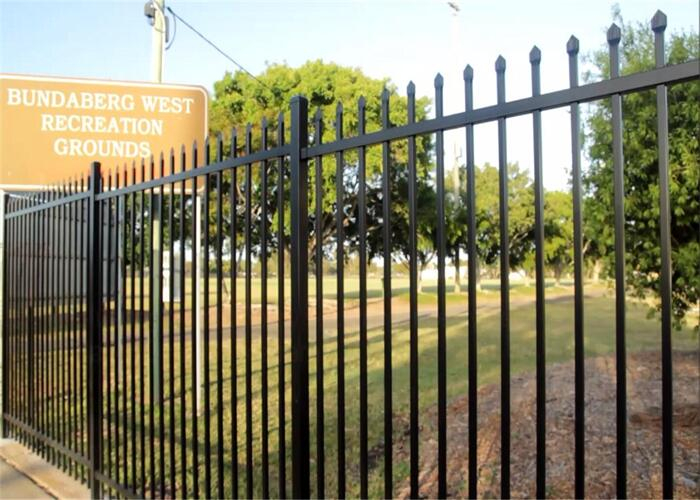
Tubular Steel Picket Fence is used for perimeter fencing, decorative garden edges, pool barriers, school and childcare boundaries, commercial facades and estate entries. Correct tube sizes, 100 mm upright spacing and matched fence height and post length allow the same system to move from simple garden borders to serious security applications without changing the visual style.

Benefits you gain and dangers you avoid
By specifying Tubular Steel Picket Fence with the right fence height, fence width, rail frame, upright tube size, 100 mm upright spacing and properly matched posts, you lock in key benefits and shut down the danger patterns that destroy many tubular fences. You gain a strong, rigid structure that does not twist or rattle, clean visual lines that match modern architecture, a durable powder coated finish that resists rust and fading and a system that installs cleanly and packs efficiently for delivery and future extension.
Final warning: do not ignore these Tubular Steel Picket Fence danger facts
Tubular Steel Picket Fence can be a powerful, long-lasting security and decorative solution when you respect the 7 danger facts outlined in this guide. Ignoring fence height and width rules, rail frame dimensions, upright tube size, 100 mm spacing, post selection, powder coating quality and packing standards turns your fence into a structural defect, a safety hazard and a source of ongoing loss. By using this article as your clear checklist, you avoid those traps, protect your budget and build a Tubular Steel Picket Fence system that stays strong, safe and impressive for many years.