Your One-Stop Wire Mesh Fence Supplier | POLYMETAL
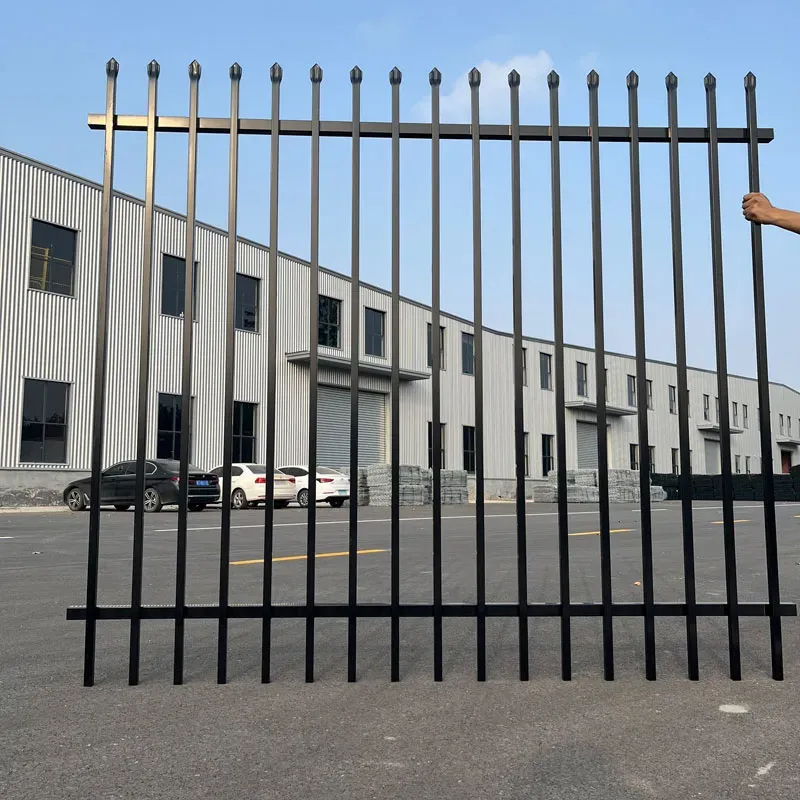

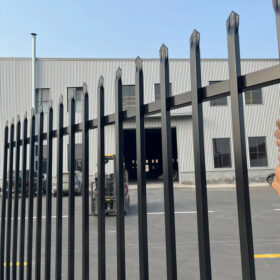
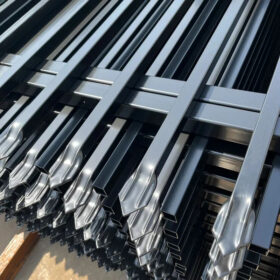
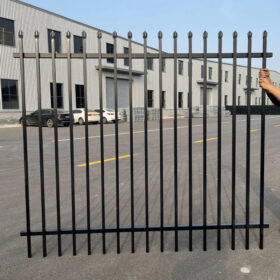
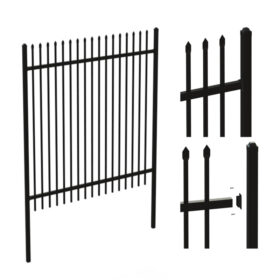
Tubular steel picket fence panels are not all created equal. Choose the wrong specification or finish and you can face rust, bending, premature failure and angry clients. Choose POLYMETAL tubular steel picket fence panels and you get controlled quality, predictable performance and a fence system that protects properties and your margin at the same time.


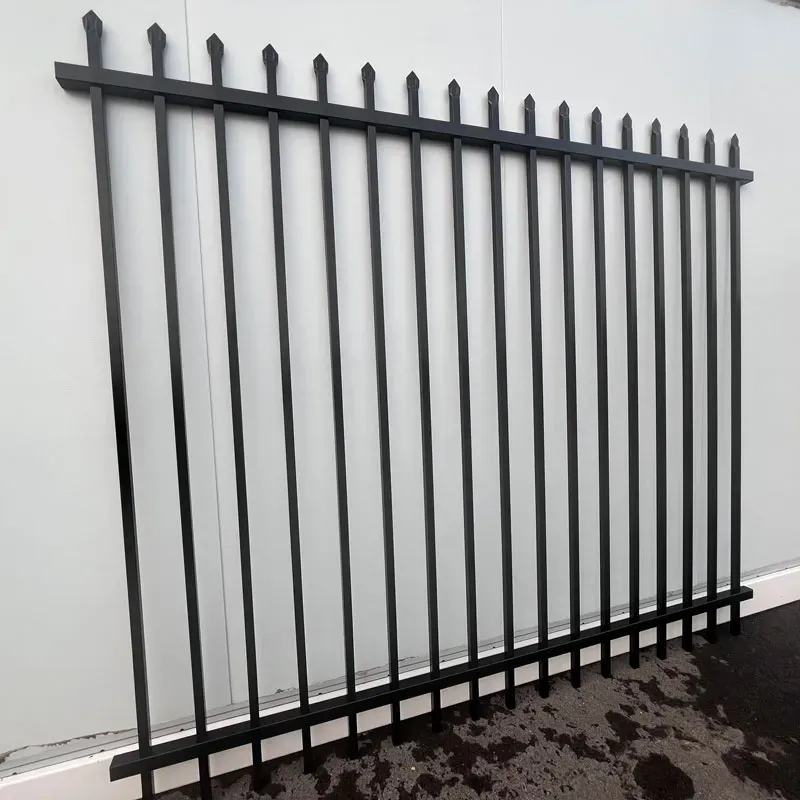
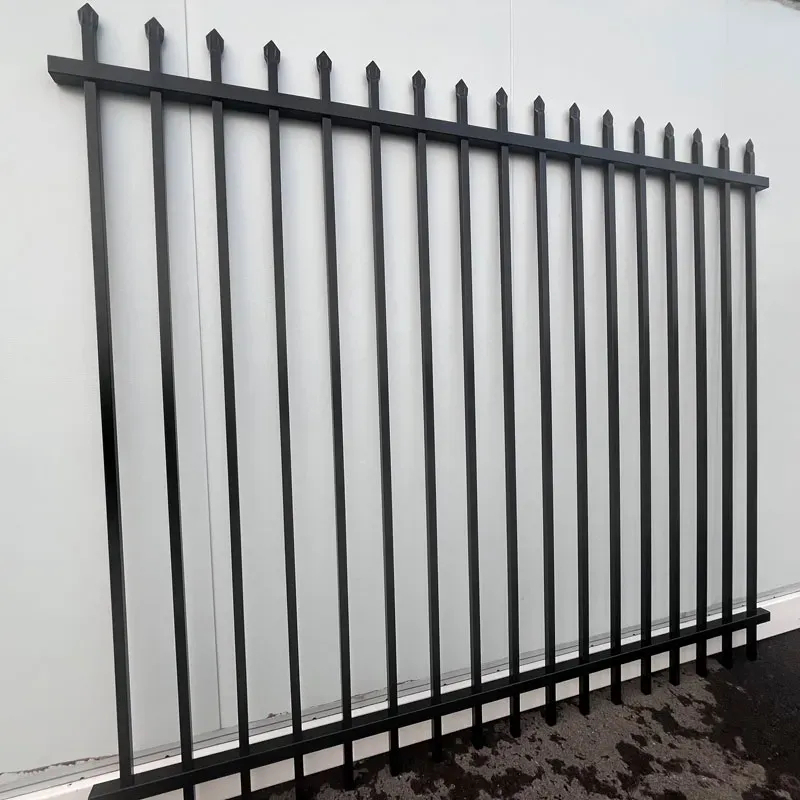
Specifications – POLYMETAL Tubular Steel Picket Fence Panels
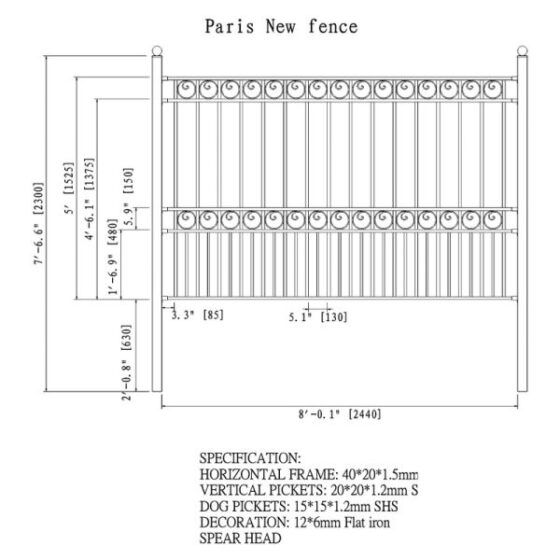
Below are example specification tables for POLYMETAL tubular steel picket fence panels. Each specification includes fence height, fence width, rail frame, upright size, upright spacing, post height and post option.
Table 1 – Residential Configurations
| Spec No. | Fence Height (mm) | Fence Width (mm) | Rail Frame (mm) | Upright (mm) | Upright Spacing (mm) | Post Height (mm) | Post Option (mm) |
|---|---|---|---|---|---|---|---|
| 1 | 1200 | 2400 | 40×40 | 25×25 | 100 | 2400 | 60×60 |
| 2 | 1200 | 2450 | 40×40 | 16×16 | 100 | 2400 | 65×65 |
| 3 | 1350 | 2400 | 40×40 | 25×25 | 100 | 2400 | 60×60 |
| 4 | 1350 | 2450 | 45×45 | 25×25 | 100 | 2400 | 65×65 |
| 5 | 1500 | 2400 | 40×40 | 30×30 | 100 | 2450 | 60×60 |
| 6 | 1500 | 2450 | 45×45 | 25×25 | 100 | 2450 | 65×65 |
| 7 | 1600 | 2400 | 45×45 | 25×25 | 100 | 2450 | 75×75 |
| 8 | 1600 | 2450 | 45×45 | 30×30 | 100 | 2450 | 75×75 |
| 9 | 1700 | 2400 | 45×45 | 25×25 | 100 | 2450 | 80×80 |
| 10 | 1700 | 2450 | 50×50 | 25×25 | 100 | 2450 | 80×80 |
Table 2 – Standard Commercial Configurations
| Spec No. | Fence Height (mm) | Fence Width (mm) | Rail Frame (mm) | Upright (mm) | Upright Spacing (mm) | Post Height (mm) | Post Option (mm) |
|---|---|---|---|---|---|---|---|
| 11 | 1800 | 2400 | 45×45 | 25×25 | 100 | 2450 | 75×75 |
| 12 | 1800 | 2450 | 45×45 | 30×30 | 100 | 2450 | 80×80 |
| 13 | 1900 | 2400 | 45×45 | 25×25 | 100 | 2450 | 75×75 |
| 14 | 1900 | 2450 | 50×50 | 25×25 | 100 | 2450 | 80×80 |
| 15 | 2000 | 2400 | 45×45 | 30×30 | 100 | 2450 | 80×80 |
| 16 | 2000 | 2450 | 50×50 | 25×25 | 100 | 2450 | 100×100 |
| 17 | 2100 | 2400 | 50×50 | 25×25 | 100 | 2450 | 80×80 |
| 18 | 2100 | 2450 | 50×50 | 30×30 | 100 | 2450 | 100×100 |
| 19 | 2100 | 2400 | 50×50 | 16×16 | 100 | 2450 | 75×75 |
| 20 | 2100 | 2450 | 50×50 | 25×25 | 100 | 2450 | 100×100 |
Table 3 – Enhanced Security Configurations
| Spec No. | Fence Height (mm) | Fence Width (mm) | Rail Frame (mm) | Upright (mm) | Upright Spacing (mm) | Post Height (mm) | Post Option (mm) |
|---|---|---|---|---|---|---|---|
| 21 | 1800 | 2400 | 50×50 | 30×30 | 100 | 2450 | 80×80 |
| 22 | 1800 | 2450 | 50×50 | 25×25 | 100 | 2450 | 100×100 |
| 23 | 2000 | 2400 | 50×50 | 30×30 | 100 | 2450 | 80×80 |
| 24 | 2000 | 2450 | 50×50 | 25×25 | 100 | 2450 | 100×100 |
| 25 | 2100 | 2400 | 50×50 | 30×30 | 100 | 2450 | 80×80 |
| 26 | 2100 | 2450 | 50×50 | 25×25 | 100 | 2450 | 100×100 |
| 27 | 2200 | 2400 | 50×50 | 30×30 | 100 | 2450 | 100×100 |
| 28 | 2200 | 2450 | 50×50 | 25×25 | 100 | 2450 | 100×100 |
| 29 | 2300 | 2400 | 50×50 | 30×30 | 100 | 2450 | 100×100 |
| 30 | 2300 | 2450 | 50×50 | 25×25 | 100 | 2450 | 100×100 |
Table 4 – Heavy-Duty and Custom Project Configurations
| Spec No. | Fence Height (mm) | Fence Width (mm) | Rail Frame (mm) | Upright (mm) | Upright Spacing (mm) | Post Height (mm) | Post Option (mm) |
|---|---|---|---|---|---|---|---|
| 31 | 2400 | 2400 | 50×50 | 30×30 | 100 | 2450 | 100×100 |
| 32 | 2400 | 2450 | 50×50 | 25×25 | 100 | 2450 | 100×100 |
| 33 | 2500 | 2400 | 50×50 | 30×30 | 100 | 2450 | 100×100 |
| 34 | 2500 | 2450 | 50×50 | 25×25 | 100 | 2450 | 100×100 |
| 35 | 2600 | 2400 | 50×50 | 30×30 | 100 | 2450 | 100×100 |
| 36 | 2600 | 2450 | 50×50 | 25×25 | 100 | 2450 | 100×100 |
| 37 | 2700 | 2400 | 50×50 | 30×30 | 100 | 2450 | 100×100 |
| 38 | 2700 | 2450 | 50×50 | 25×25 | 100 | 2450 | 100×100 |
| 39 | 2800 | 2400 | 50×50 | 30×30 | 100 | 2450 | 100×100 |
| 40 | 2800 | 2450 | 50×50 | 25×25 | 100 | 2450 | 100×100 |
You can adjust these configurations to match exact regional standards or project requirements, but keeping the structure of fence height, fence width, rail frame, upright size, 100 mm upright spacing, post height around 2400–2450 mm, and post options between 60×60 and 100×100 mm will maintain the performance balance that POLYMETAL tubular steel picket fence panels are designed to deliver.
21 Critical Insights About Tubular Steel Picket Fence Panels (Ignore #7 and You May Suffer a Real Loss)
1. The design detail that decides whether your fence stays straight for years
Rail frame sizes like 40×40 mm, 45×45 mm or 50×50 mm seem small, but that “detail” drives how well the panel resists wind load, impact and long-term sagging. POLYMETAL optimises the rail frame to match fence height and span so panels stay rigid instead of twisting out of line.
2. The harsh fact about cheap tubular steel picket fence panels
Many low-cost panels cut corners on steel thickness and coatings. The “fact” is simple: thin rails and poor galvanizing corrode faster, leading to repainting, panel replacement and callbacks that erase any savings you thought you made.
3. The uncomfortable truth about upright size and spacing
Uprights like 25×25 mm, 30×30 mm or 16×16 mm combined with 100 mm spacing define both security and appearance. Go too small or space too wide and you invite climbing and bending. POLYMETAL calibrates upright dimensions to resist deformation while keeping a neat architectural “truth” in the visual rhythm of the fence line.
4. The point where fence height silently becomes a liability
Once you move beyond 1500–1800 mm fence height, wind pressure and leverage increase sharply. If the rail frame, posts and foundations are not upgraded, tall tubular steel picket fence panels become a structural “point” of failure, not protection.
5. The small note in specifications that hides a big durability gap
Many spec sheets quietly skip details on pre-treatment, primer type and top-coat thickness. That missing “note” is often where long-term corrosion resistance is lost. POLYMETAL emphasises surface preparation and coating systems so the colour and protective layer stay locked to the steel.
6. The tip that stops you overpaying for unnecessary post sizes
Bigger posts like 100×100 mm look impressive, but not all projects need them. The smart “tip” is to size posts to wind region, fence height and soil conditions. POLYMETAL provides design guidance so you don’t overspec and waste budget – or underspec and face failures.
7. The hidden hint about post height that can destroy your installation
This is the one most people miss. Posts must be long enough to allow proper embedment or base-plate design. If you match post height too closely to fence height instead of using 2400 mm or 2450 mm posts for 1200–2100 mm panels, you risk pull-out, leaning and catastrophic fence “misstep” after storms. This overlooked “hint” can cost you complete re-installation.
8. The idea that turns your fence from cost centre into asset
Treating tubular steel picket fence panels as disposable is a costly mindset. The strategic “idea” is to view a POLYMETAL fence as part of the long-term asset value of the property – with clean lines, consistent colour and solid security that support resale value.
9. The angle installers use to cut their own labour time
Professional installers look for a manufacturing “angle”: panels must be square, welds consistent and dimensions precise so installation flows quickly. POLYMETAL focuses on tight tolerances so panels drop neatly between posts without on-site rework that burns labour.
10. The aspect of quality you only see after five winters
A brand-new fence can hide bad welds and poor galvanizing. The “aspect” that really counts shows up after rain, sun and frost cycles. POLYMETAL welds, smooths and protects joints carefully so you don’t get rust spots and staining at critical junctions.
11. The critical element in matching panels, posts and gates
A fence is a system, not just panels. The missing “element” in many designs is coordination between panels, posts, brackets and gates. POLYMETAL treats every component as part of one engineered system so heights, widths and fixings align without ugly gaps.
12. The feature that separates serious security from decoration
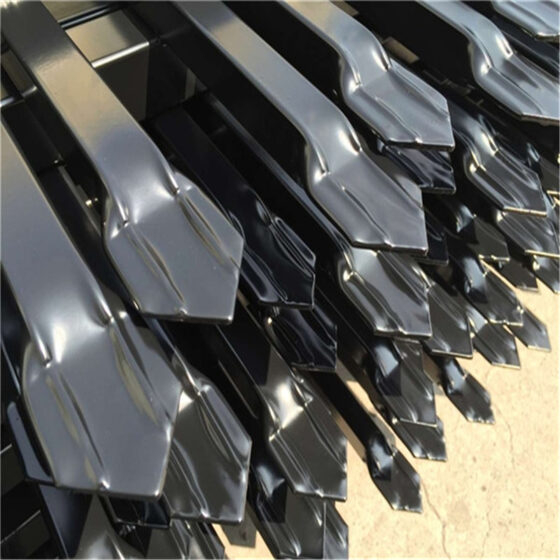
When tubular steel picket fence panels are used for security, things like spike tops, anti-climb spacing and panel stiffness become major “features”. POLYMETAL offers options to change the top profile and upright configuration, turning a decorative perimeter into a genuine barrier.
13. The trait that reveals a reliable fencing supplier
Consistency is a defining “trait”. If each batch of panels varies in shade, dimension or weld quality, your project becomes a patchwork. POLYMETAL maintains production control so every shipment matches the last, making repairs and extensions straightforward.
14. The side of the cost equation most buyers ignore
People look at the price per panel and forget the “side” of total lifecycle cost. Painting, rust treatment, replacement parts and labour over ten years often exceed the original price. Durable POLYMETAL tubular steel picket fence panels are designed to slash that long-term spend.
15. The view that keeps safety inspectors on your side
From the inspector’s “view”, a fence must be structurally sound, free of sharp edges, with adequate height and proper fixings. POLYMETAL panels and posts are engineered with safety and compliance in mind to avoid inspection failures and project delays.
16. The insight hidden in post option choices
Post options such as 60×60, 65×65, 75×75, 80×80 and 100×100 mm offer a valuable “insight” into structural performance. Larger sections resist bending and twisting, especially at gates and corners. POLYMETAL helps you match post profiles to each application so you don’t gamble with stability.
17. The uncomfortable finding about low-grade coatings
Independent tests repeatedly show that low-grade coatings chalk, fade and crack early. The “finding” is clear: poor coating systems are a hidden trap. POLYMETAL focuses on robust, UV-resistant finishes to keep colour strong and the steel below protected.
18. The discovery that your brand image is on the fence line
Clients, tenants and visitors see your fence before they see your logo. The “discovery” many businesses make too late is that tired, rusting fences drag down their perceived quality. POLYMETAL tubular steel picket fence panels project order, strength and professionalism.
19. The lesson every repeat buyer eventually learns
The hard “lesson” is that bargain fencing is expensive fencing when you factor in failure, repair and replacement. Most professionals who switch to POLYMETAL panels stick with them because the long-term performance protects both reputation and margin.
20. The rule for avoiding catastrophic structural failures
There is a simple “rule”: fence height, rail frame, upright size, spacing and post section must all scale together. Ignore this and you create weak links. POLYMETAL designs combinations that keep every part of the system in balance.
21. The principle that protects you from crisis
Your final “principle” is risk control. By choosing a proven brand, clear specifications and properly matched components, you reduce the chance of crisis events like panel collapse, injury or security breaches. POLYMETAL tubular steel picket fence panels help you manage that risk instead of creating it.
Product Description – POLYMETAL Tubular Steel Picket Fence Panels
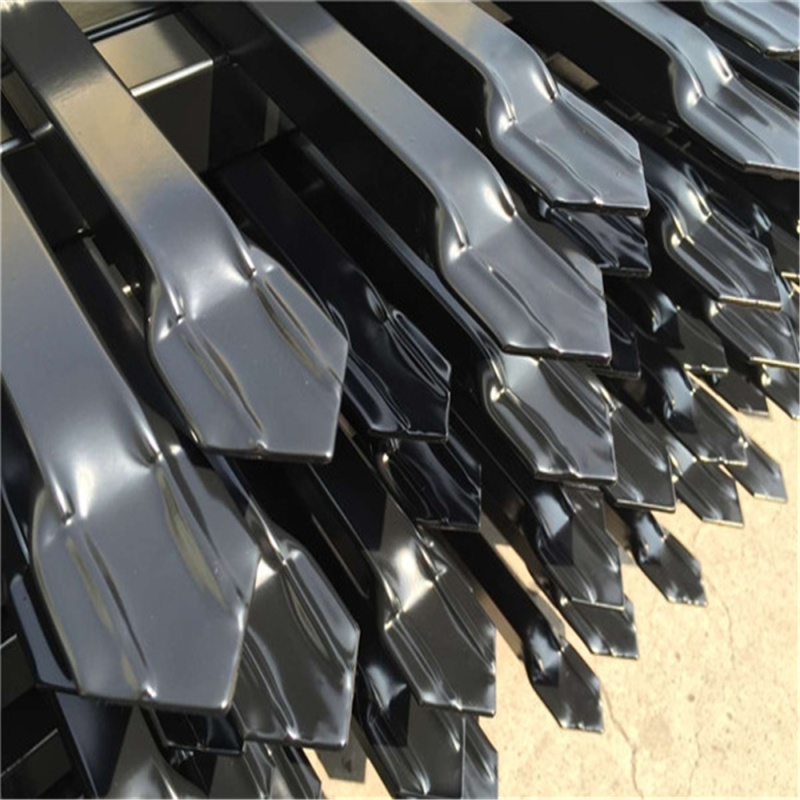
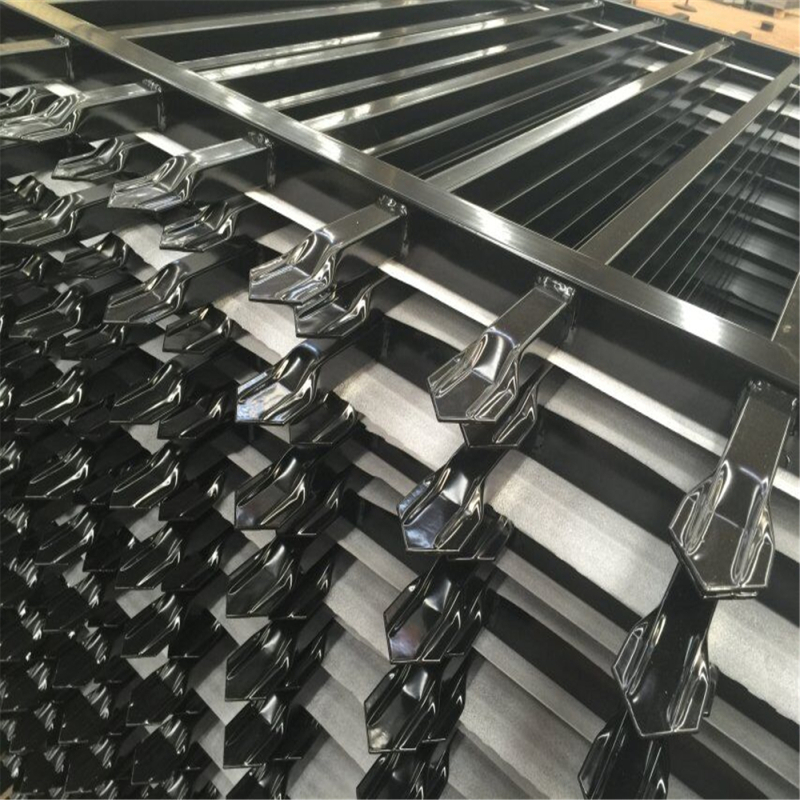
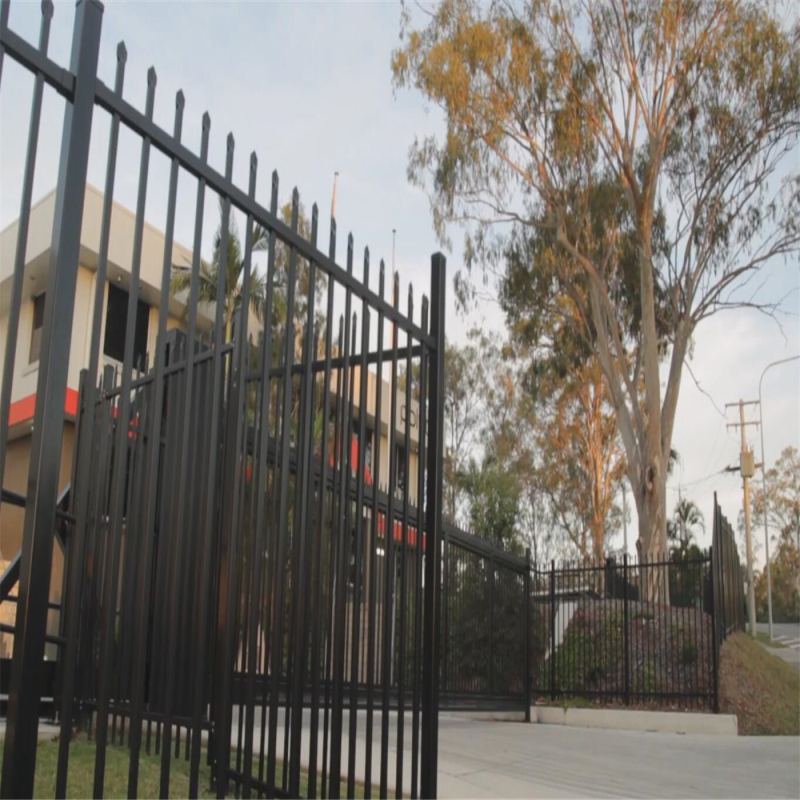
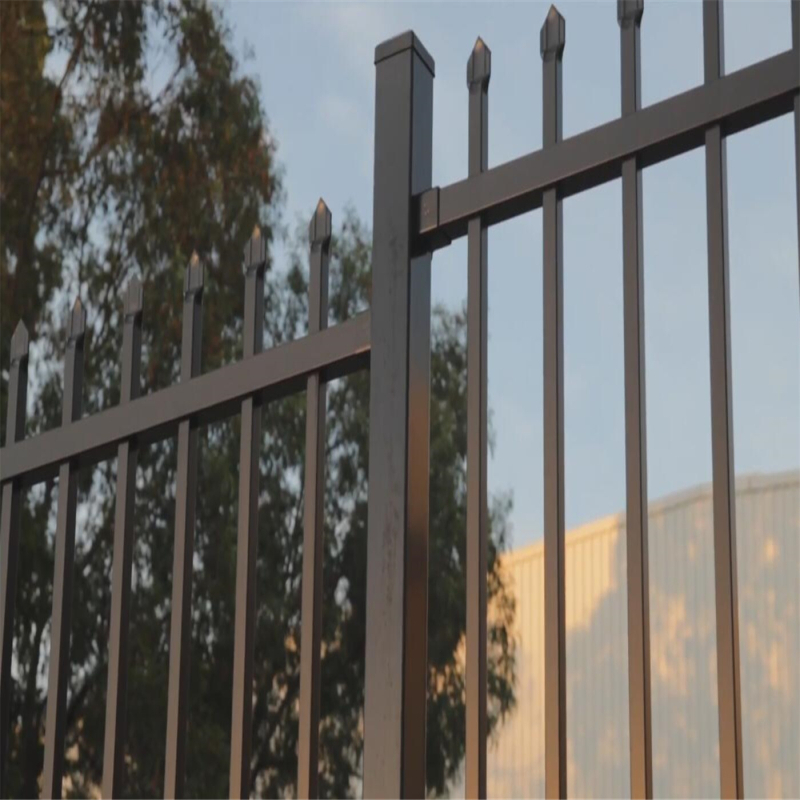
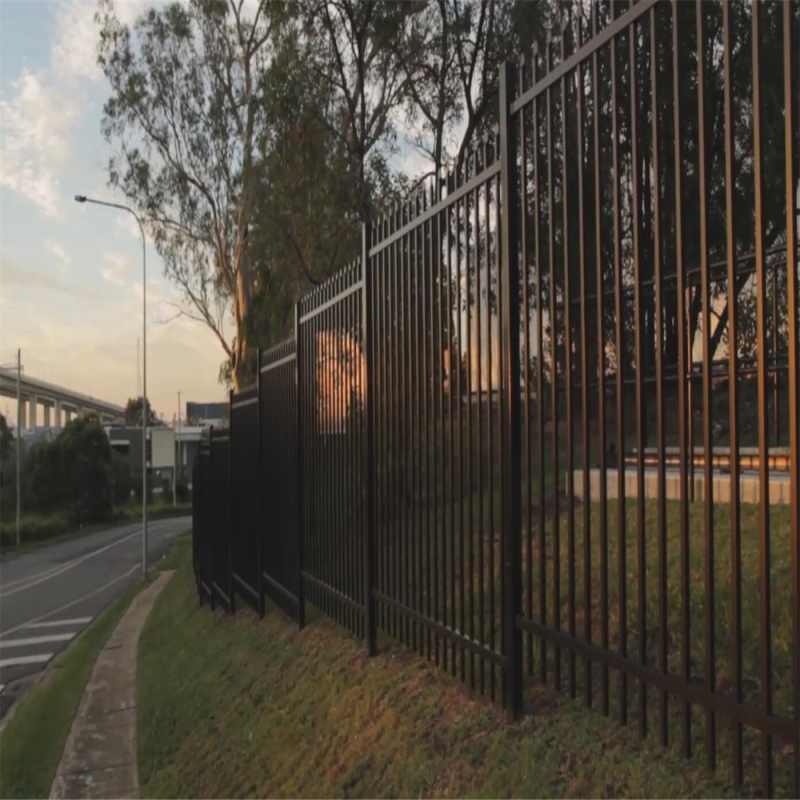
POLYMETAL tubular steel picket fence panels are engineered perimeter solutions designed for residential, commercial and light-industrial applications where appearance and security must work together. Each panel combines precision-rolled tubular steel rails with square or rectangular uprights, welded into a rigid frame that resists impact and deformation. Standard fence heights typically range from 1200 mm to 2100 mm, matched with post heights such as 2400 mm or 2450 mm to allow correct footing depth and anchorage. Fence widths of 2400 mm or 2450 mm provide efficient coverage along straight runs while limiting the number of posts required.
The rail frame is manufactured in robust sections such as 40×40 mm, 45×45 mm or 50×50 mm to suit the height and security requirements of each project. Uprights in 25×25 mm, 30×30 mm or 16×16 mm profiles are welded at a regular 100 mm spacing, creating a consistent vertical rhythm that deters climbing while maintaining clear visibility through the fence. Each weld is controlled for penetration and alignment to prevent localised weakness or premature cracking at joints.
Surface preparation and finishing are carried out to support long-term corrosion resistance and colour retention. Steel tube is carefully cleaned before coating to remove contaminants, and finishes are formulated to stand up to outdoor exposure, limiting the risk of chalking, flaking and rust streaks on the fence or surrounding hardscape. The result is a fence line that remains straight, true and visually sharp for many years, even in demanding conditions.
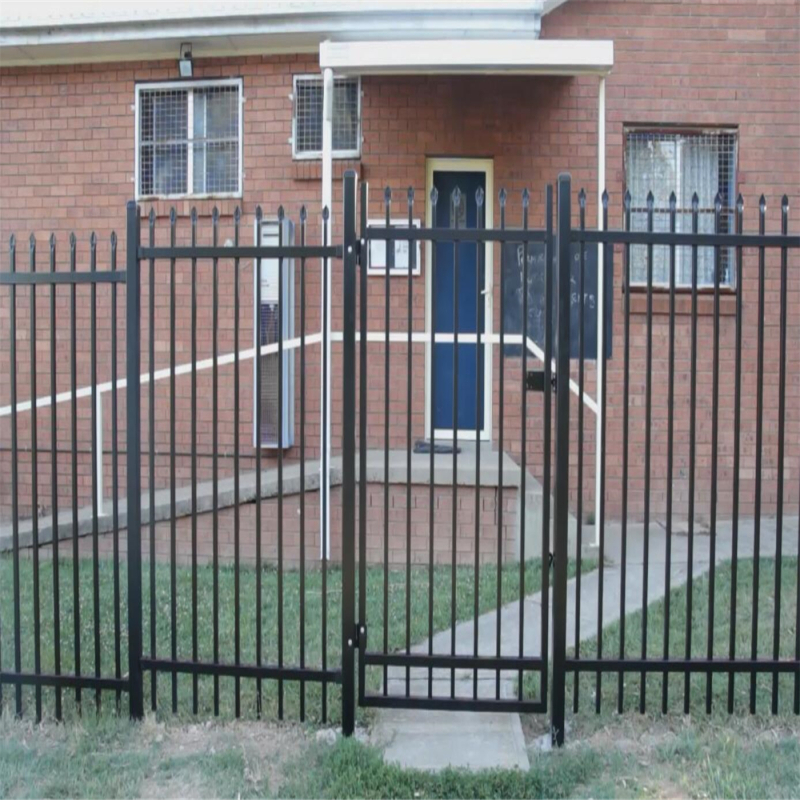
POLYMETAL tubular steel picket fence panels integrate smoothly with matching posts, gates and hardware such as garrison fencing brackets. Post options in 60×60, 65×65, 75×75, 80×80 and 100×100 mm sections allow the system to be tuned for light residential, high-traffic commercial or higher-security perimeters. Corners, ends and gate openings can all be handled with compatible accessories, ensuring that the fence system delivers consistent structural performance and a coherent architectural look across the entire boundary.
Production Process
Steel selection and cutting
POLYMETAL begins with quality tubular steel, chosen for strength, straightness and weldability. Tubes are checked for dimensional accuracy before being cut to precise rail and upright lengths using controlled cutting equipment. This stage sets the foundation for panels that fit together cleanly on site without forcing or bending components into line.
Rail frame assembly and welding
Cut rails and uprights are arranged in jigs that lock them to the specified fence height, width and spacing. This jig-based approach keeps 100 mm upright spacing accurate across the entire panel width. Skilled welders or automated welding systems then join uprights to the top and bottom rails, creating a strong frame that resists racking and twisting.
Post fabrication
Posts in sizes such as 60×60, 65×65, 75×75, 80×80 and 100×100 mm are cut to heights like 2400 mm or 2450 mm to suit fence heights from 1200 mm up to around 2100 mm and beyond. Top caps and base plates, where required, are fitted so that posts are sealed against water ingress and ready for either in-ground concreting or surface mounting.
Surface preparation
Before coating, assembled panels and posts are cleaned to remove oil, mill scale and contaminants. This preparation step is essential to avoid coating “failure” caused by poor adhesion. Proper pre-treatment ensures that the protective and decorative finish bonds tightly to the steel surface.
Coating and curing
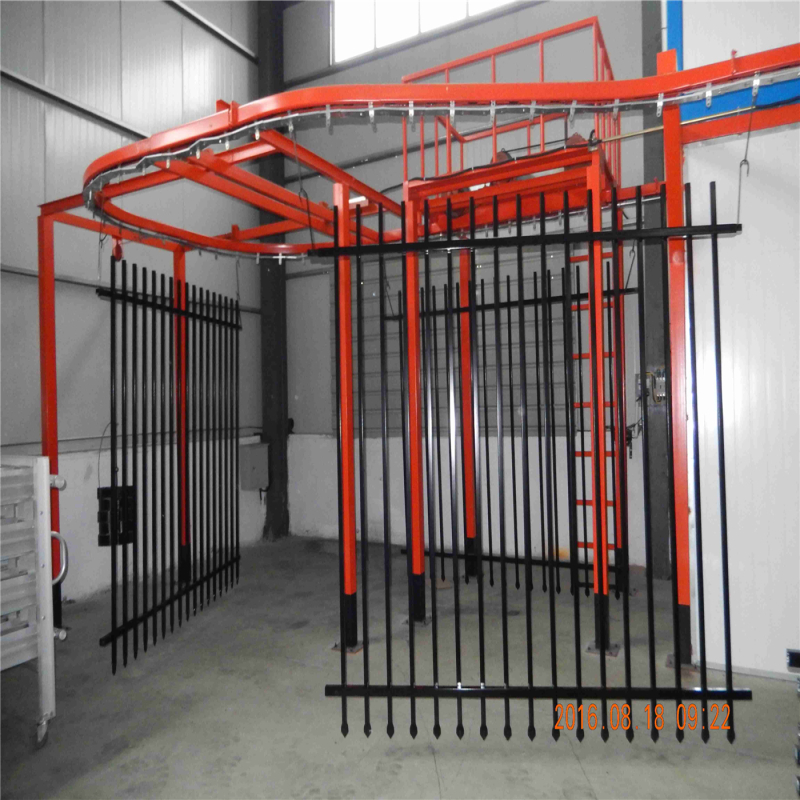
Panels and posts are then finished with a protective coating system designed for exterior use. The coating is applied to achieve an even film build across welds, edges and flat sections. Curing is controlled so the finish reaches full hardness and durability, resisting everyday knocks, weathering and UV exposure.
Final inspection and packing
Each tubular steel picket fence panel and post is visually inspected for weld quality, straightness, coating coverage and colour consistency. Dimensions are spot-checked to confirm compliance with POLYMETAL standards. Only after passing these checks are panels packed for shipment to reduce the risk of transport damage.
Packing
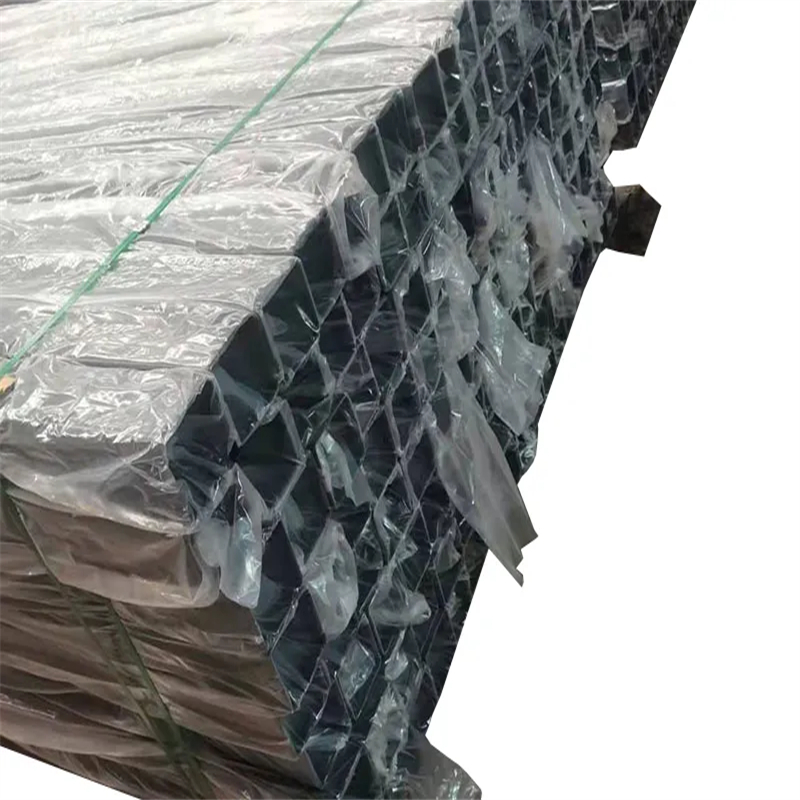
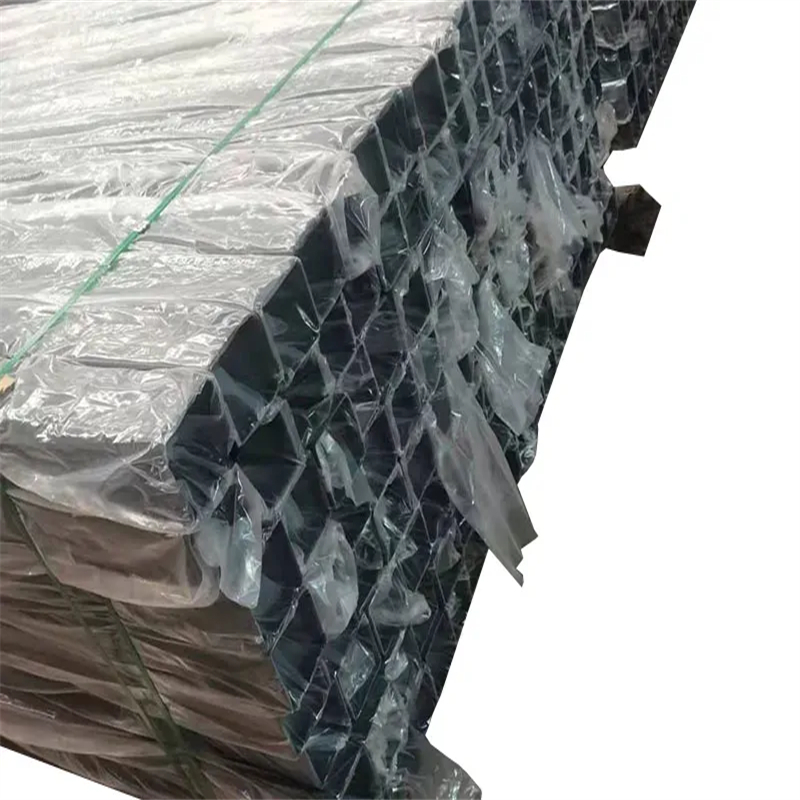
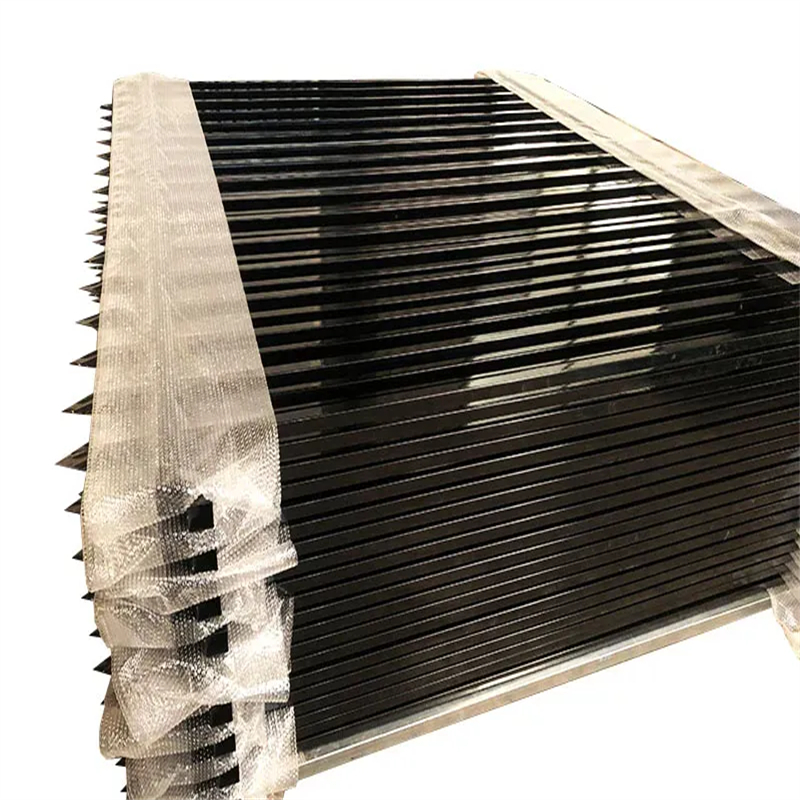
POLYMETAL tubular steel picket fence panels are packed to protect both the coating and the structural alignment of the product. Panels are stacked in bundles with protective separators between coated surfaces to prevent abrasion, especially along the rail edges and upright tops. The bundles are strapped securely so that panels do not rub against each other during handling.
Posts are bundled separately, with plastic caps or protective coverings over open ends to keep out moisture and debris. Brackets, fasteners and accessories are grouped and clearly labelled for easy identification on site. All bundles are designed for efficient handling by forklift or crane, reducing the risk of accidental impact damage. Clear labelling on each package helps installers quickly identify fence height, width, rail frame, upright profile and post option so that the correct materials are moved to the right areas of the project.

Standards and Quality Approach
POLYMETAL applies a standards-driven approach to tubular steel picket fence panels. Dimensional tolerances on rail frame sizes such as 40×40 mm, 45×45 mm and 50×50 mm are controlled so that panel widths remain consistent and the installed fence line appears straight. Upright spacing is maintained at 100 mm across the panel width to deliver both the required visual effect and a predictable security profile.
Quality checks cover weld integrity, surface preparation and coating thickness, as well as verification that post options like 60×60, 65×65, 75×75, 80×80 and 100×100 mm are correctly matched to the intended fence height and application. For projects that also need short-term perimeter control around construction or event sites, these permanent systems can work alongside solutions such as temporary fencing melbourne to cover both temporary and long-term security requirements. By standardising on proven combinations of fence height, fence width, rail frame, upright size, spacing, post height and post section, POLYMETAL reduces the risk of performance “gaps” that could otherwise lead to weakness, structural “defects” or early “damage” in service.