Your One-Stop Wire Mesh Fence Supplier | POLYMETAL
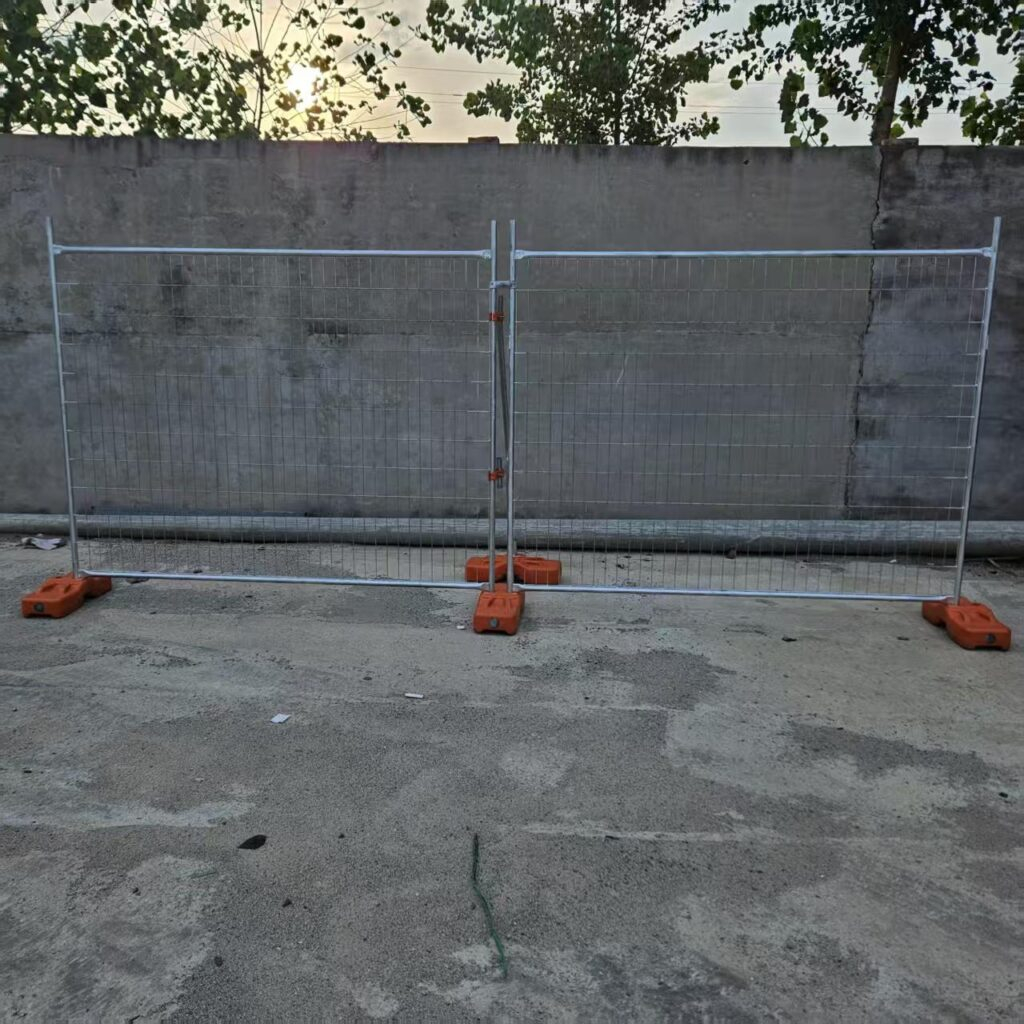
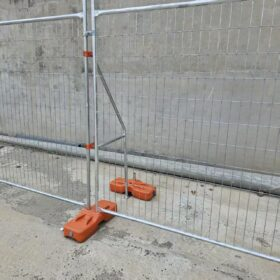
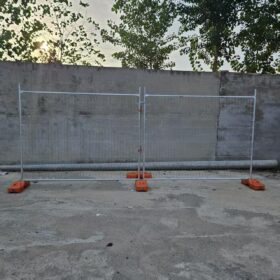
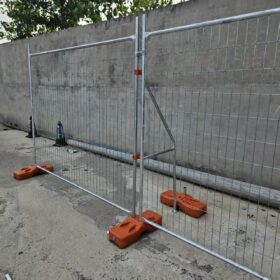
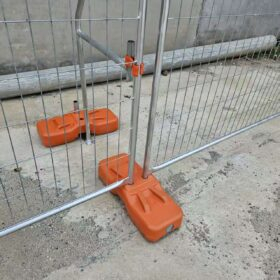
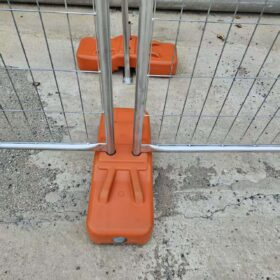
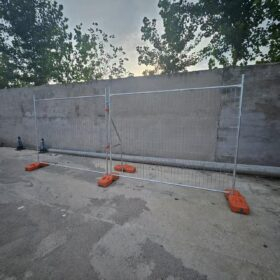
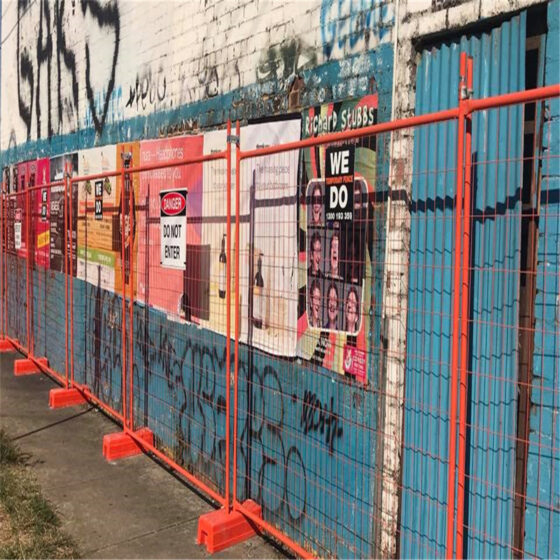
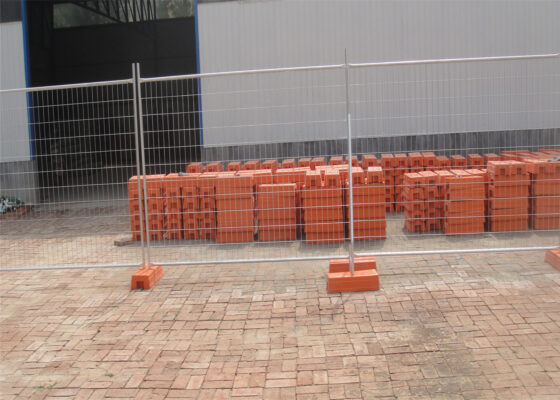
Temporary Fencing Melbourne is used every day on construction sites, roadworks, events and emergency works to control crowds, protect the public and secure valuable equipment. When the system is engineered properly, POLYMETAL temporary fencing delivered into the Melbourne market forms a strong, stable barrier that is fast to install, easy to move and reliable under wind, rain and crowd pressure. A welded mesh infill with the right wire diameter, fixed into a robust circular frame tube such as OD32 mm, OD38 mm, OD40 mm or OD41 mm, gives a clear security edge without turning your site into a solid wall.
Across Melbourne’s construction and event sectors, typical panel dimensions are about 2100 mm high and 2400 mm wide, with mesh openings around 60 × 150 mm and wire diameters from 2.7 mm up to 4.0 mm. Frame thickness options from 1.0 mm through 1.2 mm, 1.4 mm, 1.5 mm and 2.0 mm, combined with galvanized finishes from about 14 microns up to 42 microns and 100 microns, allow POLYMETAL to tune each panel to match local wind zones, hire fleet cycles and project budgets. However, misunderstanding these data points can turn Temporary Fencing Melbourne into a dangerous trap rather than a safety solution.
The following sections expose critical risks, dangers, flaws and pitfalls hiding behind cheap-looking offers. They show how POLYMETAL uses verified data, production rules and standards to transform Temporary Fencing Melbourne from a possible crisis into a serious safety and profit asset, and how this approach aligns closely with Australian temporary fencing solutions.
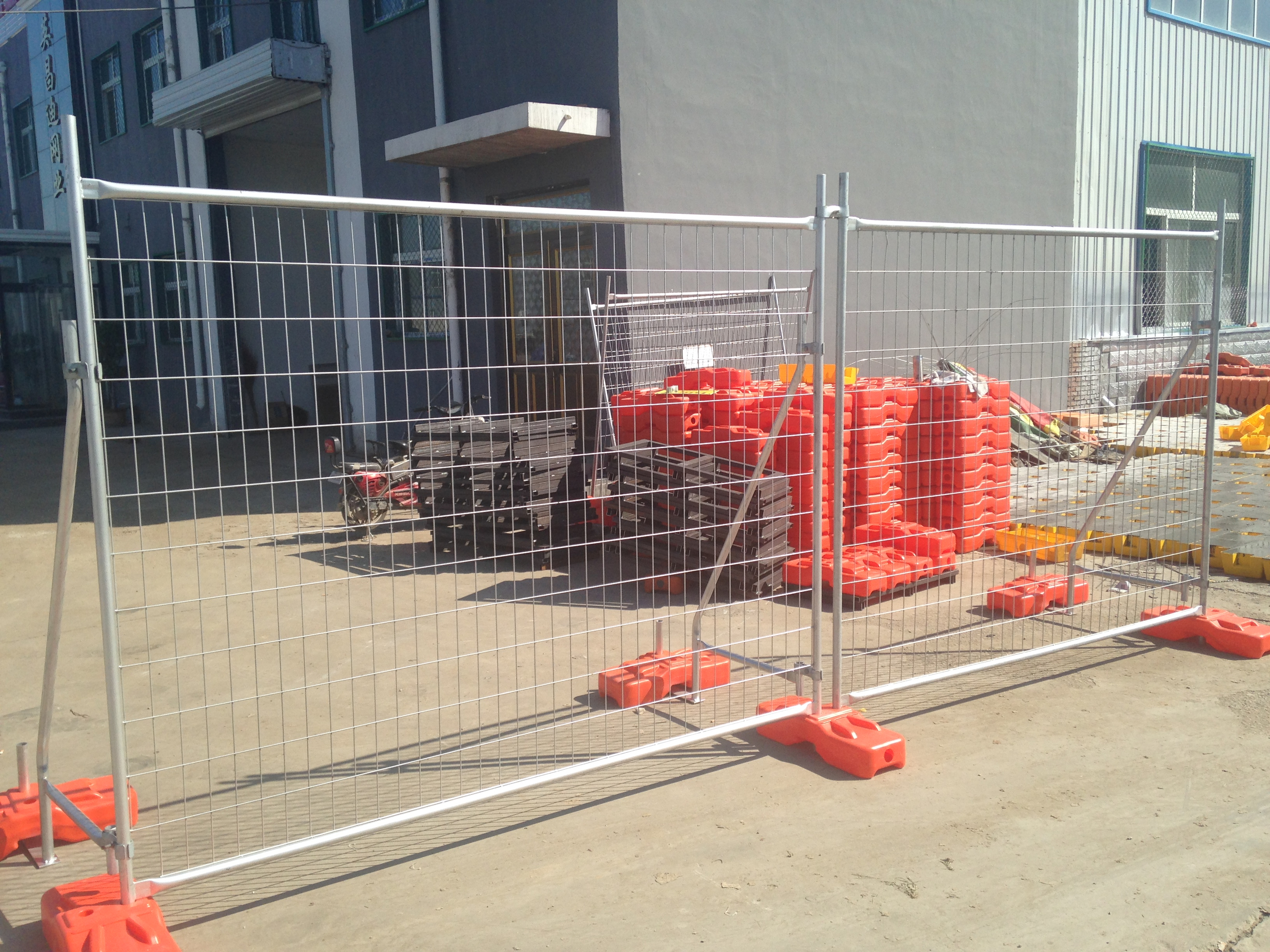
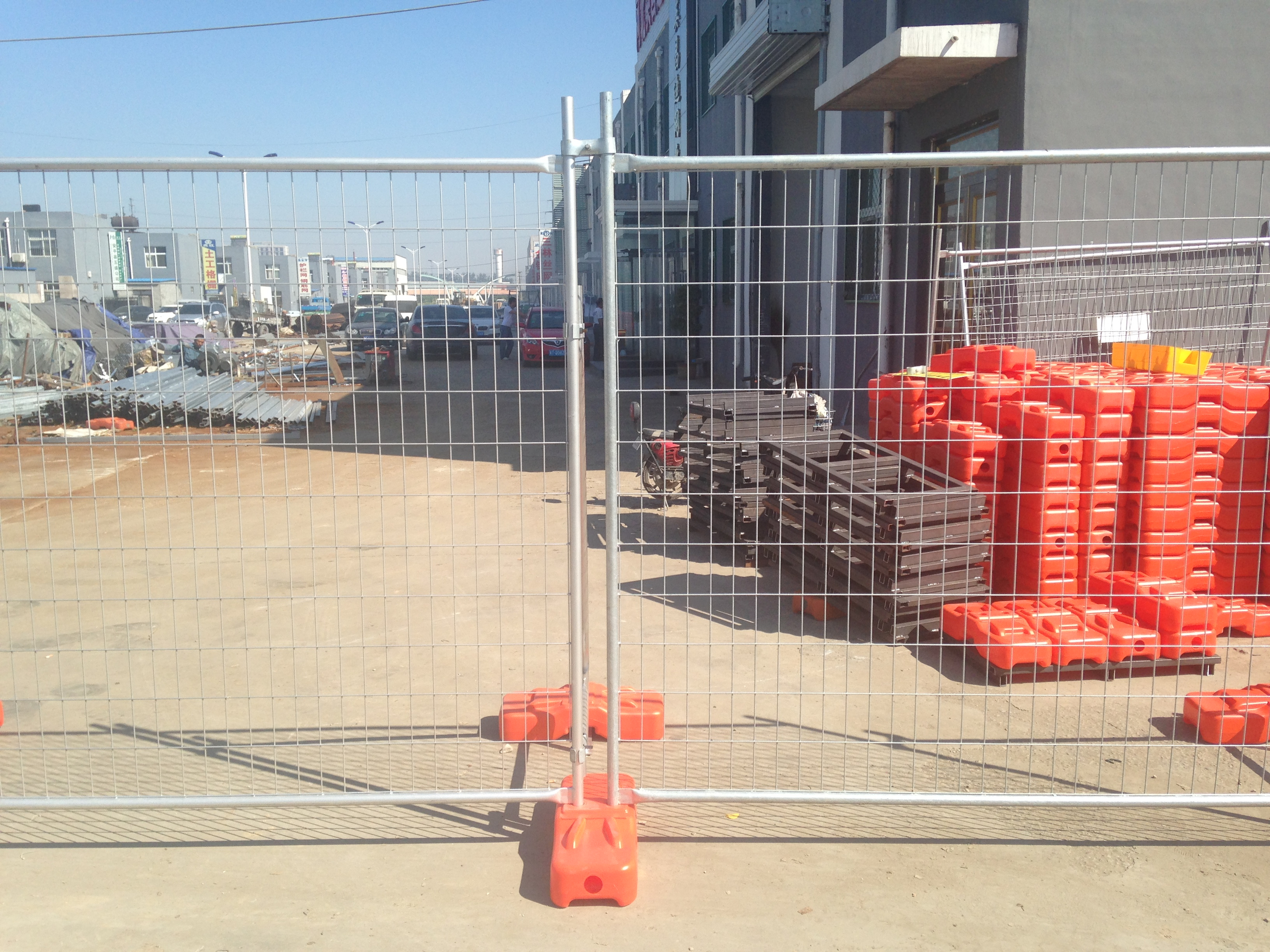
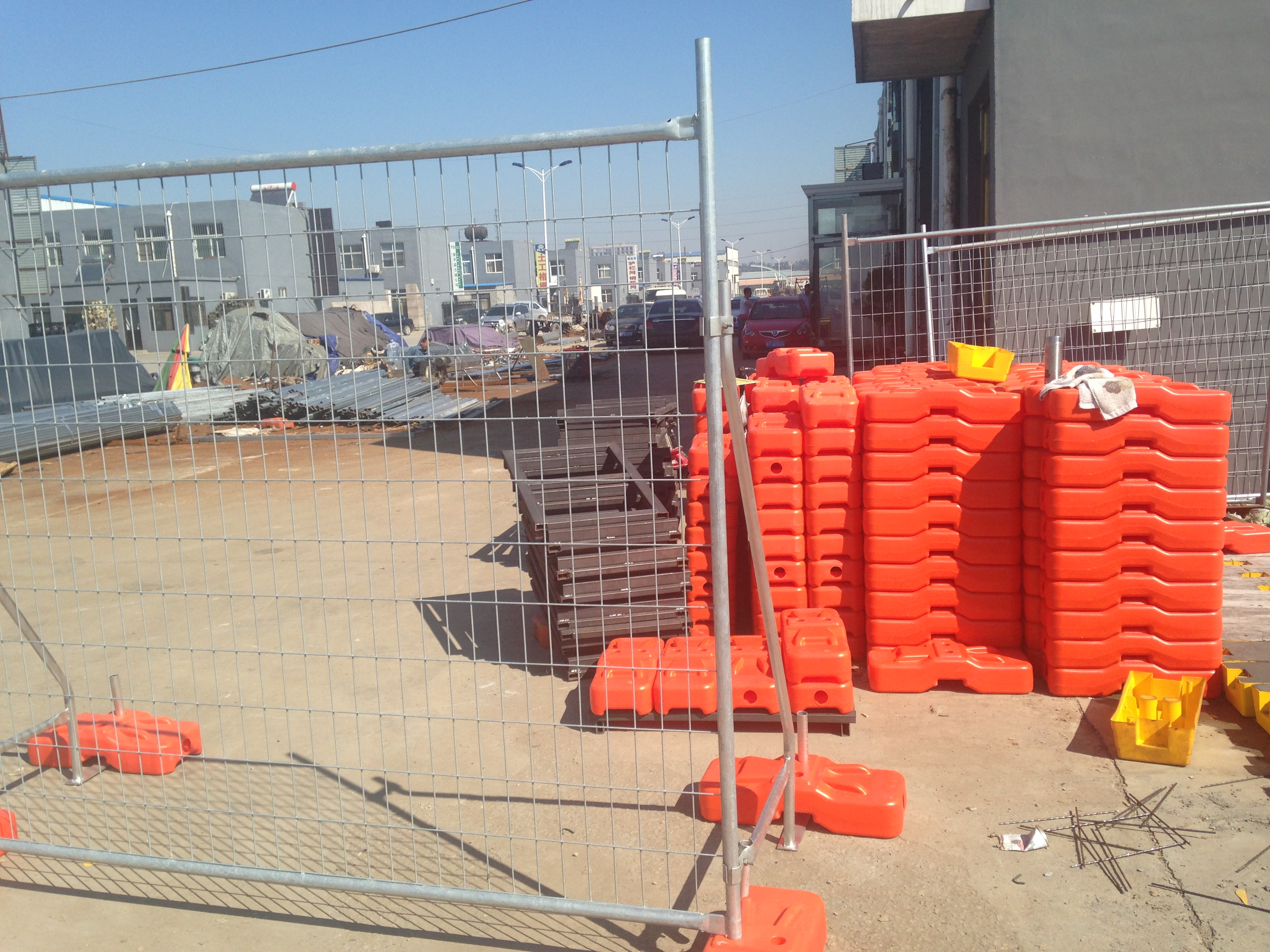
17 Critical Risks, Dangers and Warnings in Temporary Fencing Melbourne
Risk 1 – The hidden cost of wrong frame tube diameter
One of the most serious dangers in Temporary Fencing Melbourne is choosing frames with the wrong tube size. A panel built with OD32 mm tube and 1.0 mm wall can look similar in a photo to one with OD40 mm and 1.5–2.0 mm wall, but the structural behaviour is completely different. Under Melbourne’s gusty winds or a strong crowd push, the lighter tube can bend or fold, turning your fence line into a dangerous failure zone.
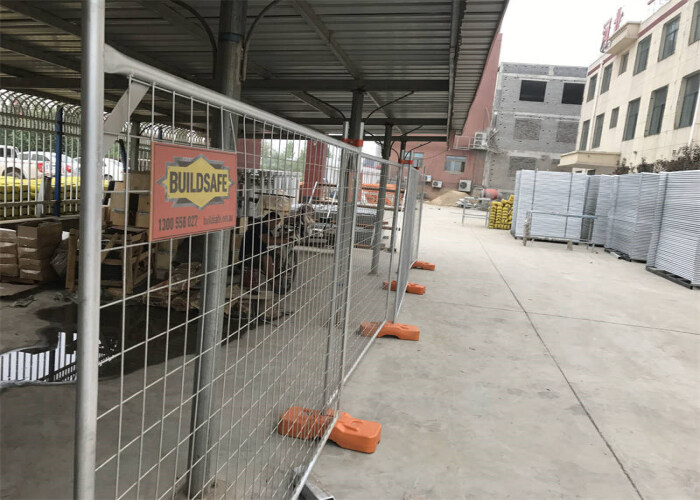
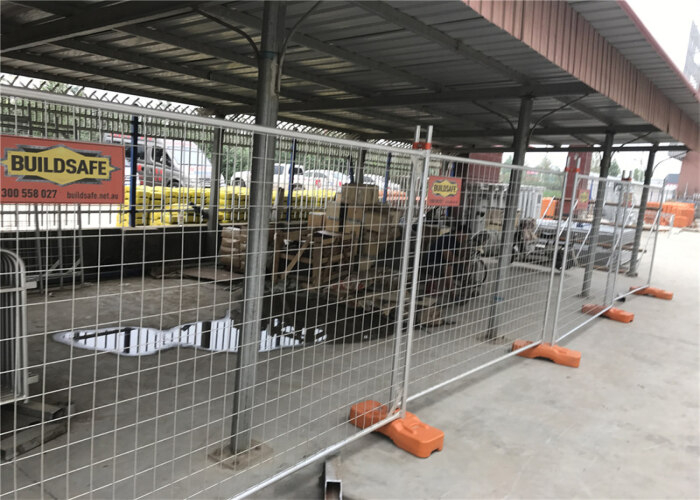
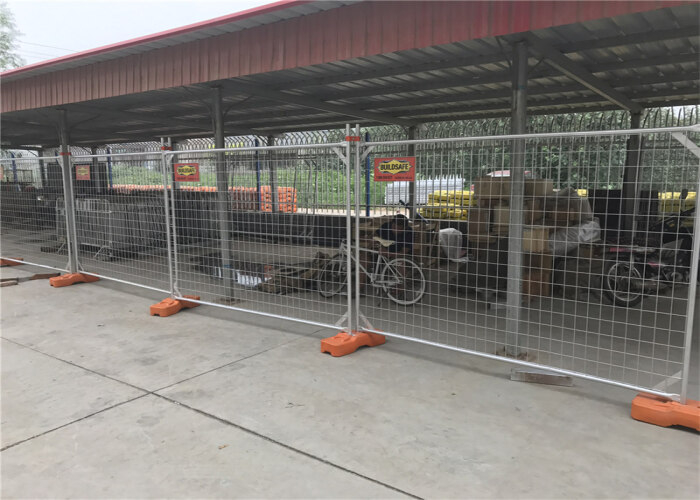
Danger 2 – The illusion that every “2100 × 2400 mm panel” is the same
Many buyers believe the myth that all 2100 mm × 2400 mm panels are identical. This illusion hides critical differences in mesh opening, wire diameter, frame thickness and zinc coating. Two panels can share the same size but have completely different strength and life span. Treating all panels as equal is a dangerous bias that leads straight to damage, waste and unexpected loss.
Problem 3 – Misreading mesh opening and wire diameter
Mesh opening at 60 × 150 mm is a common pattern in Temporary Fencing Melbourne, but the wire diameter—2.7 mm, 3.0 mm or 4.0 mm—changes the entire strength profile. Choosing 2.7 mm wire for a high-risk demolition or heavy event site where 4.0 mm is needed is a serious problem. The mesh deforms, welds crack and the panel loses shape, especially when people lean or push against it.
Trap 4 – Underestimating frame wall thickness
Frame thickness from 1.0 mm to 2.0 mm looks like a small detail on paper, but in real conditions it is a critical rule. A 2100 × 2400 mm panel with OD38 mm × 1.0 mm frame is much easier to twist and buckle than one with OD38 mm × 1.5–2.0 mm. The trap is that thin-wall frames feel acceptable when new and unloaded but fail suddenly in high wind or crowd conditions.
Pitfall 5 – Treating zinc thickness as marketing decoration
Finishes such as 14 microns HDG, 42 microns hot dipped galvanized and 100 microns hot dipped galvanized are not just marketing words—they are hard data on how long the panel will resist rust. Using 14 microns coating on long-term industrial hire fleets in Melbourne’s coastal or industrial zones is a pitfall that leads to fast corrosion, coating bubbles, structural thinning and early replacement.
Drawback 6 – No clear lesson on site environment and risk level
Temporary Fencing Melbourne must match environment and risk: inner-city CBD road closures, suburban housing estates, long-term industrial projects and short festival events all need different panel profiles. Treating every site the same is a serious drawback. Without a clear lesson on environment, buyers either overspend on over-spec panels or suffer failures from under-spec systems.
Downside 7 – Weak or badly filled feet that turn panels into a hazard
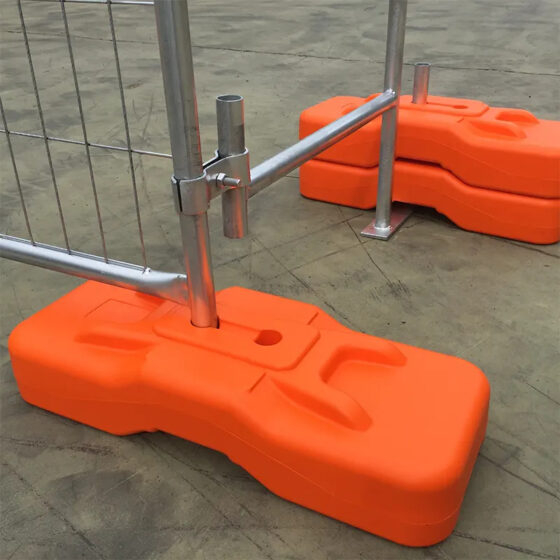
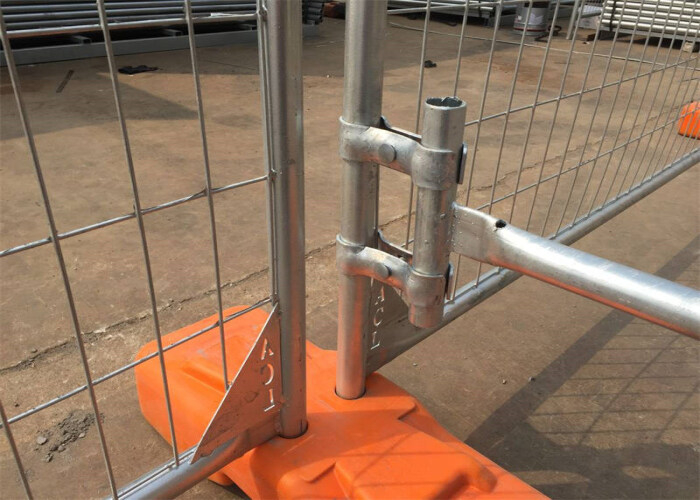
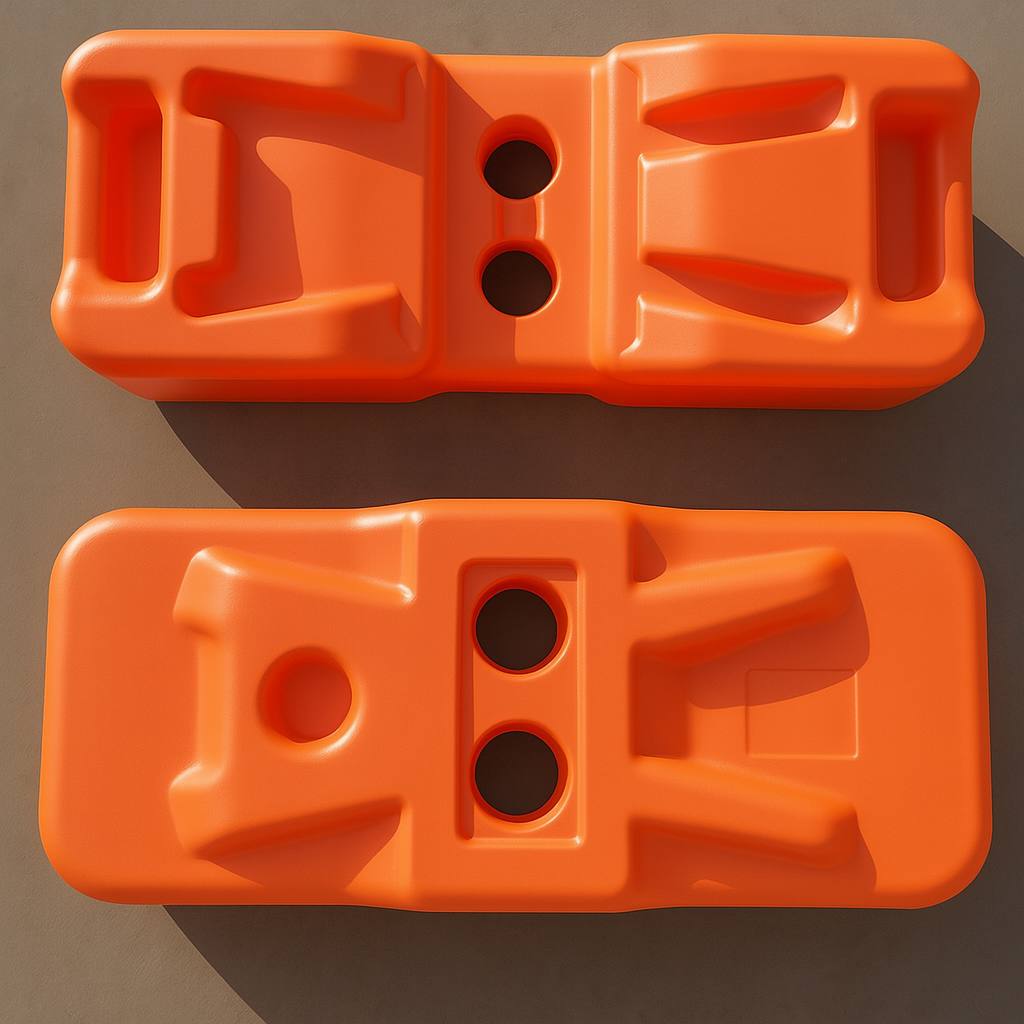
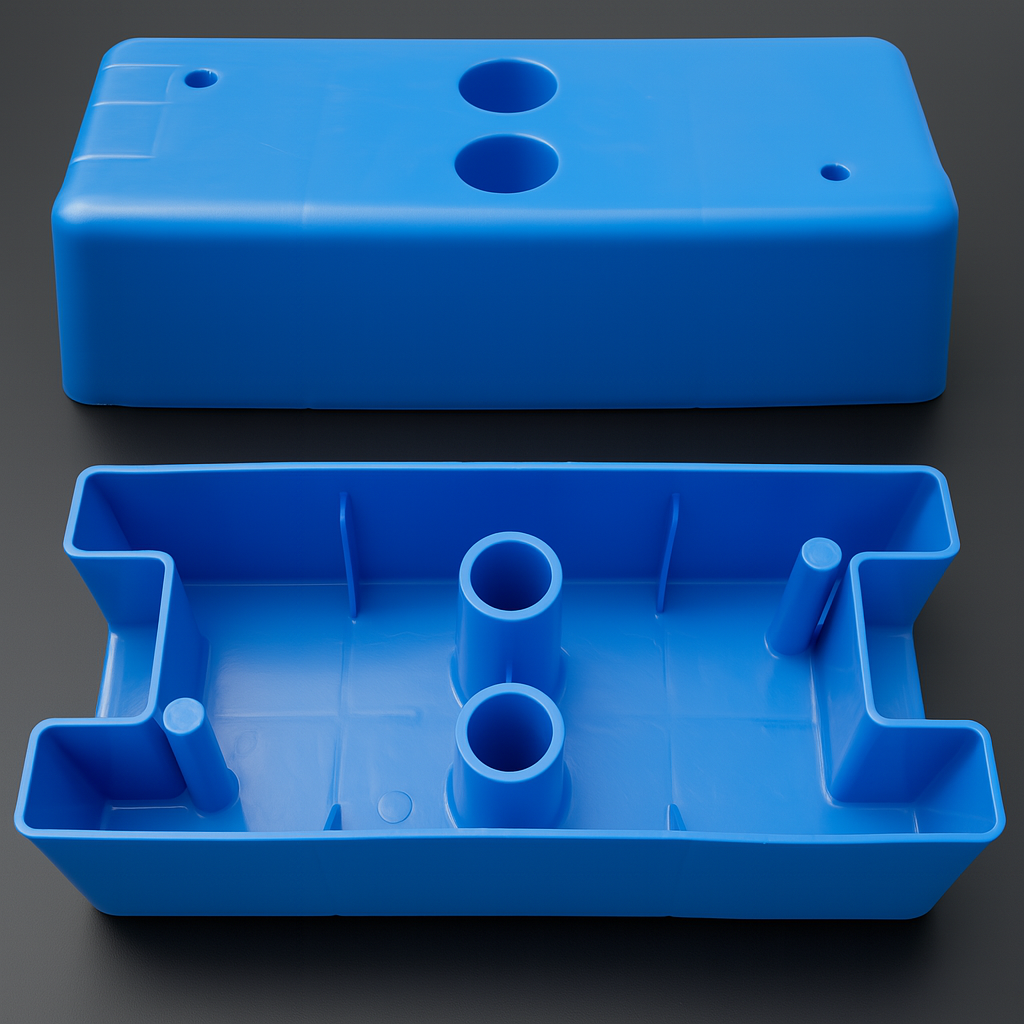
Even the best POLYMETAL panel becomes a weakness if the feet are too light, brittle or incorrectly filled. Concrete blocks with poor mix, cracked plastic feet, or feet not filled to the right level create a downside where an otherwise strong fence can topple during Melbourne storms. Ignoring feet quality and ballast data is a direct route to accidents, damage and crisis.
Weakness 8 – Gaps, misfit and loopholes in Temporary Fencing Melbourne layouts
Fast-moving sites often install panels quickly, leaving small ground gaps, corner misalignments and ad-hoc gate openings. Each gap is a loophole in your safety control. Children, pets or intruders can slip through, or debris can escape onto roads. This weakness is usually not a material flaw but a missing checklist and layout guide for installers.
Flaw 9 – No reliable checklist for couplers and bracing
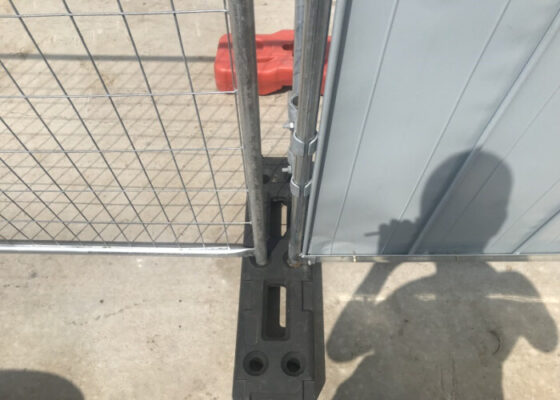
Couplers and bracing bars are small components with large safety impact. Cheap, thin couplers crack under load; missing bracing at corners or along long runs is a flaw that only becomes visible in extreme weather. Without a simple checklist for bracing intervals and coupler torque, a strong panel system can still fail at its connectors.
Fault 10 – Ignoring Melbourne wind and crowd patterns
Temporary Fencing Melbourne is exposed to changeable wind directions, coastal gusts and dense crowd behaviour at festivals and events. Using the lightest possible specification with no margin for these patterns is a fault in design thinking. It may survive in calm conditions, but when the weather turns or a crowd surges, the fence becomes a threat instead of a barrier.
Error 11 – No snapshot of life-cycle cost and hire pattern
Looking only at the purchase price and ignoring the life-cycle profile is a major error. A panel with low frame thickness, small wire diameter and thin zinc may be cheaper today but cost far more in replacement and repair across several hire cycles. Without a snapshot of expected life, damage rate and repair cost, you are choosing Temporary Fencing Melbourne in the dark.
Defect 12 – Poor weld penetration and undiscovered cracks
Every intersection of mesh wire and every joint between frame tube and bracing is a potential defect if welding is not controlled. Shallow welds and porosity create micro-cracks that allow moisture under the zinc and powder coating, leading to hidden rust. This becomes visible only when the fence is under stress or after months of use.
Gap 13 – Missing internal installation guide for crews
Even with a strong POLYMETAL specification, crews can make missteps if they receive no simple manual: wrong panel overlap, random bracing, inconsistent foot spacing and couplers left loose. This gap between design and practice generates uneven fence lines, rocking panels and unsafe spots that inspectors notice immediately.
Warning 14 – Non-compliance with Melbourne site regulations
Construction and event sites in Melbourne are subject to local rules on public safety, pedestrian access, vehicle separation and sightlines. Assuming that any temporary fence automatically complies is a warning sign. Panel height, mesh opening, stability and layout must be mapped to these rules; otherwise, you risk notices, fines or shutdowns.
Hazard 15 – Treating temporary fencing as disposable junk
Seeing Temporary Fencing Melbourne as disposable “cheap junk” is a hazardous bias that encourages under-spec products and lazy maintenance. This fantasy leads to high damage rates, constant waste and poor site image. POLYMETAL treats temporary fencing as a long-term asset that must deliver repeat profit and safety across many projects.
Benefit 16 – Using detailed data as your leverage
The positive side is that every piece of info—frame tube OD, mesh opening, wire diameter, frame thickness, zinc microns and brace layout—can become powerful leverage in your buying decisions. When you treat the data as a checklist instead of decoration, you avoid illusions, myths and misbelief, and turn Temporary Fencing Melbourne into a reliable profit and safety engine.
Bonus 17 – Turning Melbourne site challenges into a performance boost
POLYMETAL uses Melbourne’s demanding conditions—variable weather, high-density events, complex traffic management—as a design angle, not a problem. By engineering panels, feet and couplers around worst-case patterns, the system delivers a performance boost on ordinary sites. That means fewer failures, less damage, stronger safety reputation and a clear long-term payoff.
POLYMETAL Temporary Fencing Melbourne – Product Description
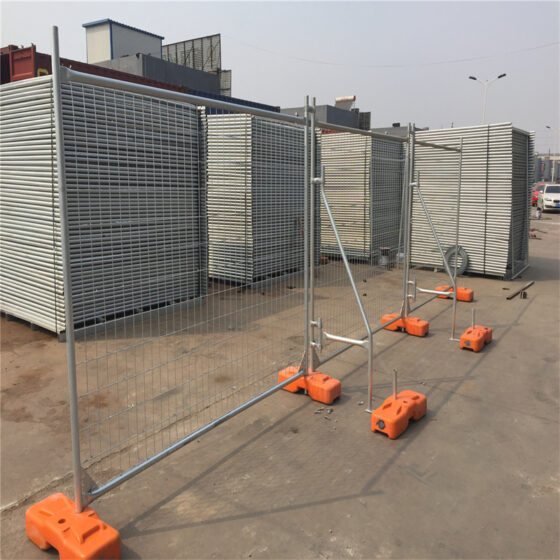
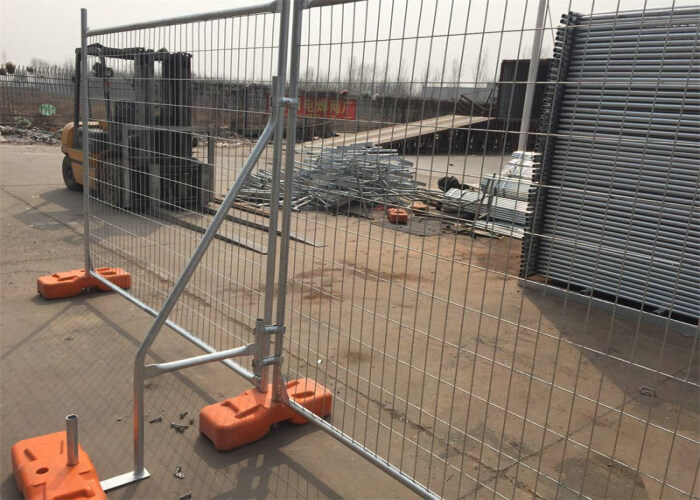
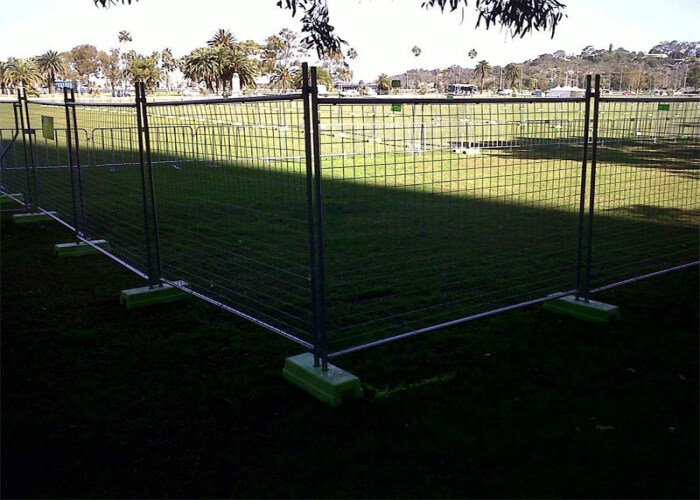
POLYMETAL Temporary Fencing Melbourne is engineered as a modular, free-standing welded mesh panel system designed for construction sites, roadworks, civil projects, festivals, public events and emergency works across the Melbourne region. Each standard panel is approximately 2100 mm high and 2400 mm wide, built from circular steel frame tubes in diameters such as OD32 mm, OD38 mm, OD40 mm or OD41 mm. Frame thickness can be selected from 1.0 mm, 1.2 mm, 1.4 mm, 1.5 mm or 2.0 mm to match site risk level, hire fleet demands and expected wind loading.
Inside the frame, a welded mesh infill with a typical 60 × 150 mm opening is created from horizontal and vertical wires in diameters of about 2.7 mm, 3.0 mm or 4.0 mm. This pattern provides a strong, climb-resistant barrier while preserving visibility for supervisors, traffic controllers and security staff. Corners, bracing and feet positions are designed around predictable loading, transforming panels from loose metal frames into a deliberate safety system tailored for Temporary Fencing Melbourne conditions.
All steel components are hot-dip galvanized or pre-galvanized and then protected to galvanizing thickness levels of around 14 microns, 42 microns or up to 100 microns of zinc, depending on whether the panels are for short-term projects or long-life industrial hire fleets. These coatings form a multi-layer defence against corrosion in Melbourne’s mixed climate, from inner-city pollution to coastal moisture. When combined with robust plastic or concrete-filled feet and high-quality couplers, POLYMETAL Temporary Fencing Melbourne delivers a clean, professional site profile and a reliable physical barrier.
Specifications – Temporary Fencing Melbourne (OD32 mm Frame Panels)
Table 1 – OD32 mm Frame, 2100 × 2400 mm Panels
| Fence height (mm) | Fence width (mm) | Frame tube OD (mm) | Frame thickness (mm) | Mesh opening (mm) | Wire diameter (mm) | Finish |
|---|---|---|---|---|---|---|
| 2100 | 2400 | 32 | 1.0 | 60 × 150 | 2.7 | 14 µm HDG |
| 2100 | 2400 | 32 | 1.2 | 60 × 150 | 2.7 | 14 µm HDG |
| 2100 | 2400 | 32 | 1.2 | 60 × 150 | 3.0 | 14 µm HDG |
| 2100 | 2400 | 32 | 1.4 | 60 × 150 | 3.0 | 42 µm hot dipped galvanized |
| 2100 | 2400 | 32 | 1.4 | 60 × 150 | 4.0 | 42 µm hot dipped galvanized |
| 2100 | 2400 | 32 | 1.5 | 60 × 150 | 3.0 | 42 µm hot dipped galvanized |
| 2100 | 2400 | 32 | 1.5 | 60 × 150 | 4.0 | 42 µm hot dipped galvanized |
| 2100 | 2400 | 32 | 2.0 | 60 × 150 | 3.0 | 100 µm hot dipped galvanized |
| 2100 | 2400 | 32 | 2.0 | 60 × 150 | 4.0 | 100 µm hot dipped galvanized |
| 2100 | 2400 | 32 | 1.4 | 60 × 150 | 2.7 | 100 µm hot dipped galvanized |
Specifications – Temporary Fencing Melbourne (OD38 mm Frame Panels)
Table 2 – OD38 mm Frame, 2100 × 2400 mm Panels
| Fence height (mm) | Fence width (mm) | Frame tube OD (mm) | Frame thickness (mm) | Mesh opening (mm) | Wire diameter (mm) | Finish |
|---|---|---|---|---|---|---|
| 2100 | 2400 | 38 | 1.0 | 60 × 150 | 2.7 | 14 µm HDG |
| 2100 | 2400 | 38 | 1.0 | 60 × 150 | 3.0 | 14 µm HDG |
| 2100 | 2400 | 38 | 1.2 | 60 × 150 | 2.7 | 14 µm HDG |
| 2100 | 2400 | 38 | 1.2 | 60 × 150 | 3.0 | 42 µm hot dipped galvanized |
| 2100 | 2400 | 38 | 1.4 | 60 × 150 | 3.0 | 42 µm hot dipped galvanized |
| 2100 | 2400 | 38 | 1.4 | 60 × 150 | 4.0 | 42 µm hot dipped galvanized |
| 2100 | 2400 | 38 | 1.5 | 60 × 150 | 3.0 | 100 µm hot dipped galvanized |
| 2100 | 2400 | 38 | 1.5 | 60 × 150 | 4.0 | 100 µm hot dipped galvanized |
| 2100 | 2400 | 38 | 2.0 | 60 × 150 | 3.0 | 100 µm hot dipped galvanized |
| 2100 | 2400 | 38 | 2.0 | 60 × 150 | 4.0 | 100 µm hot dipped galvanized |
Specifications – Temporary Fencing Melbourne (OD40 mm Frame Panels)
Table 3 – OD40 mm Frame, 2100 × 2400 mm Panels
| Fence height (mm) | Fence width (mm) | Frame tube OD (mm) | Frame thickness (mm) | Mesh opening (mm) | Wire diameter (mm) | Finish |
|---|---|---|---|---|---|---|
| 2100 | 2400 | 40 | 1.2 | 60 × 150 | 2.7 | 14 µm HDG |
| 2100 | 2400 | 40 | 1.2 | 60 × 150 | 3.0 | 14 µm HDG |
| 2100 | 2400 | 40 | 1.4 | 60 × 150 | 3.0 | 42 µm hot dipped galvanized |
| 2100 | 2400 | 40 | 1.4 | 60 × 150 | 4.0 | 42 µm hot dipped galvanized |
| 2100 | 2400 | 40 | 1.5 | 60 × 150 | 3.0 | 42 µm hot dipped galvanized |
| 2100 | 2400 | 40 | 1.5 | 60 × 150 | 4.0 | 100 µm hot dipped galvanized |
| 2100 | 2400 | 40 | 2.0 | 60 × 150 | 3.0 | 100 µm hot dipped galvanized |
| 2100 | 2400 | 40 | 2.0 | 60 × 150 | 4.0 | 100 µm hot dipped galvanized |
| 2100 | 2400 | 40 | 1.5 | 60 × 150 | 2.7 | 100 µm hot dipped galvanized |
| 2100 | 2400 | 40 | 1.4 | 60 × 150 | 4.0 | 100 µm hot dipped galvanized |
Specifications – Temporary Fencing Melbourne (OD41 mm Frame Panels)
Table 4 – OD41 mm Frame, 2100 × 2400 mm Panels (Premium Hire Fleet)
| Fence height (mm) | Fence width (mm) | Frame tube OD (mm) | Frame thickness (mm) | Mesh opening (mm) | Wire diameter (mm) | Finish |
|---|---|---|---|---|---|---|
| 2100 | 2400 | 41 | 1.2 | 60 × 150 | 3.0 | 42 µm hot dipped galvanized |
| 2100 | 2400 | 41 | 1.4 | 60 × 150 | 3.0 | 42 µm hot dipped galvanized |
| 2100 | 2400 | 41 | 1.4 | 60 × 150 | 4.0 | 42 µm hot dipped galvanized |
| 2100 | 2400 | 41 | 1.5 | 60 × 150 | 3.0 | 100 µm hot dipped galvanized |
| 2100 | 2400 | 41 | 1.5 | 60 × 150 | 4.0 | 100 µm hot dipped galvanized |
| 2100 | 2400 | 41 | 2.0 | 60 × 150 | 3.0 | 100 µm hot dipped galvanized |
| 2100 | 2400 | 41 | 2.0 | 60 × 150 | 4.0 | 100 µm hot dipped galvanized |
| 2100 | 2400 | 41 | 1.4 | 60 × 150 | 2.7 | 100 µm hot dipped galvanized |
| 2100 | 2400 | 41 | 1.5 | 60 × 150 | 2.7 | 100 µm hot dipped galvanized |
| 2100 | 2400 | 41 | 1.5 | 60 × 150 | 4.0 | 100 µm hot dipped galvanized |
Packing – POLYMETAL Temporary Fencing Melbourne
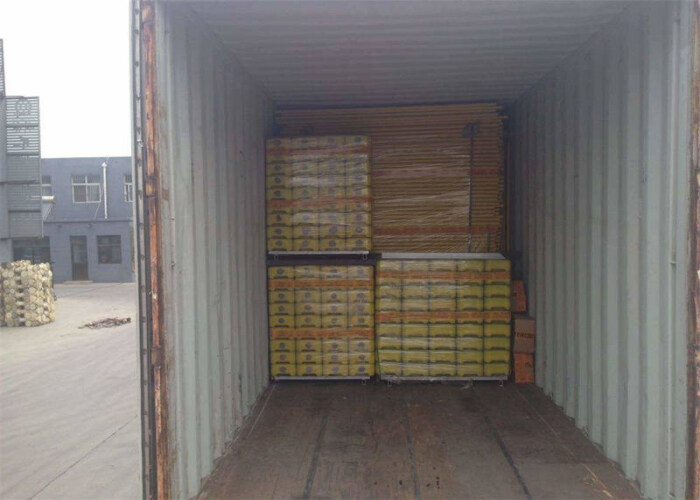
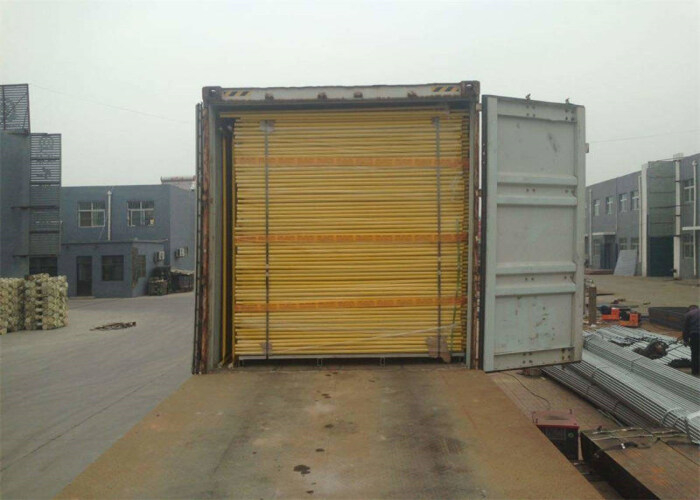
POLYMETAL Temporary Fencing Melbourne panels are packed to protect frame tubes, mesh wires and galvanizing layers during transport and site handling. Panels are stacked in consistent bundles according to specification set, with plastic or cardboard separators at key contact points to reduce steel-to-steel abrasion. Bundles are strapped using steel or heavy-duty plastic bands so that panels cannot rub, twist or fall during truck loading, travel or unloading on Melbourne sites.
Feet, couplers and bracing bars are packed separately in clearly labelled cartons or bags that indicate panel match, frame size and coating level. Bundles may be placed on wooden pallets or steel stillages to allow fast forklift handling in Melbourne yards and depots. Each pack is tagged with panel dimensions, frame OD, wire diameter and finish (14, 42 or 100 microns) so hire and construction teams can see an instant data snapshot without breaking the wrapping.
Production Process – Temporary Fencing Melbourne
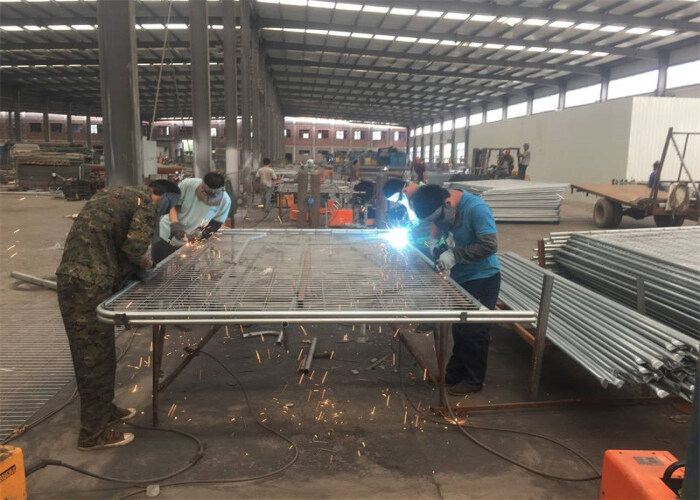
The production process for POLYMETAL Temporary Fencing Melbourne begins with structural-grade steel tube and wire. Frame tubes in OD32 mm, OD38 mm, OD40 mm or OD41 mm are cut to length for 2100 × 2400 mm panels, then formed into rectangular frames using jigs that control geometry and squareness. Mesh wires are straightened, cut and welded into 60 × 150 mm grids, with welding parameters tuned to give consistent penetration and strong joints at each intersection.
Mesh panels are welded to the frame along all sides and, where specified, to additional bracing bars. After welding, panels are cleaned and shot blasted to remove scale, rust and contaminants, improving adhesion for zinc and powder coatings. Depending on the required finish, panels are hot-dip galvanized or pass through a galvanizing line calibrated to produce coating thickness of approximately 14, 42 or 100 microns.
Where a powder topcoat is specified, galvanized panels undergo chemical pre-treatment and then receive an even layer of polyester powder, cured in ovens at controlled time and temperature. Final inspection checks weld integrity, mesh alignment, frame straightness and coating coverage. Only panels that meet all internal rules are counted, labelled and transferred to packing for shipment into the Melbourne temporary fencing market.
Standards and Quality Principles – POLYMETAL Temporary Fencing Melbourne
POLYMETAL Temporary Fencing Melbourne is designed in line with widely accepted principles for Australian temporary construction, roadwork and event barriers. Panel heights around 2100 mm and widths around 2400 mm, combined with 60 × 150 mm mesh opening and 2.7–4.0 mm wire, support safe separation between public zones and work areas. Frame tube sizes and thickness levels are chosen so that panels, when used with correctly filled feet and appropriate bracing, can resist typical Melbourne wind loads and crowd forces.
Zinc thickness from about 14 microns for light-duty and short-term use, up through 42 microns and 100 microns for heavy-duty and long-term hire fleets, is controlled through internal production standards and verified by coating inspection. By maintaining clear technical data on frame dimensions, mesh pattern, wire diameter, coating thickness and packing method, POLYMETAL gives Melbourne buyers and specifiers a transparent profile they can map against local site rules, project manuals and safety checklists. The result is Temporary Fencing Melbourne that behaves as a dependable control measure and long-term investment, not a decorative illusion that collapses under real-world pressure, and works seamlessly alongside specialised systems such as temporary pool fencing.