Your One-Stop Wire Mesh Fence Supplier | POLYMETAL
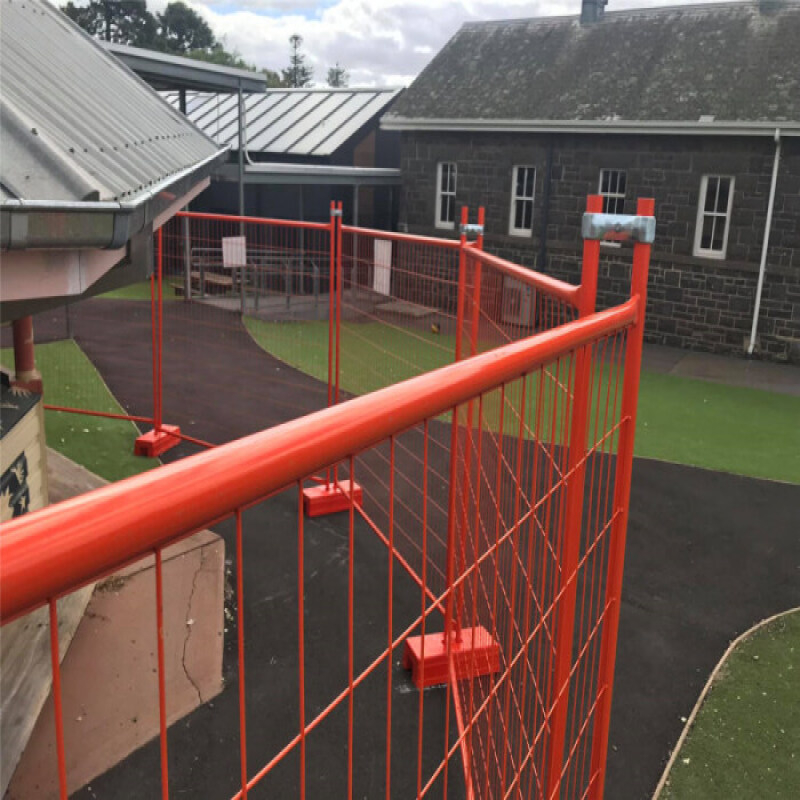
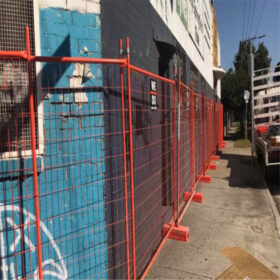
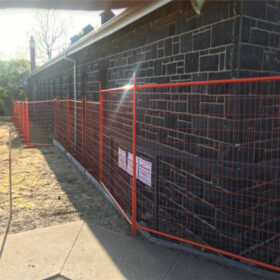
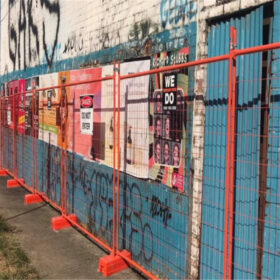
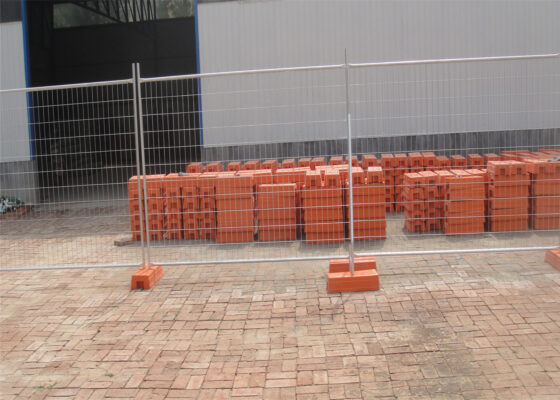
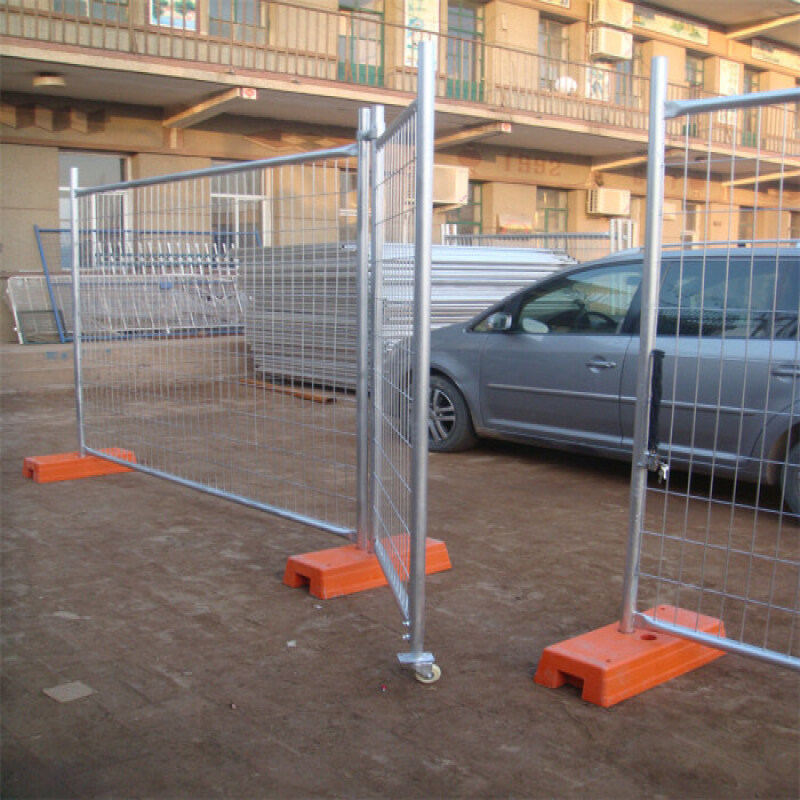
Temporary fence panels for sale are used on construction sites, events, public works and emergency zones to keep people safe and secure valuable equipment. When designed properly, POLYMETAL temporary fence panels form a strong, stable barrier that is easy to move, quick to install and reliable under wind and crowd pressure. A welded mesh infill with the right wire diameter and a robust tubular frame gives a clear protective edge without looking like a permanent wall.
Under the POLYMETAL brand, temporary fence panels for sale are engineered with hot-dip galvanized finishes, controlled mesh opening and carefully chosen frame tube diameters such as OD32 mm, OD38 mm, OD40 mm and OD41 mm. Standard panel dimensions like 2100 mm height and 2400 mm width cover most projects, while different frame thickness options and zinc coating levels provide the leverage to balance cost, strength and life span. However, misunderstanding these technical details can turn a simple purchase into a dangerous mistake, especially if installers also do not know how to fill temporary fence feet correctly on site.
The rest of this article reveals key data, facts and insights you must know before buying temporary fence panels for sale. You will see why some offers look cheap but hide serious risk, how to read the specification tables correctly and how POLYMETAL uses strict production rules and standards to transform each panel from a potential hazard into a powerful safety asset.
15 critical risks, traps and warnings in temporary fence panels for sale
Risk 1 – The dangerous myth of “all panels are the same”
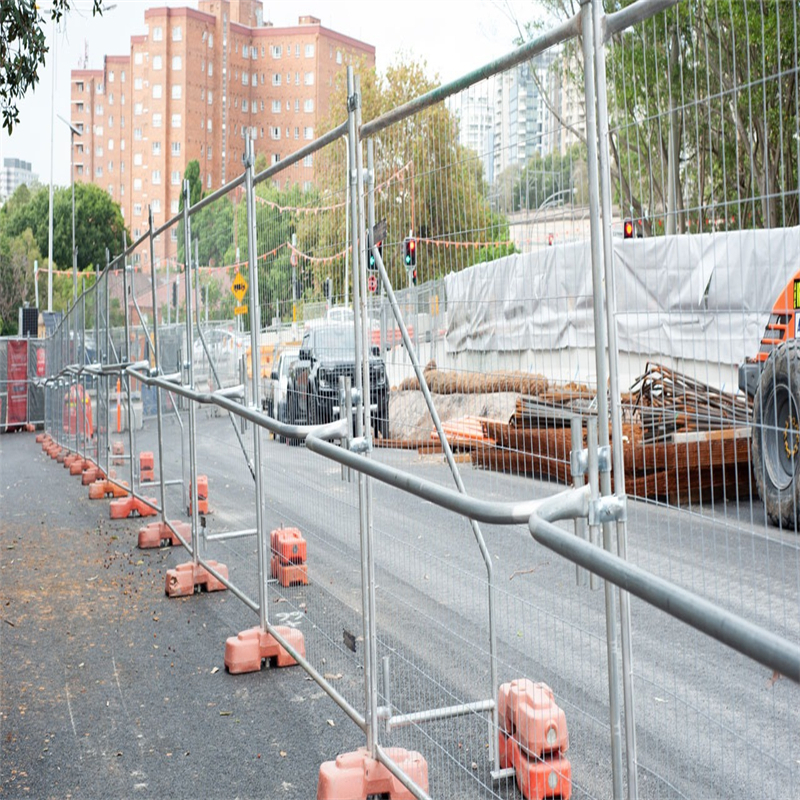
A common myth is that all temporary fence panels for sale are identical as long as they look similar in a quick snapshot. This illusion hides vital differences in frame tube size, wall thickness, mesh wire diameter and galvanizing level. Treating every panel as the same is a basic error that opens a gap between the safety you expect and the performance you actually get.
Danger 2 – Ignoring frame tube diameter and thickness data
The frame tube is the main structural element. Choosing a panel with OD32 mm instead of OD40 mm, or a frame thickness of only 1.0 mm instead of 1.5–2.0 mm, can create a hidden weakness. Under wind load or impact, these thin frames bend and fail, turning your site into a crisis zone. POLYMETAL specifications clearly state OD32, OD38, OD40 or OD41 mm with wall thickness from 1.0 mm to 2.0 mm so you can avoid this costly flaw.
Trap 3 – Underestimating mesh opening and wire diameter
Mesh opening size and wire diameter are not cosmetic details. If you choose panels with a 60 × 150 mm opening but wire of only 2.7 mm when you really need 4.0 mm, you build a fence that looks strong but fails under real pressure. This trap leads to deformation, broken welds and safety incidents. POLYMETAL offers mesh opening at 60 × 150 mm using wire diameters of 2.7 mm, 3.0 mm or 4.0 mm, allowing buyers to match mesh strength to site risk.
Pitfall 4 – Believing thin galvanizing is “good enough”
Another pitfall is treating all galvanizing as equal. In reality, the thickness of the zinc layer is a crucial protection element. Panels with only 14 microns of zinc can show rust quickly in aggressive environments, while 42 microns or 100 microns of hot-dipped galvanized coating provide a much stronger barrier. Assuming a minimal coating is fine becomes an expensive oversight when corrosion damage appears in the middle of a major project.
Problem 5 – No clear view of life-cycle cost and damage patterns
Many buyers focus only on the initial price and ignore long-term damage patterns. Panels with light frames, thin wire and low zinc thickness may be cheaper up front but produce more waste, more repairs and more failures. This problem turns into continuous loss as panels bend, crack or rust out. POLYMETAL temporary fence panels for sale are designed so that the long-term payoff and reward outweigh the short-term saving of low-grade products.
Weakness 6 – Unstable feet and poor bracing
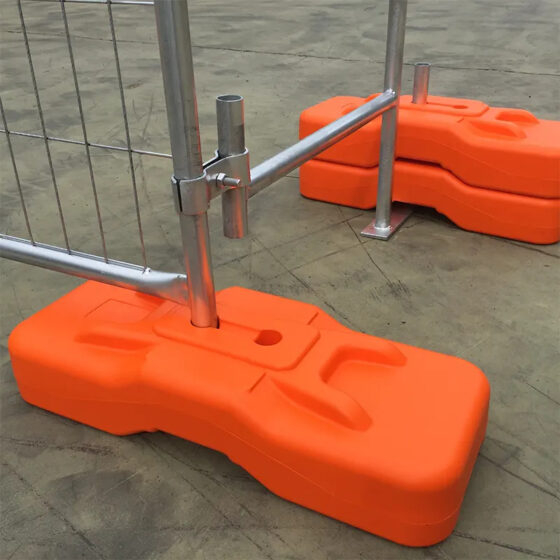
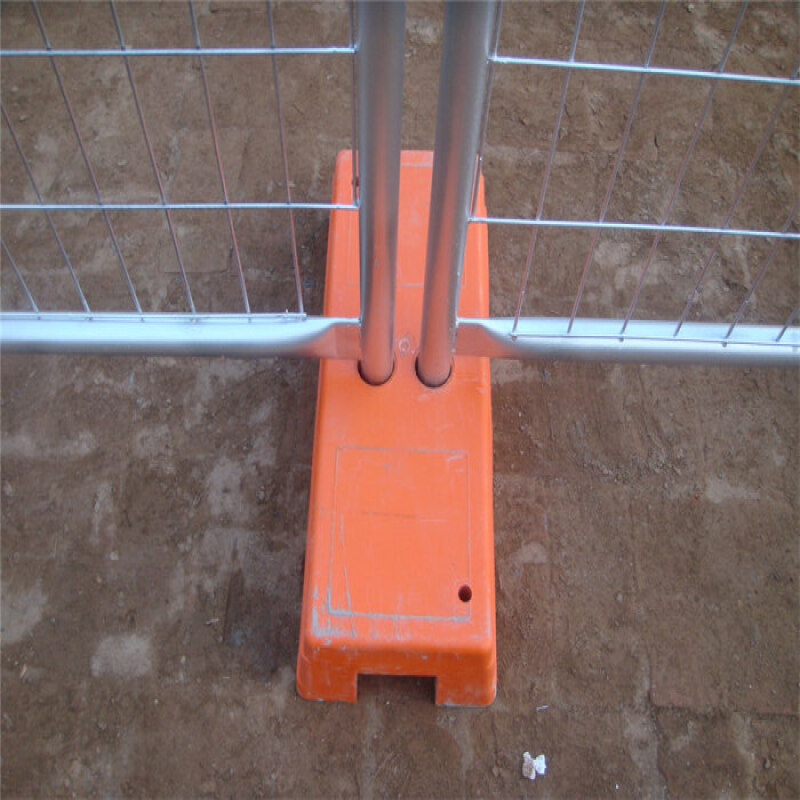
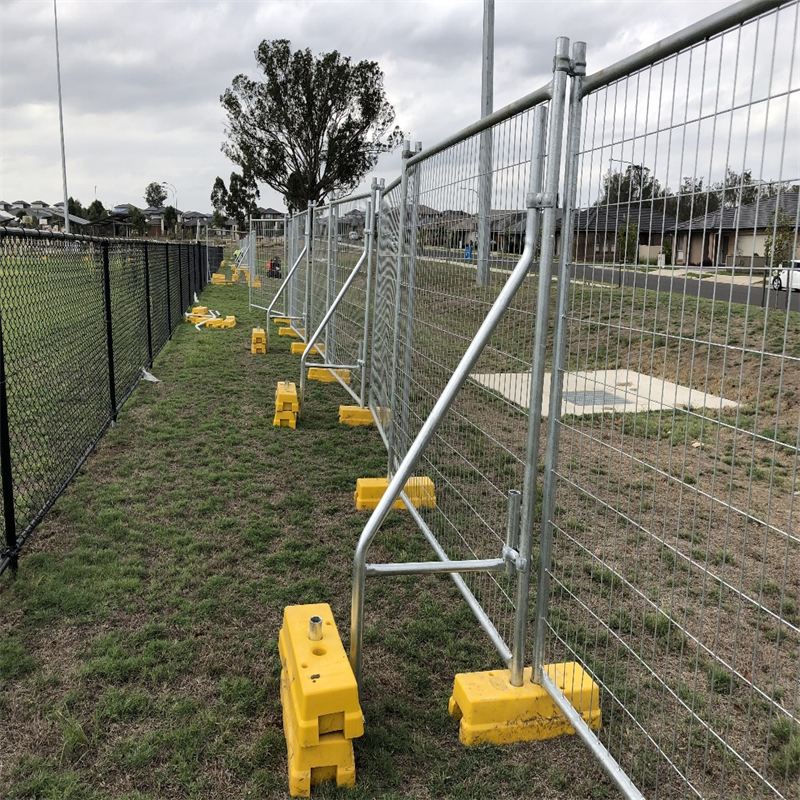
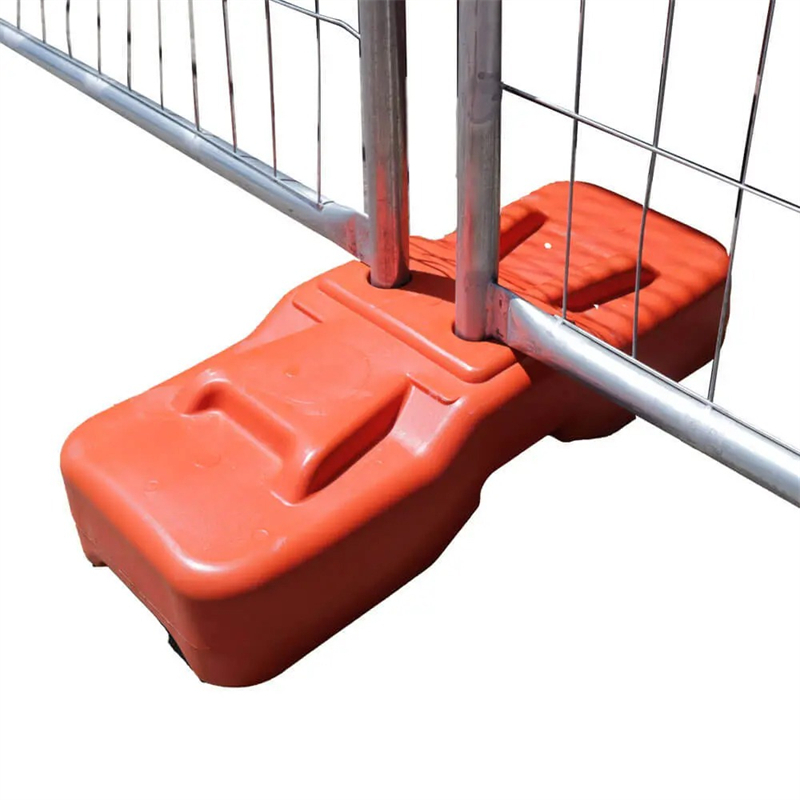
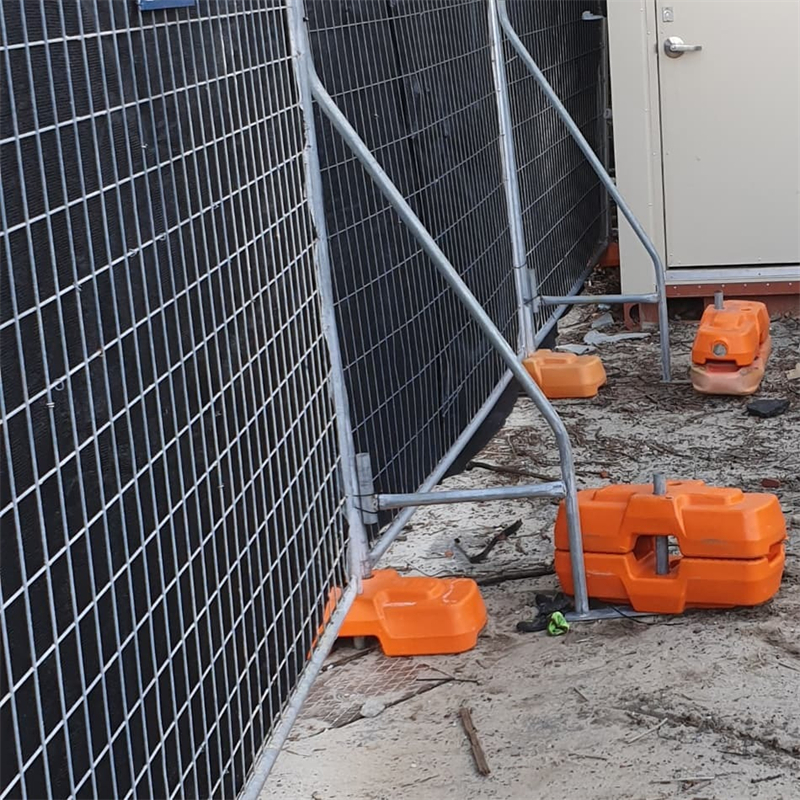
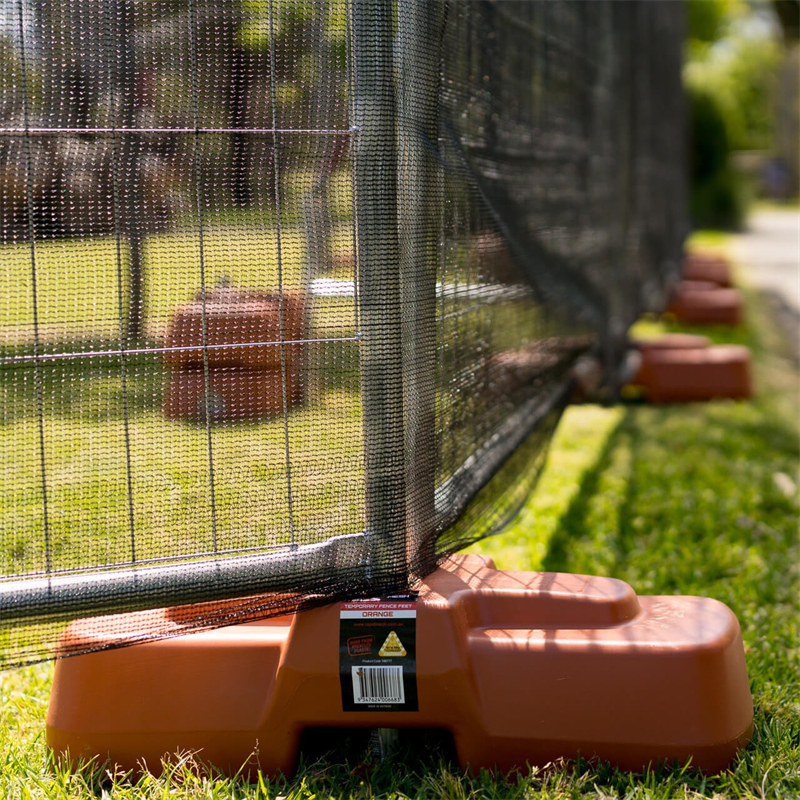
A strong panel combined with weak feet is still a dangerous system. If the temporary fence bases are too light or the bracing pattern is wrong, the wind can push panels over, injuring people and damaging property. This weakness often comes from ignoring simple rules about ballast, spacing and bracing layout. POLYMETAL provides a practical guide for correct base use so the whole system stays upright in real conditions.
Flaw 7 – Oversight in welding quality and joint design
Every weld between frame tube and mesh wire is a potential defect if quality is not tightly controlled. Inconsistent weld penetration, poor alignment or hidden cracks create a flaw that may not appear until the fence is loaded. A single panel failure can trigger a wider collapse. POLYMETAL uses a disciplined production process to keep welding bugs, errors and faults away from the finished panels.
Hazard 8 – Gaps, misfit and loopholes in site layout
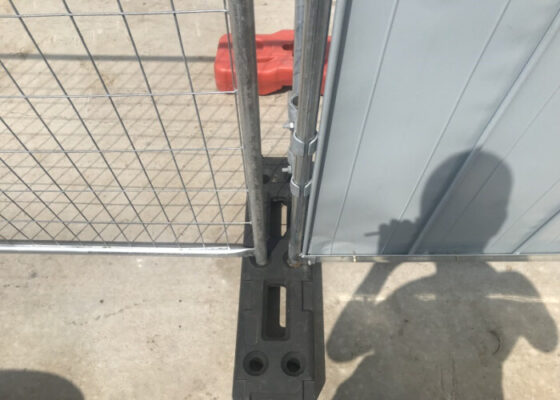
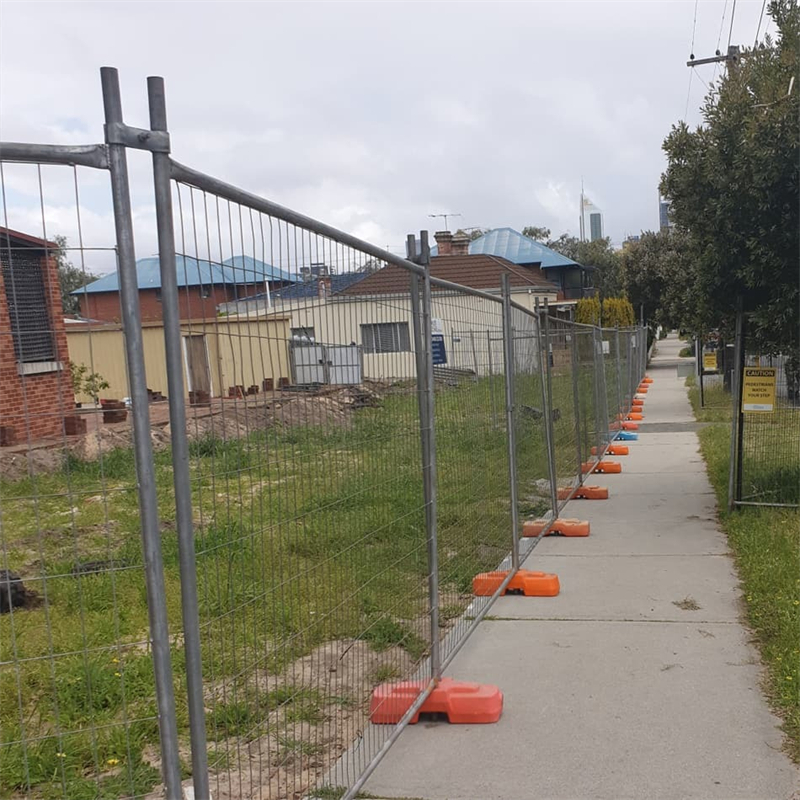
Temporary fence panels for sale are often connected on fast-moving projects, and installers may leave small gaps at ground level or at corners. These loopholes invite trespassing, theft and unsafe entry. The hazard comes not only from the product but from missing layout info and a weak installation checklist. POLYMETAL promotes clear connection methods so panels align in a clean profile with no easy entry points.
Warning 9 – Non-compliance with event and construction standards
Temporary fencing used on public events, road works and construction sites must often comply with local rules and national standards. Buying panels without checking compliance is a serious warning sign. If an inspector sees panels that do not meet height, infill or stability requirements, the result can be fines, shutdowns or legal threat. POLYMETAL designs its systems to align with commonly accepted principles for temporary barriers, reducing regulatory risk.
Downside 10 – Poor packing causing hidden transport damage
Even a strong panel can arrive on site with hidden damage if packing is careless. Frames can become twisted, mesh can be dented and galvanizing can be scratched. This downside appears as random failure later on the project. POLYMETAL uses packed bundles, clear strapping and protective spacers to avoid this type of transport damage and the silent waste it creates.
Drawback 11 – No internal summary or checklist for buyers
A frequent drawback is the absence of a simple buyer checklist. Without a clear overview of height, width, frame tube, wire diameter, mesh opening, frame thickness and finish, decisions are made on guesswork. This information gap leads to misbelief and misstep. POLYMETAL turns specification data into a concise guide so buyers can evaluate every aspect of the panel rather than relying on marketing slogans.
Failure 12 – Treating temporary fencing as a disposable fantasy
Some people see temporary fence panels for sale as short-lived, disposable assets, and this fantasy leads directly to low quality and frequent failure. In reality, panels can serve for many rental cycles or multiple projects if the design is robust. POLYMETAL treats each panel as a reusable asset, not a throwaway item, which gives owners and hire companies a long-term advantage and profit edge.
Defect 13 – Bias toward the cheapest supplier without data
Another subtle defect is bias toward the cheapest supplier regardless of technical info. When data on tube size, mesh thickness and zinc coating is missing, the decision is based only on price. This bias is a dangerous pattern, often ending in crisis when panels fail under load. Using detailed tables and clear technical truth as leverage protects you from this classic trap.
Crisis 14 – No contingency for extreme weather or crowd pressure
Temporary fence panels may be exposed to storms, high winds or intense crowd pressure. Without a design margin for these events, panels can collapse at the worst moment, causing injury, loss and reputational damage. This crisis is avoidable with proper panel selection and bracing. POLYMETAL treats extreme conditions as part of the design outline, not as an afterthought.
Benefit 15 – Turning detailed specifications into real-world leverage
The final benefit is that clearly defined specifications give you leverage and control. When you understand every important element and feature of a panel—tube size, wire diameter, mesh opening, frame thickness and galvanizing level—you can compare offers accurately and avoid oversights. POLYMETAL provides honest data and transparent product profiles, turning your purchase into a planned investment with a strong payoff and reward instead of a risky bet.
Product description – POLYMETAL temporary fence panels for sale
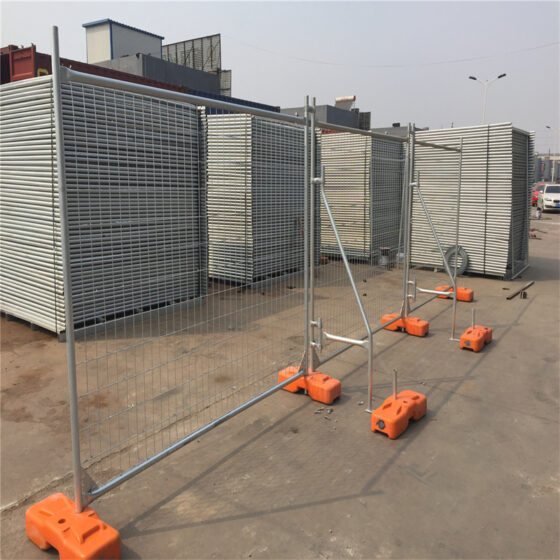
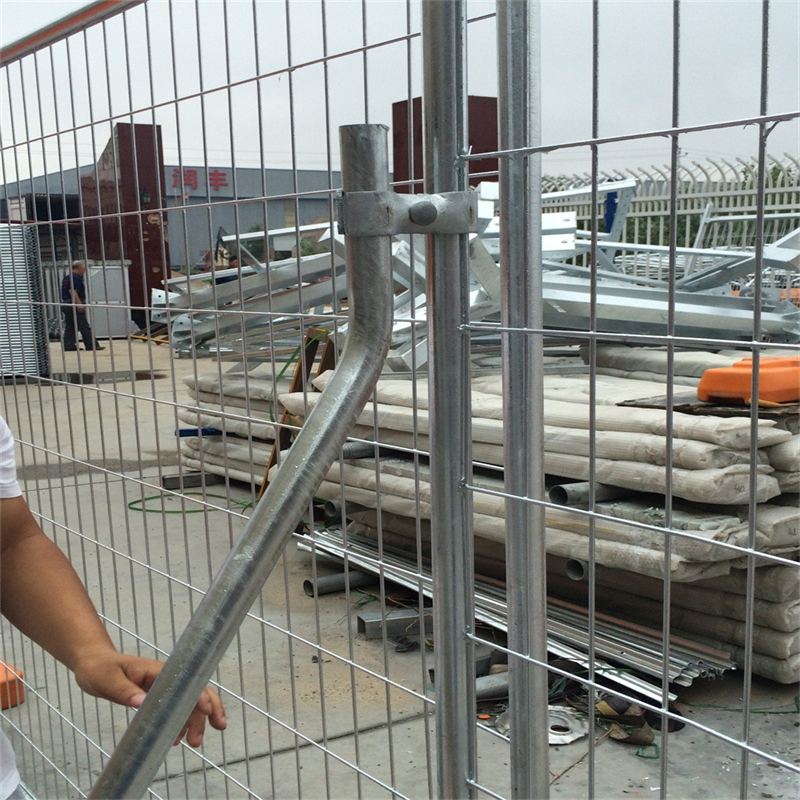
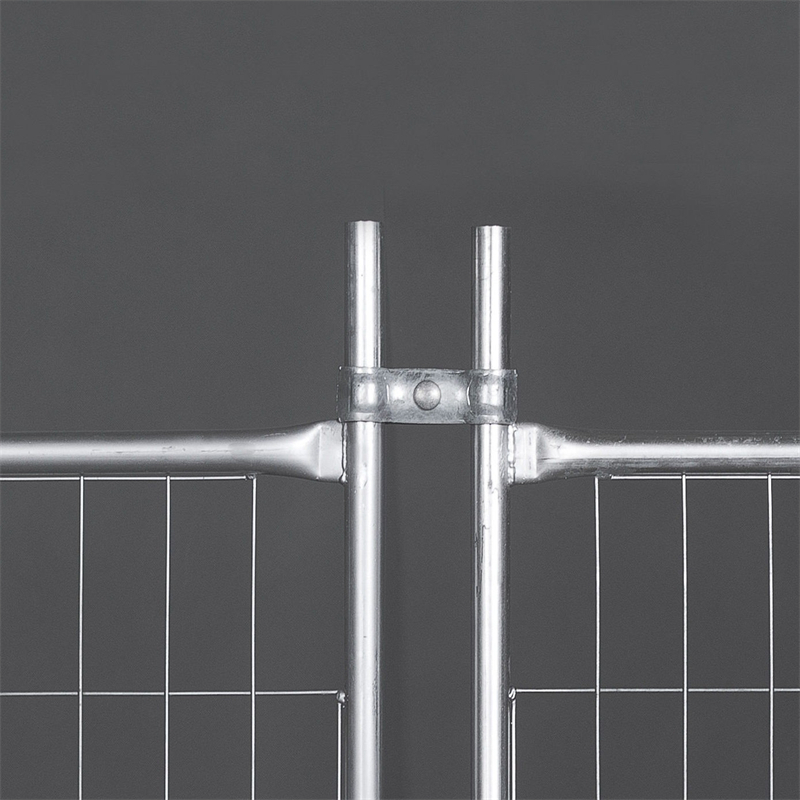
POLYMETAL temporary fence panels for sale are designed as modular, free-standing barriers for construction sites, roadworks, events, crowd control and short-term security zones. Each panel is built around a welded tubular frame using circular steel tube in diameters such as OD32 mm, OD38 mm, OD40 mm or OD41 mm. Standard panel dimensions of about 2100 mm in height and 2400 mm in width provide a comfortable balance between stability, installation speed and transport efficiency.
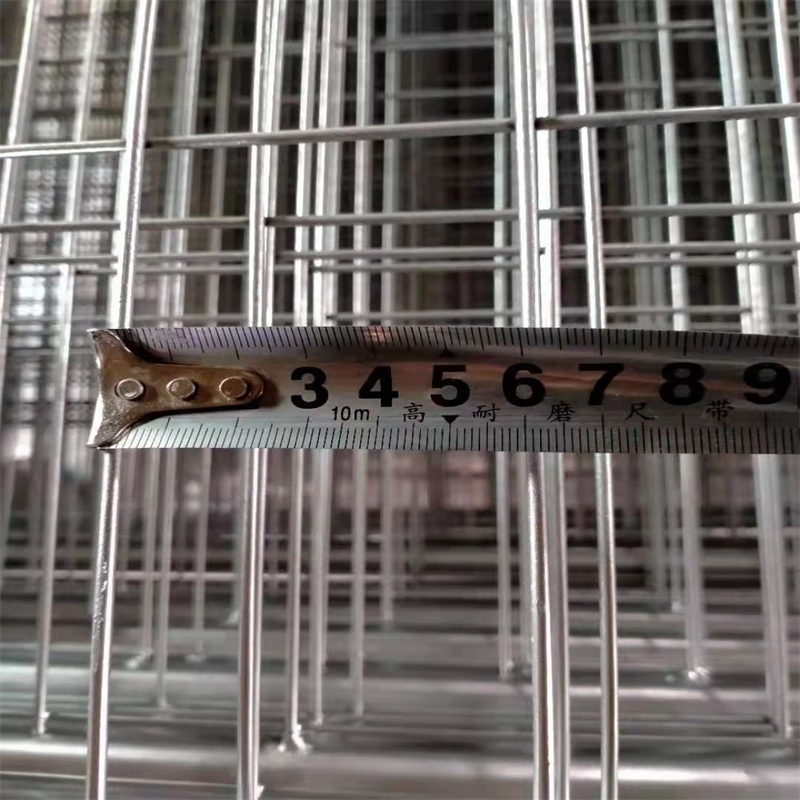
Inside the frame, a welded mesh infill with a typical opening of 60 × 150 mm is formed from horizontal and vertical wires in diameters of approximately 2.7 mm, 3.0 mm or 4.0 mm. This combination provides a consistent barrier that resists climbing and deformation while still allowing clear visibility through the fence. Frame tube thickness options from 1.0 mm up to 2.0 mm allow the system to be tuned from light-duty event use to heavy-duty industrial hire fleets, giving buyers an advantage in matching specification to application.
All steel components are protected by galvanizing. POLYMETAL offers several finish levels, from around 14 microns of galvanizing through to 42 microns and up to approximately 100 microns of full hot-dipped galvanized coating for very demanding environments. These finishes are chosen to protect against rust, reduce long-term damage and extend the useful life of each panel. When combined with stable plastic or concrete-filled feet, secure couplers and optional bracing, POLYMETAL temporary fence panels for sale provide a dependable safety barrier with a clean, professional appearance.
Specifications – temporary fence panels for sale (Table 1: OD32 frame, standard duty)
| Frame tube OD (mm) | Panel height (mm) | Panel width (mm) | Mesh opening (mm) | Wire diameter (mm) | Frame thickness (mm) | Finish |
|---|---|---|---|---|---|---|
| 32 | 2100 | 2400 | 60 × 150 | 2.7 | 1.0 | 14 µm HDG |
| 32 | 2100 | 2400 | 60 × 150 | 2.7 | 1.2 | 14 µm HDG |
| 32 | 2100 | 2400 | 60 × 150 | 3.0 | 1.0 | 14 µm HDG |
| 32 | 2100 | 2400 | 60 × 150 | 3.0 | 1.2 | 14 µm HDG |
| 32 | 2100 | 2400 | 60 × 150 | 2.7 | 1.4 | 42 µm hot dipped galvanized |
| 32 | 2100 | 2400 | 60 × 150 | 3.0 | 1.4 | 42 µm hot dipped galvanized |
| 32 | 2100 | 2400 | 60 × 150 | 3.0 | 1.5 | 42 µm hot dipped galvanized |
| 32 | 2100 | 2400 | 60 × 150 | 4.0 | 1.2 | 42 µm hot dipped galvanized |
| 32 | 2100 | 2400 | 60 × 150 | 4.0 | 1.4 | 100 µm hot dipped galvanized |
| 32 | 2100 | 2400 | 60 × 150 | 4.0 | 1.5 | 100 µm hot dipped galvanized |
Specifications – temporary fence panels for sale (Table 2: OD38 frame, reinforced)
| Frame tube OD (mm) | Panel height (mm) | Panel width (mm) | Mesh opening (mm) | Wire diameter (mm) | Frame thickness (mm) | Finish |
|---|---|---|---|---|---|---|
| 38 | 2100 | 2400 | 60 × 150 | 2.7 | 1.0 | 14 µm HDG |
| 38 | 2100 | 2400 | 60 × 150 | 3.0 | 1.0 | 14 µm HDG |
| 38 | 2100 | 2400 | 60 × 150 | 2.7 | 1.2 | 14 µm HDG |
| 38 | 2100 | 2400 | 60 × 150 | 3.0 | 1.2 | 42 µm hot dipped galvanized |
| 38 | 2100 | 2400 | 60 × 150 | 3.0 | 1.4 | 42 µm hot dipped galvanized |
| 38 | 2100 | 2400 | 60 × 150 | 4.0 | 1.2 | 42 µm hot dipped galvanized |
| 38 | 2100 | 2400 | 60 × 150 | 4.0 | 1.4 | 42 µm hot dipped galvanized |
| 38 | 2100 | 2400 | 60 × 150 | 3.0 | 1.5 | 100 µm hot dipped galvanized |
| 38 | 2100 | 2400 | 60 × 150 | 4.0 | 1.5 | 100 µm hot dipped galvanized |
| 38 | 2100 | 2400 | 60 × 150 | 4.0 | 2.0 | 100 µm hot dipped galvanized |
Specifications – temporary fence panels for sale (Table 3: OD40 frame, heavy duty)
| Frame tube OD (mm) | Panel height (mm) | Panel width (mm) | Mesh opening (mm) | Wire diameter (mm) | Frame thickness (mm) | Finish |
|---|---|---|---|---|---|---|
| 40 | 2100 | 2400 | 60 × 150 | 2.7 | 1.2 | 14 µm HDG |
| 40 | 2100 | 2400 | 60 × 150 | 3.0 | 1.2 | 14 µm HDG |
| 40 | 2100 | 2400 | 60 × 150 | 3.0 | 1.4 | 42 µm hot dipped galvanized |
| 40 | 2100 | 2400 | 60 × 150 | 4.0 | 1.4 | 42 µm hot dipped galvanized |
| 40 | 2100 | 2400 | 60 × 150 | 4.0 | 1.5 | 42 µm hot dipped galvanized |
| 40 | 2100 | 2400 | 60 × 150 | 3.0 | 1.5 | 100 µm hot dipped galvanized |
| 40 | 2100 | 2400 | 60 × 150 | 4.0 | 1.5 | 100 µm hot dipped galvanized |
| 40 | 2100 | 2400 | 60 × 150 | 3.0 | 2.0 | 100 µm hot dipped galvanized |
| 40 | 2100 | 2400 | 60 × 150 | 4.0 | 2.0 | 100 µm hot dipped galvanized |
| 40 | 2100 | 2400 | 60 × 150 | 4.0 | 1.4 | 100 µm hot dipped galvanized |
Specifications – temporary fence panels for sale (Table 4: OD41 frame, premium hire fleet)
| Frame tube OD (mm) | Panel height (mm) | Panel width (mm) | Mesh opening (mm) | Wire diameter (mm) | Frame thickness (mm) | Finish |
|---|---|---|---|---|---|---|
| 41 | 2100 | 2400 | 60 × 150 | 3.0 | 1.2 | 42 µm hot dipped galvanized |
| 41 | 2100 | 2400 | 60 × 150 | 3.0 | 1.4 | 42 µm hot dipped galvanized |
| 41 | 2100 | 2400 | 60 × 150 | 4.0 | 1.4 | 42 µm hot dipped galvanized |
| 41 | 2100 | 2400 | 60 × 150 | 4.0 | 1.5 | 42 µm hot dipped galvanized |
| 41 | 2100 | 2400 | 60 × 150 | 3.0 | 1.5 | 100 µm hot dipped galvanized |
| 41 | 2100 | 2400 | 60 × 150 | 4.0 | 1.5 | 100 µm hot dipped galvanized |
| 41 | 2100 | 2400 | 60 × 150 | 3.0 | 2.0 | 100 µm hot dipped galvanized |
| 41 | 2100 | 2400 | 60 × 150 | 4.0 | 2.0 | 100 µm hot dipped galvanized |
| 41 | 2100 | 2400 | 60 × 150 | 4.0 | 1.4 | 100 µm hot dipped galvanized |
| 41 | 2100 | 2400 | 60 × 150 | 4.0 | 1.5 | 100 µm hot dipped galvanized |
Packing of POLYMETAL temporary fence panels for sale
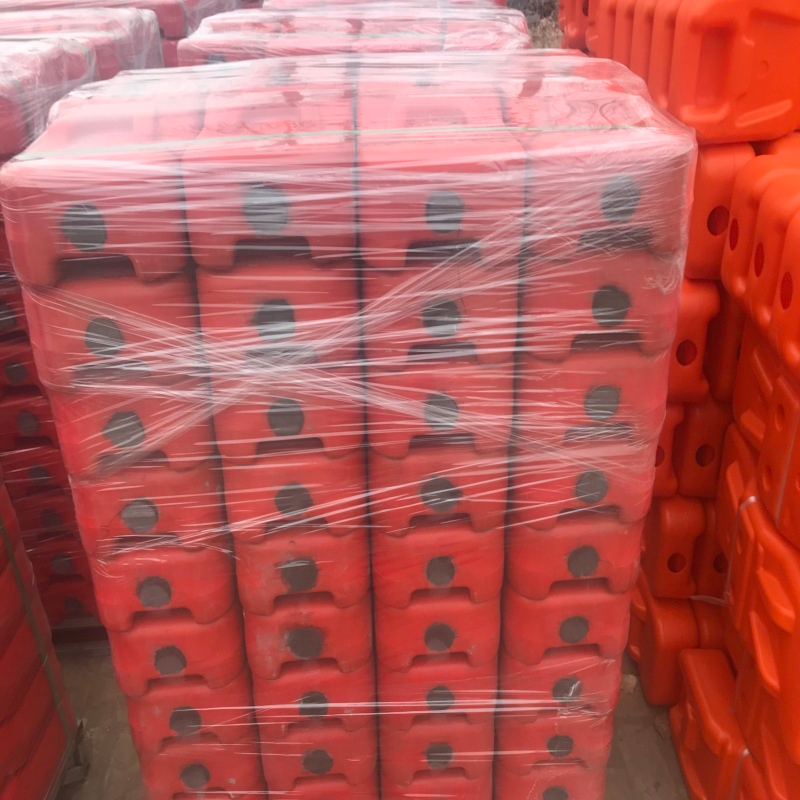
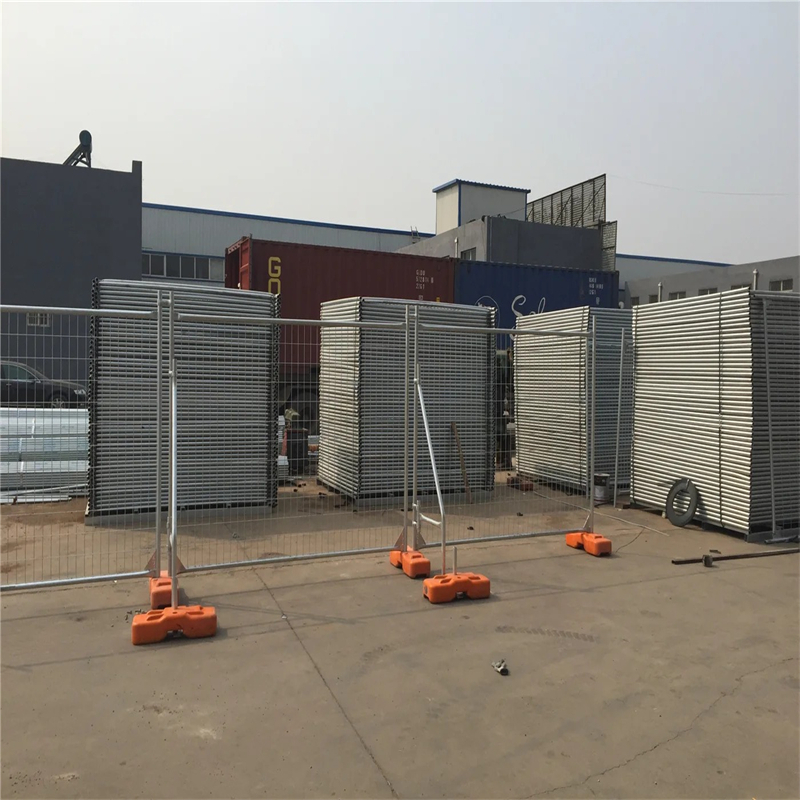
POLYMETAL temporary fence panels for sale are packed to protect every frame and mesh infill from damage in transit and on site. Panels are stacked in consistent bundles according to specification, with contact points separated by plastic or cardboard spacers to reduce abrasion of the galvanized surface. Each bundle is secured using steel or heavy-duty plastic strapping so that panels cannot move or collide during loading, transport or unloading.
Bundles are clearly labelled with panel profile, including height, width, frame tube diameter, wire diameter and finish level. This information helps logistics teams and site managers identify the correct panels for each zone quickly and accurately. Bundles may be placed on wooden pallets or steel stillages to allow forklift handling, minimise manual lifting and reduce the chance of accidental drops or impact. This careful packing approach preserves the structural integrity and coating quality that POLYMETAL designs into every temporary fence panel.
Production process for POLYMETAL temporary fence panels for sale
The production process begins with the selection of structural-grade steel tube and wire. Frame tubes are cut to precise lengths for 2100 mm high and 2400 mm wide panels, then bent or mitred as required and welded to form rigid rectangular frames. Mesh wires are straightened, cut and welded into 60 × 150 mm grids, using controlled welding parameters to ensure consistent penetration and strong joints at every intersection.
The mesh infill is then welded to the frame around the perimeter and, where required, through intermediate bracing bars. Welded panels are cleaned to remove oil, scale and welding residues, then prepared for galvanizing. For hot-dip galvanized panels, the complete assembly is immersed in molten zinc so that all surfaces, edges and welds receive full coating. Where specified, different coating thickness levels, such as approximately 14 microns, 42 microns or 100 microns, are achieved by controlling immersion time, withdrawal rate and process parameters.
After galvanizing, panels are inspected for coating continuity, thickness, straightness and overall appearance. Any visible defect, such as uncoated areas, excessive runs or severe distortion, is rejected or repaired according to internal rules. Panels that pass inspection are counted, bundled and labelled according to the specification tables, ready for shipment as part of a coherent POLYMETAL temporary fencing system.
Standards and compliance considerations
POLYMETAL temporary fence panels for sale are designed to align with widely recognised practices for temporary construction and event barriers. Typical panel heights of around 2100 mm and widths of about 2400 mm, combined with mesh opening at 60 × 150 mm and wire diameters between 2.7 mm and 4.0 mm, help maintain safe separation between public areas and work zones. Frame tube dimensions and thickness are chosen to resist expected loading patterns, including wind and crowd forces, when panels are used with correctly sized feet and bracing.
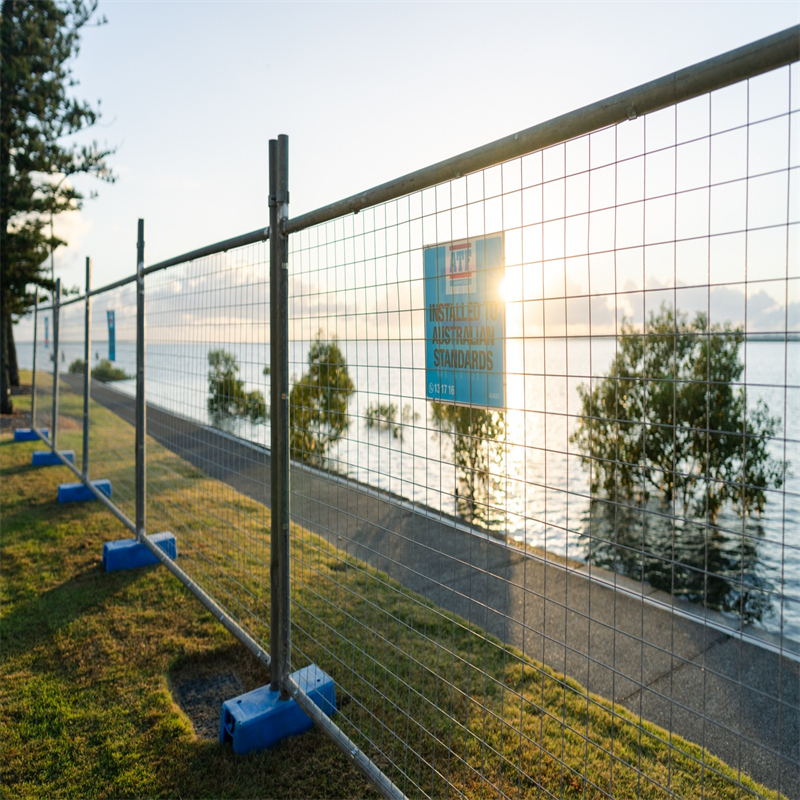
Galvanized finishes from 14 microns up to 100 microns are applied in accordance with controlled internal procedures so that coating thickness and adhesion meet the needs of different environments, from short-term dry sites to long-term industrial hire fleets. While formal standards and regulations vary between regions, particularly for systems such as australian temporary fencing, POLYMETAL designs its temporary fence panels so their technical data can be mapped to local requirements and project specifications. By taking this standards-based approach seriously, POLYMETAL helps buyers reduce failure incidents, minimise regulatory issues and secure a durable safety edge on every site where these temporary fence panels are installed.