Your One-Stop Wire Mesh Fence Supplier | POLYMETAL
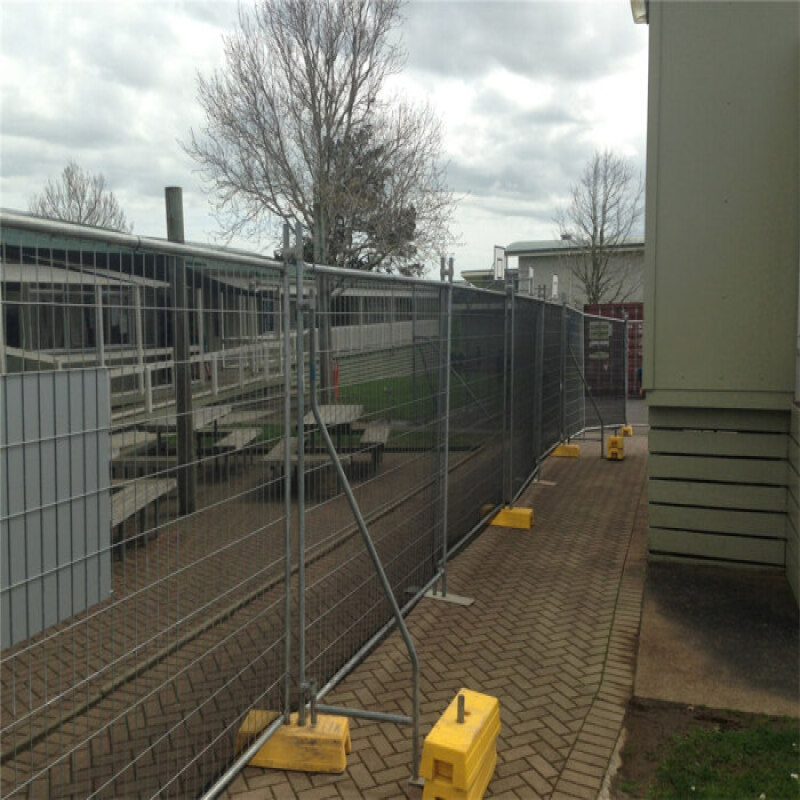
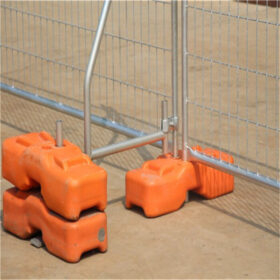
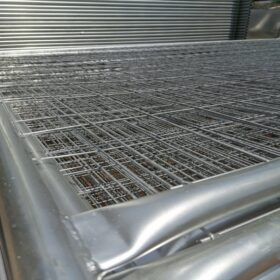
Melbourne temp fence panels is not just about ticking a box for council compliance. High winds, tight urban sites, theft, and injury claims can turn “cheap” panels and low-grade temporary fence feet into the most expensive mistake on the project. POLYMETAL Melbourne temp fence panels are designed to survive rough handling, long hire cycles and local safety standards — but only if you understand how to choose the right configuration.
Below are 18 key ideas about Melbourne temp fence panels. Miss just one of these details and you can face unexpected costs, schedule delays or even site shutdowns.
18 Key Ideas About Melbourne Temp Fence Panels You Can’t Ignore
1. The first detail – why 2100 mm height really matters
In Melbourne, inspectors expect panels that genuinely deter climbing and meet typical worksite height expectations. A 2100 mm high POLYMETAL panel reduces the chance of trespassers simply stepping over or scaling the fence, helping you avoid theft, injury and insurance disputes.
2. The core fact – 2400 mm width vs. site logistics
A 2400 mm wide panel balances truck loading efficiency with on-site manoeuvrability. Fewer panels mean faster install, but not so wide that handling becomes risky for two workers. This fact directly affects your labour cost on every job.
3. The uncomfortable truth – cheap wire diameters can buckle
Going too light on mesh wire (below 2.7 mm) may look similar from a distance, but panels can deform under impact, making your fence look “collapsed” long before the project is finished. POLYMETAL offers 2.70 mm, 3.00 mm and 4.00 mm wire so you can match strength to risk level instead of gambling on the cheapest option.
4. The practical tip – choosing the right frame tube size
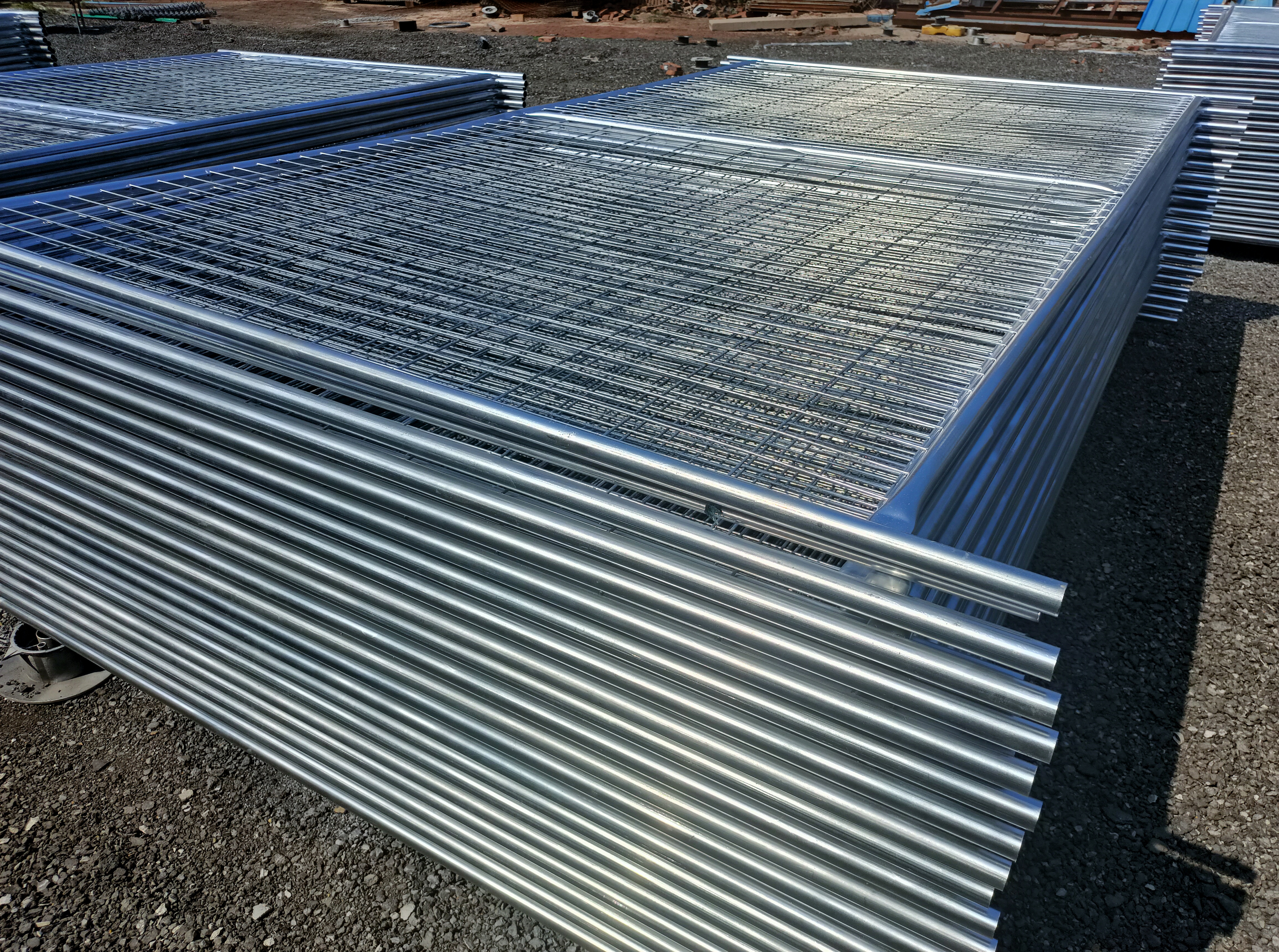
Frame tubes of OD32 mm, OD38 mm, OD40 mm and OD41 mm change the stiffness of the panel frame. Thicker, larger OD tubes hold their shape after repeated handling and truck stacking. A smart tip: use heavier frames on high-traffic hire fleets and wind-exposed corners, lighter ones only on low-risk jobs.
5. The sharp insight – frame thickness is your hidden insurance
Frame thickness options such as 1.0 mm, 1.2 mm, 1.4 mm, 1.5 mm and 2.0 mm decide how many hires a panel can survive. Too thin, and welds crack around the corners; suddenly the “cheap” panel becomes a pile of scrap. POLYMETAL’s heavier wall thickness options give you a longer rental life and a better return on each panel.
6. The structural angle – why 60 x 150 mm mesh opening is standard
A 60 mm x 150 mm mesh opening keeps hands and feet from using the mesh as a ladder while still offering good visibility. This angle of design reduces climbing opportunities without blocking sightlines for security cameras, neighbours or pedestrians.
7. The safety aspect – bracing and wind resistance
On wider 3300 mm and 3500 mm panels, the optional middle bracing bar helps panels resist wind loading. Ignoring this aspect on exposed Melbourne sites can lead to panel falls, property damage and injury claims that cost far more than the extra bracing.
8. The durability element – 14 µm, 42 µm and 100 µm galvanizing
Not all galvanizing is equal. Around 14 microns is suited to short-term, light-duty uses. 42 microns hot-dipped galvanizing targets typical hire cycles, while 100 microns is a long-life heavy-duty solution for harsh environments and repeated re-rental. Choosing the wrong element of coating thickness can literally halve the life of your fence fleet.
9. The overlooked feature – flange top, toe and anti-trip safety
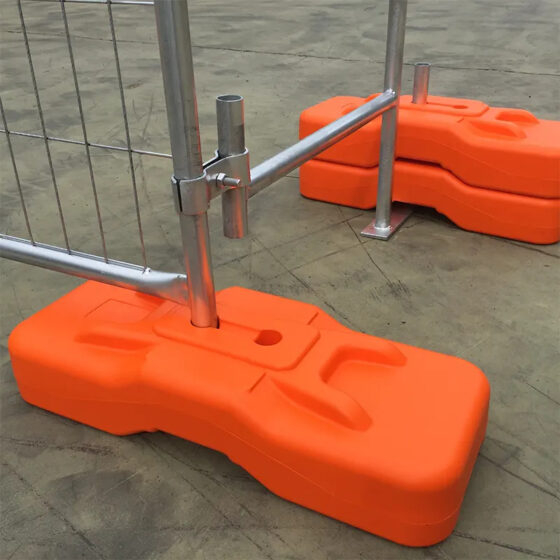
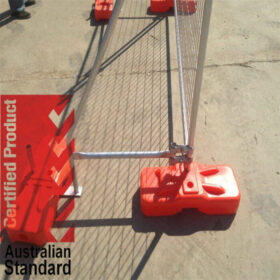
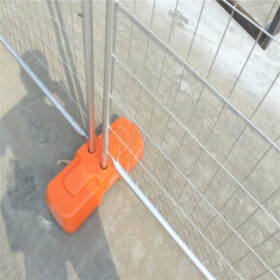
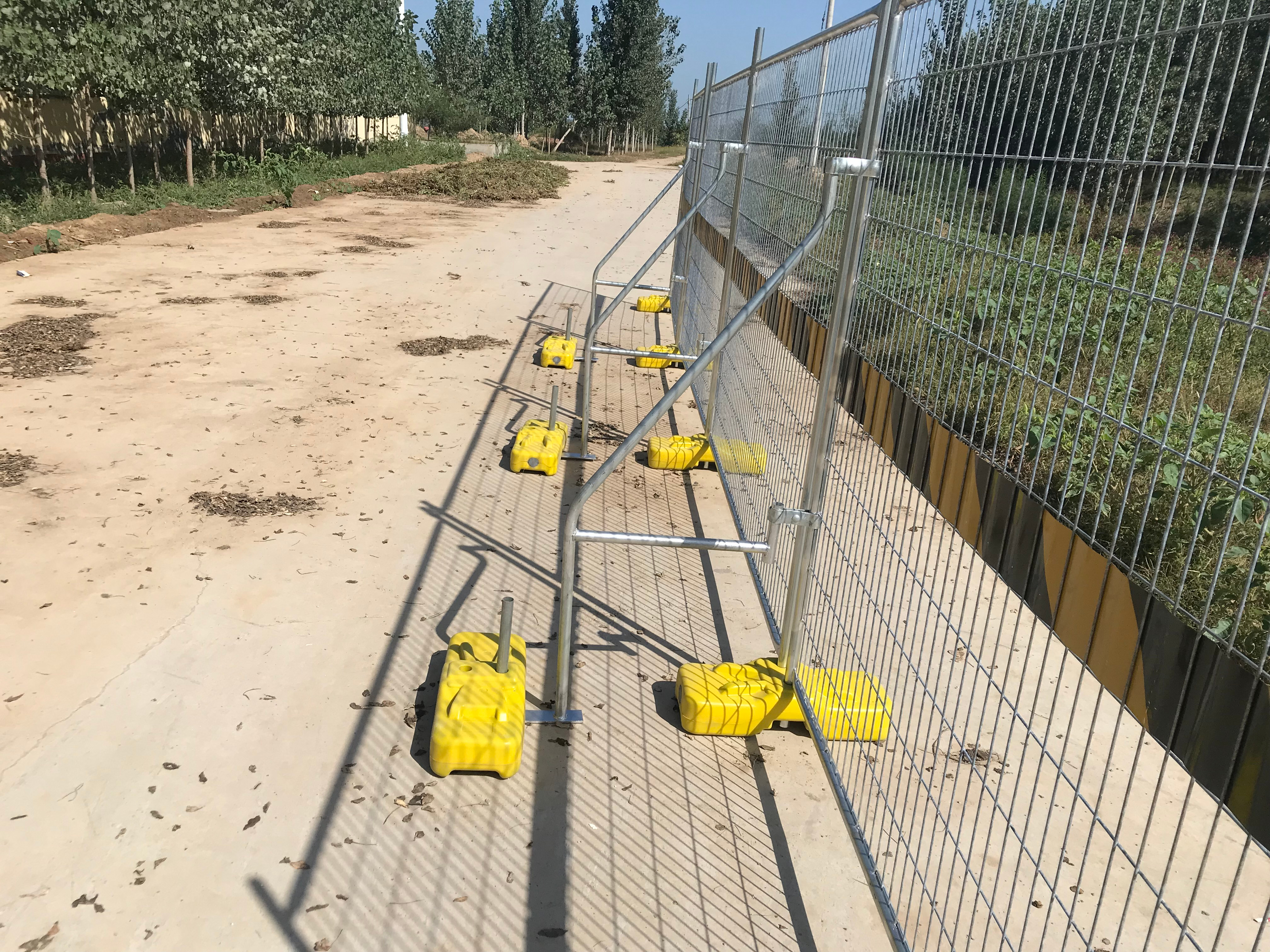
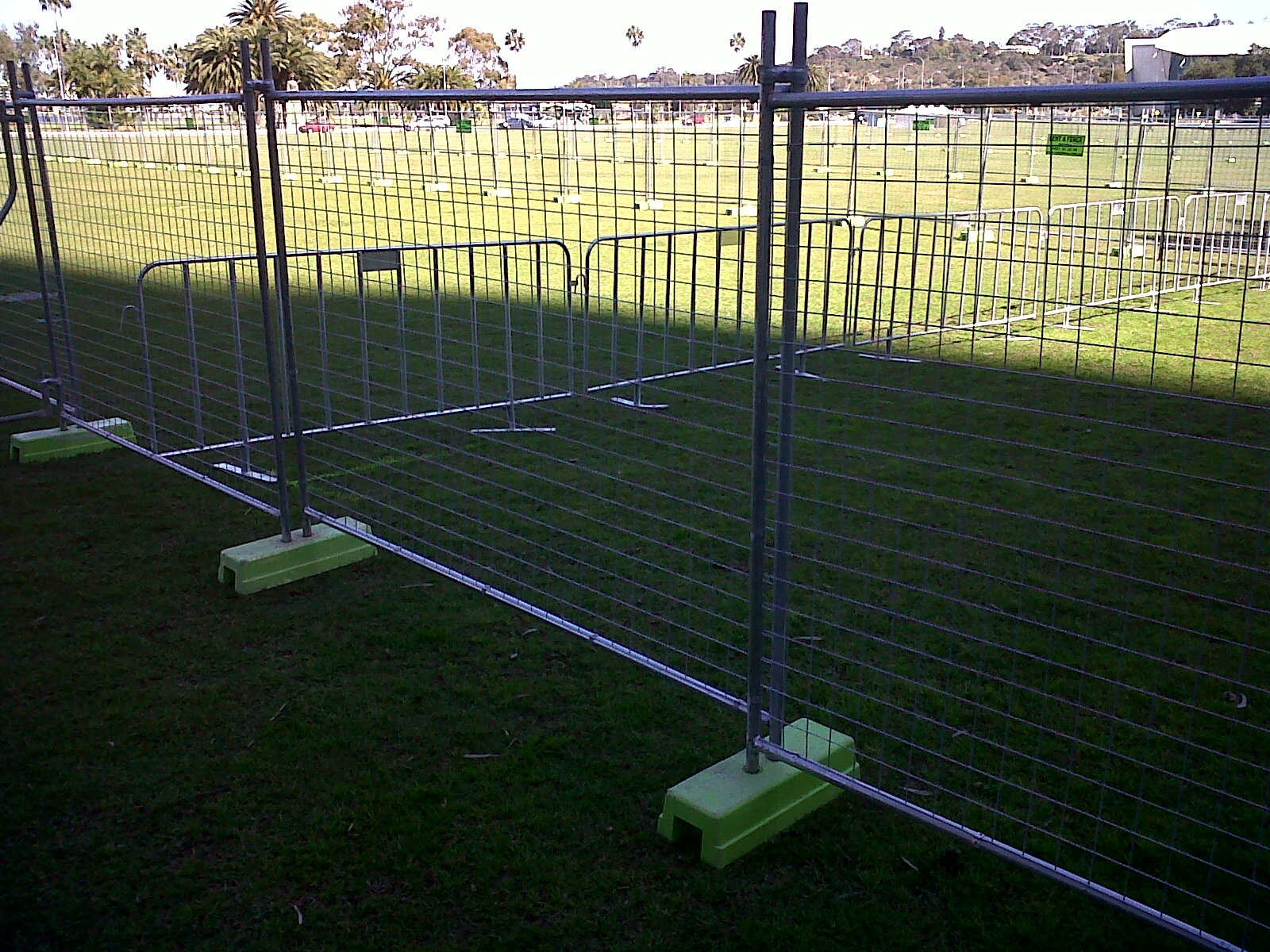
Flange side 2 x 75 mm with 70° and flange top & toe 2 x 30° x 50 mm help the panel frame lock into concrete or plastic feet and reduce trip hazards near public walkways. Many buyers ignore this feature until someone trips over a poorly designed base and a claim lands on their desk.
10. The silent risk – UV-treated caps and water ingress
POLYMETAL panels include a UV-treated plastic cap for each post. Without this small component, rain pours into the frame tube and rusts the steel from the inside out. That hidden risk can ruin an entire batch of panels in a few seasons.
11. The financial danger – under-spec bracing on long runs
Long, unbraced runs beside roads or open fields act like giant sails in Melbourne’s gusty weather. If you under-spec bracing here, your panels can fall into traffic or onto parked cars. That danger can turn a low-margin project into a financial crisis overnight.
12. The layout trap – mismatching panel width and site dimensions
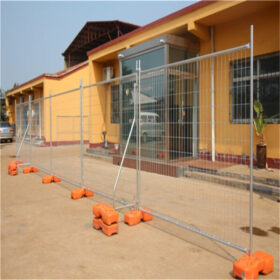
Using only one Melbourne temp fence panels width on complex sites leads to constant cutting, re-spacing and improvised fixes. Mixing 2400 mm with 3300 mm or 3500 mm POLYMETAL panels lets you close awkward gaps without ugly “patches”, avoiding this expensive layout trap.
13. The hidden cost – freight optimisation
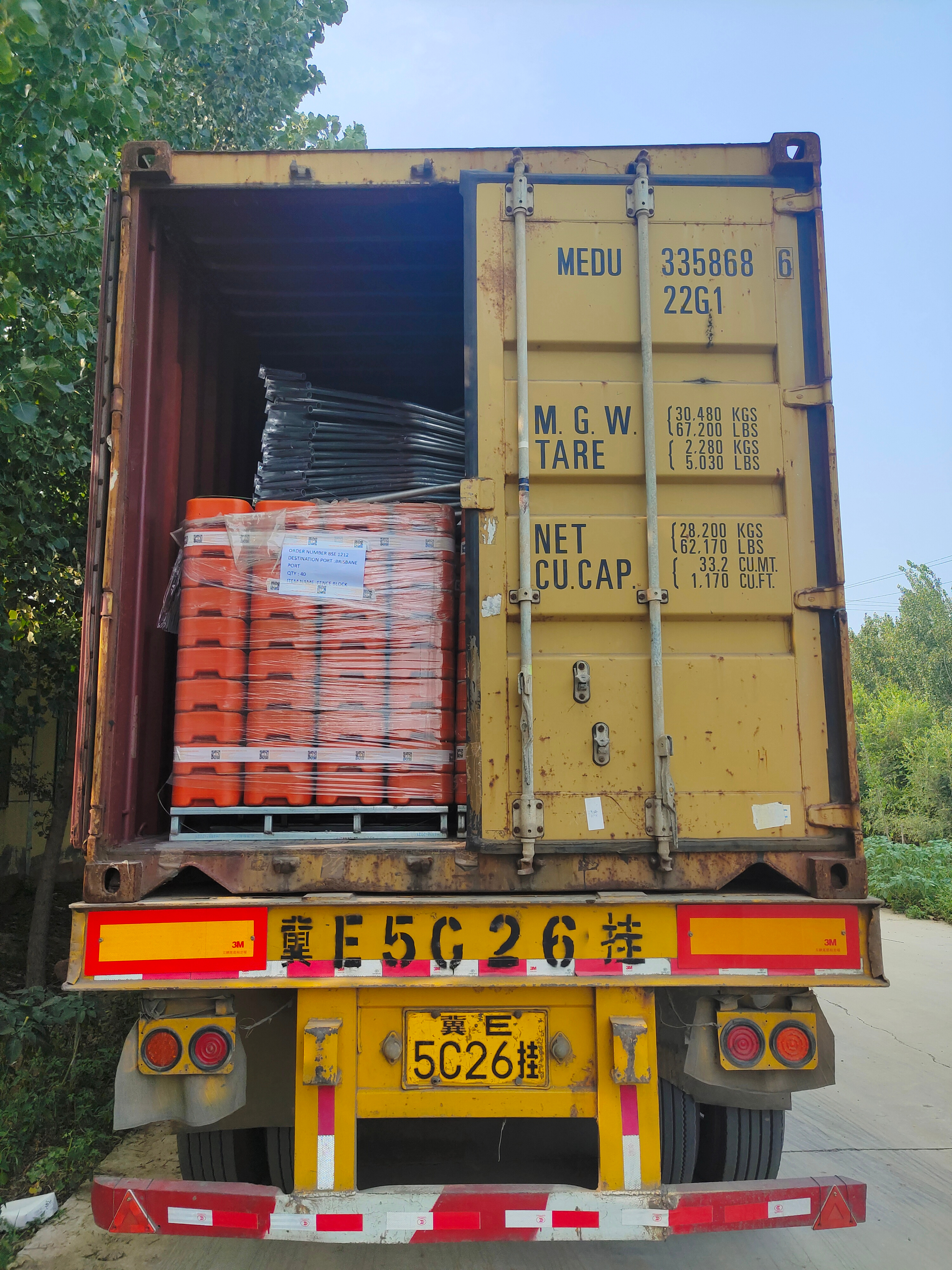
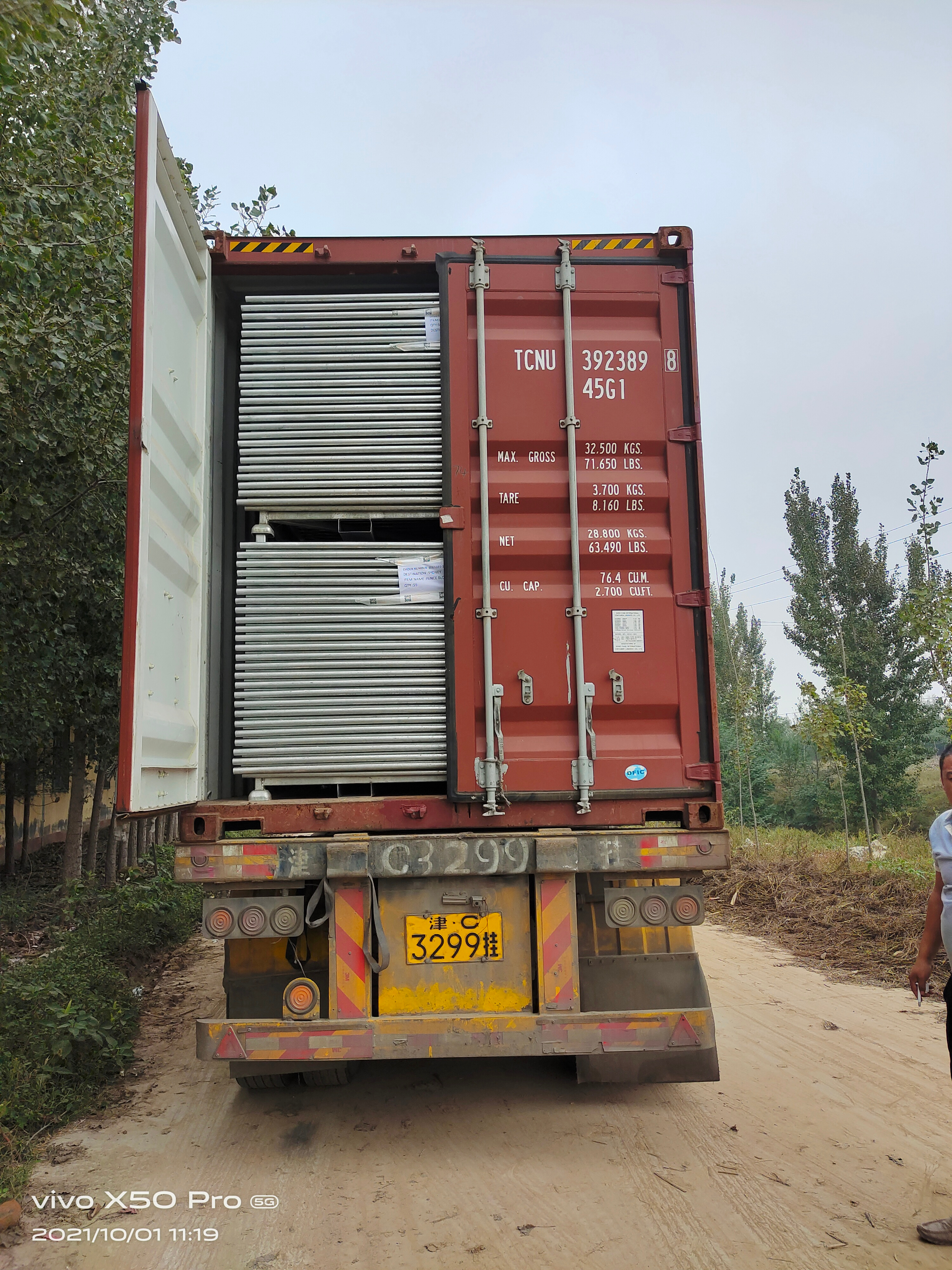
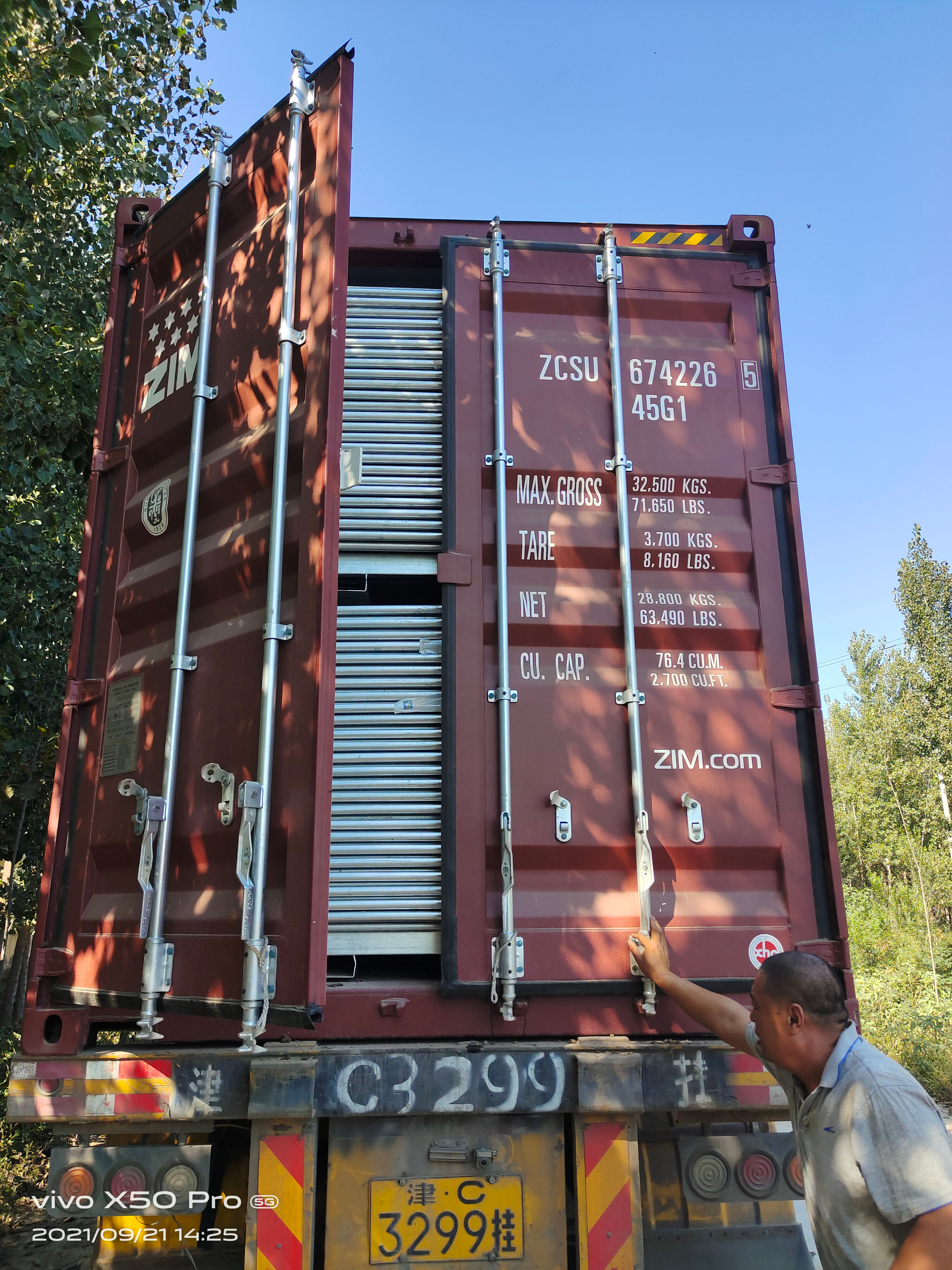
A 40HC container loading of 364 POLYMETAL panels is carefully calculated to maximise space while staying within weight limits. If you use panels with random dimensions, you end up shipping air — a cost you never see on the spec sheet but always pay on the invoice.
14. The long-term pitfall – buying without a standard
If your panels are not made to a repeatable standard height, width, tube size and mesh pattern, every repair and replacement becomes a one-off. That pitfall makes your fleet hard to manage and reduces resale value when you refresh stock.
15. The subtle drawback – inconsistent finish between batches
When different factories use different galvanizing and powder thicknesses, your yard ends up with panels that look mismatched and age at different speeds. POLYMETAL maintains controlled hot-dip and fusion-bond processes so future orders align visually and structurally, avoiding this drawback.
16. The critical benefit – through-bolt anti-vandal system
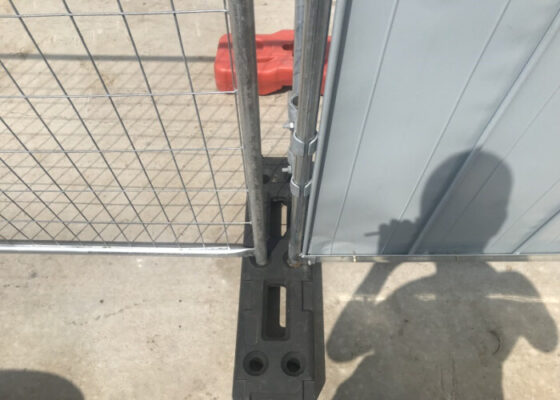
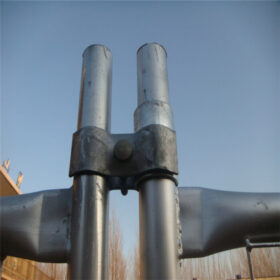
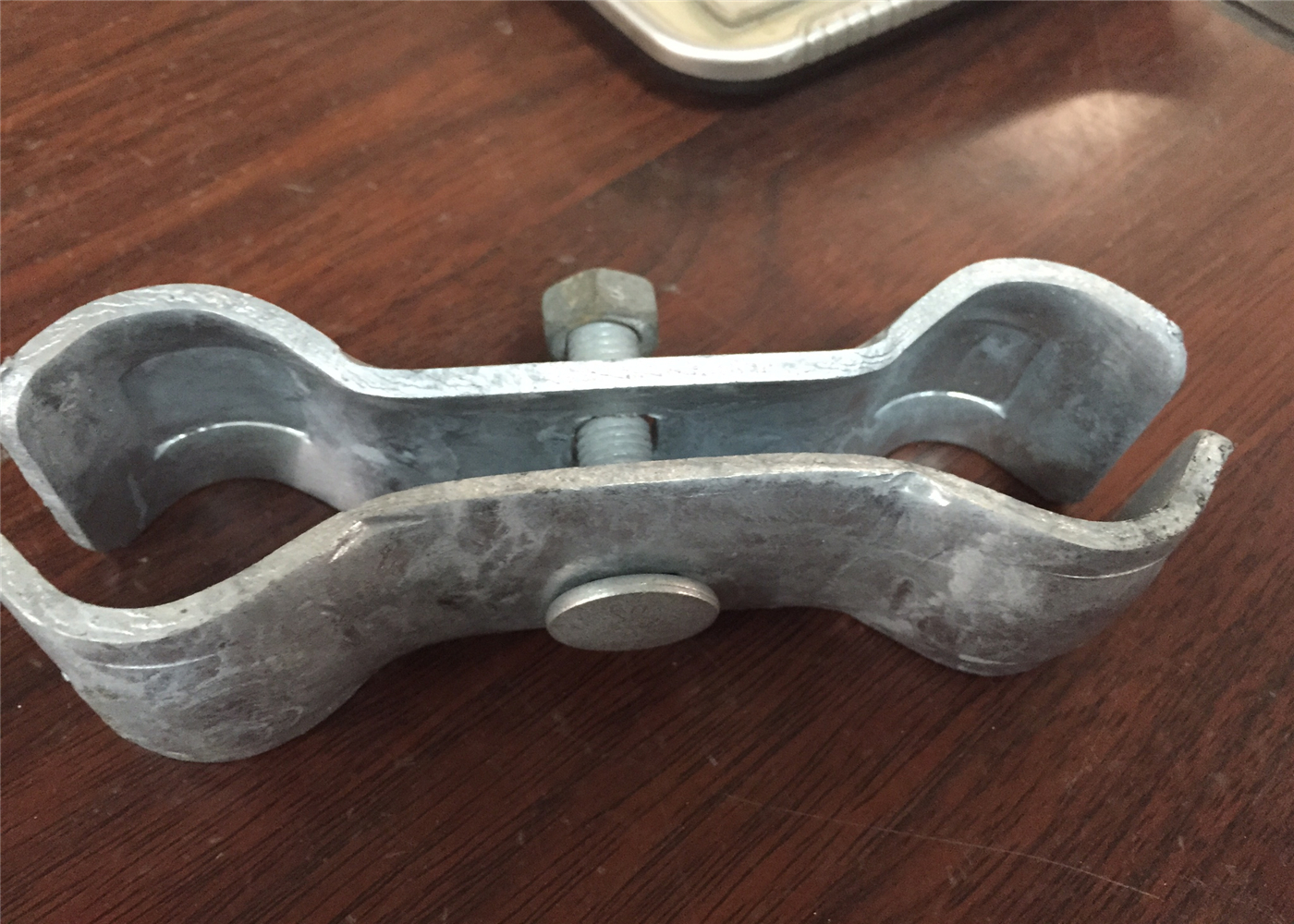
The through-bolt single and double clamp system locks panels together so they cannot be easily lifted or kicked apart. This benefit reduces after-hours vandalism, keeps pedestrians out of danger zones and cuts replacement costs for stolen panels.
17. The competitive advantage – a brand built for hire fleets
POLYMETAL focuses on the rental and construction market, not just one-off small sales. That advantage shows in details such as weld quality, consistent panel squareness and stackable geometry, all of which speed up turnaround between jobs.
18. The ultimate reward – fewer failures, more profitable hires
When you choose a panel system that matches Melbourne’s climate and compliance needs, your “boring” temp fence turns into a stable, long-life asset. The reward is simple: fewer failures, fewer angry phone calls and more profit per panel per hire.
Product Description: POLYMETAL Melbourne Temp Fence Panels
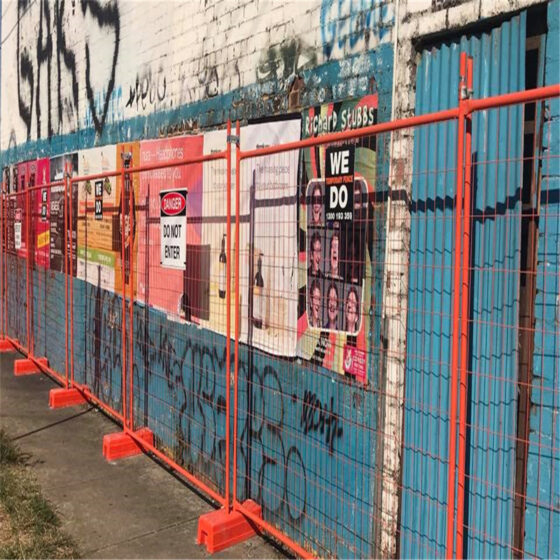
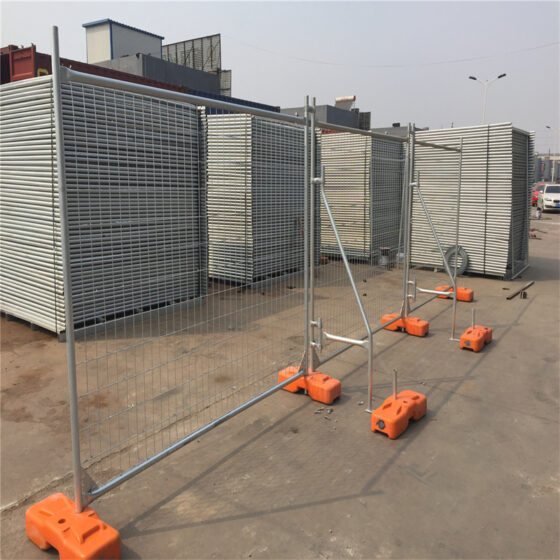
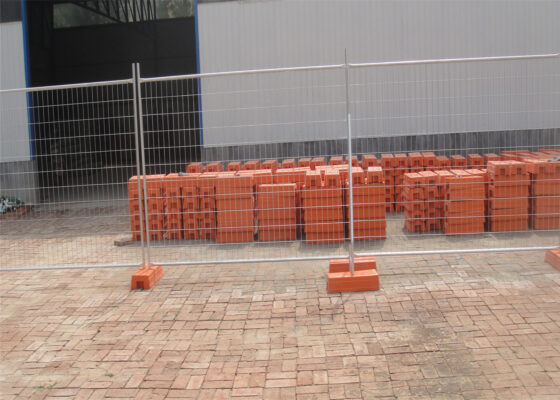
POLYMETAL Melbourne temp fence panels are designed for fast deployment on construction sites, civil projects, events and industrial yards. Each panel is 2100 mm high with a standard width of 2400 mm, and can also be configured in 3300 mm or 3500 mm widths for long straight runs. The mesh opening is 60 mm by 150 mm, welded using low-carbon steel wire in diameters from 2.70 mm through 3.00 mm up to 4.00 mm for heavy-duty applications.
The frame uses round tubes in OD32 mm, OD38 mm, OD40 mm or OD41 mm with wall thickness options from 1.0 mm to 2.0 mm. This lets hire companies and contractors choose the right balance between weight and durability. All frames and mesh are hot-dip galvanized to 14, 42 or 100 microns, with the option of a marine-grade fusion-bond finish for especially corrosive environments. Tapered posts, anti-vandal clamps and UV-treated post caps complete the system, turning a simple barrier into a robust security envelope.
Technical Specifications – POLYMETAL Melbourne Temp Fence Panels
Table 1 – Standard 2400 mm Wide Melbourne temp fence panels (General Duty)
| Model | Height (mm) | Width (mm) | Frame Tube | Frame Thickness | Mesh Opening (mm) | Wire Diameter (mm) | Finish | Bracing | Typical Use |
|---|---|---|---|---|---|---|---|---|---|
| PM-TF2400-32-10-27 | 2100 | 2400 | OD32 | 1.0 | 60 x 150 | 2.70 | 14 µm HDG | No | Short-term sites |
| PM-TF2400-32-12-27 | 2100 | 2400 | OD32 | 1.2 | 60 x 150 | 2.70 | 14 µm HDG | No | Light construction |
| PM-TF2400-32-14-30 | 2100 | 2400 | OD32 | 1.4 | 60 x 150 | 3.00 | 14 µm HDG | No | Small projects |
| PM-TF2400-38-10-27 | 2100 | 2400 | OD38 | 1.0 | 60 x 150 | 2.70 | 14 µm HDG | No | Events |
| PM-TF2400-38-12-27 | 2100 | 2400 | OD38 | 1.2 | 60 x 150 | 2.70 | 14 µm HDG | No | Low-risk hire |
| PM-TF2400-38-14-30 | 2100 | 2400 | OD38 | 1.4 | 60 x 150 | 3.00 | 14 µm HDG | No | Residential builds |
| PM-TF2400-40-12-27 | 2100 | 2400 | OD40 | 1.2 | 60 x 150 | 2.70 | 14 µm HDG | No | Civil works |
| PM-TF2400-40-14-30 | 2100 | 2400 | OD40 | 1.4 | 60 x 150 | 3.00 | 14 µm HDG | No | Medium duty sites |
| PM-TF2400-41-14-30 | 2100 | 2400 | OD41 | 1.4 | 60 x 150 | 3.00 | 14 µm HDG | No | Wind-exposed areas |
| PM-TF2400-41-15-40 | 2100 | 2400 | OD41 | 1.5 | 60 x 150 | 4.00 | 14 µm HDG | No | High-load general duty |
Table 2 – 2400 mm Wide Heavy-Duty Melbourne temp fence panels (Enhanced Coating)
| Model | Height (mm) | Width (mm) | Frame Tube | Frame Thickness | Mesh Opening (mm) | Wire Diameter (mm) | Finish | Bracing | Typical Use |
|---|---|---|---|---|---|---|---|---|---|
| PM-TF2400-38-14-27-42 | 2100 | 2400 | OD38 | 1.4 | 60 x 150 | 2.70 | 42 µm HDG | No | Long hire cycles |
| PM-TF2400-38-14-30-42 | 2100 | 2400 | OD38 | 1.4 | 60 x 150 | 3.00 | 42 µm HDG | No | Infrastructure jobs |
| PM-TF2400-38-15-40-42 | 2100 | 2400 | OD38 | 1.5 | 60 x 150 | 4.00 | 42 µm HDG | No | Public works |
| PM-TF2400-40-14-27-42 | 2100 | 2400 | OD40 | 1.4 | 60 x 150 | 2.70 | 42 µm HDG | No | Urban sites |
| PM-TF2400-40-14-30-42 | 2100 | 2400 | OD40 | 1.4 | 60 x 150 | 3.00 | 42 µm HDG | No | Busy construction |
| PM-TF2400-40-15-40-42 | 2100 | 2400 | OD40 | 1.5 | 60 x 150 | 4.00 | 42 µm HDG | No | Heavy traffic areas |
| PM-TF2400-41-14-30-42 | 2100 | 2400 | OD41 | 1.4 | 60 x 150 | 3.00 | 42 µm HDG | No | Hire fleet premium |
| PM-TF2400-41-15-40-42 | 2100 | 2400 | OD41 | 1.5 | 60 x 150 | 4.00 | 42 µm HDG | No | Long-term rentals |
| PM-TF2400-41-20-40-42 | 2100 | 2400 | OD41 | 2.0 | 60 x 150 | 4.00 | 42 µm HDG | No | Mining & industry |
| PM-TF2400-41-20-40-42-HD | 2100 | 2400 | OD41 | 2.0 | 60 x 150 | 4.00 | 42 µm HDG + fusion bond | No | Coastal & corrosive sites |
Table 3 – 3300 mm Wide Panels (With and Without Middle Bracing)
| Model | Height (mm) | Width (mm) | Frame Tube | Frame Thickness | Mesh Opening (mm) | Wire Diameter (mm) | Finish | Bracing | Typical Use |
|---|---|---|---|---|---|---|---|---|---|
| PM-TF3300-38-12-27 | 2100 | 3300 | OD38 | 1.2 | 60 x 150 | 2.70 | 14 µm HDG | None | Short runs |
| PM-TF3300-38-14-27 | 2100 | 3300 | OD38 | 1.4 | 60 x 150 | 2.70 | 14 µm HDG | None | Internal barriers |
| PM-TF3300-38-14-30 | 2100 | 3300 | OD38 | 1.4 | 60 x 150 | 3.00 | 14 µm HDG | Middle | Straight long runs |
| PM-TF3300-40-14-27 | 2100 | 3300 | OD40 | 1.4 | 60 x 150 | 2.70 | 14 µm HDG | Middle | Roadside lines |
| PM-TF3300-40-14-30 | 2100 | 3300 | OD40 | 1.4 | 60 x 150 | 3.00 | 14 µm HDG | Middle | Wind-exposed sites |
| PM-TF3300-40-15-40 | 2100 | 3300 | OD40 | 1.5 | 60 x 150 | 4.00 | 14 µm HDG | Middle | Heavy duty |
| PM-TF3300-41-14-30-42 | 2100 | 3300 | OD41 | 1.4 | 60 x 150 | 3.00 | 42 µm HDG | Middle | Long-term jobs |
| PM-TF3300-41-15-40-42 | 2100 | 3300 | OD41 | 1.5 | 60 x 150 | 4.00 | 42 µm HDG | Middle | Coastal use |
| PM-TF3300-41-20-40-42 | 2100 | 3300 | OD41 | 2.0 | 60 x 150 | 4.00 | 42 µm HDG | Middle | Industrial perimeter |
| PM-TF3300-41-20-40-100 | 2100 | 3300 | OD41 | 2.0 | 60 x 150 | 4.00 | 100 µm HDG | Middle | Extreme durability |
Table 4 – 3500 mm Wide Panels (High Coverage Panels)
| Model | Height (mm) | Width (mm) | Frame Tube | Frame Thickness | Mesh Opening (mm) | Wire Diameter (mm) | Finish | Bracing | Typical Use |
|---|---|---|---|---|---|---|---|---|---|
| PM-TF3500-38-12-27 | 2100 | 3500 | OD38 | 1.2 | 60 x 150 | 2.70 | 14 µm HDG | Middle | Economical coverage |
| PM-TF3500-38-14-27 | 2100 | 3500 | OD38 | 1.4 | 60 x 150 | 2.70 | 14 µm HDG | Middle | Long straight runs |
| PM-TF3500-38-14-30 | 2100 | 3500 | OD38 | 1.4 | 60 x 150 | 3.00 | 14 µm HDG | Middle | Standard duty |
| PM-TF3500-40-14-27 | 2100 | 3500 | OD40 | 1.4 | 60 x 150 | 2.70 | 14 µm HDG | Middle | Perimeter fencing |
| PM-TF3500-40-14-30 | 2100 | 3500 | OD40 | 1.4 | 60 x 150 | 3.00 | 14 µm HDG | Middle | Event sites |
| PM-TF3500-40-15-40 | 2100 | 3500 | OD40 | 1.5 | 60 x 150 | 4.00 | 14 µm HDG | Middle | High wind areas |
| PM-TF3500-41-14-30-42 | 2100 | 3500 | OD41 | 1.4 | 60 x 150 | 3.00 | 42 µm HDG | Middle | Premium hire fleets |
| PM-TF3500-41-15-40-42 | 2100 | 3500 | OD41 | 1.5 | 60 x 150 | 4.00 | 42 µm HDG | Middle | Long-term rentals |
| PM-TF3500-41-20-40-42 | 2100 | 3500 | OD41 | 2.0 | 60 x 150 | 4.00 | 42 µm HDG | Middle | Infrastructure corridors |
| PM-TF3500-41-20-40-100 | 2100 | 3500 | OD41 | 2.0 | 60 x 150 | 4.00 | 100 µm HDG | Middle | Harsh coastal conditions |
Packing
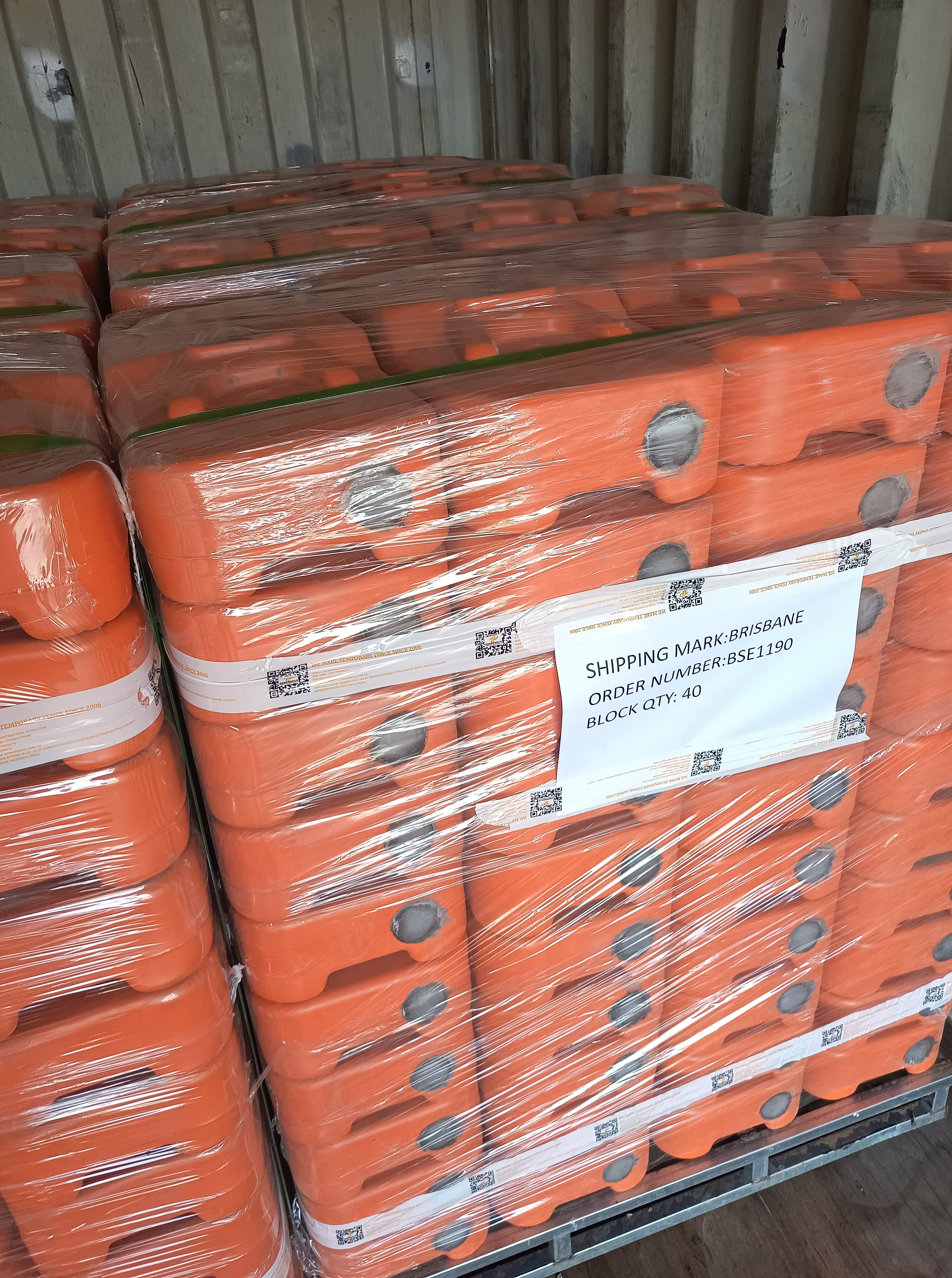
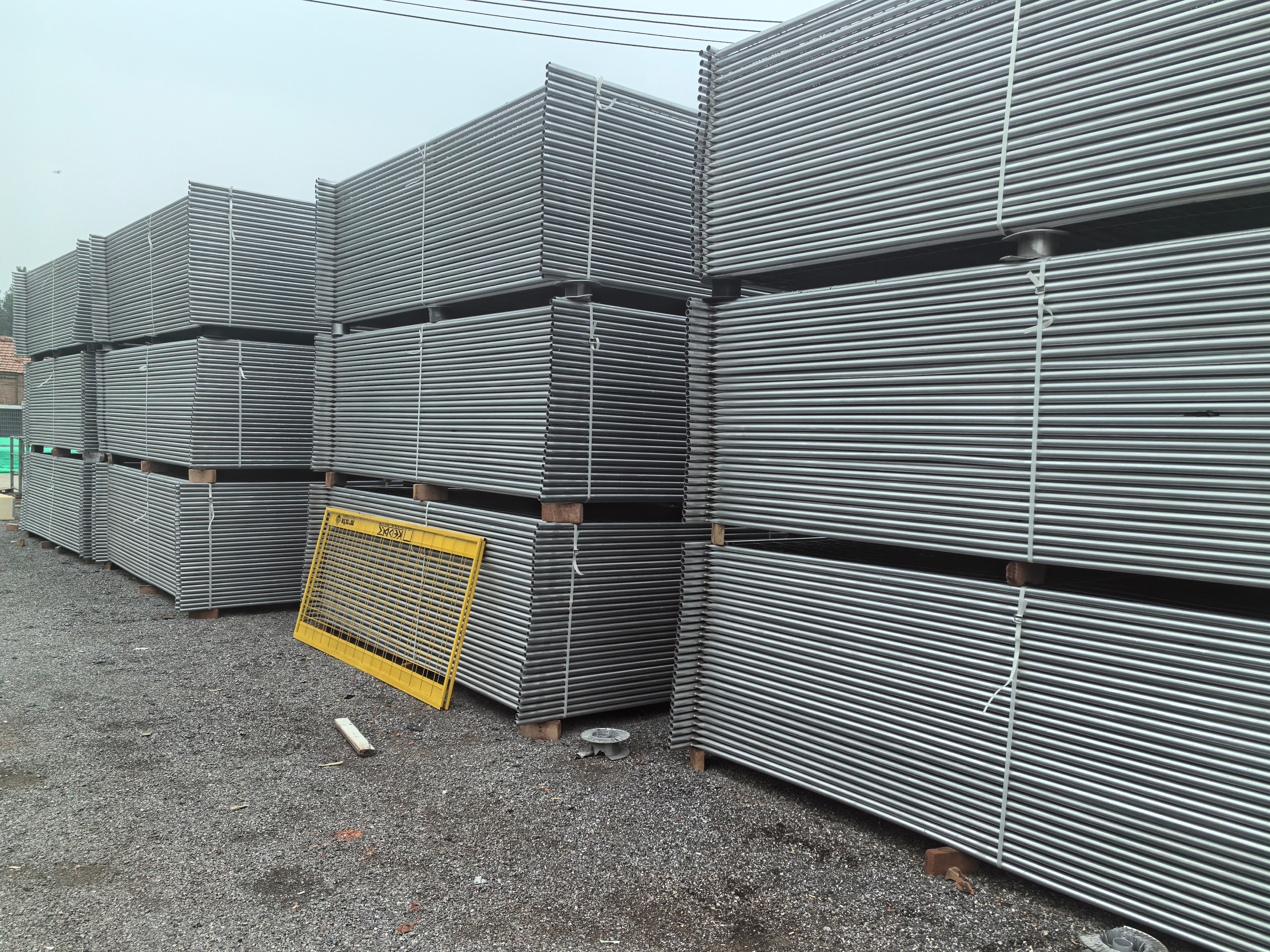
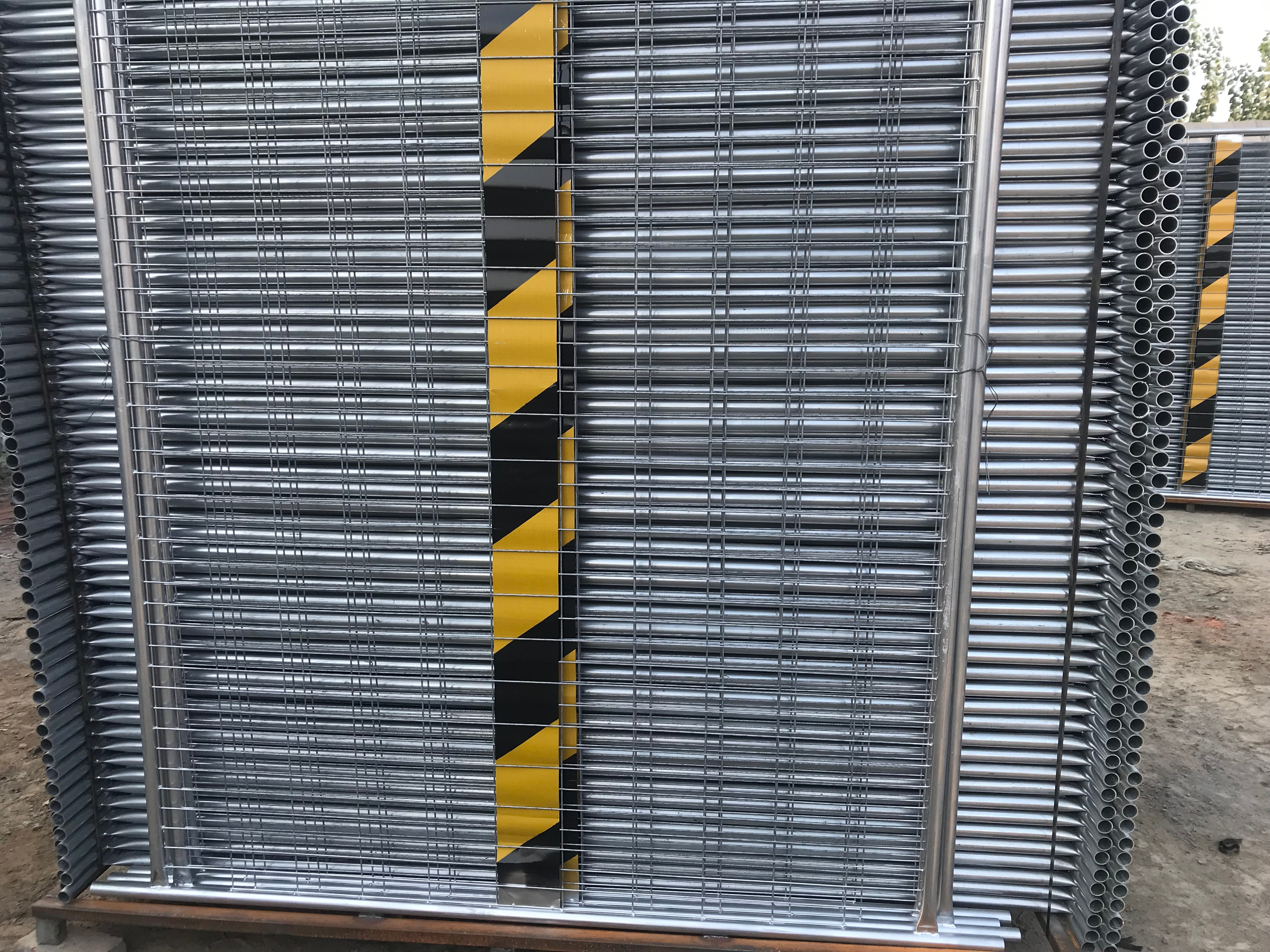
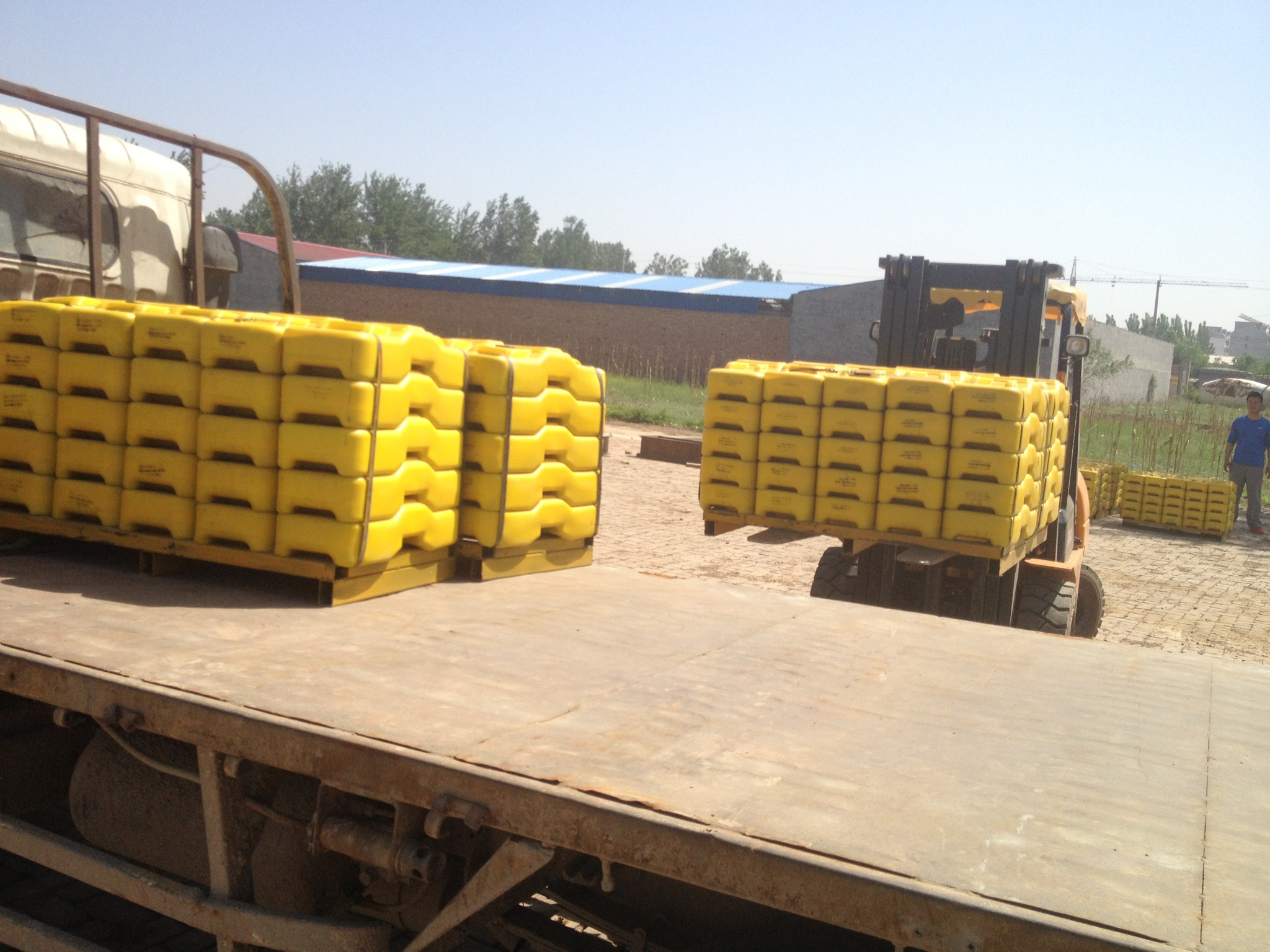
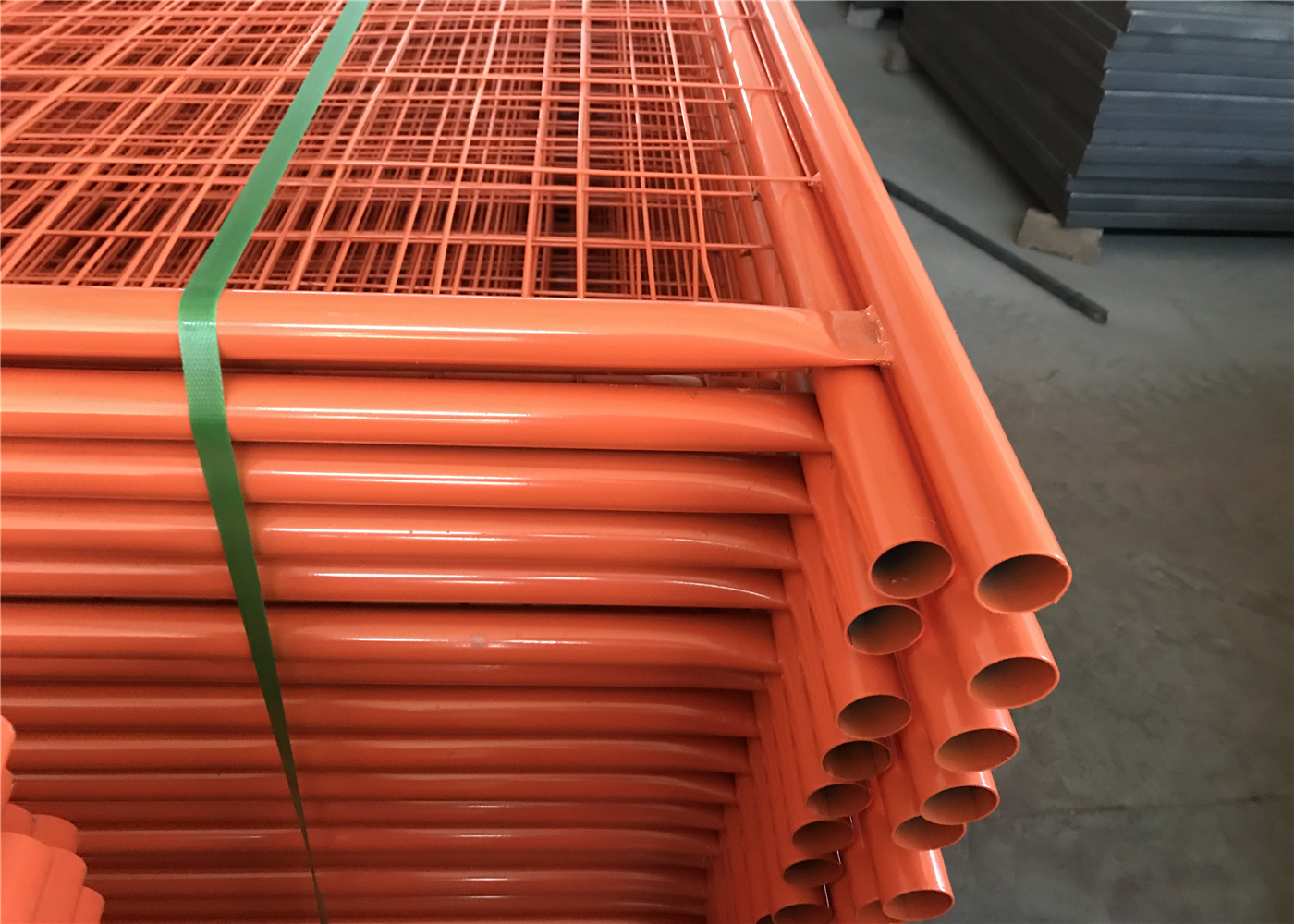
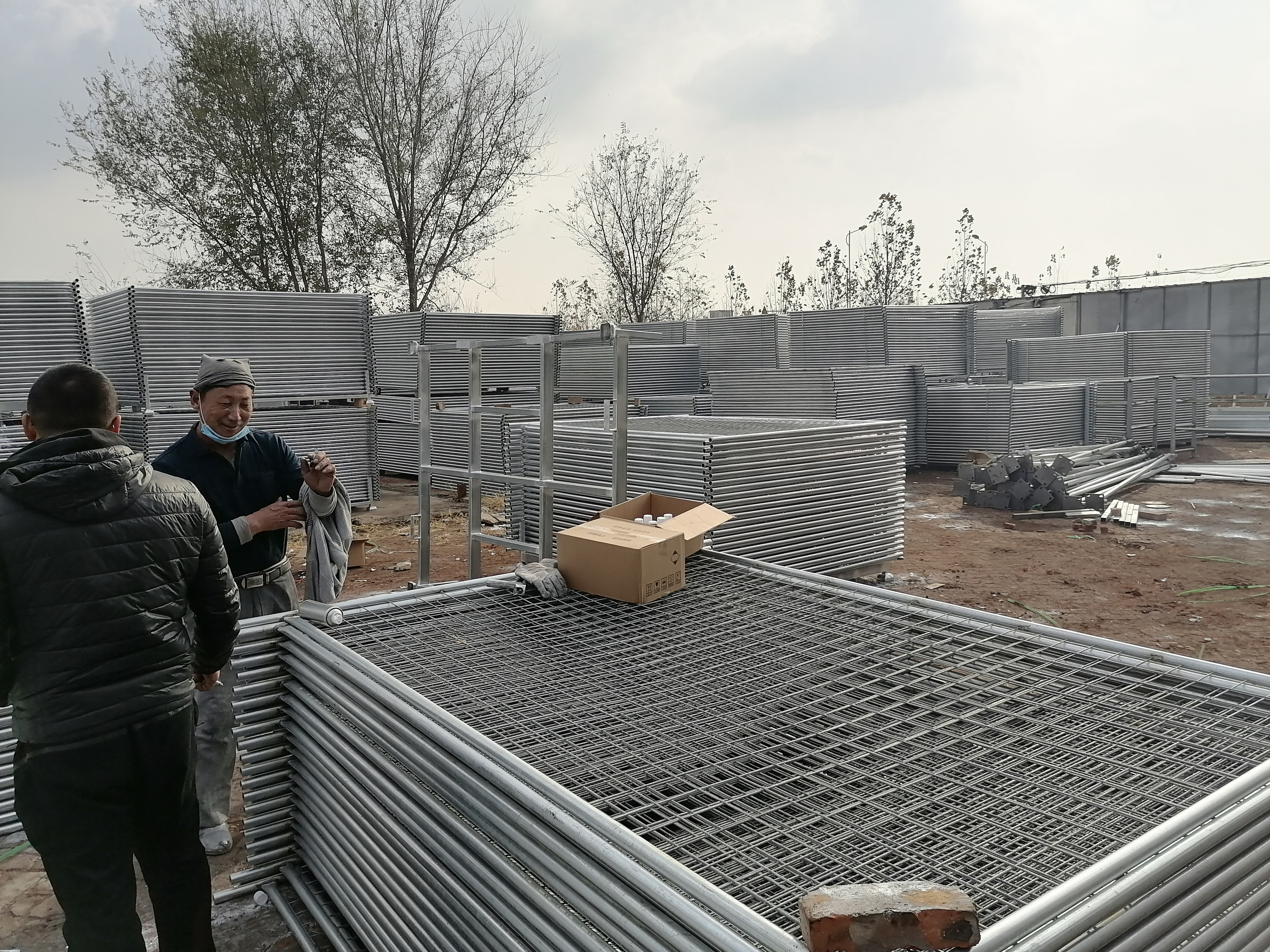
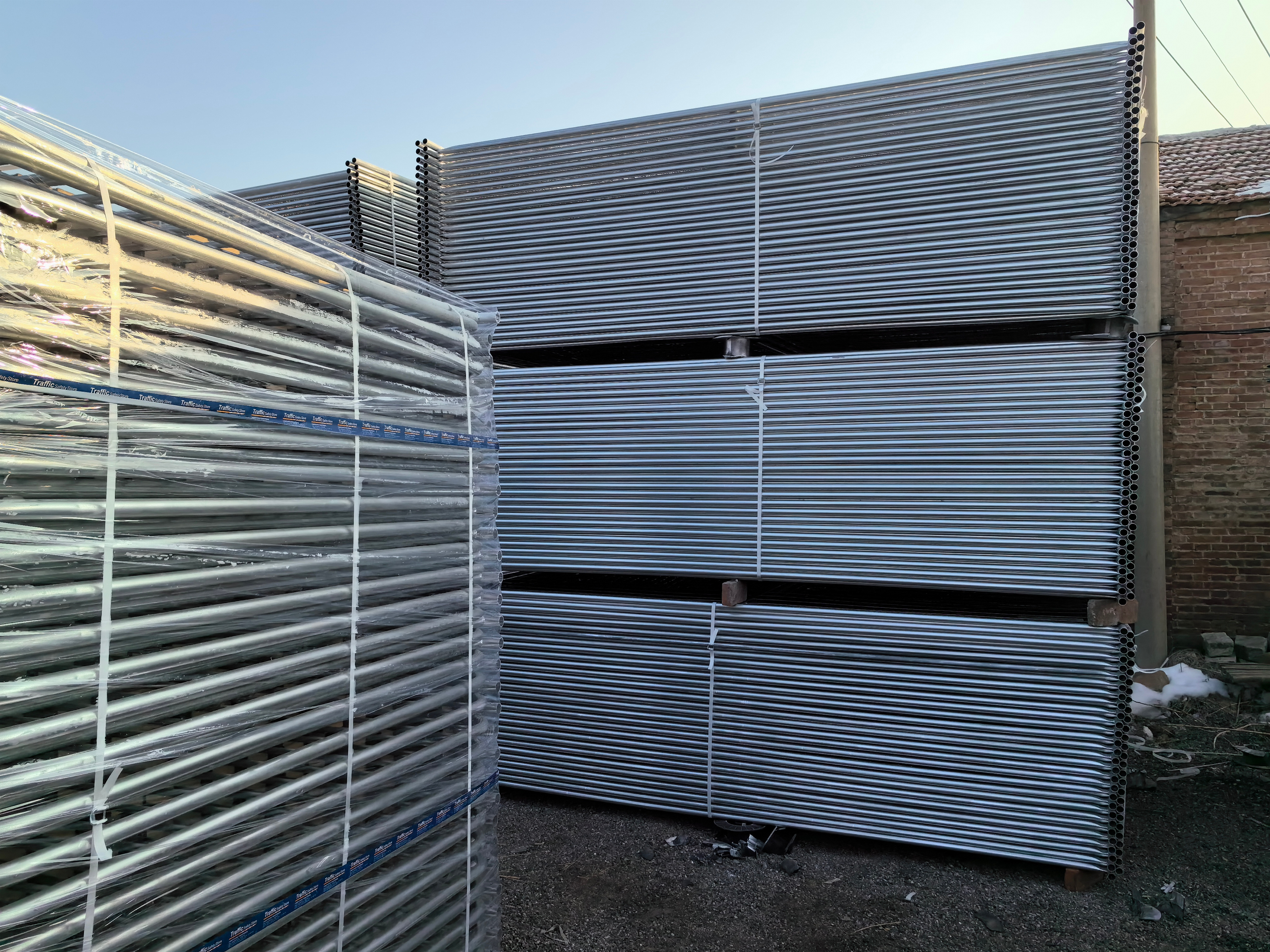
POLYMETAL Melbourne temp fence panels are packed on heavy-duty metal stillages designed for forklift handling from all four sides. Panels are stacked in interlocking layers to minimise movement during transport. Stillages can be shrink-wrapped or banded as required by the freight forwarder. This packing method reduces damage to galvanizing at the corners and keeps the mesh from warping, ensuring that panels arrive square and ready to deploy.
Production Process
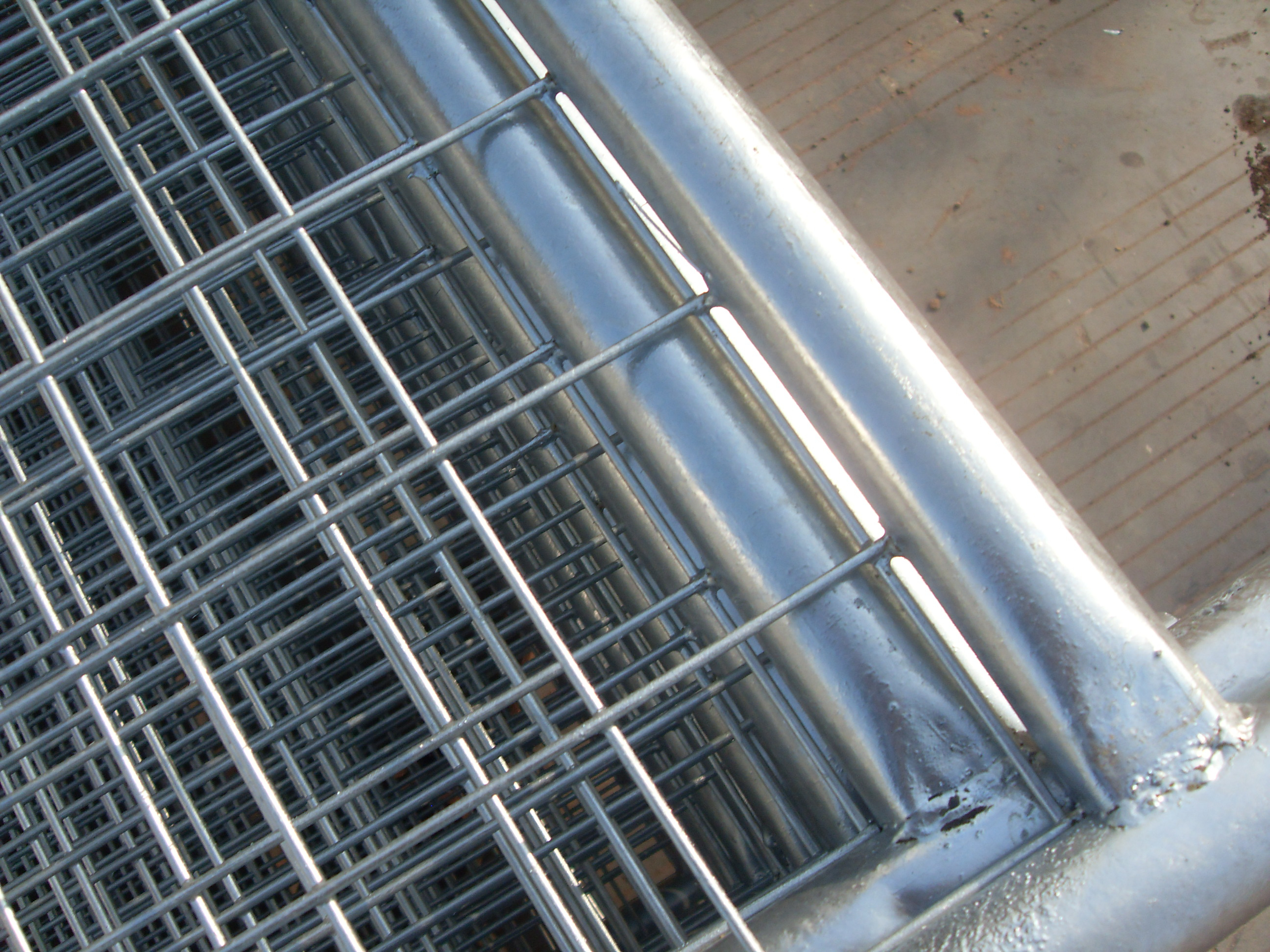
Manufacture begins with certified low-carbon steel wire and pipe. The pipe is straightened, cut, and automatically mitre-notched before being jig-welded into panel frames. Mesh is welded on fully automated resistance welding lines to ensure consistent 60 mm x 150 mm apertures and strong weld points. Frames and mesh are joined at multiple locations to resist twisting.
After assembly, panels are chemically cleaned, pickled and fluxed before hot-dip galvanizing. Depending on the specified coating level, steel remains in the zinc bath long enough to achieve 14, 42 or 100 microns of zinc coating. For marine fusion-bond options, an additional adhesive layer and polymer topcoat are baked on to create a tough, smooth finish. Each batch is spot-checked for coating thickness, weld integrity and dimensional accuracy before packing.
Standards and Compliance
POLYMETAL designs Melbourne temp fence panels to align with common Australian temporary fencing expectations for construction and event use. Panels are produced to consistent dimensional tolerances so that clamps, feet and gates mate correctly across batches. Welds are tested for shear strength, and coating thickness is measured with calibrated gauges.
While local regulations may vary between councils and project types, POLYMETAL panels are engineered with sufficient height, mesh density and structural rigidity to integrate into compliant temporary fencing systems when installed in accordance with good industry practice and relevant Australian guidelines. Contractors should always confirm project-specific requirements, but choosing a well-specified panel system dramatically reduces the risk of non-conformance, repair work and site downtime.