Your One-Stop Wire Mesh Fence Supplier | POLYMETAL
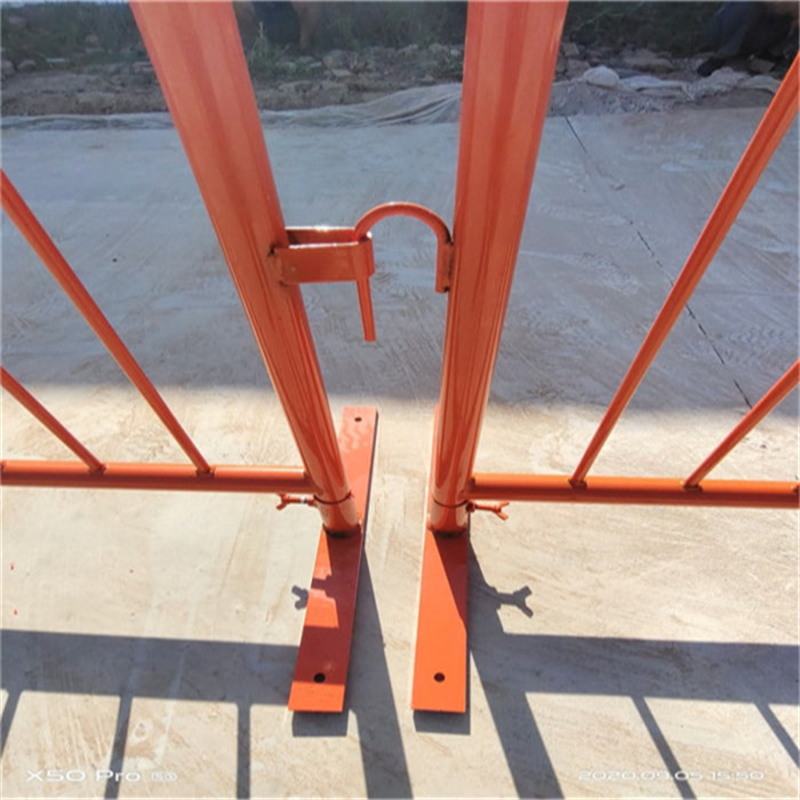
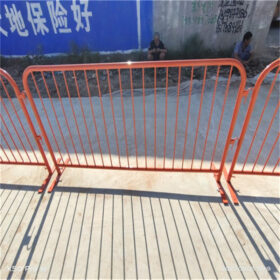
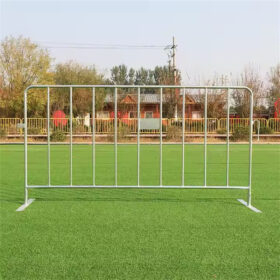
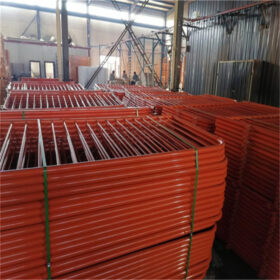
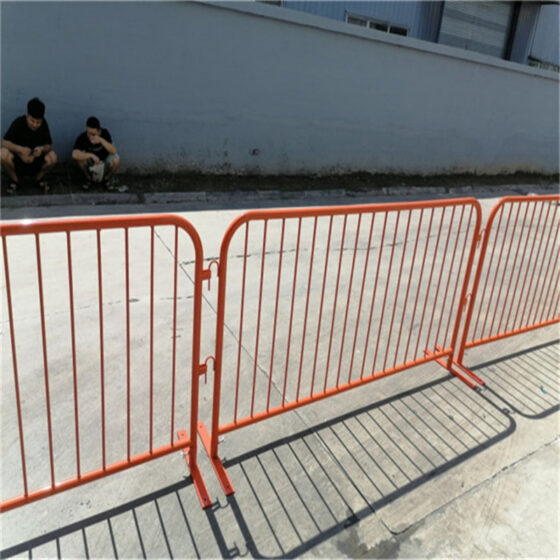
POLYMETAL used crowd control barriers for sale are chosen when buyers want fast event control, reliable lane management, and solid interlocking performance—without paying full “new stock” pricing. The key is buying used barriers as a system, not as random pieces: same height and width, consistent hook style, consistent feet type, and consistent tube specs. When the system is consistent, the line looks professional, connects cleanly, and stays stable under real push-and-pull pressure.
Product Description
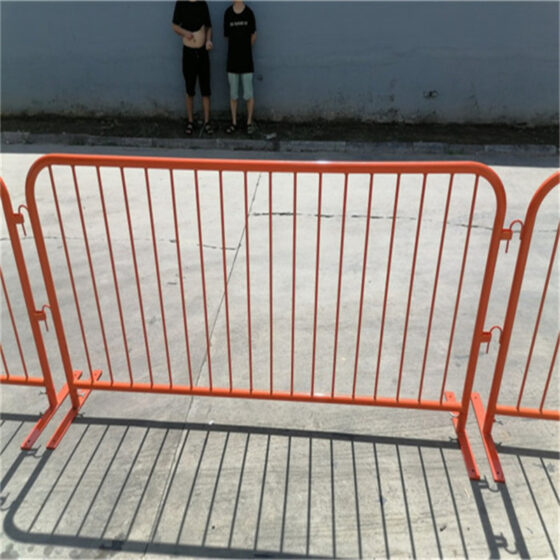
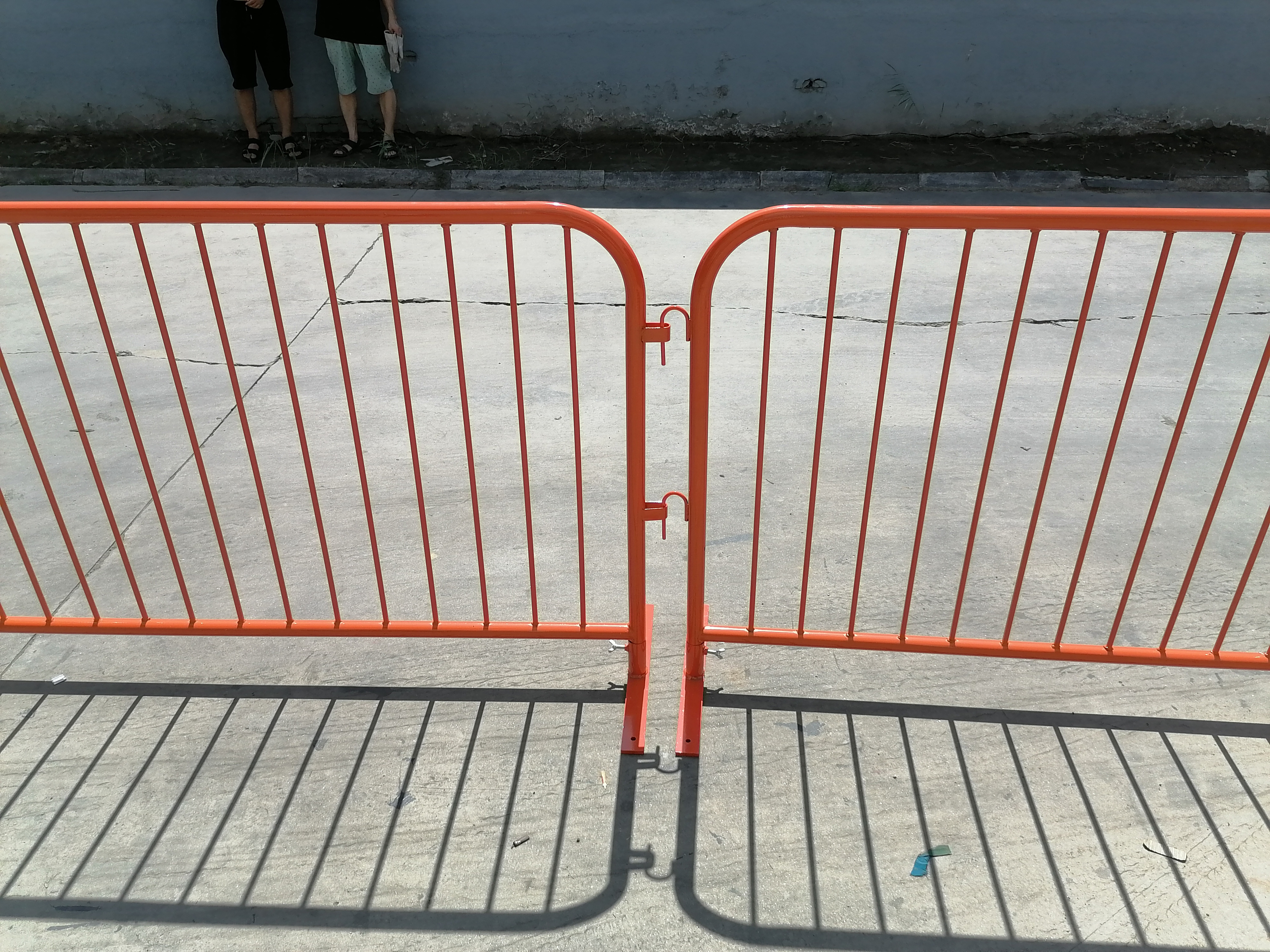
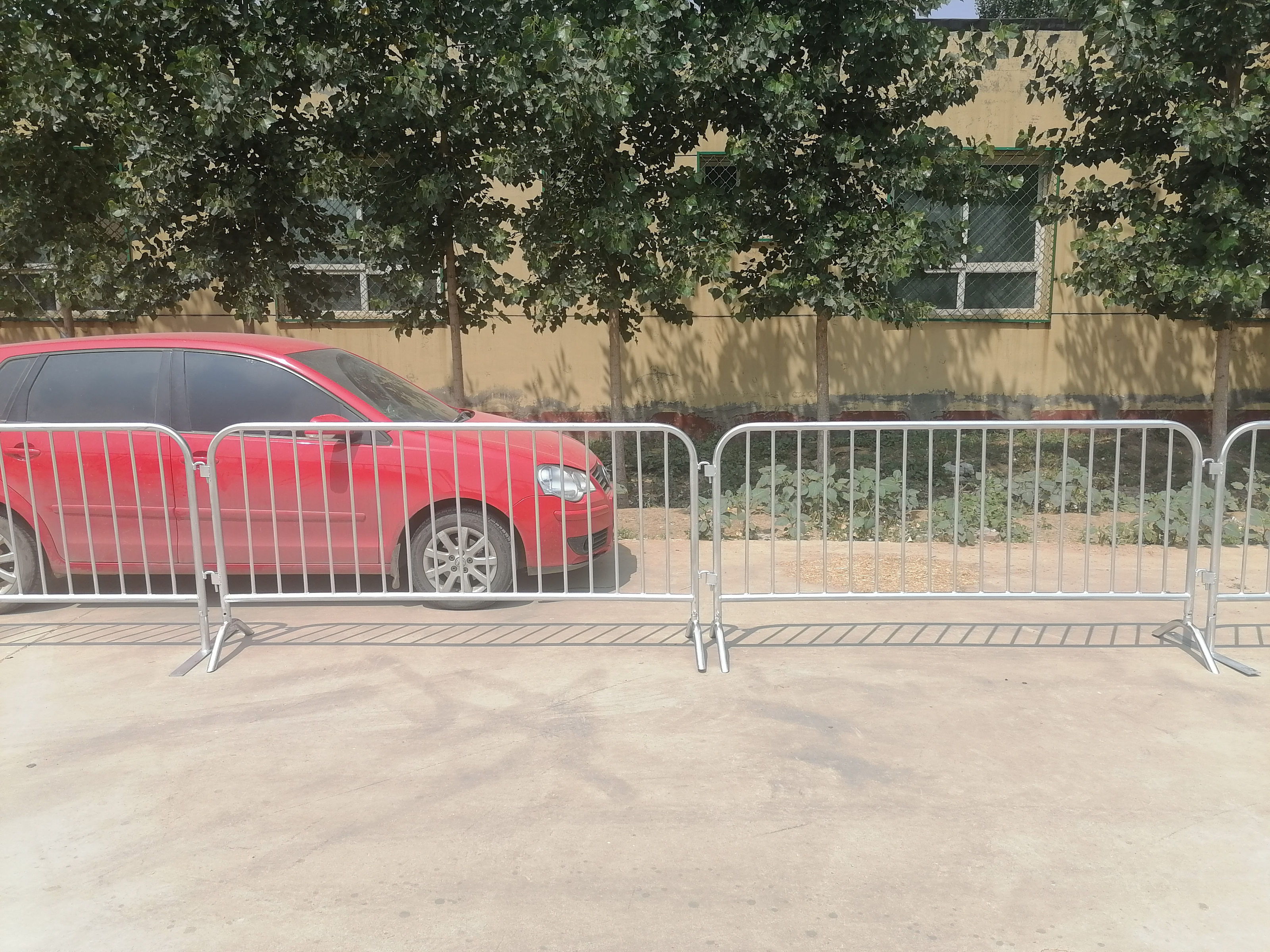
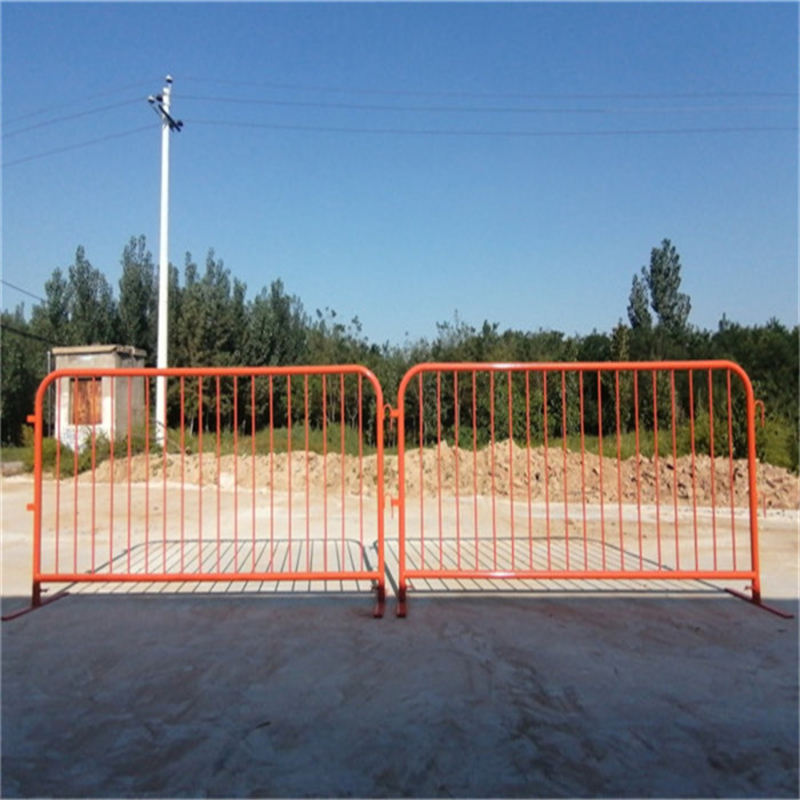
POLYMETAL used crowd control barriers for sale are steel barrier panels built with a tubular frame, welded upright infill tubes, and a heavy flat steel foot base. Common heights include 1.0m, 1.06m, 1.1m, and 1.2m, paired with widths of 2.0m, 2.2m, 2.5m, or 2.6m for fast lane building and efficient truck loading. Frame tube options typically include 25mm, 32mm, 35mm, or 38mm OD with wall thickness choices of 1.5mm, 1.6mm, or 2.0mm depending on duty level. Upright tube options commonly include 19mm OD, 16mm OD, or 12mm OD with thickness selections of 0.7mm, 0.80mm, 1.0mm, or 1.2mm. Bar spacing options such as 90mm, 100mm, 150mm, or 200mm control visibility, reach-through, and the “crowd pressure feel” on the line.
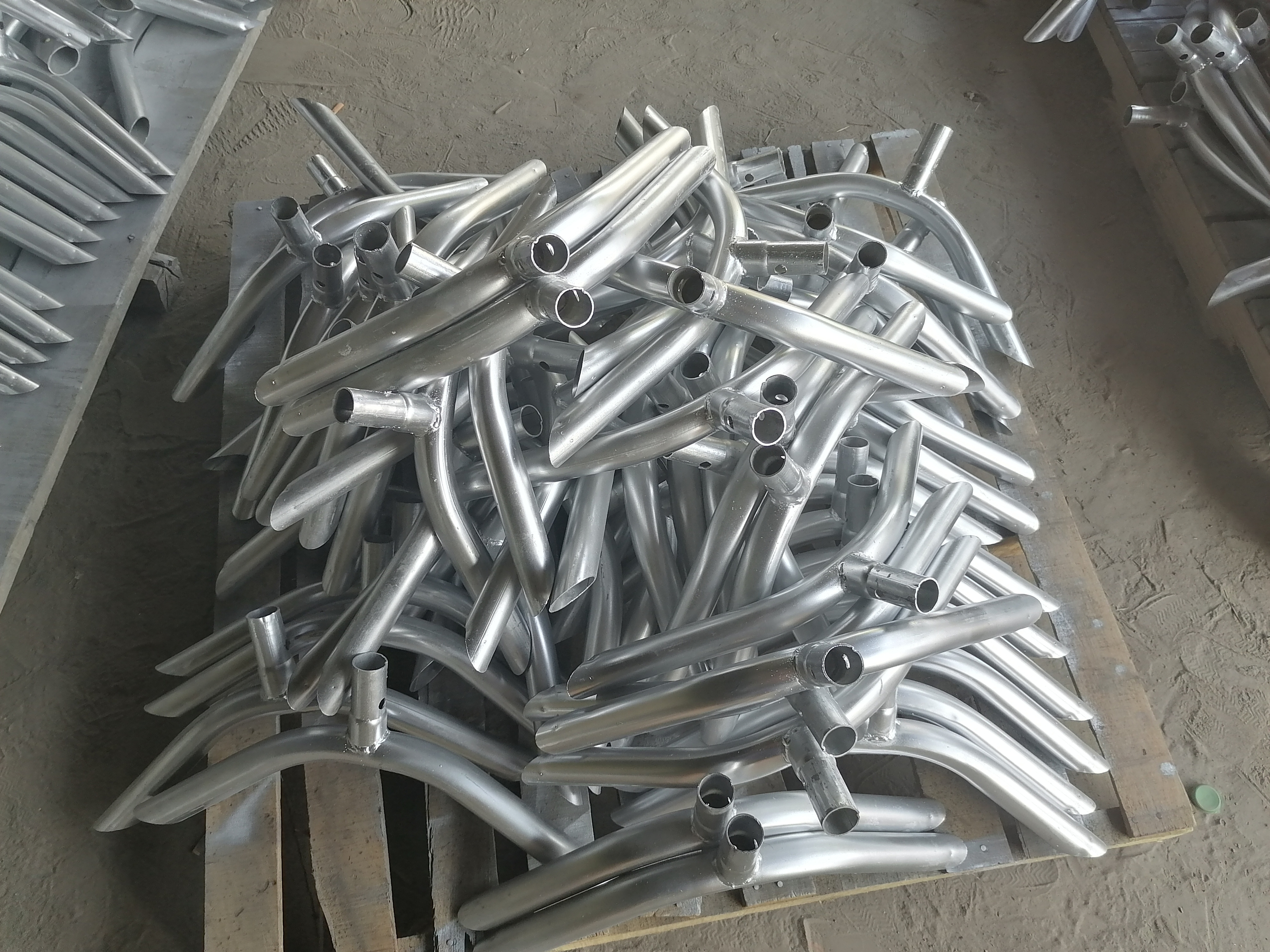
For stability, the standard base uses flat steel (580×50×10mm), with feet choices including wheel feet for fast repositioning, bridge feet for higher stability in straight runs, and V feet for controlled stacking and improved anti-trip performance. Used barriers can be supplied as graded used stock or as refurbished units where panels are reworked for straightness, weld integrity, and finish consistency to deliver a cleaner, more uniform boundary line.
Structure and System Logic
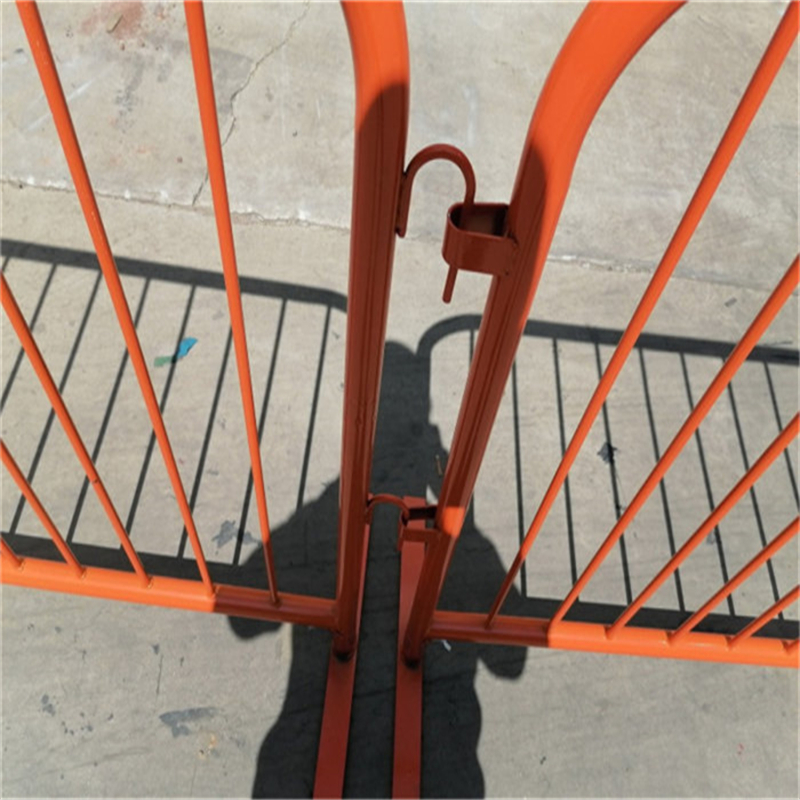
A crowd control barrier line does not “fail” because the steel suddenly becomes weak. It fails because movement is allowed to start: worn hooks create micro-play, micro-play becomes rattle and drift, drift becomes uneven load sharing, and one weak bay becomes the first collapse point. The smartest used purchase is the one that controls the real load path—hook-to-hook locking, foot stability, weld integrity, and consistent geometry—so the entire run behaves like one tight system instead of 50 individual problems. If you want a quick material reference for why many barrier frames are built around Q235-grade steel, see Q235 Steel.
Top 8 Traps You Don’t Know About Used Crowd Control Barriers for Sale (Especially #4)
Trap #1: Buying mixed widths and heights—your line won’t stay straight, and pressure concentrates at mismatched joins.
Trap #2: Ignoring frame tube OD and wall thickness—thin frames dent fast and permanently “banana” after one rough load-out.
Trap #3: Choosing spacing only by looks—wrong spacing can increase reach-through, snag points, or weak “push zones.”
Trap #4: Missing hidden fatigue at hooks and welds—what looks “fine” in daylight can crack under surge load, triggering sudden failure, injuries, and replacement spend.
Trap #5: Bent feet treated as cosmetic—bent bases reduce ground contact and turn pressure into rocking.
Trap #6: Rust at weld toes ignored—corrosion starts where stress lives, not where it’s easy to see.
Trap #7: Over-trusting wheel feet everywhere—mobility is not stability in tight crowd zones.
Trap #8: Stacking abrasion damage overlooked—finish loss turns into fast rust, then sharp edges, then complaints.

Specifications Used crowd control barriers for sale
Table 1. Standard Flat-Foot Used Barrier Schedule (10 Specs)
| Spec | Height (m) | Width (m) | Frame Tube OD (mm) | Frame Wall (mm) | Upright OD (mm) | Upright Wall (mm) | Spacing (mm) | Flat Steel Base (mm) | Feet Type |
|---|---|---|---|---|---|---|---|---|---|
| UCB-01 | 1.0 | 2.0 | 25 | 1.5 | 12 | 0.70 | 100 | 580×50×10 | Flat |
| UCB-02 | 1.0 | 2.2 | 32 | 1.6 | 16 | 0.80 | 150 | 580×50×10 | Flat |
| UCB-03 | 1.0 | 2.5 | 35 | 1.6 | 16 | 1.00 | 200 | 580×50×10 | Flat |
| UCB-04 | 1.0 | 2.6 | 38 | 2.0 | 19 | 1.00 | 100 | 580×50×10 | Flat |
| UCB-05 | 1.06 | 2.0 | 32 | 1.5 | 12 | 0.80 | 90 | 580×50×10 | Flat |
| UCB-06 | 1.06 | 2.2 | 35 | 1.6 | 16 | 1.00 | 100 | 580×50×10 | Flat |
| UCB-07 | 1.06 | 2.5 | 38 | 2.0 | 19 | 1.20 | 150 | 580×50×10 | Flat |
| UCB-08 | 1.1 | 2.0 | 25 | 1.6 | 16 | 0.80 | 200 | 580×50×10 | Flat |
| UCB-09 | 1.1 | 2.2 | 32 | 1.6 | 19 | 1.00 | 100 | 580×50×10 | Flat |
| UCB-10 | 1.1 | 2.6 | 38 | 2.0 | 19 | 1.20 | 90 | 580×50×10 | Flat |
Table 2. Bridge-Foot Stability Schedule (10 Specs)
| Spec | Height (m) | Width (m) | Frame Tube OD (mm) | Frame Wall (mm) | Upright OD (mm) | Upright Wall (mm) | Spacing (mm) | Flat Steel Base (mm) | Feet Type |
|---|---|---|---|---|---|---|---|---|---|
| BFB-01 | 1.0 | 2.0 | 32 | 1.6 | 16 | 0.80 | 100 | 580×50×10 | Bridge |
| BFB-02 | 1.0 | 2.2 | 35 | 1.6 | 16 | 1.00 | 150 | 580×50×10 | Bridge |
| BFB-03 | 1.0 | 2.5 | 38 | 2.0 | 19 | 1.00 | 200 | 580×50×10 | Bridge |
| BFB-04 | 1.06 | 2.0 | 25 | 1.5 | 12 | 0.70 | 90 | 580×50×10 | Bridge |
| BFB-05 | 1.06 | 2.2 | 32 | 1.6 | 16 | 0.80 | 100 | 580×50×10 | Bridge |
| BFB-06 | 1.06 | 2.6 | 38 | 2.0 | 19 | 1.20 | 150 | 580×50×10 | Bridge |
| BFB-07 | 1.1 | 2.0 | 35 | 1.6 | 16 | 1.00 | 200 | 580×50×10 | Bridge |
| BFB-08 | 1.1 | 2.2 | 38 | 2.0 | 19 | 1.00 | 100 | 580×50×10 | Bridge |
| BFB-09 | 1.2 | 2.5 | 38 | 2.0 | 19 | 1.20 | 90 | 580×50×10 | Bridge |
| BFB-10 | 1.2 | 2.6 | 35 | 1.6 | 16 | 1.20 | 150 | 580×50×10 | Bridge |
Table 3. V-Foot Stack-Friendly Schedule (10 Specs)
| Spec | Height (m) | Width (m) | Frame Tube OD (mm) | Frame Wall (mm) | Upright OD (mm) | Upright Wall (mm) | Spacing (mm) | Flat Steel Base (mm) | Feet Type |
|---|---|---|---|---|---|---|---|---|---|
| VFB-01 | 1.0 | 2.0 | 25 | 1.6 | 16 | 0.80 | 100 | 580×50×10 | V Foot |
| VFB-02 | 1.0 | 2.2 | 32 | 1.5 | 12 | 0.80 | 150 | 580×50×10 | V Foot |
| VFB-03 | 1.0 | 2.5 | 35 | 1.6 | 16 | 1.00 | 200 | 580×50×10 | V Foot |
| VFB-04 | 1.06 | 2.0 | 32 | 1.6 | 19 | 1.00 | 90 | 580×50×10 | V Foot |
| VFB-05 | 1.06 | 2.6 | 38 | 2.0 | 19 | 1.00 | 100 | 580×50×10 | V Foot |
| VFB-06 | 1.1 | 2.0 | 35 | 1.6 | 16 | 1.20 | 150 | 580×50×10 | V Foot |
| VFB-07 | 1.1 | 2.2 | 38 | 2.0 | 19 | 1.20 | 200 | 580×50×10 | V Foot |
| VFB-08 | 1.1 | 2.5 | 32 | 1.6 | 16 | 1.00 | 100 | 580×50×10 | V Foot |
| VFB-09 | 1.2 | 2.6 | 38 | 2.0 | 19 | 1.20 | 150 | 580×50×10 | V Foot |
| VFB-10 | 1.2 | 2.2 | 35 | 1.6 | 16 | 1.00 | 90 | 580×50×10 | V Foot |
Table 4. Wheel-Foot Rapid-Move Schedule (10 Specs)
| Spec | Height (m) | Width (m) | Frame Tube OD (mm) | Frame Wall (mm) | Upright OD (mm) | Upright Wall (mm) | Spacing (mm) | Flat Steel Base (mm) | Feet Type |
|---|---|---|---|---|---|---|---|---|---|
| WFB-01 | 1.0 | 2.0 | 32 | 1.6 | 16 | 0.80 | 100 | 580×50×10 | Wheel |
| WFB-02 | 1.0 | 2.2 | 35 | 1.6 | 16 | 1.00 | 150 | 580×50×10 | Wheel |
| WFB-03 | 1.06 | 2.0 | 38 | 2.0 | 19 | 1.00 | 200 | 580×50×10 | Wheel |
| WFB-04 | 1.06 | 2.6 | 38 | 2.0 | 19 | 1.20 | 100 | 580×50×10 | Wheel |
| WFB-05 | 1.1 | 2.0 | 25 | 1.5 | 12 | 0.70 | 90 | 580×50×10 | Wheel |
| WFB-06 | 1.1 | 2.2 | 32 | 1.6 | 16 | 0.80 | 100 | 580×50×10 | Wheel |
| WFB-07 | 1.1 | 2.5 | 35 | 1.6 | 16 | 1.00 | 150 | 580×50×10 | Wheel |
| WFB-08 | 1.2 | 2.0 | 38 | 2.0 | 19 | 1.00 | 200 | 580×50×10 | Wheel |
| WFB-09 | 1.2 | 2.5 | 38 | 2.0 | 19 | 1.20 | 100 | 580×50×10 | Wheel |
| WFB-10 | 1.2 | 2.6 | 35 | 1.6 | 16 | 1.20 | 90 | 580×50×10 | Wheel |
Table 5. Refurbished “Uniform Line” Schedule (10 Specs)
| Spec | Height (m) | Width (m) | Frame Tube OD (mm) | Frame Wall (mm) | Upright OD (mm) | Upright Wall (mm) | Spacing (mm) | Flat Steel Base (mm) | Feet Type |
|---|---|---|---|---|---|---|---|---|---|
| RFB-01 | 1.0 | 2.0 | 38 | 2.0 | 19 | 1.00 | 100 | 580×50×10 | Bridge |
| RFB-02 | 1.0 | 2.2 | 35 | 1.6 | 16 | 1.00 | 90 | 580×50×10 | V Foot |
| RFB-03 | 1.0 | 2.5 | 32 | 1.6 | 16 | 1.20 | 150 | 580×50×10 | Flat |
| RFB-04 | 1.06 | 2.0 | 35 | 1.6 | 16 | 1.00 | 200 | 580×50×10 | Bridge |
| RFB-05 | 1.06 | 2.6 | 38 | 2.0 | 19 | 1.20 | 100 | 580×50×10 | V Foot |
| RFB-06 | 1.1 | 2.0 | 32 | 1.6 | 19 | 1.00 | 150 | 580×50×10 | Flat |
| RFB-07 | 1.1 | 2.2 | 38 | 2.0 | 19 | 1.20 | 90 | 580×50×10 | Bridge |
| RFB-08 | 1.1 | 2.5 | 35 | 1.6 | 16 | 1.20 | 200 | 580×50×10 | V Foot |
| RFB-09 | 1.2 | 2.5 | 38 | 2.0 | 19 | 1.20 | 100 | 580×50×10 | Bridge |
| RFB-10 | 1.2 | 2.6 | 38 | 2.0 | 19 | 1.20 | 150 | 580×50×10 | Flat |
Applications
POLYMETAL used crowd control barriers for sale are commonly deployed for concerts, festivals, stadium and venue entry lanes, queue management, street parades, construction site pedestrian separation, emergency access corridors, and short-term restricted zones where a clean, interlocking barrier line is required.
Benefits Used crowd control barriers for sale
A well-matched used barrier system delivers fast setup, strong visual control, high visibility for security teams, and reliable interlocking that reduces drift under pressure. When frame OD, wall thickness, feet type, and hook condition are controlled, the line stays straighter, feels more stable, and avoids the costly “Trap #4” failure pattern that turns savings into payouts.
Packing Used crowd control barriers for sale
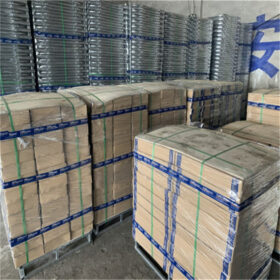
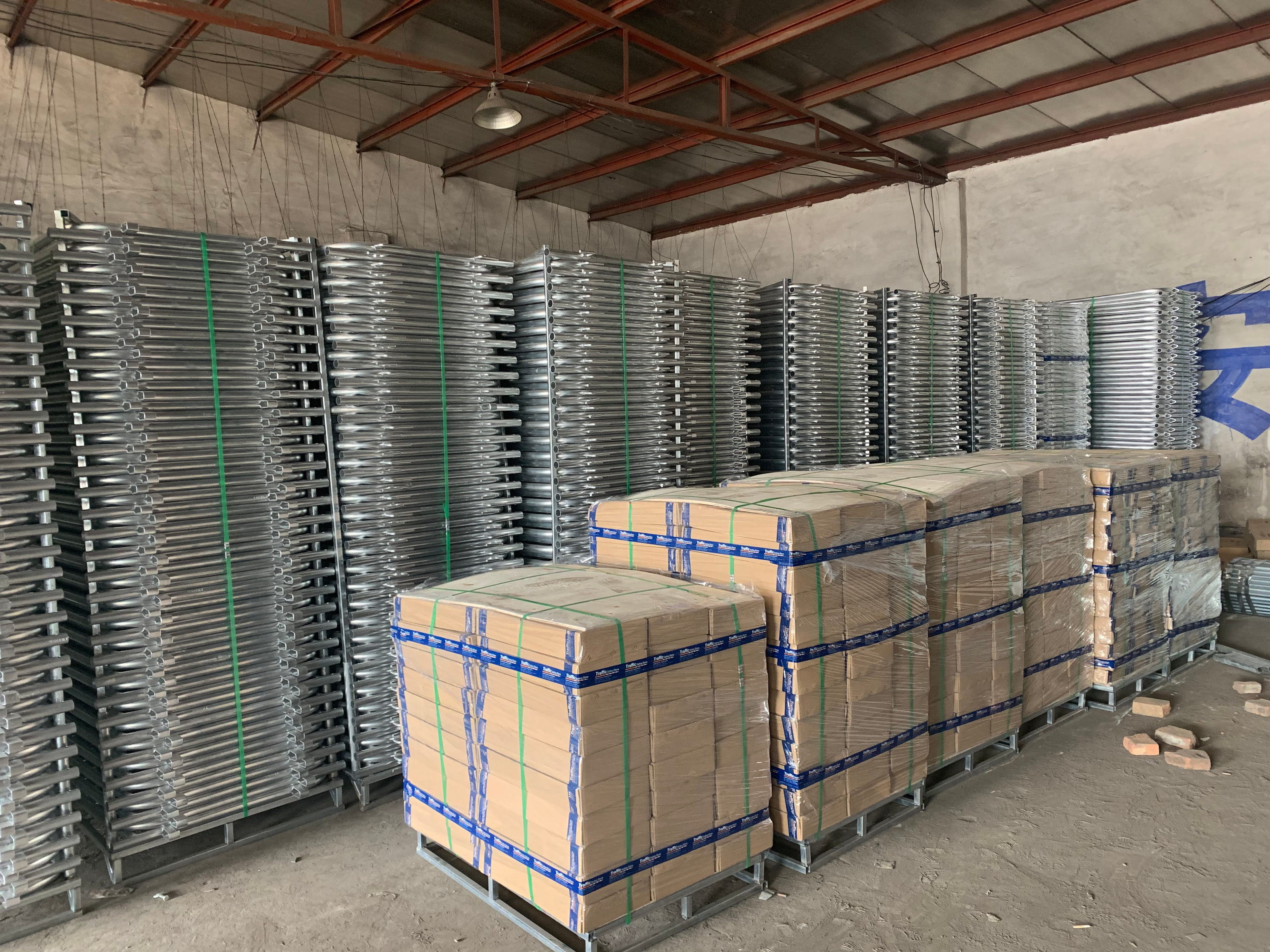
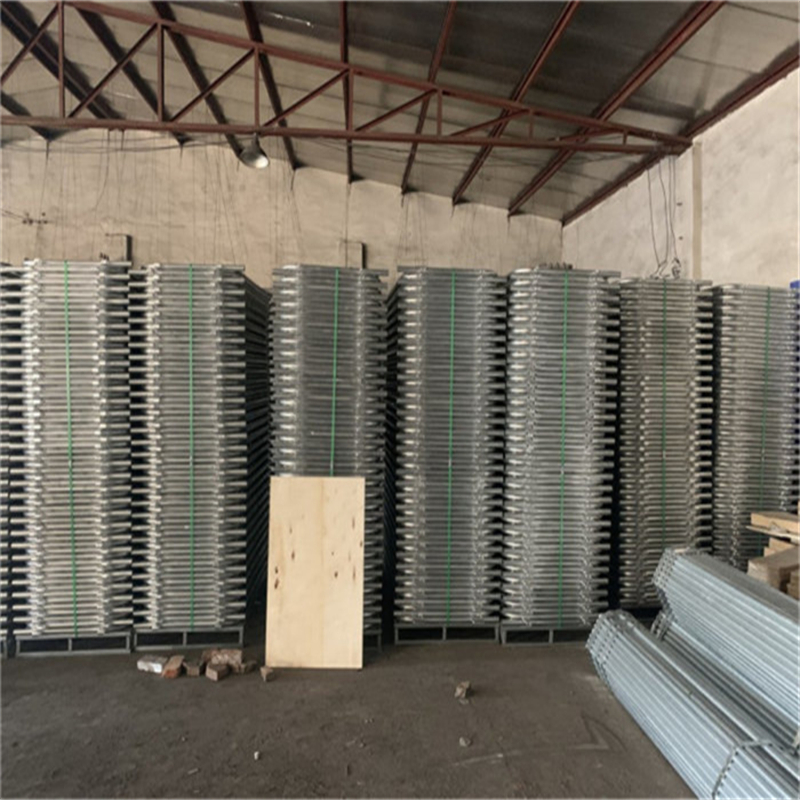
Panels are stacked with separators to protect finish, strapped into stable bundles, and palletized for forklift handling. Wheel feet, bridge feet, and V feet are packed as matched sets to prevent mismatched installs. Loose parts (pins, clips, repair sleeves if used) are bagged and boxed for counting so the site never improvises a weak join.
Standard and Quality Control
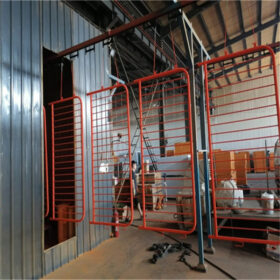
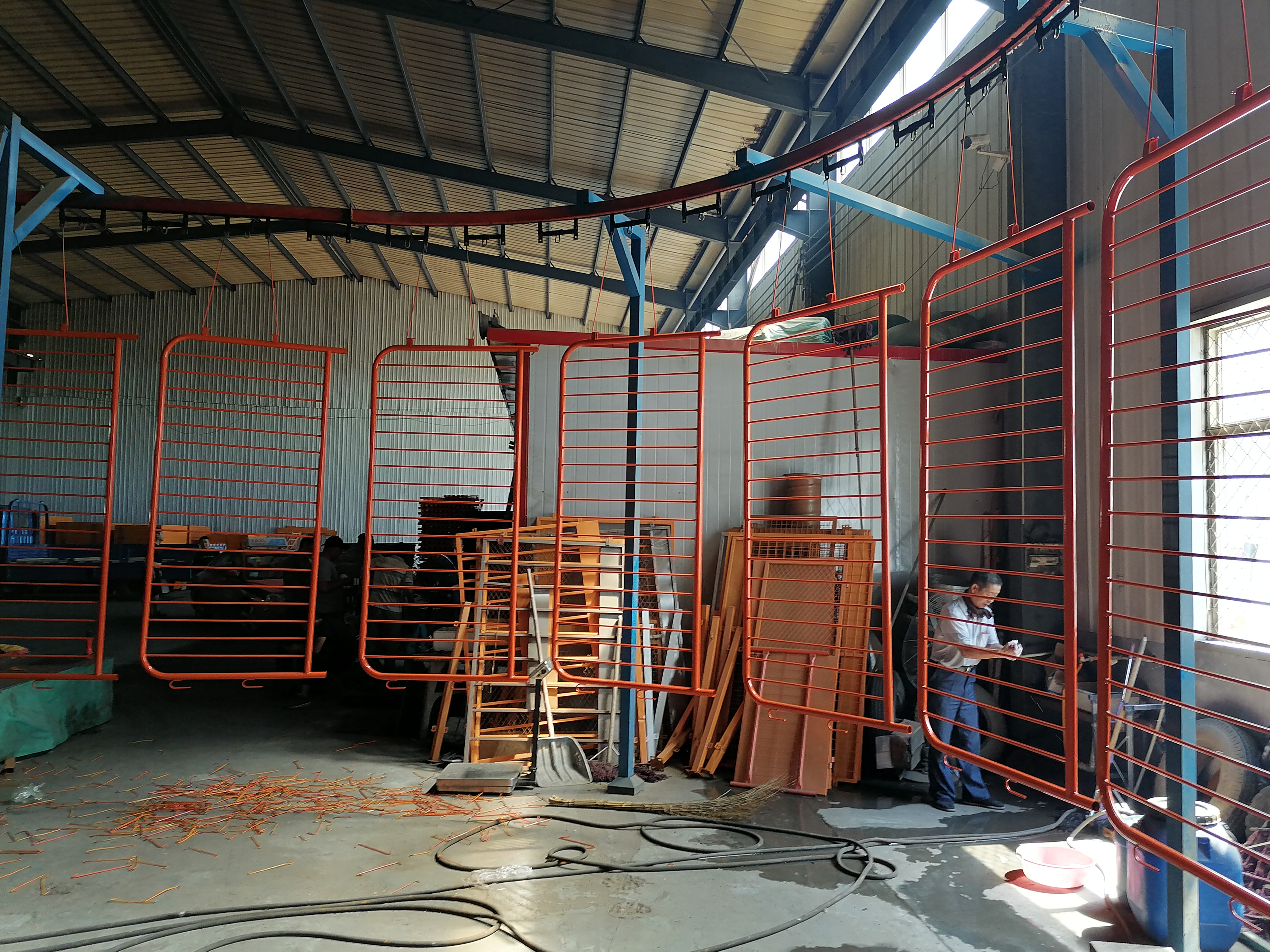
Quality control for used barriers focuses on straightness, hook alignment, weld crack screening, foot flatness, and removal of sharp edges. Refurb workflows typically include geometry correction, weld reinforcement where needed, surface preparation, and finish restoration so the delivered run looks uniform and connects tightly.
FAQs Used crowd control barriers for sale
Are used crowd control barriers safe for real events?
Yes—when they are purchased as a consistent system and checked for hook wear, weld fatigue, and foot stability so the line behaves as one tight run.
Which feet type should I choose?
Flat feet are common and simple, bridge feet typically increase stability in straight runs, V feet improve stacking and anti-trip behavior, and wheel feet are best for rapid repositioning when stability planning is still controlled—see 3 Types of Temporary Fence Feet.
What causes the most expensive problems with used barriers?
Hidden fatigue at hooks and weld zones—Trap #4—because it can fail under surge load and instantly erase the savings with replacement and liability costs.