Your One-Stop Wire Mesh Fence Supplier | POLYMETAL
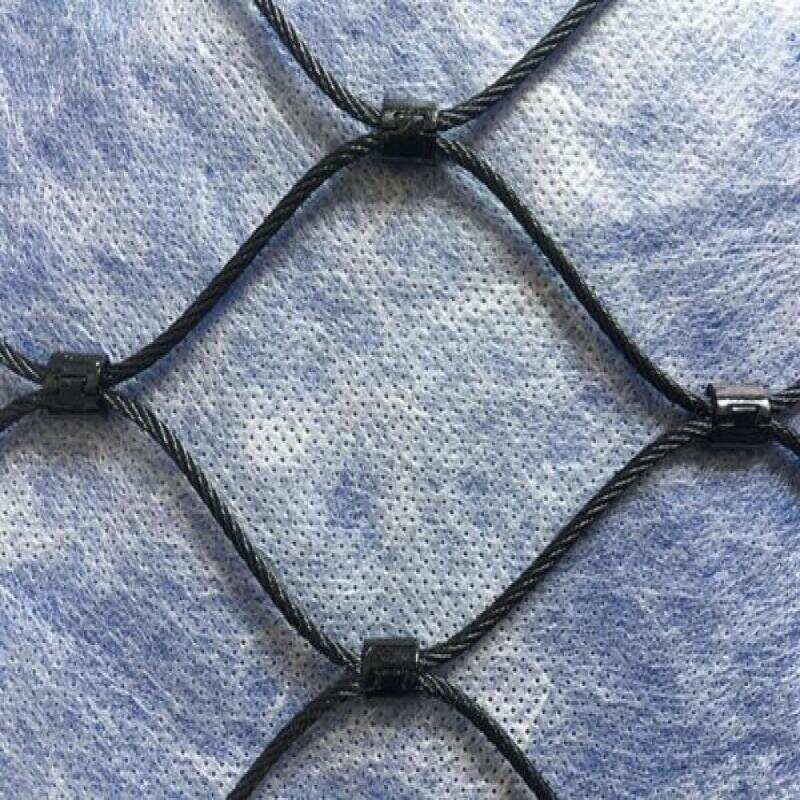
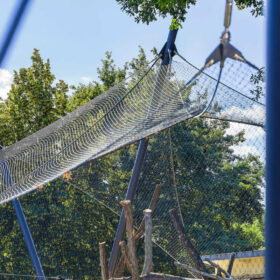
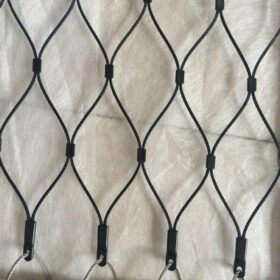

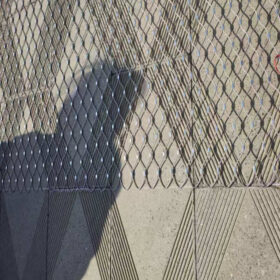
Wire rope netting is a high-performance stainless steel cable mesh system engineered to keep people, animals and assets safe on bridges, helidecks, marinas, façades and zoo enclosures. Made from marine-grade stainless steel wire rope, wire rope netting combines low weight with high strength, excellent transparency and long-term corrosion resistance, giving you a clean modern look without sacrificing protection.
From offshore platforms and stadium stands to animal enclosures and public balustrades, well-designed wire rope netting becomes the last barrier between a minor incident and a major accident. Correctly specified wire rope netting will protect structures for decades – but ignoring a few key design warnings can open you to serious safety incidents and hidden financial losses.
What Is Wire Rope Netting?
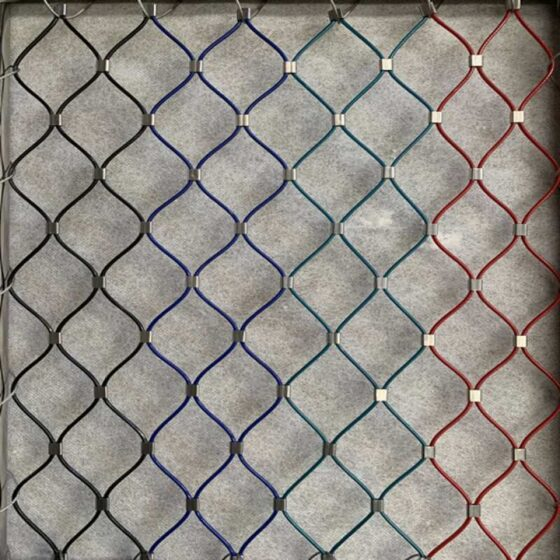
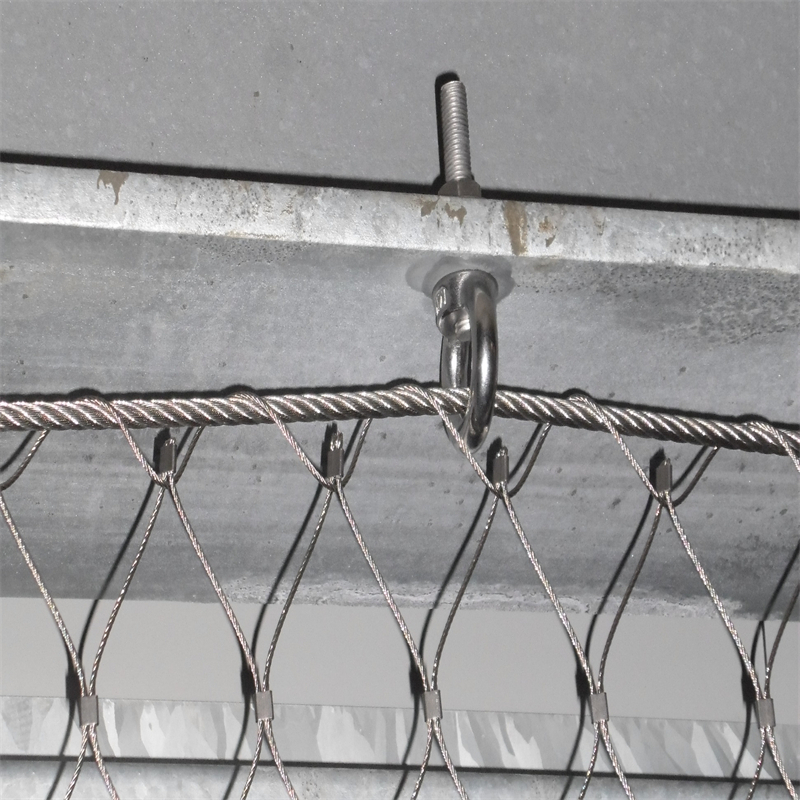
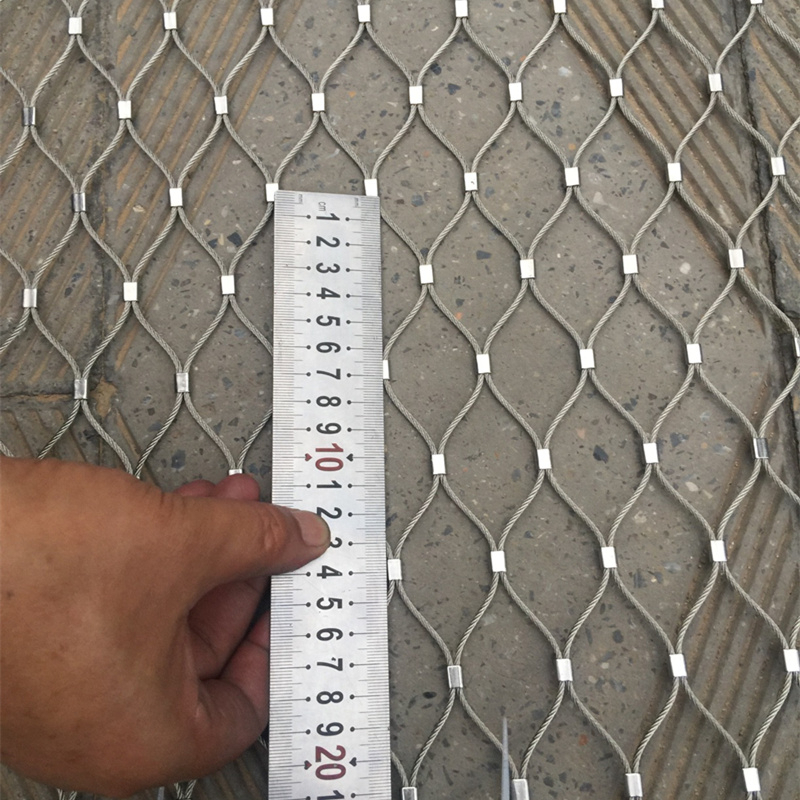
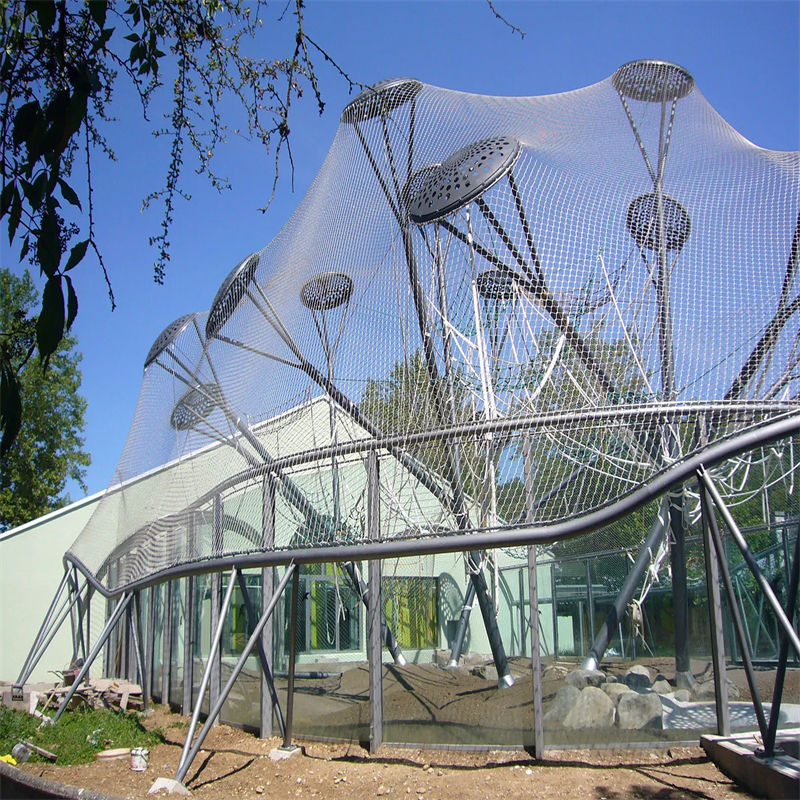
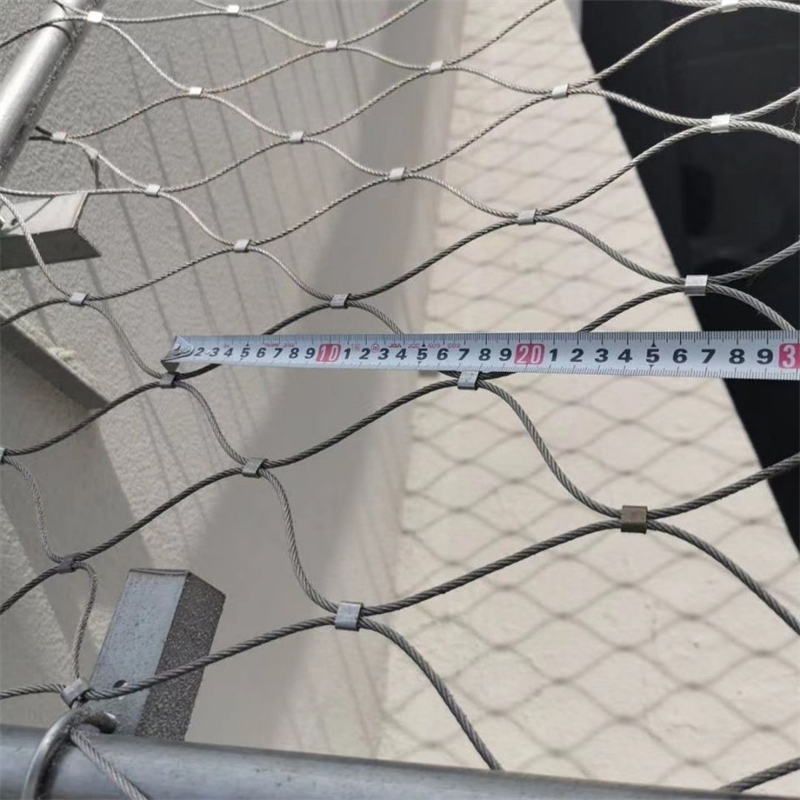
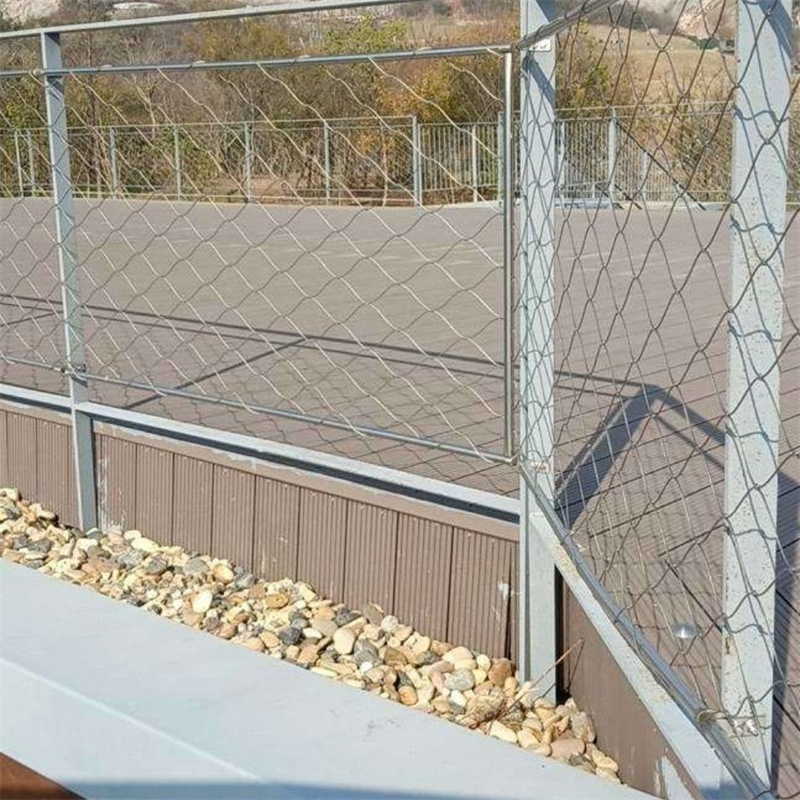
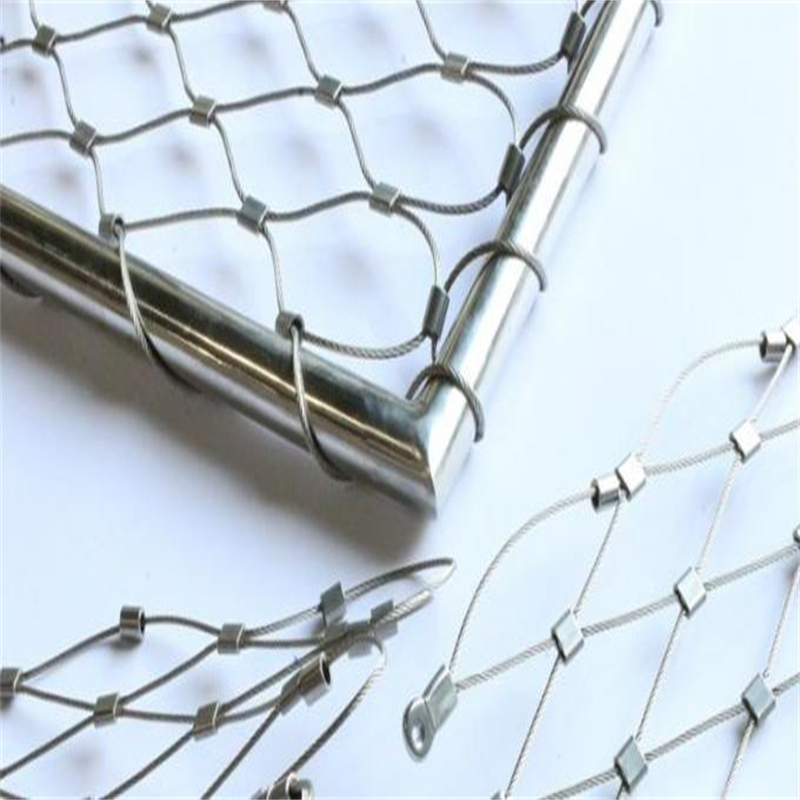
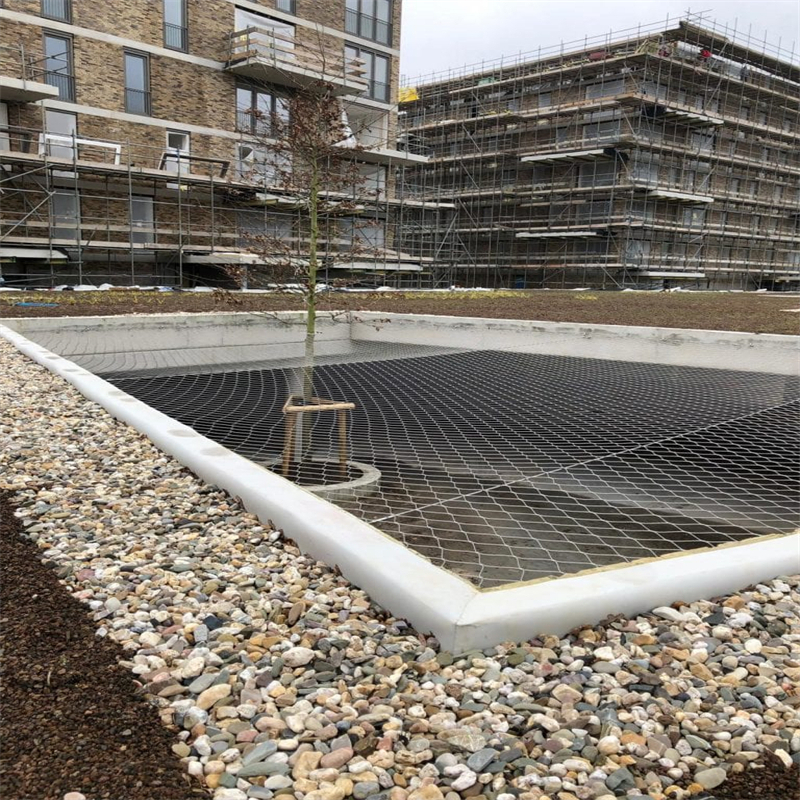
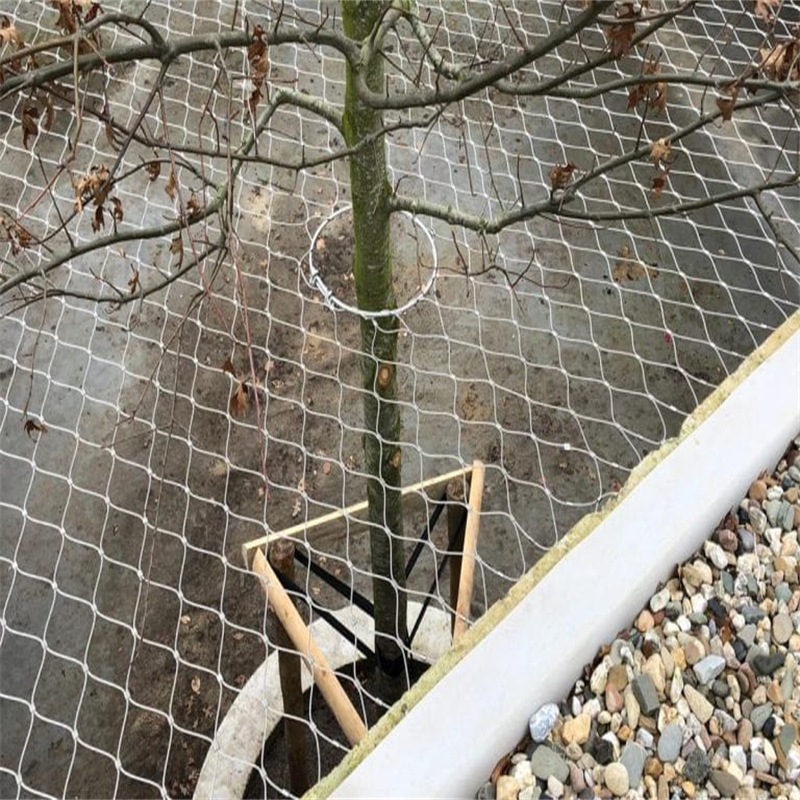
Wire rope netting is a flexible mesh woven from stainless steel wire rope into diamond or square openings. The mesh deforms elastically under impact, absorbing energy while preventing people, tools or debris from passing through. It is installed on frames, posts or tension rings using perimeter cables and fittings, forming a continuous safety envelope around risk areas such as edges, platforms and animal habitats.
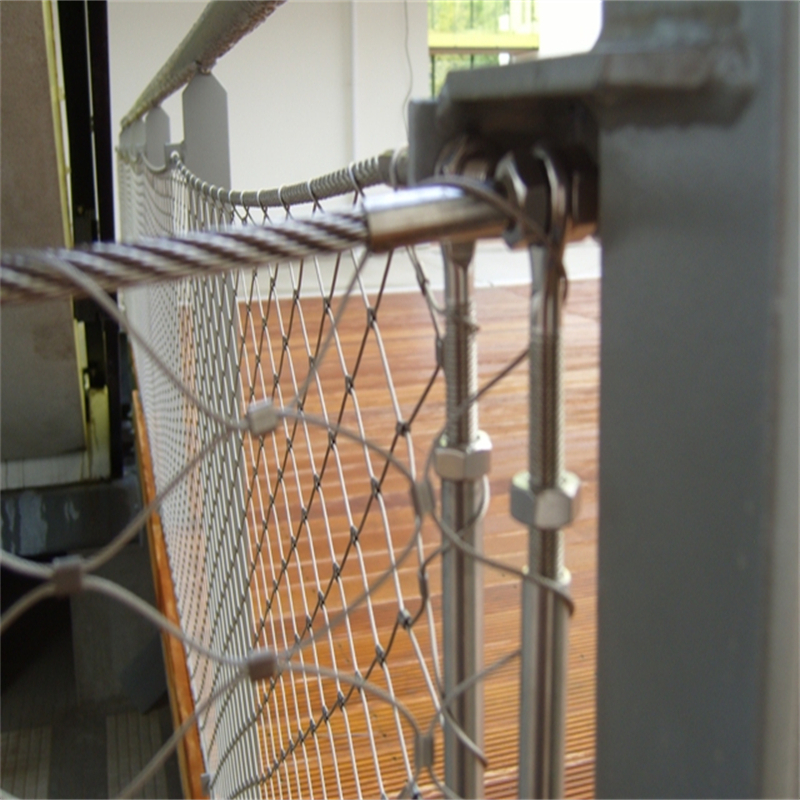
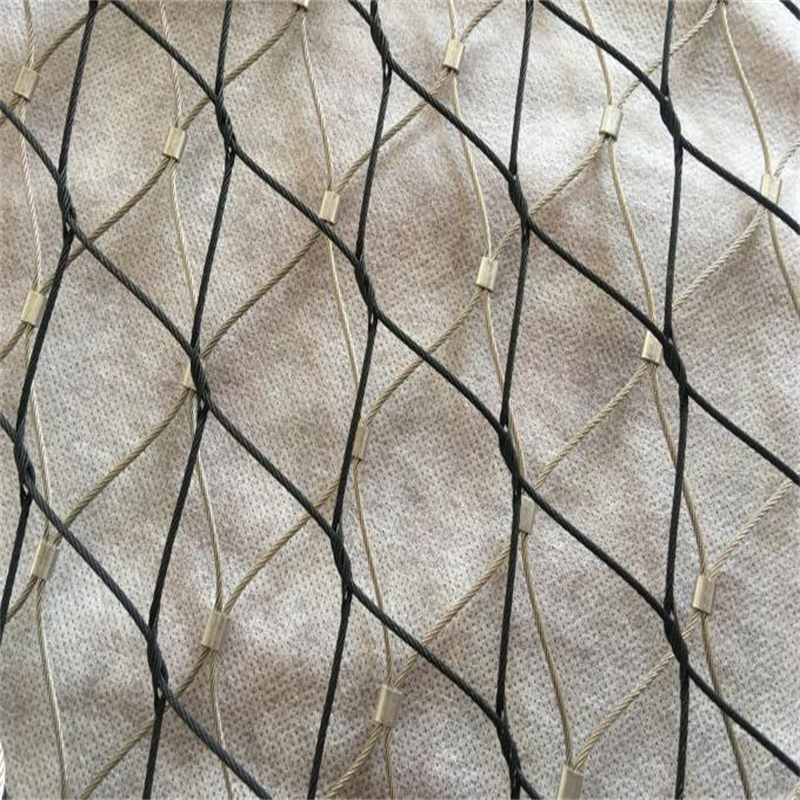
Typical construction includes AISI 304, 304L, 316 or 316L stainless steel wire rope, mechanically pressed ferrules or hand-woven knots, and engineered edge terminations that connect to steel, concrete or timber structures. The result is a light, transparent barrier that resists salt spray, UV, temperature variation and mechanical fatigue.
Insight #1 – Load path insight that controls real-world safety
For wire rope netting, mesh aperture, rope diameter, angle and support spacing define the load path. If the net is too fine but under-tensioned, it can bag dangerously; if the aperture is too large with thin rope, it may deform excessively under impact. Correctly balancing these parameters gives controlled deflection, high energy absorption and reliable retention of people and objects.
Material Grades and Wire Rope Structures
To survive long-term outdoor exposure, wire rope netting uses carefully selected stainless steel materials and rope constructions:
* Wire diameter range: 1.2–5.0 mm
* Mesh aperture range: 20 × 20–300 × 300 mm (diamond or square)
* Angle: typically 60–90 degrees, depending on layout and direction of span
* Technique: hand-woven or ferrule-pressed mesh with closed or open ferrules
* Material: AISI 304/304L for dry inland climates, AISI 316/316L for coastal and marine projects
* Wire rope structures: 7 × 7 and 7 × 19 for flexibility, strength and good bending fatigue life
Detail #2 – Material selection detail that prevents hidden corrosion
Choosing between AISI 304 and AISI 316 is a decisive detail. In coastal or chemical environments, using 304 where 316 is needed can lead to pitting in crevices, brown staining and gradual wire section loss. AISI 316/316L with molybdenum resists this hidden corrosion, preserving both the appearance and the full breaking strength of the wire rope netting over many years.
Core Benefits and Main Applications
Wire rope netting is used wherever architects and engineers need a combination of transparency, strength and flexibility:
* Bridge and stair balustrades
* Façade safety and green wall trellises
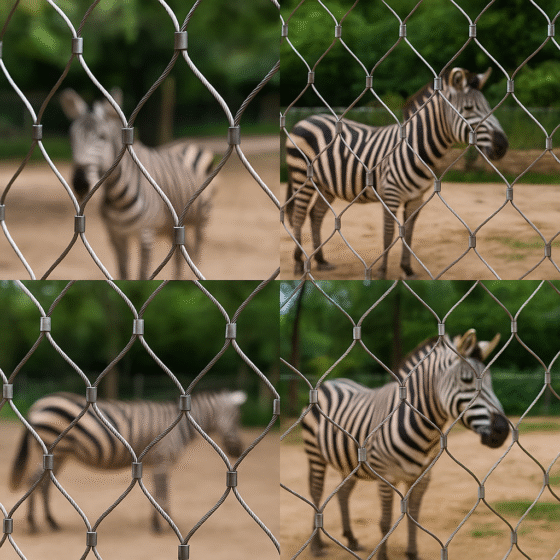
* Zoo and aviary enclosures
* Helideck and offshore platform perimeters
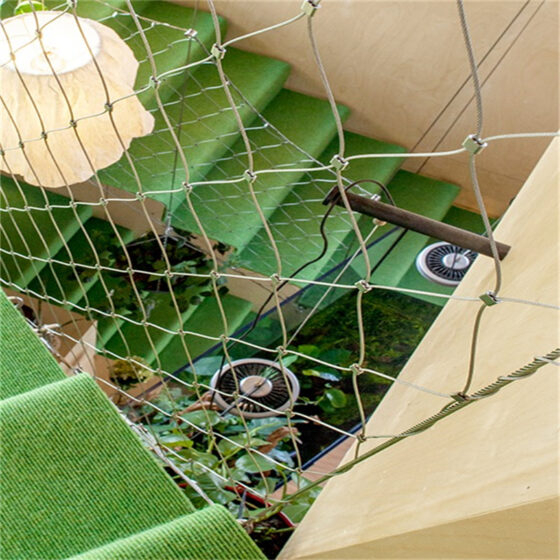
* Fall protection under roofs, atriums and skylights
* Sports stadium catch netting and crowd barriers
Risk #3 – Application risk when you mix indoor and marine grades
Reusing an indoor wire rope netting specification on a coastal bridge or offshore facility is a silent risk. The wrong grade may last a year or two before corrosion appears, then suddenly lose strength just when you rely on it most. Matching material grade and rope diameter to the real environment eliminates this risk and avoids forced shutdowns and emergency replacements.
Specification Table 1 – Architectural & Balustrade Wire Rope Netting
Below is a typical range of wire rope netting specifications for architectural balustrades, staircases and façades.
| WIRE ROPE DIAMETER | MESH APERTURE | Angle degrees: | Light Transmittance (%) | Material | Nominal Breaking Load (lbs) | WIRE ROPE STRUCTURES |
| 1.5 mm | 30 × 50 mm | 60° | 80% | AISI 316 | 1,050 | 7 × 7 |
| 1.5 mm | 35 × 60 mm | 60° | 82% | AISI 316 | 1,050 | 7 × 7 |
| 1.6 mm | 40 × 70 mm | 60° | 84% | AISI 316 | 1,250 | 7 × 7 |
| 1.6 mm | 50 × 80 mm | 60° | 86% | AISI 316 | 1,250 | 7 × 7 |
| 2.0 mm | 50 × 90 mm | 70° | 87% | AISI 316 | 2,000 | 7 × 7 |
| 2.0 mm | 60 × 100 mm | 70° | 88% | AISI 316 | 2,000 | 7 × 7 |
| 2.0 mm | 60 × 120 mm | 70° | 89% | AISI 316 | 2,000 | 7 × 7 |
| 2.4 mm | 70 × 130 mm | 75° | 90% | AISI 316 | 3,100 | 7 × 7 |
| 2.4 mm | 80 × 140 mm | 75° | 91% | AISI 316 | 3,100 | 7 × 7 |
| 2.4 mm | 90 × 160 mm | 75° | 92% | AISI 316 | 3,100 | 7 × 7 |
| 3.0 mm | 100 × 180 mm | 80° | 93% | AISI 316 | 4,600 | 7 × 19 |
| 3.0 mm | 120 × 200 mm | 80° | 94% | AISI 316 | 4,600 | 7 × 19 |
| 3.2 mm | 120 × 220 mm | 80° | 95% | AISI 316 | 5,100 | 7 × 19 |
| 3.2 mm | 150 × 240 mm | 85° | 96% | AISI 316 | 5,100 | 7 × 19 |
| 3.2 mm | 150 × 260 mm | 85° | 96% | AISI 316 | 5,100 | 7 × 19 |
Trap #4 – Mesh aperture trap that creates climb hazards
In public balustrades, apertures that are too large can allow children to climb or squeeze through, while apertures that are too small add cost without improving safety. Wire rope netting solves this when you select a tested aperture range that meets local codes and spreads loads evenly across the frame.
Specification Table 2 – Zoo & Aviary Wire Rope Netting
Zoo and aviary projects need wire rope netting that balances animal safety, visitor visibility and long-term durability. The table below illustrates common configurations.
| WIRE ROPE DIAMETER | MESH APERTURE | Angle degrees: | Light Transmittance (%) | Material | Nominal Breaking Load (lbs) | WIRE ROPE STRUCTURES |
| 1.2 mm | 20 × 20 mm | 60° | 70% | AISI 304 | 800 | 7 × 7 |
| 1.2 mm | 25 × 25 mm | 60° | 72% | AISI 304 | 800 | 7 × 7 |
| 1.5 mm | 30 × 30 mm | 60° | 75% | AISI 304 | 1,150 | 7 × 7 |
| 1.5 mm | 35 × 35 mm | 60° | 77% | AISI 304 | 1,150 | 7 × 7 |
| 1.6 mm | 40 × 40 mm | 70° | 80% | AISI 304 | 1,250 | 7 × 7 |
| 1.6 mm | 50 × 50 mm | 70° | 82% | AISI 304 | 1,250 | 7 × 7 |
| 2.0 mm | 50 × 60 mm | 70° | 84% | AISI 316 | 2,000 | 7 × 7 |
| 2.0 mm | 60 × 80 mm | 70° | 86% | AISI 316 | 2,000 | 7 × 7 |
| 2.0 mm | 70 × 100 mm | 70° | 88% | AISI 316 | 2,000 | 7 × 7 |
| 2.4 mm | 80 × 120 mm | 75° | 90% | AISI 316 | 3,100 | 7 × 7 |
| 2.4 mm | 100 × 150 mm | 75° | 92% | AISI 316 | 3,100 | 7 × 7 |
| 3.0 mm | 120 × 180 mm | 80° | 93% | AISI 316 | 4,600 | 7 × 19 |
| 3.0 mm | 150 × 200 mm | 80° | 94% | AISI 316 | 4,600 | 7 × 19 |
| 3.2 mm | 180 × 220 mm | 80° | 95% | AISI 316 | 5,100 | 7 × 19 |
| 3.2 mm | 200 × 250 mm | 85° | 96% | AISI 316 | 5,100 | 7 × 19 |
Warning #5 – Animal welfare warning you cannot ignore
Choosing the wrong wire rope netting aperture or wire diameter for a species can cause beak, claw or horn injuries, or allow dangerous contact between animals and visitors. Carefully matching aperture to species size and behaviour avoids this welfare warning and keeps both animals and people safe.
Specification Table 3 – Helideck & Fall Protection Wire Rope Netting
For helidecks, offshore platforms and high-risk fall protection zones, wire rope netting must handle extreme loads while remaining light and transparent.
| WIRE ROPE DIAMETER | MESH APERTURE | Angle degrees: | Light Transmittance (%) | Material | Nominal Breaking Load (lbs) | WIRE ROPE STRUCTURES |
| 2.0 mm | 60 × 60 mm | 60° | 88% | AISI 316 | 2,000 | 7 × 7 |
| 2.0 mm | 70 × 70 mm | 70° | 89% | AISI 316 | 2,000 | 7 × 7 |
| 2.4 mm | 80 × 80 mm | 70° | 90% | AISI 316 | 3,100 | 7 × 7 |
| 2.4 mm | 90 × 90 mm | 70° | 91% | AISI 316 | 3,100 | 7 × 7 |
| 3.0 mm | 100 × 100 mm | 75° | 92% | AISI 316 | 4,600 | 7 × 19 |
| 3.0 mm | 120 × 120 mm | 75° | 93% | AISI 316 | 4,600 | 7 × 19 |
| 3.2 mm | 130 × 130 mm | 75° | 94% | AISI 316 | 5,100 | 7 × 19 |
| 3.2 mm | 150 × 150 mm | 80° | 95% | AISI 316 | 5,100 | 7 × 19 |
| 4.0 mm | 150 × 200 mm | 80° | 95% | AISI 316 | 7,900 | 7 × 19 |
| 4.0 mm | 150 × 260 mm | 80° | 95% | AISI 316 | 7,900 | 7 × 19 |
| 4.0 mm | 180 × 300 mm | 80° | 96% | AISI 316 | 7,900 | 7 × 19 |
| 4.0 mm | 200 × 300 mm | 85° | 96% | AISI 316 | 7,900 | 7 × 19 |
| 3.2 mm | 180 × 220 mm | 80° | 95% | AISI 316 | 5,100 | 7 × 19 |
| 3.2 mm | 180 × 250 mm | 80° | 95% | AISI 316 | 5,100 | 7 × 19 |
| 3.2 mm | 200 × 280 mm | 85° | 96% | AISI 316 | 5,100 | 7 × 19 |
Cost #6 – Lifecycle cost downside that quietly destroys profit
Replacing stainless wire rope netting with painted mild steel or low-grade mesh may look cheaper on the quotation, but repeated repainting, rust repairs, shutdowns and early replacement quickly exceed the original saving. Proper AISI 316 wire rope netting with the right diameter and aperture avoids this downside and stabilises your long-term maintenance budget.
Design, Installation and Tensioning
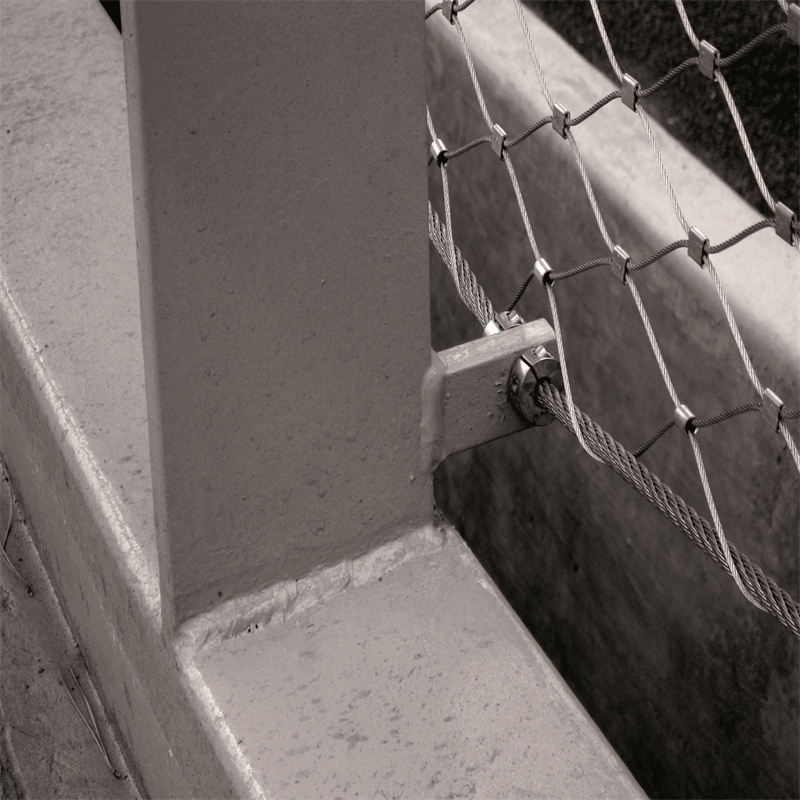
Wire rope netting performs best when the supporting structure, edge cables and fittings are designed as a complete system. Pre-cut panels are tensioned between frames or posts, with carefully chosen corner plates, turnbuckles and clamps to keep the mesh flat and responsive.
Flaw #7 – Edge connection flaw that opens dangerous gaps
A common design flaw is leaving small unprotected gaps between wire rope netting and adjacent steelwork, especially at corners, stair starts and end posts. In balustrade cable mesh systems, these gaps can easily become routes for tools, debris or even feet to slip through. Detailing every junction so the mesh overlaps or closes tight to the structure removes this flaw and keeps the entire safety envelope continuous and reliable.
Threat #8 – Installation threat from poor tension control
If installers do not tension the mesh evenly, some panels remain slack while others are overstressed. Slack mesh can bulge under load, while overstressed ropes and ferrules may fatigue and crack. Using calibrated tension tools, correct clamp patterns and systematic installation procedures eliminates this threat and locks in the designed performance of the wire rope netting.
Lesson #9 – Inspection lesson that prevents sudden failure
Ignoring routine inspection of wire rope netting is a costly lesson waiting to happen. Simple regular checks for broken wires, deformed apertures, loose clamps and corroded anchor points on both plain cable systems and Stainless steel ferrule rope mesh reveal early warning signs long before failure. Treating inspection as an integral part of your safety program protects people and avoids emergency shutdowns, repair crises and financial loss.
Payoff #10 – Long-term payoff from correct wire rope netting specification
When you invest in correctly specified wire rope netting – matching wire diameter, aperture, angle, material and installation method to your real site conditions – the payoff is powerful and long-term. You gain a clean, modern and highly transparent safety system that protects crowds, workers, animals and assets year after year, while controlling lifecycle cost and avoiding the devastating losses that come from overlooked design, material and installation errors.