 Your One-Stop Wire Mesh Fence Supplier | POLYMETAL
What Is 304L Stainless Steel?
Names, Standards, and Equivalents
- AISI/SAE: 304L
- UNS: S30403
- EN: 1.4307 (X2CrNi18-9)
- JIS: SUS304L
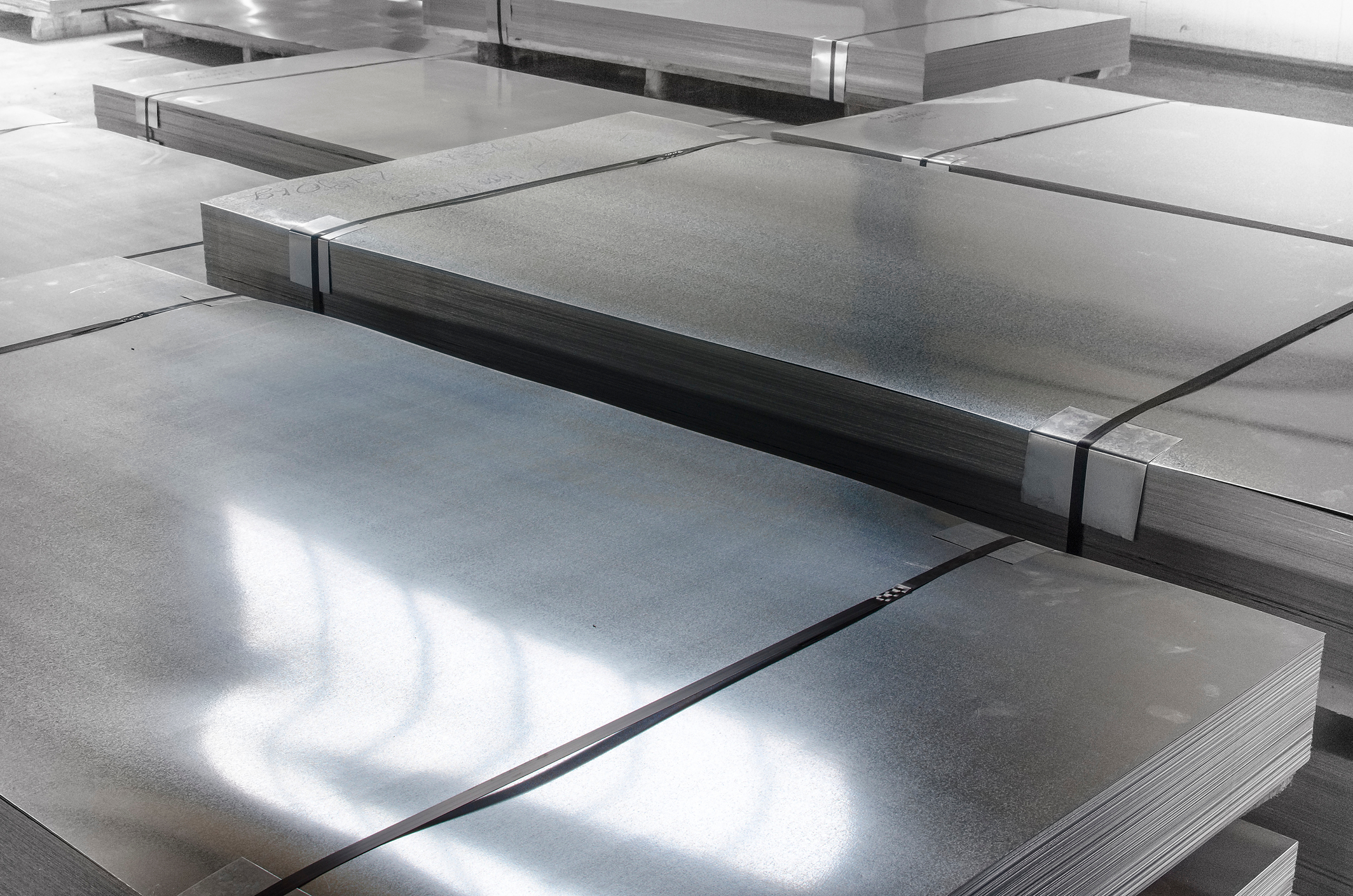
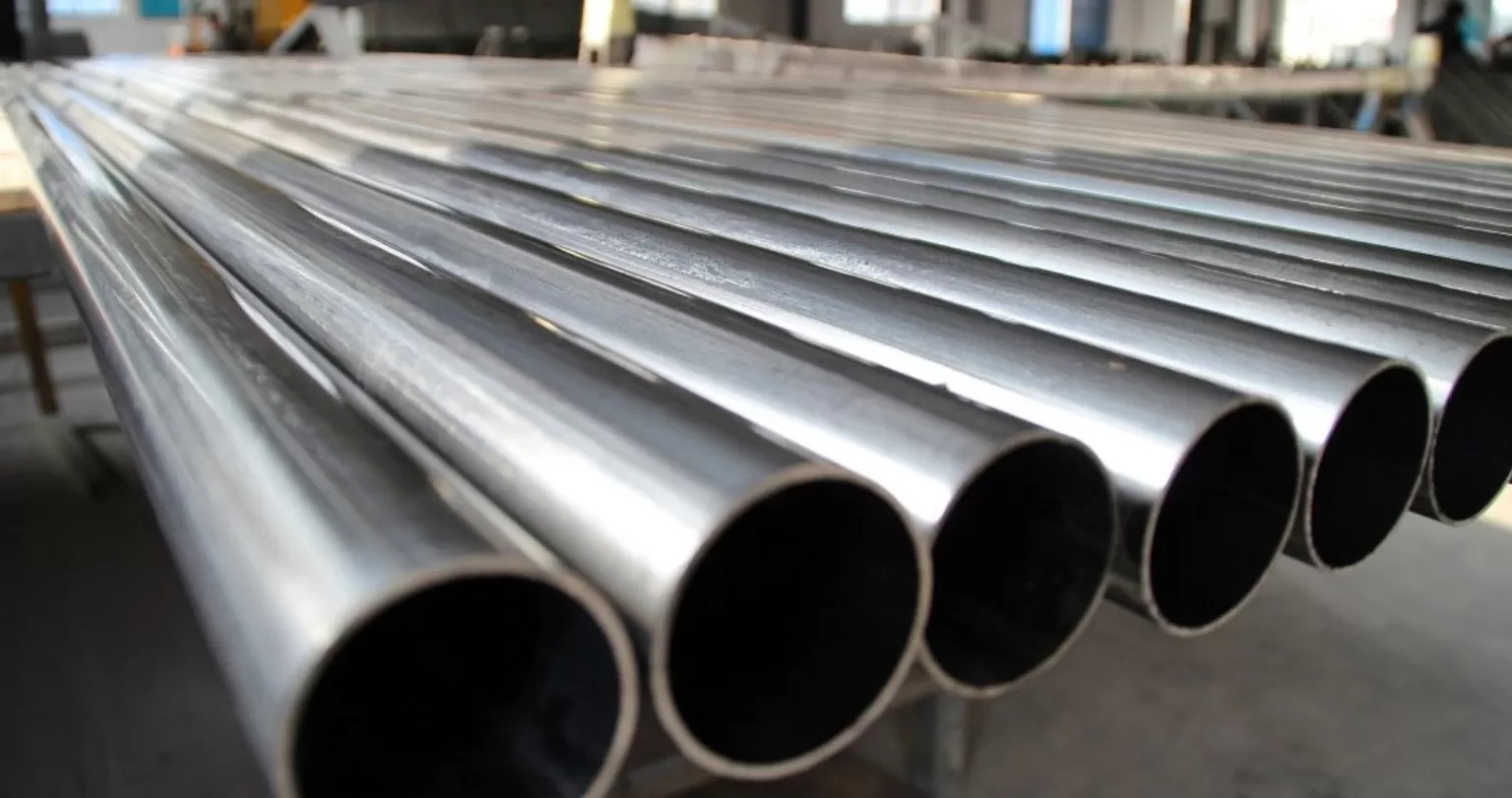
- Common product specs: ASTM A240 (plate/sheet), A276/A479 (bar), A312 (pipe), A313 (spring wire), A580 (wire), A554 (mechanical tube).
Typical Chemical Composition (wt%)
| C | Cr | Ni | Mn | Si | P | S | N | Fe |
|---|---|---|---|---|---|---|---|---|
| ≤ 0.03 | 18.0–20.0 | 8.0–12.0 | ≤2.0 | ≤1.0 | ≤0.045 | ≤0.030 | ≤0.10 | Balance |
Why low carbon matters: keeping carbon ≤0.03% minimizes chromium-carbide precipitation at grain boundaries during welding, preserving chromium in solid solution and maintaining corrosion resistance in the welded area.
Key Properties
- Microstructure: Austenitic (non-magnetic in annealed state; becomes slightly magnetic after cold work)
- Density: ~7.9–8.0 g/cm³
- Elastic Modulus: ~193 GPa
- Thermal Expansion (20–100 °C): ~17 µm/m·K
- Thermal Conductivity (100 °C): ~16 W/m·K
- Electrical Resistivity (20 °C): ~0.72 µΩ·m
- Melting Range: ~1400–1450 °C
Mechanical (typical, annealed—sheet/plate)
- 0.2% Yield Strength: ≥ 170 MPa
- Tensile Strength: ≥ 485 MPa
- Elongation (50 mm): ≥ 40%
- Hardness: typically ≤ 90 HRB (not hardenable by heat treatment; work hardens during forming)
Corrosion Resistance
- Excellent general corrosion resistance in many atmospheres and mildly corrosive media.
- Chlorides: adequate for indoor/process water and many outdoor settings, but not as pitting-resistant as 316/316L in marine or chloride-rich environments.
- Intergranular corrosion: superior to 304 after welding due to low carbon.
- Stress corrosion cracking: like other austenitics, can be susceptible in hot concentrated chlorides; design and maintenance matter.
Rule of thumb: Use 304L for general duty; upgrade to 316L when chlorides/salt spray are significant (coastal, de-icing salts, brines).
Heat, Oxidation & Service Temperatures
- Good oxidation resistance up to ~870 °C in intermittent service (~925 °C short exposure).
- For prolonged elevated service where carbide precipitation is a concern, 304L is preferred over 304; for higher-temperature stability, consider stabilized grades (e.g., 321).
- Cryogenic: retains toughness at very low temperatures; often used for cryo vessels and lines.
Fabrication & Surface
- Forming: Excellent deep draw, bend, spin. Expect work hardening; plan springback allowances.
- Machining: Fair (better with sharp tooling, lower speeds, and adequate lubrication).
- Welding: All common processes (GTAW/TIG, GMAW/MIG, SMAW). Typical fillers: 308L/308LSi. Post-weld pickling & passivation restore the chromium-rich passive film.
- Finishes: 2D/2B, BA (bright annealed), brushed, polished; wire can be bright-drawn or annealed/pickled.
- Cleaning: Compatible with steam, solvents, alkaline cleaners; avoid chlorides where possible and rinse thoroughly.
304 vs 304L vs 316L (at a glance)
| Grade | Carbon (max) | Mo | Corrosion in Chlorides | Weldability | Strength (annealed) | Typical Use |
|---|---|---|---|---|---|---|
| 304 | 0.08% | — | Good (moderate) | Good (may sensitize) | Baseline | General fabrication, interiors |
| 304L | 0.03% | — | Good (better post-weld) | Excellent (low sensitization) | Slightly lower than 304 | Welded structures, tanks, mesh/filters |
| 316L | 0.03% | 2–3% | Very good (pitting/crevice) | Excellent | Similar to 304L | Marine, chemical, high-chloride duty |
Cost note: 316L typically runs ~10–30% higher than 304/304L depending on market nickel/moly prices and product form.
Where 304L Excels (Applications)
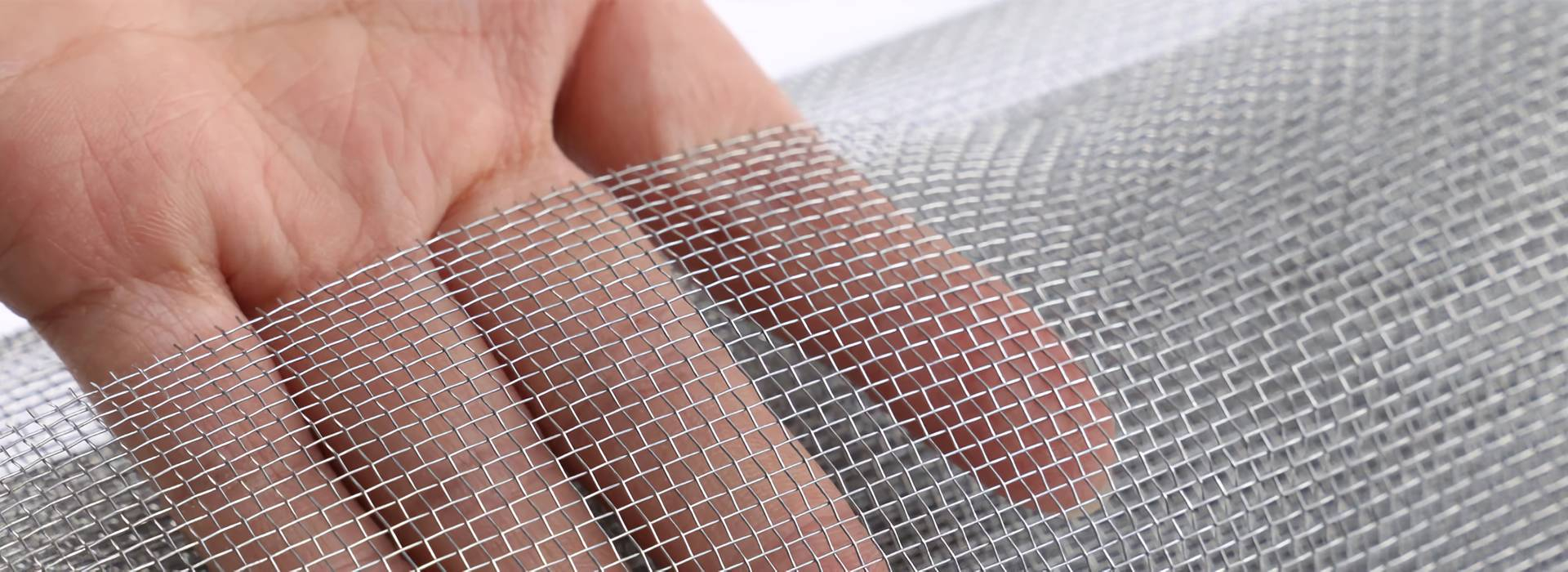
- Stainless steel mesh & cloth: plain/twill/Dutch weaves for filtration, screening, and separation (3 μm to 10 mm openings).
- Food & beverage: tanks, lines, baskets, wash racks (check local compliance).
- Pharma & biotech: housings, trays, non-reactive contact components.
- Pulp & paper / textiles (chemical fiber): screens, dryer sections, spinneret pre-filters.
- Mining & aggregate: classification screens, protective guards (when chloride exposure is moderate).
- General fabrication: architectural trims, railings, enclosures, clean-room fixtures.
Selecting 304L for Mesh & Filters
- Choose 304L when: you need cleanability, corrosion resistance, and easy welding at a good price point; indoor/process water; mild salts.
- Choose 316L when: marine/coastal, de-icing salts, bleach/chloride cleaners, or risk of pitting/crevice corrosion is higher.
- Weave & opening: match aperture (or target retention) and wire diameter to flow, pressure drop, and mechanical strength needs.
- Post-fabrication: specify passivation (e.g., ASTM A967) and, for filters, ultrasonic cleaning.
Quality & Compliance Tips
- Ask for material certificates (heat number, chemical/mechanical test results).
- Confirm surface condition (annealed/pickled vs bright-drawn) for mesh and wire.
- For welded fabrications, request pickling/passivation and appropriate filler (308L).
- Define inspection criteria: mesh count, aperture, thickness/weight, flatness, and retention verification.
FAQs
1) What does the “L” stand for?
It means low carbon (≤0.03%), which helps prevent sensitization during welding and protects corrosion resistance in the heat-affected zone.
2) How is it different from standard 304?
Same 18/8 chromium–nickel family, but with lower carbon for better weldability and reduced risk of intergranular corrosion after welding.
3) Common designations?
UNS S30403, EN 1.4307 (X2CrNi18-9), and JIS SUS304L.
4) Typical chemistry?
About 18–20% Cr, 8–12% Ni, very low C (≤0.03%), with Mn, Si, P, S, N in controlled amounts; balance Fe.
5) Is the alloy food-safe?
Yes—widely used in food and beverage equipment. Always confirm local sanitary standards and finishing requirements.
6) Corrosion performance in chlorides?
Good for many environments, but in marine/coastal or chloride-rich service, 316L is usually the safer choice due to added molybdenum.
7) Mechanical properties (annealed)?
Typical minimums: yield ≈ 170 MPa, tensile ≈ 485 MPa, elongation ≈ 40%; not hardenable by heat treatment (it work-hardens).
8) Is it magnetic?
Essentially non-magnetic when annealed; slight magnetism can appear after cold work.
9) Temperature limits?
Good oxidation resistance to about 870 °C intermittent (≈925 °C short exposure). Toughness remains excellent at cryogenic temperatures.
10) Welding tips?
Compatible with TIG/MIG/SMAW; common fillers are 308L/308LSi. After welding, pickle and passivate to restore the passive film.
11) Best uses for mesh and filtration?
Great balance of cleanability, formability, and corrosion resistance for plain/twill/Dutch weaves from micron retention to coarse screening. Upgrade to 316L if chlorides are persistent.
12) Cleaning & maintenance?
Use neutral/alkaline cleaners, steam, or solvents; avoid chloride-heavy cleaners where possible. Rinse and dry to prevent deposits. Passivation (ASTM A967) is recommended after fabrication.
13) Cost compared with 316L?
Typically lower, since 316L contains molybdenum and can command a 10–30% premium depending on market conditions.
14) Quick ordering checklist
Specify grade, form (sheet, wire, mesh), dimensions, finish (2B/BA/#4), target aperture/mesh count for filters, required certifications (MTR), and any surface treatments (passivation, ultrasonic cleaning).
One-Paragraph Summary
304L stainless steel (UNS S30403, EN 1.4307) is a low-carbon, austenitic alloy that delivers reliable corrosion resistance, excellent weldability, and easy cleanability. As a versatile choice for stainless steel mesh/cloth, stainless steel rope mesh, filters, and process equipment, this grade supports precise filtration from the micron range to coarse screening, forms readily, and maintains a bright finish. For chloride-rich or marine conditions, consider 316L; otherwise, 304L offers the performance-to-cost balance most projects need.