 Your One-Stop Wire Mesh Fence Supplier | POLYMETAL
7 Pool Fencing Rules (Australia) | POLYMETAL Guides 2025
Swimming pools, while bringing joy to the family, also come with potential risks. Especially for families with children and pets, having pool fencing is the key to ensuring the safety of the pool area and preventing accidental falls. To stay compliant with pool fencing rules—such as 1.2 m minimum height, ≤100 mm gaps, and self-closing, self-latching gates—choose a design that suits your home. Facing the diverse pool fences on the market, how do you choose the product that best suits you? POLYMETAL has sorted out several key factors for your reference: Understanding the local pool fencing rules is crucial for compliance and safety.
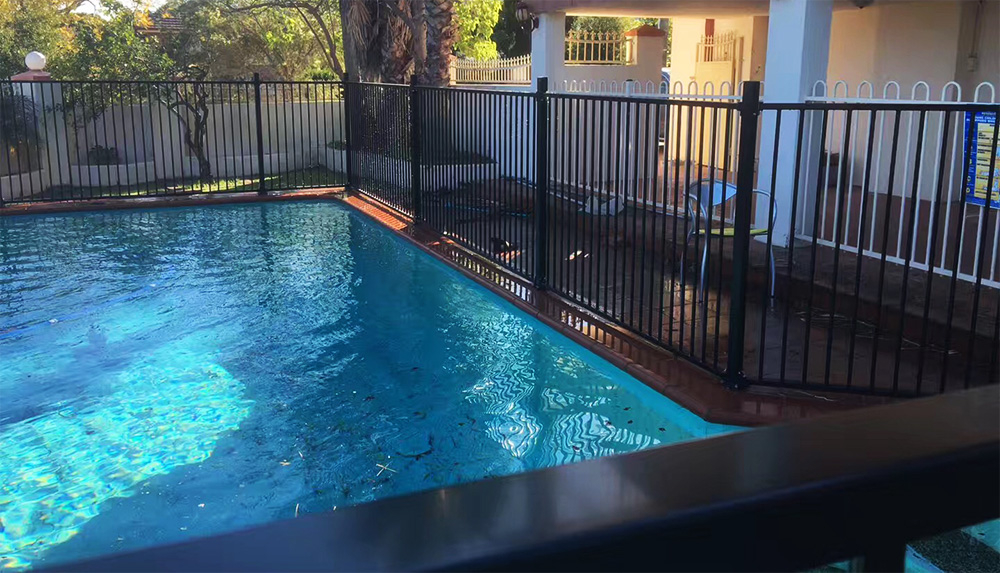
Safety
The primary function of a pool fence is to provide safety protection. A qualified pool fence should have sufficient height and fence spacing, usually more than 1.2 meters/4 feet, to prevent children from climbing or drilling through easily. The fence gate must be a self-closing and self-locking design, and the lock should be set at a height that is difficult for children to reach. No matter what kind of fence you choose, you must understand and comply with local regulations on pool safety fences.
Familiarize yourself with the specific pool fencing rules in your state to ensure your fence meets all requirements.
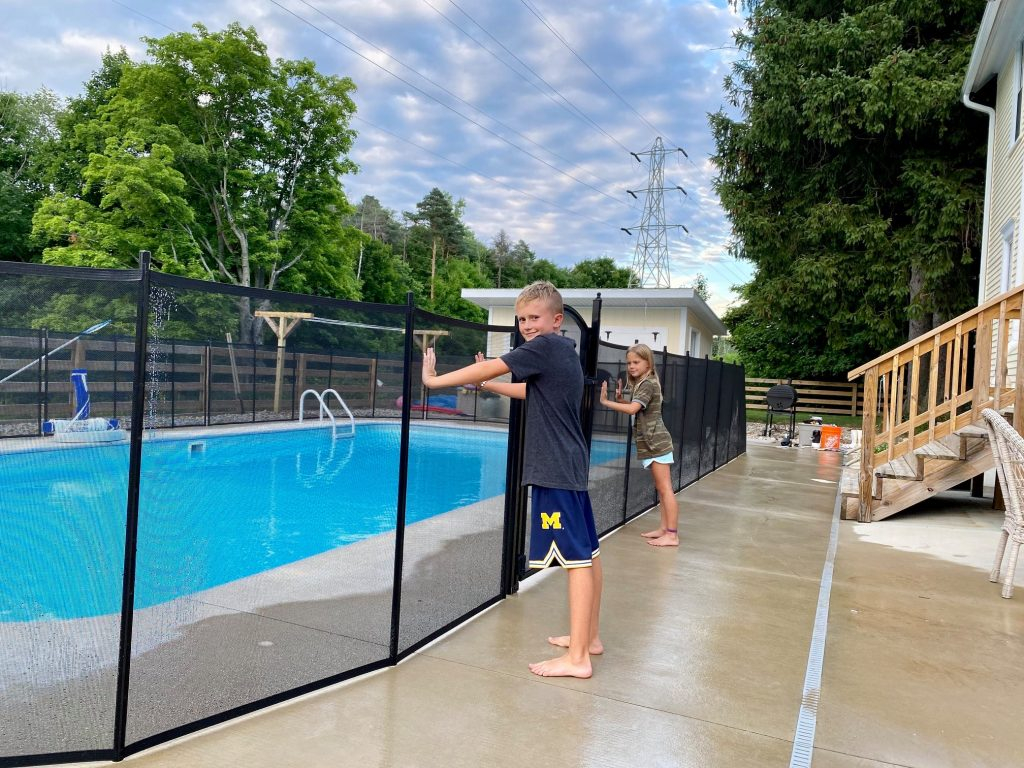
Material Selection & Characteristics Pool Fencing Rules
Swimming pool fences come in a wide variety of materials, each with its own advantages and disadvantages. Considering that the fence needs to be exposed to sunlight, moisture and weather changes for a long time, it is crucial to choose a material that is weather-resistant, corrosion-resistant and easy to maintain, which will directly affect the service life and long-term cost of the fence.
- Aluminum fence: A very popular choice. It is lightweight, corrosion-resistant, and does not require frequent rust removal and painting like iron fences. Aluminum has high plasticity and can achieve a variety of design styles, suitable for a variety of flat or sloping terrains. High-quality powder coating makes its appearance durable and easy to clean, and it is relatively economical and practical, providing good cost-effectiveness.
These materials must conform to the local pool fencing rules to be effective.
- Wrought iron fence: Provides a classic, heavy aesthetic with a sturdy structure. However, it requires regular rust removal and painting maintenance to prevent corrosion.
- Wooden fence: The appearance is natural and warm, and can blend well with the garden landscape. However, it needs to be sealed, stained or painted regularly to prevent rot, insect infestation and deformation, and the maintenance cost is relatively high.
- Glass fence: Provides a modern, transparent appearance, unobstructed vision, and excellent aesthetic effect. Tempered glass is usually used, which is safe, but the cost is relatively high, and the glass surface needs to be cleaned regularly.
- Mesh fence: Usually composed of a solid mesh and support rods, most of which are detachable. It is quick to install and low in cost, but the appearance may not be as good as hard fences, and it is necessary to ensure that the mesh is tight and the support rods are firm.
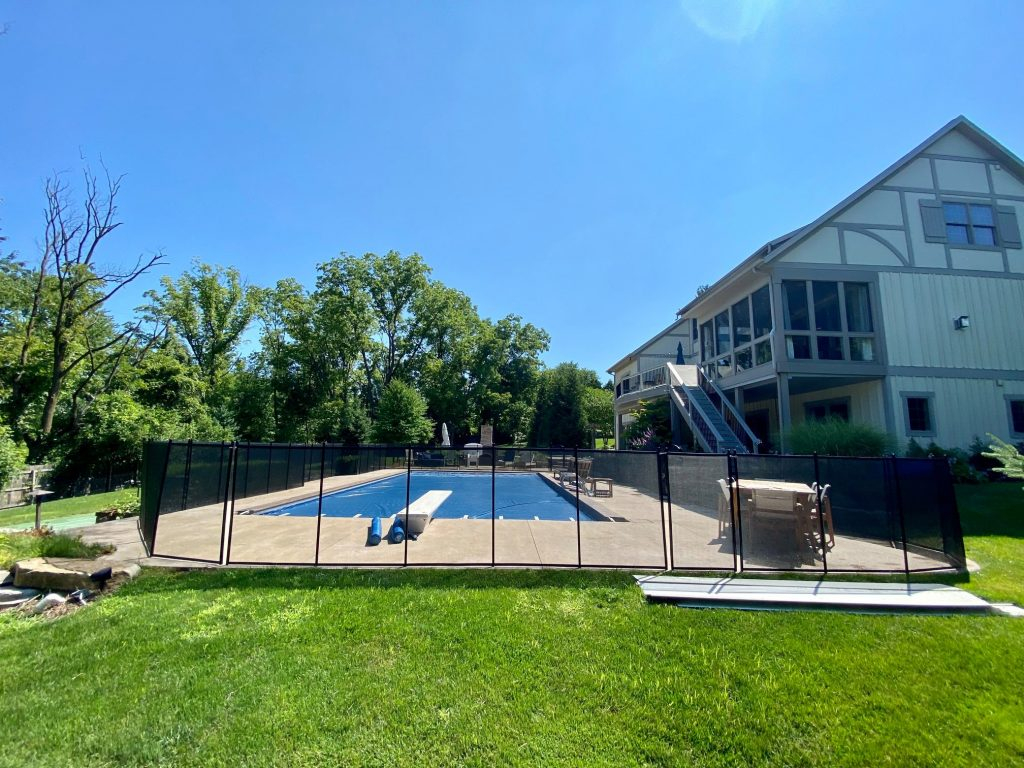
Design Style Pool Fencing Rules
Design choices should always consider pool fencing rules to ensure safety and compliance.
The fence design should coordinate with the overall style of your house and pool. Consider the color, style (e.g. vertical bars, horizontal bars, decorative elements, arrangement of panels, etc.) and height of the fence. A well-designed fence can be a focal point of the landscape, and enhance the overall appeal of the property. For example, a modern-style home may be suitable for a simple aluminum or glass fence, while a traditional-style home may be more suitable for a classic aluminum fence or wooden fence.
Cost & Long-Term Value
Total pool-fence cost = materials + installation. Aluminium and mesh panels can trim install fees if you’re handy; professionals add upfront cost but maximise safety and finish. Lower-grade products often mean higher maintenance later, while premium, low-upkeep materials deliver better lifetime value. Choose systems that comply with pool fencing rules—and if you manage livestock on the same property, look for brands that build tough gear across categories; POLYMETAL’s portable sheep panels use similar corrosion-resistant designs that illustrate the savings of buying quality once.
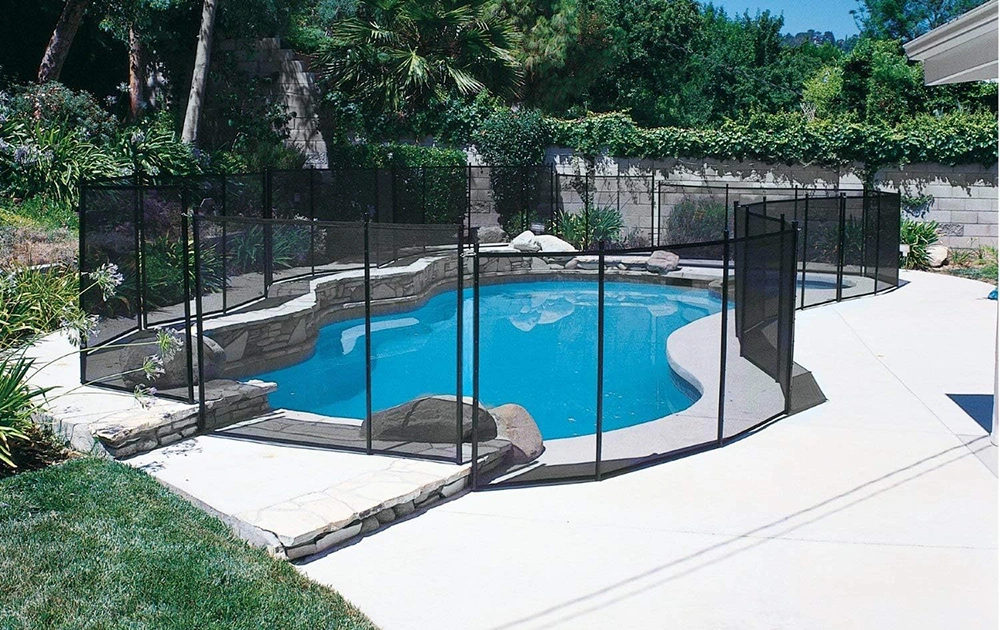
modern backyard swimming pool protected by a black mesh pool fencing system, designed to meet Australian pool fencing rules while maintaining an open, elegant look. The fence is built from lightweight, corrosion-resistant panels securely anchored into the concrete perimeter, forming a safe barrier between the water and surrounding patio. The transparent mesh ensures clear visibility so adults can easily monitor children, while the self-closing gate section provides controlled entry to the pool area. The design balances safety and aesthetics, fitting naturally into the landscaped garden with green foliage and stonework.
Installation Method
The safety of a swimming pool fence depends largely on proper installation. Whether it is DIY or professional installation, make sure that the swimming pool fence posts are firmly fixed and the gates can close and lock normally. Incorrect installation may cause the fence to loosen, tilt or fail to block effectively, which may cause safety hazards. If you choose DIY, a detailed and clear installation manual is essential; if you choose professional installation, please choose an experienced and reputable installation team.
Fence Types: Permanent vs. Rackable
Depending on your needs, you can choose a permanent or rackable fence. Permanent fences stay in place once installed, providing the highest level of ongoing security and are a good choice for homes with young children or pets. Rackable fences are easy to install, providing flexibility and suitable for courtyards with different terrains and slopes.
Australia Pool Fence Compliance (Quick Guide)
The latest pool fencing rules are essential knowledge for any pool owner.
Regulations are state-based; always confirm with your local council or a licensed inspector. The points below reflect commonly referenced requirements:
- Barrier required: Pools and spas capable of holding more than 300 mm of water generally require a compliant safety barrier.
- Minimum fence height: 1200 mm (1.2 m) measured from finished ground level on the outside.
- Gaps and clearances: No more than 100 mm under the fence or between vertical elements.
- Non-climbable zone (NCZ): A 900 mm clear zone on the outside of the barrier; keep furniture, BBQs, trees and climbable objects out of this zone.
- Gates: Must swing away from the pool, self-close and self-latch from any open position.
- Latch height and shielding: Latches should be mounted high or shielded to prevent child access.
- Signage: A CPR sign is required in many jurisdictions and must be clearly visible.
- Maintenance: Barriers must be kept in good working order; repair corrosion, loose fixings and damaged panels promptly.
Planning Your Fence: Practical Tips
Understanding pool fencing rules will guide your planning process effectively.
- Measure accurately: Record straight runs, corners and changes in level. Note any slopes; rackable or stepped panels may be needed.
- Choose finishes for climate: Powder-coated aluminium suits coastal and humid areas; hot-dip galvanised steel offers heavy-duty durability.
- Balance privacy and sightlines: Glass maximises visibility; aluminium pickets offer airflow; timber adds privacy but needs more upkeep.
- Plan for gates early: Position gates away from steps; ensure self-closing hinges and latches meet height and operation requirements.
- Future maintenance: Select hardware and coatings you can readily source and service.
Common Reasons Fences Fail Inspection
Regularly review pool fencing rules to avoid common inspection failures.
- Clearances greater than 100 mm under the bottom rail or between uprights.
- Objects within the 900 mm non-climbable zone creating footholds.
- Gate that does not self-close or self-latch from all open positions.
- Latch too low or not adequately shielded from child access.
- Using a boundary fence as part of the barrier without sufficient internal height where required.
- Corrosion, loose fasteners, warped timber, cracked glass or damaged mesh left unrepaired.
Maintenance Checklist
Stay informed about changes to pool fencing rules to maintain compliance.
- Test gate self-closing and latching weekly.
- Check and tighten fixings every 3–6 months.
- Remove climbable items from the NCZ immediately.
- Wash salt and debris from metalwork; touch up coatings as needed.
- Inspect glass for chips and rails for rust; repair or replace damaged parts.
- Confirm CPR signage remains visible and legible.
Buyer’s Checklist
- Confirm local compliance requirements and permits.
- Select material and finish suited to your environment and maintenance goals.
- Choose a design that complements your home and poolscape.
- Decide on DIY vs professional installation and plan your timeline.
- Verify warranty terms and availability of spare parts.
Summary
By adhering to pool fencing rules, you enhance safety and property value.
Choosing a suitable swimming pool fence is an important decision that affects your family’s safety and the value of your property. When making your selection, consider regulatory requirements, material properties, design aesthetics, budget, installation methods, and fence types. Invest time and effort in research and planning to find the pool fence solution that best meets your family’s needs, safety requirements, and budget.
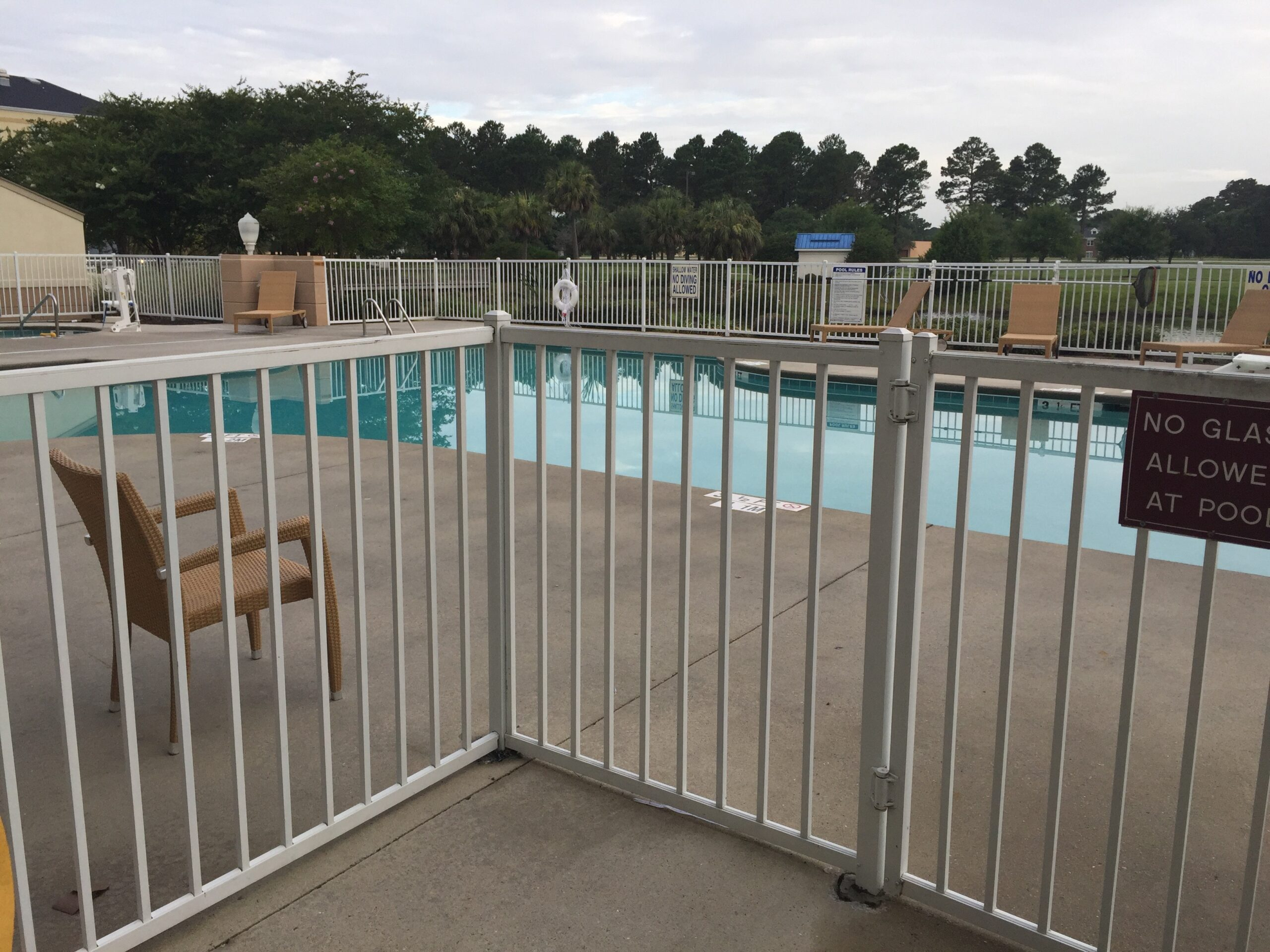
POLYMETAL Swimming Pool Fence
POLYMETAL is a professional fence manufacturer. We understand the importance of a quality pool fence for safety and ease of use. We specialise in high-quality aluminum systems—permanent and temporary pool fence solutions—trusted by families for durability, structural stability, and easy installation. Beyond standard sizes and designs, we offer customised options to help you build a safe, beautiful barrier that blends with your home. Our fences are engineered to meet pool fencing rules for optimal safety.