 Your One-Stop Wire Mesh Fence Supplier | POLYMETAL
The australian temporary fencing standard (AS 4687:2022) — A Practical Guide
When it comes to securing a site—whether for construction, events, utilities, or emergency response—understanding and adhering to the australian temporary fencing standard is essential. In Australia, the benchmark is AS 4687:2022 (the 2022 series that supersedes AS 4687:2007). These requirements ensure australian temporary fencing systems are safe, durable, and fit for purpose. As a professional fence manufacturer, we design and supply Australian temporary fencing that not only meets the australian temporary fencing standard but consistently aims to exceed it through robust components, rigorous QA, and clear documentation.

1) Material requirements
The australian temporary fencing standard calls for durable, weather-resistant materials capable of repeated handling. Panels, posts, temporary fence feet, and clamps must resist corrosion and withstand wind, impact, and site wear. We specify high-grade galvanised steel, quality welds, and protective coatings to extend service life and keep systems compliant across multiple deployments.
2) Structural design
Design is about stability under real conditions. Compliant systems consider panel geometry, mass, foot design, coupler strength, and optional bracing. They also account for wind loading—including the extra drag from shade cloth, debris mesh, or banners. Our engineered assemblies exceed minimum strength targets with reinforced welds, anti-lift details, and counterweight/bracing options to match site risk.
3) Installation requirements
Proper installation is critical to meeting the australian temporary fencing standard. Panels must be level and secure; feet correctly oriented; clamps tightened to the specified torque; and bracing deployed where wind or crowd loads are expected. Gates require reliable latching, and clearances must prevent climbing or entrapment. We supply step-by-step install guides and offer on-site setup support to ensure consistent, compliant outcomes.
4) Safety signage
Signage is a requirement—not a nice-to-have. Warnings and site information should be conspicuous and legible, with durable substrates suited to outdoor exposure. Placement at entries, hazard zones, and intervals along the perimeter helps guide safe behaviour and supports regulatory duties.

5) Inspection and maintenance
Regular inspection maintains compliance. Crews should check panel integrity, foot condition, coupler tightness, bracing, signage, and any coverings after installation, after severe weather, and at defined intervals. Our modular parts enable quick swaps and repairs to keep barriers safe and serviceable.
6) Usage scenarios
Temporary fencing serves construction sites, civil works, public events, crowd management, utilities, and emergency containment. The australian temporary fencing standard expects configurations tailored to each use case—e.g., extra bracing near wind corridors, debris mesh near traffic, or pedestrian barriers for crowd routes.
7) Product advantages
Our systems combine anti-climb mesh, consistent weld penetration, reinforced corners, robust clamps, and stable feet with non-trip profiles. Components are designed to stack, transport, and redeploy efficiently while preserving strength and appearance.
8) Legal context
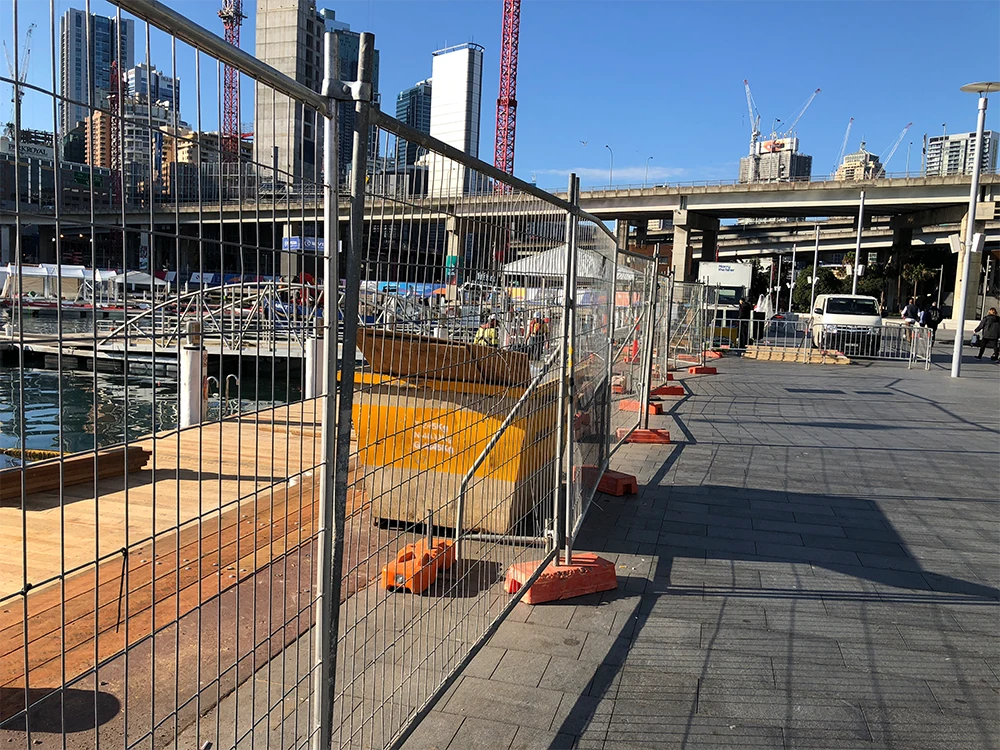
AS 4687:2022 is the relevant australian temporary fencing standard and supersedes AS 4687:2007. Working to the current series helps demonstrate due diligence and reduces risk exposure. We provide conformance documents and, on request, engineering support for wind design and site-specific configurations.
9) Beyond the basics
Aesthetics and community expectations matter—especially for long-running projects. We offer neat panel edges, consistent galvanising, and optional finishes to help sites look organised and professional.
10) Environmental considerations
Sustainability is built in through recyclable steels, durable coatings, and long service life. Our installation methods aim to minimise ground disturbance, and modular designs reduce disposal waste by favouring repairability.
11) Technological innovations
Modern options include tamper indicators, GPS tagging for asset control, and sensors that notify teams of excessive movement during wind events. Precision manufacturing delivers panels with tight tolerances for reliable coupler engagement and alignment.
12) Customisation options
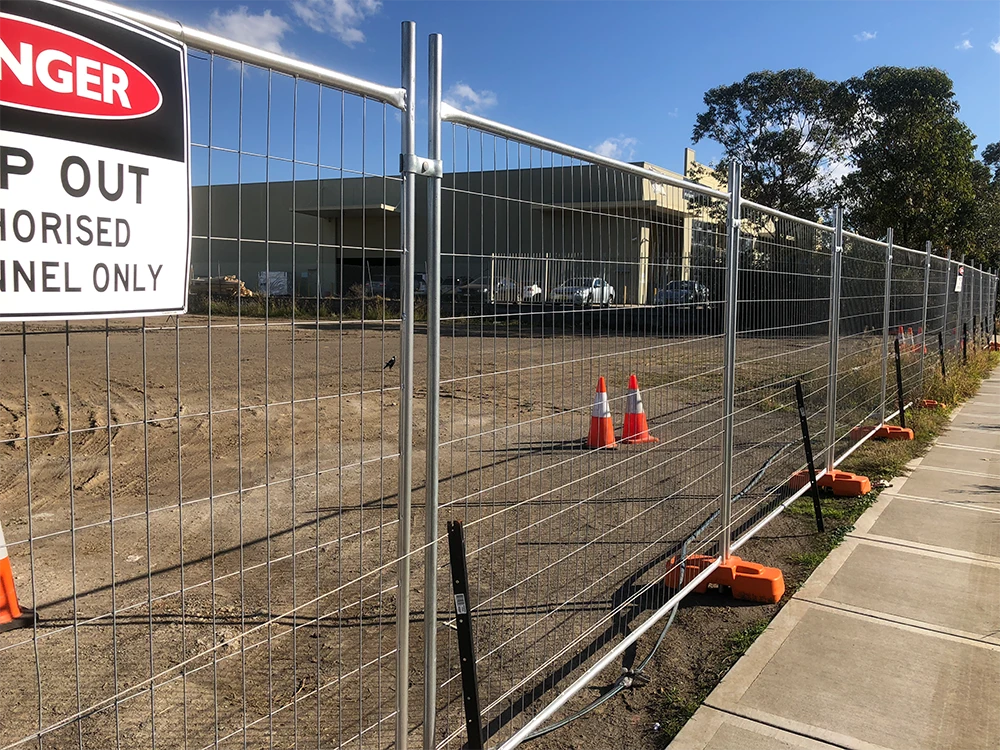
Every project is different. Choose from mesh apertures, frame gauges, foot styles, colours, branding panels, debris mesh types, and bracing kits. Adjustable layouts handle slopes, tight footprints, and unusual access paths without compromising stability.
13) Training and support
We deliver toolbox talks, install checklists, and refresher training so crews can assemble, brace, and inspect fencing correctly. Technical support is available for tricky layouts, high-wind corridors, and event crowd routes.
14) Community engagement
For public-facing works, early engagement reduces nuisance, protects access, and improves safety outcomes. Clear wayfinding, tidy perimeters, and well-placed information boards all contribute to a safer, more considerate site.
15) Future outlook
Expect continued improvements in coatings, smart accessories, and sustainability metrics. We actively contribute insights to help raise the industry bar so that the australian temporary fencing standard evolves alongside real-world needs.
Our competitive edge
As a professional fence manufacturer, we specialise in Australian temporary fencing engineered to the australian temporary fencing standard. Our products are tested, documented, and built for fast installation, longevity, and repeat redeployment—helping clients achieve compliance with confidence and keep people and property protected.

Conclusion
The australian temporary fencing standard sets a clear baseline for safety, durability, and performance. By selecting engineered systems, following best-practice installation, and maintaining a structured inspection regime, you can secure sites effectively while meeting AS 4687:2022. Our team is ready to help with specification, installation support, and documentation—so every project starts compliant and stays that way.