Your One-Stop Wire Mesh Fence Supplier | POLYMETAL
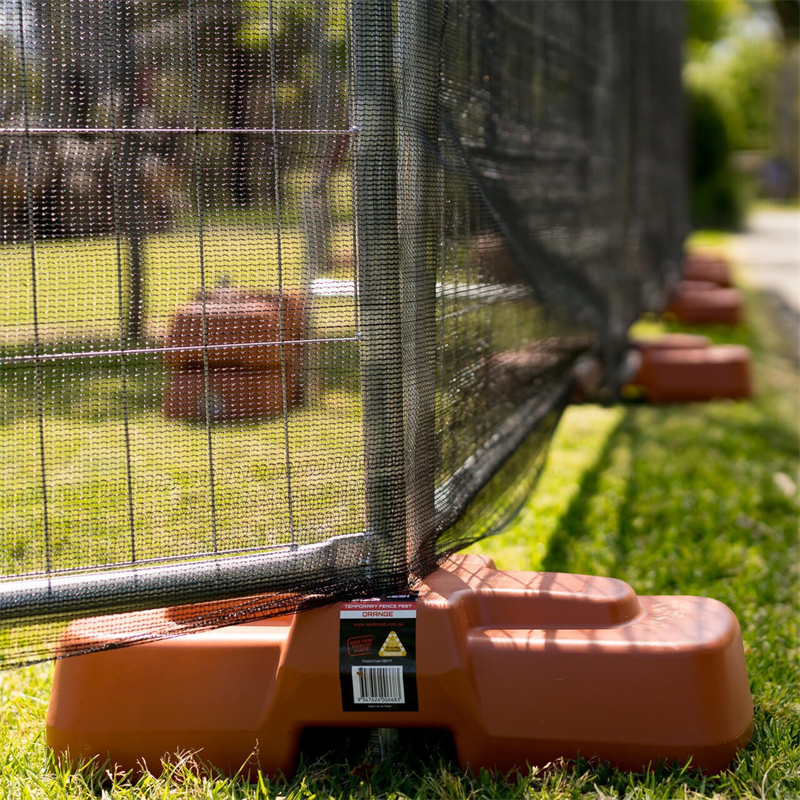
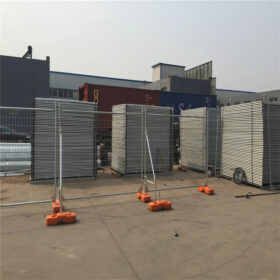


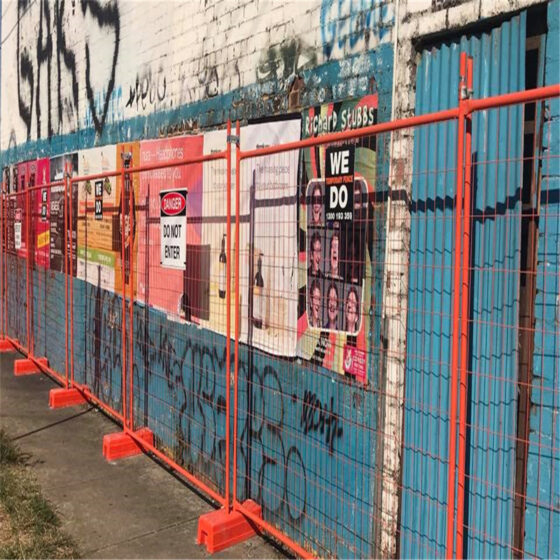
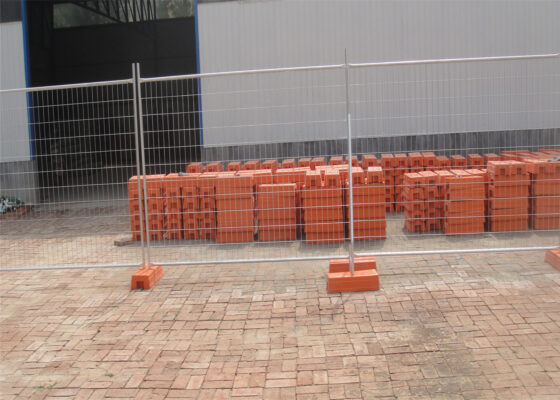
At first glance, almost every construction site temporary fence looks the same: silver panels, mesh squares, plastic blocks at the base and a low headline price. For buyers quickly comparing temp fence for sale options, that simple view can be misleading. Behind that simple view, however, are real structural weaknesses, coating hazards and layout traps that can quietly turn a “cheap” fence line into a chain of failures, accidents and unexpected cost.
POLYMETAL designs construction site temporary fence panels as serious safety equipment, not just as a visual boundary. Panels, bases and accessories are engineered for repeated hire cycles, harsh weather and rough handling on live construction sites. The brand focus is on predictable performance: strong frame tubes, controlled mesh openings, documented hot-dip galvanizing and clear quality rules that match the reality of modern sites.
What follows is an overview of eleven critical facts, risks and warnings inside ordinary construction site temporary fence – and how the POLYMETAL system is built to avoid those problems while protecting both people and profit.

11 Critical Facts, Risks and Warnings in Construction Site Temporary Fence
Fact 1 – Frame Tube Detail Hiding Structural Weakness
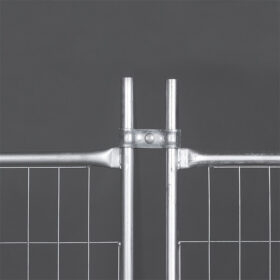
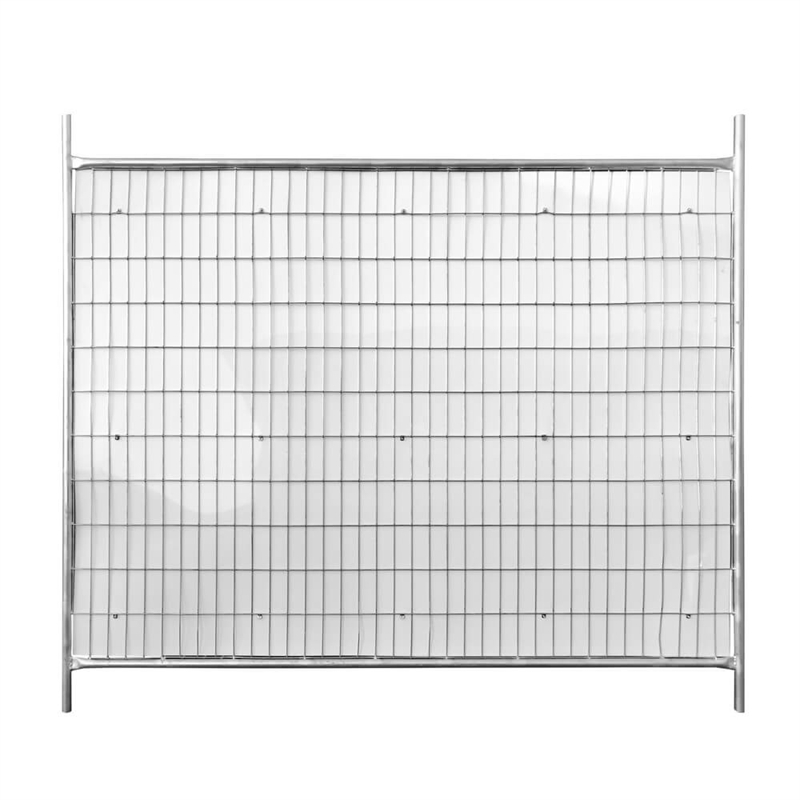
The first fact is hidden in the frame tube. Many construction site temporary fence panels use large outer diameters to look strong in photos while hiding very thin wall thicknesses. A tube in the 32–41 mm range with walls below 1.0–1.2 mm behaves more like a soft shell than a structural frame, twisting and denting under normal site loads. POLYMETAL uses defined frame tube diameters of 32, 38, 40 and 41 mm, matched with wall thicknesses from 1.0 to 2.0 mm depending on duty level, so the rectangular panel behaves as a real structural element rather than a cosmetic outline.
Risk 2 – Panel Size Truth That Controls Real Protection
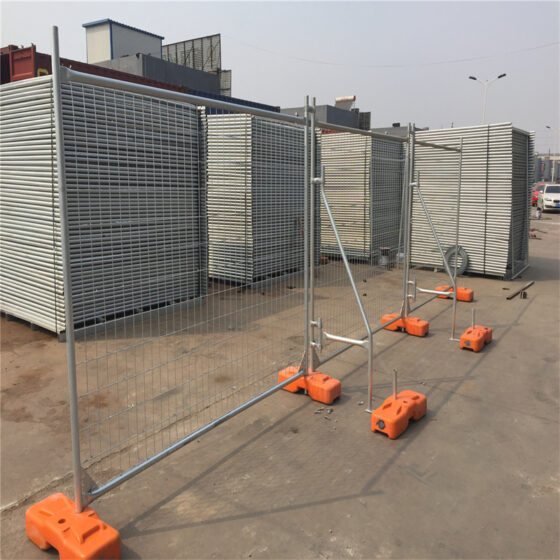
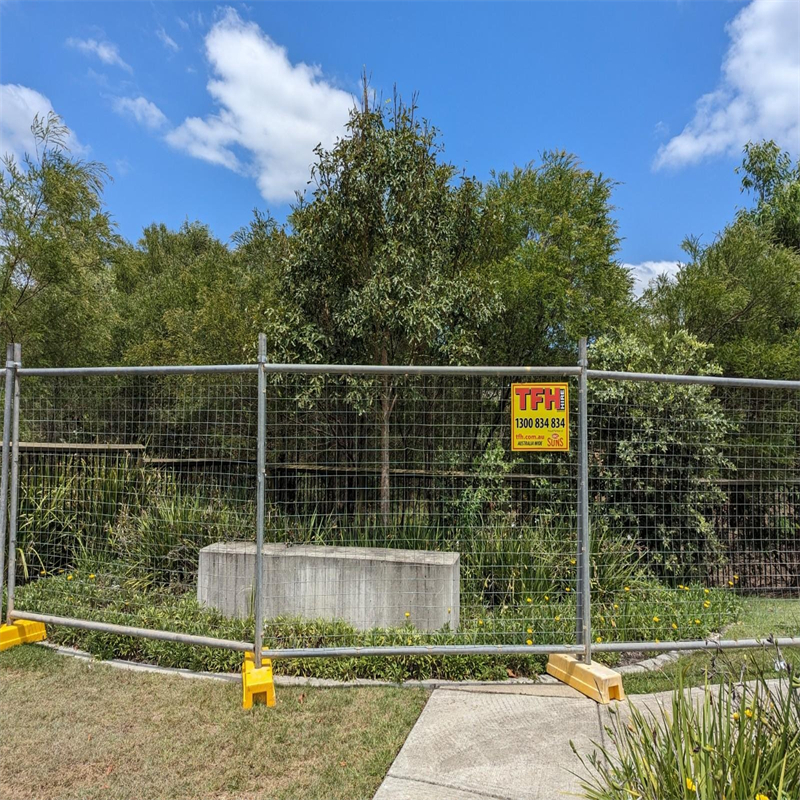
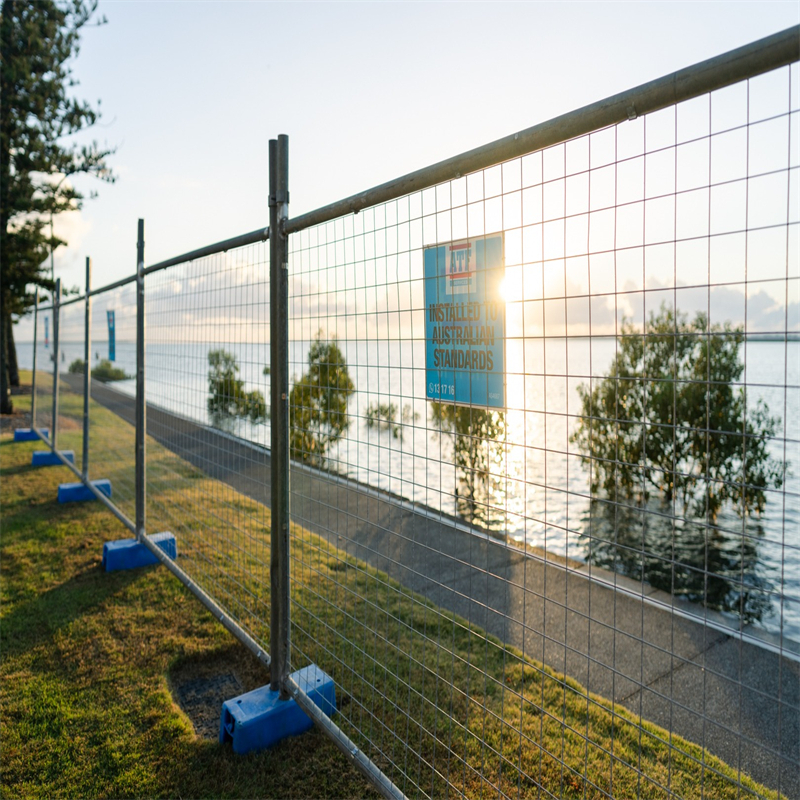
The second risk is panel size. If panels are too low or too short, people, tools and debris find their way over, under or between them. POLYMETAL construction site temporary fence panels are designed around a clear pattern: 2100 mm high and 2400 mm wide. This height supports common safety guidance for site boundaries, while the 2400 mm width reduces the number of joins and minimises gaps, making the fence line harder to push through or bypass.
Danger 3 – Mesh Opening Pattern Turning Fence into a Climbing Frame
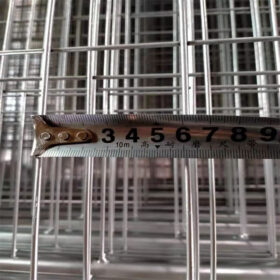
The third danger lies in the mesh opening. Mesh that is too wide or inconsistent can turn your construction site temporary fence into a climbing frame. POLYMETAL panels use a 60 mm × 150 mm mesh opening pattern combined with steel wire diameters of 2.70 mm, 3.00 mm or 4.00 mm. This creates a stiff grid that is difficult to climb and able to resist impacts from tools, materials and wind-driven debris without opening up gaps.

Warning 4 – Galvanizing Thickness as a Silent Corrosion Hazard
The fourth warning is galvanizing thickness. Light zinc coatings and pre-galvanised strip look bright when new but can rust quickly at welds, cuts and exposed edges. Rust is not just cosmetic damage; it is actual metal loss and a sign that your construction site temporary fence is losing strength. POLYMETAL offers three defined hot-dip galvanizing levels: about 14 microns for short-term or low-corrosion projects, around 42 microns for standard-duty outdoor sites and approximately 100 microns for heavy-duty or coastal conditions. This data-based approach turns galvanizing from a marketing word into measurable protection.
Pitfall 5 – Weld Quality Flaw as a Hidden Failure Point
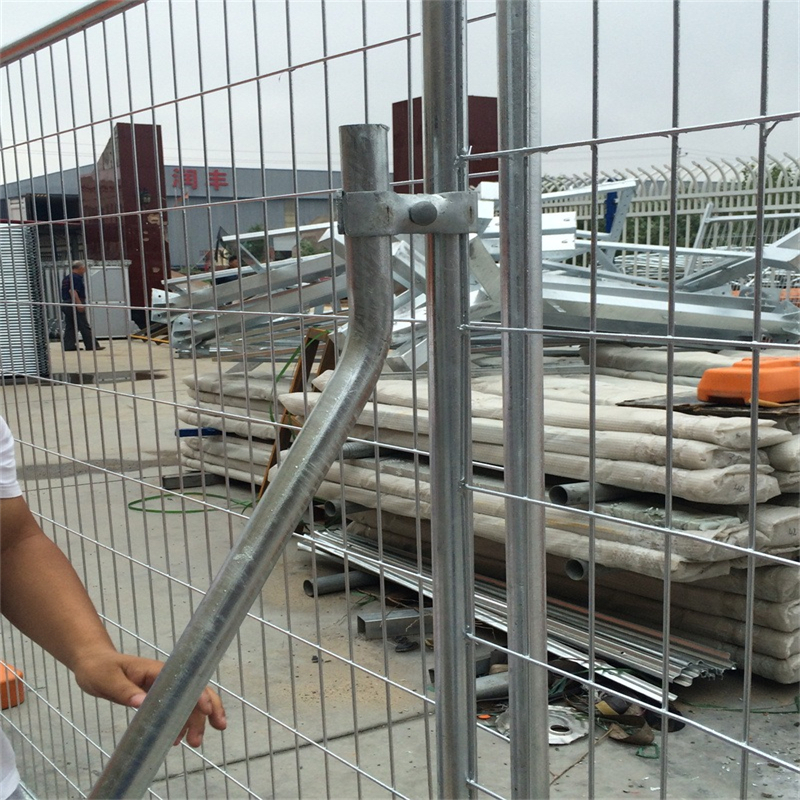
The fifth pitfall is weld quality. Poor mesh-to-frame welds, porous joints or misaligned connections are classic flaws that stay invisible until a crowd leans, a gust hits or a forklift bumps the line. When those welds fail, panels drop, mesh strips peel away and sudden openings appear. POLYMETAL construction site temporary fence panels are welded in controlled jigs, with weld parameters tuned for penetration and consistency. Welds are inspected so the fence behaves like one connected system, reducing the risk of sudden failure.
Trap 6 – Base Design Gap at Ground Level
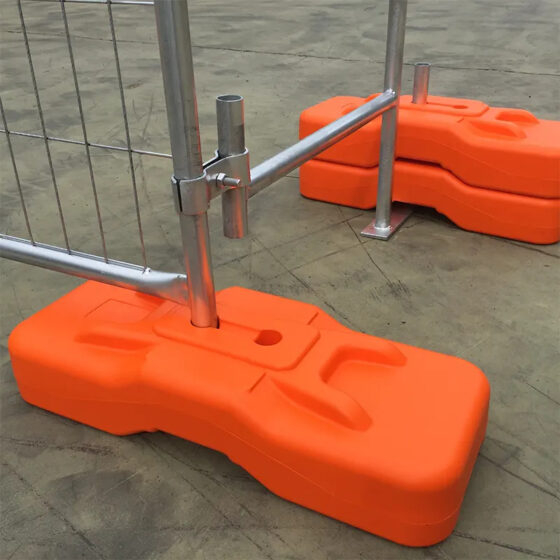
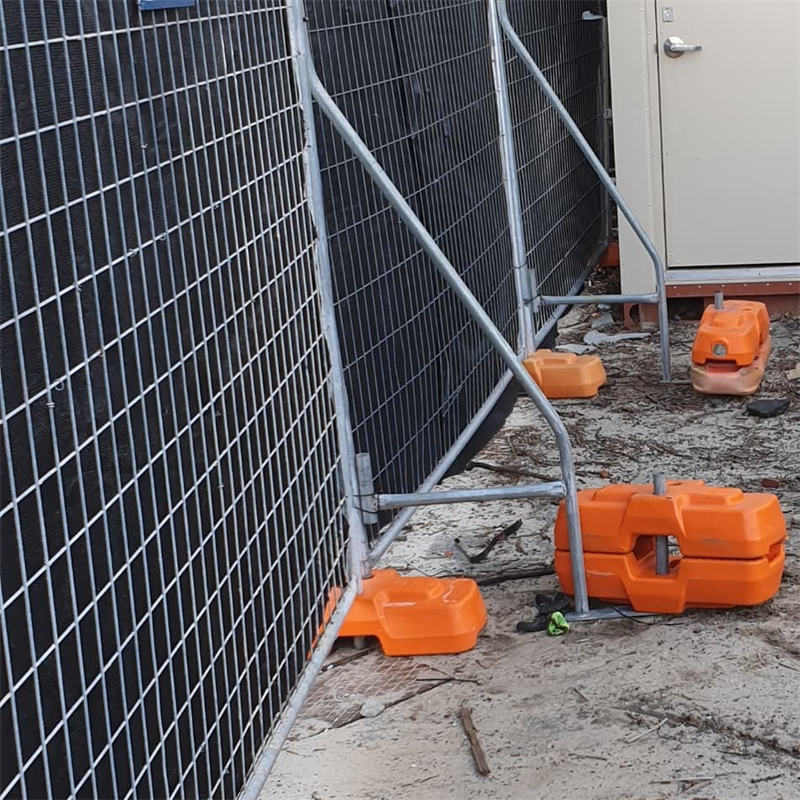
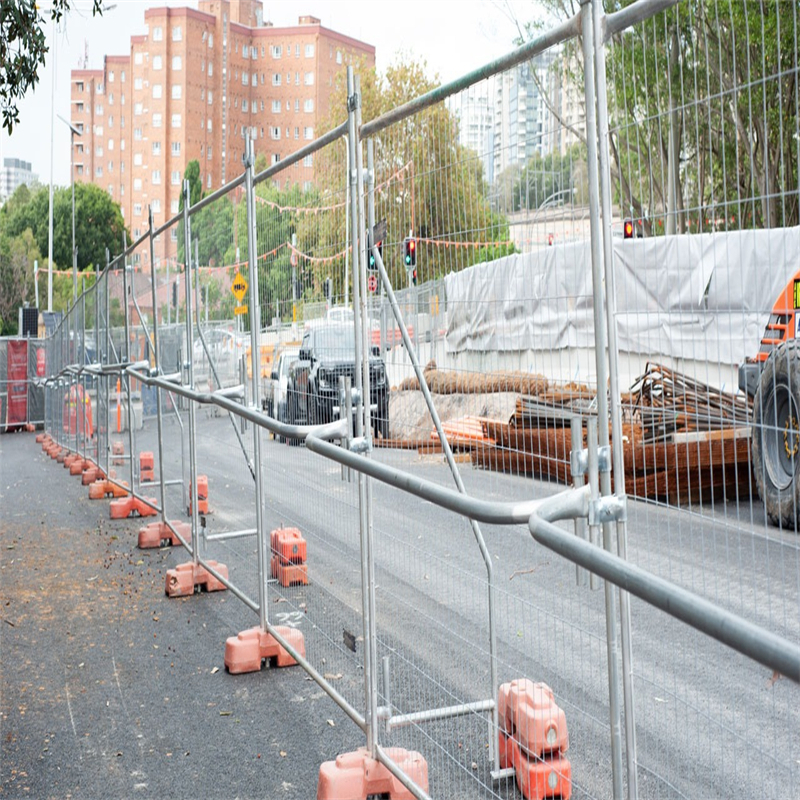
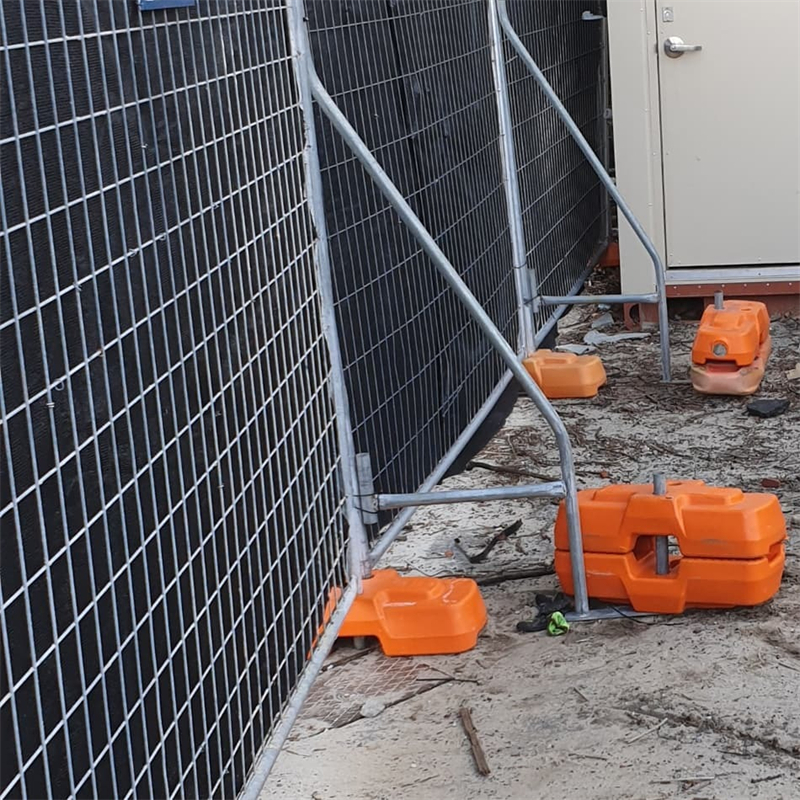
The sixth trap sits at ground level. Bases that are too light, too narrow or poorly matched to the frame create a dangerous gap between theory and reality. Under wind load or accidental impact, unstable bases let the whole construction site temporary fence line rock, lean or collapse. POLYMETAL designs its frame tube ends and base pockets as a matched pair, giving enough footprint for stability while keeping pedestrian paths and vehicle routes clear. The aim is to close the gap between static drawings and live site behaviour.
Problem 7 – Layout Pattern Turning Safety into a Crisis
The seventh problem is layout. Even strong panels can create a crisis if the fence is laid out without a clear guide or rule set. Blind corners, narrow funnels, blocked escape routes and poorly marked gates are oversights that increase crush risk and encourage risky behaviour. POLYMETAL supports planners with simple layout principles based on the 2100 mm × 2400 mm panel pattern, so construction site temporary fence lines follow predictable routes, clear access points and adequate emergency openings.
Cost 8 – Hidden Lifecycle Loss and Waste in Cheap Fencing
The eighth point is cost and loss. Panels with thin tubes, poor mesh and weak galvanizing look cheap on the first invoice but generate a steady trend of repair, replacement and waste. Bent frames, broken welds and rusted mesh lead to hire failures, failed inspections and angry neighbours. By specifying defined tube sizes, 60 × 150 mm mesh, controlled zinc thickness and documented production, POLYMETAL construction site temporary fence reduces long-term loss, damage and waste, delivering a real payoff over multiple projects.
Myth 9 – “All Construction Site Temporary Fence Is the Same” Illusion
The ninth myth is the illusion that all construction site temporary fence products are identical. This misbelief leads buyers to compare only price and a single snapshot photo, while ignoring tube thickness, mesh wire diameter, zinc data, weld profile and base design. POLYMETAL exposes this illusion by providing a clear outline of specifications across different duty levels, giving contractors real leverage when they compare offers and negotiate.
Threat 10 – Documentation Oversight That Becomes a Legal Hazard
The tenth threat is documentation. When an incident happens, authorities and insurers do not stop at the surface; they ask for material info, galvanizing data, inspection records and manufacturing profile. Suppliers who cannot provide this data leave contractors exposed to a serious oversight. POLYMETAL maintains a documentation guide for its construction site temporary fence series, turning documentation from a weakness into an advantage during audits and investigations.
Failure 11 – Last Lesson That Destroys Profit and Reputation
The eleventh and most serious lesson is the failure that happens when all of the above are ignored. A collapsed run of construction site temporary fence, a child entering a live site through a defect, or debris escaping onto public roads is more than a technical bug. It is a reputational crisis and a direct threat to profit and brand. POLYMETAL panels, bases and accessories are designed to act as a consistent, traceable safety outline, reducing the chance that your fence becomes the first sign, signal or snapshot of a project gone wrong.
Product Overview – POLYMETAL Construction Site Temporary Fence
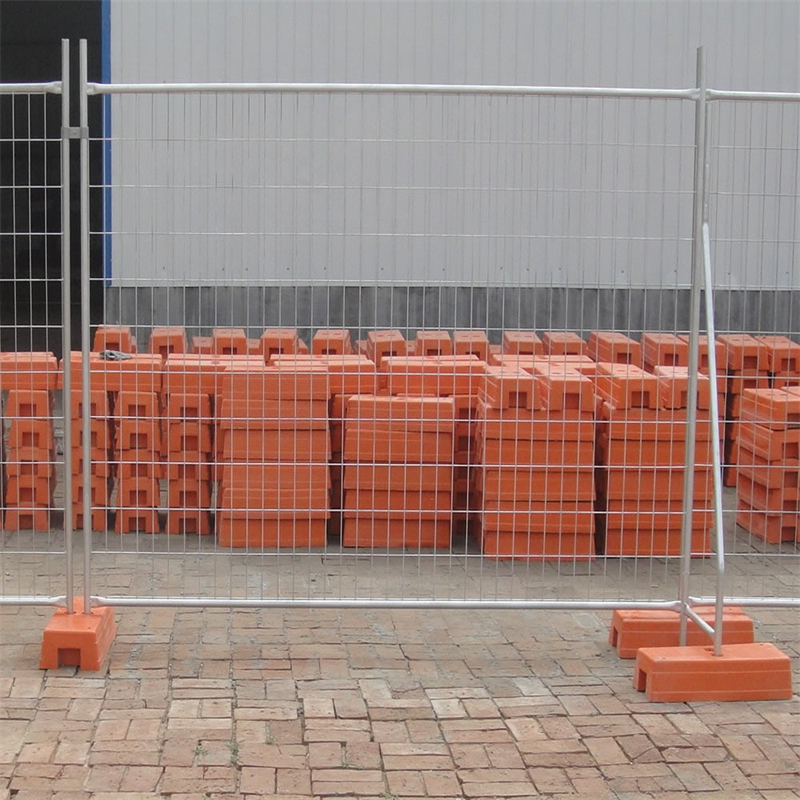
POLYMETAL construction site temporary fence is built around a robust rectangular panel format tailored to modern building projects. Each panel is typically 2100 mm high and 2400 mm wide, forming a strong visual and physical boundary for commercial builds, infrastructure works, subdivisions, demolition sites and industrial upgrades.
The frame uses circular steel tube in outer diameters of 32, 38, 40 or 41 mm, with wall thicknesses ranging from 1.0 to 2.0 mm depending on the model. Inside the frame, a welded mesh with a 60 mm × 150 mm opening pattern is created from 2.70 mm, 3.00 mm or 4.00 mm steel wire to deliver different strength profiles. Panels are hot-dip galvanized to defined thickness levels of about 14 microns, 42 microns or 100 microns, chosen according to project duration and environment.
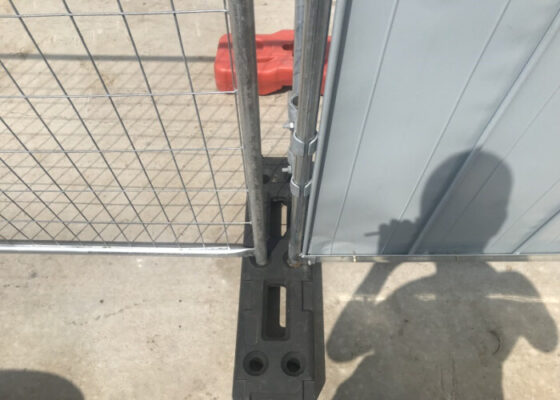
Construction site temporary fence bases, clamps and braces are designed as part of the same system, so the tube ends, mesh layout and stabilising accessories work together. Brand signage, warning boards and debris screens can be added without compromising the underlying structure, turning the fence into both a safety barrier and an information guide.

Specifications – POLYMETAL Construction Site Temporary Fence
Table 1 – Light-Duty Construction Site Temporary Fence Panels
| Model Code | Height (mm) | Width (mm) | Frame Tube OD (mm) | Frame Tube Thickness (mm) | Mesh Opening (mm) | Wire Diameter (mm) | Finish |
|---|---|---|---|---|---|---|---|
| PCTF-LD-2100-01 | 2100 | 2400 | 32 | 1.0 | 60 × 150 | 2.70 | 14 µm HDG |
| PCTF-LD-2100-02 | 2100 | 2400 | 32 | 1.2 | 60 × 150 | 2.70 | 14 µm HDG |
| PCTF-LD-2100-03 | 2100 | 2400 | 32 | 1.0 | 60 × 150 | 3.00 | 14 µm HDG |
| PCTF-LD-2100-04 | 2100 | 2400 | 32 | 1.2 | 60 × 150 | 3.00 | 14 µm HDG |
| PCTF-LD-2100-05 | 2100 | 2400 | 38 | 1.0 | 60 × 150 | 2.70 | 14 µm HDG |
| PCTF-LD-2100-06 | 2100 | 2400 | 38 | 1.2 | 60 × 150 | 2.70 | 14 µm HDG |
| PCTF-LD-2100-07 | 2100 | 2400 | 38 | 1.0 | 60 × 150 | 3.00 | 14 µm HDG |
| PCTF-LD-2100-08 | 2100 | 2400 | 38 | 1.2 | 60 × 150 | 3.00 | 14 µm HDG |
| PCTF-LD-2100-09 | 2100 | 2400 | 40 | 1.0 | 60 × 150 | 2.70 | 14 µm HDG |
| PCTF-LD-2100-10 | 2100 | 2400 | 40 | 1.2 | 60 × 150 | 2.70 | 14 µm HDG |
Table 2 – Standard-Duty Construction Site Temporary Fence Panels
| Model Code | Height (mm) | Width (mm) | Frame Tube OD (mm) | Frame Tube Thickness (mm) | Mesh Opening (mm) | Wire Diameter (mm) | Finish |
|---|---|---|---|---|---|---|---|
| PCTF-SD-2100-01 | 2100 | 2400 | 32 | 1.2 | 60 × 150 | 3.00 | 42 µm HDG |
| PCTF-SD-2100-02 | 2100 | 2400 | 32 | 1.4 | 60 × 150 | 3.00 | 42 µm HDG |
| PCTF-SD-2100-03 | 2100 | 2400 | 38 | 1.2 | 60 × 150 | 3.00 | 42 µm HDG |
| PCTF-SD-2100-04 | 2100 | 2400 | 38 | 1.4 | 60 × 150 | 3.00 | 42 µm HDG |
| PCTF-SD-2100-05 | 2100 | 2400 | 40 | 1.4 | 60 × 150 | 3.00 | 42 µm HDG |
| PCTF-SD-2100-06 | 2100 | 2400 | 40 | 1.5 | 60 × 150 | 3.00 | 42 µm HDG |
| PCTF-SD-2100-07 | 2100 | 2400 | 41 | 1.4 | 60 × 150 | 3.00 | 42 µm HDG |
| PCTF-SD-2100-08 | 2100 | 2400 | 41 | 1.5 | 60 × 150 | 3.00 | 42 µm HDG |
| PCTF-SD-2100-09 | 2100 | 2400 | 38 | 1.4 | 60 × 150 | 4.00 | 42 µm HDG |
| PCTF-SD-2100-10 | 2100 | 2400 | 40 | 1.4 | 60 × 150 | 4.00 | 42 µm HDG |
Table 3 – Heavy-Duty Construction Site Temporary Fence Panels
| Model Code | Height (mm) | Width (mm) | Frame Tube OD (mm) | Frame Tube Thickness (mm) | Mesh Opening (mm) | Wire Diameter (mm) | Finish |
|---|---|---|---|---|---|---|---|
| PCTF-HD-2100-01 | 2100 | 2400 | 32 | 1.5 | 60 × 150 | 4.00 | 100 µm HDG |
| PCTF-HD-2100-02 | 2100 | 2400 | 32 | 2.0 | 60 × 150 | 4.00 | 100 µm HDG |
| PCTF-HD-2100-03 | 2100 | 2400 | 38 | 1.5 | 60 × 150 | 4.00 | 100 µm HDG |
| PCTF-HD-2100-04 | 2100 | 2400 | 38 | 2.0 | 60 × 150 | 4.00 | 100 µm HDG |
| PCTF-HD-2100-05 | 2100 | 2400 | 40 | 1.5 | 60 × 150 | 4.00 | 100 µm HDG |
| PCTF-HD-2100-06 | 2100 | 2400 | 40 | 2.0 | 60 × 150 | 4.00 | 100 µm HDG |
| PCTF-HD-2100-07 | 2100 | 2400 | 41 | 1.5 | 60 × 150 | 4.00 | 100 µm HDG |
| PCTF-HD-2100-08 | 2100 | 2400 | 41 | 2.0 | 60 × 150 | 4.00 | 100 µm HDG |
| PCTF-HD-2100-09 | 2100 | 2400 | 38 | 2.0 | 60 × 150 | 3.00 | 100 µm HDG |
| PCTF-HD-2100-10 | 2100 | 2400 | 40 | 2.0 | 60 × 150 | 3.00 | 100 µm HDG |
Table 4 – Premium Coated Construction Site Temporary Fence Panels
| Model Code | Height (mm) | Width (mm) | Frame Tube OD (mm) | Frame Tube Thickness (mm) | Mesh Opening (mm) | Wire Diameter (mm) | Finish |
|---|---|---|---|---|---|---|---|
| PCTF-PC-2100-01 | 2100 | 2400 | 32 | 1.4 | 60 × 150 | 3.00 | 42 µm HDG + colour coat |
| PCTF-PC-2100-02 | 2100 | 2400 | 38 | 1.4 | 60 × 150 | 3.00 | 42 µm HDG + colour coat |
| PCTF-PC-2100-03 | 2100 | 2400 | 38 | 1.6 | 60 × 150 | 3.00 | 42 µm HDG + colour coat |
| PCTF-PC-2100-04 | 2100 | 2400 | 40 | 1.4 | 60 × 150 | 3.00 | 42 µm HDG + colour coat |
| PCTF-PC-2100-05 | 2100 | 2400 | 40 | 1.6 | 60 × 150 | 3.00 | 42 µm HDG + colour coat |
| PCTF-PC-2100-06 | 2100 | 2400 | 41 | 1.4 | 60 × 150 | 3.00 | 42 µm HDG + colour coat |
| PCTF-PC-2100-07 | 2100 | 2400 | 41 | 1.6 | 60 × 150 | 3.00 | 42 µm HDG + colour coat |
| PCTF-PC-2100-08 | 2100 | 2400 | 38 | 2.0 | 60 × 150 | 4.00 | 100 µm HDG + colour coat |
| PCTF-PC-2100-09 | 2100 | 2400 | 40 | 2.0 | 60 × 150 | 4.00 | 100 µm HDG + colour coat |
| PCTF-PC-2100-10 | 2100 | 2400 | 41 | 2.0 | 60 × 150 | 4.00 | 100 µm HDG + colour coat |
Packing of POLYMETAL Construction Site Temporary Fence
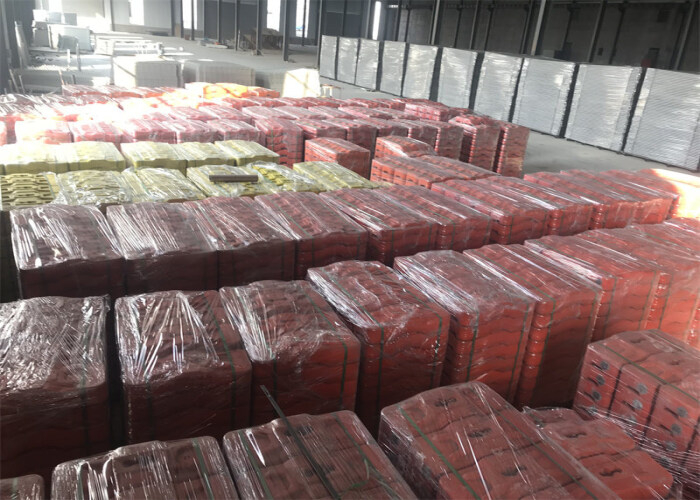
POLYMETAL construction site temporary fence panels are packed according to a strict pattern designed to protect structure, mesh and coating. Panels are stacked in aligned bundles with the load carried through the outer frame tubes rather than through the mesh. This packing principle prevents bending of wires, reduces stress at welds and keeps the 2100 mm × 2400 mm rectangle true.
Between each layer, spacers separate the hot-dip galvanized surfaces to reduce abrasion during transport. Bundles are then strapped securely and, where required, wrapped in film to protect against dust, moisture and handling damage. Temporary fence bases, clamps, braces and accessories are grouped in labelled cartons or steel crates so installers can quickly identify the correct components on site.
The result is a packing profile that supports safe forklift handling, easy unloading and clean storage. Construction site temporary fence orders arrive ready to deploy, not as a risky pile of damaged panels.

Production Process of POLYMETAL Construction Site Temporary Fence
The production process for POLYMETAL construction site temporary fence starts with low-carbon steel tube selected for hot-dip galvanizing. Frame tubes in 32, 38, 40 and 41 mm outer diameters are cut to length with wall thicknesses between 1.0 and 2.0 mm according to the duty level. Mesh wire in 2.70, 3.00 or 4.00 mm diameters is drawn, straightened and cut for the 60 mm × 150 mm opening grid.
Frames are assembled in welding jigs that lock the 2100 mm × 2400 mm outline square. Mesh is welded to the frame using controlled parameters to create a consistent bond at every intersection and at the frame perimeter. Welds are inspected visually and panels are checked for straightness, correct height and mesh pattern before moving to surface preparation.
Panels then pass through cleaning and pre-treatment stages before entering the hot-dip galvanizing bath. Zinc coatings are built to target thicknesses of approximately 14, 42 or 100 microns, depending on whether the panel is light-duty, standard-duty, heavy-duty or premium coated. Coating thickness and quality are recorded as production data. For premium colour-coated models, a polyester powder is applied and cured over the galvanized base.
Final inspection checks dimensions, weld integrity, mesh aperture, coating condition and labelling. Only panels that match the POLYMETAL construction site temporary fence profile are released for packing and shipment.
Standards and Compliance for POLYMETAL Construction Site Temporary Fence
POLYMETAL construction site temporary fence is designed in accordance with widely recognised principles for construction safety, temporary works, construction barriers and site perimeter control. Panel height, width, frame tube size, frame thickness, mesh opening, wire diameter and base configuration are aligned to create a stable, non-climbable and clearly visible boundary that can be integrated into project-specific safety plans.
Internally, POLYMETAL maintains a clear profile of material data, cutting lists, welding procedures, galvanizing info, coating records, inspection results and packing instructions for each series. This documentation provides project owners, contractors, hire companies and regulators with a transparent overview of how the fence is made, how it is meant to perform and how it can be traced back through the production process.
For construction managers, rental fleets and main contractors, POLYMETAL construction site temporary fence delivers more than a line of panels. It offers a defined mix of structural strength, corrosion resistance and documented information that reduces risk, avoids costly missteps and protects long-term investment in temporary fencing infrastructure.