Your One-Stop Wire Mesh Fence Supplier | POLYMETAL
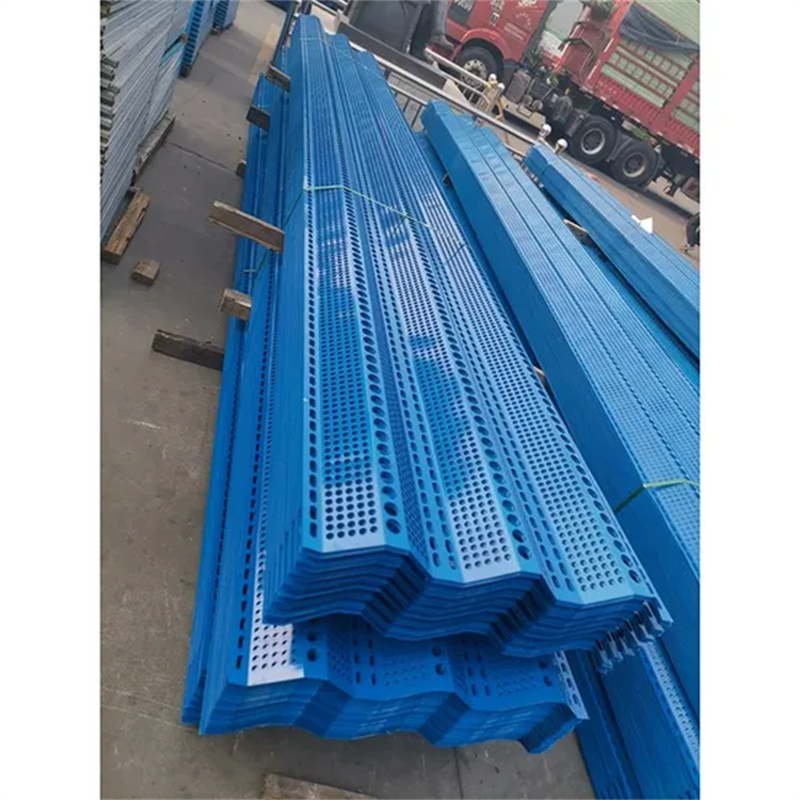
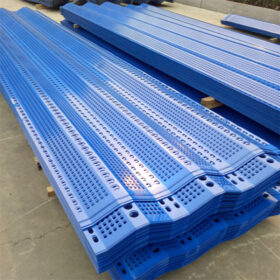
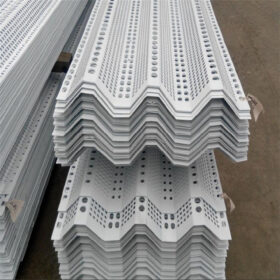
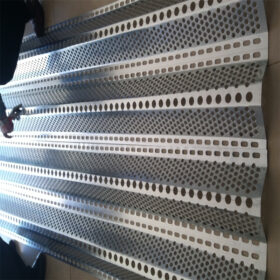
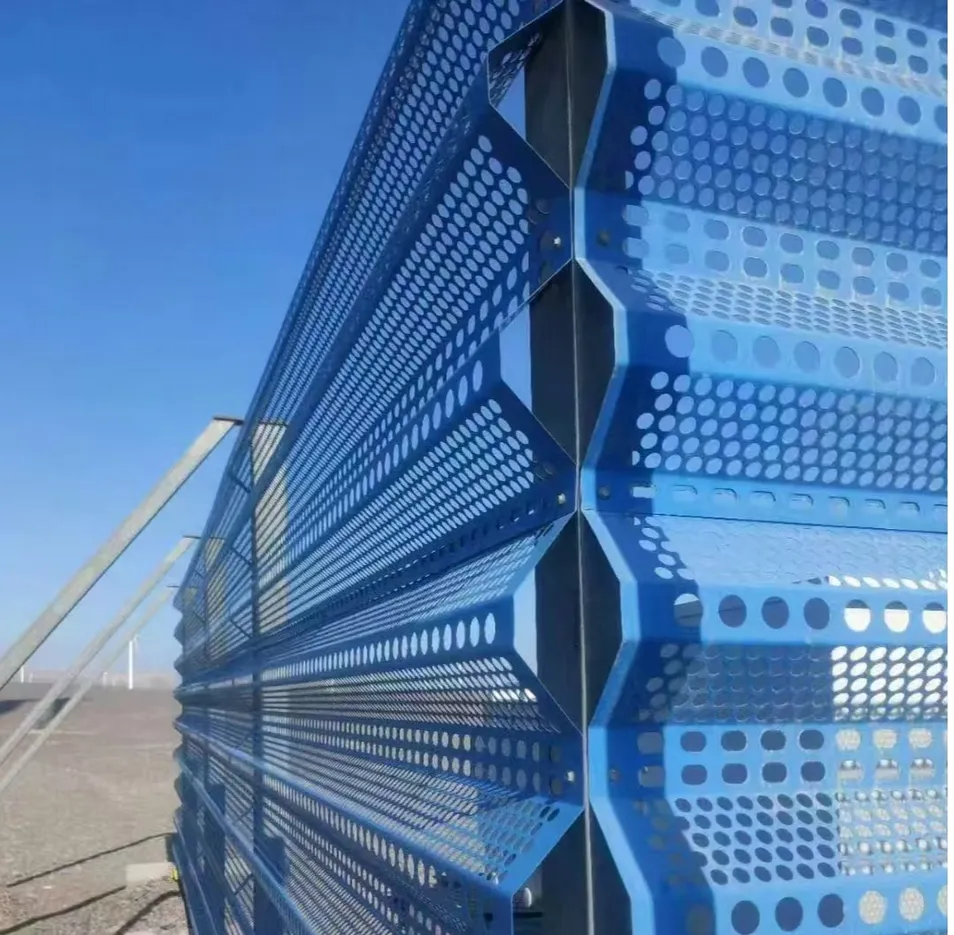
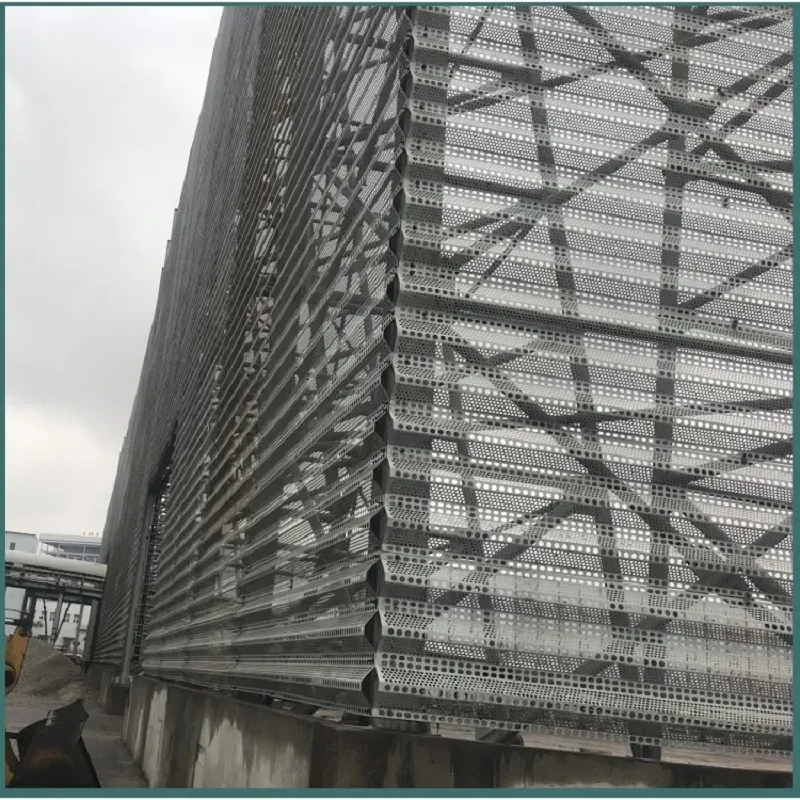
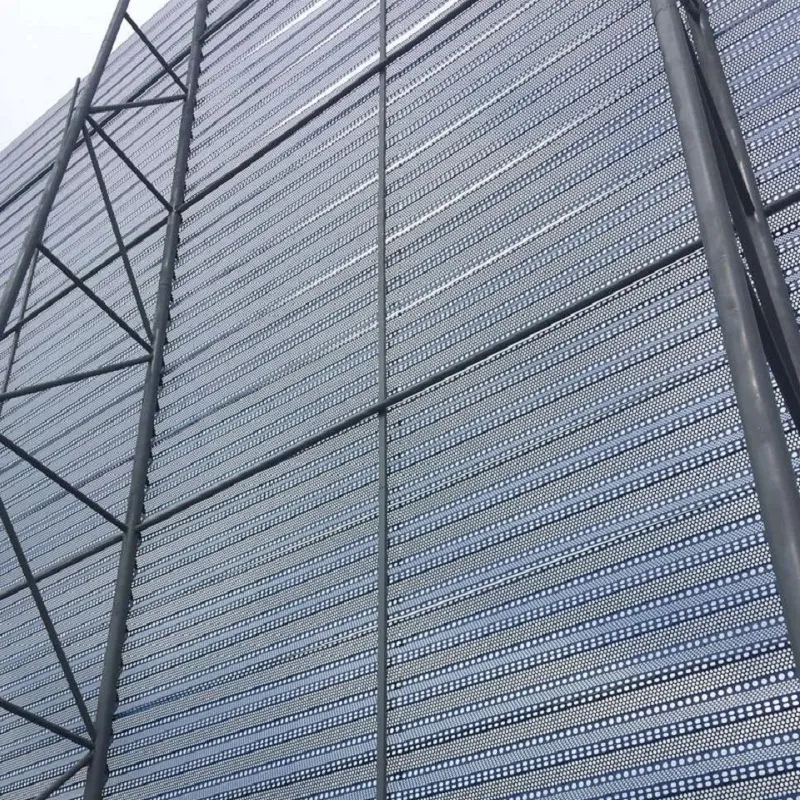
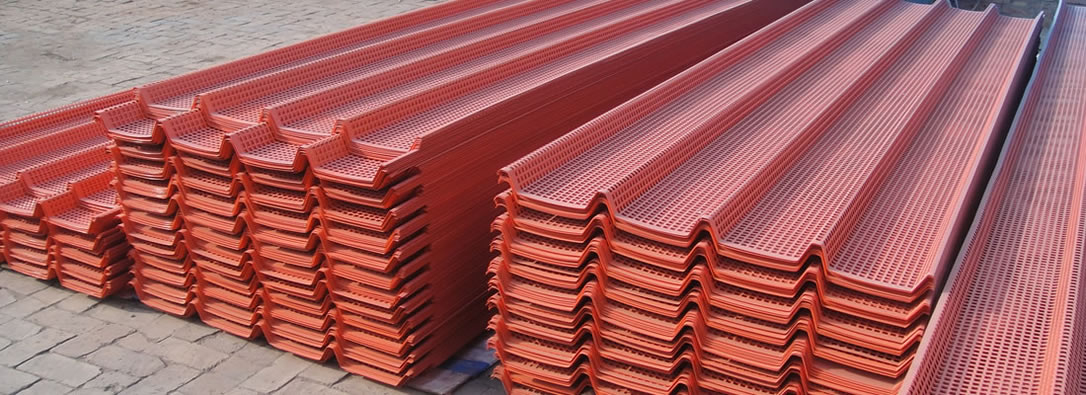
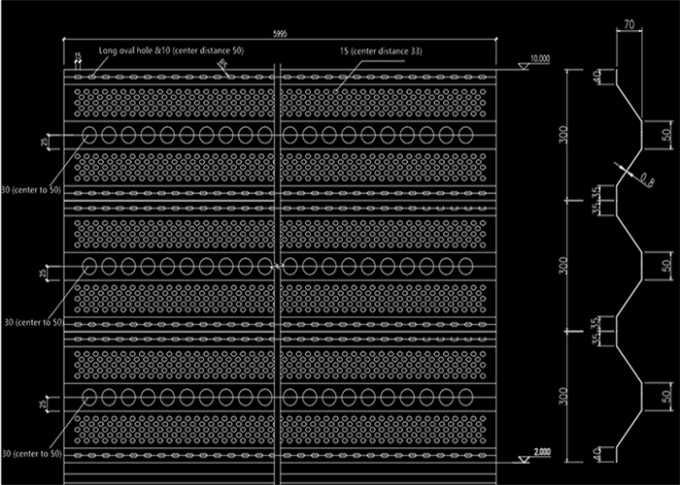
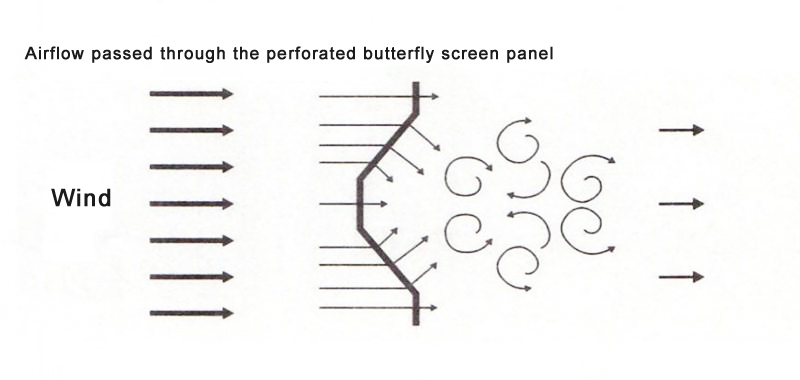
A windbreak fence is designed based on aerodynamics. Guided by on-site environmental wind tunnel tests, panels are processed to specific geometric profiles, aperture (opening) ratios, and hole patterns. As strong wind passes through the fence, controlled disturbance forms above and below the panel on the leeward side, creating zones where the outer wind is strong but the inner wind becomes weak—or even calm—preventing dust from lifting and spreading.Common windbreak fence panels are available in two profiles—single-peak and triple-peak—manufactured in materials such as DX51D-Z, DX51D-AZ, SS304, and aluminum alloy. Typical thicknesses range from 0.8 to 1.5 mm, with length and width fully customizable to project requirements. In properly engineered layouts, the windbreak barrier delivers a dust-suppression efficiency of approximately 65–85%. Primary applications include coal storage areas at mines, power plants, ports, and docks; agricultural protection against wind and sandstorms; and broader site shielding along railways, construction sites, and highway corridors.
Gallary
 |  |
| |
- Shear bending: Precision shearing and bending are critical to product quality; advanced equipment ensures accurate forming.
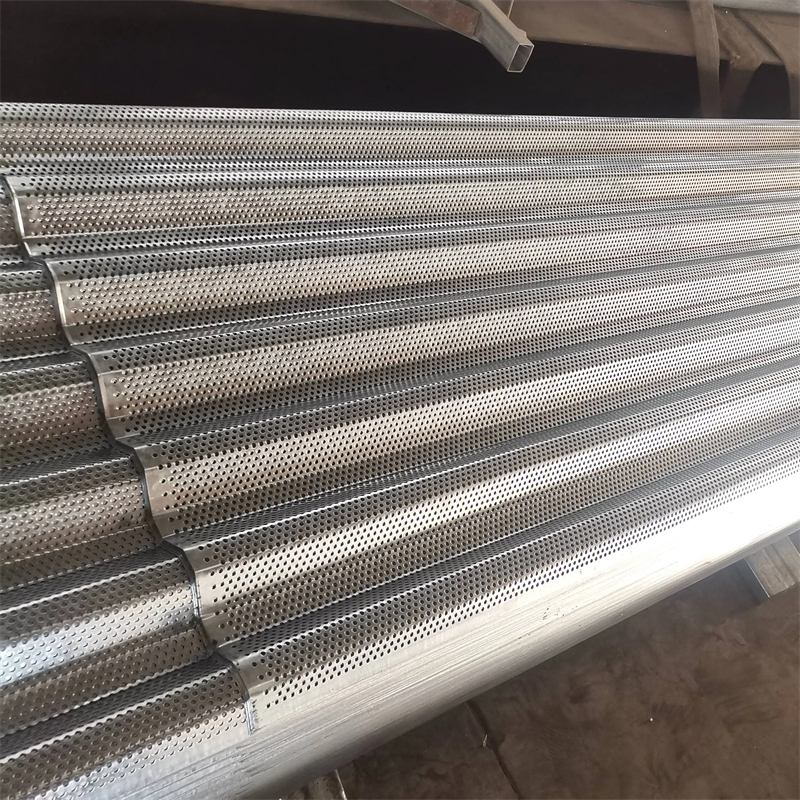
- Punching: Professional operators punch high-quality apertures to achieve the designed opening ratio.
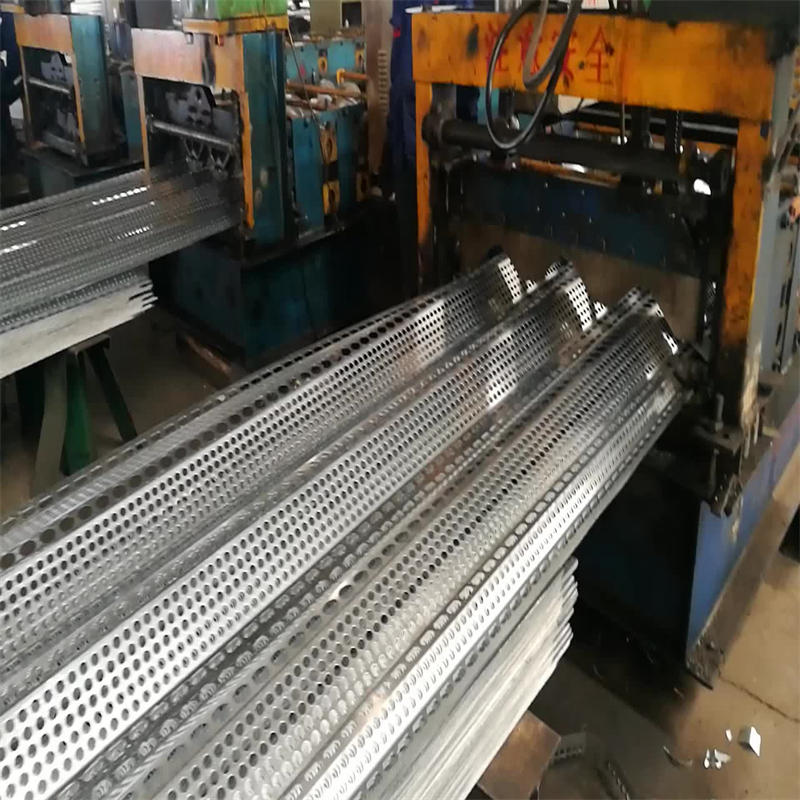
- Molding: Continuous forming equipment (including double-peak and triple-peak lines) shapes the wind-proof panels. Panel length can reach 10 meters or more.
- Cleaning: Thorough pre-treatment directly affects the quality of the subsequent electrostatic spray.
- Electrostatic spraying: Surface coating enables long-term corrosion resistance in harsh environments.
POLYMETAL Steel Windbreak Fence System
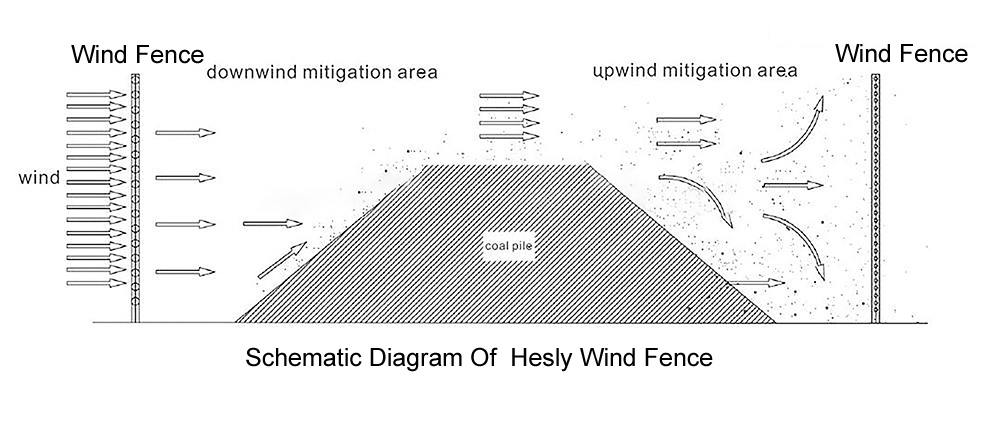
The POLYMETAL windbreak fence (also called wind barrier or windbreak wall) is an advanced solution to control dust pollution in open stockyards of bulk materials. Using perforated metal sheets with a tuned opening rate, the system reduces wind speed and dust. First, it acts as a physical barrier to suppress dust flying; second, it creates a micro-environment that regulates airflow to achieve effective, large-area wind break and dust control.
Construction Windbreak Fence
Windbreak Fence Specifications
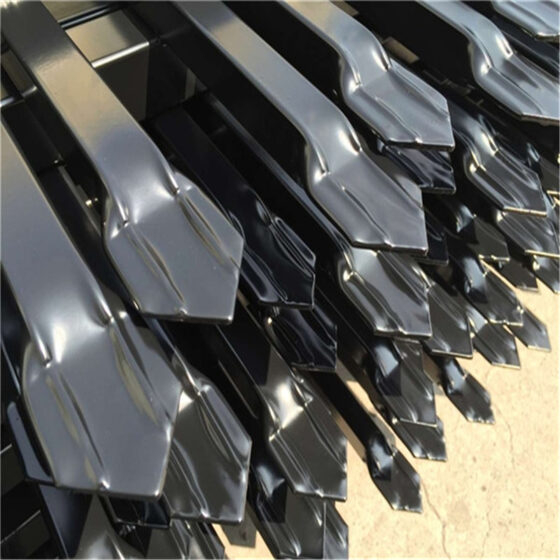
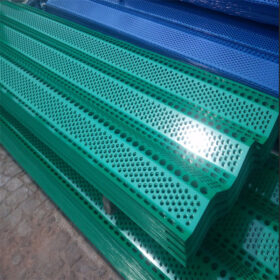
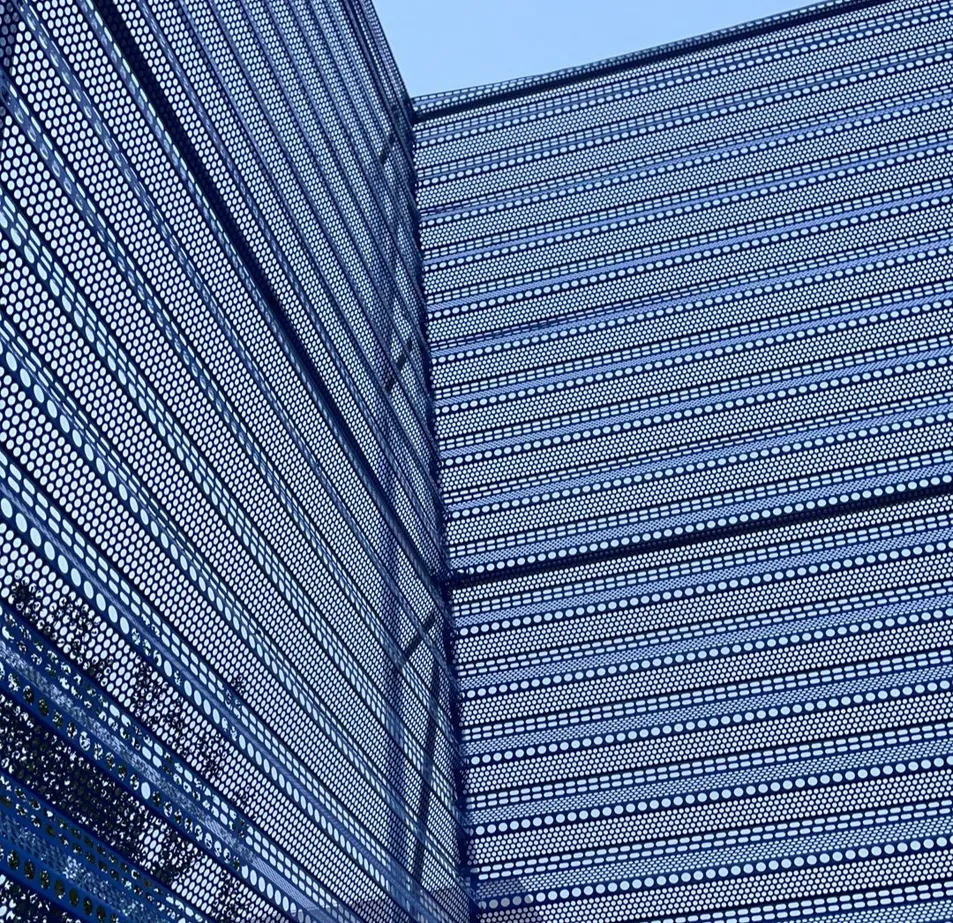
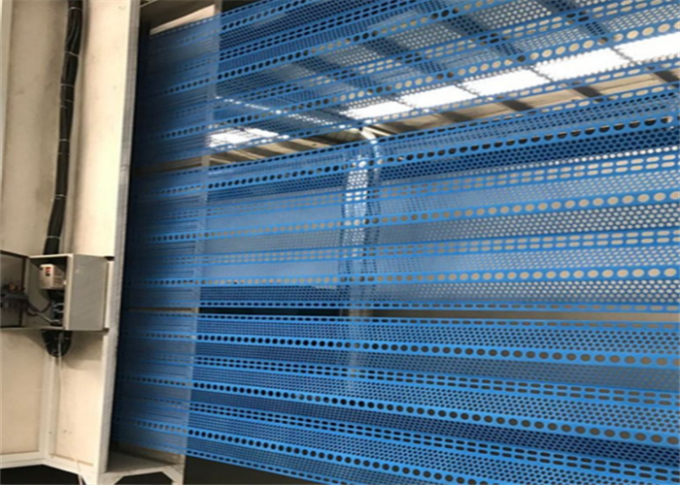
Our windbreak fence is a protective fence formed from high-grade galvanized or aluminum sheet, perforated to specific dimensions in width and length, and profiled with peaks. After powder spraying, the surface comes in multiple colors—commonly blue, green, red, orange, and white—customizable on request. The system is easy and fast to install, cost-effective, and durable for long-term windbreak performance.
| General Specifications | ||
|---|---|---|
| Material (options) | Aluminum sheet; Galvanized steel sheet; Stainless steel; Aluminized zinc; Al–Mg alloy | |
| Thickness (general) | 1 mm (or per design requirements) | |
| Width (general) | 400, 450, 500, 600, 700, 750, 800, 900 mm, etc. | |
| Length (general) | 1–12 m | |
| Hole Shape | Round | |
| Service Life | Above 20 years | |
| Color | White, purple, green, blue, red, yellow, or custom | |
| Surface Treatment | Galvanized; Powder spraying | |
| Sample | Design and supply free sample | |
| Type Variants (Dimensions) | ||
| Type | Forming Width / Peak Height | Sheet Thickness / Length |
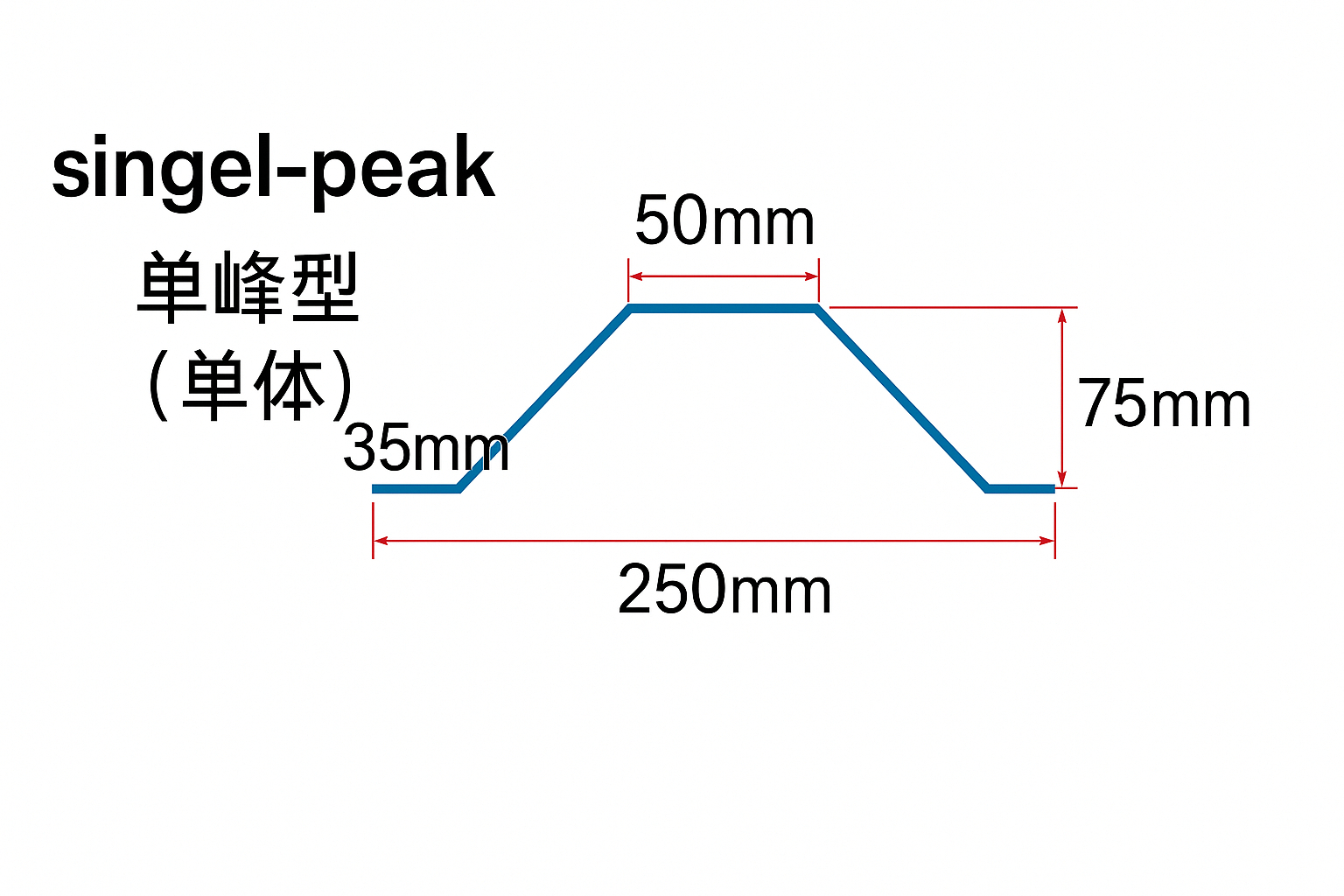
| Single-peak (monomer) | 250–500 mm / 50–100 mm | 0.5–1.0 mm / 0–6 m |
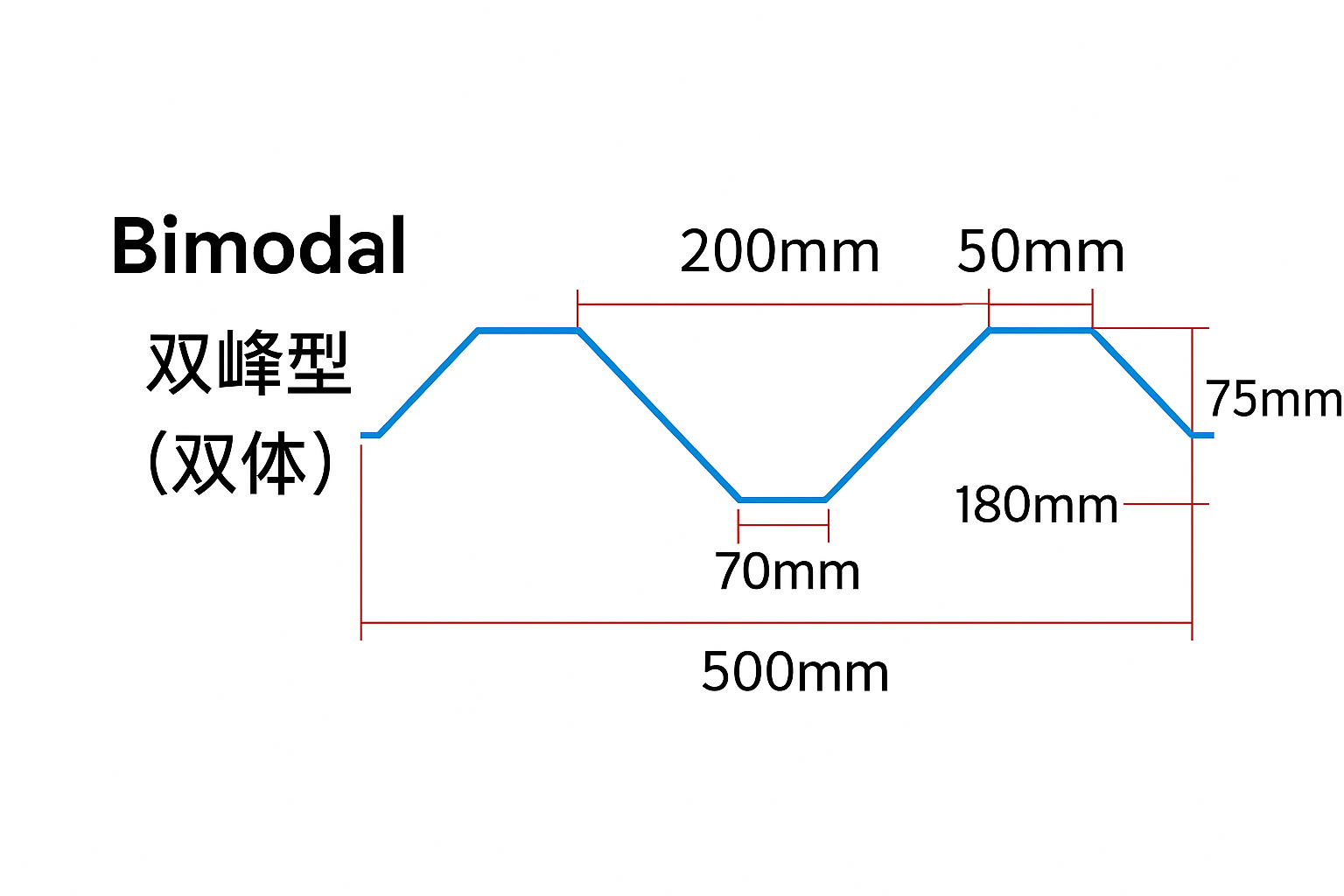
| Bimodal (two-body) | 400–600 mm / 50–100 mm | 0.5–1.0 mm / 0–6 m |
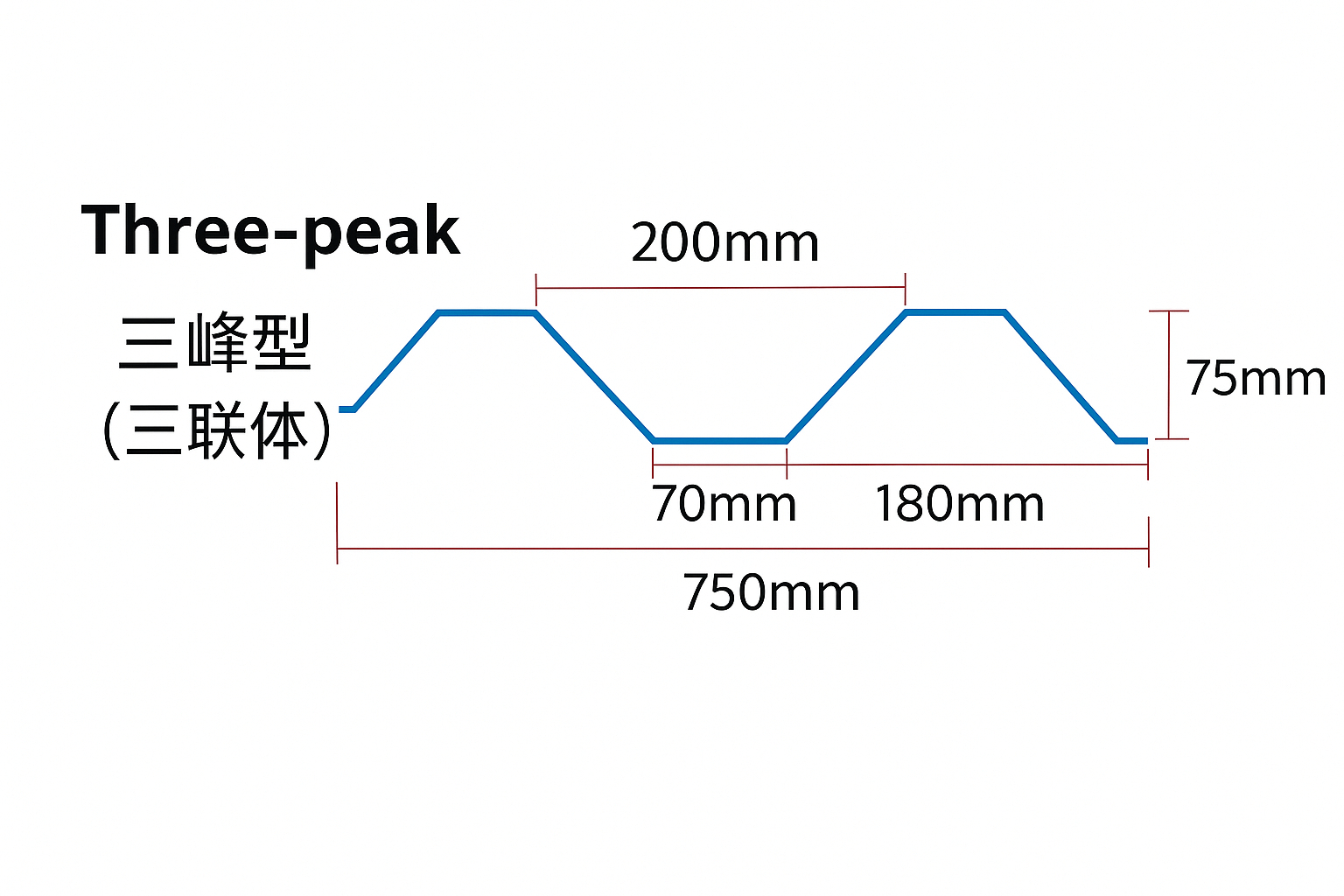
| Three-peak (triplets) | 810–950 mm / 50–80 mm | 0.5–1.0 mm / 0–6 m |
Design of Windbreak Fence
A windbreak fence is designed with different panel profiles to control airflow and suppress dust efficiently. The most common designs include:
Single-peak (monomer): This is the simplest and most economical design, suitable for low to medium wind zones. It has one crest that helps divert wind and create a calm zone behind the fence, making it ideal for smaller yards or temporary installations.
Bimodal (two-body): Featuring two symmetrical crests, this design increases structural strength and provides a wider wind-reduction area. It is widely used in coal yards, industrial sites, and transport corridors where consistent performance is needed.
Three-peak (triplets): This design has three ridges that distribute wind pressure more effectively, offering the best wind resistance among the common profiles. It is used in high-wind environments and large stockyards where stability and durability are critical.
Small five-peak: Built with multiple small corrugations, this type ensures very smooth airflow and reduced turbulence. It’s often used in public-facing areas or where noise reduction and aesthetics are important.
Each design can be produced from galvanized steel or aluminum with thicknesses typically ranging from 0.5 to 1.4 mm, forming widths between 250 and 950 mm, and peak heights from 50 to 100 mm. Panels are usually powder-coated or hot-dip galvanized for corrosion resistance and long service life, combining effective dust control with durability and a clean visual appearance.
Coating & Spray Characteristics
- Anti-UV (aging resistance): The sprayed surface absorbs UV, reduces substrate oxidation, and prolongs service life. Low UV transmittance also protects the material from sunlight damage.
- Flame retardancy: Being a metal plate, the panel offers good fire performance for safe production.
- Impact resistance: High strength withstands hail and strong wind. In testing, a 1 kg steel ball dropped from 1.5 m onto the peak did not cause fracture or penetration.
- Anti-static & self-cleaning: Electrostatic spray treatment enables photo-oxidation of organic dirt under sunlight; super-hydrophilicity allows dust to be washed off by rain, minimizing maintenance costs.
Advantages of the Windbreak Fence
- New material sheet
- Standard widths and lengths
- Accurate thickness with low tolerance
- Many color options
- Strong anti-rust and weather resistance
- Easy, fast installation
- Long service life
- Cost-effective design
- Free guidance service
Windbreak Fence Colors
 |  |  |
Export Packaging
- 30–50 pcs in plastic film, then loaded on pallets
- 50–80 pcs in protective film, then placed in wooden boxes
- Or per your requirements
Typical Uses
- Coal factory
- Sand factory
- Highway
- Railway
- Port
- Road
- Garden
Project Photos
 |  |
Why a Windbreak Fence Improves the Environment
Dust pickup, drifting, diffusion, and deposition are tightly linked to wind behavior. Over undulating stockpiles (coal, iron ore, etc.), the wind field becomes complex and generates vortices that lift dust. Even in strong winds, a properly designed windbreak fence merges and smooths the flow, reducing turbulence so dust stays within the protected zone—mitigating environmental pollution.
As a specialist in industrial wind and dust control, we can rapidly provide effective project design, wind fencing system development and assembly, plus after-sales support for your specific site.
 |  |
Materials Required for Wind Fence & Dust Suppression
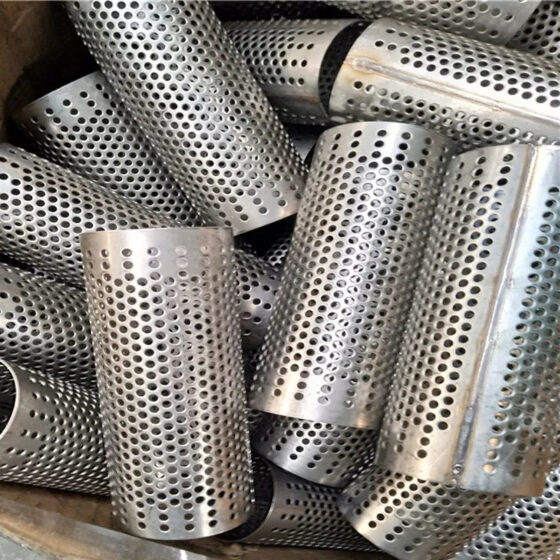
A steel windbreak fence system consists of three parts: the foundation, the steel support structure, and the profiled windbreak panel. The steel structure is custom-designed to the coal pile height, design wind load, and seismic requirements, and each structural post is factory-fabricated for quality control. The windbreak panels themselves are roll-formed from galvanized steel or aluminum coil (typically 0.8–1.5 mm) with round-hole perforations and an opening ratio tuned to the site; stainless steel may be specified for highly corrosive environments. For ancillary enclosures, guards, and access covers around the fence—where flat plates are appropriate—we can supply stainless steel perforated sheet 1.22 × 2.44 m to match the project’s corrosion and aesthetic requirements. Panels and accessories are fixed to the structure with stainless bolts and nuts.
Panel surface colors are customizable to blend with the surroundings, and multicolor schemes can enhance visual integration. Adjacent windbreak panels connect along the long edge using purpose-made connectors formed from the same material and finished with the same coating for consistent corrosion protection.
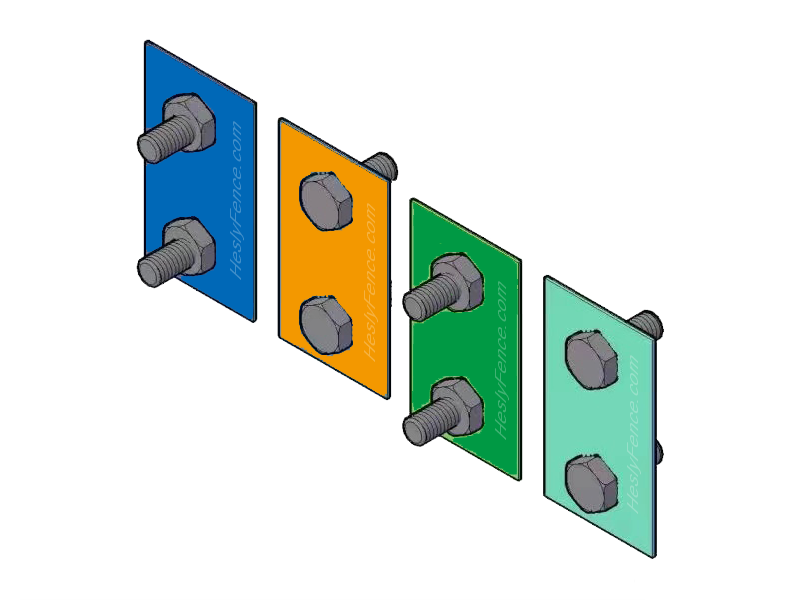
Connector Plates
Effective scenarios include:
- Highway construction
- Railway construction
- Slope construction
- Landscape construction
- Garden wind-prevention fence
- Agricultural sand prevention for crops
- Industrial site protection
- Solar plant
- Sport court
Applications
- Coal storage yards (power plants, coal mines, coking plants, coal washing plants, etc.)
- Ports, dock coal storage yards, and various stockyards
- Open-air yards for steel, building materials, cement, and more
- Coal storage yards at railway and highway transfer stations
- Temporary construction of construction sites and road projects
- Remote production and living areas
Dust suppression performance: A single-layer wind and dust suppression wall can achieve 65–85% dust reduction. A double-layer system can reach >95%.
Installation Instructions
Design and construction are divided into four parts:
- Underground foundation: Cast from precast concrete blocks or poured on site.
- Support structure: Designed according to site wind speed. Steel brackets provide strength to resist strong winds while maintaining overall aesthetics. Main members are typically steel pipes; reinforced concrete pillars can also be used.
- Windshield (panel) installation: Service life is 15–20 years. Operating temperature −40 °C to +80 °C. Panels are fixed with screws and pressure plates. Specific size, bend angle, and opening ratio should be tailored to the yard conditions.
- Retaining brick wall: To prevent overflow of coal slurry after rain or snow, a 1.2–1.5 m retaining brick wall can be installed at the base of the windbreak fence.
Packing and Container Loading Wind Break Fence
| Packing & Delivery | |
|---|---|
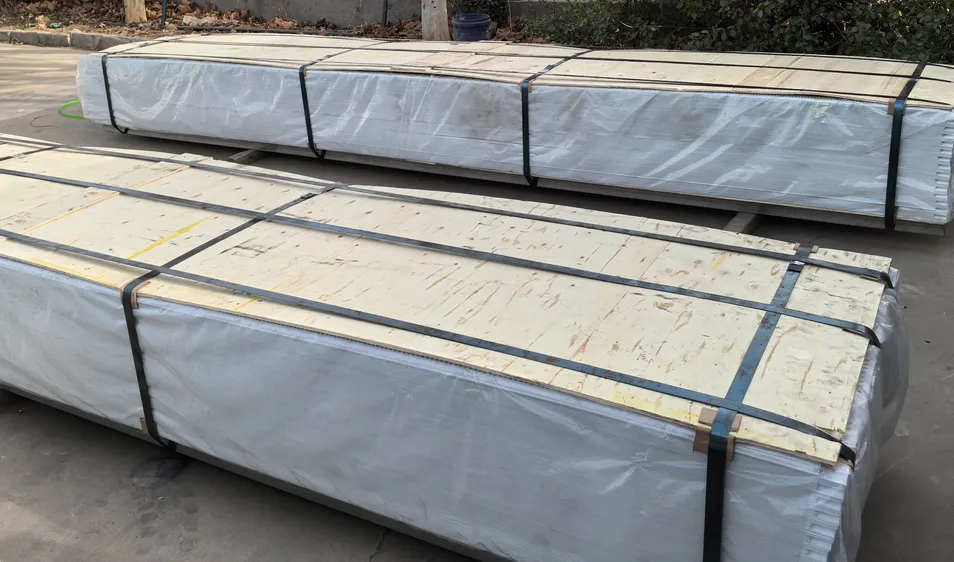 | 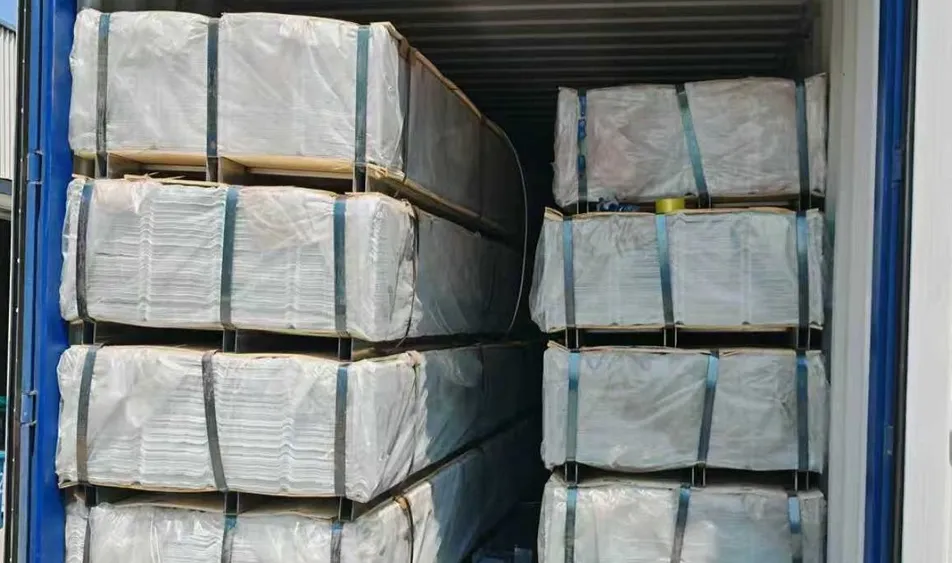 |
| The sturdy packaging effectively protects the surface coating of the windbreak panel, and professional container loading ensures the products arrive safely. | |