 Your One-Stop Wire Mesh Fence Supplier | POLYMETAL
Drapery Mesh: 5 Powerful Types for Safer Rockfall Protection
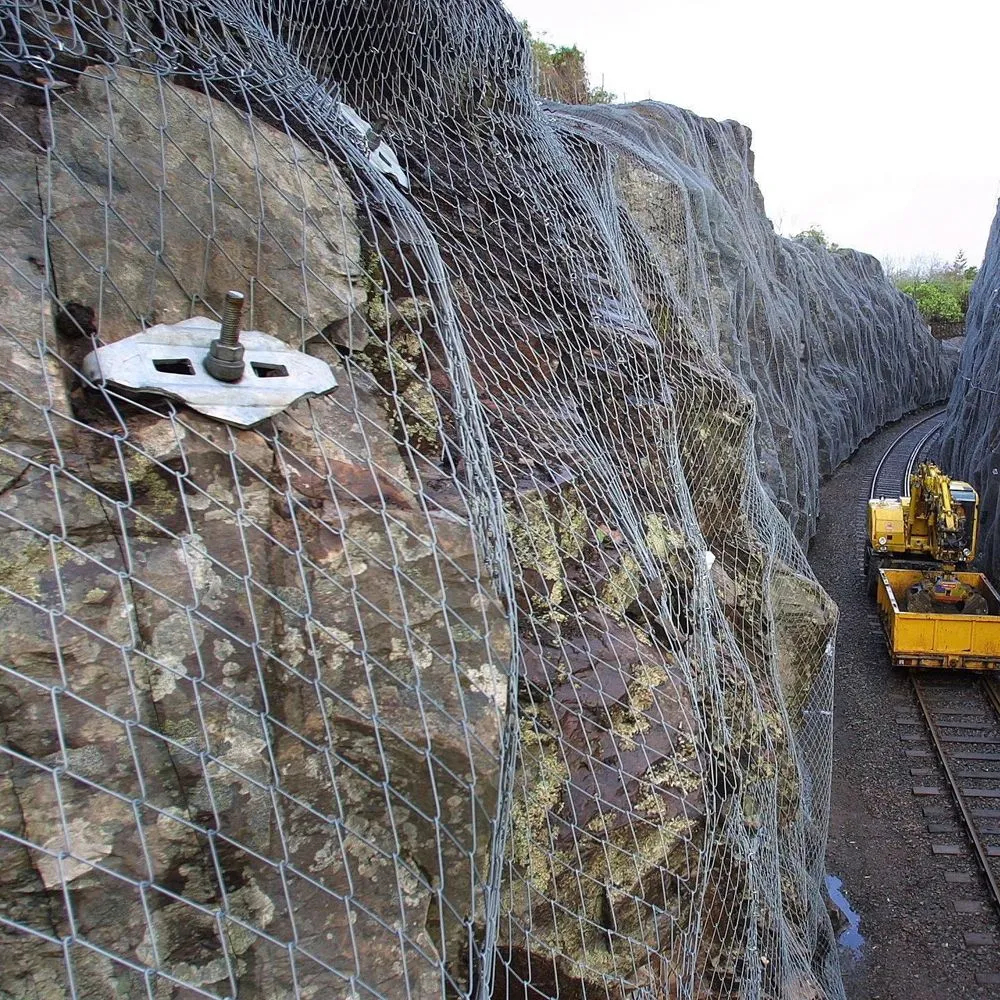
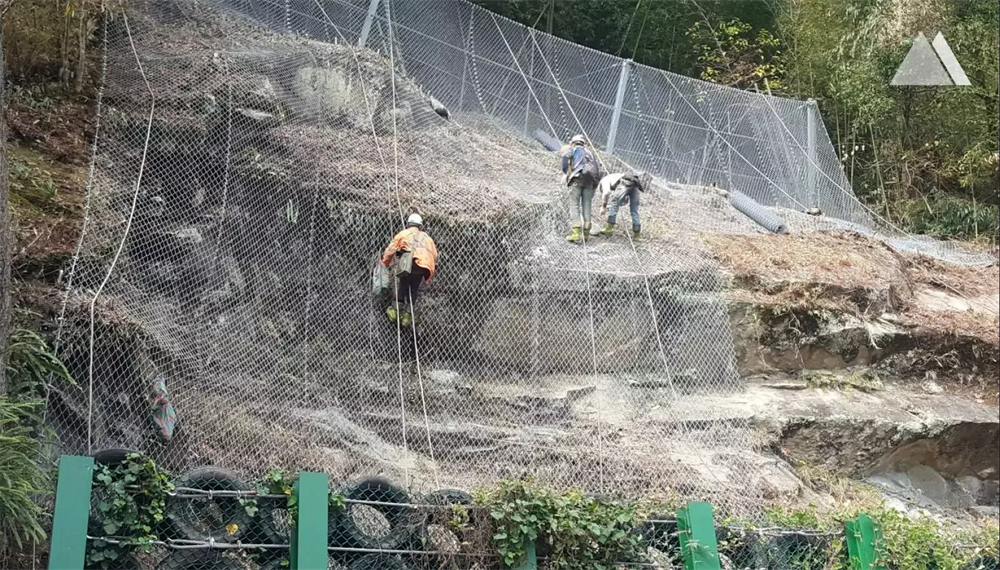
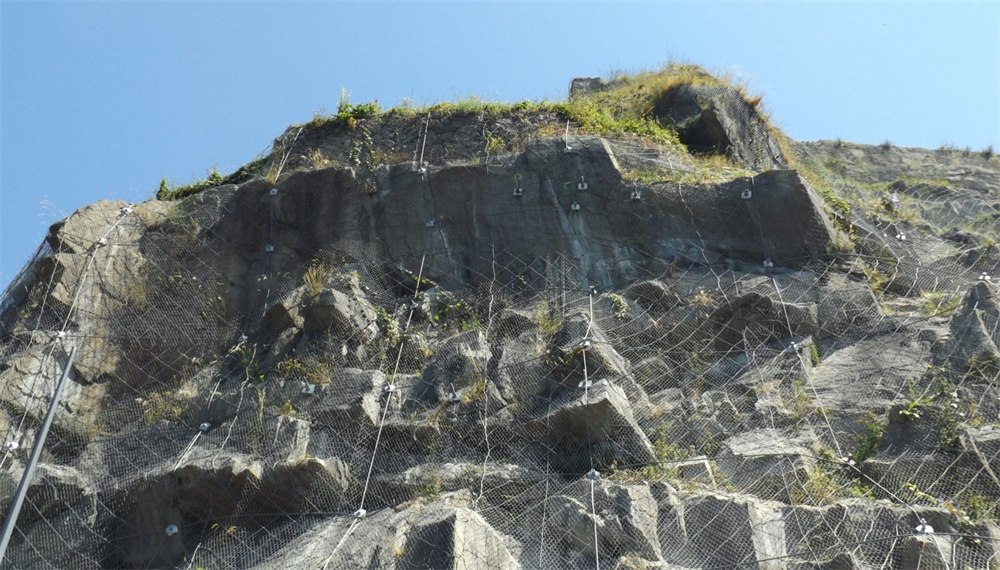
Drapery mesh is a passive rockfall protection system installed from the crest of a slope and allowed to “drape” down the face. It does not try to fix the rock mass completely like an active system. Instead, it covers the slope surface and guides loose rocks to a safe collection zone at the toe, preventing blocks from reaching roads, railways or structures.
A complete drapery mesh system normally includes:
- Mesh panels (hexagonal mesh, wire rope mesh, high-tensile mesh or ring net)
- Crest (top) support rope and sometimes side and toe ropes
- Anchors and anchor plates
- Lacing / sewing wires or ropes between panels
- Connection fittings such as clips, shackles and rope clamps
Below are the main types of drapery mesh used in engineering projects.
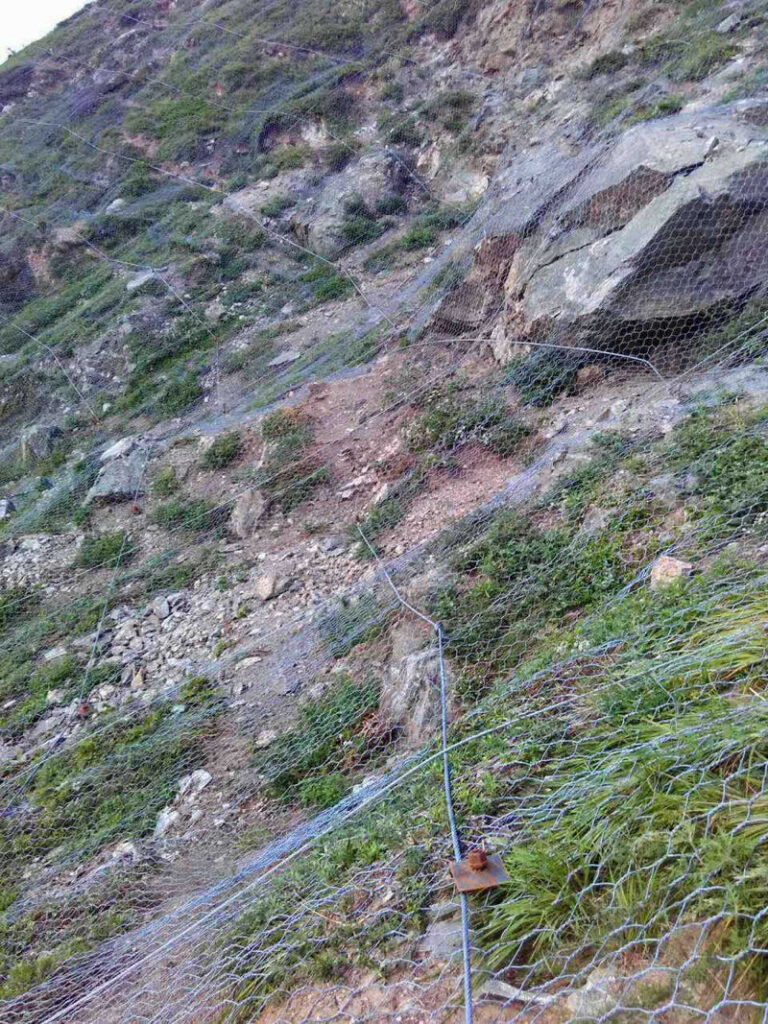
1. Hexagonal Wire Mesh Drapery
Hexagonal wire mesh drapery is the traditional and most widely used type of drapery system.
Mesh material & construction
- Double-twisted hexagonal wire mesh
- Typical wire diameters: 2.0–3.0 mm
- Mesh openings: 60 × 80 mm, 80 × 100 mm, 100 × 120 mm, etc.
- Surface finish: heavy zinc coating or Zn–Al alloy, sometimes with PVC coating
Features
- Light weight and very flexible
- Easy to handle and install on irregular slopes
- Cost-effective for large areas
- Suitable for slopes with many small to medium sized loose blocks
Typical applications
- Highway and railway cut slopes
- Weathered rock and soil slopes
- Large-area general rockfall protection where impact energy is low to medium
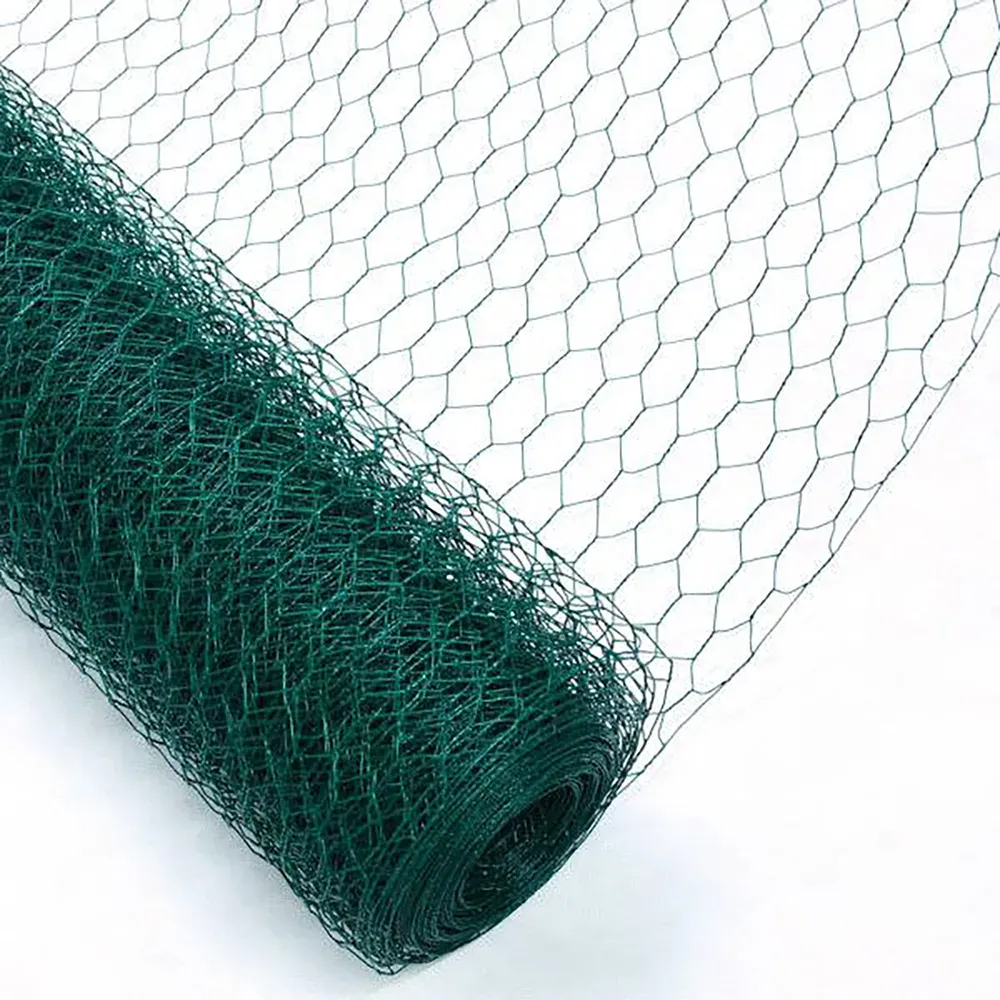
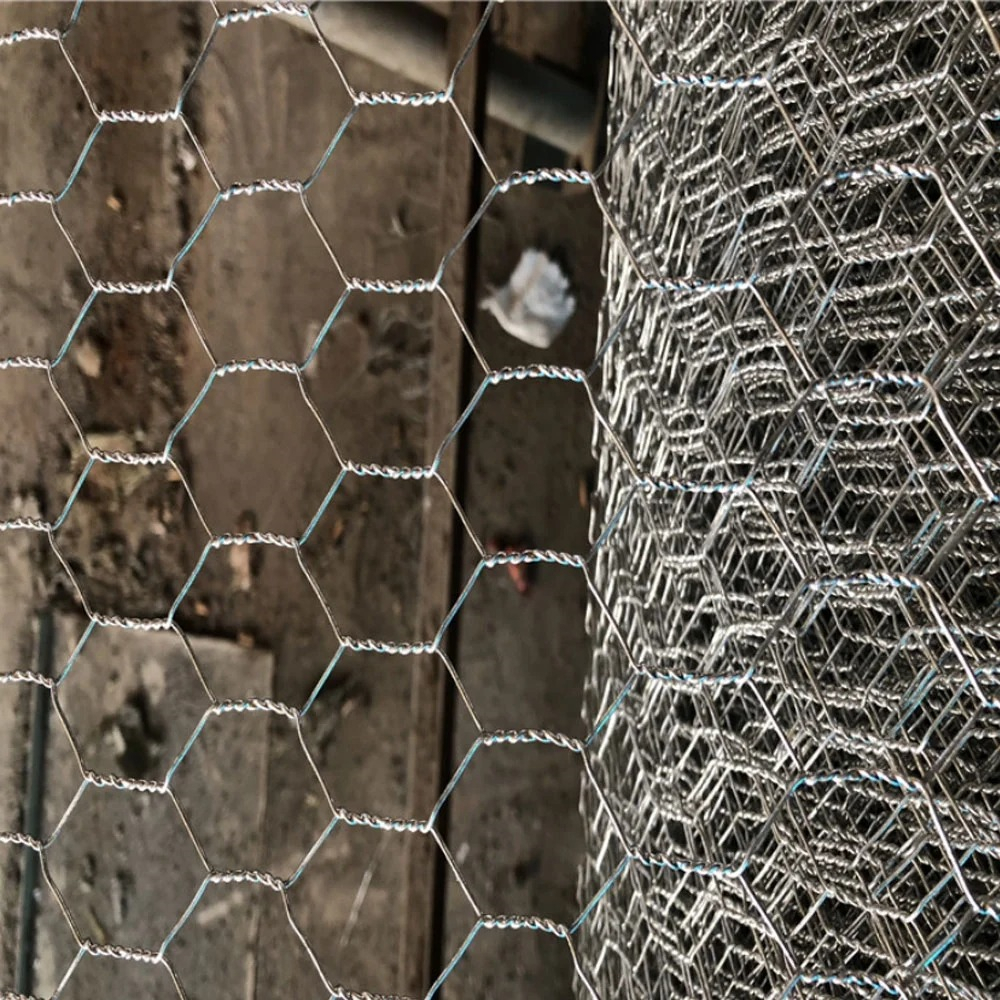
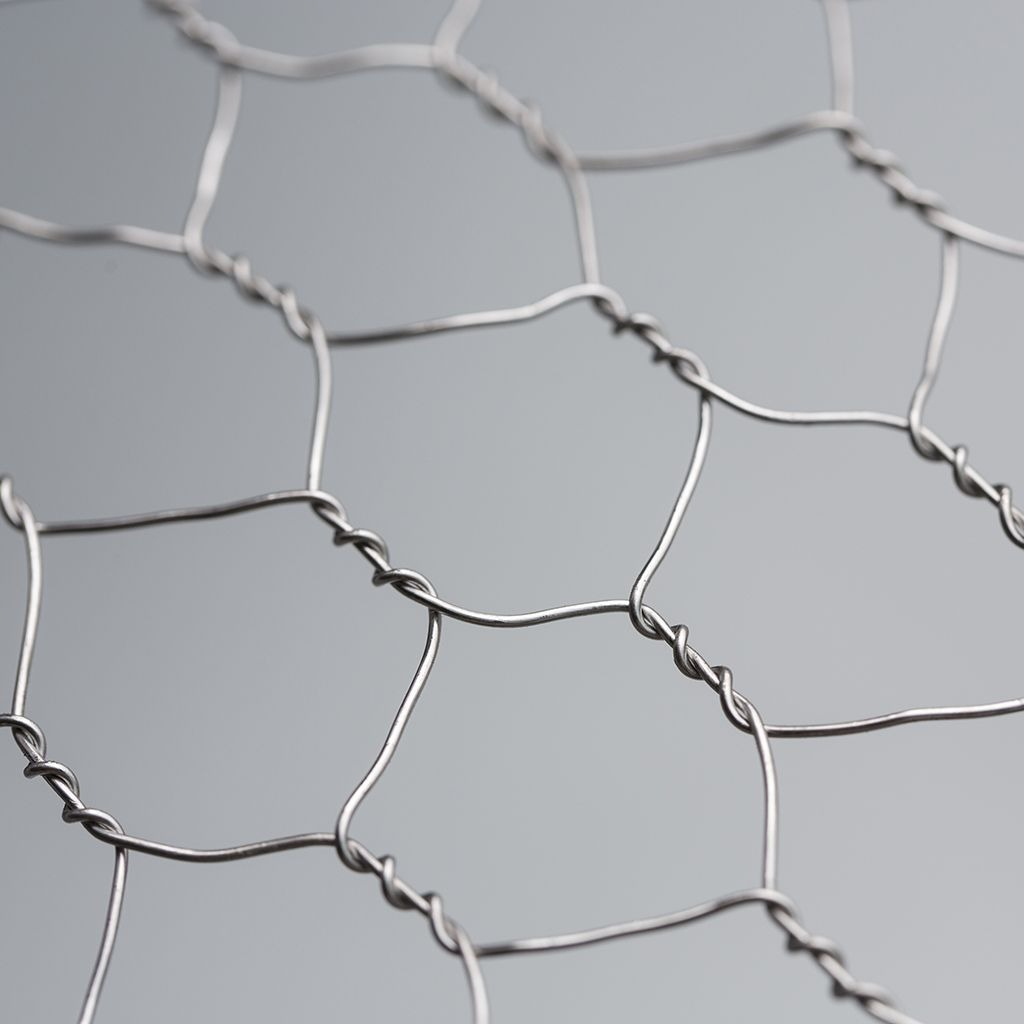
Hexagonal Wire Mesh Drapery Specifications
| Model | Mesh aperture | Wire diameter | Panel / Roll size (W × L) | Surface treatment |
|---|---|---|---|---|
| HX-01 | 60 × 80 mm | 2.2 mm | 2.0 m × 30 m | Heavy hot-dip galvanized, ≥ 240 g/m² |
| HX-02 | 60 × 80 mm | 2.7 mm | 2.0 m × 50 m | Hot-dip galvanized, ≥ 260 g/m² |
| HX-03 | 60 × 80 mm | 2.7 mm | 3.0 m × 30 m | Galfan (Zn–Al alloy) coating |
| HX-04 | 80 × 100 mm | 2.7 mm | 2.0 m × 30 m | Hot-dip galvanized, ≥ 260 g/m² |
| HX-05 | 80 × 100 mm | 3.0 mm | 3.0 m × 30 m | Hot-dip galvanized + grey PVC coating |
| HX-06 | 80 × 100 mm | 3.0 mm | 4.0 m × 30 m | Galfan + PVC coating |
| HX-07 | 100 × 120 mm | 2.7 mm | 2.0 m × 25 m | Hot-dip galvanized, ≥ 240 g/m² |
| HX-08 | 100 × 120 mm | 3.0 mm | 3.0 m × 25 m | Hot-dip galvanized, ≥ 275 g/m² |
| HX-09 | 100 × 120 mm | 3.0 mm | 4.0 m × 25 m | Galfan heavy coating |
| HX-10 | 120 × 150 mm | 3.5 mm | 3.0 m × 20 m | Hot-dip galvanized + green PVC coating |
2. Wire Rope Mesh Drapery
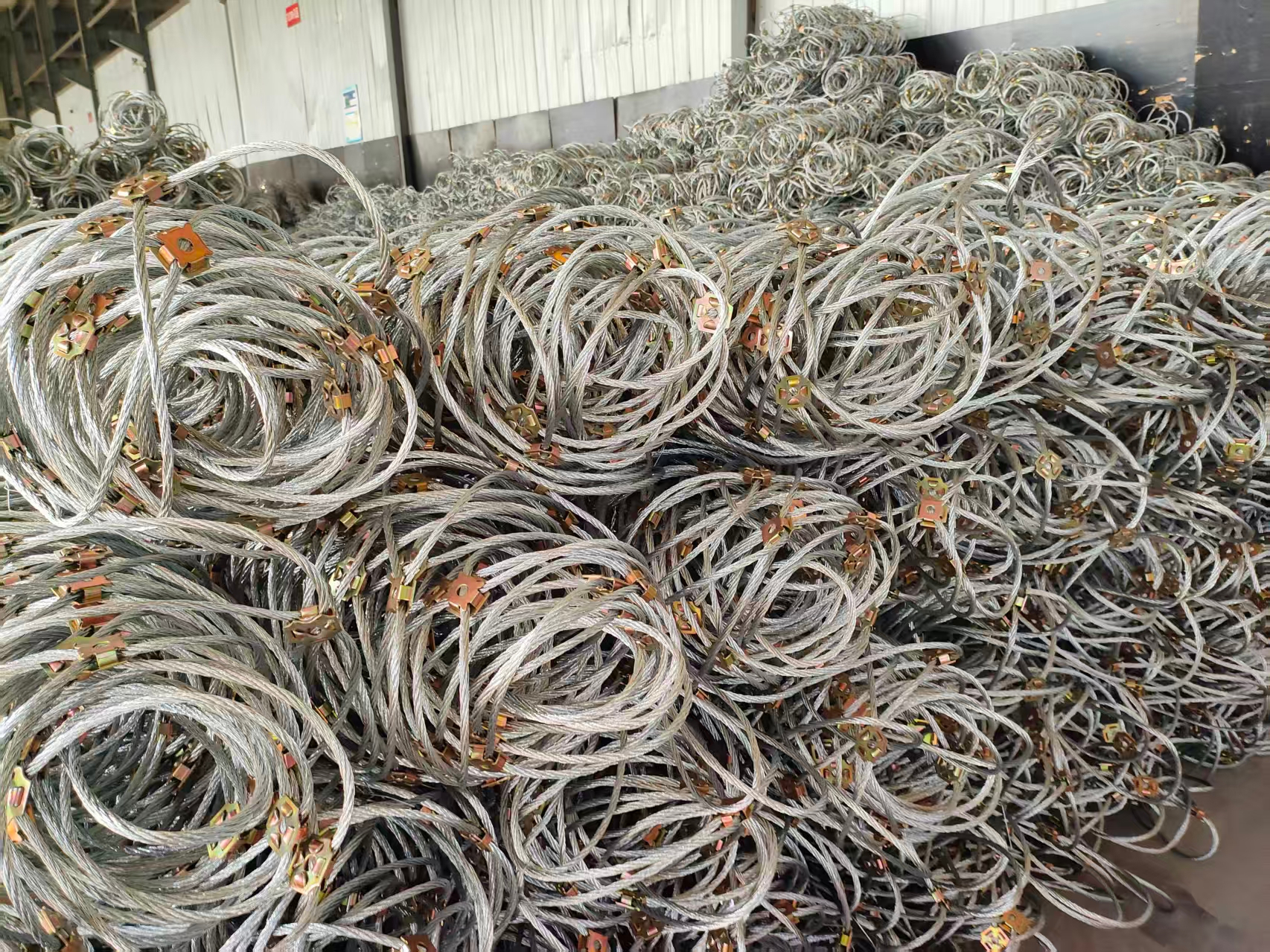
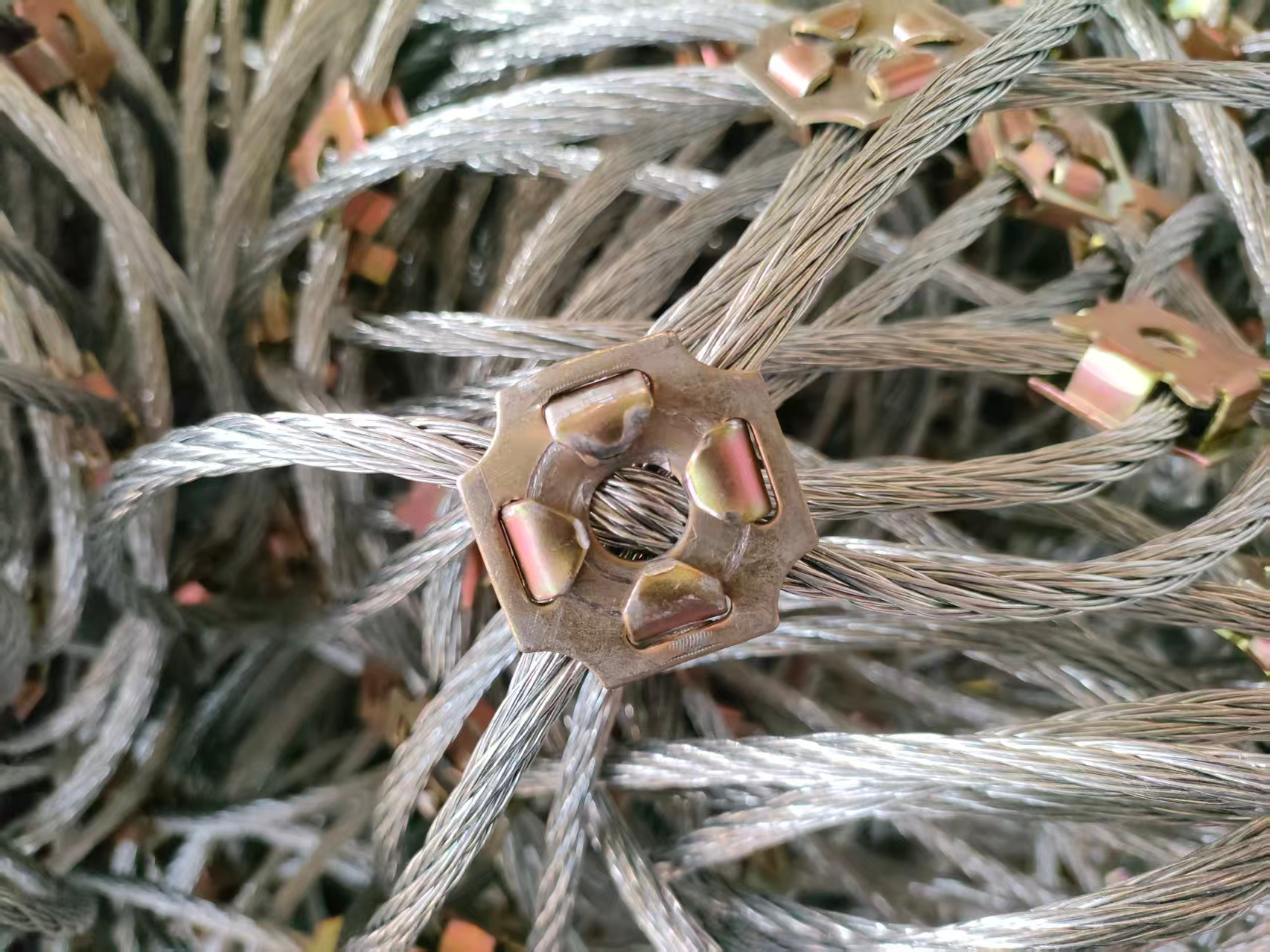
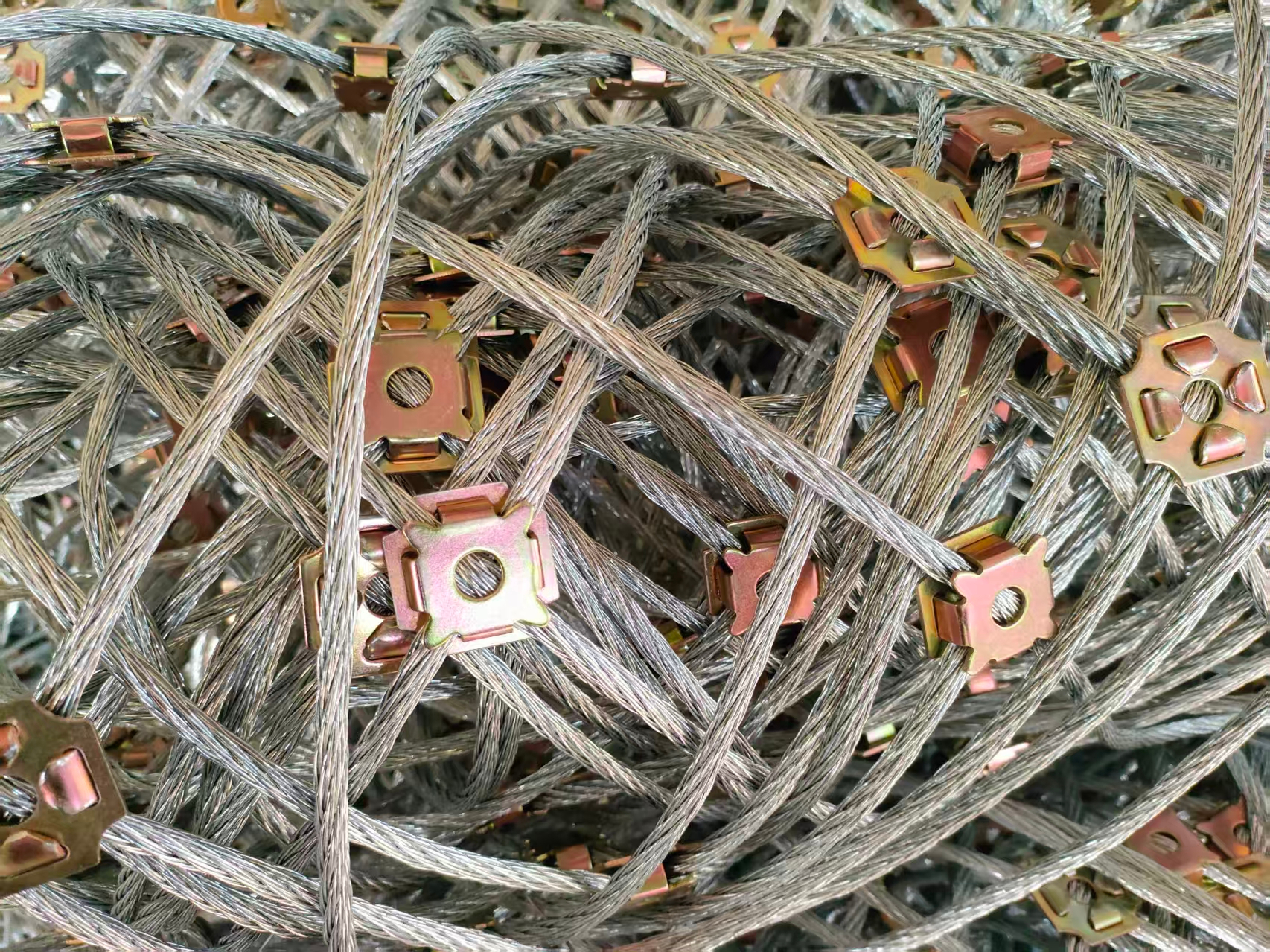
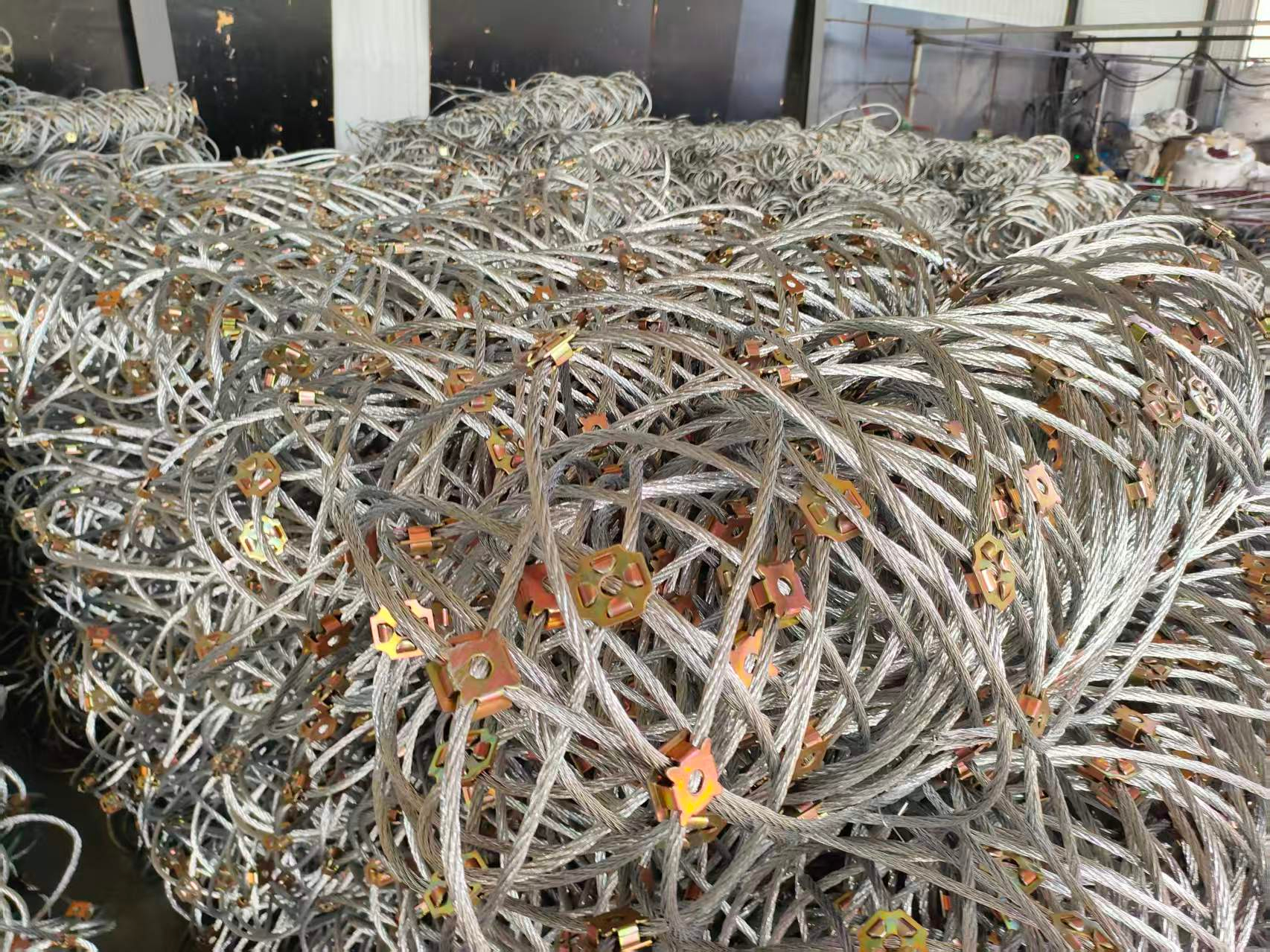
Wire rope mesh drapery uses high-strength steel wire ropes woven or ferruled into a net. It is stronger and more durable than hexagonal wire mesh.
Mesh material & construction
- Stainless or galvanized steel wire rope
- Typical rope diameters: 1.5–3.0 mm
- Mesh aperture: 60 × 60 mm, 80 × 80 mm, 100 × 100 mm, etc.
- Rope construction: 7×7 or 7×19
Features
- Much higher tensile strength than traditional wire mesh
- Excellent corrosion resistance (especially in stainless steel)
- Long service life with low maintenance
- Good transparency and modern appearance
Typical applications
- Steep rocky slopes with higher rockfall energy
- Coastal or high-corrosion environments
- Architectural / scenic sites where appearance is important
Wire Rope Mesh Drapery Specifications
| Model | Mesh aperture | Rope diameter | Panel size (W × L) | Surface treatment |
|---|---|---|---|---|
| WR-01 | 40 × 40 mm | 1.5 mm (7×7) | 1.5 m × 10 m | AISI 304 stainless, bare finish |
| WR-02 | 50 × 50 mm | 1.6 mm (7×7) | 2.0 m × 10 m | AISI 316 stainless, bare finish |
| WR-03 | 60 × 60 mm | 1.8 mm (7×7) | 2.0 m × 15 m | AISI 304 stainless, bare finish |
| WR-04 | 60 × 60 mm | 2.0 mm (7×7) | 3.0 m × 10 m | AISI 316 stainless, bare finish |
| WR-05 | 80 × 80 mm | 2.0 mm (7×7) | 3.0 m × 15 m | Hot-dip galvanized wire rope |
| WR-06 | 80 × 80 mm | 6.00mm (7×19) | 3.5 m × 15 m | Hot-dip galvanized, zinc ≥ 180 g/m² |
| WR-07 | 100 × 100 mm | 6.00 mm (7×19) | 3.0 m × 20 m | Hot-dip galvanized + clear polymer coating |
| WR-08 | 100 × 100 mm | 8.00 mm (7×19) | 4.0 m × 15 m | Hot-dip galvanized, heavy coating |
| WR-09 | 120 × 120 mm | 8.00 mm (7×19) | 4.0 m × 20 m | AISI 316 stainless, bare finish |
| WR-10 | 150 × 150 mm | 8.00 mm (7×19) | 5.0 m × 20 m | Hot-dip galvanized + black PVC coating |
High-Tensile Steel Mesh (TECCO-Type) Drapery
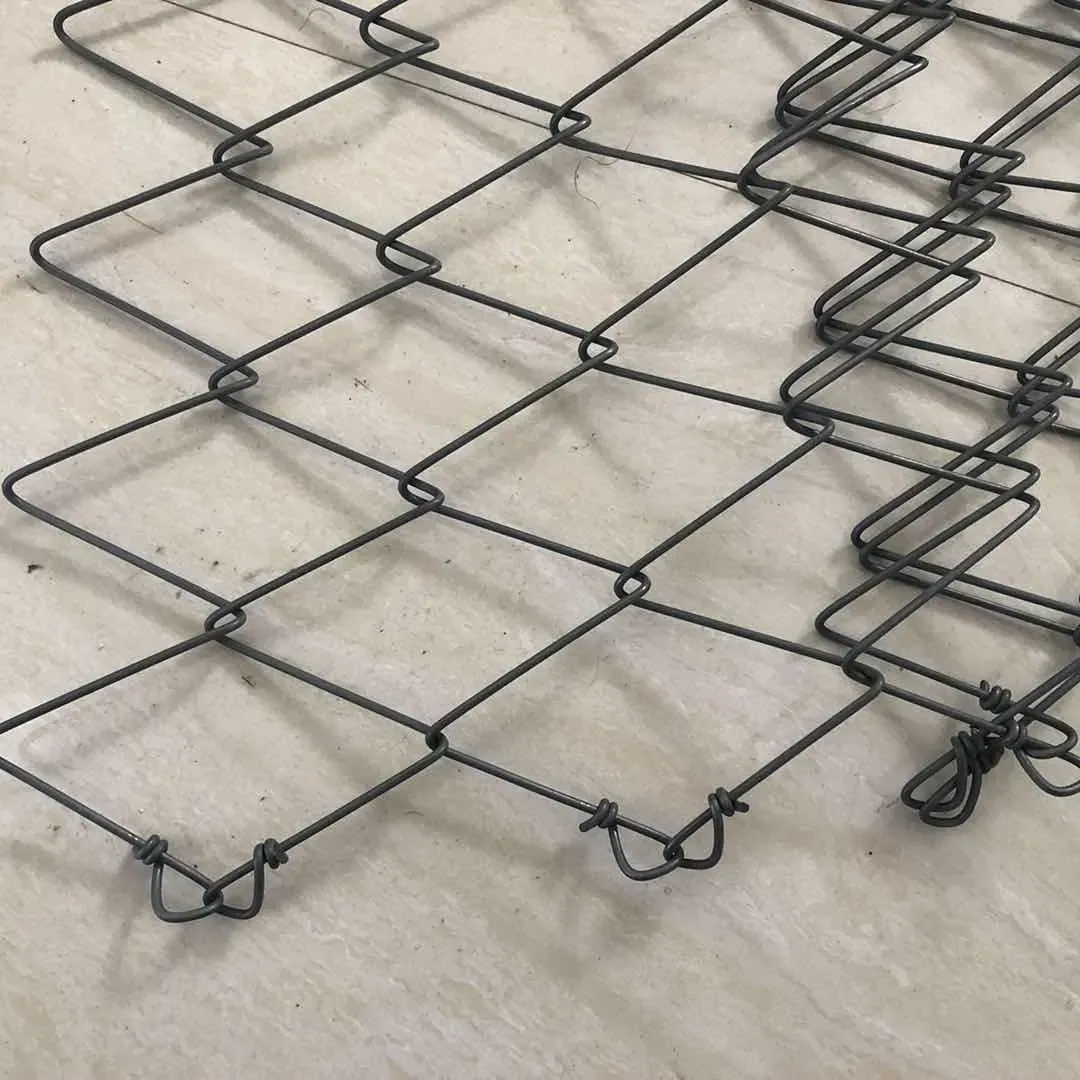
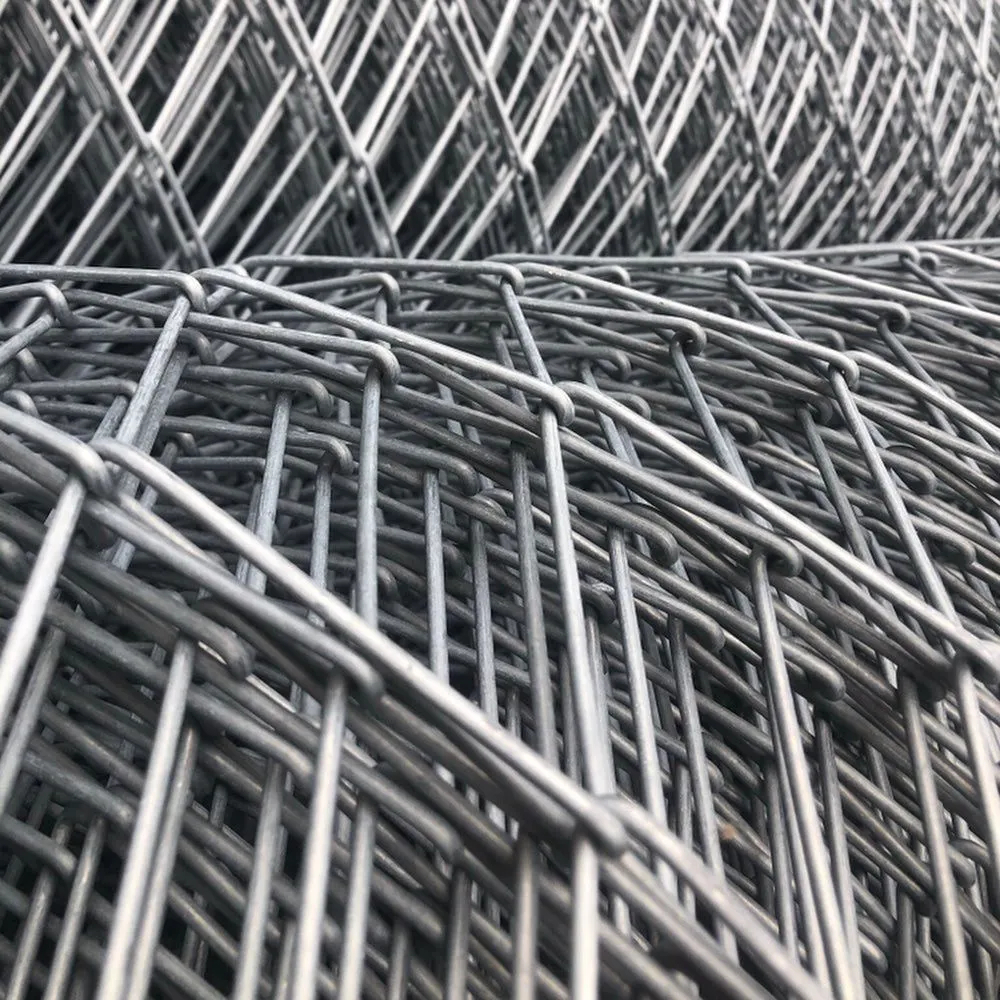
High-tensile steel mesh, often known by trade names such as TECCO mesh, can also be used in drapery systems.
Mesh material & construction
- High-tensile steel wire (e.g. 1.8–3.0 mm) with tensile strengths around 1,770 MPa
- Square or rhomboid mesh pattern (e.g. 65 × 65 mm, 83 × 83 mm)
- Zn–Al (Galfan) or other high-durability coating
Features Drapery Mesh
- Very high tensile and punching resistance
- Smaller openings to control fine rock and block detachments
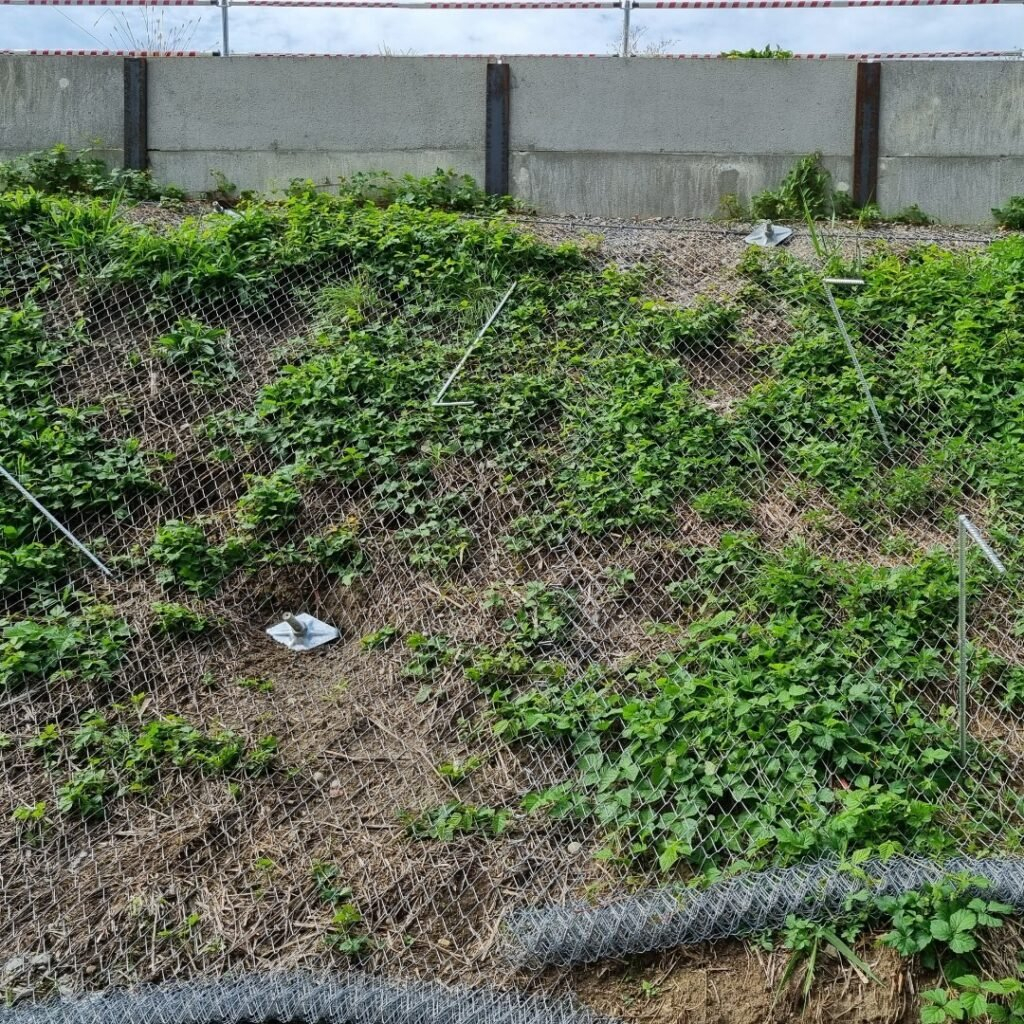
- Can be used either in active systems (with dense anchors) or in drapery configuration (anchored mainly at the crest)
- Good stability on very steep or near-vertical faces
Typical applications
- Steep or fractured rock slopes where block size and energy are higher
- Slopes requiring both surface stabilization and controlled rockfall release to the toe
- Upgrading old hexagonal mesh draperies to higher performance systems
High-Tensile Steel Mesh (TECCO-Type) Drapery Mesh Specifications
| Model | Mesh aperture (approx.) | Wire diameter | Panel size (W × L) | Surface treatment |
|---|---|---|---|---|
| HT-01 | 50 × 50 mm rhomboid | 2.0 mm high-tensile | 3.0 m × 10 m | Galfan (Zn–Al) coating |
| HT-02 | 65 × 65 mm rhomboid | 2.5 mm high-tensile | 3.5 m × 10 m | Galfan, 150 g/m² |
| HT-03 | 65 × 65 mm rhomboid | 3.0 mm high-tensile | 4.0 m × 10 m | Galfan heavy coating |
| HT-04 | 65 × 65 mm rhomboid | 3.0 mm high-tensile | 4.0 m × 15 m | Galfan + transparent polymer top coat |
| HT-05 | 83 × 83 mm rhomboid | 2.5 mm high-tensile | 3.0 m × 15 m | Galfan coating |
| HT-06 | 83 × 83 mm rhomboid | 3.0 mm high-tensile | 3.5 m × 15 m | Galfan, 200 g/m² |
| HT-07 | 83 × 83 mm rhomboid | 4.0 mm high-tensile | 4.0 m × 15 m | Galfan heavy coating |
| HT-08 | 100 × 100 mm rhomboid | 3.0 mm high-tensile | 4.0 m × 20 m | Galfan + dark grey polymer coating |
| HT-09 | 100 × 100 mm rhomboid | 4.0 mm high-tensile | 4.5 m × 20 m | Galfan, corrosion class C4/C5 design |
| HT-10 | 120 × 120 mm rhomboid | 4.0 mm high-tensile | 5.0 m × 20 m | Galfan + UV-stable polymer top coat |
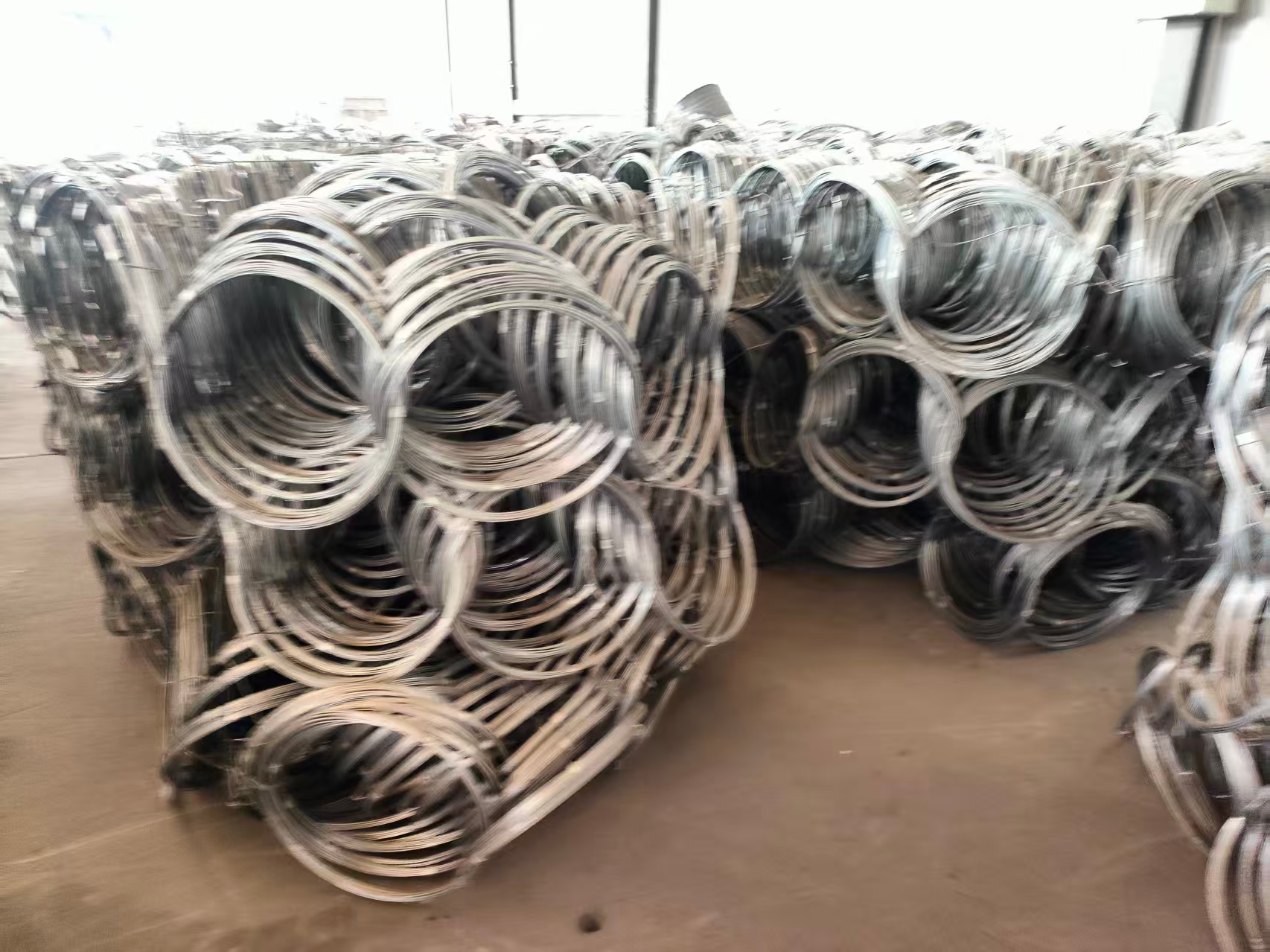
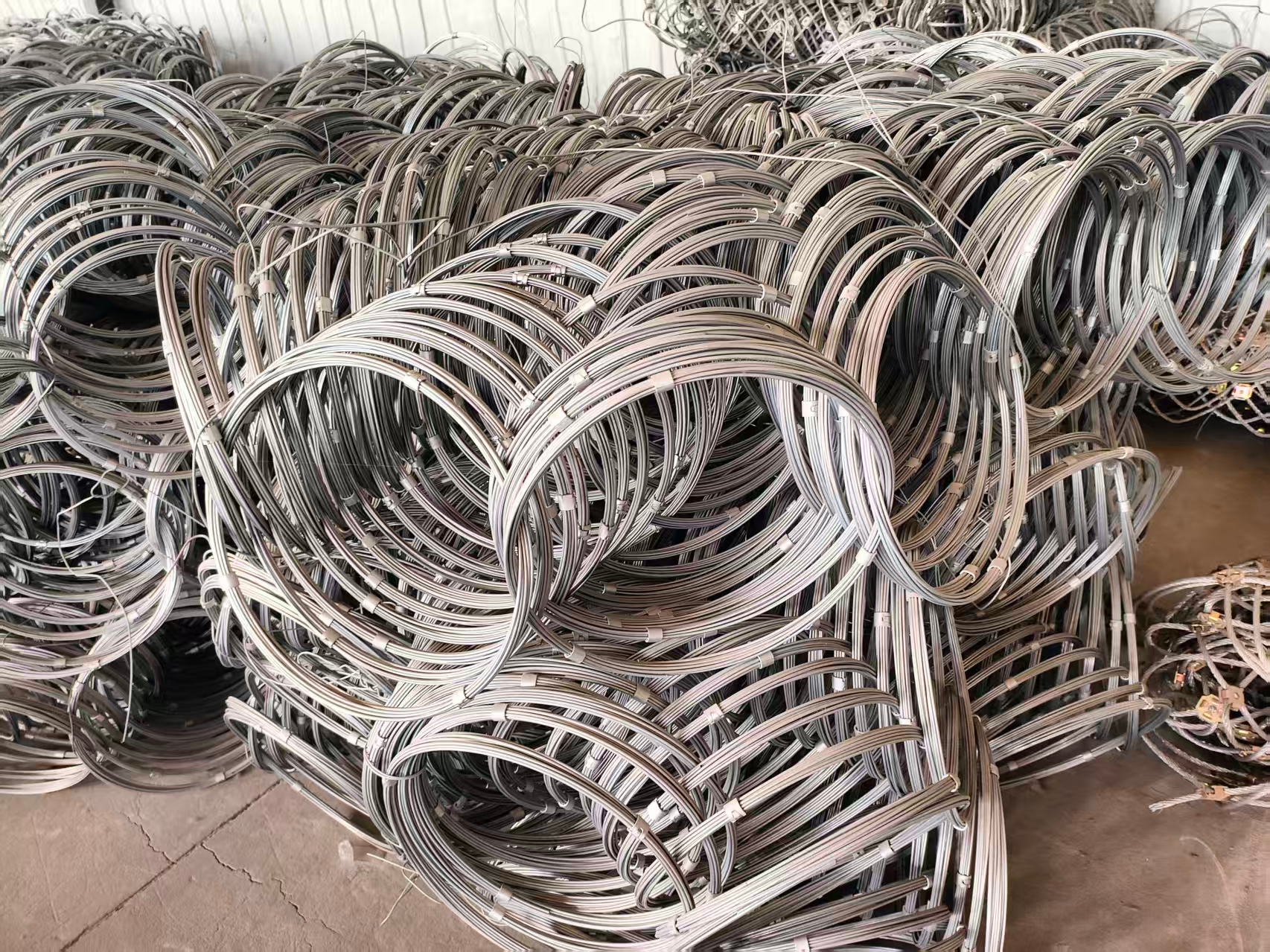
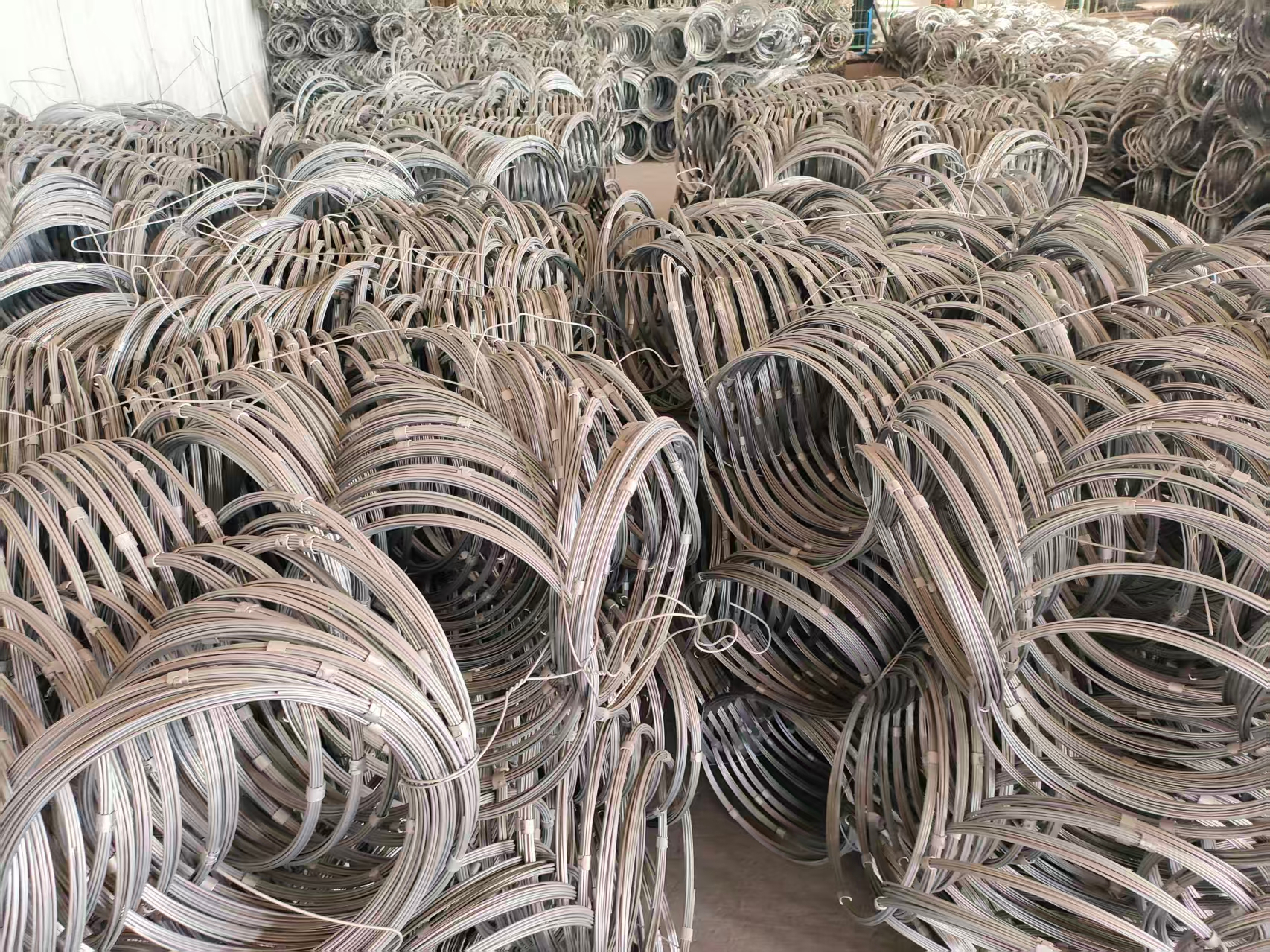
4. Ring Net Drapery Mesh
Mesh material & construction
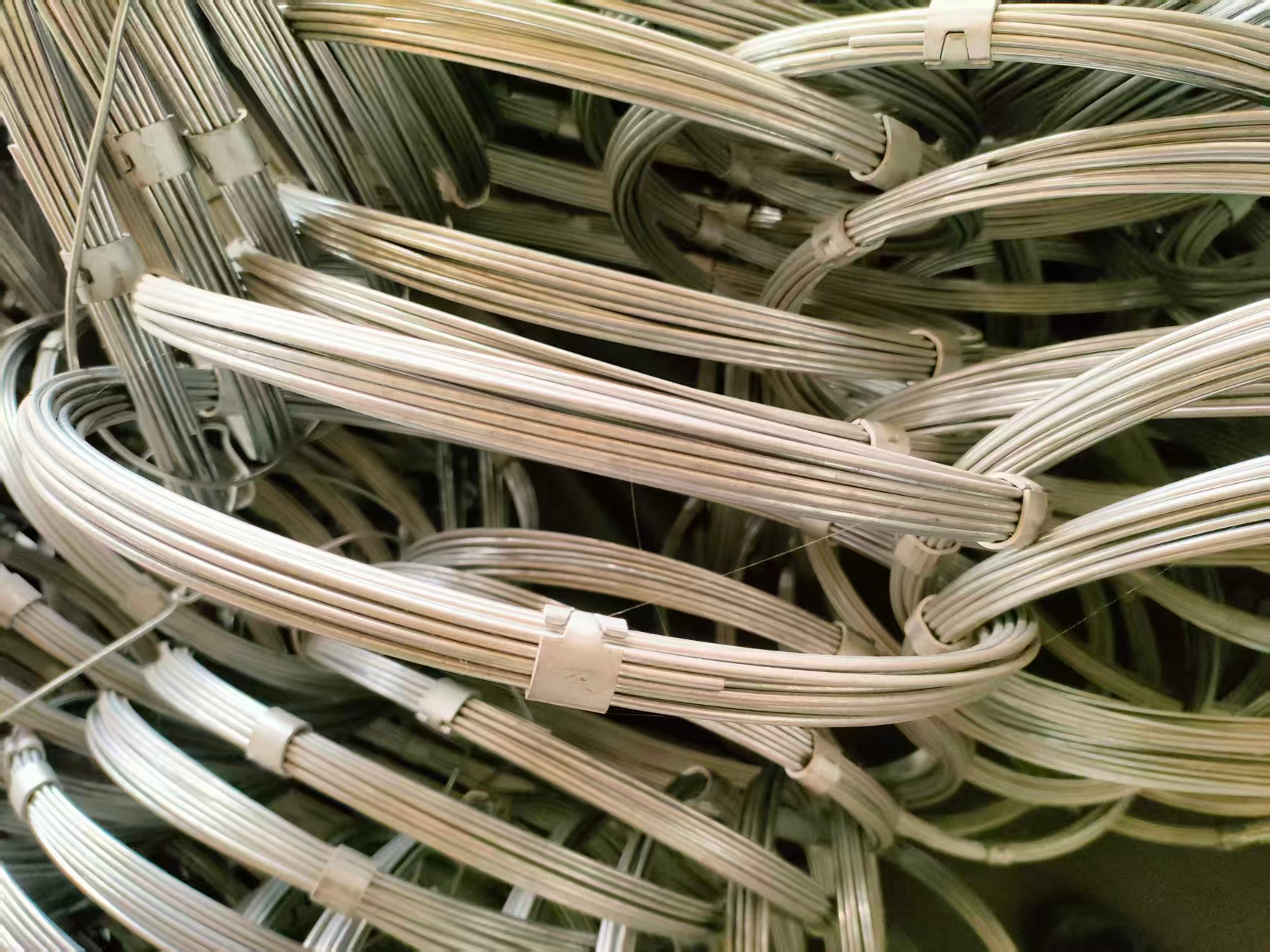
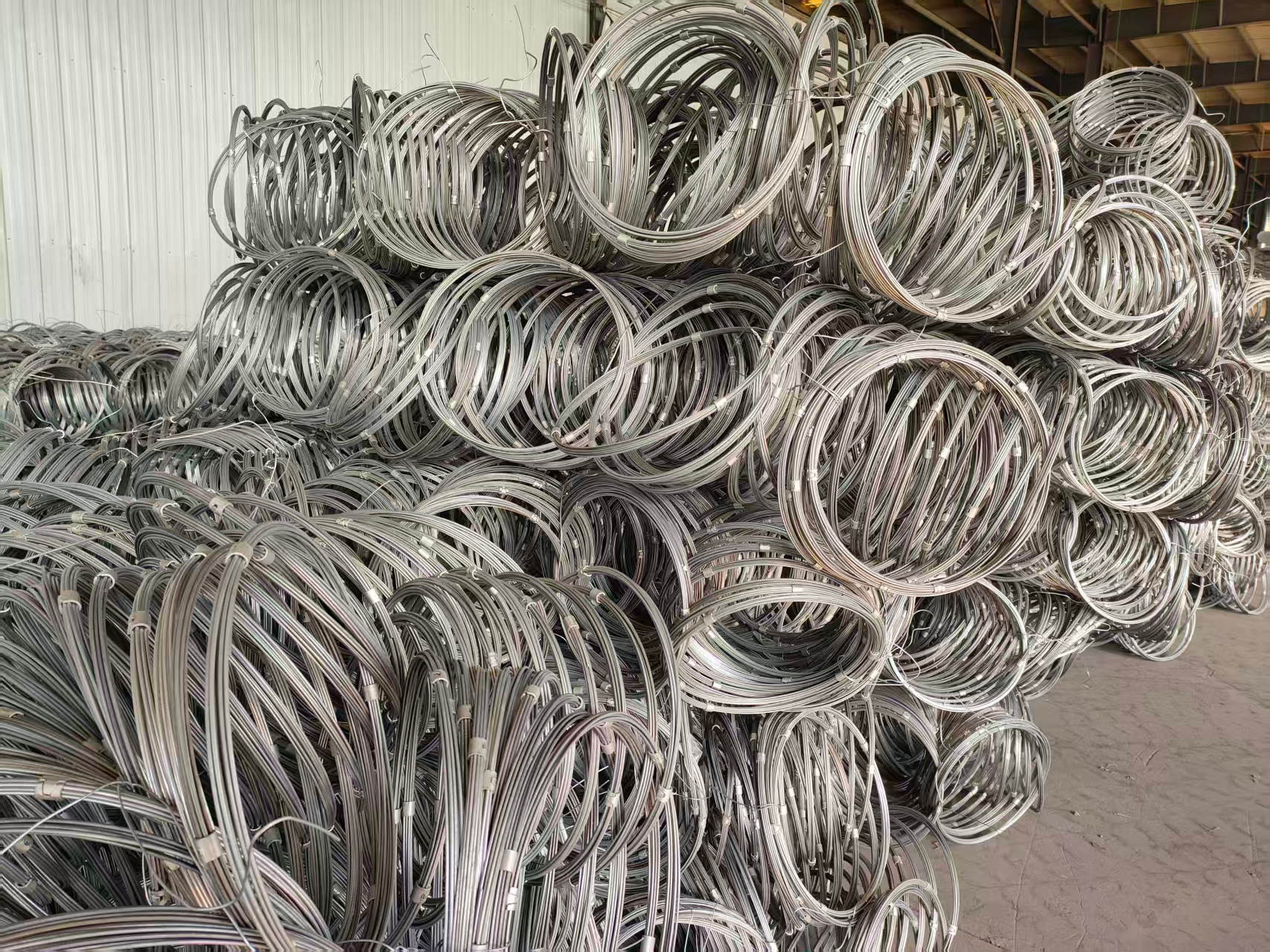
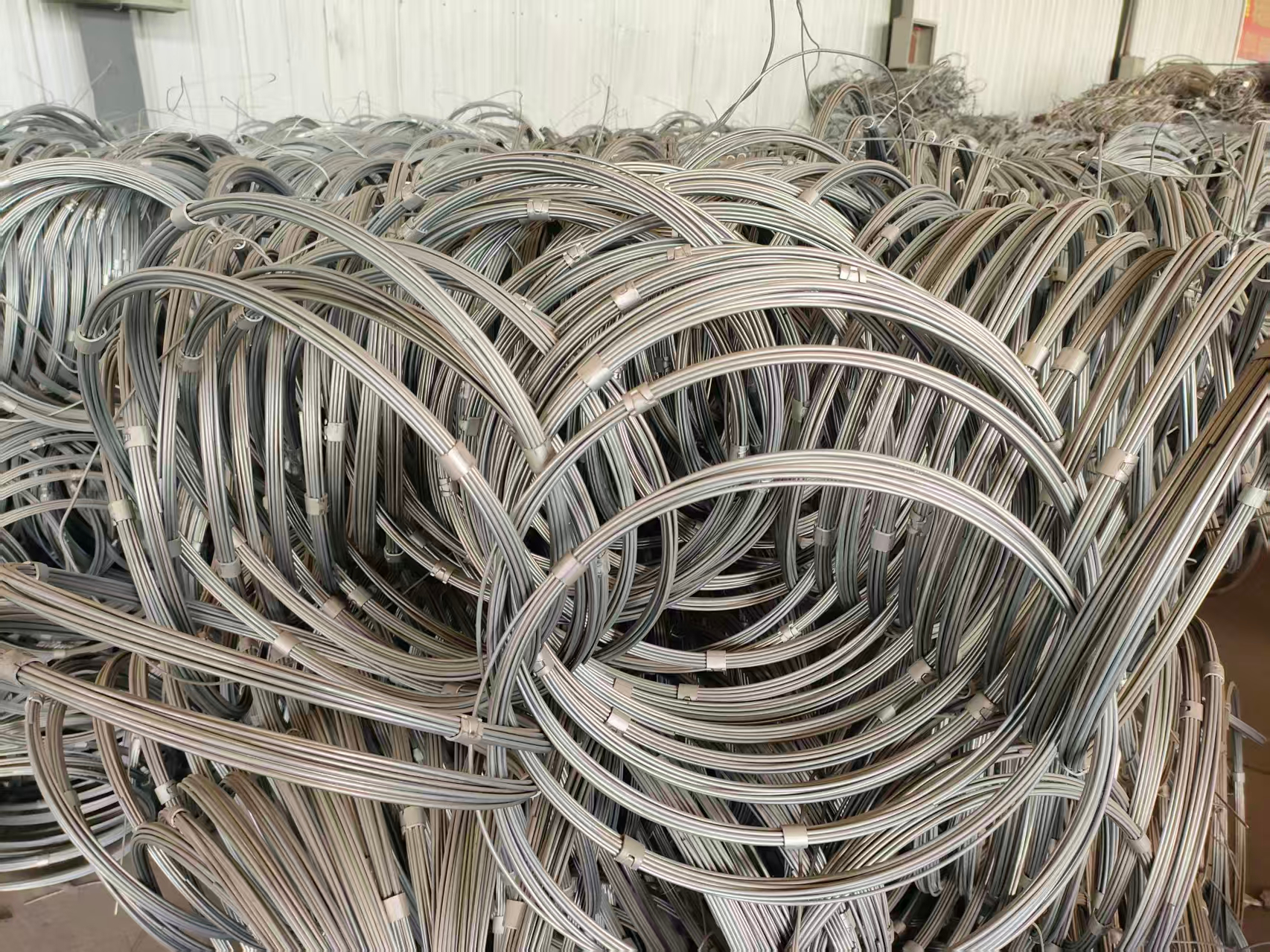
- Hot-dip galvanized steel rings
- Ring diameter: commonly around 300 mm
- Wire diameter: typically 3.0–4.0 mm
- Rings connected by high-strength links or clips
Features Drapery Mesh
- Very high energy absorption and tear resistance
- Handles large rock blocks and local overloading without full system failure
- Flexible enough to conform to irregular rock faces
Typical applications
- High rockfall energy slopes where blocks may be large
- Combination with rockfall catch fences at the toe
- Slopes directly above important infrastructure (roads, tunnels, facilities)
Ring Net Drapery Mesh Specifications
| Model | Mesh aperture (effective) | Ring wire diameter | Panel size (W × L) | Surface treatment |
|---|---|---|---|---|
| RN-01 | ≈ 250 × 250 mm (ring Ø 250 mm) | 3.0 mm | 3.0 m × 3.0 m | Hot-dip galvanized |
| RN-02 | ≈ 250 × 250 mm (ring Ø 250 mm) | 3.5 mm | 3.0 m × 4.0 m | Hot-dip galvanized, heavy coating |
| RN-03 | ≈ 300 × 300 mm (ring Ø 300 mm) | 3.0 mm | 3.5 m × 4.0 m | Hot-dip galvanized |
| RN-04 | ≈ 300 × 300 mm (ring Ø 300 mm) | 3.5 mm | 4.0 m × 4.0 m | Galfan (Zn–Al) coating |
| RN-05 | ≈ 300 × 300 mm (ring Ø 300 mm) | 4.0 mm | 4.0 m × 5.0 m | Hot-dip galvanized, heavy layer |
| RN-06 | ≈ 350 × 350 mm (ring Ø 350 mm) | 3.5 mm | 4.0 m × 5.0 m | Hot-dip galvanized |
| RN-07 | ≈ 350 × 350 mm (ring Ø 350 mm) | 4.0 mm | 4.5 m × 5.0 m | Galfan coating |
| RN-08 | ≈ 400 × 400 mm (ring Ø 400 mm) | 3.5 mm | 4.0 m × 6.0 m | Hot-dip galvanized |
| RN-09 | ≈ 400 × 400 mm (ring Ø 400 mm) | 4.0 mm | 4.5 m × 6.0 m | Hot-dip galvanized + polymer top coat |
| RN-10 | ≈ 450 × 450 mm (ring Ø 450 mm) | 4.0 mm | 5.0 m × 6.0 m | Galfan heavy coating |
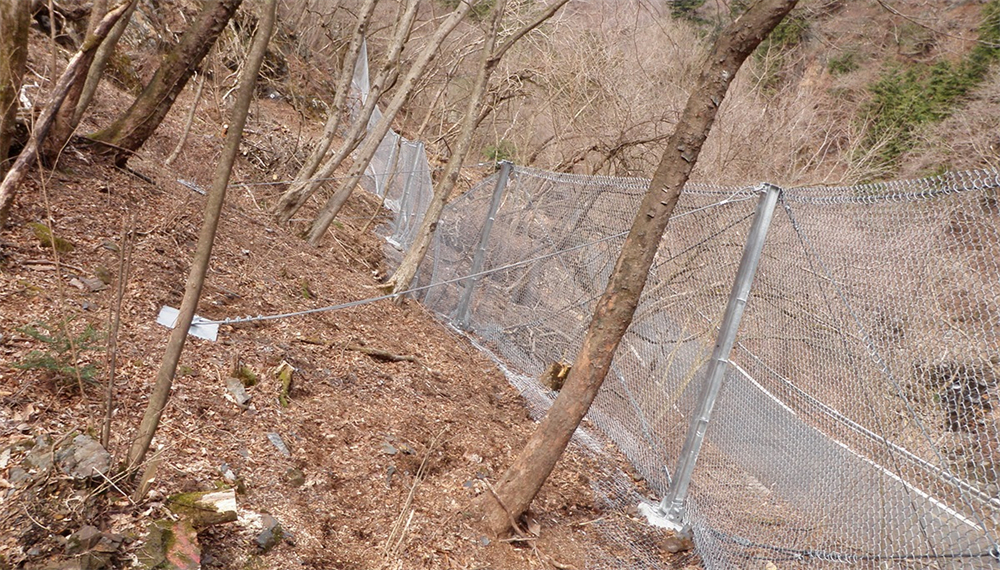
5. Chain Link and Welded Mesh Drapery (Light Duty)
In some low-risk situations, chain link mesh or welded wire mesh is used as a simple drapery material.
Mesh material & construction
- Chain link mesh or welded wire mesh panels
- Standard carbon steel wire with galvanizing
- Larger openings, low to medium strength
Features
- Economical for small, low-energy slopes
- Simple and fast to install
- Limited energy capacity and durability compared with other types
Typical applications
- Low rockfall hazard slopes
- Temporary or small-scale protection
- Secondary protection combined with ditches or small retaining walls
Chain Link / Welded Drapery Mesh Specifications (Light Duty)
| Model | Mesh aperture | Wire diameter | Mesh type | Panel / Roll size (W × L) | Surface treatment |
|---|---|---|---|---|---|
| CL-01 | 40 × 40 mm | 2.0 mm | Chain link | 1.8 m × 20 m | Electro-galvanized |
| CL-02 | 50 × 50 mm | 2.2 mm | Chain link | 2.0 m × 20 m | Hot-dip galvanized |
| CL-03 | 50 × 50 mm | 2.5 mm | Chain link | 2.5 m × 20 m | Hot-dip galvanized + green PVC |
| CL-04 | 60 × 60 mm | 3.0 mm | Chain link | 3.0 m × 20 m | Hot-dip galvanized |
| CL-05 | 60 × 60 mm | 3.0 mm | Chain link | 3.0 m × 25 m | Hot-dip galvanized + grey PVC |
| WM-06 | 50 × 50 mm | 3.0 mm | Welded mesh | 2.0 m × 2.5 m | Hot-dip galvanized |
| WM-07 | 50 × 50 mm | 4.0 mm | Welded mesh | 2.0 m × 3.0 m | Hot-dip galvanized, heavy coating |
| WM-08 | 75 × 75 mm | 3.0 mm | Welded mesh | 2.4 m × 3.0 m | Hot-dip galvanized + powder coating |
| WM-09 | 75 × 75 mm | 4.0 mm | Welded mesh | 2.4 m × 3.0 m | Hot-dip galvanized |
| WM-10 | 100 × 100 mm | 4.0 mm | Welded mesh | 2.5 m × 3.0 m | Hot-dip galvanized + black powder coating |
6. Simple vs. Anchored Drapery Systems
Each mesh type above can be installed in slightly different ways:
Simple drapery
- Mesh is anchored mainly at the crest.
- The rest of the mesh hangs freely and follows the slope surface.
- Loose blocks fall behind the mesh and slide down to a safe collection zone at the toe.
Anchored (enhanced) drapery
- Additional anchors and support ropes are installed on the slope face.
- Reduces bulging of the mesh and increases local resistance.
- Suitable for steeper slopes or where block size and energy are higher.
Choice between simple and anchored drapery depends on slope height, rock quality, block size, expected impact energy and maintenance strategy.
Summary Drapery Mesh
Drapery mesh is a versatile passive rockfall protection solution that lets unstable blocks detach from the slope but keeps them under control. The main types are:
- Hexagonal wire mesh drapery – economical and flexible for low to medium hazard slopes.
- Wire rope mesh drapery – higher strength and durability for more demanding sites.
- High-tensile steel mesh (TECCO-type) drapery – high-performance option for steep, fractured rock faces.
- Ring net drapery – robust system for large blocks and higher impact energies.
- Chain link / welded mesh drapery – light duty for low-risk or temporary applications.
By selecting the right type of drapery mesh and installation method, engineers can design a cost-effective system that matches the site’s rockfall hazard and long-term performance requirements.