Your One-Stop Wire Mesh Fence Supplier | POLYMETAL

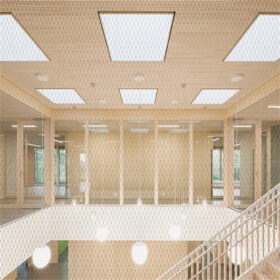
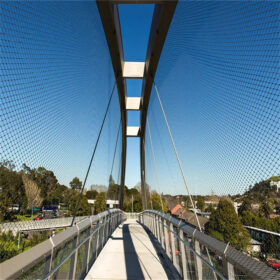
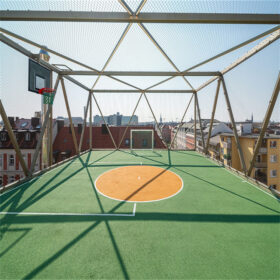
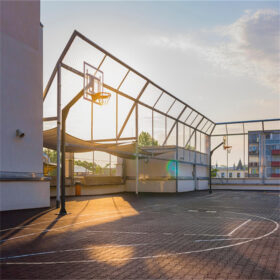

Ball stainless steel cable catch mesh is a flexible stainless steel wire rope mesh designed to safely catch and contain fast-moving balls without blocking views or daylight. It is widely used around sports fields, school courts, stadium façades, rooftop playgrounds and public spaces where safety, durability and a clean architectural appearance are all important.
Although the correct spelling is “ball stainless steel cable catch mesh”, many users and buyers search using “catch mesh”, so both expressions are commonly used in marketing and technical documents.
What Is Ball Stainless Steel Cable catch Mesh?
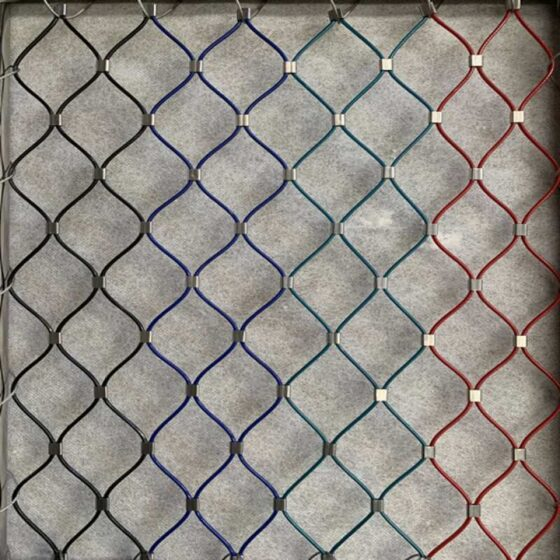
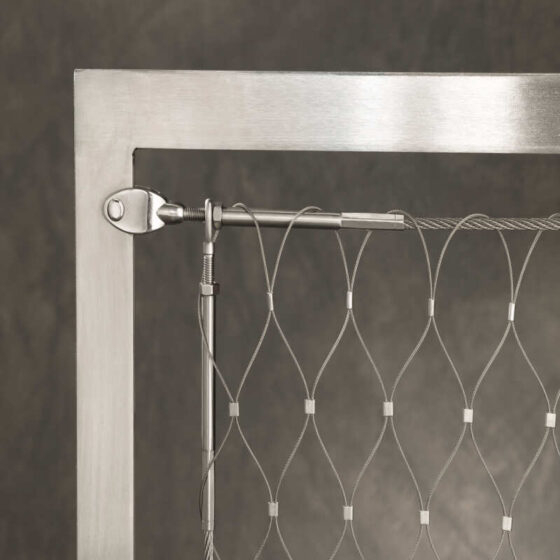
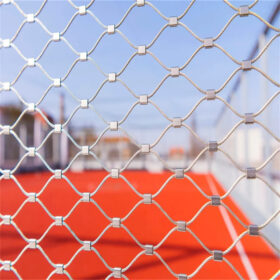
Ball stainless steel cable catch mesh is a net made from high-tensile stainless steel wire ropes arranged in a diamond pattern. The cables are either hand-woven (knotted) together or connected by stainless steel ferrules. When the mesh is tensioned between frames, posts or border cables, it forms a light but very strong safety skin.
Unlike plastic nets or rigid welded wire mesh, this cable mesh works purely in tension. When a ball hits the mesh, the load is distributed through the cables and into the border supports. The result is a barrier that can span long distances, follow curved or sloping shapes and remain visually light and transparent, while still providing reliable ball-stop and sometimes fall-protection performance.


Materials and Cable Structure
Most ball stainless steel cable catch mesh is produced from austenitic stainless steel, typically grade 304 or 316. Grade 304 is commonly used for indoor sports halls and general outdoor areas, while grade 316 is preferred for coastal, marine or heavily exposed façades where higher corrosion resistance is required.
The cables themselves are made from multiple fine stainless wires twisted together in standard constructions such as 7×7 or 7×19. Smaller diameters around 1.5 to 2.0 mm are common for façades and general sports use, while larger diameters such as 3.0 or 4.0 mm are chosen for very high loads, large spans or roof-edge protection.
Two basic mesh styles are used:
In knotted mesh, the cables are interwoven and twisted at each crossing.
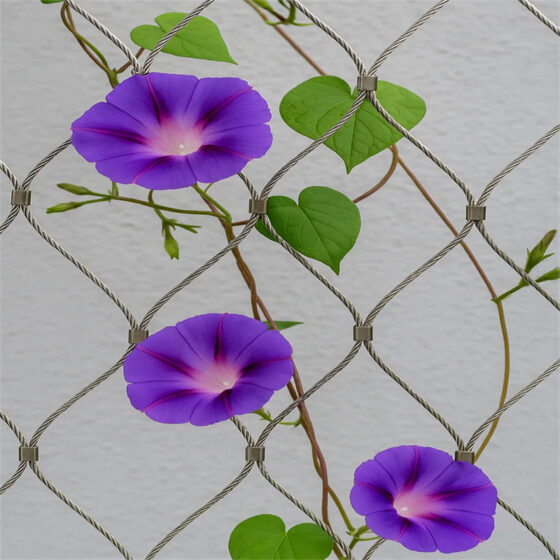
In ferrule mesh, the cables run alternately in two directions and are held together at the intersections by pressed stainless steel sleeves, producing clean, regular diamonds.
Both styles create a flexible yet robust structure with excellent fatigue resistance, smooth surfaces and a long service life outdoors.
Technical Characteristics
The exact technical specification of a ball stainless steel cable catch mesh system is usually tailored to each project, but several common ranges are widely used.
The mesh opening size, or aperture, is selected according to the ball types that must be stopped. For example, large balls such as footballs and basketballs allow the use of bigger openings, while smaller balls such as tennis or hockey balls require tighter mesh. In practice, diamond sizes from roughly 40 by 70 mm up to around 120 by 200 mm are typical for ball-catch applications.
Cable diameters generally range from 1.5 to 4.0 mm. Thinner cables offer greater transparency and a lighter appearance, while thicker cables provide higher breaking loads and stiffness over long spans. A commonly used configuration for school sports grounds and façades is 2.0 mm cable with a mesh opening of about 80 by 140 mm, which gives a good balance between strength and visual openness.
Because stainless steel cable mesh is very light compared with rigid steel panels, the weight per square metre is low, even for relatively strong meshes. This reduces the load on the supporting structure and is especially advantageous for roofs, retrofits and lightweight buildings.
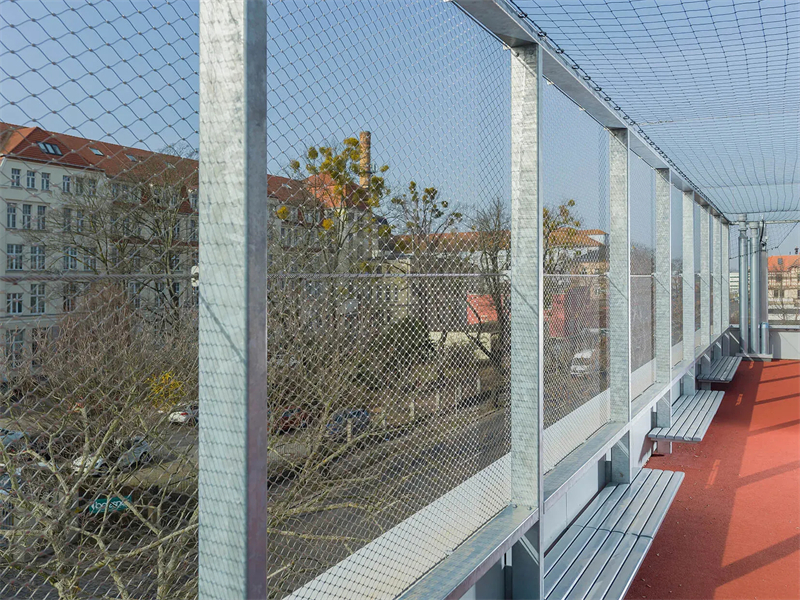
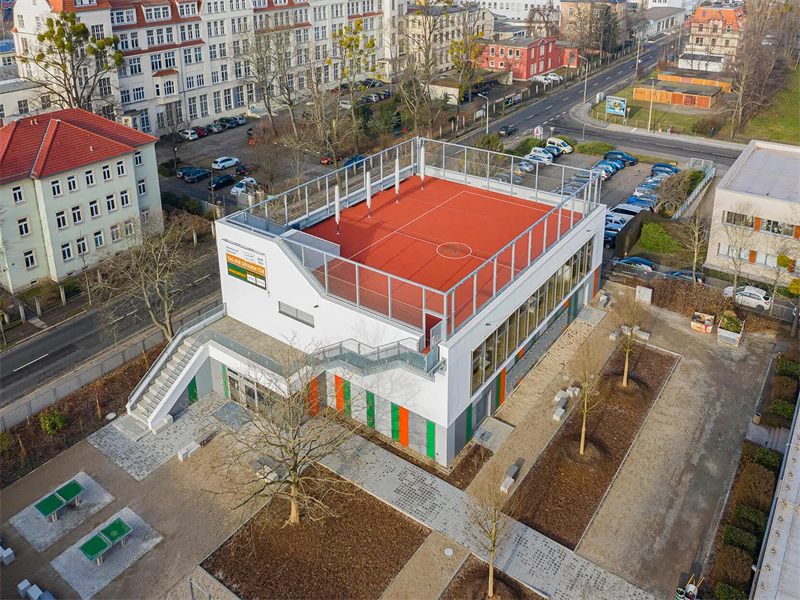
Specifications – Ball Stainless Steel Cable Catch Mesh
| No. | Wire rope (construction / diameter) | Mesh aperture (mm) | Min. breaking load (kN, per cable) | Materials (wire & ferrule) | Approx. open area / transparency |
|---|---|---|---|---|---|
| 1 | 7×7, 1.2 mm | 60 × 104 | ≈ 1.2 kN | Wire: AISI 304 / 316 SS Ferrule: AISI 304 | ~82–88% |
| 2 | 7×7, 1.2 mm | 80 × 139 | ≈ 1.2 kN | Wire: AISI 304 / 316 SS Ferrule: AISI 304 | ~86–92% |
| 3 | 7×7, 1.6 mm | 60 × 104 | ≈ 2.2 kN | Wire: AISI 304 / 316 SS Ferrule: AISI 304 | ~80–86% |
| 4 | 7×7, 1.6 mm | 80 × 139 | ≈ 2.2 kN | Wire: AISI 304 / 316 SS Ferrule: AISI 304 | ~84–90% |
| 5 | 7×7, 2.0 mm | 60 × 104 | ≈ 3.4 kN | Wire: AISI 304 / 316 SS Ferrule: AISI 304 | ~78–84% |
| 6 | 7×7, 2.0 mm | 80 × 139 | ≈ 3.4 kN | Wire: AISI 304 / 316 SS Ferrule: AISI 304 | ~86–92% |
| 7 | 7×7, 2.0 mm | 100 × 173 | ≈ 3.4 kN | Wire: AISI 304 / 316 SS Ferrule: AISI 304 | ~90–95% |
| 8 | 7×7, 2.4 mm | 80 × 139 | ≈ 4.2 kN | Wire: AISI 316 / 316L SS Ferrule: AISI 316 | ~83–89% |
| 9 | 7×7, 2.4 mm | 100 × 173 | ≈ 4.2 kN | Wire: AISI 316 / 316L SS Ferrule: AISI 316 | ~88–93% |
| 10 | 7×19, 3.2 mm | 90 × 156 | ≈ 7.0 kN | Wire: AISI 316 / 316L SS Ferrule: AISI 316 | ~86–92% |
| 11 | 7×19, 3.2 mm | 120 × 208 | ≈ 7.0 kN | Wire: AISI 316 / 316L SS Ferrule: AISI 316 | ~92–96% |
How you can use this in a spec
Example line for drawings / datasheet:
Ball stainless steel cable catch mesh: 2.0 mm dia, 7×7 stainless steel wire rope, AISI 316, ferrule type, 80 × 139 mm diamond aperture, min. cable breaking load ≈ 3.4 kN, approximate open area 86–92%, panels custom-sized to suit frame.
Key Features and Advantages
One of the most important characteristics of ball stainless steel cable catch mesh is its high impact performance. When a ball strikes the mesh, the cables deform elastically and then return to their original position. The impact energy is absorbed and spread over a large area of mesh, which protects people, glazing, lighting and nearby property from damage while gently returning the ball to the playing area.
The mesh also offers a very favourable strength-to-weight ratio. Even relatively thin stainless steel cables provide impressive tensile capacity. This means designers can use fewer and slimmer posts and beams, keeping the structure minimal and elegant.
Visually, cable mesh is highly transparent. From a distance it can appear almost invisible, preserving views from stands, windows and surrounding buildings. Natural light and ventilation are hardly reduced, which is a major advantage over solid barriers or dense fencing. For architects, this transparency allows the safety system to be integrated into the overall design rather than appearing as a heavy add-on.
Corrosion resistance and durability are further strengths. Stainless steel is inherently resistant to rust in most environments, and grade 316 performs very well even in coastal locations. Unlike plastic nets, there is no UV degradation, colour fading or embrittlement. In normal use, service life can extend over decades with minimal maintenance.

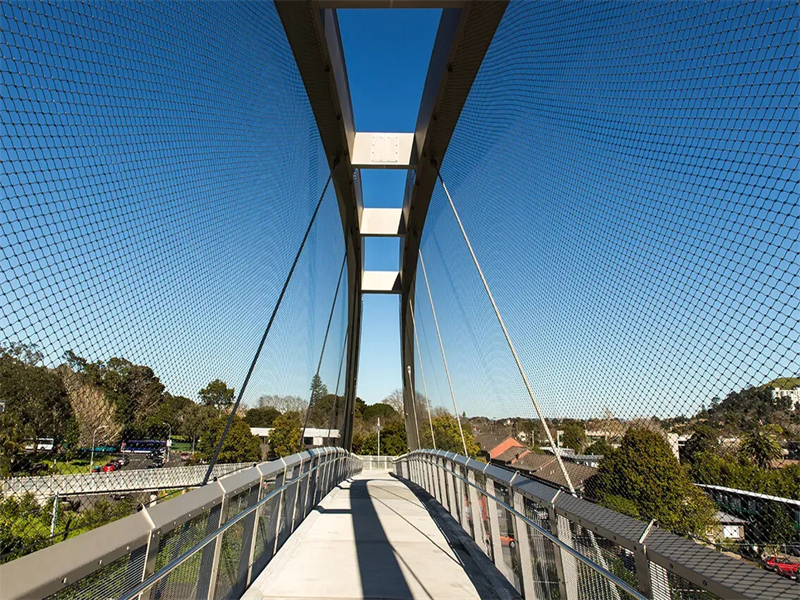
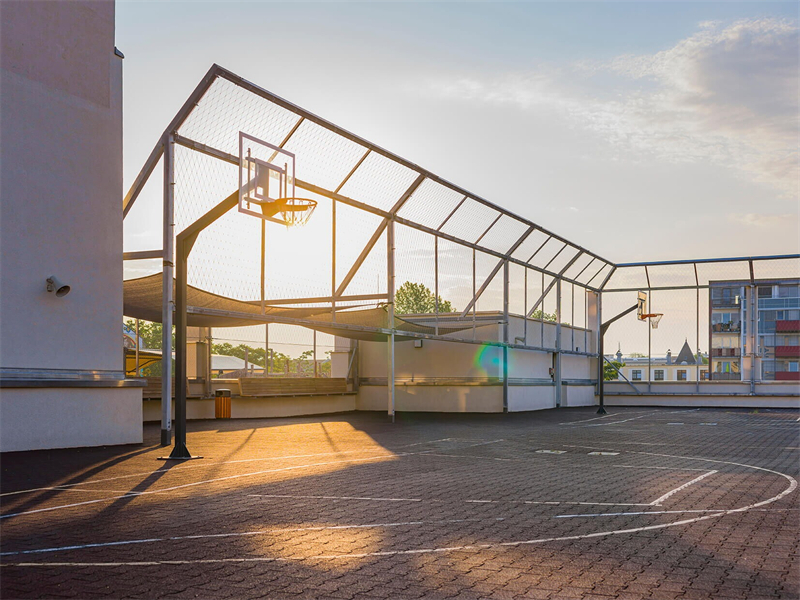
Main Applications
Because of these properties, ball stainless steel cable catch mesh is used in a wide range of projects.
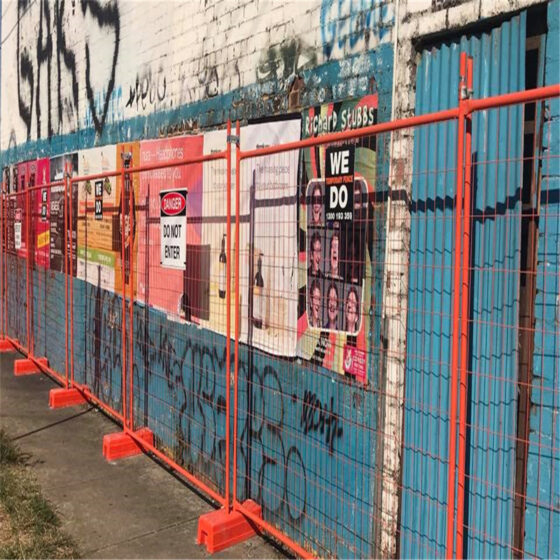
At sports grounds and school yards, the mesh functions as perimeter ball-stop fencing, high screens behind goals and separation barriers between courts. It prevents balls from leaving the playing area, protects nearby windows and vehicles, and helps keep games safe and controlled without making the site feel closed in.
In stadiums and arenas, cable mesh can be used on internal and external façades to retain balls and other objects while allowing airflow and views in and out of the building. It often doubles as a fall-protection barrier along upper tiers, catwalks or roof edges.
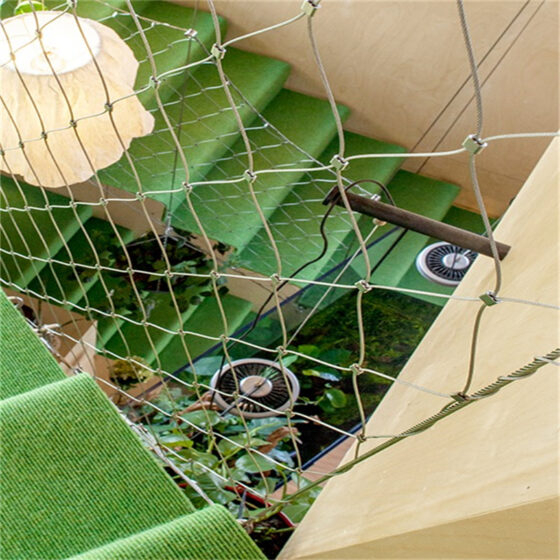
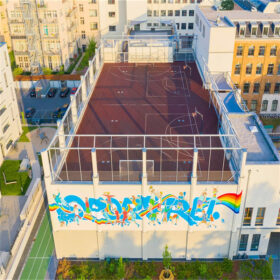
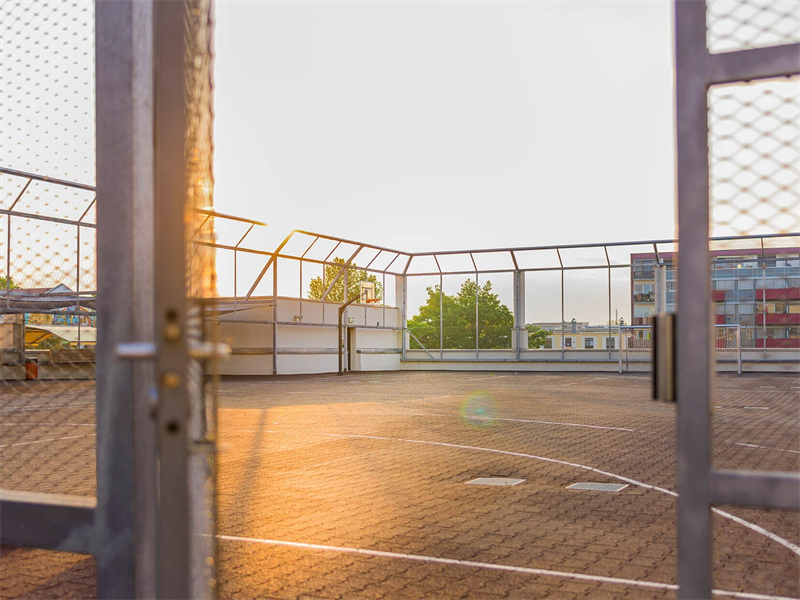
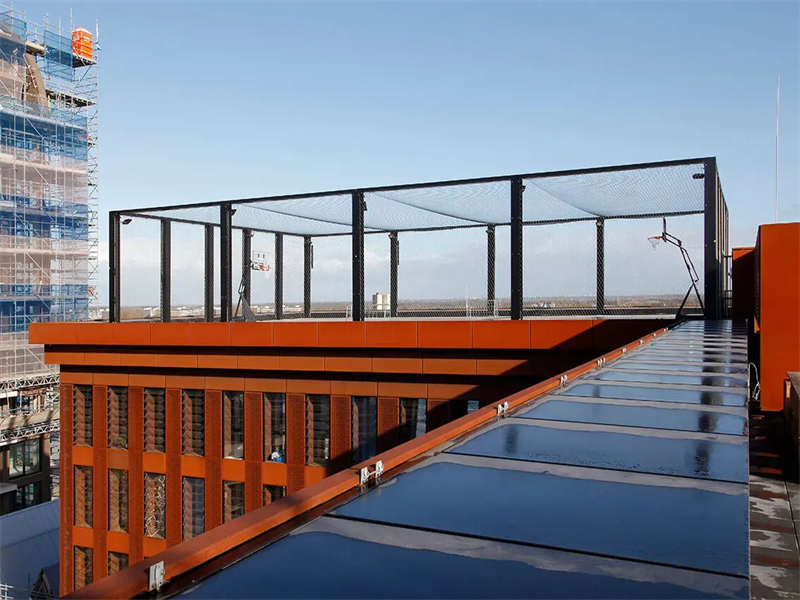
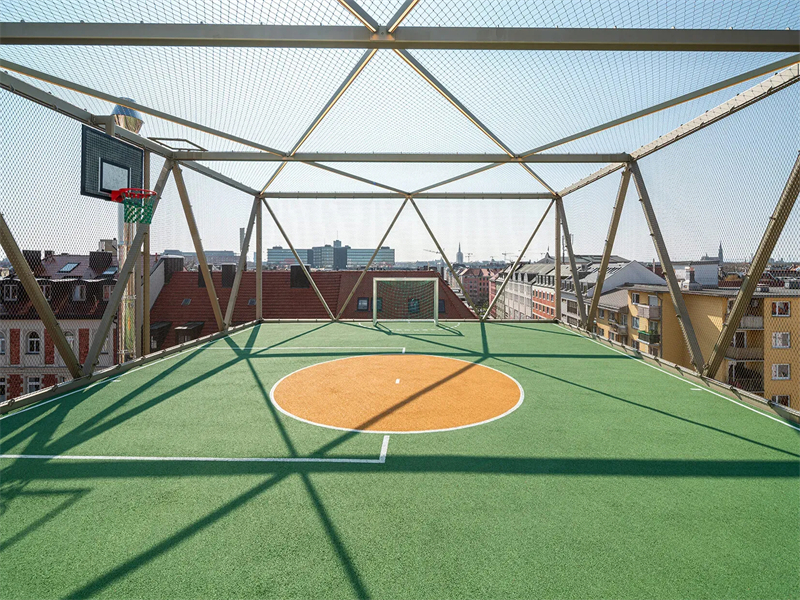
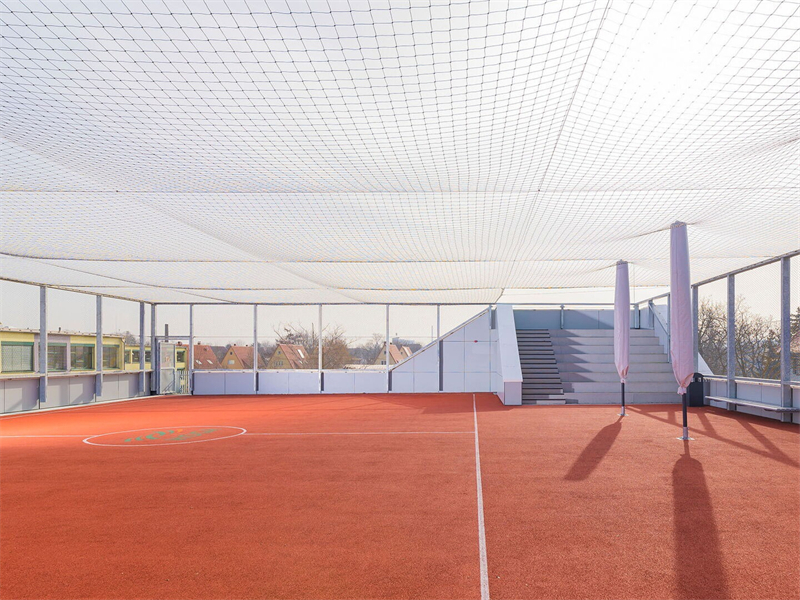
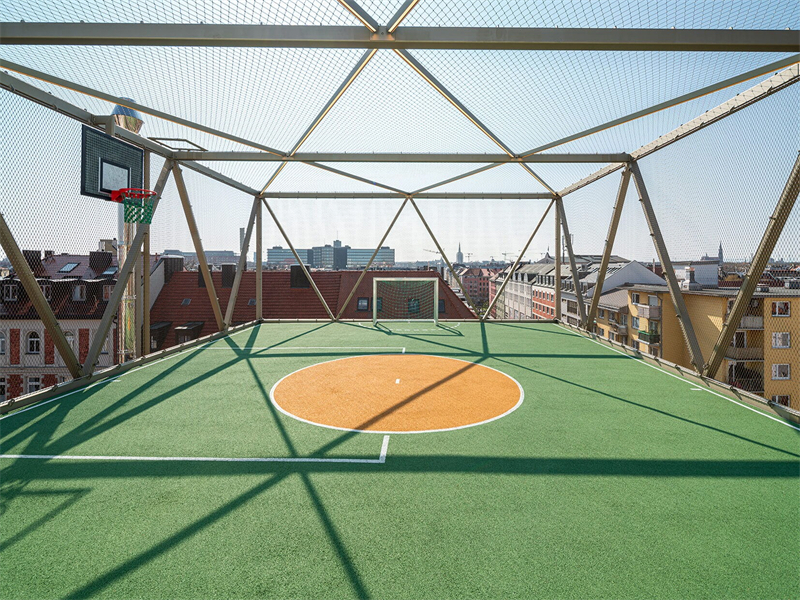
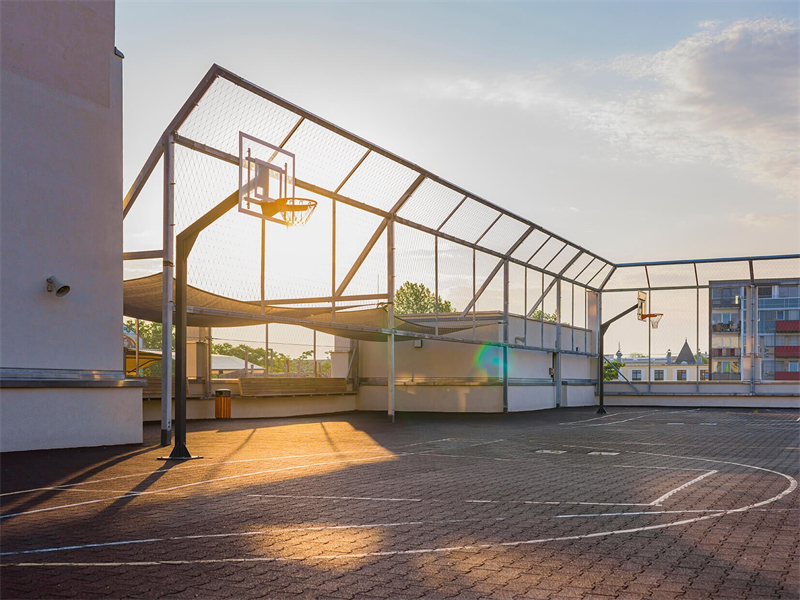
Rooftop sports decks and multi-storey recreation platforms are another important application. Here the mesh acts as a transparent safety enclosure on the roof of carparks, shopping centres or residential blocks, ensuring that balls and people remain safely inside the playing zone.
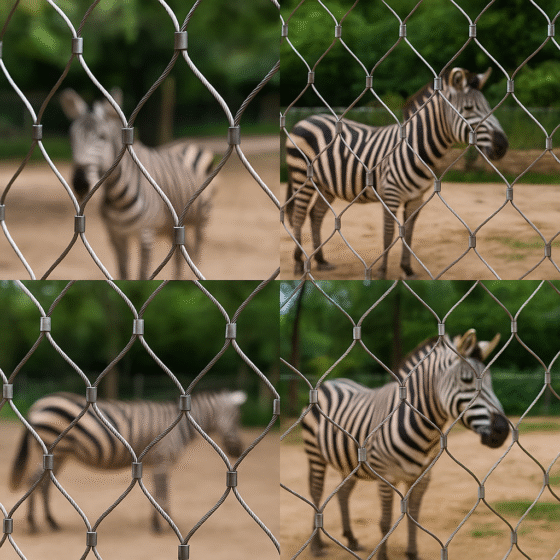
The same technology is also widely used for balustrades, bridge safety, zoo enclosures and green walls, so one product family can serve multiple architectural and safety functions across a project.
Design Considerations
When specifying a ball stainless steel cable catch mesh system, several design factors must be considered together.
First is the type of sport and the speed and size of the ball. This determines the minimum aperture size and, often, the required strength of the mesh. As a general rule, the mesh opening should be clearly smaller than the ball diameter, with enough margin to prevent the ball from becoming wedged.
Second is the height of the barrier and the span between supports. Higher screens and longer spans require larger cable diameters and stronger border elements. Structural calculations are normally carried out to ensure that deflections and stresses under load remain within safe limits.
Third is the environment. Indoor installations have relatively low corrosion requirements, whereas coastal roofs and polluted urban façades justify the use of grade 316 stainless steel and possibly higher safety factors in design.
Aesthetics also play a role. Architects may prefer a particular diamond orientation, a specific level of transparency, or a coloured or blackened finish where visual contrast or reduced reflection is desired. Because cable mesh is flexible, it can follow curved, inclined and irregular geometries, and this freedom is often used to create dynamic, sculptural surfaces around sports and leisure buildings.
Finally, regulatory requirements must be checked. Depending on country and use, the mesh may need to satisfy provisions for guarding of drops, crowd loading, impact resistance and maximum opening size in barriers accessible to the public.
Installation and Maintenance
The installation of ball stainless steel cable catch mesh generally follows a clear sequence. The designer or installer first measures the structure and defines the mesh panel sizes, tension levels and fixing details. The mesh is then prefabricated in the factory, complete with ferrules or knots, border cables and tags indicating direction and alignment.
On site, the support structure of posts, frames or anchor points is installed and aligned. Border cables or frames are fixed to these supports, after which the mesh panels are attached by clips, lacing rope or special clamps. Tensioners and turnbuckles are adjusted to bring the mesh to its designed tension, giving a neat, flat surface with controlled elasticity.
Maintenance requirements are light. Regular visual checks are usually sufficient to confirm that cables, ferrules and fixings are in good condition and that no accidental damage has occurred. Where pollution, dust or salt deposits accumulate, the mesh can be cleaned using water or mild detergent. No repainting or recoating is needed, and there are no fibres to fray as with textile nets.
Conclusion
Ball stainless steel cable catch mesh offers a modern, long-life solution for ball-stop and safety applications in sports and leisure environments. By combining stainless steel wire ropes, flexible diamond-pattern mesh and carefully engineered support structures, it delivers high impact resistance, light weight, transparency and excellent corrosion performance; in helipad projects, Helipad X-TEND Mesh applies the same technology to create safe, wind-permeable perimeter enclosures and fall protection around rooftop landing areas.
For architects, engineers, contractors and facility owners, this type of mesh – including specialized systems such as Helipad X-TEND Mesh – provides a way to make playing areas and rooftop zones safe and controlled without sacrificing openness, light or design quality. Whether around a school court, on a stadium façade, enclosing a rooftop playground or protecting a helipad perimeter, ball stainless steel cable catch mesh is a reliable and elegant choice for contemporary sports and aviation-related construction.