Your One-Stop Wire Mesh Fence Supplier | POLYMETAL
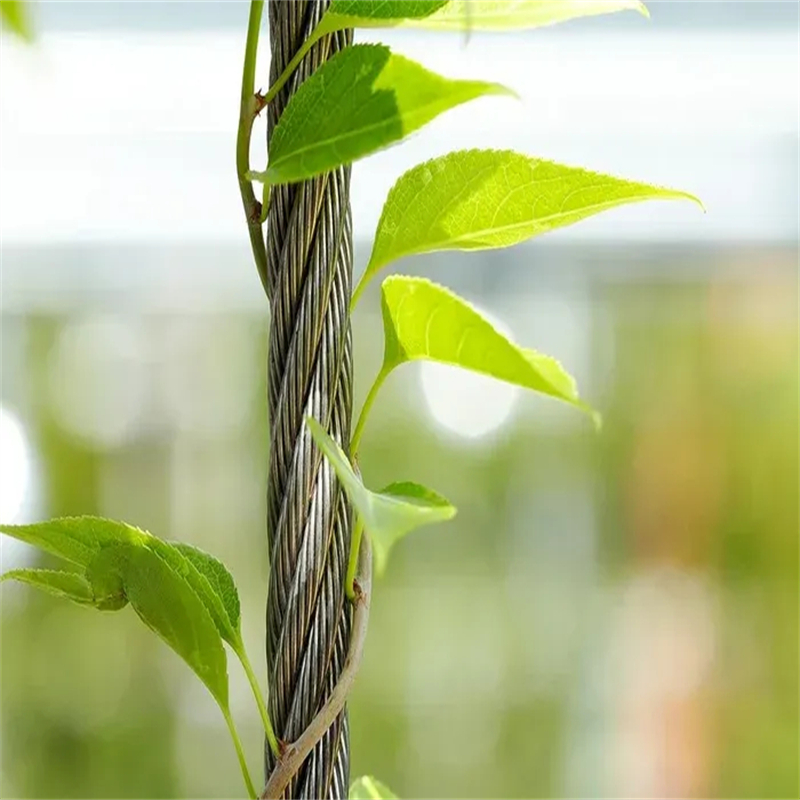
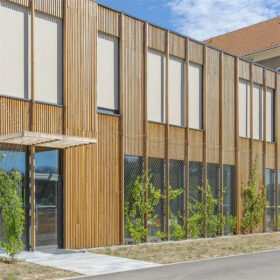
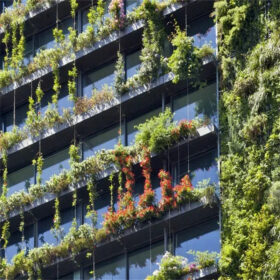
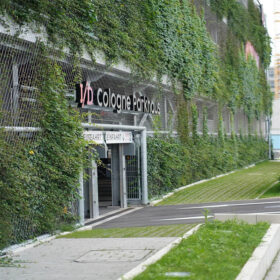
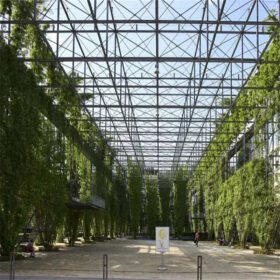
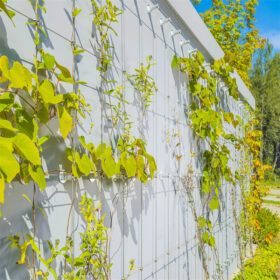
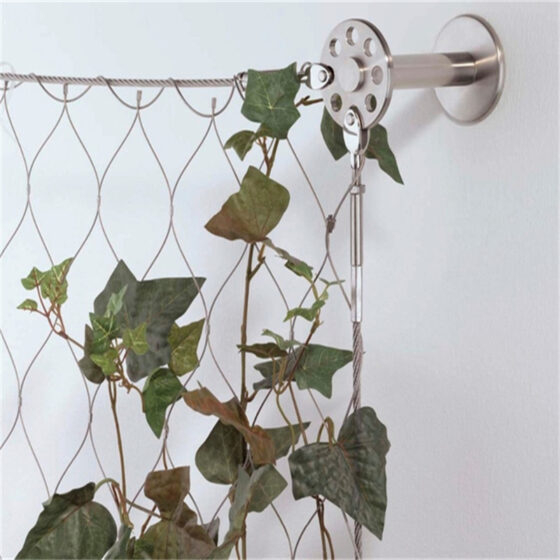
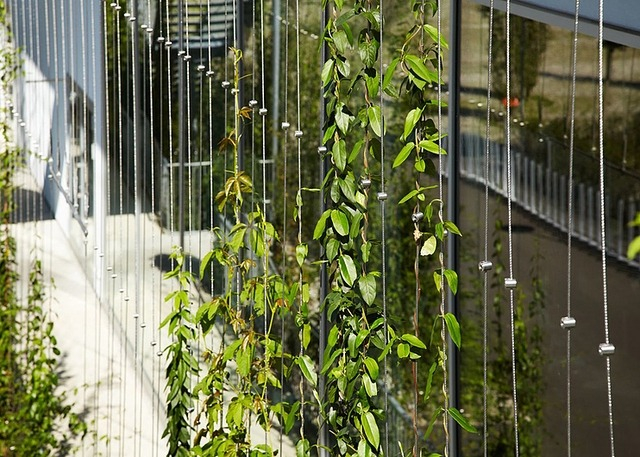
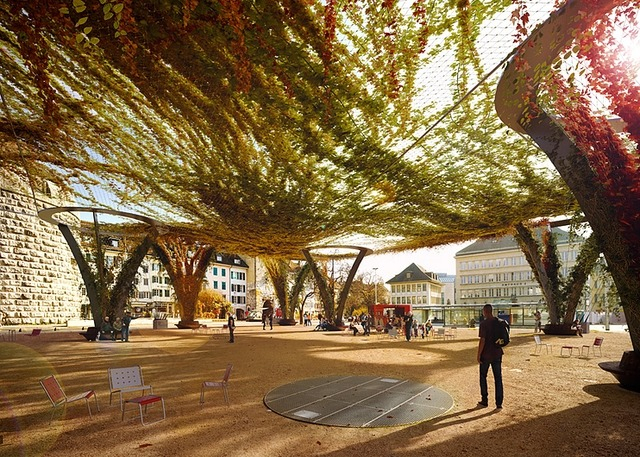
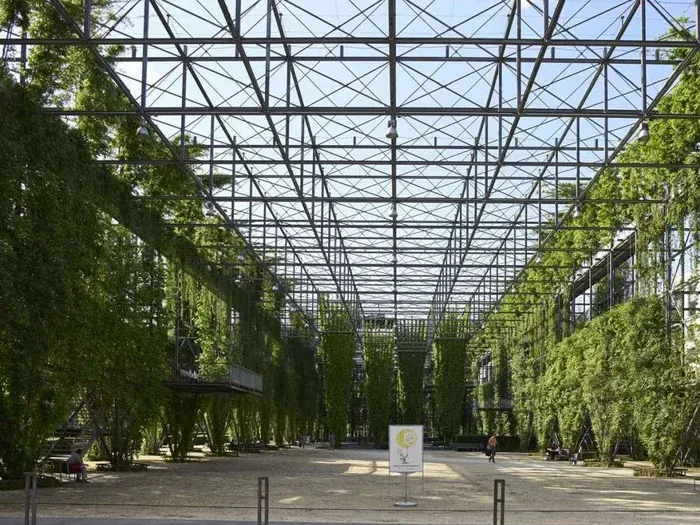
Facade greening cable systems are stainless steel cable structures designed to support climbing plants on building facades, walls and freestanding frames, creating durable and visually light green walls. Facade greening cable solutions allow plants to climb vertically or diagonally over many floors without heavy steel grids, giving architects a clean, modern way to add greenery, shade and visual interest to new and existing buildings.
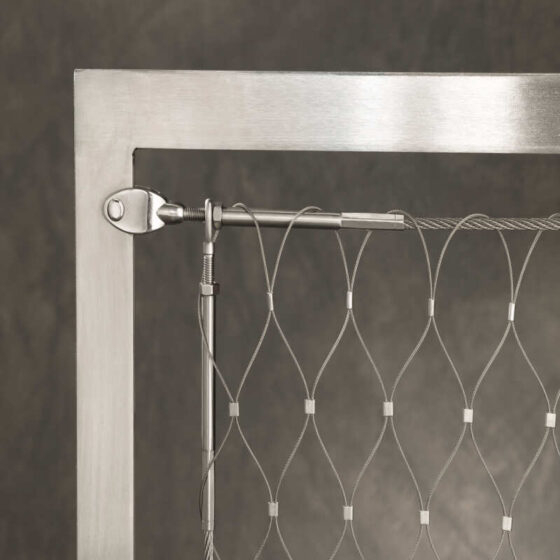
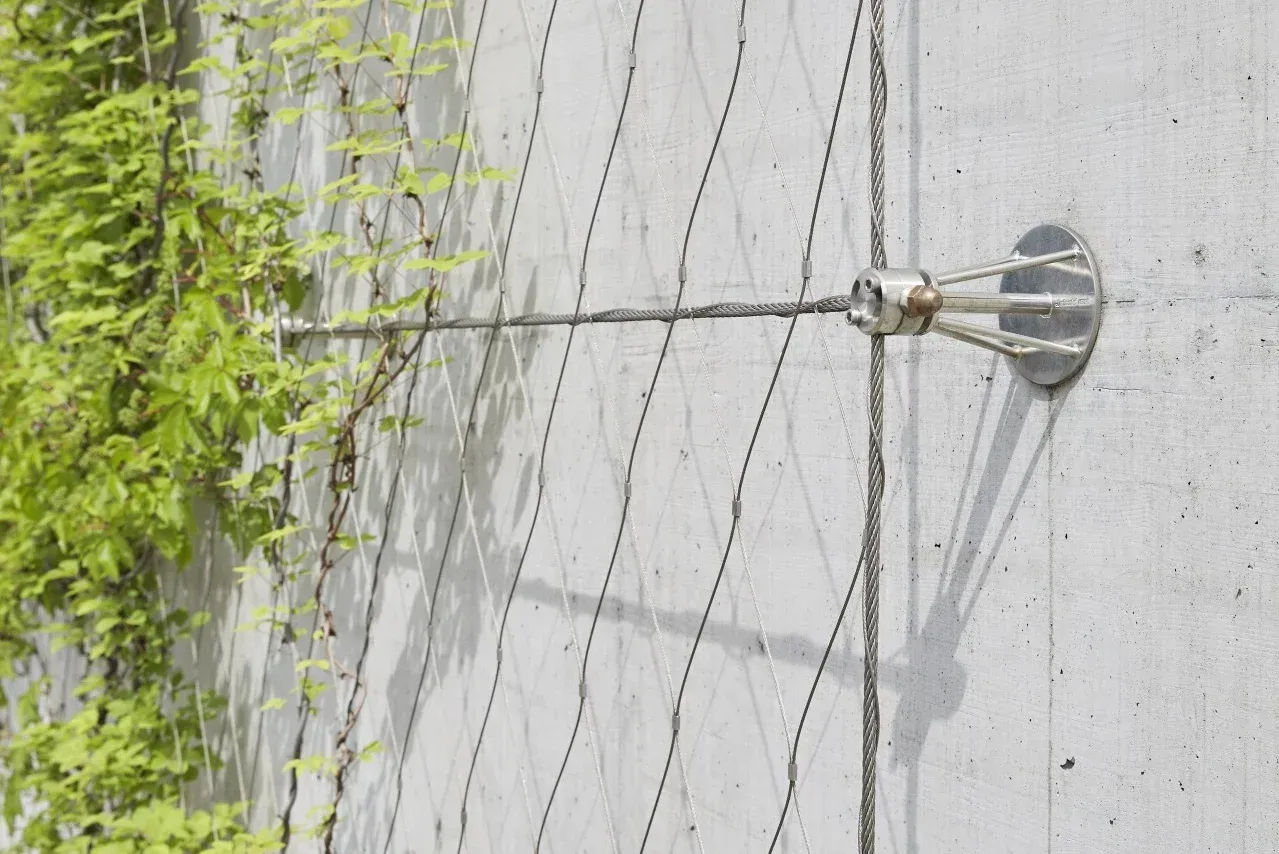
A facade greening cable system typically combines stainless steel wire ropes, tensioned between base plates or brackets, with plant guides and fixings that keep the cables stable while allowing plants to grow freely. Compared with traditional welded trellises, facade greening cable installations are lighter, more flexible in layout and easier to adapt to different façade geometries such as curved walls or irregular window arrangements.
Facade greening cable can be supplied not only in bright stainless steel but also with customised surface treatments such as black oxide, PVD colouring and (optionally) PVDF-type protective coatings to match architectural design. These finishes give the cables a deep matte black or elegant tinted metallic appearance, reduce glare on glass façades, and provide an extra barrier against corrosion in harsh urban or coastal environments, while keeping the full tensile strength and durability of the stainless steel core.
1. What Is a Facade Greening Cable System?
A facade greening cable system is a set of stainless steel cables and fittings permanently fixed to a wall, façade or frame to carry the weight of climbing plants. The system can be arranged in vertical, horizontal, diagonal or grid patterns depending on the plant species and architectural design.
The core idea is simple: the wall provides the background, the facade greening cable provides the structure, and the plants provide the living surface and environmental benefits such as shading, cooling and dust binding. Because the cable itself is visually very thin, the finished green wall looks light and elegant rather than heavy or industrial.
2. Materials and Cable Construction
Most facade greening cable products are made from austenitic stainless steel to ensure long service life outdoors. Typical choices include:
- AISI 304 / 304L stainless steel for general urban and suburban environments.
- AISI 316 / 316L stainless steel for coastal, industrial or high-pollution zones where higher corrosion resistance is needed.
The facade greening cable itself is usually a multi-strand wire rope in constructions such as:
- 7×7: 7 strands each containing 7 wires, good combination of flexibility and strength; common for 2–4 mm cables.
- 7×19: 7 strands of 19 wires, very flexible, used where tight bending radii or complex routing is required.
- 1×19: 19 stiff wires; used where a straighter, more rigid facade greening cable is desired for very clean visual lines.
Cable diameters usually range from 2.0 to 6.0 mm for green wall use. Smaller diameters give a more delicate look and are suitable for light climbers like clematis or annual vines. Larger diameters are used for heavy climbers such as wisteria or for multi-storey façades where higher tension and load capacity are required.
3. Typical Technical Specification Range
Exact values depend on manufacturer and project design, but facade greening cable systems often fall into the following ranges:
- Cable diameters: 2.0, 3.0, 4.0, 5.0, 6.0 mm.
- Cable construction: 7×7, 7×19 or 1×19 stainless steel wire rope.
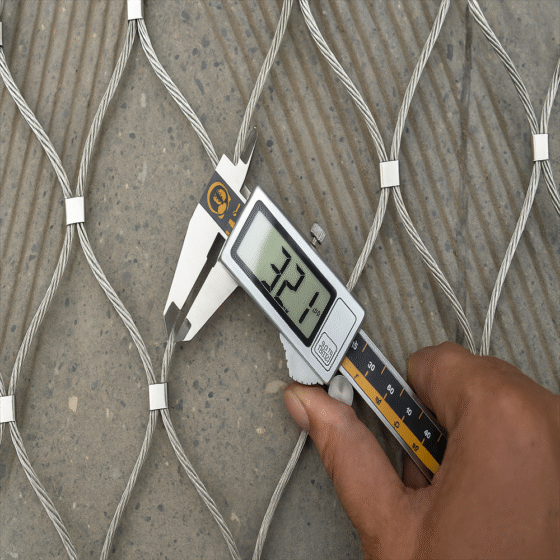
- Cable spacing (grid aperture): 150 × 150 mm up to around 500 × 500 mm depending on plant type and growth habit.
- Base plate sizes: roughly 40 × 40 × 4 mm for small systems up to 90 × 90 × 8 mm for high-load, tall façades.
- Working loads: typically designed with high safety factors; small cables for lightweight greening may carry working loads of a few hundred newtons per cable, while larger systems can safely transmit several kilonewtons to the structural wall.
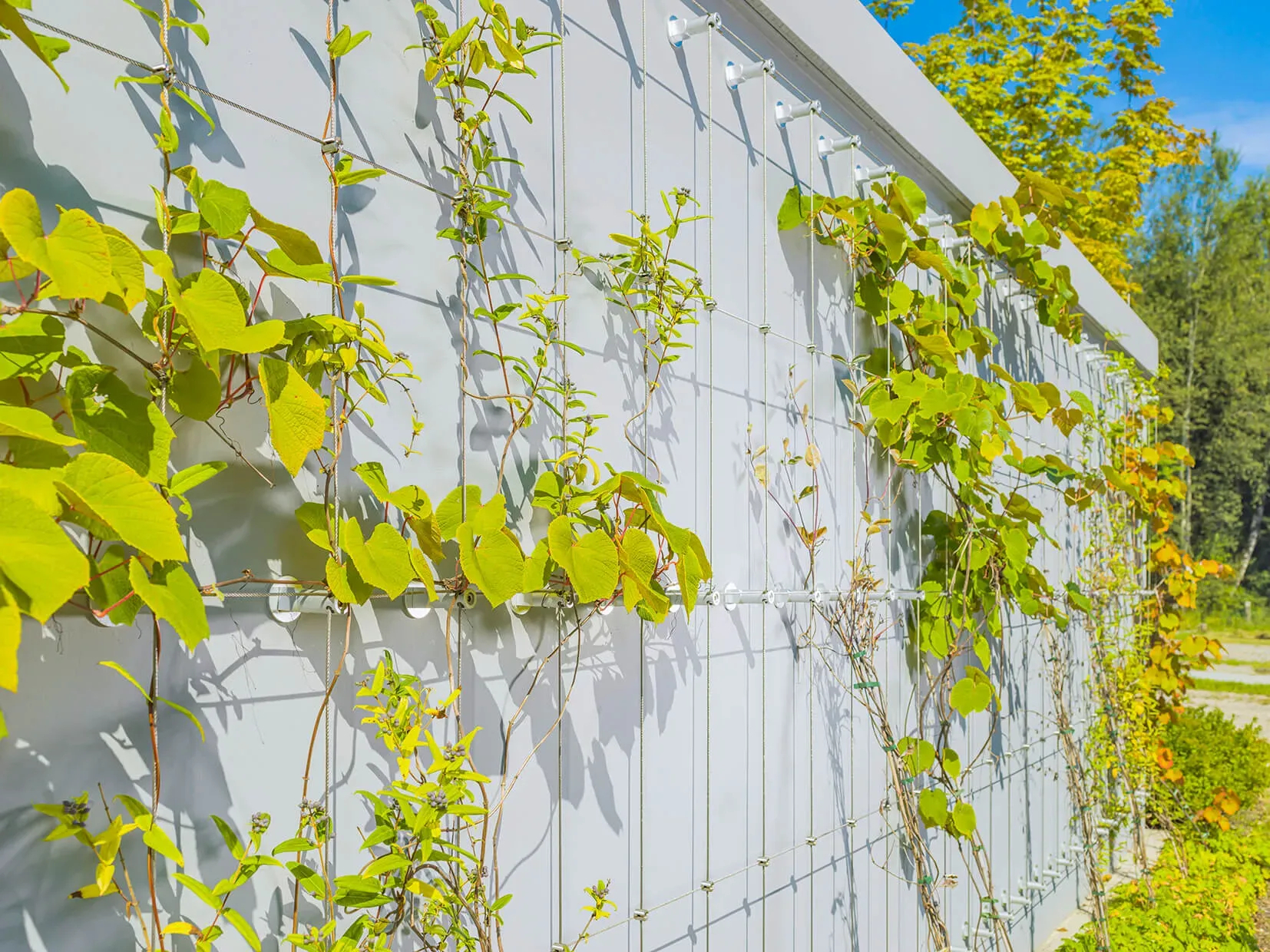
Example specification table for facade greening cable products:
| No. | Model | Cable mesh aperture (W × H, mm) | Cable diameter (mm) | Wire structure | Material (cable / fittings / base plate) | Base plate size (mm, L × W × T) |
| 1 | GWT-01 | 150 × 150 | 2.0 | 7×7 | AISI 304 stainless steel | 40 × 40 × 4 |
| 2 | GWT-02 | 150 × 200 | 2.0 | 7×7 | AISI 304 stainless steel | 40 × 40 × 4 |
| 3 | GWT-03 | 200 × 200 | 2.0 | 7×7 | AISI 304 / 316 stainless steel | 50 × 50 × 5 |
| 4 | GWT-04 | 200 × 250 | 2.0 | 7×7 | AISI 304 / 316 stainless steel | 50 × 50 × 5 |
| 5 | GWT-05 | 250 × 250 | 3.0 | 1×19 | AISI 316 stainless steel | 60 × 60 × 6 |
| 6 | GWT-06 | 250 × 300 | 3.0 | 1×19 | AISI 316 stainless steel | 60 × 60 × 6 |
| 7 | GWT-07 | 300 × 300 | 3.0 | 1×19 | AISI 316 / 316L stainless steel | 70 × 70 × 6 |
| 8 | GWT-08 | 300 × 400 | 3.0 | 7×7 | AISI 316 / 316L stainless steel | 70 × 70 × 6 |
| 9 | GWT-09 | 400 × 400 | 3.0 | 7×7 | AISI 316 / 316L stainless steel | 80 × 80 × 6 |
| 10 | GWT-10 | 400 × 500 | 4.0 | 1×19 | AISI 316 / 316L stainless steel | 80 × 80 × 8 |
| 11 | GWT-11 | 500 × 500 | 4.0 | 1×19 | AISI 316 / 316L stainless steel | 90 × 90 × 8 |
| 12 | GWT-12 | 200 × 300 | 2.5 | 7×7 | AISI 304 / 316 stainless steel | 60 × 60 × 5 |
| 13 | GWT-13 | 300 × 350 | 2.5 | 7×7 | AISI 304 / 316 stainless steel | 60 × 60 × 5 |
| 14 | GWT-14 | 350 × 400 | 2.5 | 7×7 | AISI 316 stainless steel | 70 × 70 × 6 |
| 15 | GWT-15 | 150 × 300 | 1.5 | 7×7 | AISI 304 stainless steel | 40 × 40 × 4 |
| 16 | GWT-16 | 200 × 350 | 1.5 | 7×7 | AISI 304 stainless steel | 40 × 40 × 4 |
| 17 | GWT-17 | 250 × 400 | 2.0 | 1×19 | AISI 316 stainless steel | 60 × 60 × 5 |
| 18 | GWT-18 | 300 × 450 | 2.0 | 1×19 | AISI 316 / 316L stainless steel | 70 × 70 × 6 |
These are example values you can adapt to your own facade greening cable range, adjusting diameters and spacing to match plant loads and architectural requirements.
4. Key Features and Advantages
Facade greening cable systems offer several important benefits compared with traditional trellis and grid systems:
- High transparency: thin cables and wide spacing keep the façade open and bright until the plants mature, and even after full coverage the structure remains visually light.
- Low weight: stainless steel cables and small base plates weigh much less than welded frames, reducing loads on the building envelope and making retrofits easier.
- Durability: stainless steel materials, especially in grade 316, provide long-term corrosion resistance with minimal maintenance.
- Design flexibility: facade greening cable layouts can be vertical, horizontal or diagonal, form simple grids or complex patterns, and easily follow curved or inclined surfaces.
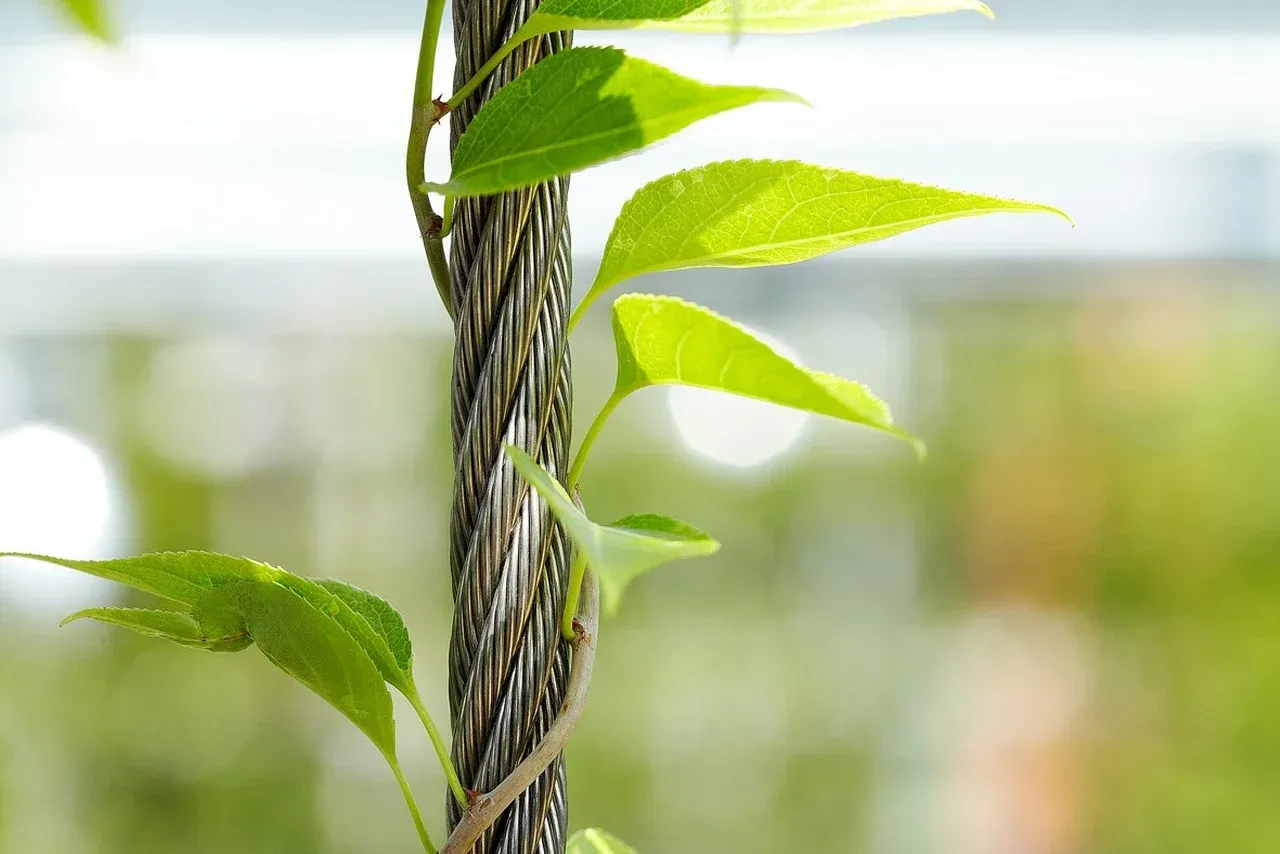
- Plant-friendly: cable spacing and direction can be tuned to suit different species, from fine climbers to heavy woody vines. Cables give good grip for tendrils, twining stems or support clips.
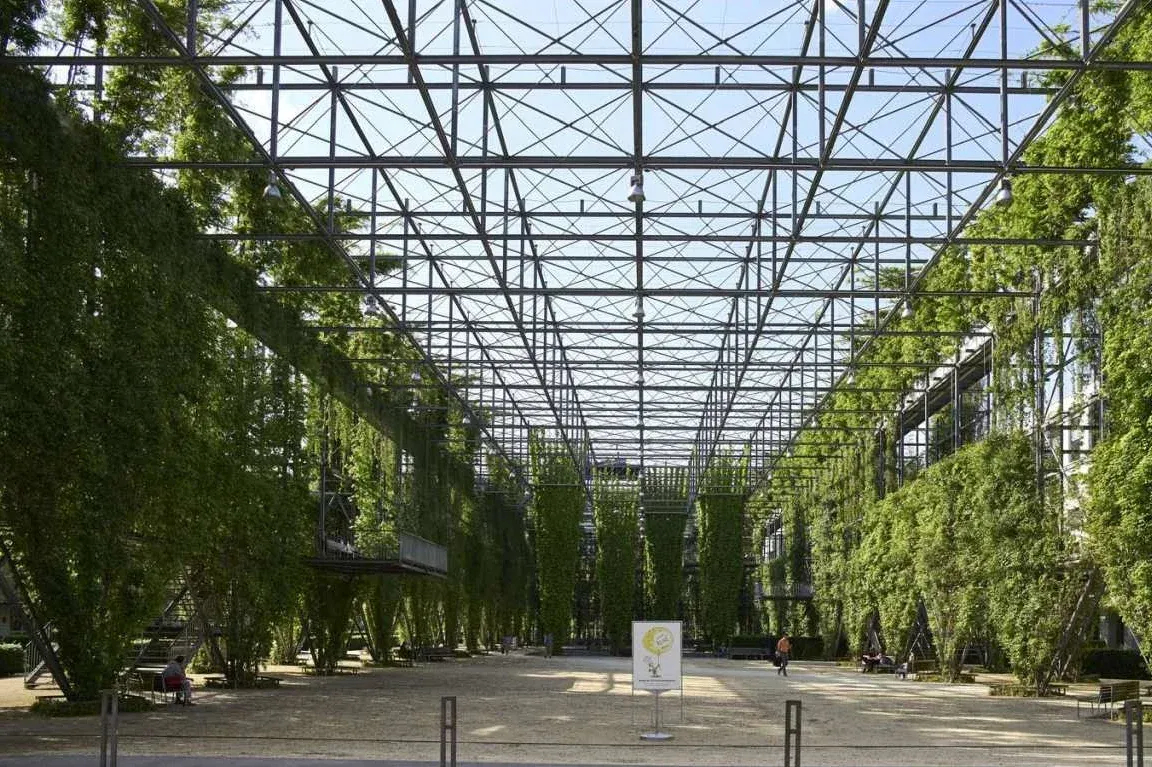
- Easy to combine: systems can integrate with balconies, sunshades, handrails and roof gardens, helping to create continuous green bands around the building.
5. Typical Applications
Facade greening cable products are used in many building types, including:
- Residential houses and apartment blocks for courtyard or street-facing green walls.
- Office and commercial buildings to soften glass or metal façades and improve microclimate.
- Car parks and infrastructure buildings where green walls help screen the structure.
- Schools, hospitals and public buildings for shading, noise attenuation and visual comfort.
- Freestanding green screens along property boundaries, terraces or rooftop gardens.
In each case, the facade greening cable acts as the permanent substructure to carry plant loads over many years.
6. Design Considerations
When planning a facade greening cable ferruled rope mesh system, designers usually consider:
- Plant species and growth habit: whether the plant climbs by twining, tendrils or with support clips will influence cable spacing and direction.
- Height and span: taller façades and larger spans call for thicker cables, larger base plates and careful structural design of fixings.
- Substrate strength: anchor points must be fixed into concrete, steel or suitable masonry; lightweight cladding may require special brackets back to the main structure.
- Corrosion environment: urban inland sites may accept AISI 304; marine or industrial settings are better served by AISI 316 / 316L facade greening cable and fittings.
- Maintenance access: windows, cleaning equipment and plant maintenance must be considered in the layout so that the system remains serviceable as greenery matures.
7. Installation Overview
A typical installation of facade greening cable includes the following steps:
- Marking and drilling the fixing points on the façade or frame according to the cable layout.
- Installing base plates or brackets with suitable anchors or through-bolts into the structure.
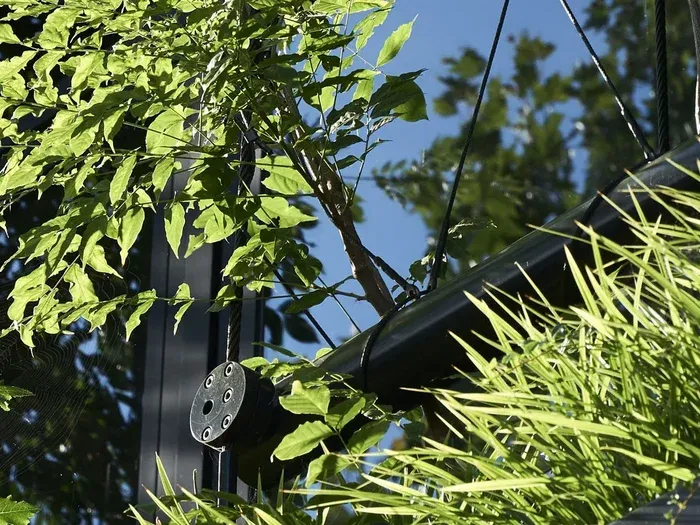
- Attaching tensioners, eye bolts or terminal fittings to the base plates.
- Cutting and installing the facade greening cable, fixing one end and threading through intermediate guides where required.
- Tensioning the cables to the specified preload using turnbuckles or integrated tension devices and checking alignment.
- Adding plant guides, clips or rings where necessary to help young plants reach the cables.
Correct installation ensures that the facade greening cable works in tension, remains straight and can safely carry the loads from mature vegetation and wind.
8. Maintenance and Service Life
Facade greening cable systems are generally low-maintenance. Main tasks include:
- Periodic visual inspection of cables, base plates, tensioners and anchors for damage or loosening.
- Occasional cleaning in aggressive environments to remove dirt or salt deposits, especially near the coast.
- Adjustment of tension if cables have relaxed or if plant growth has changed load distribution.
- Regular pruning and care of the plants, which is usually the dominant maintenance effort in any green wall project.
With proper materials and detailing, facade greening cable installations can remain functional and attractive for decades.
9. Conclusion
Facade greening cable systems provide a modern, durable and visually light way to create green walls on almost any building. By using stainless steel cables, robust fixings and well-chosen climbing plants, designers can deliver secure, long-term plant support that improves aesthetics, shading and microclimate while keeping the underlying architecture clearly visible. For architects, engineers, contractors and building owners looking to add living greenery without heavy structures, facade greening cable solutions are a practical and elegant choice.