Your One-Stop Wire Mesh Fence Supplier | POLYMETAL
Stainless Steel Wire Mesh Netting (Cable Rope Mesh) – Comprehensive Guide
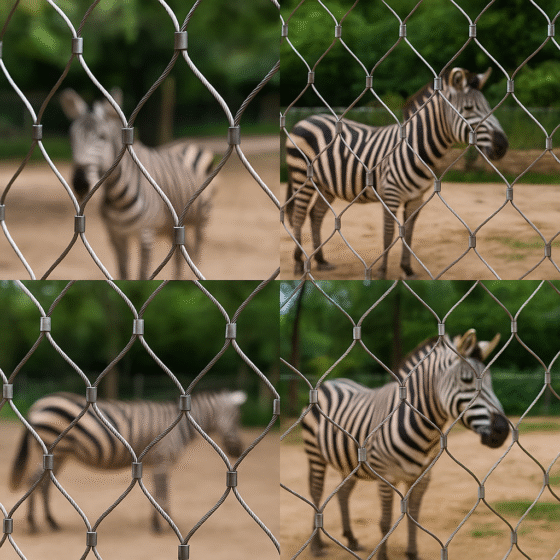
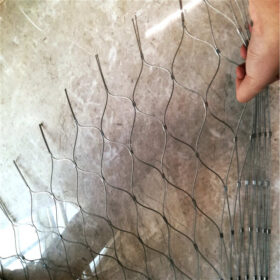
Stainless steel wire mesh netting, also called cable rope mesh or stainless steel zoo mesh, is a high-tensile stainless steel rope system designed for long-term safety, enclosure and architectural applications. Made from high-grade stainless steel cable with excellent corrosion resistance and UV stability, this mesh keeps its strength and appearance for many years even in harsh outdoor environments. Its biggest advantage is the combination of unquestionable durability and outstanding flexibility, which allows it to be used on flat, curved and three-dimensional structures without losing strength or safety.
Because the mesh is formed with diamond-shaped openings, stainless steel wire mesh netting is extremely transparent. It allows excellent airflow and natural light, so enclosed animals can live safely without feeling visually “caged”, and visitors enjoy clear, unobstructed views. At the same time, the strong stainless steel cables are resistant to chewing and clawing from animals such as rodents, primates and big cats, while the non-toxic material will not harm them.
This type of mesh is widely used for zoo enclosures, bird aviaries, stair and balcony infill, safety railings, green walls and security fences. It combines high strength, low weight, excellent corrosion resistance, easy transport and installation and the ability to be reused, which makes it one of the most cost-effective and modern solutions for demanding projects.
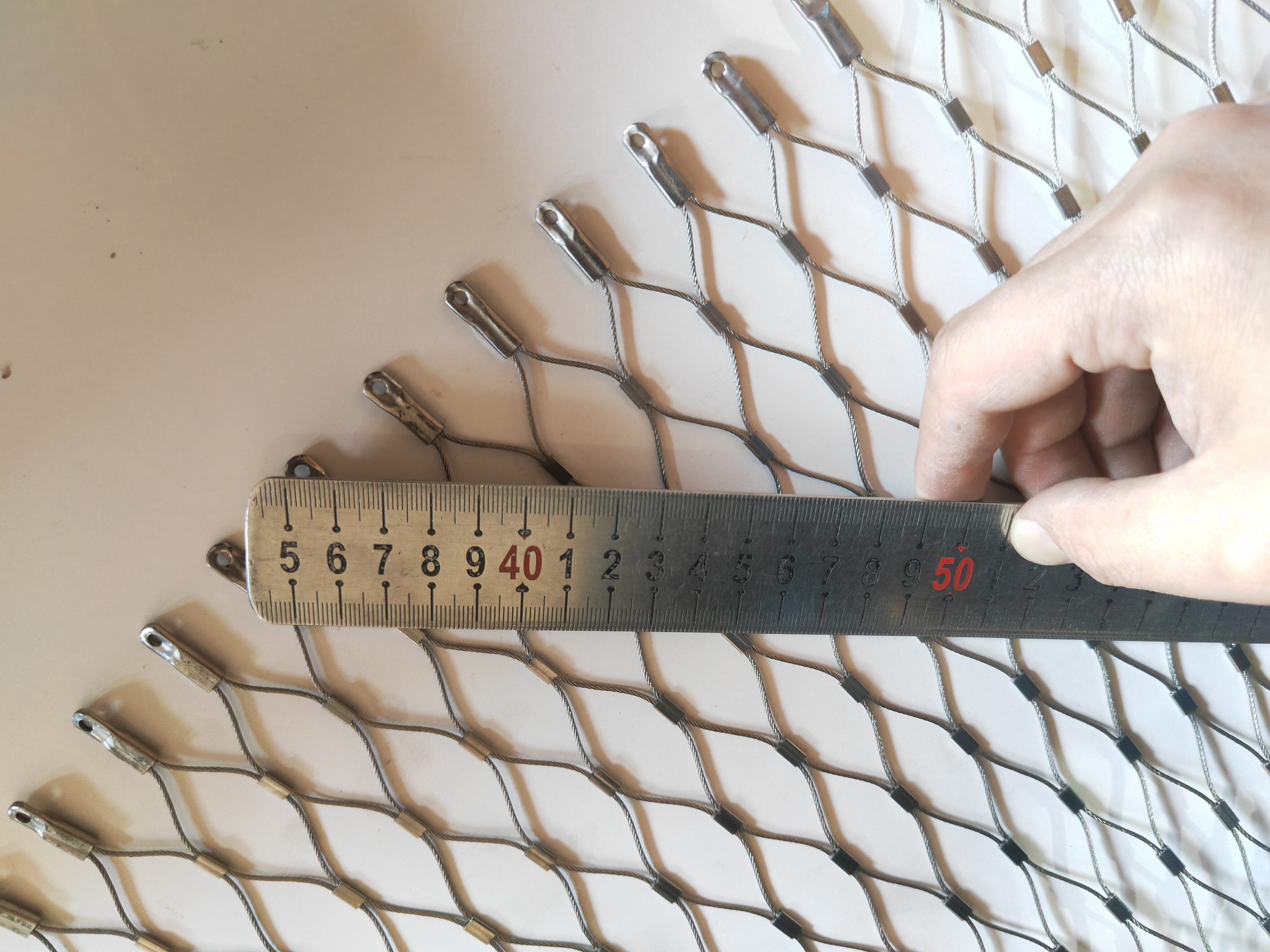
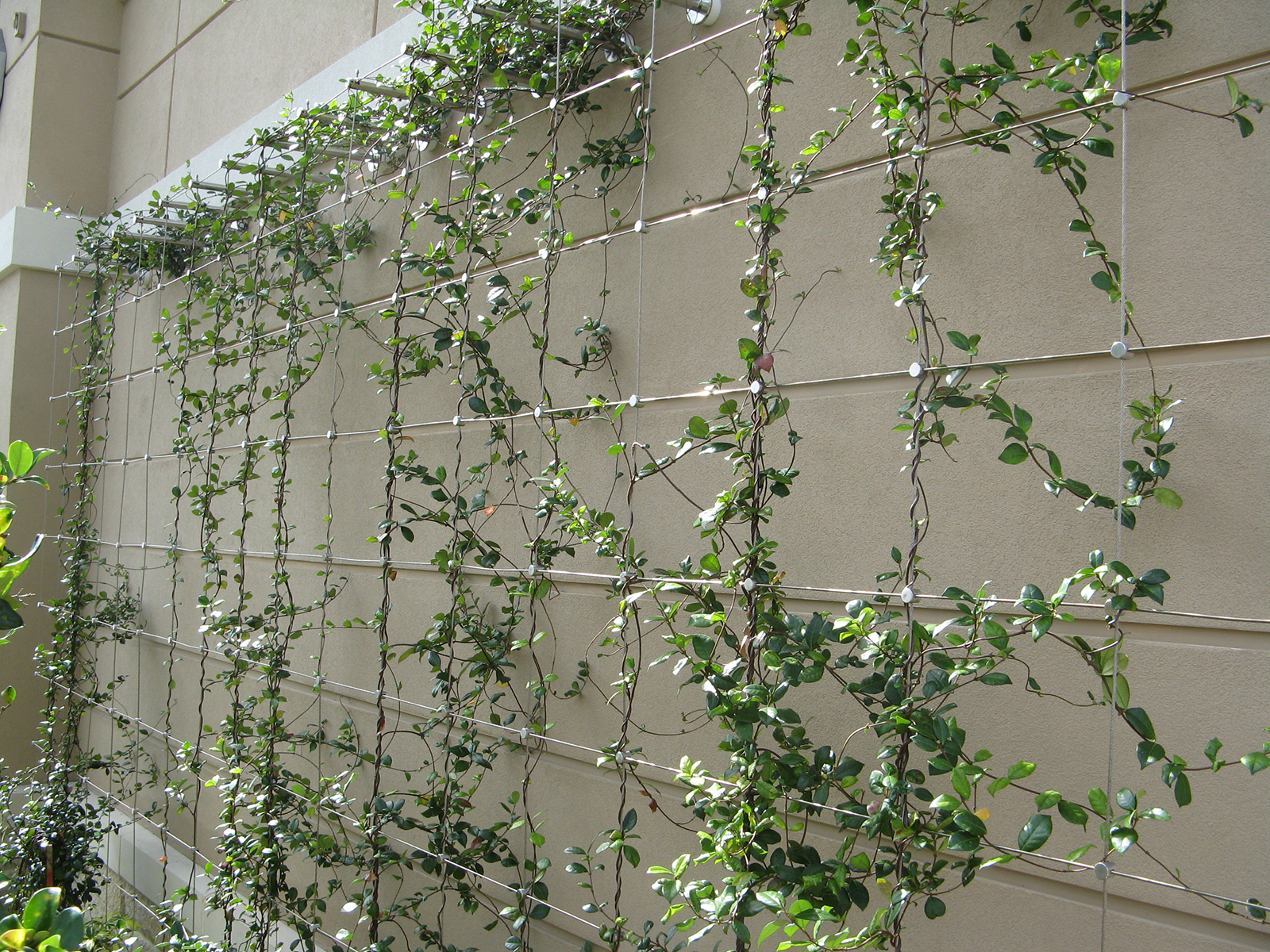
1. Construction and Materials of Stainless Steel Wire Mesh Netting
Cable rope mesh, also known as stainless steel wire mesh netting, is made from high-quality stainless steel wire rope. The standard material grades are:
- AISI 304 / 304L – suitable for indoor and general outdoor environments with low to moderate corrosion exposure.
- AISI 316 / 316L – marine grade stainless steel, recommended for coastal, industrial or high-pollution areas where maximum corrosion resistance is required and long service life is critical.
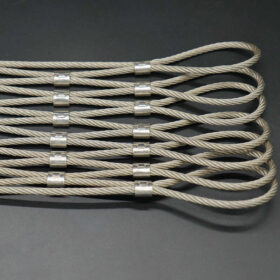
The ropes are constructed as multi-strand wire ropes in typical structures such as:
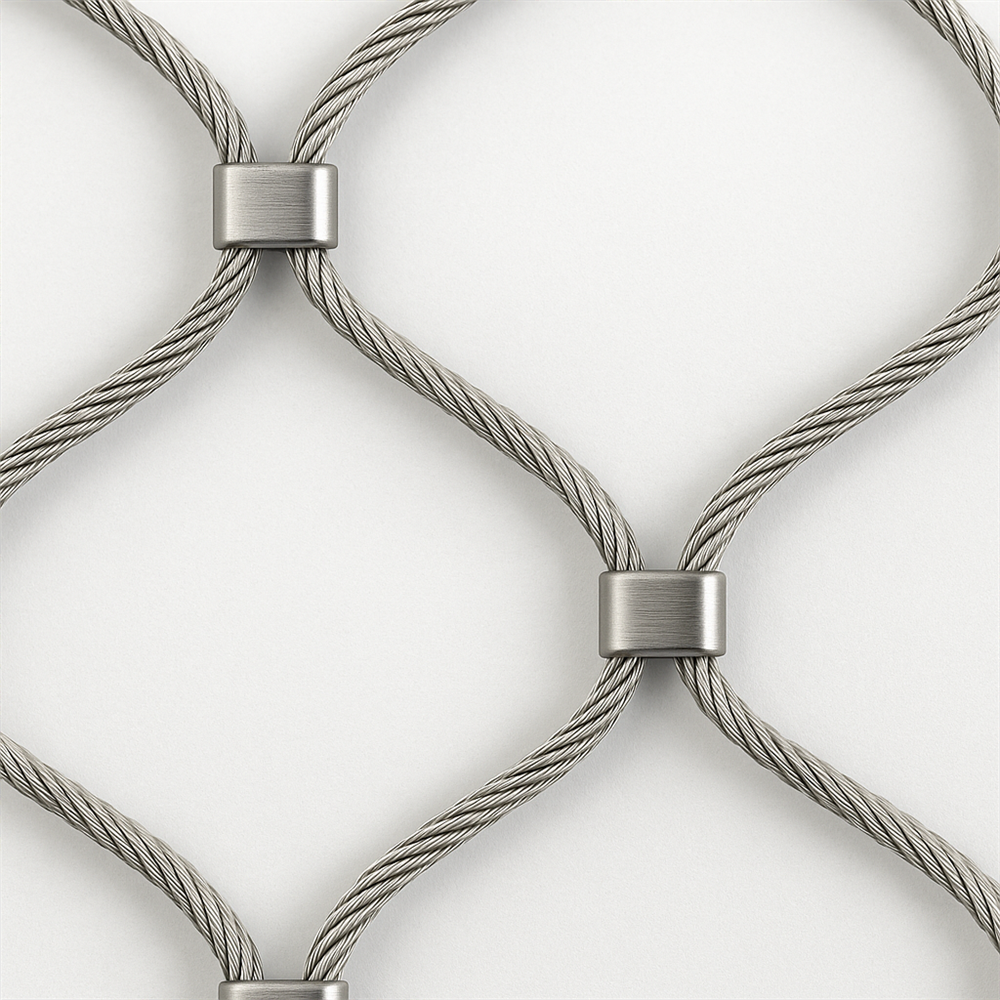
- 7×7 – 7 strands, each with 7 wires; a flexible yet strong rope widely used for cable diameters from about 1.2 to 2.4 mm.
- 7×19 – 7 strands of 19 wires; very flexible, used in 3.2 mm (1/8″) cable and above where extra bending ability or long spans are required.
In some systems, 1×7 or 1×19 rope constructions are also available for special architectural uses where very straight cables are needed.
2. Mesh Types and Styles
Our rope mesh can be supplied in several structural styles to meet different design and performance requirements:
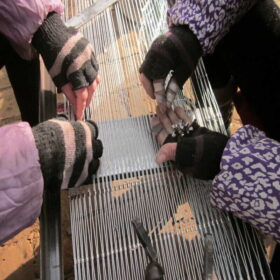
- Knotted rope mesh – the cables are woven and twisted together at each intersection, forming a flexible hand-woven structure.
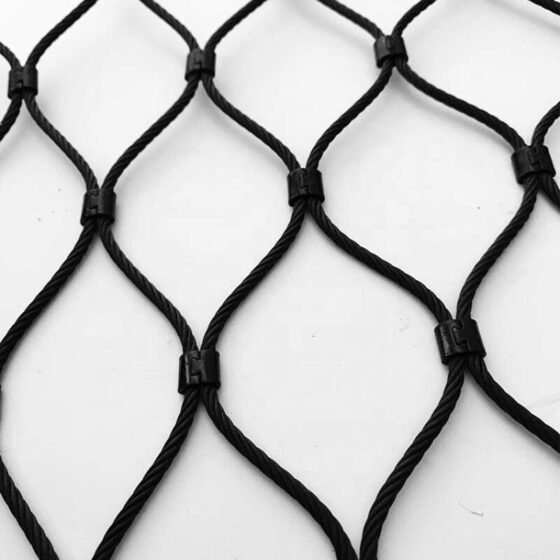
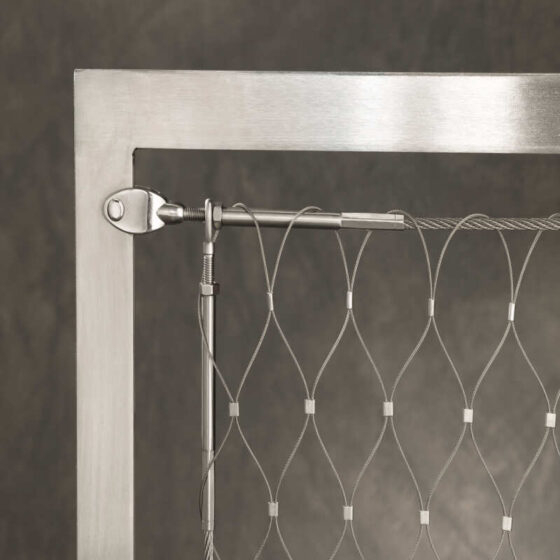
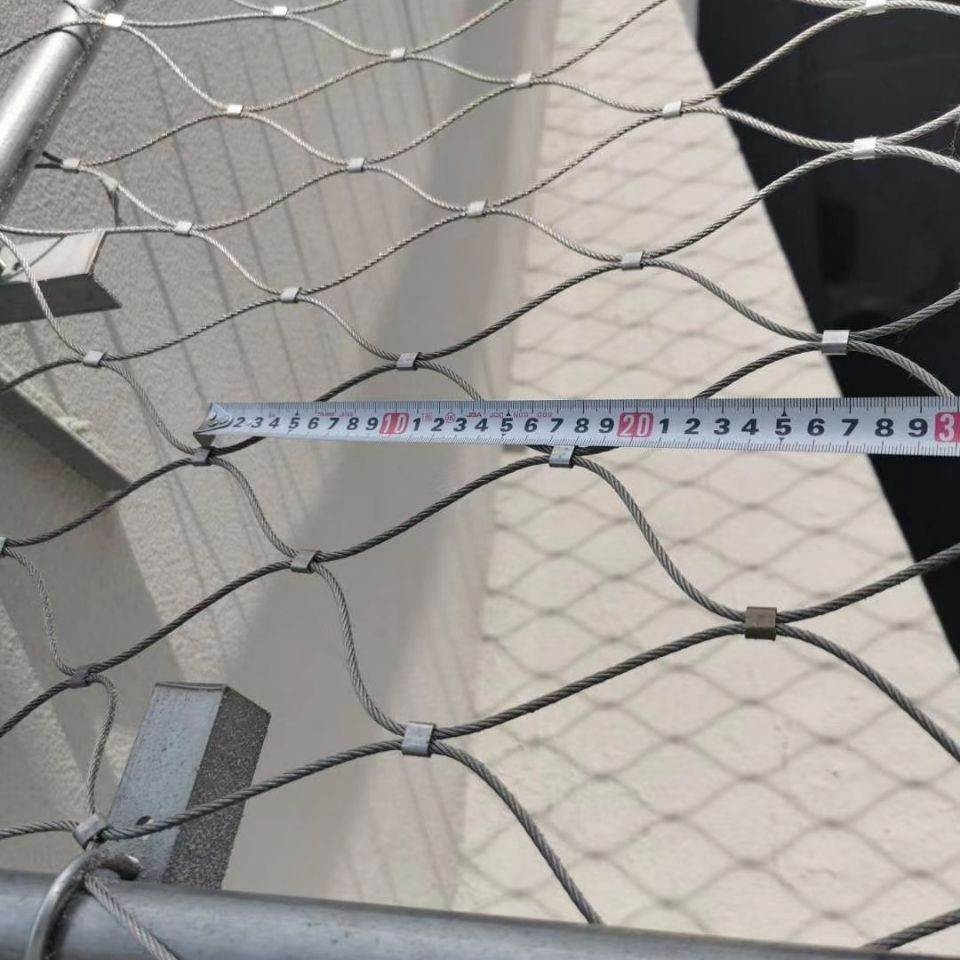
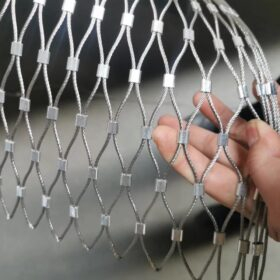
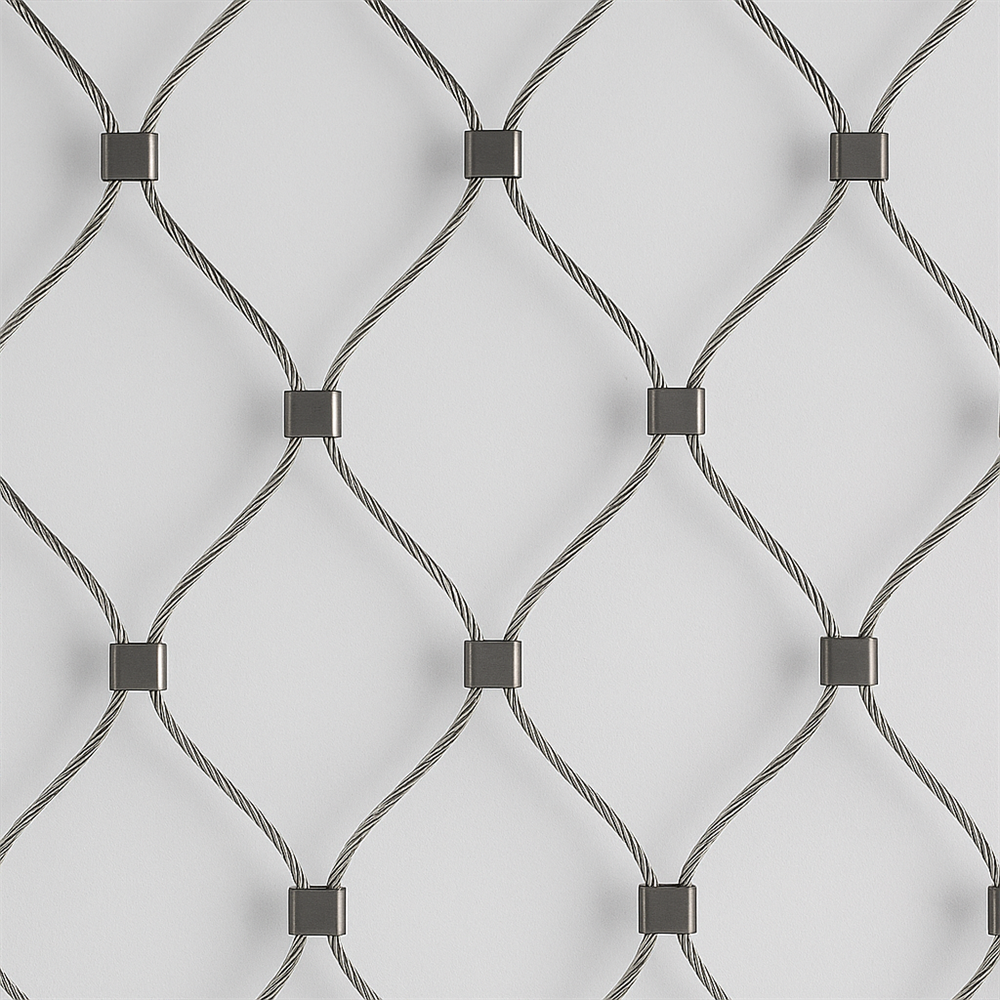
- Ferruled rope mesh – the most popular modern type; the cables run diagonally and are connected by stainless steel ferrules at each crossing, producing clean, regular diamond openings and a very neat appearance.
- Woven square mesh – cables arranged orthogonally to form square openings.
- Square mesh with cruciate/cross clamps – intersections are fixed by stainless steel cross-clamps, offering a technical, architectural look.
All these mesh types are favoured by contemporary architects because they combine a very slim, filigree visual effect with high strength and long life.
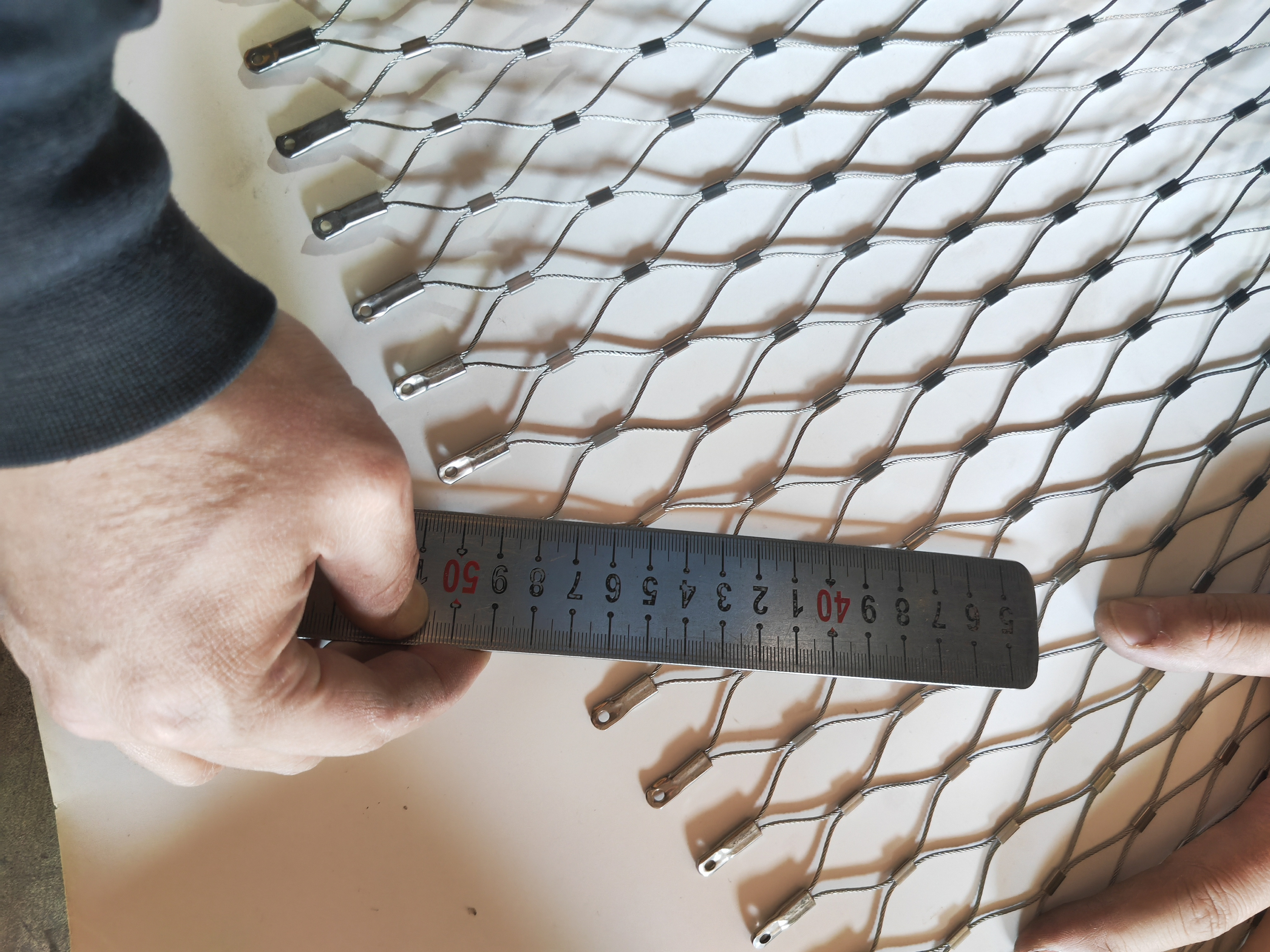
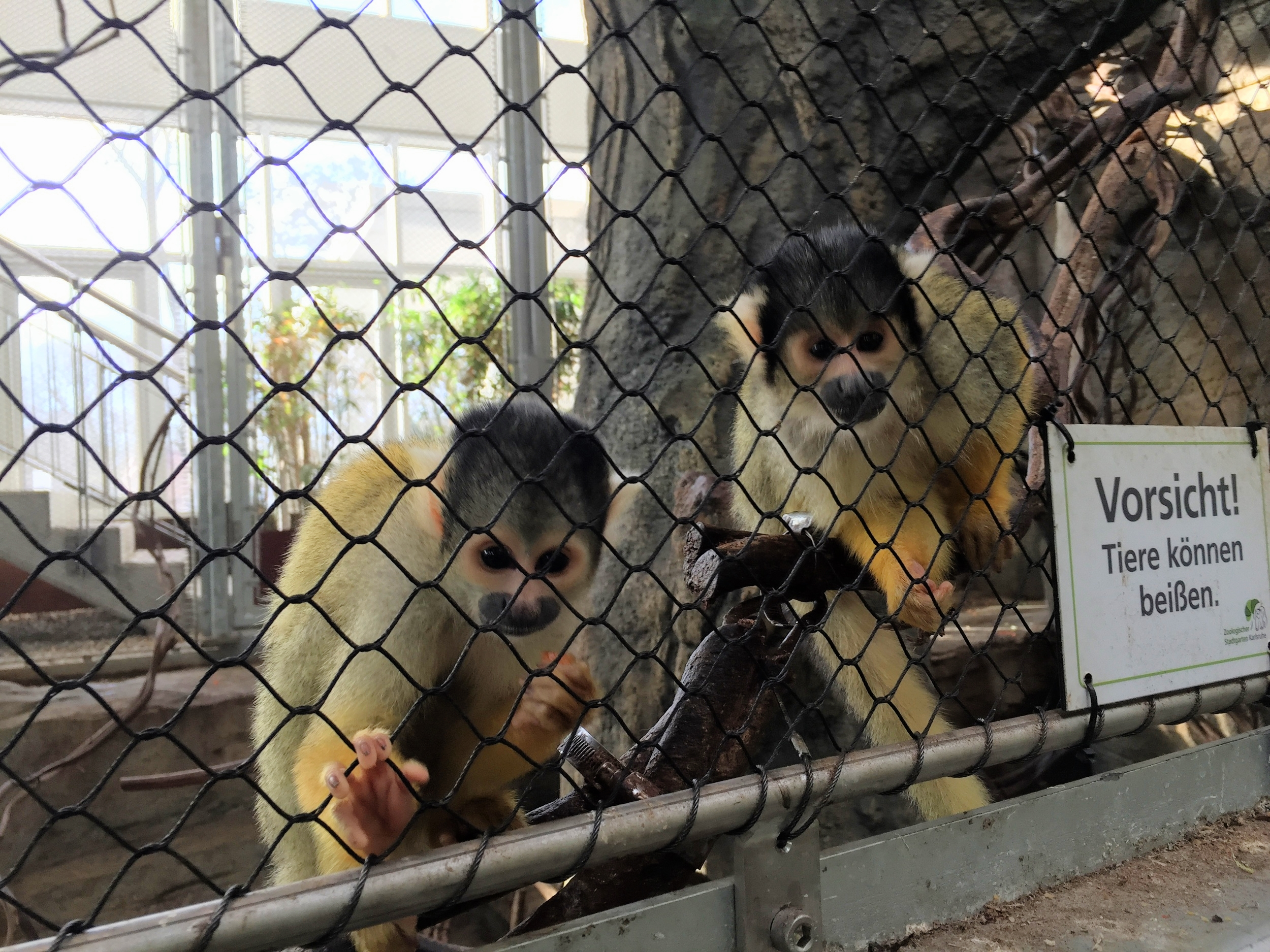
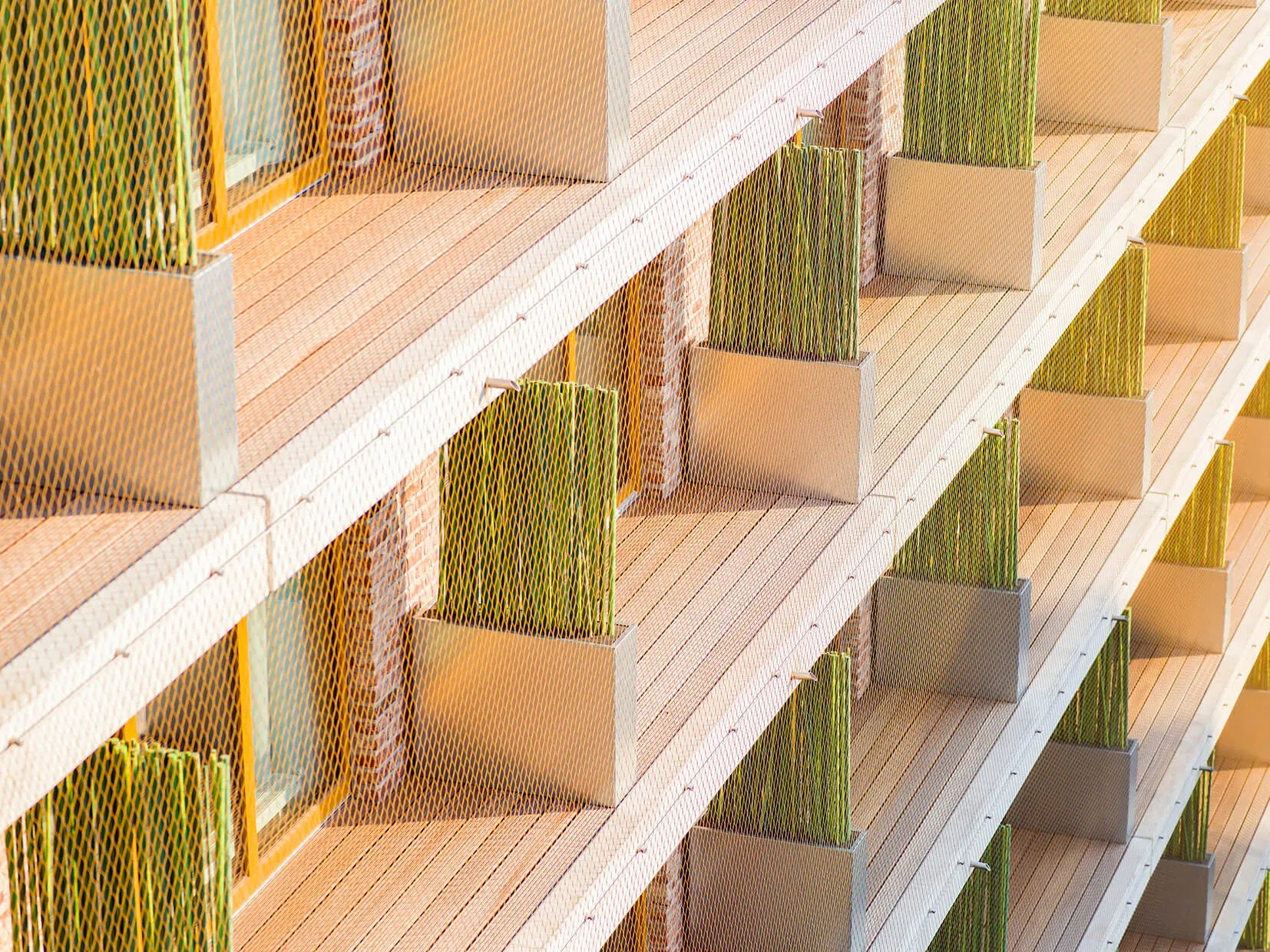

3. Typical Detail – Stainless Steel Wire Mesh Netting for Staircases
A popular configuration for stair and balcony infill uses ferruled stainless steel wire rope mesh with the following typical details:
- Product type: Stainless steel wire rope mesh
- Application example: Excellent flexibility stainless steel wire rope mesh for staircases and balustrades
- Material: Stainless steel
- Material grade: AISI 316 (marine grade)
- Wire rope thickness: 1.5 mm or 1.6 mm
- Aperture (diamond opening): 60 mm wide × 105 mm high (standard orientation at 60°)
- Mesh type: Ferruled rope mesh
The mesh can be installed in either a vertical or horizontal direction depending on the fence or railing design. When stretched at a 60° angle, the ferruled mesh forms the classic diamond pattern used in many architectural projects.
4. Stainless Steel Wire Mesh Netting – Standard Specifications
Below is a summary of standard specifications for stainless steel cable rope mesh. All dimensions are typical values used for zoo mesh, aviaries, stair infill and safety netting.
Stainless Steel Wire Mesh Netting Specification
| Wire cable construction | Cable diameter (inch) | Wire rope mesh opening (mm) |
|---|---|---|
| 7×19 | 1/8″ | 120 × 208 mm |
| 7×19 | 1/8″ | 100 × 173 mm |
| 7×19 | 1/8″ | 90 × 156 mm |
| 7×7 | 3/32″ | 100 × 173 mm |
| 7×7 | 3/32″ | 90 × 156 mm |
| 7×7 | 3/32″ | 100 × 173 mm |
| 7×7 | 3/32″ | 90 × 156 mm |
| 7×7 | 5/64″ | 80 × 139 mm |
| 7×7 | 5/64″ | 70 × 121 mm |
| 7×7 | 5/64″ | 80 × 139 mm |
| 7×7 | 5/64″ | 70 × 121 mm |
| 7×7 | 1/16″ | 60 × 104 mm |
| 7×7 | 1/16″ | 51 × 87 mm |
| 7×7 | 1/16″ | 70 × 121 mm |
| 7×7 | 1/16″ | 51 × 87 mm |
| 7×7 | 3/64″ | 80 × 139 mm |
| 7×7 | 3/64″ | 70 × 121 mm |
| 7×7 | 3/64″ | 60 × 104 mm |
| 7×7 | 3/64″ | 50 × 87 mm |
Different combinations of cable diameter and opening size are selected according to the required impact resistance, animal type, safety regulations and visual transparency.
5. Performance and Benefits of Stainless Steel Wire Mesh Netting
Stainless steel cable rope mesh offers a unique combination of mechanical and functional advantages:
- High strength and impact resistance
The high-tensile stainless steel cables and engineered rope constructions provide excellent load capacity. When the mesh is tensioned correctly, it can absorb significant impact energy from animals, balls or falling objects without permanent deformation. - Flexibility and 3D adaptability
The mesh can follow curved, inclined or irregular surfaces. It can wrap around corners, form cylinders or domes and adapt to complex steel structures. This makes it ideal for creative zoo enclosures, sculptural staircases and three-dimensional green walls. - Corrosion resistance and long service life
Stainless steel, especially AISI 316, offers strong resistance to corrosion, chemicals and weathering. The mesh does not suffer from UV damage, cracking or embrittlement like plastic nets. With no need for repainting or recoating, the service life is very long and maintenance is minimal. - High transparency and light appearance
Thin cables and diamond openings create a visually light structure. From a distance the mesh almost disappears, preserving views for visitors and allowing animals to see out freely. Natural light and ventilation are barely affected, which is essential for healthy habitats and comfortable public spaces. - Environmental and safety performance
Stainless steel wire mesh netting is fully recyclable, non-toxic and non-flammable. It does not release harmful substances, which is important for sensitive species and public buildings. Its smooth cable surfaces prevent injuries to animals and people. - Cost-effectiveness over the life cycle
Although the initial material cost may be higher than some temporary solutions, the combination of long life, low maintenance, reusability and high reliability makes stainless steel cable rope mesh very economical over the entire life cycle of a zoo, building or infrastructure project.
6. Typical Applications
Because of its strength, transparency and flexibility, stainless steel wire mesh netting is used in many different fields:
- Zoo and wildlife enclosures
Cable rope zoo mesh is ideal for big cats, primates, pumas, leopards, small mammals and large birds. The diamonds prevent escape and intrusion while keeping spaces open and bright. Animals cannot easily chew through or deform the mesh, and the smooth cables are gentle on fur, feathers and skin. - Bird aviaries and bird protection
Large aviaries, bird-of-prey stations and bird parks use stainless steel wire mesh netting as overhead and side enclosures. The mesh protects birds from predators and prevents them from flying into dangerous areas, while avoiding bird strikes and maintaining very high visibility for visitors. - Staircases, balustrades and railings
In modern architecture, stainless steel rope mesh is widely used as infill for internal and external stairs, balconies and bridge handrails. It functions as a fall protection barrier while preserving openness and lightness. For these cases, finer apertures like 60 × 104 mm with 1.5–1.6 mm cable are popular. - Building facade screens and green walls
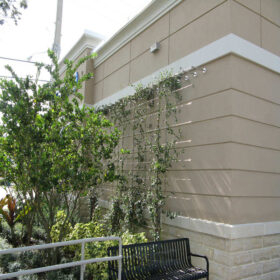
Cable rope mesh can act as a facade screen or support structure for climbing plants. The mesh becomes a green wall support system, improving the microclimate, shading and aesthetics of buildings while keeping the structural load low. - Security and platform fences
In industrial plants, transport hubs and public infrastructure, stainless steel wire mesh netting is used as security fences, platform guards, isolation fences and garden fences. It creates strong physical barriers without looking heavy or oppressive. - Sports facilities and safety nets
Cable rope mesh can be used as ball-stop fencing, overhead safety nets and spectator protection in sports halls, arenas and multi-use games areas, combining safety with high transparency.
7. Design Considerations and Selection
When selecting and designing stainless steel wire mesh netting, several factors should be evaluated together:
- Animal or user type – small birds, monkeys, big cats, children on stairways or general public will require different mesh openings and cable diameters.
- Required safety level – simple containment vs. fall protection vs. combined containment and fall arrest.
- Environment – indoor, outdoor, marine, industrial or heavily polluted environments will influence material grade selection (304 vs. 316).
- Span and support structure – longer spans and higher impacts require thicker cables and appropriately designed frames or tension cables.
- Aesthetic goals – desired transparency, visual texture, pattern orientation (diamond angle), and compatibility with other materials like glass, timber or concrete.
By adjusting wire rope structure, cable diameter and mesh aperture, designers can tune the system precisely to the project’s mechanical and visual requirements.
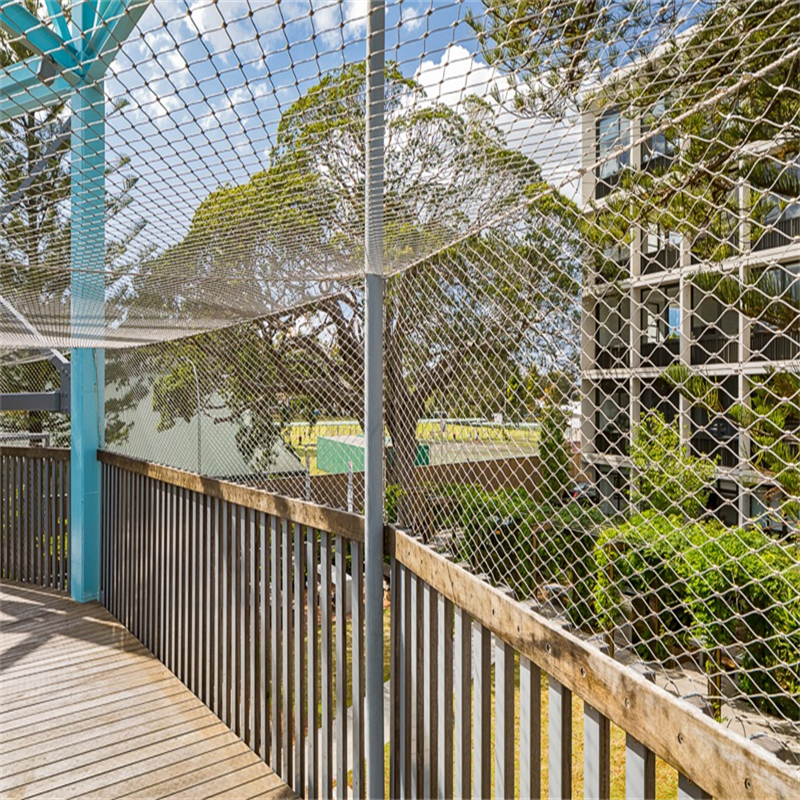

8. Installation and Maintenance
Installation normally includes:
- Measuring and marking the frame or structure and confirming panel sizes and mesh orientation.
- Installing posts, frames or edge cables and ensuring adequate structural support.
- Fixing stainless steel cables or mesh panels using clamps, lacing, shackles and ferrules according to the design.
- Tensioning the mesh using turnbuckles or other tensioning devices to reach the specified pretension so that the diamonds are even and the mesh feels firm but still elastic.
- Final inspection of connections, edge details and deflections.
Maintenance is straightforward:
- Periodic visual inspections to check that cables, ferrules and fixings are intact and properly tensioned.
- Occasional washing with water or mild detergent to remove dust, dirt and salt deposits, especially in coastal areas.
- No repainting or special surface treatment is required during normal service life.
9. Summary
Stainless steel wire mesh netting, also known as cable rope mesh or stainless steel zoo mesh, is a modern, durable and highly flexible solution for animal enclosures, stair and balcony infill, building facades, green walls and safety fences. Made from high-grade stainless steel wire rope in knotted, ferruled or square mesh styles, it delivers excellent strength, corrosion resistance and transparency while remaining lightweight and visually elegant. Its long service life, low maintenance and wide range of standard specifications make it a preferred choice for architects, zoo designers, engineers and owners who want a safe, high-performance and aesthetically pleasing enclosure system.