Your One-Stop Wire Mesh Fence Supplier | POLYMETAL
1. Mesh Types for Bird Housing
1.1 Stainless Steel Welded Wire Mesh (for bird cages & rigid fronts)
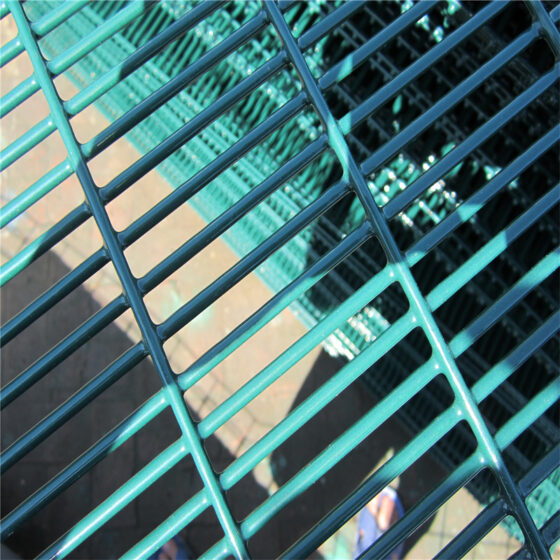
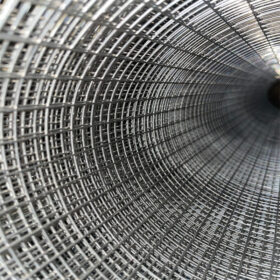
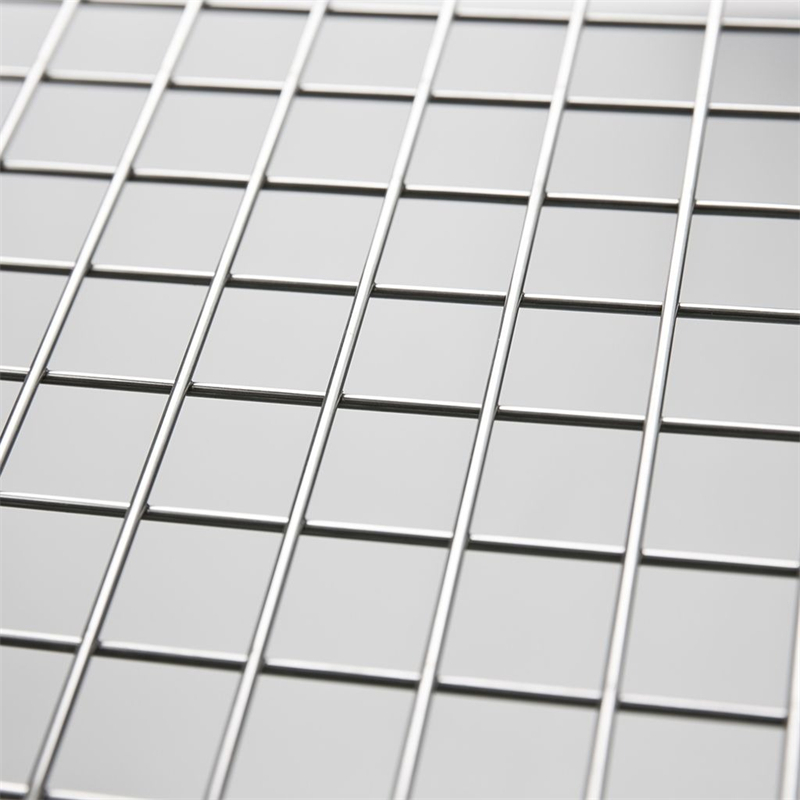
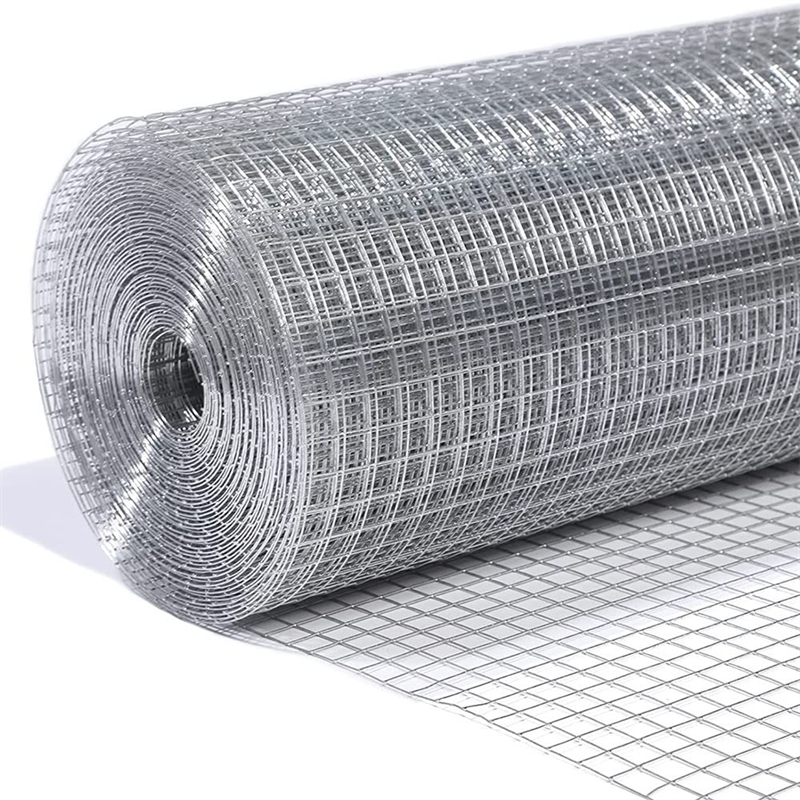
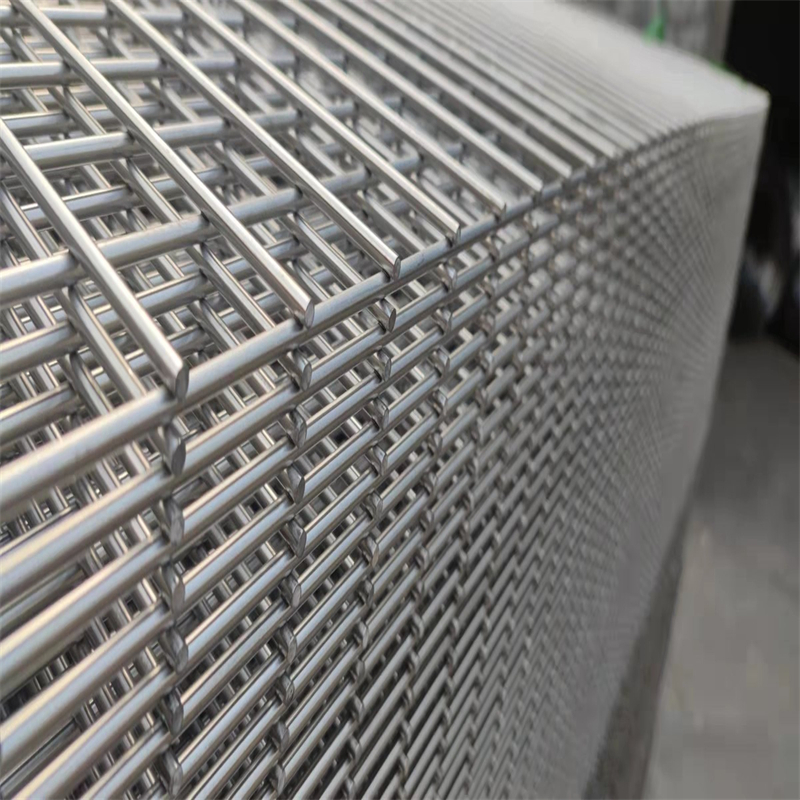
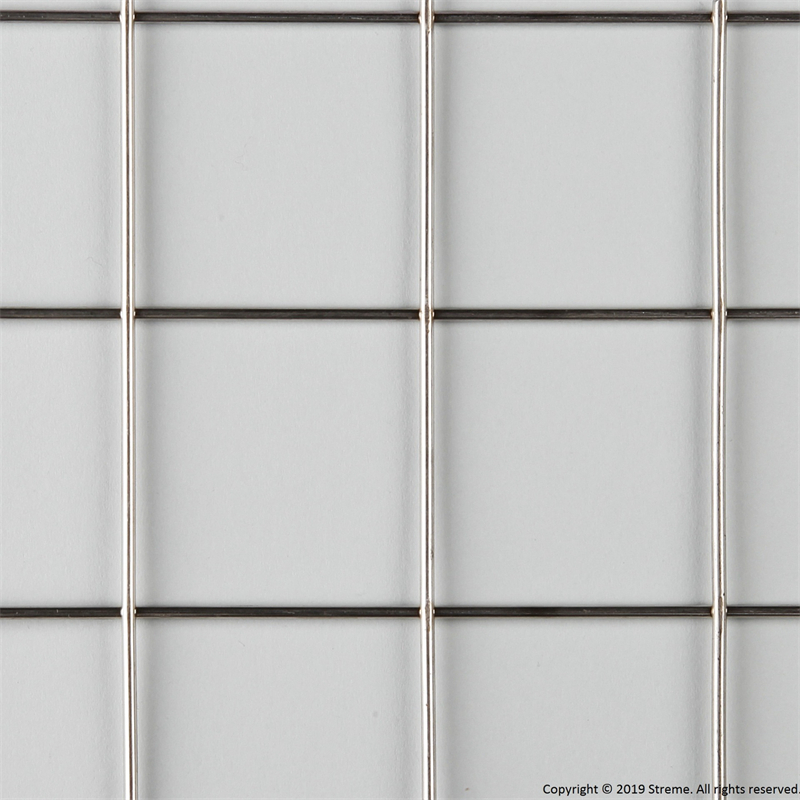
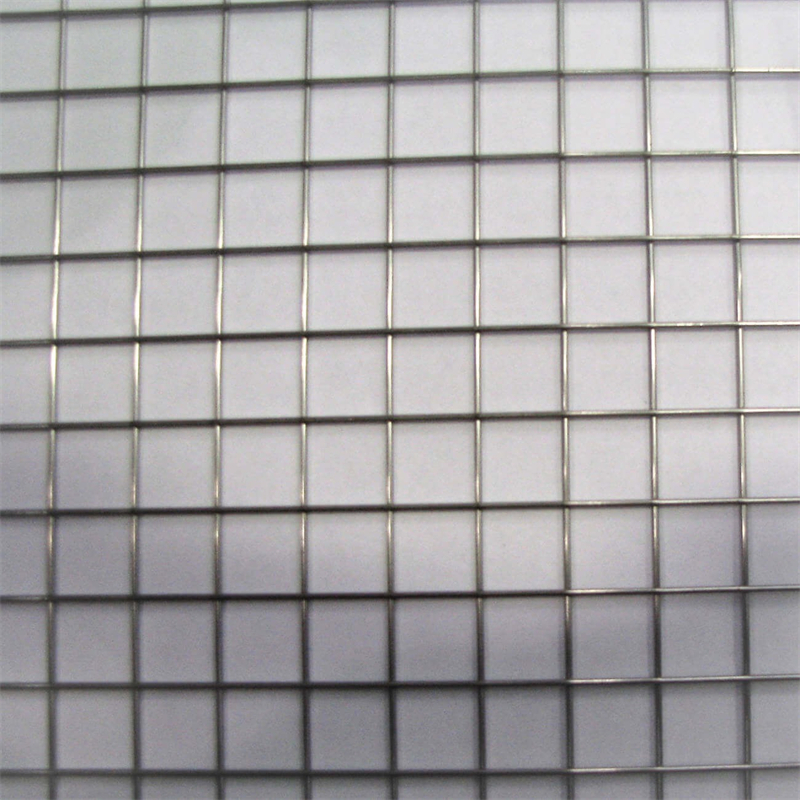
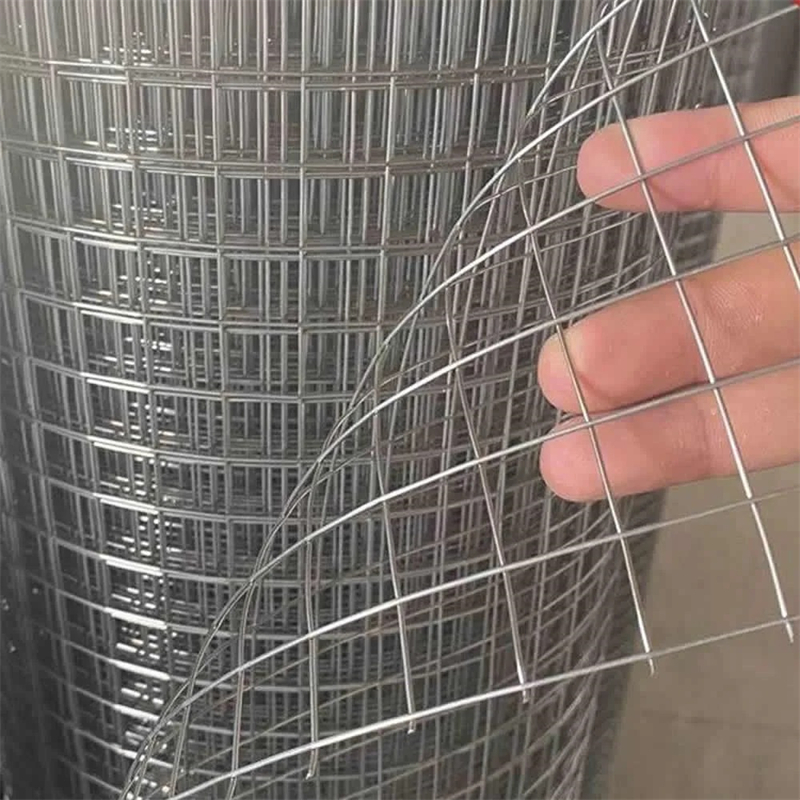
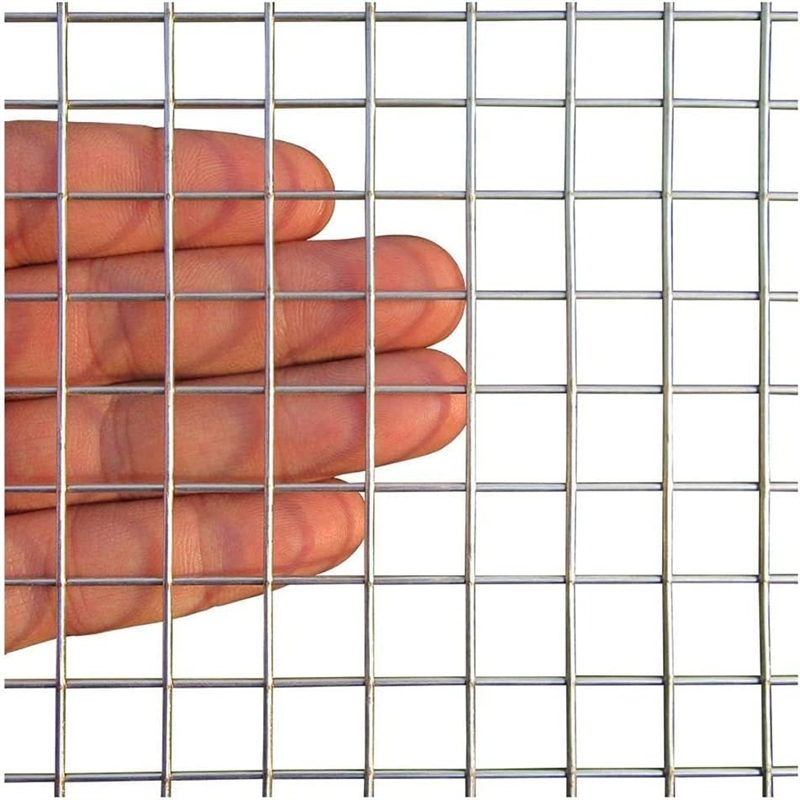
Stainless Steel Welded Wire Mesh is made by resistance-welding stainless steel wires together at each crossing point:
- Produces a flat, rigid panel that holds shape under chewing and climbing.
- Offers precise rectangular or square apertures for small to large birds.
- Ideal for cage fronts, sides, doors, dividers and rack systems.
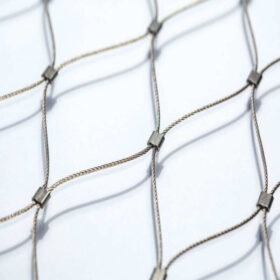
1.2 Stainless Steel Rope Mesh (for aviaries & flexible enclosures)
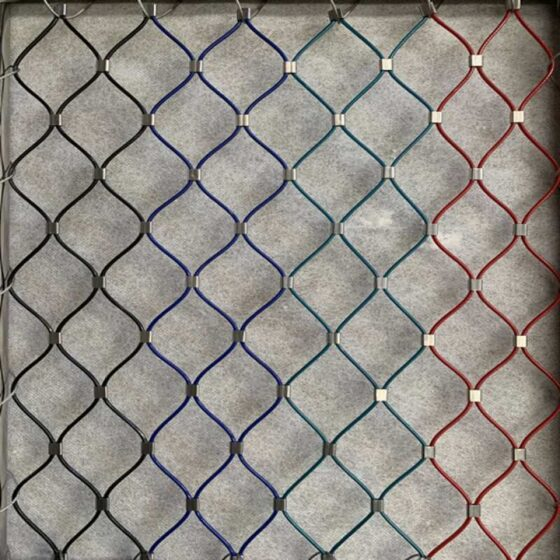
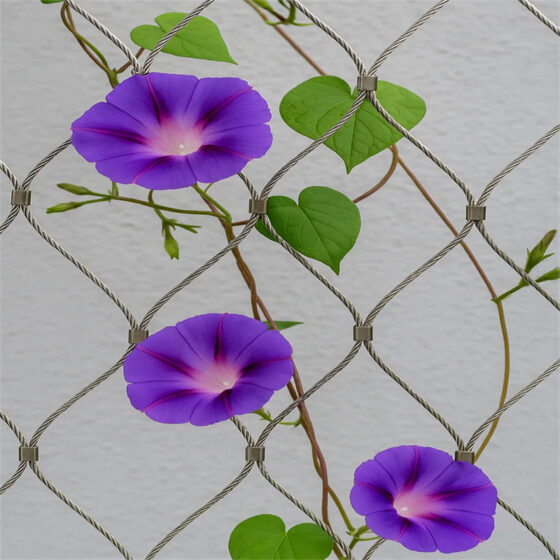
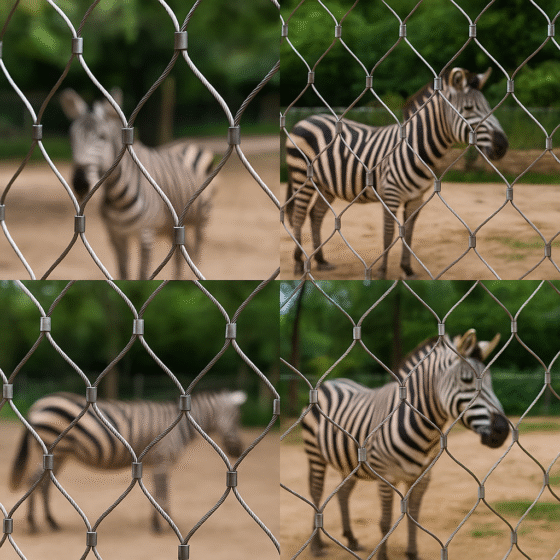
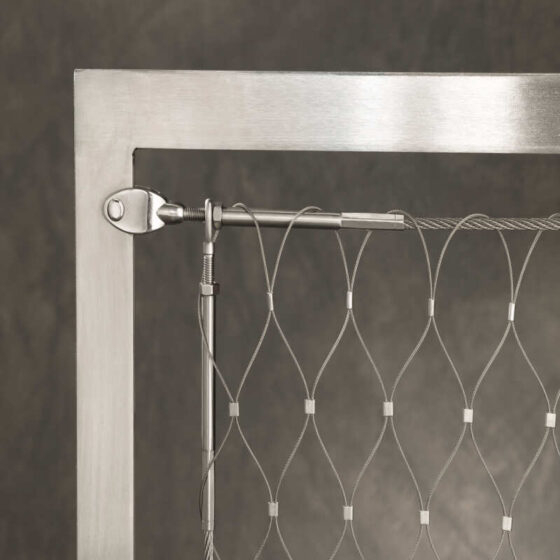
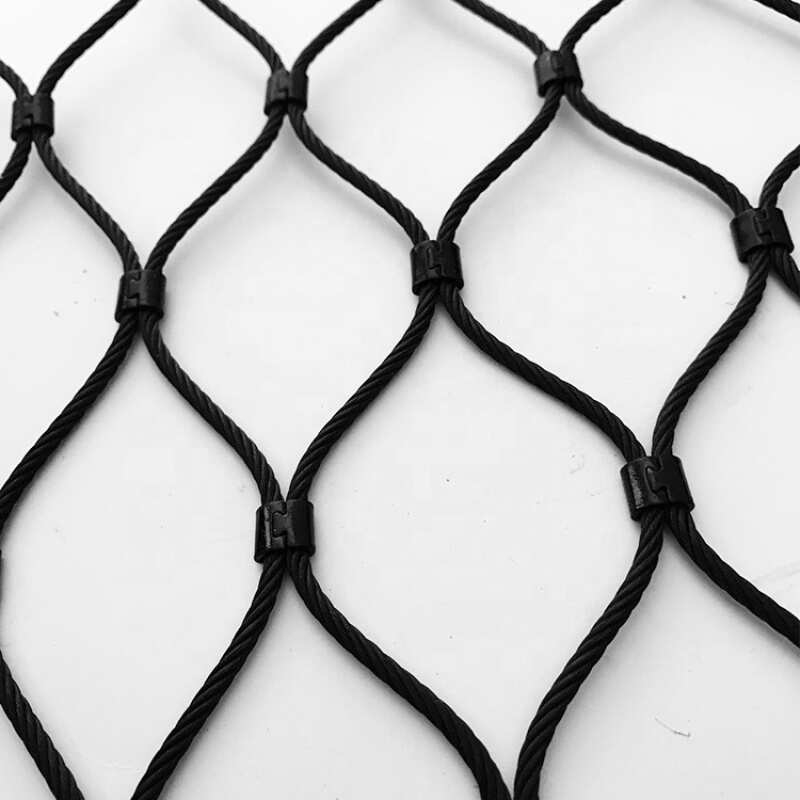
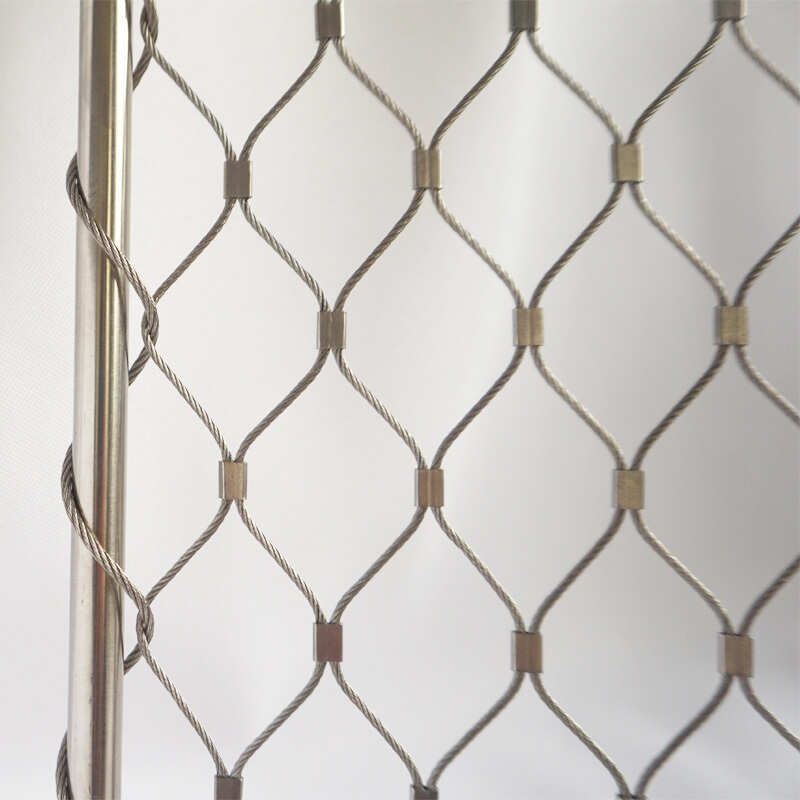
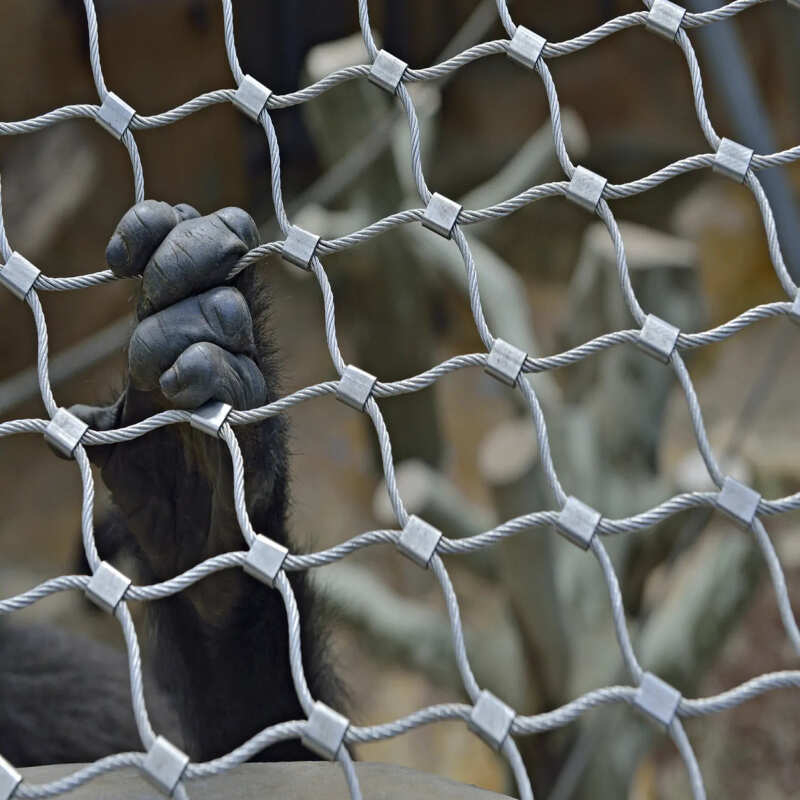
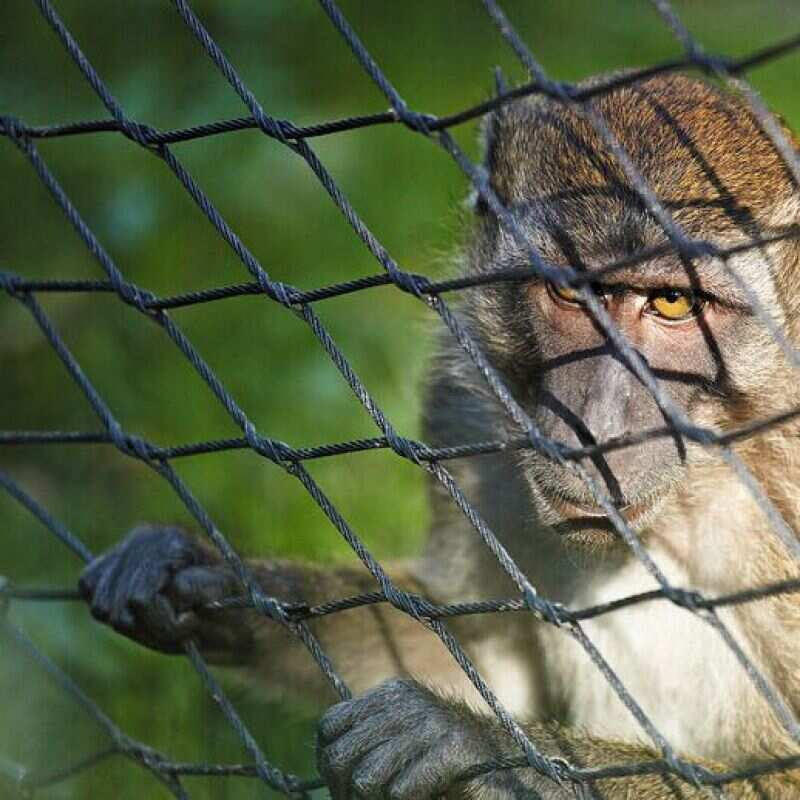
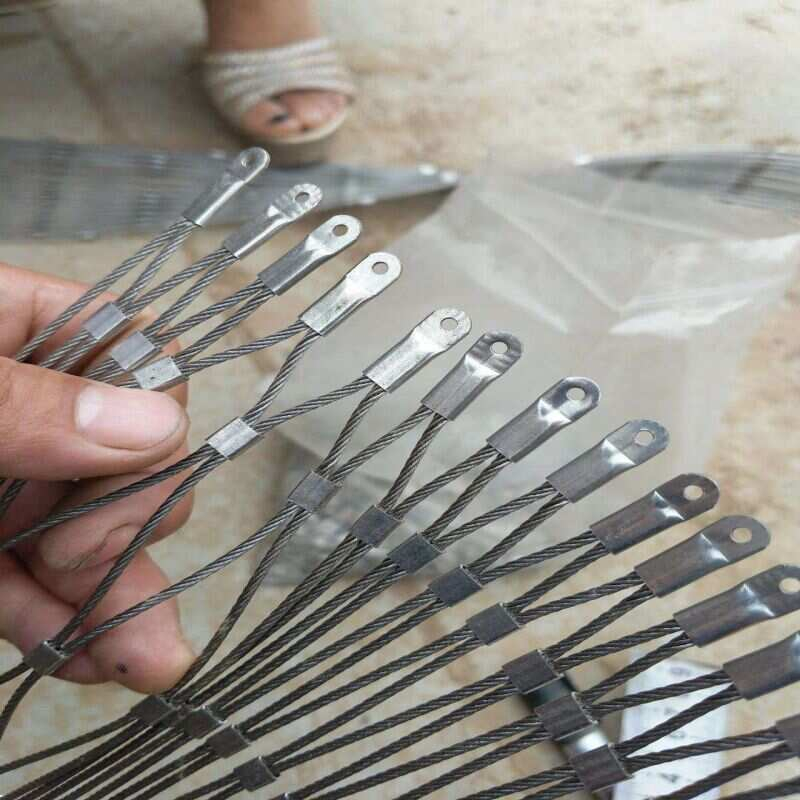
Stainless Steel Rope Mesh is a flexible cable net woven or ferrule-pressed from multi-strand stainless steel wire ropes:
- Cables usually in 7×7 or 7×19 construction for flexibility and strength.
- Forms diamond-shaped openings that can follow curves and large spans.
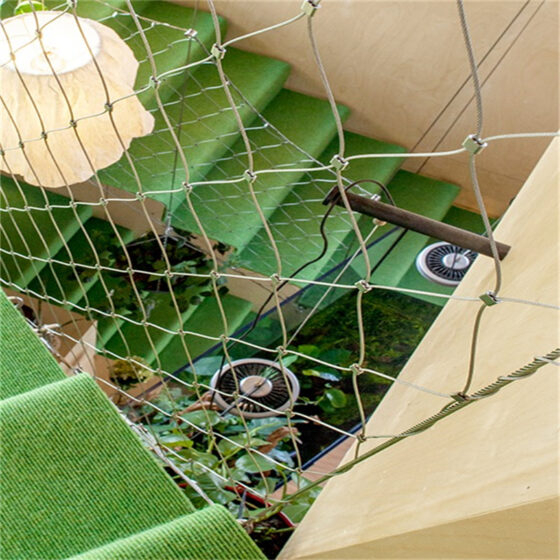
- Ideal for walk-in aviaries, zoo domes, roof nets and free-flight areas.
In many professional projects, welded wire mesh is used for internal cages and service areas, while rope mesh is used for outer aviary shells and high roofs – creating a complete stainless steel bird housing system.
1.3 Mistake #1 – Treating “any metal mesh” as Stainless Steel Bird Cage Mesh
One of the fastest ways to build hidden risk into a project is to assume that any metal mesh (galvanized, painted, mild steel or low-grade stainless) is “close enough” to real Stainless Steel Welded Bird Cage Mesh or Stainless Steel Rope Mesh. In practice, coatings chip, rust bleeds, welds crack and birds chew through softer metals. Always specify genuine stainless grades, the correct mesh type and verified material certificates instead of buying generic “metal mesh” purely on price.
2. Why Use Stainless Steel for Bird Mesh?
2.1 Health & hygiene
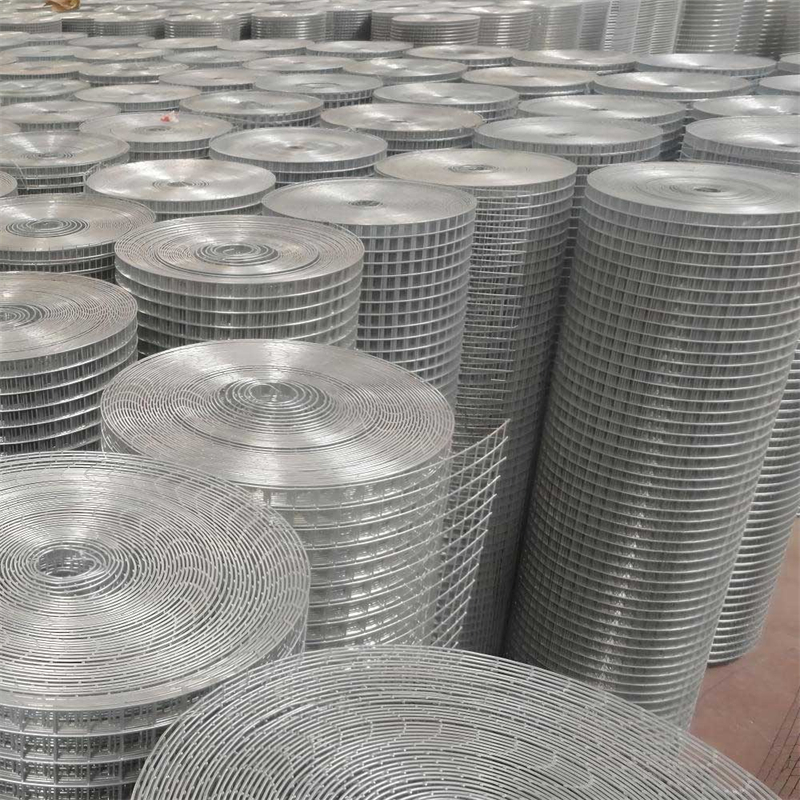
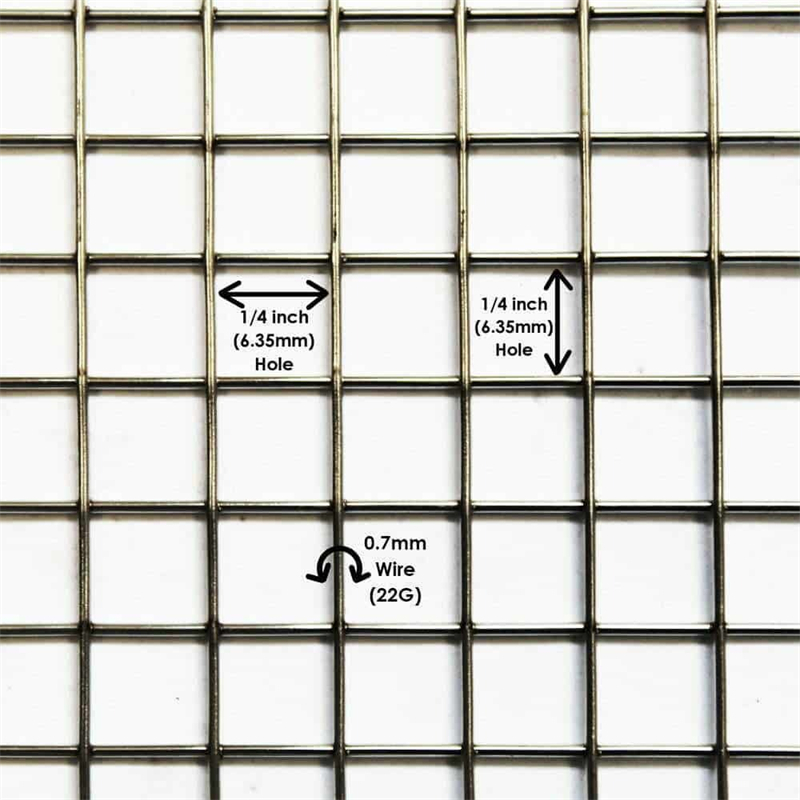
- No zinc or paint to chew: stainless steel has no coating that parrots can ingest.
- Easy disinfection: both welded mesh and rope mesh tolerate hot water and neutral detergents.
- Smooth surfaces: reduce beak, foot and feather damage.
2.2 Strength & escape prevention
- Welded mesh: rigid bars resist chewing and bending in cage fronts.
- Rope mesh: multi-strand cables and continuous panels resist impact and climbing in large aviaries.
- Correct aperture & diameter: stop birds squeezing through or deforming the mesh.
2.3 Durability & appearance
- AISI 304 / 316 grades resist droppings, humidity and most cleaning chemicals.
- No repainting: stainless stays bright for years with simple washing.
- Premium look: clean metallic finish suits both private collections and public exhibits.
2.4 Mistake #2 – Ignoring stainless grade (304 vs 316) in harsh environments
On drawings, 304 and 316 look almost identical – but in coastal, chlorinated or heavily cleaned bird rooms, the wrong choice quietly destroys your finish. Using 304 where 316 is required leads to pitting around welds and ferrules, brown tea-staining and early replacement. For outdoor or coastal projects, especially with Stainless Steel Rope Mesh roofs that are difficult to access, specifying 316 from the beginning is far cheaper than dismantling and replacing corroded panels later.
3. Stainless Steel Welded Wire Mesh Specifications (Bird Cage Mesh)
All tables in this section are Mesh Type: Stainless Steel Welded Wire Mesh, designed specifically for bird cages and rigid panels.
3.1 Table 1 – Welded Mesh for Finches & Canaries (Light Duty)
| Model | Mesh Type | Mesh Aperture (mm) | Wire Ø (mm) | Grade | Typical Use |
|---|---|---|---|---|---|
| SBC-WF01 | Stainless Steel Welded Wire Mesh | 10 × 10 | 1.0 | 304 | Very small finches, micro display cages |
| SBC-WF02 | Stainless Steel Welded Wire Mesh | 10 × 12 | 1.0 | 304 | Finch breeder cages, rack systems |
| SBC-WF03 | Stainless Steel Welded Wire Mesh | 12 × 12 | 1.0 | 304 | Canaries, small songbird cages |
| SBC-WF04 | Stainless Steel Welded Wire Mesh | 12 × 18 | 1.0 | 304 | Show cages, exhibition fronts |
| SBC-WF05 | Stainless Steel Welded Wire Mesh | 12 × 25 | 1.0 | 304 | Light-duty cage fronts, indoor only |
| SBC-WF06 | Stainless Steel Welded Wire Mesh | 10 × 10 | 1.2 | 304 | Upgraded finch cages, extra rigidity |
| SBC-WF07 | Stainless Steel Welded Wire Mesh | 12 × 12 | 1.2 | 304 | Large indoor cage banks |
| SBC-WF08 | Stainless Steel Welded Wire Mesh | 12 × 18 | 1.2 | 316 | High-humidity rooms or near kitchens |
| SBC-WF09 | Stainless Steel Welded Wire Mesh | 12 × 25 | 1.2 | 316 | Finch / canary cages in coastal areas |
| SBC-WF10 | Stainless Steel Welded Wire Mesh | 10 × 15 | 1.0 | 304 | Decorative cage fronts, shop displays |
| SBC-WF11 | Stainless Steel Welded Wire Mesh | 15 × 15 | 1.2 | 304 | Mixed tiny birds, breeder rooms |
| SBC-WF12 | Stainless Steel Welded Wire Mesh | 15 × 20 | 1.2 | 316 | Semi-outdoor verandas, mild climates |
| SBC-WF13 | Stainless Steel Welded Wire Mesh | 18 × 18 | 1.2 | 304 | Softbill finches, compact aviaries |
| SBC-WF14 | Stainless Steel Welded Wire Mesh | 18 × 22 | 1.2 | 316 | Finch flights, easy cleaning |
| SBC-WF15 | Stainless Steel Welded Wire Mesh | 20 × 20 | 1.2 | 316 | Small birds in coastal / humid zones |
3.2 Mistake #3 – Choosing mesh aperture by eye instead of by species
After you look at light-duty meshes for finches and canaries, it is tempting to “scale up” visually for bigger birds. But for both Stainless Steel Welded Wire Mesh and Stainless Steel Rope Mesh, choosing aperture only by “what looks nice” creates a silent escape and injury risk. The smallest birds explore gaps with heads, wings and feet, leading to stuck birds, stress and emergency retrofits with extra layers. Always match aperture to the smallest species in the enclosure, using the tables as a technical guide instead of guessing.
3.3 Table 2 – Welded Mesh for Budgies, Lovebirds & Small Conures
| Model | Mesh Type | Mesh Aperture (mm) | Wire Ø (mm) | Grade | Typical Use |
|---|---|---|---|---|---|
| SBC-WS01 | Stainless Steel Welded Wire Mesh | 12 × 25 | 1.5 | 304 | Budgie cages, shop display cages |
| SBC-WS02 | Stainless Steel Welded Wire Mesh | 16 × 16 | 1.5 | 304 | Lovebirds, parrotlets, small flocks |
| SBC-WS03 | Stainless Steel Welded Wire Mesh | 16 × 20 | 1.5 | 304 | Compact indoor flights, mixed small parrots |
| SBC-WS04 | Stainless Steel Welded Wire Mesh | 16 × 25 | 1.6 | 304 | Breeder racks, small flight cages |
| SBC-WS05 | Stainless Steel Welded Wire Mesh | 16 × 25 | 1.6 | 316 | Outdoor small parrot cages |
| SBC-WS06 | Stainless Steel Welded Wire Mesh | 19 × 19 | 1.6 | 304 | Songbirds & small doves, courtyard cages |
| SBC-WS07 | Stainless Steel Welded Wire Mesh | 19 × 25 | 1.6 | 316 | Semi-outdoor corridors, patios |
| SBC-WS08 | Stainless Steel Welded Wire Mesh | 19 × 25 | 1.8 | 304 | Heavier chewers in small species |
| SBC-WS09 | Stainless Steel Welded Wire Mesh | 16 × 20 | 1.8 | 316 | High-traffic pet shop cages |
| SBC-WS10 | Stainless Steel Welded Wire Mesh | 16 × 25 | 2.0 | 304 | Small conures, indoor flights |
| SBC-WS11 | Stainless Steel Welded Wire Mesh | 19 × 19 | 2.0 | 304 | Mixed budgies & lovebirds |
| SBC-WS12 | Stainless Steel Welded Wire Mesh | 19 × 25 | 2.0 | 316 | Small parrots in coastal environments |
| SBC-WS13 | Stainless Steel Welded Wire Mesh | 20 × 20 | 1.6 | 304 | Light outdoor aviaries, mild climates |
| SBC-WS14 | Stainless Steel Welded Wire Mesh | 20 × 25 | 1.8 | 316 | Decorative fronts, custom cage walls |
| SBC-WS15 | Stainless Steel Welded Wire Mesh | 22 × 25 | 2.0 | 316 | Multi-tier breeder systems, small parrots |
3.4 Table 3 – Welded Mesh for Cockatiels, African Greys & Amazons
| Model | Mesh Type | Mesh Aperture (mm) | Wire Ø (mm) | Grade | Typical Use |
|---|---|---|---|---|---|
| SBC-WM01 | Stainless Steel Welded Wire Mesh | 16 × 25 | 2.0 | 304 | Cockatiel flight cages |
| SBC-WM02 | Stainless Steel Welded Wire Mesh | 19 × 19 | 2.0 | 304 | African grey & Amazon cage fronts |
| SBC-WM03 | Stainless Steel Welded Wire Mesh | 19 × 25 | 2.5 | 304 | Indoor grey/Amazon cages |
| SBC-WM04 | Stainless Steel Welded Wire Mesh | 19 × 25 | 2.5 | 316 | High-humidity or semi-outdoor use |
| SBC-WM05 | Stainless Steel Welded Wire Mesh | 25 × 25 | 2.5 | 304 | Large medium-parrot enclosures |
| SBC-WM06 | Stainless Steel Welded Wire Mesh | 25 × 25 | 3.0 | 316 | Heavier chewers in this size range |
| SBC-WM07 | Stainless Steel Welded Wire Mesh | 25 × 38 | 2.5 | 304 | Cockatoo and grey day cages indoors |
| SBC-WM08 | Stainless Steel Welded Wire Mesh | 25 × 38 | 3.0 | 316 | Outdoor medium-parrot runs |
| SBC-WM09 | Stainless Steel Welded Wire Mesh | 20 × 20 | 2.5 | 304 | Strong climbers needing closer spacing |
| SBC-WM10 | Stainless Steel Welded Wire Mesh | 20 × 25 | 2.5 | 316 | Mixed greys/Amazons in coastal zones |
| SBC-WM11 | Stainless Steel Welded Wire Mesh | 25 × 25 | 3.0 | 304 | Heavier duty indoor bird rooms |
| SBC-WM12 | Stainless Steel Welded Wire Mesh | 25 × 38 | 3.0 | 316 | Outdoor aviaries for medium parrots |
| SBC-WM13 | Stainless Steel Welded Wire Mesh | 30 × 30 | 3.0 | 316 | Large shared flights, mixed species |
| SBC-WM14 | Stainless Steel Welded Wire Mesh | 30 × 40 | 3.0 | 316 | Garden aviaries, medium parrots |
| SBC-WM15 | Stainless Steel Welded Wire Mesh | 32 × 50 | 3.0 | 316 | Free-flight rooms, supervised birds |
3.5 Mistake #4 – Underestimating chewing power and wire diameter needs
At this stage it is easy to think “2 mm or 2.5 mm is probably enough” for every parrot. In reality, strong chewers like greys, Amazons and cockatoos can bend, fatigue and eventually break under-sized welded wires, especially around doors and stress points. If you don’t move up to the heavy-duty models when needed, you risk destroyed panels, escaped birds and emergency replacement. Always upgrade wire diameter for known chewers instead of trying to save a few dollars per square metre.
3.6 Table 4 – Welded Mesh for Macaws & Large Cockatoos (Heavy Duty)
| Model | Mesh Type | Mesh Aperture (mm) | Wire Ø (mm) | Grade | Typical Use |
|---|---|---|---|---|---|
| SBC-WL01 | Stainless Steel Welded Wire Mesh | 19 × 19 | 3.0 | 316 | Compact heavy-duty macaw cages |
| SBC-WL02 | Stainless Steel Welded Wire Mesh | 19 × 25 | 3.0 | 316 | Large cockatoo & macaw cage fronts |
| SBC-WL03 | Stainless Steel Welded Wire Mesh | 25 × 25 | 3.0 | 316 | Indoor heavy-chewer enclosures |
| SBC-WL04 | Stainless Steel Welded Wire Mesh | 25 × 25 | 4.0 | 316 | Maximum security, destructive macaws |
| SBC-WL05 | Stainless Steel Welded Wire Mesh | 25 × 38 | 4.0 | 316 | Walk-in macaw rooms indoors |
| SBC-WL06 | Stainless Steel Welded Wire Mesh | 25 × 50 | 4.0 | 316 | Large panels, indoor/outdoor combined |
| SBC-WL07 | Stainless Steel Welded Wire Mesh | 25 × 50 | 4.0 | 316L | Outdoor / coastal heavy-duty aviaries |
| SBC-WL08 | Stainless Steel Welded Wire Mesh | 30 × 30 | 4.0 | 316 | Shared macaw & cockatoo flights |
| SBC-WL09 | Stainless Steel Welded Wire Mesh | 30 × 40 | 4.0 | 316 | Showpiece bird rooms, zoo exhibits |
| SBC-WL10 | Stainless Steel Welded Wire Mesh | 30 × 50 | 4.0 | 316 | Heavily used commercial facilities |
| SBC-WL11 | Stainless Steel Welded Wire Mesh | 38 × 38 | 4.0 | 316 | Large cockatoo flights, strong beaks |
| SBC-WL12 | Stainless Steel Welded Wire Mesh | 38 × 50 | 4.0 | 316 | Outdoor macaw aviaries with perches |
| SBC-WL13 | Stainless Steel Welded Wire Mesh | 40 × 50 | 4.0 | 316 | Very large parrot paddocks |
| SBC-WL14 | Stainless Steel Welded Wire Mesh | 40 × 60 | 4.0 | 316 | Free-flight show enclosures, supervised |
| SBC-WL15 | Stainless Steel Welded Wire Mesh | 50 × 50 | 4.0 | 316 | Large combined aviary + safety barrier |
4. Stainless Steel Rope Mesh Specifications (Aviary & Flexible Mesh)
All tables in this section are Mesh Type: Stainless Steel Rope Mesh, designed for flexible aviaries, roofs, domes and large-span bird enclosures.
4.1 Table 5 – Rope Mesh for Small Birds & Fine Aviaries
| Model | Mesh Type | Cable Ø (mm) | Construction | Mesh Aperture (W×H mm) | Grade | Typical Use |
|---|---|---|---|---|---|---|
| SBCR-E01 | Stainless Steel Rope Mesh | 1.2 | 7×7 | 20 × 20 | 304 | Fine indoor finch aviaries |
| SBCR-E02 | Stainless Steel Rope Mesh | 1.2 | 7×7 | 20 × 25 | 304 | Showroom small bird displays |
| SBCR-E03 | Stainless Steel Rope Mesh | 1.2 | 7×7 | 25 × 25 | 304 | Compact indoor free-flight rooms |
| SBCR-E04 | Stainless Steel Rope Mesh | 1.2 | 7×7 | 25 × 30 | 316 | Small birds in humid environments |
| SBCR-E05 | Stainless Steel Rope Mesh | 1.5 | 7×7 | 25 × 35 | 316 | Finch corridors, visitor walk-by exhibits |
| SBCR-E06 | Stainless Steel Rope Mesh | 1.5 | 7×7 | 30 × 30 | 304 | Indoor finch & canary domes |
| SBCR-E07 | Stainless Steel Rope Mesh | 1.5 | 7×7 | 30 × 35 | 316 | Small bird tunnels, narrow spaces |
| SBCR-E08 | Stainless Steel Rope Mesh | 1.5 | 7×19 | 30 × 40 | 316 | Curved fine-mesh roofs, indoor |
| SBCR-E09 | Stainless Steel Rope Mesh | 1.6 | 7×7 | 30 × 45 | 304 | Small bird mixed-species aviaries |
| SBCR-E10 | Stainless Steel Rope Mesh | 1.6 | 7×7 | 35 × 35 | 316 | Garden finch flights, mild climates |
| SBCR-E11 | Stainless Steel Rope Mesh | 1.6 | 7×7 | 35 × 40 | 316 | Small bird façade nets, decoration |
| SBCR-E12 | Stainless Steel Rope Mesh | 1.6 | 7×19 | 35 × 45 | 316 | Fine curved canopies, indoor/outdoor |
| SBCR-E13 | Stainless Steel Rope Mesh | 1.6 | 7×19 | 38 × 38 | 316 | Small songbird walk-through aviaries |
| SBCR-E14 | Stainless Steel Rope Mesh | 1.6 | 7×19 | 38 × 45 | 316 | Hotel lobby bird features, fine mesh |
| SBCR-E15 | Stainless Steel Rope Mesh | 1.6 | 7×19 | 40 × 40 | 316 | Compact small-bird domes, decorative |
4.2 Mistake #5 – Treating rope mesh as “decorative netting” instead of a structural membrane
As you move into fine rope mesh for small birds, it’s easy to see it as a lightweight decoration that “just hangs there”. In reality, large sheets of Stainless Steel Rope Mesh behave like structural membranes: they carry wind loads, snow loads and tension. If boundary cables and frames are not engineered for these forces, posts twist, doors go out of square and gaps open. Fixing this later with extra steel and retrofitted supports is far more expensive than treating the mesh as a structural component in the original design.
4.3 Table 6 – Rope Mesh for Budgies, Lovebirds & Small Parrots
| Model | Mesh Type | Cable Ø (mm) | Construction | Mesh Aperture (W×H mm) | Grade | Typical Use |
|---|---|---|---|---|---|---|
| SBCR-S01 | Stainless Steel Rope Mesh | 1.6 | 7×7 | 40 × 40 | 304 | Budgie & lovebird walk-in aviaries |
| SBCR-S02 | Stainless Steel Rope Mesh | 1.6 | 7×7 | 40 × 50 | 304 | Indoor small-parrot free-flight rooms |
| SBCR-S03 | Stainless Steel Rope Mesh | 1.6 | 7×7 | 45 × 45 | 316 | Garden aviaries in mild climates |
| SBCR-S04 | Stainless Steel Rope Mesh | 1.6 | 7×19 | 45 × 55 | 316 | Curved roofs for small parrots |
| SBCR-S05 | Stainless Steel Rope Mesh | 1.8 | 7×7 | 45 × 60 | 316 | Outdoor small-parrot flights, low snow |
| SBCR-S06 | Stainless Steel Rope Mesh | 1.8 | 7×7 | 50 × 50 | 304 | Mixed finch/small parrot enclosures |
| SBCR-S07 | Stainless Steel Rope Mesh | 1.8 | 7×19 | 50 × 60 | 316 | Walk-through lorikeet aviaries |
| SBCR-S08 | Stainless Steel Rope Mesh | 1.8 | 7×19 | 50 × 70 | 316 | Light roof nets for small parrots |
| SBCR-S09 | Stainless Steel Rope Mesh | 2.0 | 7×7 | 50 × 75 | 316 | Small parakeet islands, outdoor |
| SBCR-S10 | Stainless Steel Rope Mesh | 2.0 | 7×7 | 55 × 80 | 316 | Open-top style small-bird enclosures |
| SBCR-S11 | Stainless Steel Rope Mesh | 2.0 | 7×19 | 55 × 90 | 316 | Small-parrot domes, curved design |
| SBCR-S12 | Stainless Steel Rope Mesh | 2.0 | 7×19 | 60 × 60 | 316 | Indoor/outdoor corridors, visitor routes |
| SBCR-S13 | Stainless Steel Rope Mesh | 2.0 | 7×19 | 60 × 80 | 316 | Small parrot garden aviaries |
| SBCR-S14 | Stainless Steel Rope Mesh | 2.0 | 7×19 | 65 × 90 | 316 | Hotel/restaurant bird features, small parrots |
| SBCR-S15 | Stainless Steel Rope Mesh | 2.0 | 7×19 | 70 × 100 | 316 | Lightweight roofs over small-parrot zones |
4.4 Table 7 – Rope Mesh for Cockatiels, African Greys & Medium Parrots
| Model | Mesh Type | Cable Ø (mm) | Construction | Mesh Aperture (W×H mm) | Grade | Typical Use |
|---|---|---|---|---|---|---|
| SBCR-M01 | Stainless Steel Rope Mesh | 2.0 | 7×7 | 60 × 100 | 316 | Cockatiel and African grey domes |
| SBCR-M02 | Stainless Steel Rope Mesh | 2.0 | 7×7 | 60 × 120 | 316 | Medium parrot walk-through exhibits |
| SBCR-M03 | Stainless Steel Rope Mesh | 2.0 | 7×19 | 70 × 120 | 316 | Cranes, ibis & medium birds in shared aviaries |
| SBCR-M04 | Stainless Steel Rope Mesh | 2.0 | 7×19 | 70 × 140 | 316 | Curved roofs over water features |
| SBCR-M05 | Stainless Steel Rope Mesh | 2.5 | 7×7 | 70 × 140 | 316 | Outdoor medium-parrot aviaries, wind zones |
| SBCR-M06 | Stainless Steel Rope Mesh | 2.5 | 7×7 | 80 × 120 | 316 | Large mixed-bird walk-through aviaries |
| SBCR-M07 | Stainless Steel Rope Mesh | 2.5 | 7×19 | 80 × 140 | 316 | Medium raptors & corvid exhibits |
| SBCR-M08 | Stainless Steel Rope Mesh | 2.5 | 7×19 | 90 × 160 | 316 | Ground birds, pheasants and cranes |
| SBCR-M09 | Stainless Steel Rope Mesh | 2.5 | 7×19 | 100 × 100 | 316 | Roof nets over ponds & flamingo lakes |
| SBCR-M10 | Stainless Steel Rope Mesh | 2.5 | 7×19 | 100 × 140 | 316 | Free-flight medium-parrot aviaries |
| SBCR-M11 | Stainless Steel Rope Mesh | 2.5 | 7×19 | 100 × 175 | 316 | Shared cranes & storks enclosures |
| SBCR-M12 | Stainless Steel Rope Mesh | 3.0 | 7×7 | 100 × 180 | 316 | Medium parrots + small mammals combo |
| SBCR-M13 | Stainless Steel Rope Mesh | 3.0 | 7×7 | 110 × 180 | 316 | Larger mixed aviaries with visitors |
| SBCR-M14 | Stainless Steel Rope Mesh | 3.0 | 7×19 | 110 × 200 | 316 | Medium-parrot domes in coastal zones |
| SBCR-M15 | Stainless Steel Rope Mesh | 3.0 | 7×19 | 120 × 200 | 316 | Large-span roofs for medium parrots |
4.5 Mistake #6 – Poor installation sequence and unfinished edges on rope mesh
By the time you reach medium-size cable diameters, installation quality decides whether the aviary looks premium and safe or messy and dangerous. Random tensioning, uneven diamond geometry, untrimmed cable tails and loose ferrules can all cut birds, catch feathers and create escape points. Stainless Steel Rope Mesh must be installed with a clear sequence (start and finish lines, tension direction, edge detailing) and a final inspection for sharp edges and gaps – otherwise you pay later in injuries, call-backs and rework.
4.6 Table 8 – Rope Mesh for Macaws, Large Cockatoos & Big Birds (Heavy Duty)
| Model | Mesh Type | Cable Ø (mm) | Construction | Mesh Aperture (W×H mm) | Grade | Typical Use |
|---|---|---|---|---|---|---|
| SBCR-L01 | Stainless Steel Rope Mesh | 3.0 | 7×19 | 120 × 200 | 316 | Macaw domes & large cockatoo aviaries |
| SBCR-L02 | Stainless Steel Rope Mesh | 3.0 | 7×19 | 130 × 230 | 316 | High roofs over mixed waterbirds |
| SBCR-L03 | Stainless Steel Rope Mesh | 3.0 | 7×19 | 150 × 260 | 316 | Large-span aviary roofs, strong wind |
| SBCR-L04 | Stainless Steel Rope Mesh | 3.5 | 7×19 | 150 × 260 | 316 | Heavy-duty macaw enclosures, predators |
| SBCR-L05 | Stainless Steel Rope Mesh | 3.5 | 7×19 | 160 × 280 | 316 | Combined bird + small-mammal barriers |
| SBCR-L06 | Stainless Steel Rope Mesh | 3.5 | 7×19 | 180 × 300 | 316 | Long-span structural nets, snow load |
| SBCR-L07 | Stainless Steel Rope Mesh | 4.0 | 7×19 | 180 × 310 | 316 | Very large domes, coastal storms |
| SBCR-L08 | Stainless Steel Rope Mesh | 4.0 | 7×19 | 200 × 345 | 316 | Open-top style roofs over wetlands & lakes |
| SBCR-L09 | Stainless Steel Rope Mesh | 4.0 | 7×19 | 220 × 380 | 316 | Decorative big-span bird screens |
| SBCR-L10 | Stainless Steel Rope Mesh | 4.0 | 7×19 | 250 × 400 | 316 | Hybrid bird + fall-protection nets |
| SBCR-L11 | Stainless Steel Rope Mesh | 4.0 | 7×19 | 280 × 450 | 316 | Showpiece aviary façades, landmarks |
| SBCR-L12 | Stainless Steel Rope Mesh | 4.0 | 7×19 | 300 × 500 | 316 | Extreme large-span domes, zoo icons |
| SBCR-L13 | Stainless Steel Rope Mesh | 3.5 | 7×19 | 200 × 300 | 316 | Raptor domes with high visitor traffic |
| SBCR-L14 | Stainless Steel Rope Mesh | 3.5 | 7×19 | 220 × 320 | 316 | Mixed cranes, storks & pelicans |
| SBCR-L15 | Stainless Steel Rope Mesh | 3.5 | 7×19 | 240 × 360 | 316 | Long funnel entrances & safety tunnels |
5. How to Combine Welded Wire Mesh and Rope Mesh in One Project
- Use Stainless Steel Welded Wire Mesh for:
- Cage fronts, doors, dividers and small indoor systems.
- Areas where birds chew bars intensely at close range.
- Flat panels that must be very rigid and precise.
- Use Stainless Steel Rope Mesh for:
- Large-span roofs, domes and walk-in aviaries.
- Curved shapes, irregular footprints and architectural designs.
- Zones where you want minimal visual obstruction and natural feel.
In many successful facilities, welded mesh is used for service areas and holding cages, while rope mesh forms the outer free-flight envelope. Thinking of both materials together as a single system – not as random separate purchases – makes the entire bird housing safer, easier to maintain and more attractive.
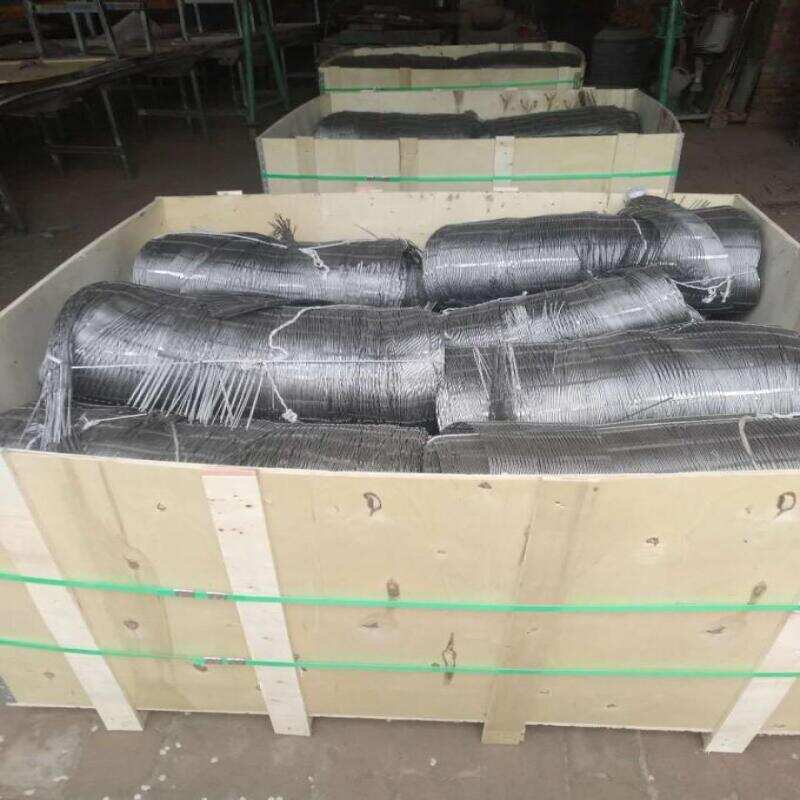
6. What to Tell Your Supplier
To avoid confusion and get accurate pricing, always specify:
- Mesh type: “Stainless Steel Welded Wire Mesh” or “Stainless Steel Rope Mesh”.
- Exact model codes: e.g. SBC-WM03 for cage fronts, SBCR-M05 for the outer aviary roof.
- Bird species & smallest bird size in each enclosure.
- Environment: indoor / outdoor / coastal / high-humidity (to choose 304 vs 316).
- Panel or net dimensions: finished size, edge details and required accessories (clamp bars, fasteners, ferrules).
6.1 Mistake #7 – Sending vague enquiries and being shocked by change-orders
Requests like “2 mm stainless bird mesh, best price” force suppliers to guess span, species, environment and fixing details. The quote may look cheap at first, but once drawings are checked, you face extras for stronger mesh, upgraded stainless grades, additional hardware and rework. Using the detailed model codes and technical data from the tables above turns your enquiry into a precise specification – protecting you from hidden costs and allowing fair, like-for-like comparison between suppliers.
With matched specification tables for both Stainless Steel Welded Wire Mesh and Stainless Steel Rope Mesh, and a clear understanding of the seven devastating mistakes, you can design complete bird housing systems that are safe, durable and visually impressive – from the smallest finch cage to the largest zoo aviary dome – without quietly destroying your project and budget.