Your One-Stop Wire Mesh Fence Supplier | POLYMETAL
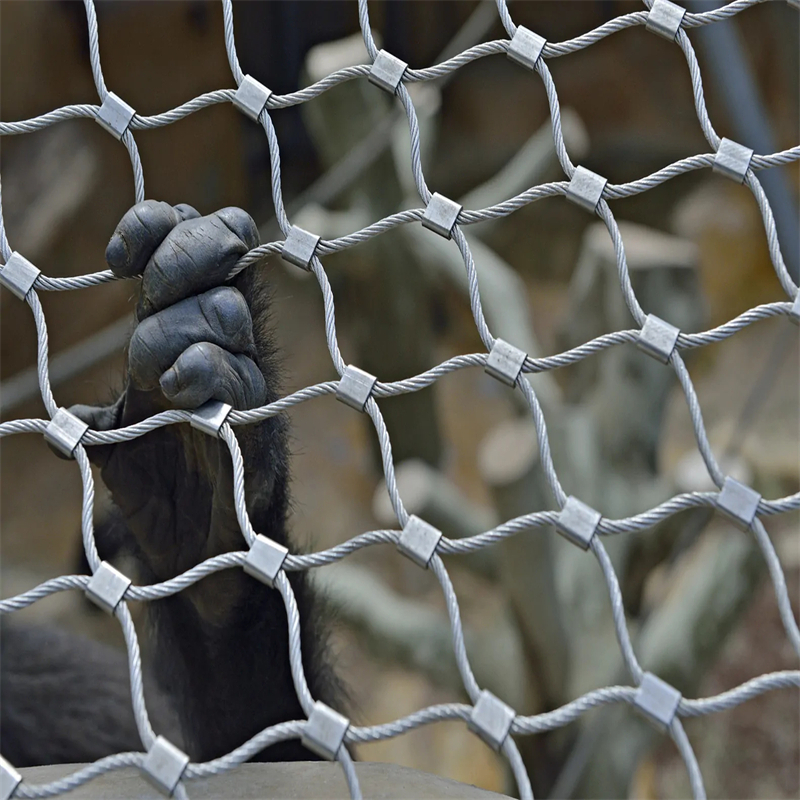
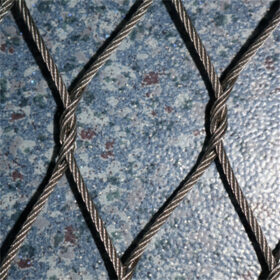
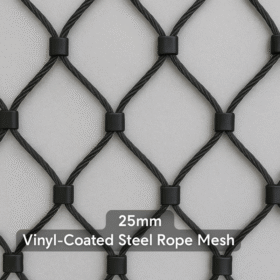
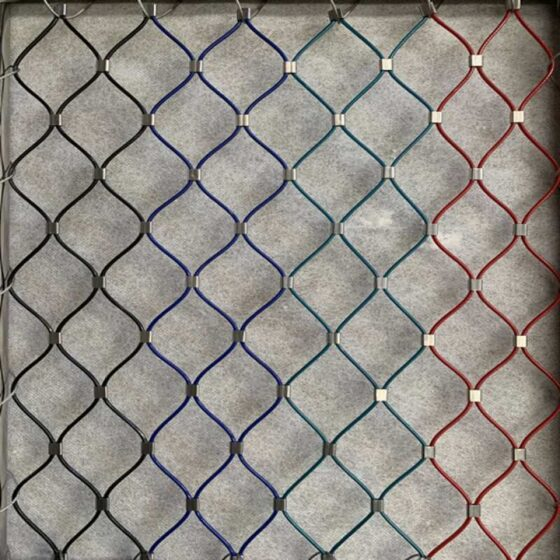
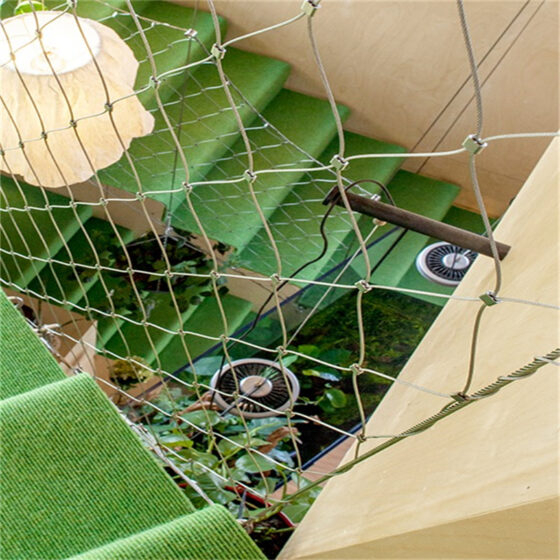
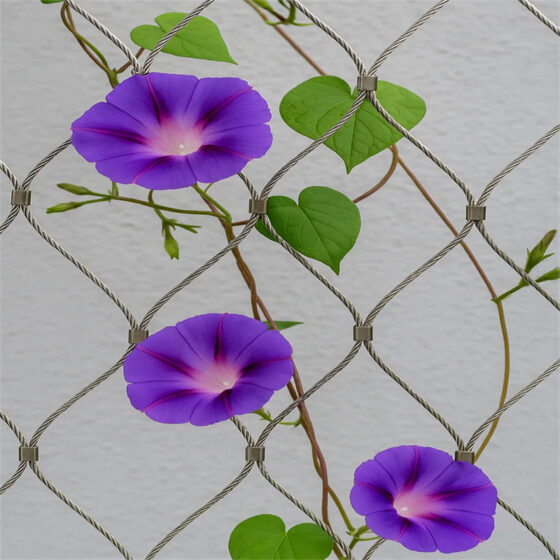
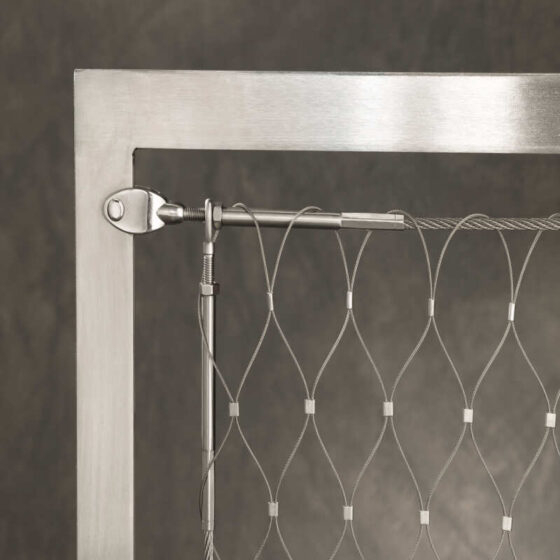
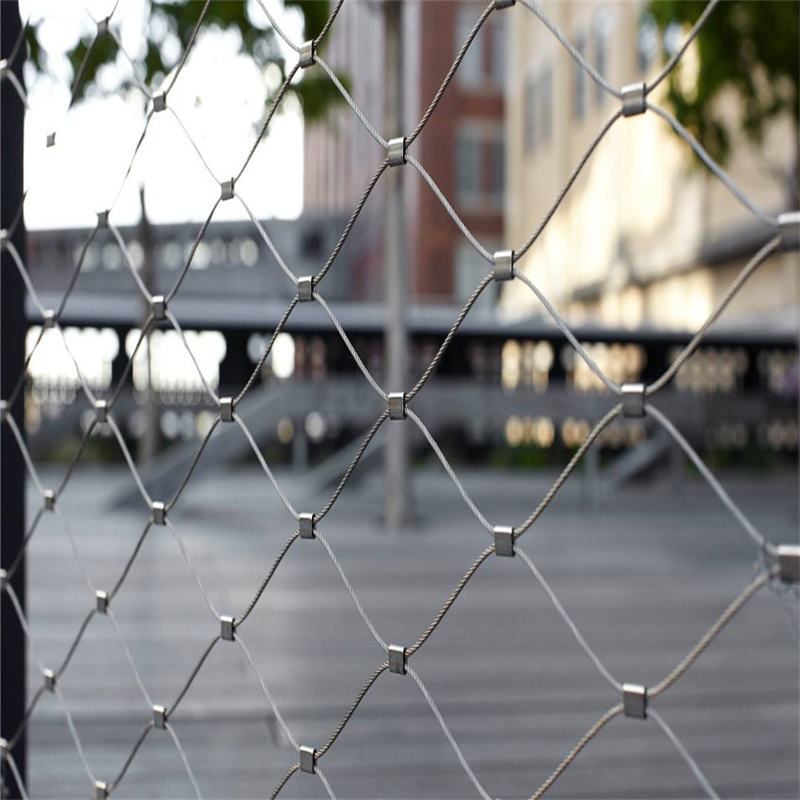
Stainless steel cable net (also called stainless steel rope mesh or inox cable net) is a modern tensile mesh system that replaces rigid bars, welded panels and heavy glass with a light, transparent stainless steel rope net. The mesh is tensioned between frames, posts or edge cables so it acts like a continuous safety net: strong enough to resist falls, impacts, wind and snow, yet open enough to preserve views, daylight and the overall design of façades, balustrades, aviaries and green walls.
Because stainless steel cable net has very low visual density, from most viewing angles the cables almost disappear and the eye sees the architecture, plants or landscape rather than the barrier. That’s why you now find stainless steel cable net in airports, zoos, stadiums, bridges, hotels and high-end residential projects around the world.
Secret 1 – The “almost invisible” look hides how strong (or weak) your system really is
Many people judge stainless steel cable net only by appearance. Properly tensioned, it behaves as a continuous safety membrane that spreads load across many cables and anchors. Poorly specified or loosely tensioned, it can feel soft and unsafe. The real performance comes from cable grade, rope structure, frame stiffness and pretension working together – not just from a nice photo.
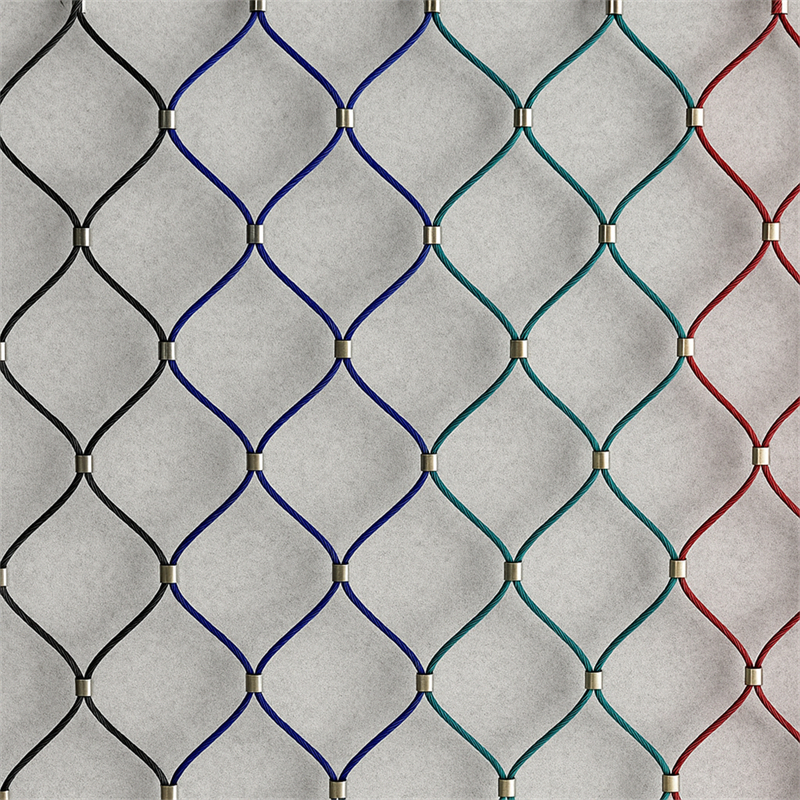
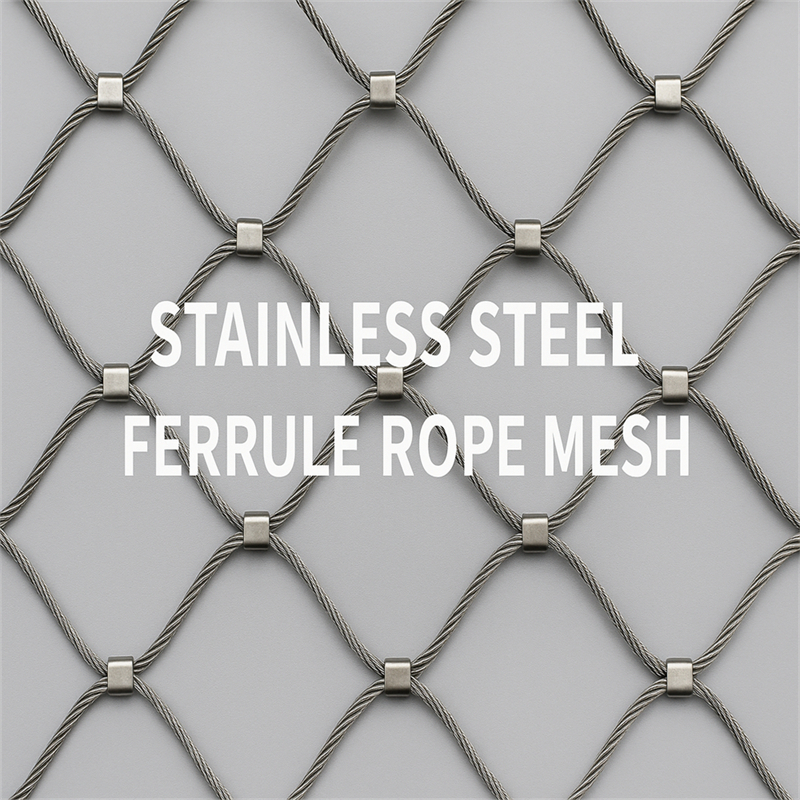
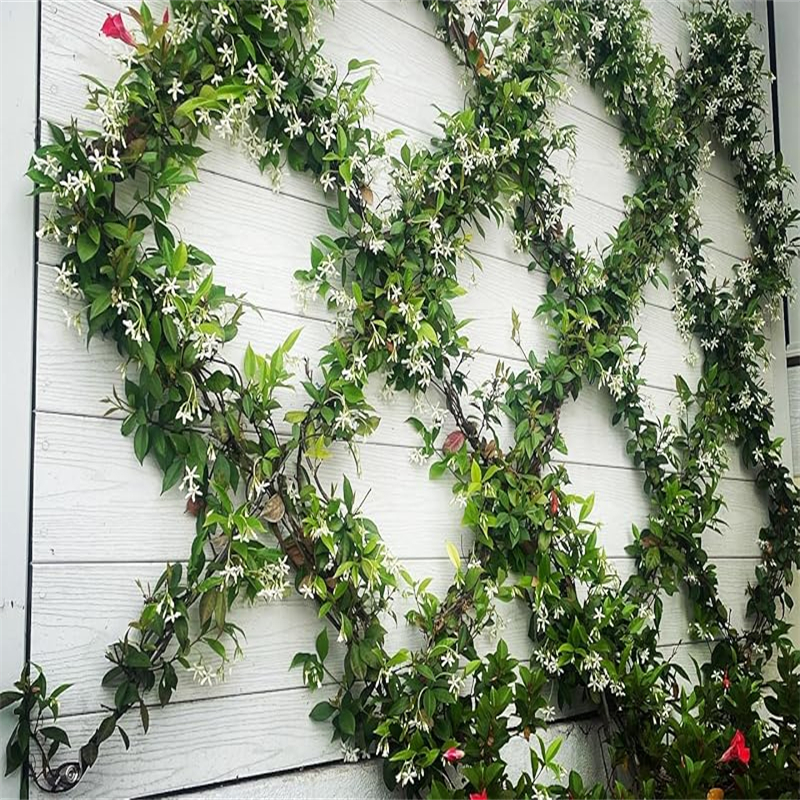
1. What Is Stainless Steel Cable Net?
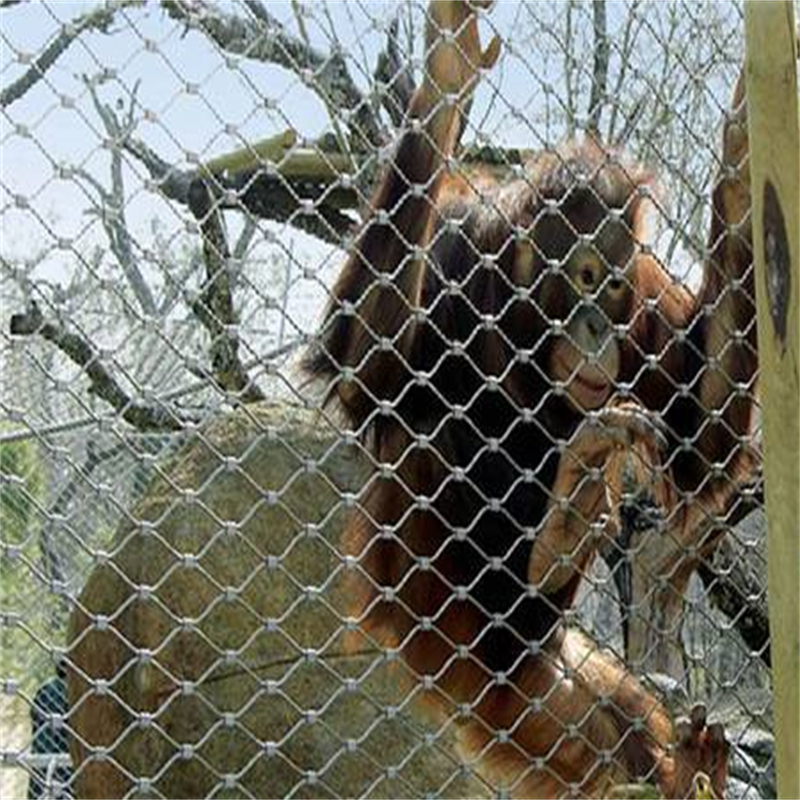
Hand-woven mesh includes stainless steel cable nets, animal enclosure mesh, stainless steel aviary mesh, garden decoration nets, safety nets and other high-end, professional stainless steel zoo meshes. In addition, stainless steel cable net products are widely used in sports, acrobatics, scenic protection, architectural decoration, municipal construction, bridge protection and many other fields.
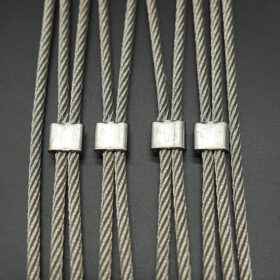
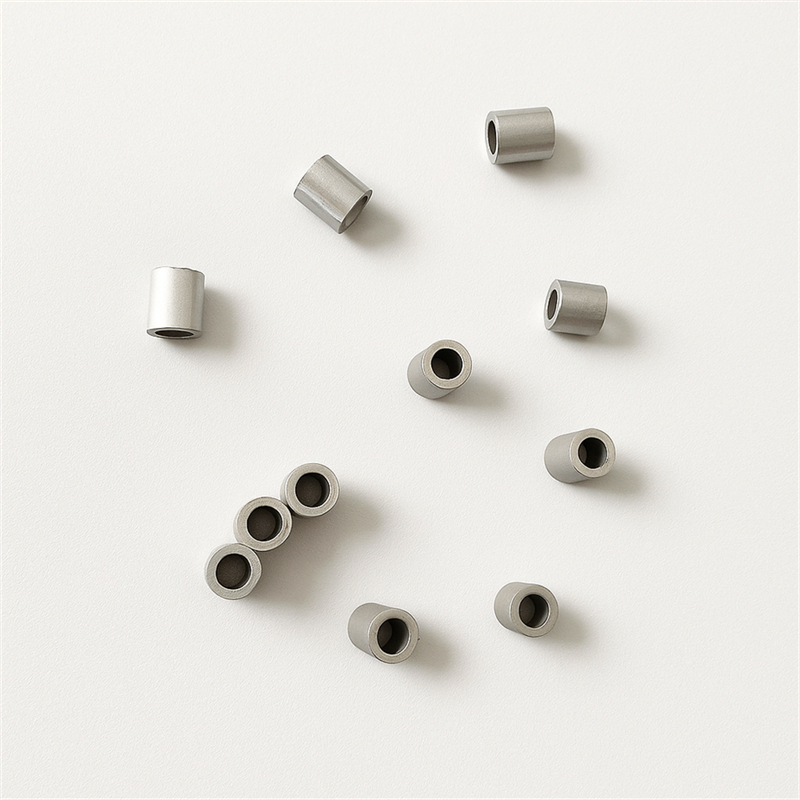
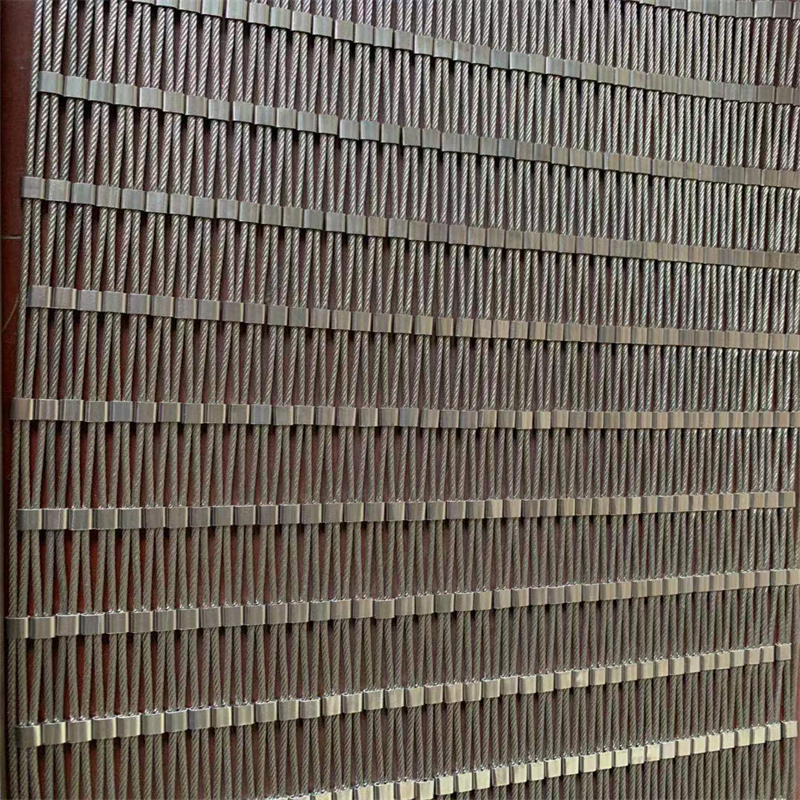
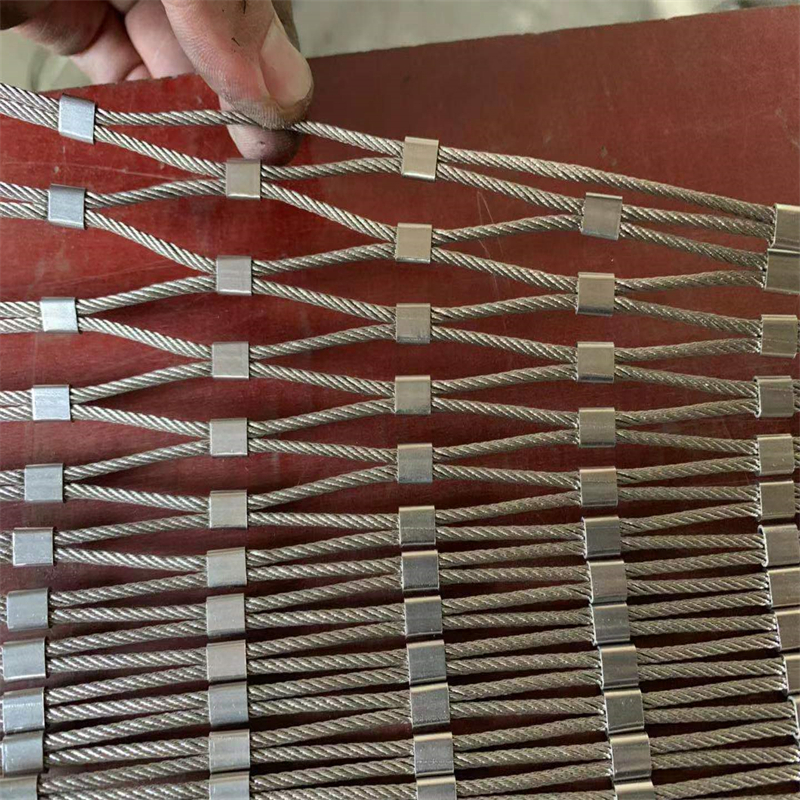
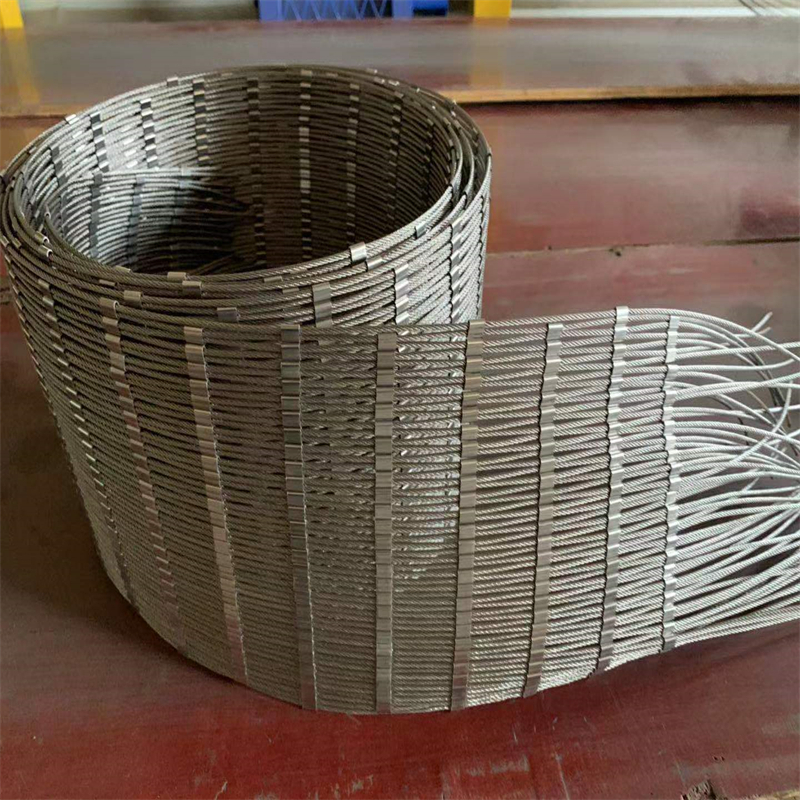
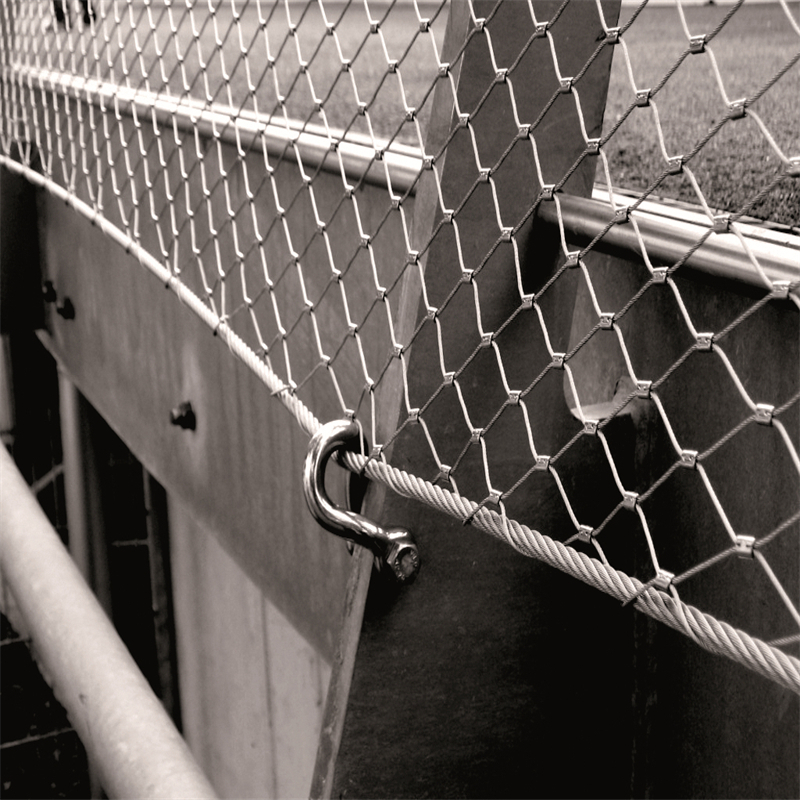
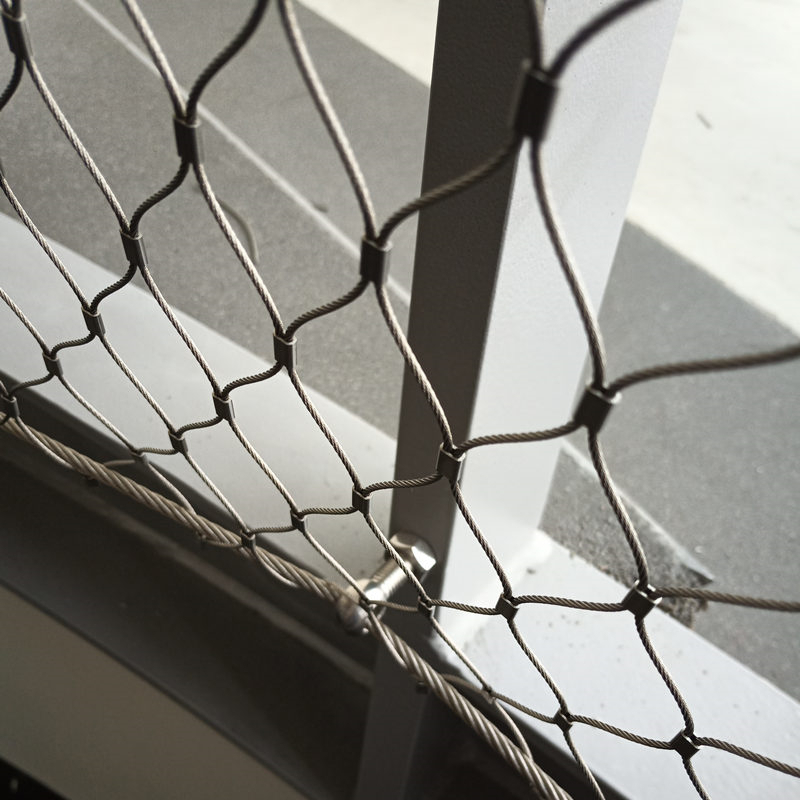
Stainless steel cable net is made from multi-strand stainless steel wire rope in 7×7 or 7×19 constructions. Cables are arranged in diamond-shaped openings; at each intersection the cables are either hand-woven or connected with pressed stainless steel ferrules so the net cannot unravel. Once fixed to a rigid perimeter and tensioned, the mesh works structurally in tension. Under load, forces are carried by tension in many cables and transmitted safely into the frame.
Typical basic ranges:
* Wire rope diameter: approx. 1.2–4.0 mm
* Mesh aperture: from about 20 × 20 mm to 250 × 400 mm and beyond
* Wire rope structure: 7×7 for smaller diameters, 7×19 for higher flexibility and strength
* Material grades: AISI 304 / 304L / 316 / 316L
Secret 2 – Not every “stainless steel cable net” uses the right grade everywhere
Some low-cost suppliers mix materials: for example 316 cable with cheaper 304 ferrules. On drawings it still says “stainless steel cable net”, but on real façades the weaker components corrode first and leave brown stains on glass, stone and concrete. Always confirm that cable, ferrules and main fittings use the correct and matching grade, especially outdoors.
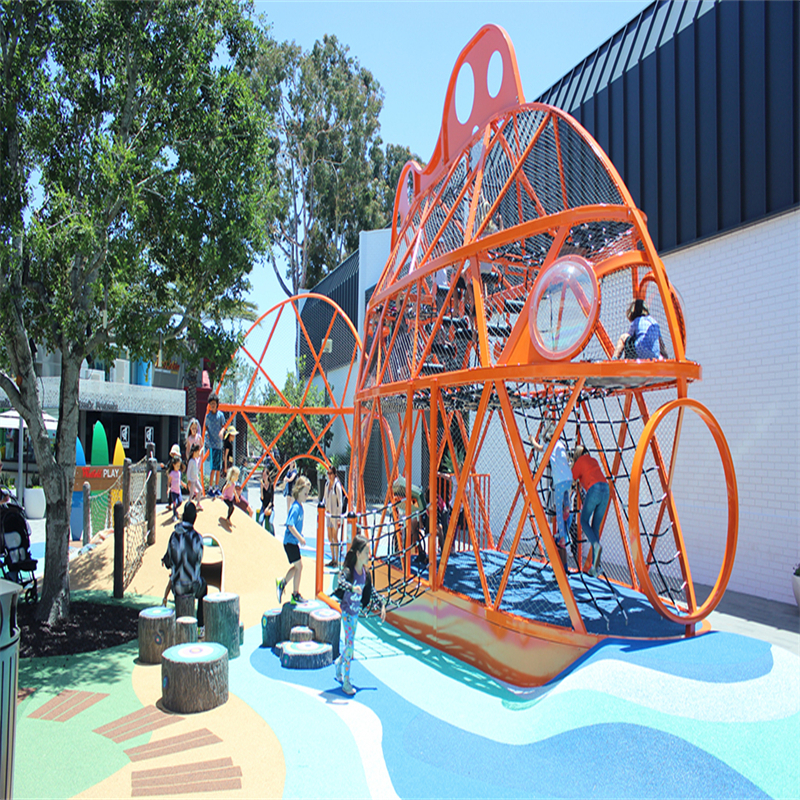
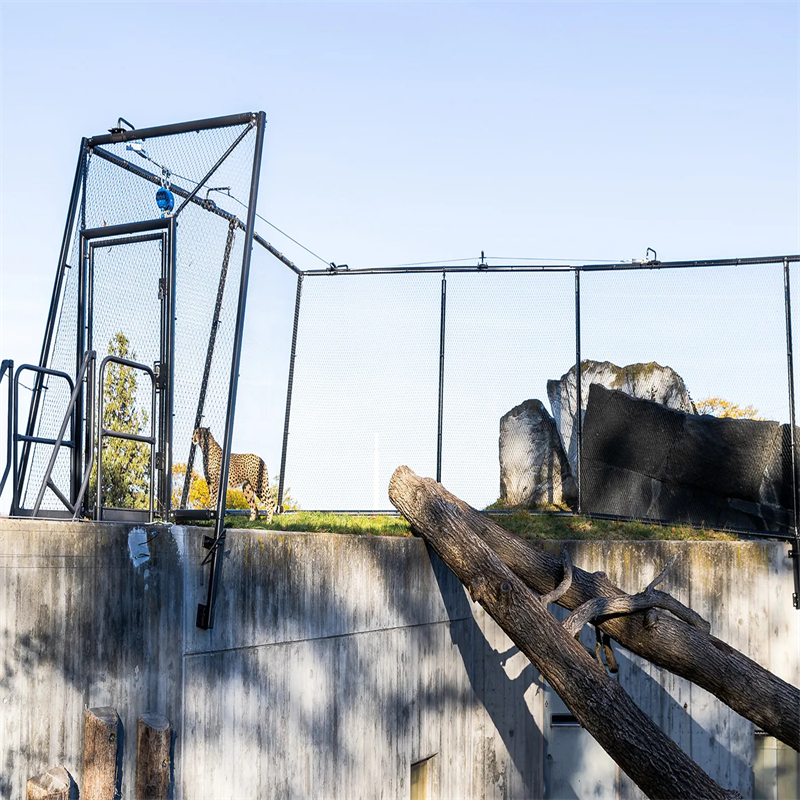
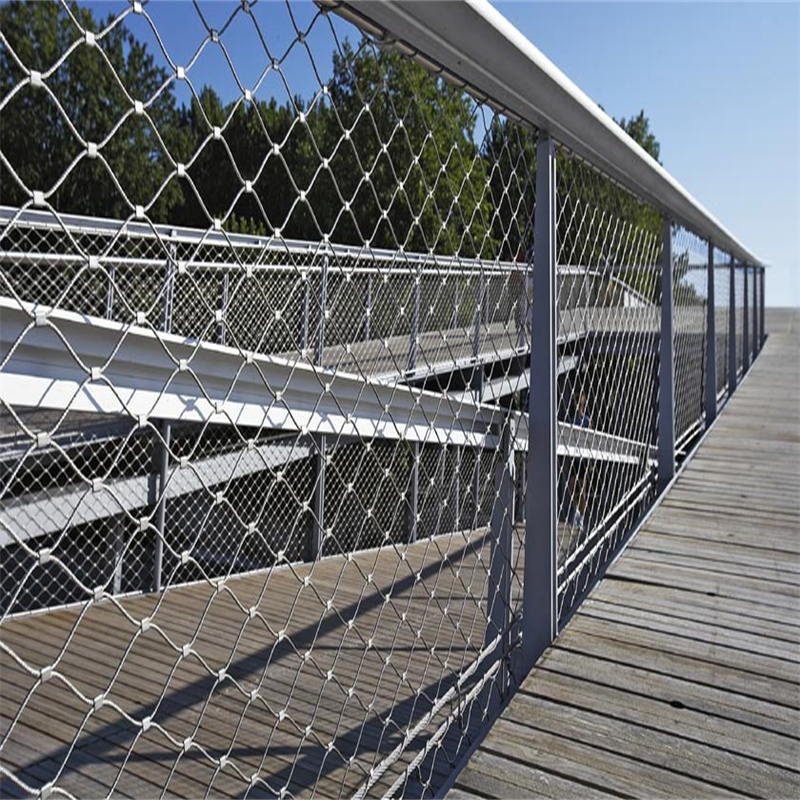
2. Material Grades, Corrosion And Real Exposure
Most stainless steel cable nets are offered in:
* **AISI 304 / 304L** – suitable for dry, clean interior spaces with low chloride and pollution.
* **AISI 316 / 316L** – preferred for exterior, coastal, poolside, zoo and industrial locations where salt, chlorides, cleaning chemicals or pollution are present.
A professional stainless steel cable net supplier will ask:
* Is the site interior, semi-exposed or fully exterior?
* How close is it to the sea, pools, cooling towers or busy roads?
* Which cleaning agents or de-icing salts are expected?
* What lifetime and maintenance interval do you want?
Secret 3 – “Looks like indoor” does not mean it behaves like indoor
Semi-open car parks, seafront atria, airport concourses and pool halls look like indoor spaces, but humidity and airborne chlorides behave like exterior exposure. If stainless steel cable net is specified as AISI 304 only because the space is “inside”, tea staining and pitting can appear years earlier than expected – and arguing over warranty after handover is expensive.
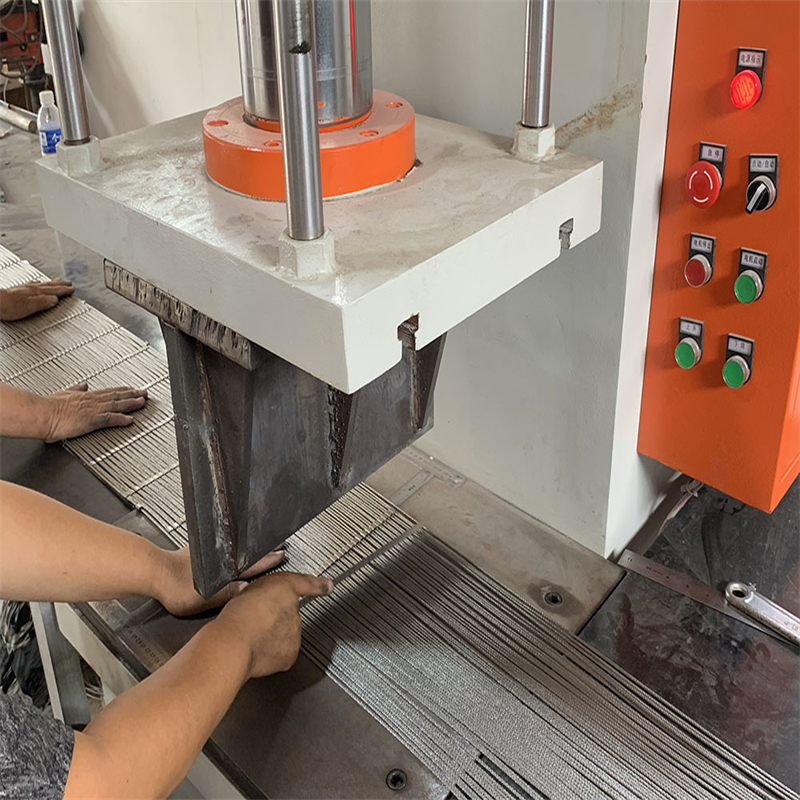
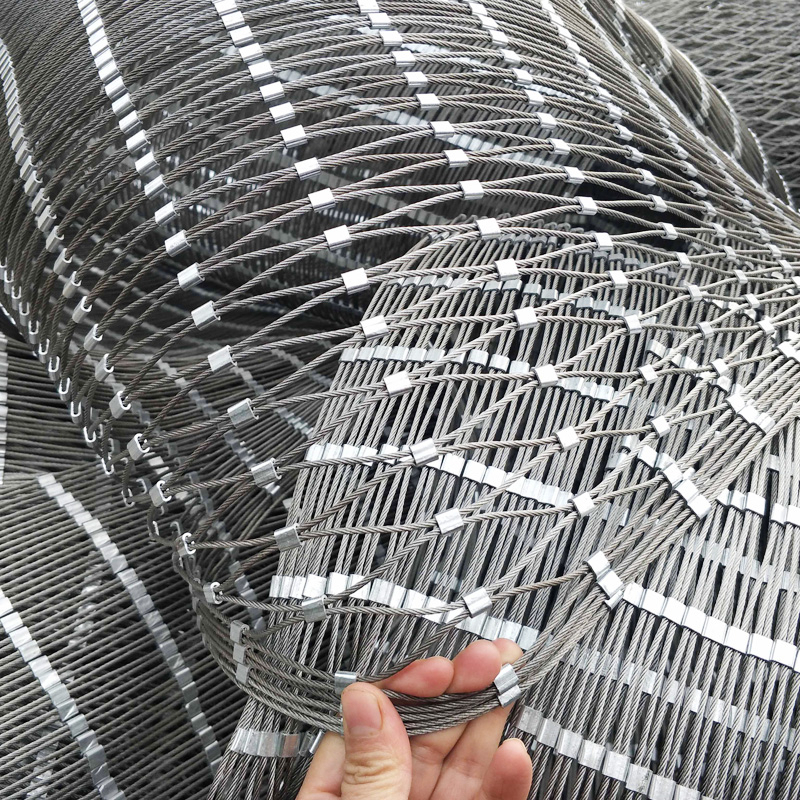
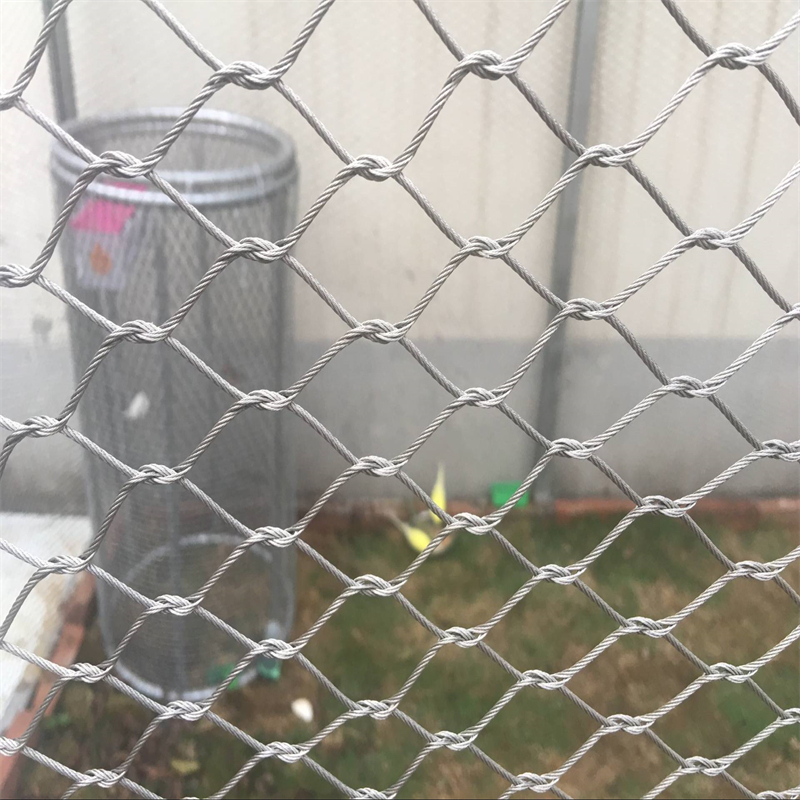
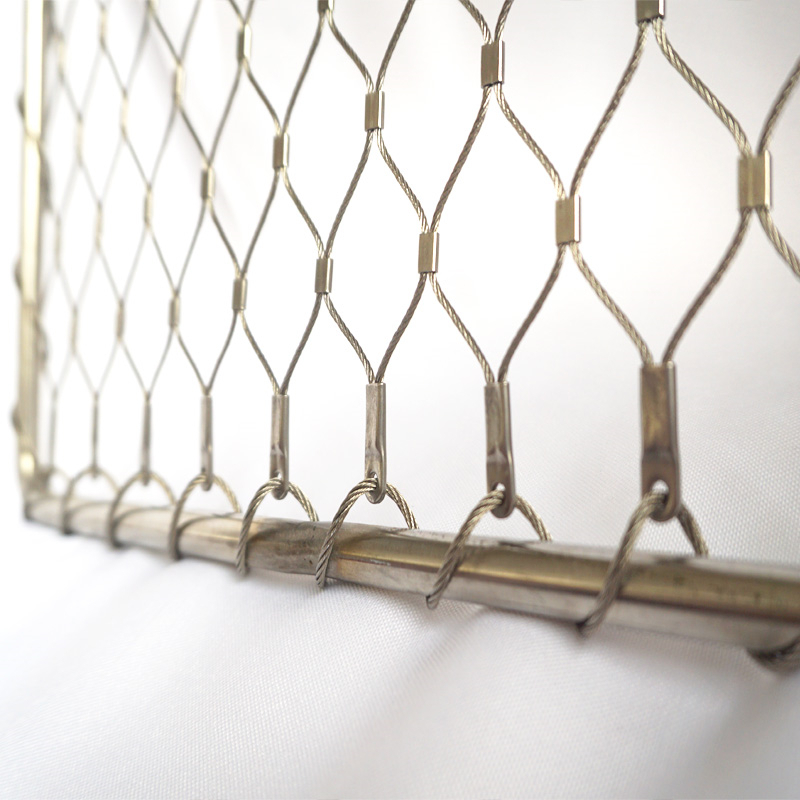
3. Structural Behaviour: Why The Frame Matters As Much As The Mesh
Stainless steel cable net behaves as a **tensioned membrane**, not as a rigid bar panel.
Key points:
* Under horizontal or impact loads, the diamond cells deform slightly and the cables go into tension.
* Loads are shared by many cables and ferrules and then transferred into the perimeter frame.
* With correct pretension and a stiff frame, deflection remains small and the barrier feels solid.
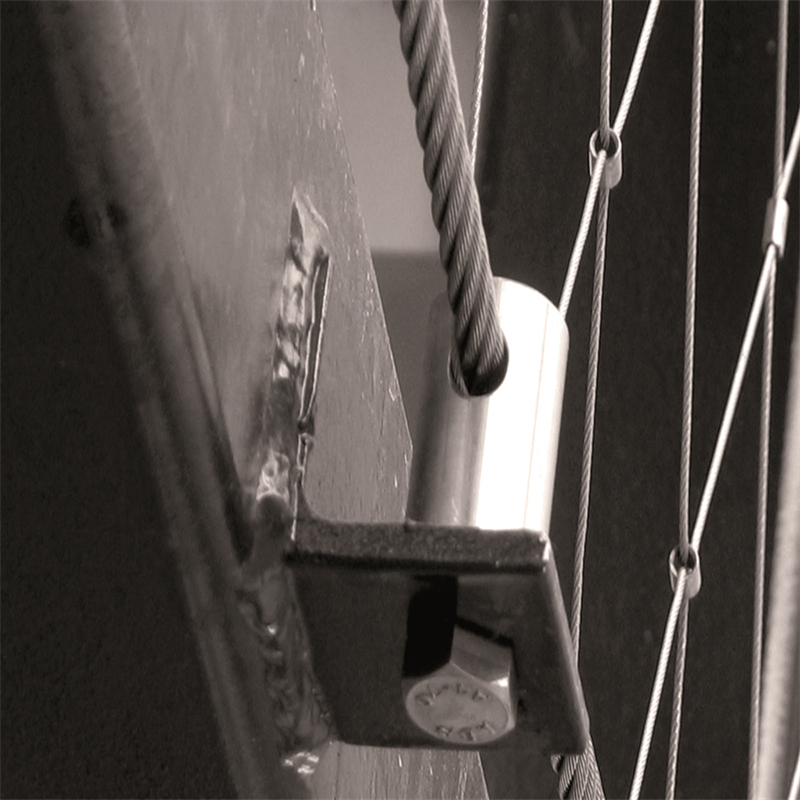
* With weak posts, edge beams or anchors, the mesh simply pulls the frame inwards instead of resisting load.
Secret 4 – Overspec cable on an under-designed frame still fails inspection
It is common to choose a very strong stainless steel cable net (for example 3.2 mm 7×19) and then mount it on light posts or thin angle frames. During testing, the mesh does not break – but the handrail moves too much and the whole guard fails deflection limits. Strength on paper cannot compensate for a flexible frame.
4. Stainless Steel Cable Net Size Sheet (Ferruled And Knotted Types)
The following sheet shows classic ferrule and knotted configurations widely used in stainless steel cable net projects.
4.1 Ferruled Type Stainless Steel Cable Net
| Ferruled Type | |||||
| Item No. | Cable diameter | Mesh opening (W × H) | Normal break (lbs) | ||
| inch | mm | inch | mm | ||
| SL-3212K | 1/8 | 3.2 | 4.75 × 8.23 | 120 × 207.8 | 1600 |
| SL-3210K | 1/8 | 3.2 | 4 × 6.9 | 102 × 176.7 | 1600 |
| SL-3290K | 1/8 | 3.2 | 3.55 × 6.15 | 90 × 156 | 1600 |
| SL-3276K | 1/8 | 3.2 | 3 × 5.2 | 76 × 131.6 | 1600 |
| SL-3251K | 1/8 | 3.2 | 2 × 3.46 | 51 × 88.3 | 1600 |
| SL-2410K | 3/32 | 2.4 | 4 × 6.9 | 102 × 176.7 | 920 |
| SL-2490K | 3/32 | 2.4 | 3.55 × 6.15 | 90 × 156 | 920 |
| SL-2476K-stainless steel cable net | 3/32 | 2.4 | 3 × 5.2 | 76 × 131.6 | 920 |
| SL-2460K | 3/32 | 2.4 | 2.4 × 4.16 | 60 × 104 | 920 |
| SL-2451K | 3/32 | 2.4 | 2 × 3.46 | 51 × 88.3 | 920 |
| SL-2076K | 5/64 | 2.0 | 3 × 5.2 | 76 × 131.6 | 676 |
| SL-2060K | 5/64 | 2.0 | 2.4 × 4.16 | 60 × 104 | 676 |
| SL-2051K | 5/64 | 2.0 | 2 × 3.46 | 51 × 88.3 | 676 |
4.2 Knotted Type Stainless Steel Cable Net
| Knotted Type | ||||
| Item No. | Cable diameter (mm) | Mesh opening (mm) | ||
| mm | mm | |||
| SL-4021B | 4.0 | 210 × 210 | ||
| SL-4018B | 4.0 | 180 × 180 | ||
| SL-4015B | 4.0 | 150 × 150 | ||
| SL-4012B | 4.0 | 120 × 120 | ||
| SL-3021B | 3.0 | 210 × 210 | ||
| SL-3018B | 3.0 | 180 × 180 | ||
| SL-3015B | 3.0 | 150 × 150 | ||
| SL-2013B | 3.0 | 120 × 120 | ||
| SL-3010B | 3.0 | 100 × 100 | ||
| SL-3075B | 3.0 | 75 × 75 | ||
| SL-2018B | 2.0 | 180 × 180 | ||
| SL-2015B | 2.0 | 150 × 150 | ||
| SL-2012B | 2.0 | 120 × 120 | ||
| SL-2010B | 2.0 | 100 × 100 | ||
| SL-2075B | 2.0 | 75 × 75 | ||
| SL-2060B | 2.0 | 60 × 60 | ||
| SL-2050B | 2.0 | 50 × 50 | ||
| SL-1510B | 1.5 | 100 × 100 | ||
| SL-1575B | 1.5 | 75 × 75 | ||
| SL-1560B | 1.5 | 60 × 60 | ||
| SL-1550B | 1.5 | 50 × 50 | ||
Secret 5 – Mesh opening alone does not guarantee code compliance
Designers sometimes assume that if the mesh aperture is below a certain value (for example 100 mm or 50 mm) it will automatically meet every code requirement. In reality, regulations also limit deflection, climbability and load resistance. A stainless steel cable net that passes the “ball test” can still fail real site tests if the frame and pretension are not designed correctly.
5. Detailed Stainless Steel Cable Net Specifications
Below are additional specification tables in the format many engineers and buyers request. Values are indicative and should be checked for each project.
5.1 Table 1 – Stainless Steel Cable Net For Balustrades And Façades
| Model | Wire rope diameter (mm) | Mesh aperture (mm) | Open degree (%) | Light transmittance (%) | Material | Nominal breaking load (lbs) | Wire rope structure |
|---|---|---|---|---|---|---|---|
| SCN-A01 | 1.5 | 40 × 70 | 60 | 58 | AISI 304 | 480 | 7×7 |
| SCN-A02 | 1.5 | 50 × 80 | 64 | 62 | AISI 304 | 480 | 7×7 |
| SCN-A03 | 1.6 | 50 × 90 | 66 | 64 | AISI 304 | 520 | 7×7 |
| SCN-A04 | 1.6 | 60 × 100 | 68 | 66 | AISI 316 | 520 | 7×19 |
| SCN-A05 | 1.6 | 60 × 120 | 70 | 68 | AISI 316 | 520 | 7×19 |
| SCN-A06 | 2.0 | 60 × 100 | 65 | 63 | AISI 316 | 676 | 7×7 |
| SCN-A07 | 2.0 | 60 × 120 | 69 | 67 | AISI 316 | 676 | 7×7 |
| SCN-A08 | 2.0 | 70 × 120 | 71 | 69 | AISI 316 | 676 | 7×19 |
| SCN-A09 | 2.0 | 70 × 140 | 73 | 71 | AISI 316 | 676 | 7×19 |
| SCN-A10 | 2.0 | 80 × 140 | 75 | 73 | AISI 316 | 676 | 7×19 |
| SCN-A11 | 2.5 | 80 × 160 | 76 | 74 | AISI 316 | 980 | 7×7 |
| SCN-A12 | 2.5 | 90 × 160 | 78 | 76 | AISI 316 | 980 | 7×7 |
| SCN-A13 | 2.5 | 90 × 180 | 80 | 78 | AISI 316 | 980 | 7×19 |
| SCN-A14 | 2.5 | 100 × 180 | 81 | 79 | AISI 316 | 980 | 7×19 |
| SCN-A15 | 2.5 | 100 × 200 | 83 | 81 | AISI 316 | 980 | 7×19 |
Secret 6 – Open degree changes not only transparency but how safe people feel
Two stainless steel cable nets can meet the same code but feel very different. Very open patterns may cause fear of heights for some users, even when technically safe. Balancing open degree with psychological comfort avoids complaints and expensive retrofits like additional rails or glass.
5.2 Table 2 – Stainless Steel Cable Net For Zoos And Aviaries
| Model | Wire rope diameter (mm) | Mesh aperture (mm) | Open degree (%) | Light transmittance (%) | Material | Nominal breaking load (lbs) | Wire rope structure |
|---|---|---|---|---|---|---|---|
| SCN-Z01 | 1.2 | 25 × 25 | 45 | 43 | AISI 316 | 270 | 7×7 |
| SCN-Z02 | 1.2 | 30 × 30 | 48 | 46 | AISI 316 | 270 | 7×7 |
| SCN-Z03 | 1.5 | 30 × 30 | 46 | 44 | AISI 316 | 480 | 7×7 |
| SCN-Z04 | 1.5 | 30 × 50 | 50 | 48 | AISI 316 | 480 | 7×7 |
| SCN-Z05 | 1.6 | 38 × 38 | 52 | 50 | AISI 316 | 520 | 7×7 |
| SCN-Z06 | 1.6 | 40 × 40 | 54 | 52 | AISI 316 | 520 | 7×7 |
| SCN-Z07 | 2.0 | 40 × 60 | 57 | 55 | AISI 316 | 676 | 7×19 |
| SCN-Z08 | 2.0 | 50 × 50 | 60 | 58 | AISI 316 | 676 | 7×19 |
| SCN-Z09 | 2.0 | 50 × 70 | 63 | 61 | AISI 316 | 676 | 7×19 |
| SCN-Z10 | 2.4 | 60 × 80 | 67 | 65 | AISI 316 | 920 | 7×19 |
| SCN-Z11 | 2.4 | 60 × 100 | 69 | 67 | AISI 316 | 920 | 7×19 |
| SCN-Z12 | 3.0 | 76 × 76 | 71 | 69 | AISI 316 | 1600 | 7×19 |
| SCN-Z13 | 3.0 | 80 × 120 | 74 | 72 | AISI 316 | 1600 | 7×19 |
| SCN-Z14 | 3.2 | 100 × 100 | 76 | 74 | AISI 316 | 1800 | 7×19 |
| SCN-Z15 | 3.2 | 102 × 152 | 78 | 76 | AISI 316 | 1800 | 7×19 |
Secret 7 – Species behaviour can destroy a “perfect on paper” zoo net
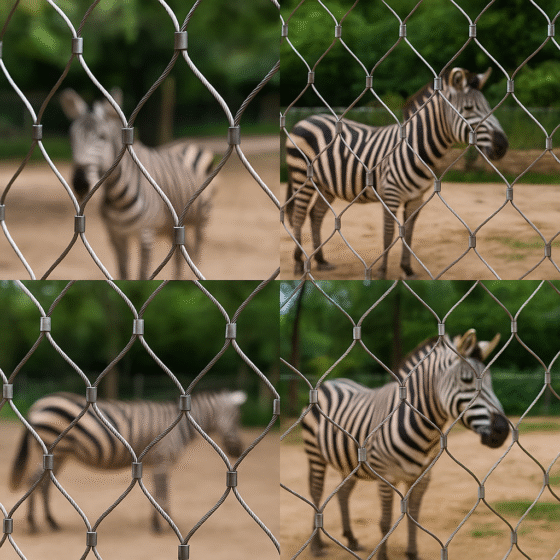
Meeting mesh aperture and strength values is not enough. Parrots chew, monkeys pull, big cats climb and jump. If the stainless steel cable net is chosen only from a catalogue table without asking which species it will hold, high-stress zones can deform or fail, forcing expensive reinforcement while the zoo is already open.
5.3 Table 3 – Stainless Steel Cable Net For Green Walls And Façades
| Model | Wire rope diameter (mm) | Mesh aperture (mm) | Open degree (%) | Light transmittance (%) | Material | Nominal breaking load (lbs) | Wire rope structure |
|---|---|---|---|---|---|---|---|
| SCN-GW01 | 1.2 | 40 × 40 | 60 | 58 | AISI 316 | 270 | 7×7 |
| SCN-GW02 | 1.2 | 50 × 50 | 64 | 62 | AISI 304 | 270 | 7×7 |
| SCN-GW03 | 1.5 | 50 × 80 | 68 | 66 | AISI 316 | 480 | 7×7 |
| SCN-GW04 | 1.5 | 60 × 60 | 67 | 65 | AISI 316 | 480 | 7×7 |
| SCN-GW05 | 1.6 | 60 × 80 | 70 | 68 | AISI 316 | 520 | 7×7 |
| SCN-GW06 | 1.6 | 80 × 80 | 72 | 70 | AISI 316 | 520 | 7×7 |
| SCN-GW07 | 2.0 | 80 × 100 | 74 | 72 | AISI 316 | 676 | 7×19 |
| SCN-GW08 | 2.0 | 100 × 100 | 76 | 74 | AISI 316 | 676 | 7×19 |
| SCN-GW09 | 2.0 | 100 × 150 | 79 | 77 | AISI 316 | 676 | 7×19 |
| SCN-GW10 | 2.4 | 120 × 150 | 81 | 79 | AISI 316 | 920 | 7×19 |
| SCN-GW11 | 2.4 | 150 × 200 | 84 | 82 | AISI 316 | 920 | 7×19 |
| SCN-GW12 | 3.0 | 150 × 260 | 86 | 84 | AISI 316 | 1600 | 7×19 |
| SCN-GW13 | 3.0 | 180 × 260 | 87 | 85 | AISI 316 | 1600 | 7×19 |
| SCN-GW14 | 3.0 | 200 × 300 | 88 | 86 | AISI 316 | 1600 | 7×19 |
| SCN-GW15 | 3.2 | 250 × 400 | 90 | 88 | AISI 316 | 1800 | 7×19 |
Secret 8 – Pushing transparency too far can create glare, overheating and dead plants
Large apertures with extreme open degree look impressive in 3D renderings, but in real buildings they can increase glare through glass, create hot spots on south facades and lead to uneven or failing vegetation on green walls. Sometimes a slightly “less open” stainless steel cable net gives better long-term performance.
5.4 Table 4 – Stainless Steel Cable Net For Bridges And High-Security Zones
| Model | Wire rope diameter (mm) | Mesh aperture (mm) | Open degree (%) | Light transmittance (%) | Material | Nominal breaking load (lbs) | Wire rope structure |
|---|---|---|---|---|---|---|---|
| SCN-H01 | 3.0 | 60 × 100 | 62 | 60 | AISI 316 | 1600 | 7×19 |
| SCN-H02 | 3.0 | 70 × 120 | 65 | 63 | AISI 316 | 1600 | 7×19 |
| SCN-H03 | 3.0 | 80 × 160 | 68 | 66 | AISI 316 | 1600 | 7×19 |
| SCN-H04 | 3.5 | 80 × 160 | 70 | 68 | AISI 316 | 1900 | 7×19 |
| SCN-H05 | 3.5 | 90 × 180 | 72 | 70 | AISI 316 | 1900 | 7×19 |
| SCN-H06 | 3.5 | 100 × 200 | 74 | 72 | AISI 316 | 1900 | 7×19 |
| SCN-H07 | 4.0 | 100 × 200 | 76 | 74 | AISI 316 | 2400 | 7×19 |
| SCN-H08 | 4.0 | 120 × 220 | 78 | 76 | AISI 316 | 2400 | 7×19 |
| SCN-H09 | 4.0 | 150 × 260 | 82 | 80 | AISI 316 | 2400 | 7×19 |
| SCN-H10 | 4.0 | 160 × 280 | 83 | 81 | AISI 316 | 2400 | 7×19 |
| SCN-H11 | 4.0 | 180 × 300 | 84 | 82 | AISI 316 | 2400 | 7×19 |
| SCN-H12 | 4.0 | 180 × 320 | 85 | 83 | AISI 316 | 2400 | 7×19 |
| SCN-H13 | 4.0 | 200 × 345 | 86 | 84 | AISI 316 | 2400 | 7×19 |
| SCN-H14 | 4.0 | 220 × 380 | 87 | 85 | AISI 316 | 2400 | 7×19 |
| SCN-H15 | 4.0 | 250 × 400 | 88 | 86 | AISI 316 | 2400 | 7×19 |
Secret 9 – Public-area load rules for stainless steel cable net are far tougher than many expect
Bridges, stadiums and transport hubs must satisfy strict crowd loads and deflection limits. Reusing a residential stainless steel cable net specification in these high-risk projects can lead to failed tests, redesign under time pressure and serious delay penalties.
6. Advantages Of Stainless Steel Cable Net
* Soft but firm – the mesh deflects slightly yet remains strong and safe.
* High flexibility and wide application range.
* Excellent visibility with minimal obstruction of views.
* Close to nature and environmentally friendly – no toxic coatings, fully recyclable.
* Luxury, modern appearance that upgrades the look of the project.
* Outstanding elasticity and buffering ability under impact.
Secret 10 – Calling stainless steel cable net “maintenance free” is dangerous marketing
The mesh itself is highly durable, but that does not mean “no inspection for 20 years”. Anchors, frames and fittings still need periodic checks. Ignoring them can turn a small issue – a loose clamp or damaged ferrule – into a local failure during a storm or crowd event.
7. Application Areas Of Stainless Steel Cable Net
Stainless steel cable net is divided by craft into hand-woven 304, 304L, 316 and 316L types, with closed-mouth and open-button constructions. Typical applications include:
* Bridge fences and pedestrian bridge balustrades
* Zoo and safari park enclosures
* Ocean parks and marine exhibits
* Sports arenas and acrobatic safety nets
* Home decoration and stair balustrades
* Building façades and interior architectural decoration
* Municipal landscaping and scenic protection
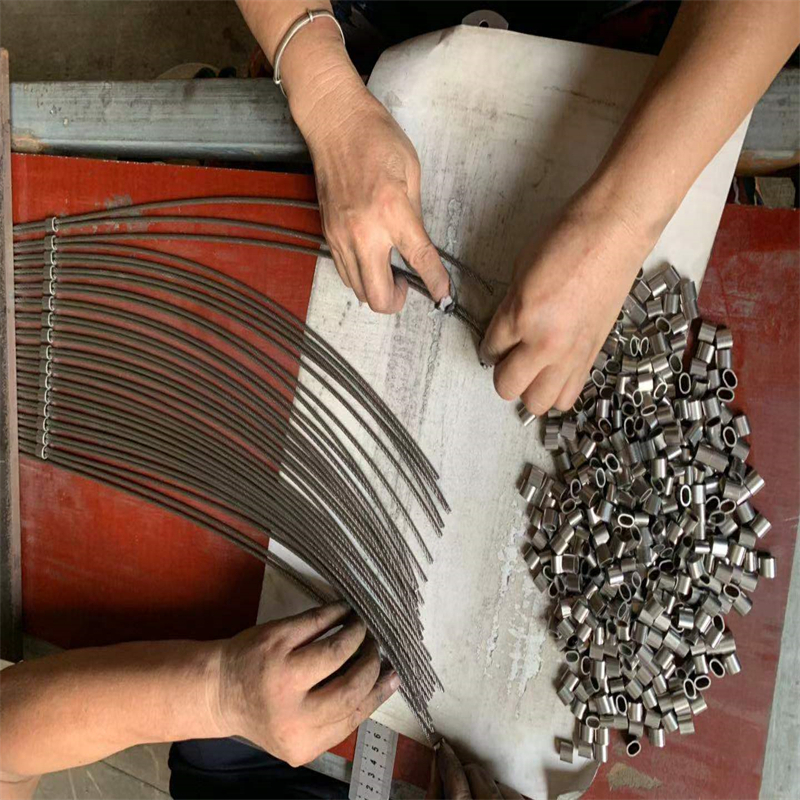
8. Packing And Mesh Options
Stainless steel cable net Package:
* Packed in rolls with plastic bags inside and carton boxes or wooden cases outside.
* Can also be packed according to customers’ specific requirements (project labels, pallet size, etc.).
| Item | Photo & Description |
|---|---|
| Packing | 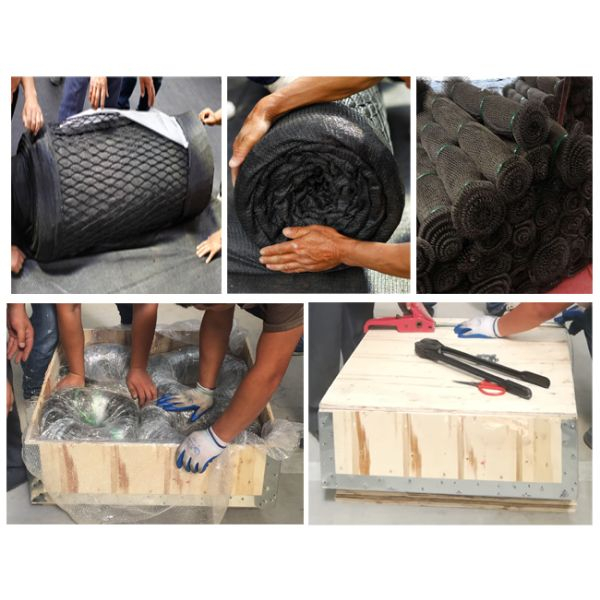 Standard export packing for stainless steel cable net: rolls wrapped in plastic film, protected with edge boards, then loaded into strong cartons or wooden cases for safe transport. |
| Mesh Option | 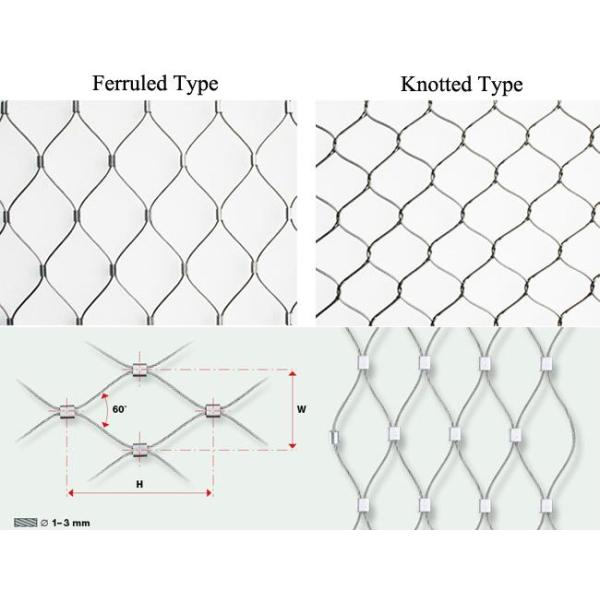 Different stainless steel cable net options: various cable diameters and mesh apertures to match zoo mesh, balustrades, façades, aviaries and plant-support applications. |
Secret 11 – Wrong HS code or weak packing can eat your profit before installation
Declaring stainless steel cable net under the wrong customs code or allowing under-valued invoices can lead to inspections, fines and delays at the port. Poor packing can result in kinked cables and crushed ferrules that must be re-fabricated. All the project margin can disappear before the first panel is installed.
9. Why Choose Our Stainless Steel Cable Net
1. 100% QC inspection before shipment.
2. Competitive price – we are a factory, not only a trading company.
3. Fast response – professional team and quick feedback on technical and commercial questions.
4. As long as you provide specifications, we can manufacture the stainless steel cable net you need.
5. If any confirmed quality problem occurs, we promise timely return or replacement.
6. Flexible payment: T/T, Western Union and Escrow are available.
7. Free stainless steel cable net samples (courier cost on buyer’s side).
10. Conclusion
Stainless steel cable net is not just another wire mesh – it is a high-performance, almost invisible safety system. When you control the hidden details described in these 11 secrets – material grade, frame stiffness, open degree, species behaviour, documentation, public load rules and export handling – both stainless steel ferrule cable net and stainless steel knotted rope mesh become long-term assets for your façades, balustrades, green walls and enclosures.
Ignore those details, and the same stainless steel cable net or knotted rope mesh that looks light and elegant in renderings can quickly turn into the source of corrosion stains, failed inspections, redesign costs, schedule penalties and, in the worst case, serious safety claims.