 Your One-Stop Wire Mesh Fence Supplier | POLYMETAL
PVD Coating for Stainless Steel: 10 Ultimate Advantages
PVD (Physical Vapour Deposition) is a vacuum coating process used to deposit an extremely thin, hard, decorative and protective layer onto stainless steel and other metals.
Instead of using chemical baths like traditional electroplating, PVD takes place in a sealed vacuum chamber. Inside this chamber, a solid coating material (such as titanium, zirconium or chromium) is turned into vapour and then condensed on the surface of the stainless steel as a solid film.
For stainless steel, PVD is mainly used to:
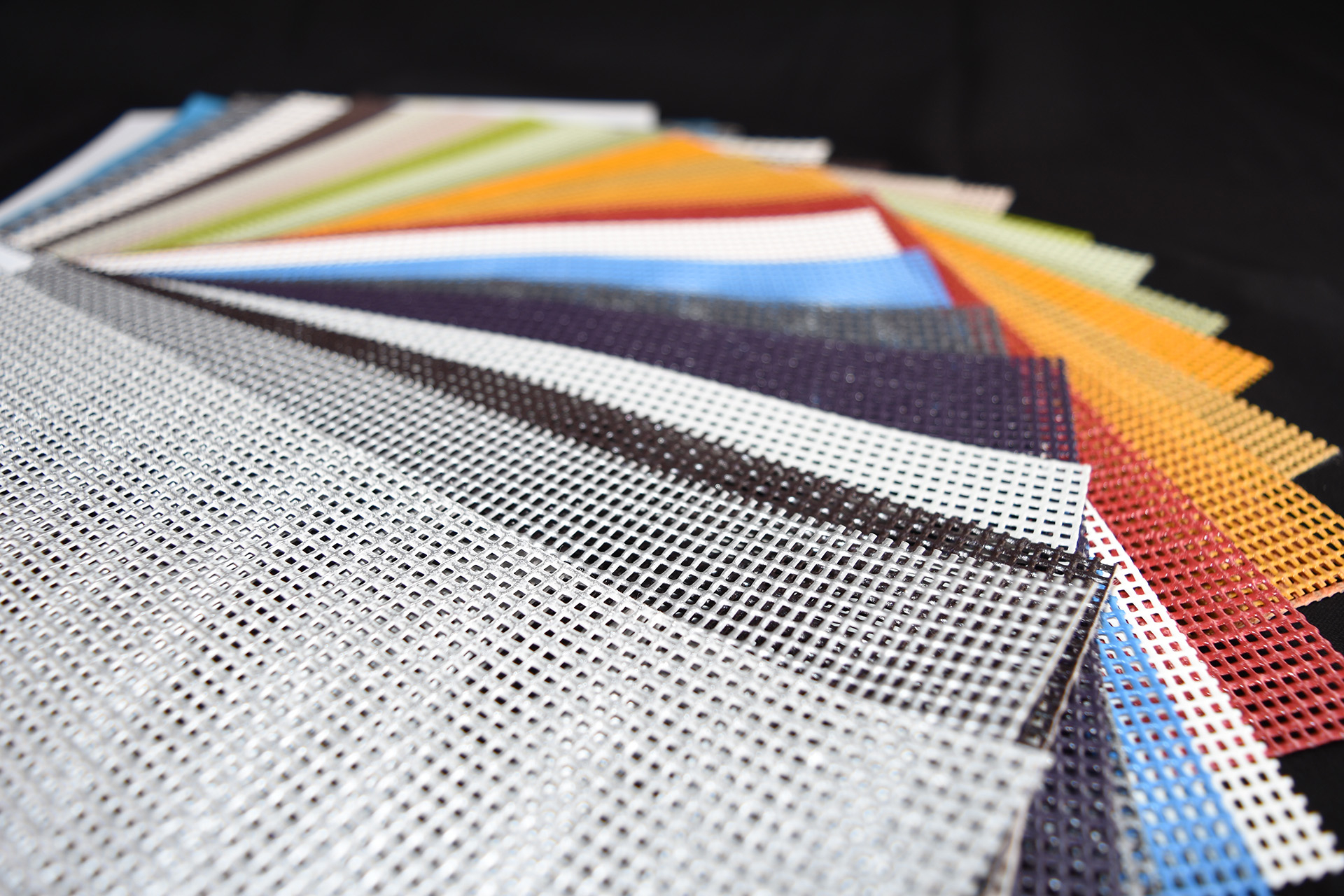
Add colour (gold, rose gold, bronze, black, gunmetal, champagne, etc.)
Improve surface hardness and scratch resistance
Enhance corrosion resistance and colour stability
Stainless steel is an ideal base material for PVD because it is strong, dimensionally stable, and forms a clean passive surface that bonds well with the coating.
2. How the PVD process works
Although there are different PVD technologies (arc evaporation, magnetron sputtering and hybrids), the basic steps are similar.
2.1 Surface preparation
Before coating, stainless steel parts must be carefully prepared:
Degreasing and cleaning
Oils, dust, fingerprints and polishing residues are removed using solvents and detergents. Any contamination reduces adhesion and can cause defects.Mechanical finishing
The stainless steel is brushed, satin-finished or mirror-polished to the final desired texture. PVD films are very thin, so they follow the base finish exactly. If you want a brushed look after PVD, you must brush before coating.Plasma or ion cleaning (in-chamber)
After loading into the chamber, parts may be bombarded with ions to remove the last traces of contamination and to “activate” the surface for better bonding.
2.2 Loading and vacuum
Parts are mounted on racks or rotating fixtures so that as much surface as possible is exposed to the coating vapour.
The vacuum chamber is sealed and pumped down to a very low pressure.
A small amount of inert gas (usually argon) is introduced to help create and sustain a plasma, which is a cloud of charged particles.
2.3 Vaporising the coating material
The coating material is usually a metal such as titanium (Ti), zirconium (Zr) or chromium (Cr). It can be used pure or combined with gases like nitrogen or carbon to form hard compounds (TiN, ZrN, CrN, TiCN, etc.).
Two common methods:
Arc evaporation
A high-current arc hits the solid target and ejects metal ions into the vacuum.Magnetron sputtering
Ions from the plasma hit the target and knock off atoms, which then travel through the chamber.
The result is a stream of energetic atoms and ions moving through the vacuum toward the stainless-steel parts.
2.4 Deposition on stainless steel
The stainless-steel parts are given a negative electrical bias so that the positively charged metal ions are attracted to them.
These ions strike the surface with enough energy to form a dense, tightly bonded film.
By adjusting gas composition, power and target material, the coater can create different colours and performance levels.
Common decorative colours (depending on material and process):
Gold / brass / champagne
Rose gold / copper tones
Bronze / coffee / brown
Black / gunmetal / anthracite
Custom intermediate shades
2.5 Coating thickness
Typical PVD coating thickness on stainless steel for architectural and decorative use is:
Around 0.2–0.5 μm for coloured stainless-steel sheets and panels
Up to a few micrometres (for more technical applications such as tools)
Although this is extremely thin, the film can be very hard and significantly improve surface performance.
3. Key properties of PVD-coated stainless steel
While exact values depend on the specific coating, some typical characteristics are:
High hardness
Many PVD coatings have hardness in the range commonly quoted for advanced nitrides and carbides, often many times harder than bare stainless steel and much harder than electroplated layers.Excellent wear and scratch resistance
The hard, dense film resists micro-scratching and abrasion better than most paints or plating.Thin but dense
Because the coating is only fractions of a micron thick, it does not significantly change dimensions or add visible thickness, yet it is dense enough to form an effective barrier.Good corrosion behaviour
On top of 304 or 316 stainless, PVD adds an additional protective “skin” that can enhance resistance to tarnish and certain corrosive environments, especially when combined with good cleaning and design.Colour stability
PVD colours are metal-based and can be very stable under UV and moderate heat. They do not fade like some organic paints or lacquers.Metallic appearance
The underlying stainless texture and reflectivity remain visible, giving a rich metallic look, rather than a “plastic” coated appearance.


4. PVD vs electroplating and painting
4.1 Compared with electroplating
Electroplating:
Uses chemical baths containing metal salts
Can produce thick, soft layers (e.g. nickel, chrome)
Requires careful waste treatment and environmental controls
PVD:
Uses solid metal targets and high vacuum
Produces very thin, hard, dense films
Generates far fewer liquid chemical wastes
In many applications, PVD offers:
Better wear resistance and less risk of peeling
More stable colours with a high-end appearance
Improved environmental profile compared with many plating lines
4.2 Compared with painting or powder coating
Paints and powder coating:
Give thick layers, can easily hide surface defects
Can be chipped, scratched or worn through
Often non-metallic in appearance
PVD:
Is very thin and follows the base metal exactly
Gives a metallic, “solid metal” colour even in black or bronze
Is much more scratch-resistant than ordinary paints
However, PVD cannot hide deep scratches or grinding marks. The base surface must be prepared well.
5. Limitations and design considerations
PVD is not perfect for every situation. Important points to consider:
Line-of-sight coating
The vapour travels roughly in straight lines. Deep pockets, tight corners or closed cavities can receive less coating. Fixtures and part orientation must be designed to minimise “shadow” areas.Very thin film
PVD is not a replacement for proper corrosion-resistant base materials. For severe conditions, you still need a suitable stainless grade (often 316) and good detail design to avoid crevices and standing water.Surface quality
PVD will faithfully show any surface defects: scratches, pits, weld grinding marks, polishing streaks, etc. Pre-polishing and fine finishing are critical.Cost and logistics
PVD requires vacuum chambers and batch processing. Large pieces may need big chambers or modular design. This can affect cost and lead time versus simple painting.
6. Main applications of PVD-coated stainless steel
6.1 Architecture and interiors
Exterior façades and cladding
Lobby and reception wall panels
Ceiling panels and decorative strips
Lift doors, elevator cabins and trims
Column covers and handrail brackets
Here, PVD gives durable colour with a luxurious metallic finish that withstands heavy public use.
6.2 Furniture, fixtures and shopfitting
Door handles, pulls and hardware
Furniture legs and frames
Display systems, racks and shelves
Lighting fixtures and trims
The high hardness and colour stability make PVD attractive for high-touch elements.
6.3 Bathrooms, kitchens and sanitary fittings
Taps, mixers and shower fittings
Handles, towel rails and accessories
Kitchen handles, kickplates and trim pieces
PVD offers resistance to fingerprints, water marks and mild cleaning agents while providing a premium look.
6.4 Watches, jewellery and lifestyle products
Watch cases and bracelets
Jewellery pieces and fashion accessories
Luxury pens and small metal goods
Because the film is thin yet hard, you can add colour without losing precise dimensions or sharp details.
6.5 Transport and public spaces
Train, metro and bus interior panels
Escalator trims and balustrades
Airport and station fittings
The combination of durability and easy cleaning is ideal for high-traffic locations.
7. PVD and stainless steel rope mesh
Now, focusing on your key area: PVD treatment applied to stainless steel rope mesh netting and its components.
7.1 Why use PVD on rope mesh?
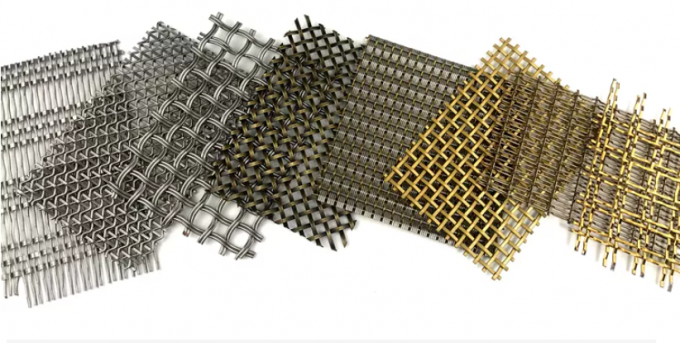
Stainless steel rope mesh is widely used as:
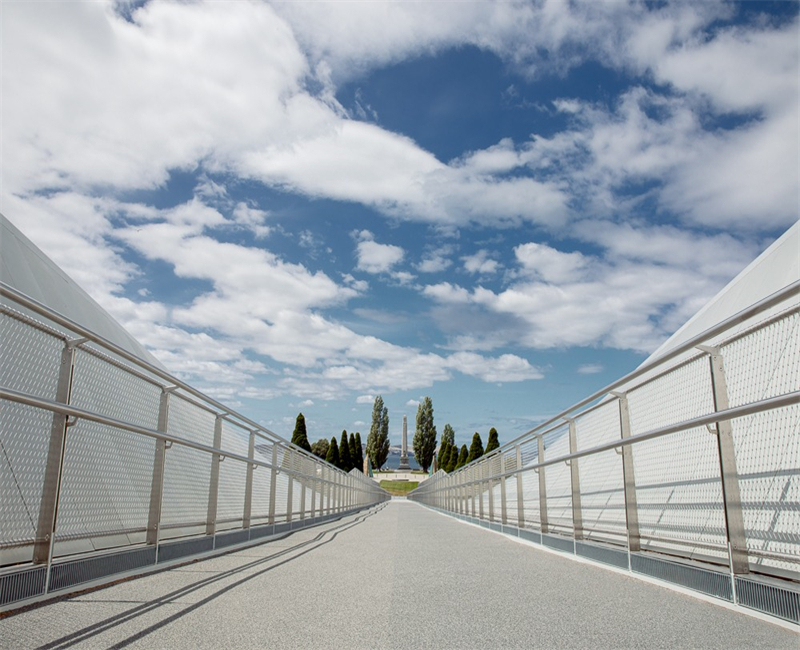
Stair and balcony infill
Safety barriers for landings and atriums
Façade safety nets and fall protection
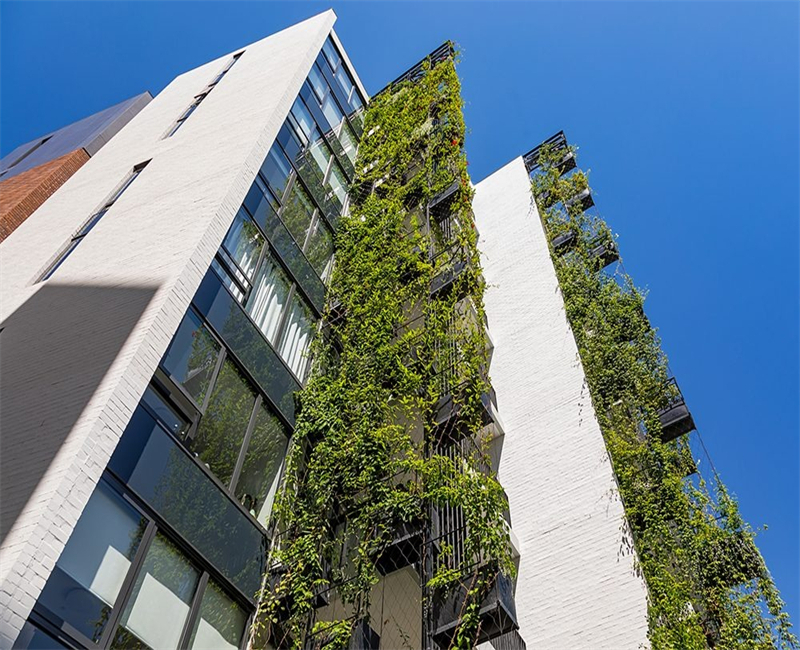
Animal enclosures, green walls and security screens
Applying a PVD finish to the mesh and its hardware offers several advantages:
Colour integration and design freedom
Mesh no longer has to be plain silver.
It can be finished in black, bronze, gold, champagne or other tones to match façade panels, handrails and frames.
Coloured rope mesh can either blend into the background (e.g. dark mesh with dark framing) or stand out as a design feature.
Improved surface durability
PVD increases hardness and scratch resistance, which is useful where people lean on or frequently touch the mesh.
Cleaning tools, bags and everyday contact are less likely to leave visible scratches, especially on darker colours.
Additional corrosion margin
On top of 304 or 316 stainless, a PVD layer can add an extra protective barrier.
This is particularly beneficial for coastal projects, pool environments or public areas where maintenance intervals may be long.
Premium aesthetic
Rope mesh is often used in high-end projects (malls, hotels, office lobbies).
PVD-coloured mesh elevates the visual impact, making the safety barrier feel like a deliberate design element, not an afterthought.
7.2 What can be PVD-coated in a rope mesh system?
PVD can be applied to:
Wire ropes / cables
Mesh ferrules or clamps
Edge cables and tension rods
Posts, frames and railings
Decorative caps and fittings
Some projects coat only the frames and hardware, keeping the mesh itself plain stainless. Others PVD-coat both mesh and framing to create a fully coloured system.
7.3 Coating strategy: before or after assembly
There are two main approaches when dealing with rope mesh.
a) PVD before mesh assembly
Wire ropes, ferrules and fittings are coated first.
Mesh is then woven or crimped from PVD-coated rope.
Pros:
Easier to load straight wires or small parts into the chamber.
Coating can be more uniform on simple shapes.
Cons:
Forming and crimping after coating must be controlled to avoid micro-cracks in the film, especially with tight bending radii.
Process parameters and bend radii need to be carefully defined.
b) PVD after mesh assembly
Fully assembled mesh panels (with ferrules and edge cables) are coated as complete units.
Pros:
All visible components get exactly the same colour and sheen.
No bending or crimping after coating, so less risk of film cracking.
Cons:
The mesh geometry is complex; some small “shadow” zones may receive a thinner coating.
Panel size is limited by the PVD chamber dimensions, so large areas must be designed as modular panels.
For architectural projects, it is common to design mesh in standard panel sizes that both:
Fit into PVD chambers, and
Are practical to transport and install on site.



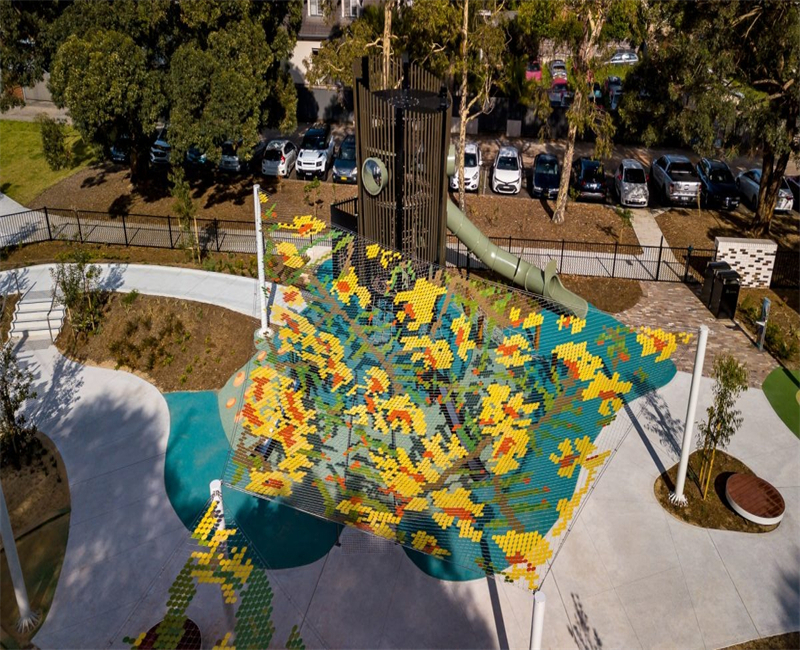
8. Design choices for PVD-coloured rope mesh
When specifying PVD treatment on stainless steel rope mesh, consider:
8.1 Base stainless grade
316 or 316L is recommended for outdoor, coastal or poolside projects.
304 can be suitable for interior use and dry environments.
PVD enhances but does not replace the need for a corrosion-resistant base.
8.2 Surface finish of cables and frames
Because PVD replicates the underlying texture:
Mirror-polished cables give bright, mirror-like metallic colours.
Brushed or satin finishes give a softer, more diffused reflection, typically preferred for large interior surfaces and stair balustrades.
For rope mesh, a satin finish often balances appearance, glare control and fingerprint visibility.
8.3 Colour choice
Some typical colours for rope mesh applications:
Black / anthracite – very discreet, visually “disappears” against dark backgrounds.
Bronze / brass / champagne – warm, elegant tones for hotels, commercial lobbies and feature stairs.
Gold or rose gold – statement finishes for luxury retail or high-end residential projects.
When choosing a colour, also think about cleaning: dark, glossy surfaces tend to show dust and smudges more clearly.
8.4 Performance and environment
Discuss with the supplier:
Expected environment (indoor, outdoor, coastal, pool, industrial)
Desired service life and maintenance interval
Likely cleaning chemicals and methods
Load and safety requirements for the mesh (fall protection, public traffic, etc.)
A good specification will combine:
The right stainless grade
An appropriate PVD coating
Robust mechanical design of the rope mesh system
9. Maintenance of PVD-coated stainless steel rope mesh
Maintenance is simple but must respect the coating:
Regular cleaning
Use soft cloths, non-abrasive sponges and mild, neutral detergents.
Rinse thoroughly with clean water and dry to prevent water spots.
Avoid
Abrasive pads, steel wool or aggressive polishing pastes.
Strong chloride-based cleaners (such as heavy bleach), strong acids or strong alkalis that can damage both coating and stainless steel.
Inspection
Periodically inspect cables, ferrules and frames for mechanical damage, deep scratches or impacts.
Check tension in edge cables and mesh panels.
Replace damaged components or panels in high-visibility areas to maintain a consistent appearance.
With proper care, PVD-coated stainless steel rope mesh can maintain its colour and surface quality for many years in architectural applications.
10. Summary
PVD treatment on stainless steel is a modern, high-performance surface technology that:
Deposits a very thin, hard and dense coating in a vacuum chamber
Provides durable colours, improved scratch resistance and enhanced corrosion behaviour
Preserves the metallic look and feel of stainless steel
In architecture, furniture, hardware and consumer products, PVD-coated stainless steel has become a key material for projects that demand both high durability and refined aesthetics.
When applied to stainless steel rope mesh, PVD takes a functional safety element and turns it into a design feature. You retain all the structural advantages of rope mesh—strength, flexibility, transparency—while adding:
Custom colours that match your design concept
Higher resistance to wear and handling
An additional layer of protection on top of 304 or 316 stainless