 Your One-Stop Wire Mesh Fence Supplier | POLYMETAL
Tubular Fencing Picket: Ultimate Top Power 10 Traps
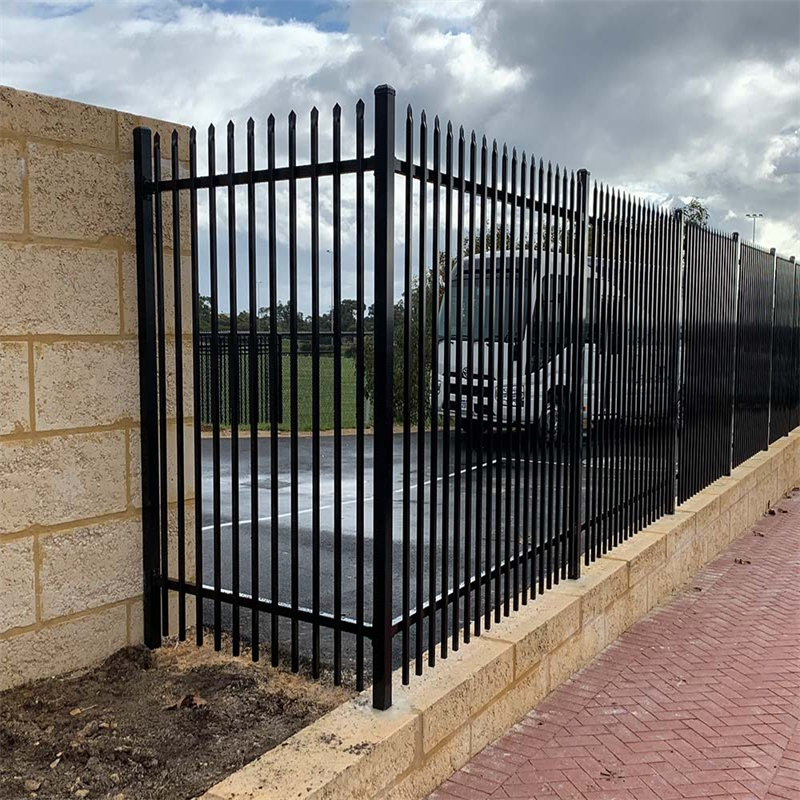
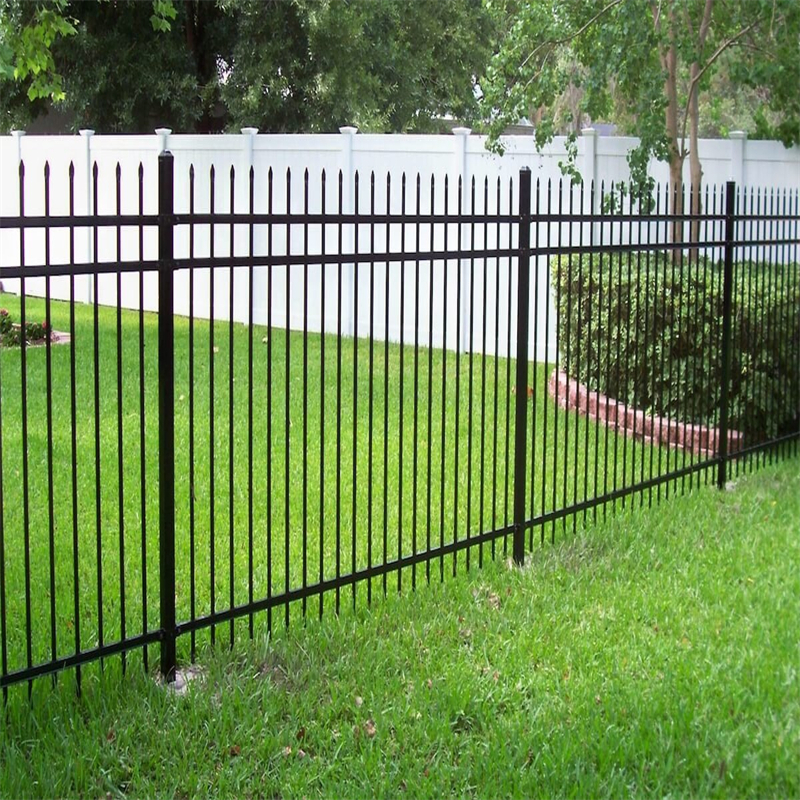
Tubular Fencing Picket is selected when projects need a clean, straight “security presence” boundary that looks professional on public-facing sites while still taking real-duty abuse from wind, vibration, and daily traffic. Compared with lightweight decorative fencing, a properly specified tubular picket system uses stronger rails, consistent picket spacing, and matched posts so the fence line stays aligned after transport handling, installation, and years of exposure.
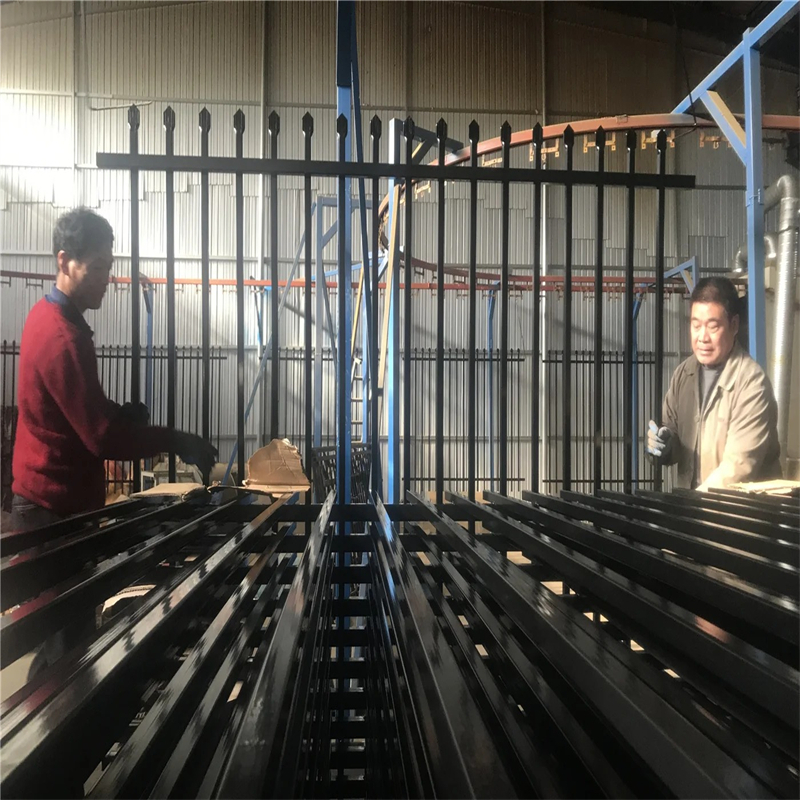
POLYMETAL manufactures Tubular Fencing Picket panels as controlled, repeatable modules so rail frame size, rail thickness, upright (picket) size, upright thickness, upright count, post sizing, and finish protection stay consistent across the run. That consistency prevents the classic jobsite failure pattern: panels that arrive looking fine, then show wave-lines, loose fixings, bent pickets, or early corrosion once the site goes live.

Why Buyers Choose Tubular Fencing Picket
Security Presence Without “Solid Wall” Problems
Tubular pickets keep sight lines open for supervision and access control while still presenting a strong anti-entry look. The real security is not just height—it’s rail stiffness, picket spacing discipline, and posts that resist leverage at corners, ends, and gate zones.
Project Appearance That Stays Clean
Schools, commercial frontages, parks, factories, and public assets often need a fence that looks intentional, not temporary. A straight tubular picket line with consistent spacing and a durable finish looks controlled; a rattling, uneven fence looks weak and gets tested.
Low Maintenance When the Base Protection Is Right
Galvanized steel with powder coating is chosen for practical long-life performance. When buyers focus only on color and ignore base protection and handling discipline, “low maintenance” turns into early repair and visible corrosion.

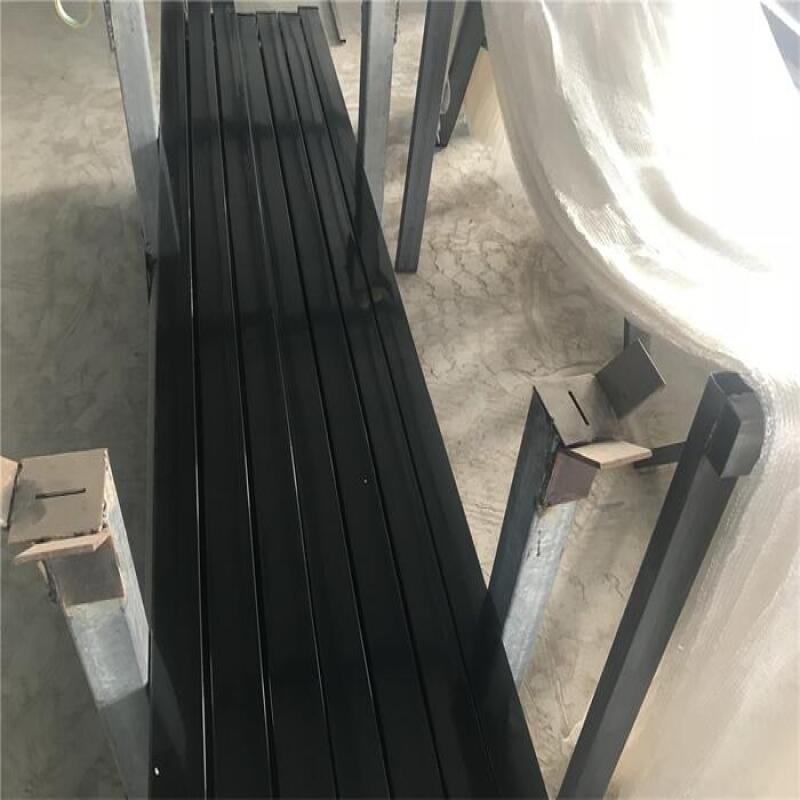
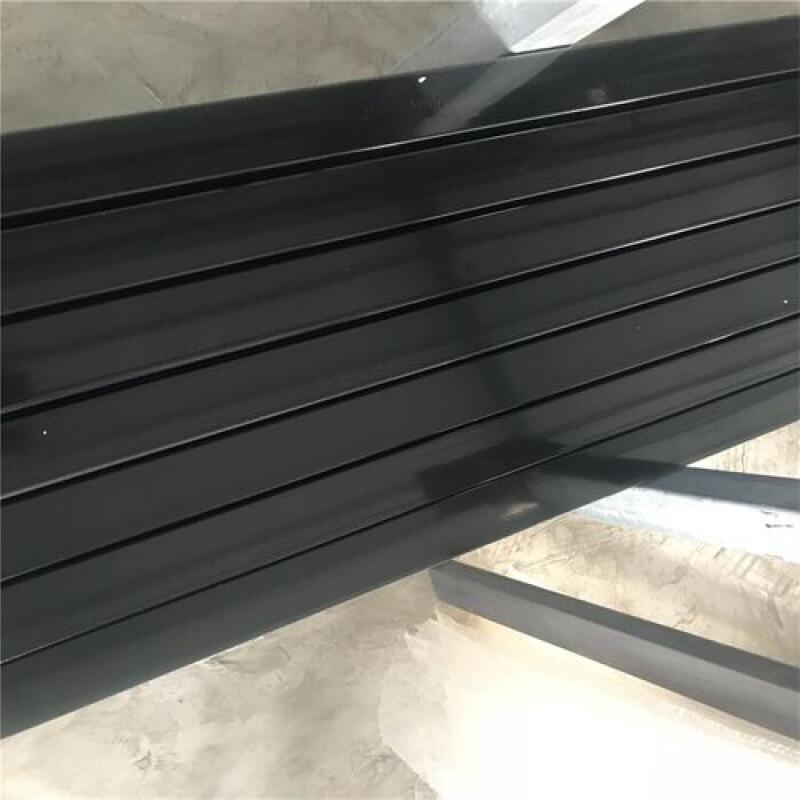
Top 10 High-Risk Traps for Tubular Fencing Picket Orders
Each trap below looks minor on a purchase order—but becomes expensive once posts are set and the fence line must stay straight. Pay special attention to #7, because that is where many buyers suffer the biggest loss.
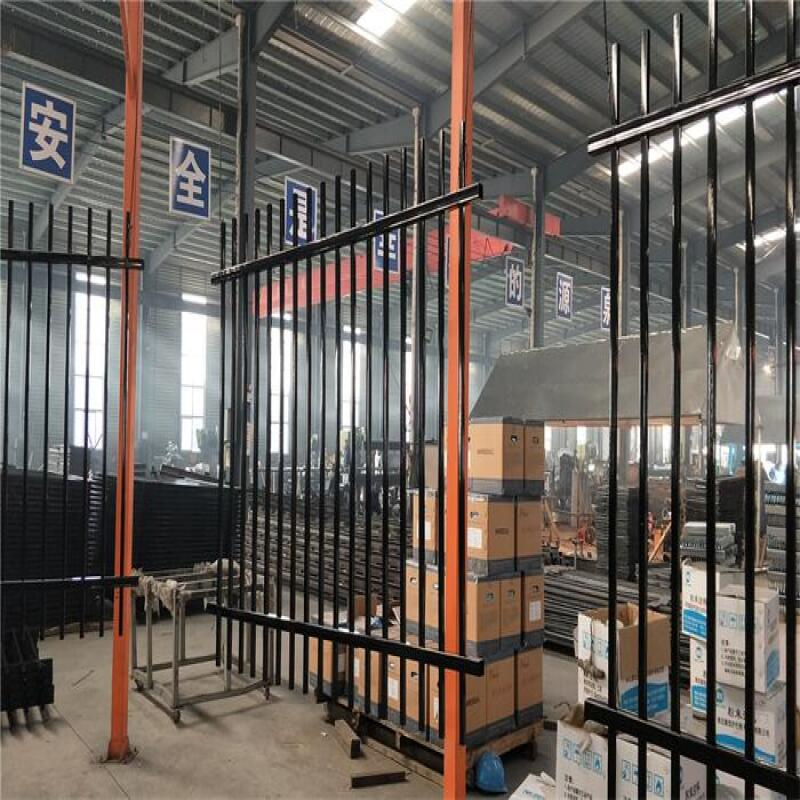
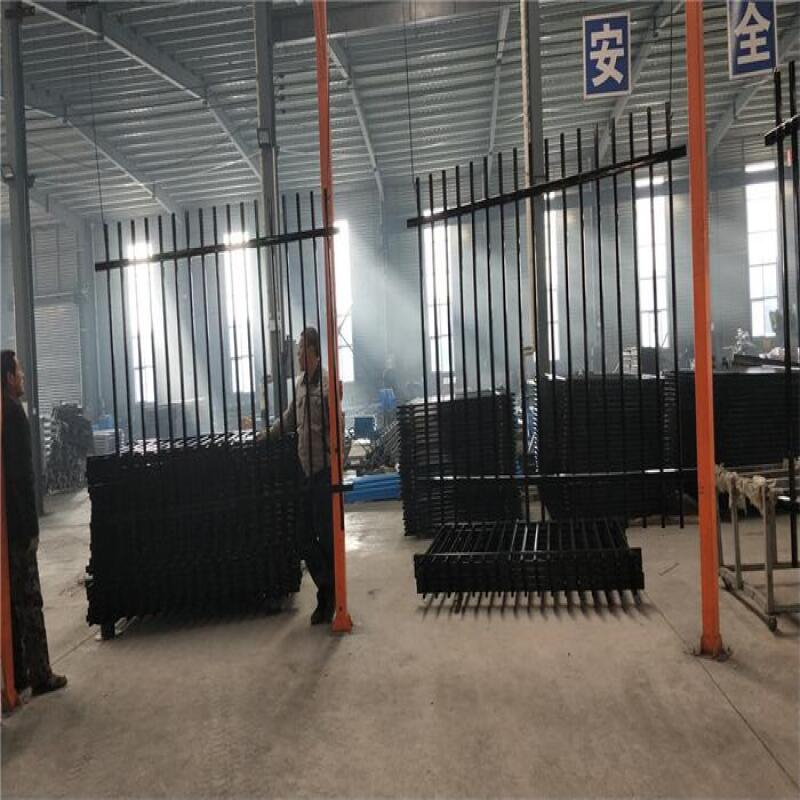
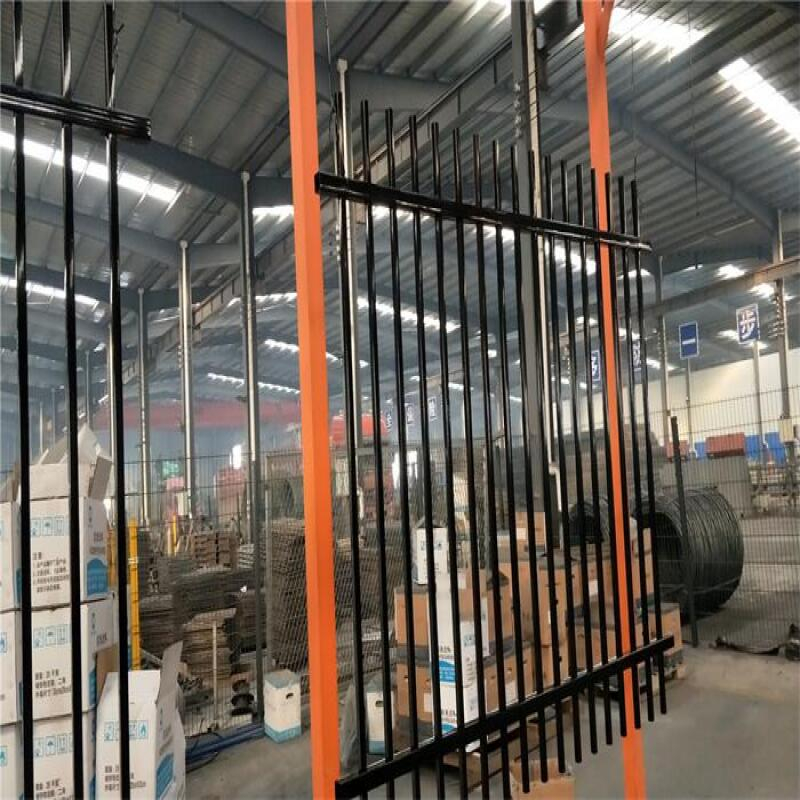

Trap #1: Buying “tubular picket” without locking the rail frame size
If the order doesn’t lock 40×40 vs 45×45 vs 50×50, you can receive a lighter rail that flexes under wind load and vibration. That flex becomes visible wave-lines across long runs and movement at joins after installation.
Trap #2: Choosing rail thickness for price instead of stiffness
Rails are the spine. If rail thickness is downgraded (for example, 1.6mm when the site needs 2.0–2.5mm), rails can oil-can under pressure, loosen brackets over time, and exaggerate movement at corners and ends.
Trap #3: Ignoring upright size and thickness, then watching pickets bend
16×16, 25×25, and 30×30 uprights look similar from a distance, but behave differently under stacking, knocks, and leverage. Thin uprights deform first and instantly make the fence look “repaired,” even if the posts are perfect.
Trap #4: Treating picket spacing as “close enough”
If you don’t lock upright number and spacing (16pcs/115mm, 17pcs/108mm, 18pcs/100mm), suppliers can substitute a wider spacing that reduces security feel, increases reach-through risk, and creates visual inconsistency panel-to-panel.
Trap #5: Ordering panel height without enforcing the post height rule
A fence becomes a lever if the post doesn’t have enough embed length. The simplest discipline is the post height rule: post height must be panel height + 600mm so foundations can resist wind and leverage over time.
Trap #6: Choosing post size by appearance instead of load
Posts carry the real load. If a higher fence is paired with undersized posts (or thin post walls), the fence may look fine on day one and then lean after wind events, vehicle vibration, or repeated gate cycling nearby.
Trap #7: Cutting corners on corrosion protection—then rust starts where stress is highest
This is the biggest loss point. Corrosion starts at cut points, drill points, welded corners, and stressed joints—then spreads under coating. If galvanizing discipline is weak (or coating is damaged during packing/handling), “good looking” panels turn into replacement stock fast, especially once posts are already set.
Trap #8: Specifying a “standard” format without locking the exact build
If you don’t lock the exact combination (rail frame + thickness + upright size + upright thickness + upright count), substitutions happen. The fence may look similar in photos, but performance drops immediately under real duty cycles.
Trap #9: Forgetting that corners, ends, and gates need stronger posts and fixings
Most failures show first at corners, ends, and access zones. If the same post and hardware spec is used everywhere, mid-run bays can look perfect while the critical load points rotate, loosen, and create visible misalignment.
Trap #10: Underestimating packing and handling—then panels arrive pre-bent
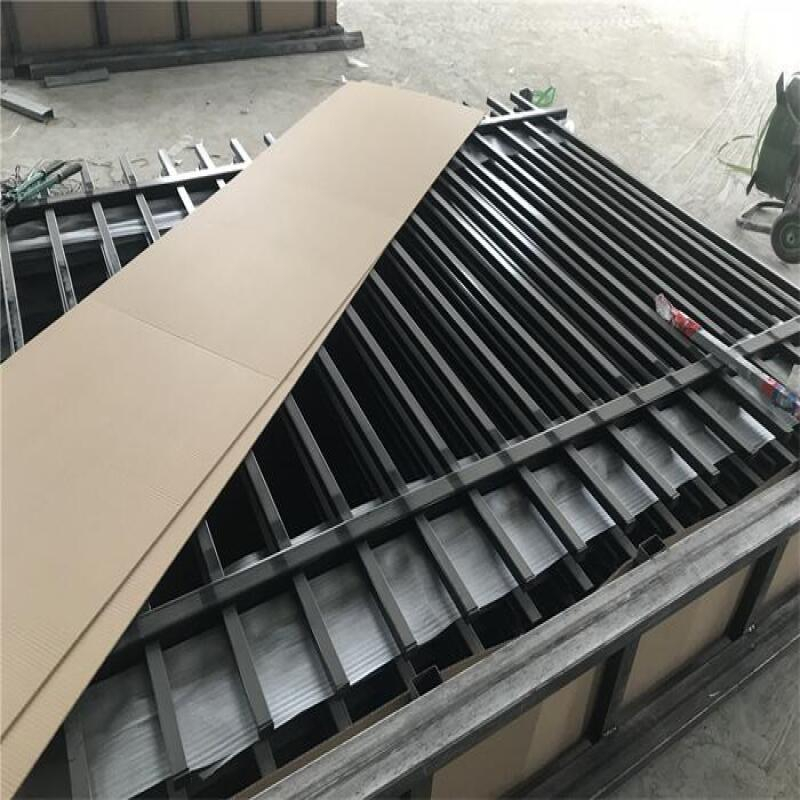
Poor separation, mixed bundles, and weak banding cause dents, rub marks, and bent uprights before installation. Once the coating is scratched at contact points, corrosion accelerates and the fence looks aged early.
Product Description: POLYMETAL Tubular Fencing Picket
POLYMETAL Tubular Fencing Picket panels are built for commercial and public-facing perimeters where straightness, security presence, and repeatable installation matter. A tubular picket system relies on matched rail stiffness and consistent picket geometry so the fence line stays aligned after transport, installation, and ongoing exposure to wind and vibration.
Panels can be supplied in common widths of 2400mm and 2450mm with fence heights ranging from 1200mm up to 2400mm to match site risk level and architectural requirements. Rail frame options of 40×40mm, 45×45mm, and 50×50mm allow buyers to control stiffness, while upright options of 16×16mm, 25×25mm, and 30×30mm—paired with the correct upright thickness—help prevent bending and maintain a clean finish line.
For professional long-life performance, galvanized steel combined with powder coating supports corrosion resistance and a low-maintenance appearance across demanding duty cycles.
Specifications Tubular Fencing Picket
Notes used in the tables: Fence widths: 2400mm and 2450mm. Upright count/spacing: 16pcs (115mm), 17pcs (108mm), 18pcs (100mm). Post options: 60×60, 65×65, 75×75, 80×80, 100×100 (wall thickness 1.6mm / 2.0mm / 2.5mm). Upright thickness: 0.80mm / 1.00mm / 1.20mm / 2.00mm. Rail thickness: 1.60mm / 2.00mm / 2.50mm / 3.00mm. Post height rule: post height = fence panel height + 600mm.
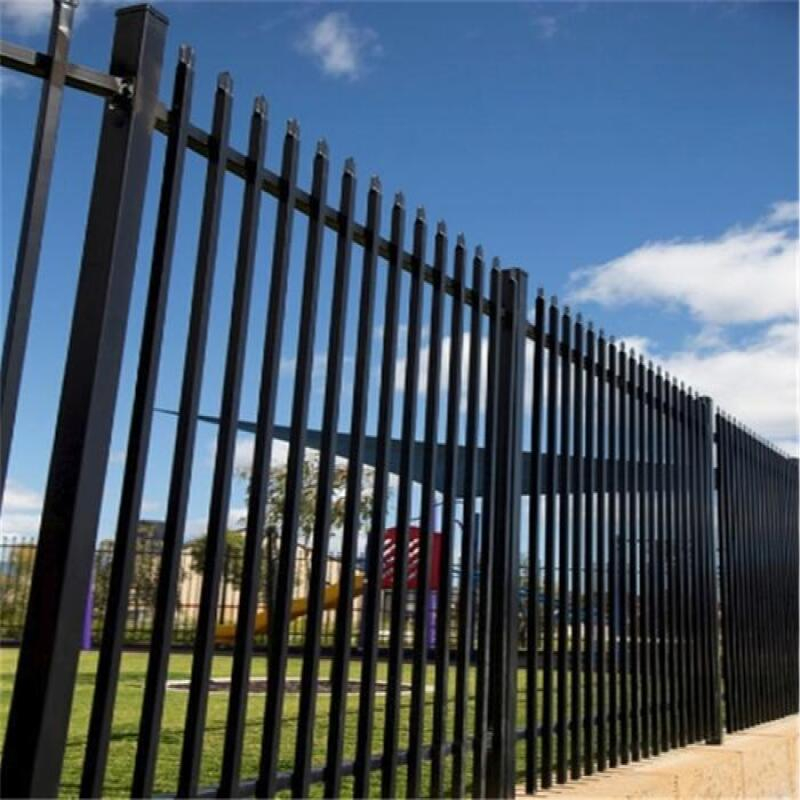
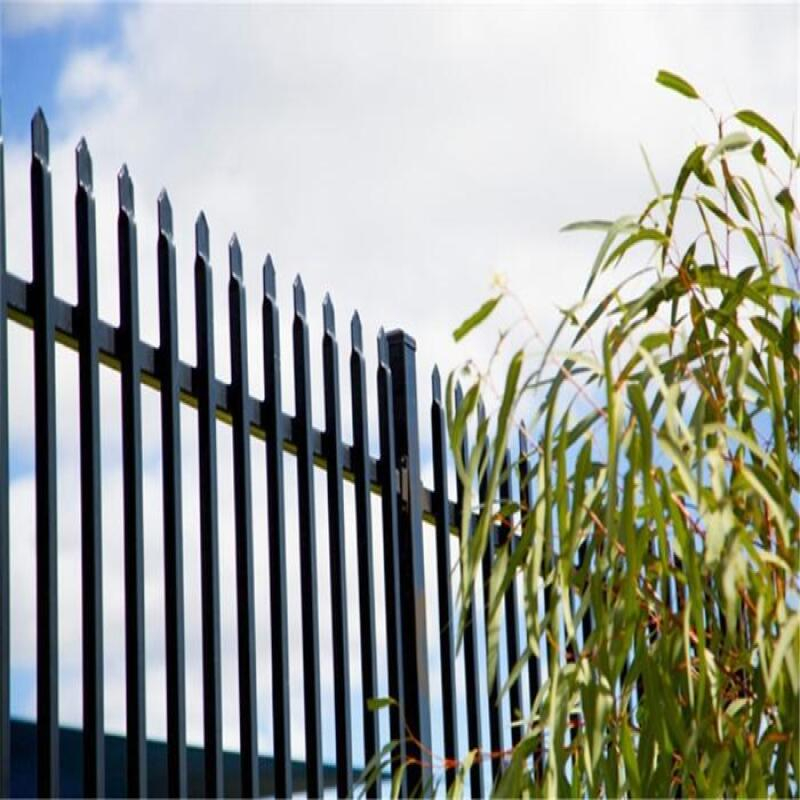
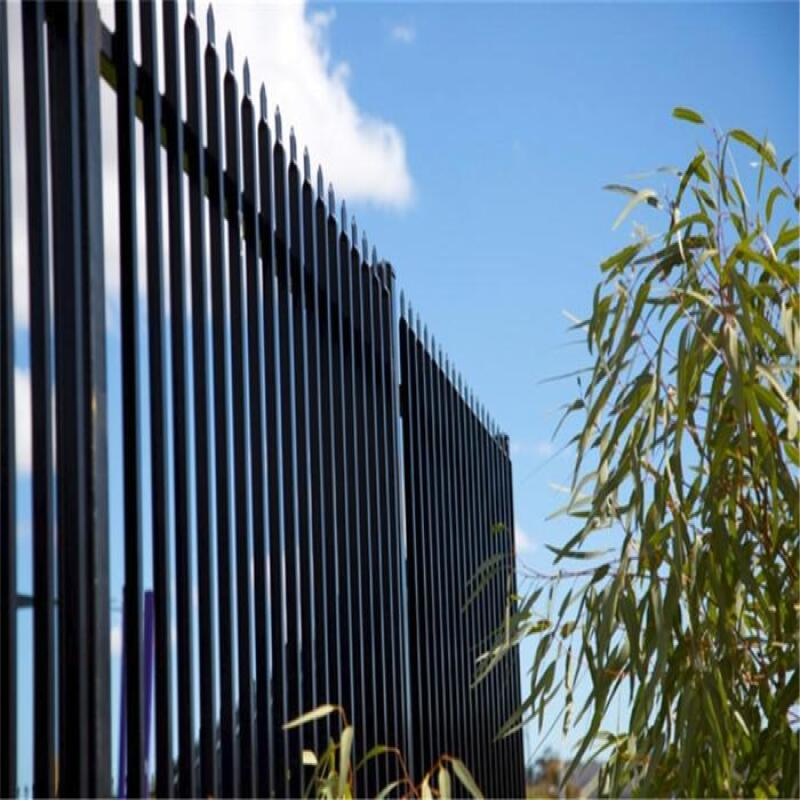
Table 1: Standard Commercial Duty (Balanced Cost + Clean Line)
| Model | Fence Height (mm) | Fence Width (mm) | Rail Frame | Rail Thick. | Upright | Upright Thick. | Upright Count / Spacing | Post Option (Size × Wall) | Post Height (mm) | Finish |
|---|---|---|---|---|---|---|---|---|---|---|
| PM-TFP-S01 | 1200 | 2400 | 40×40 | 1.6 | 16×16 | 0.80 | 18 pcs / 100mm | 60×60×1.6 | 1800 | Galv + Powder Coat |
| PM-TFP-S02 | 1200 | 2450 | 40×40 | 1.6 | 25×25 | 1.00 | 17 pcs / 108mm | 60×60×1.6 | 1800 | Galv + Powder Coat |
| PM-TFP-S03 | 1500 | 2400 | 40×40 | 1.6 | 25×25 | 1.00 | 17 pcs / 108mm | 60×60×2.0 | 2100 | Galv + Powder Coat |
| PM-TFP-S04 | 1500 | 2450 | 45×45 | 2.0 | 25×25 | 1.00 | 18 pcs / 100mm | 65×65×2.0 | 2100 | Galv + Powder Coat |
| PM-TFP-S05 | 1800 | 2400 | 45×45 | 2.0 | 25×25 | 1.20 | 17 pcs / 108mm | 65×65×2.0 | 2400 | Galv + Powder Coat |
| PM-TFP-S06 | 1800 | 2450 | 45×45 | 2.0 | 30×30 | 1.20 | 18 pcs / 100mm | 75×75×2.0 | 2400 | Galv + Powder Coat |
| PM-TFP-S07 | 2100 | 2400 | 40×40 | 1.6 | 25×25 | 1.20 | 17 pcs / 108mm | 60×60×2.0 | 2700 | Galv + Powder Coat |
| PM-TFP-S08 | 2100 | 2450 | 45×45 | 2.0 | 25×25 | 1.20 | 18 pcs / 100mm | 65×65×2.0 | 2700 | Galv + Powder Coat |
| PM-TFP-S09 | 2400 | 2400 | 45×45 | 2.0 | 30×30 | 1.20 | 18 pcs / 100mm | 75×75×2.0 | 3000 | Galv + Powder Coat |
| PM-TFP-S10 | 2400 | 2450 | 50×50 | 2.0 | 30×30 | 1.20 | 17 pcs / 108mm | 80×80×2.0 | 3000 | Galv + Powder Coat |
Table 2: Heavy Duty / High Handling Cycles (Thicker Rails + Stronger Posts)
| Model | Fence Height (mm) | Fence Width (mm) | Rail Frame | Rail Thick. | Upright | Upright Thick. | Upright Count / Spacing | Post Option (Size × Wall) | Post Height (mm) | Finish |
|---|---|---|---|---|---|---|---|---|---|---|
| PM-TFP-H01 | 1200 | 2400 | 45×45 | 2.0 | 25×25 | 1.20 | 18 pcs / 100mm | 65×65×2.0 | 1800 | Galv + Powder Coat |
| PM-TFP-H02 | 1200 | 2450 | 45×45 | 2.0 | 25×25 | 1.20 | 17 pcs / 108mm | 65×65×2.0 | 1800 | Galv + Powder Coat |
| PM-TFP-H03 | 1500 | 2400 | 45×45 | 2.5 | 30×30 | 1.20 | 18 pcs / 100mm | 75×75×2.0 | 2100 | Galv + Powder Coat |
| PM-TFP-H04 | 1500 | 2450 | 50×50 | 2.0 | 25×25 | 1.20 | 18 pcs / 100mm | 75×75×2.0 | 2100 | Galv + Powder Coat |
| PM-TFP-H05 | 1800 | 2400 | 50×50 | 2.5 | 30×30 | 1.20 | 17 pcs / 108mm | 80×80×2.0 | 2400 | Galv + Powder Coat |
| PM-TFP-H06 | 1800 | 2450 | 50×50 | 2.5 | 30×30 | 1.20 | 18 pcs / 100mm | 80×80×2.5 | 2400 | Galv + Powder Coat |
| PM-TFP-H07 | 2100 | 2400 | 45×45 | 2.5 | 25×25 | 1.20 | 18 pcs / 100mm | 75×75×2.5 | 2700 | Galv + Powder Coat |
| PM-TFP-H08 | 2100 | 2450 | 50×50 | 2.5 | 30×30 | 1.20 | 18 pcs / 100mm | 80×80×2.5 | 2700 | Galv + Powder Coat |
| PM-TFP-H09 | 2400 | 2400 | 50×50 | 2.5 | 30×30 | 2.00 | 18 pcs / 100mm | 100×100×2.5 | 3000 | Galv + Powder Coat |
| PM-TFP-H10 | 2400 | 2450 | 50×50 | 3.0 | 30×30 | 2.00 | 17 pcs / 108mm | 100×100×2.5 | 3000 | Galv + Powder Coat |
Table 3: Maximum Security / High Wind / Load Reinforcement (Strongest Options)
| Model | Fence Height (mm) | Fence Width (mm) | Rail Frame | Rail Thick. | Upright | Upright Thick. | Upright Count / Spacing | Post Option (Size × Wall) | Post Height (mm) | Finish |
|---|---|---|---|---|---|---|---|---|---|---|
| PM-TFP-X01 | 1200 | 2400 | 45×45 | 2.5 | 25×25 | 1.20 | 18 pcs / 100mm | 75×75×2.5 | 1800 | Galv + Powder Coat |
| PM-TFP-X02 | 1200 | 2450 | 50×50 | 2.5 | 25×25 | 1.20 | 17 pcs / 108mm | 80×80×2.5 | 1800 | Galv + Powder Coat |
| PM-TFP-X03 | 1500 | 2400 | 50×50 | 2.5 | 30×30 | 2.00 | 18 pcs / 100mm | 80×80×2.5 | 2100 | Galv + Powder Coat |
| PM-TFP-X04 | 1500 | 2450 | 50×50 | 3.0 | 30×30 | 2.00 | 18 pcs / 100mm | 100×100×2.5 | 2100 | Galv + Powder Coat |
| PM-TFP-X05 | 1800 | 2400 | 50×50 | 3.0 | 30×30 | 2.00 | 18 pcs / 100mm | 100×100×2.5 | 2400 | Galv + Powder Coat |
| PM-TFP-X06 | 1800 | 2450 | 45×45 | 2.5 | 25×25 | 2.00 | 17 pcs / 108mm | 80×80×2.5 | 2400 | Galv + Powder Coat |
| PM-TFP-X07 | 2100 | 2400 | 50×50 | 3.0 | 30×30 | 2.00 | 18 pcs / 100mm | 100×100×2.5 | 2700 | Galv + Powder Coat |
| PM-TFP-X08 | 2100 | 2450 | 50×50 | 3.0 | 30×30 | 2.00 | 17 pcs / 108mm | 100×100×2.5 | 2700 | Galv + Powder Coat |
| PM-TFP-X09 | 2400 | 2400 | 50×50 | 3.0 | 30×30 | 2.00 | 16 pcs / 115mm | 100×100×2.5 | 3000 | Galv + Powder Coat |
| PM-TFP-X10 | 2400 | 2450 | 50×50 | 3.0 | 30×30 | 2.00 | 18 pcs / 100mm | 100×100×2.5 | 3000 | Galv + Powder Coat |
Applications Tubular Fencing Picket
Tubular Fencing Picket is widely used for schools, warehouses, factories, commercial frontage, parks, rail corridors, utilities, substations, government facilities, car parks, storage yards, and controlled-access zones where a straight security line and reliable corrosion resistance are required.
Benefits Tubular Fencing Picket
Straight-line security presence
Correct rail frames and post matching keep the fence line clean, aligned, and visually controlled across long runs.
Stronger resistance to bending and racking
Upright thickness control and rail stiffness reduce picket bending, panel twist, and visible wave-lines after transport and handling.
Fast, repeatable installation
Panelized tubular picket systems reduce site measurement errors and simplify replacements by swapping damaged bays instead of rebuilding full runs.
Low maintenance finish performance
Galvanized steel with powder coating protects against corrosion, especially when packing prevents coating damage before installation.
Packing
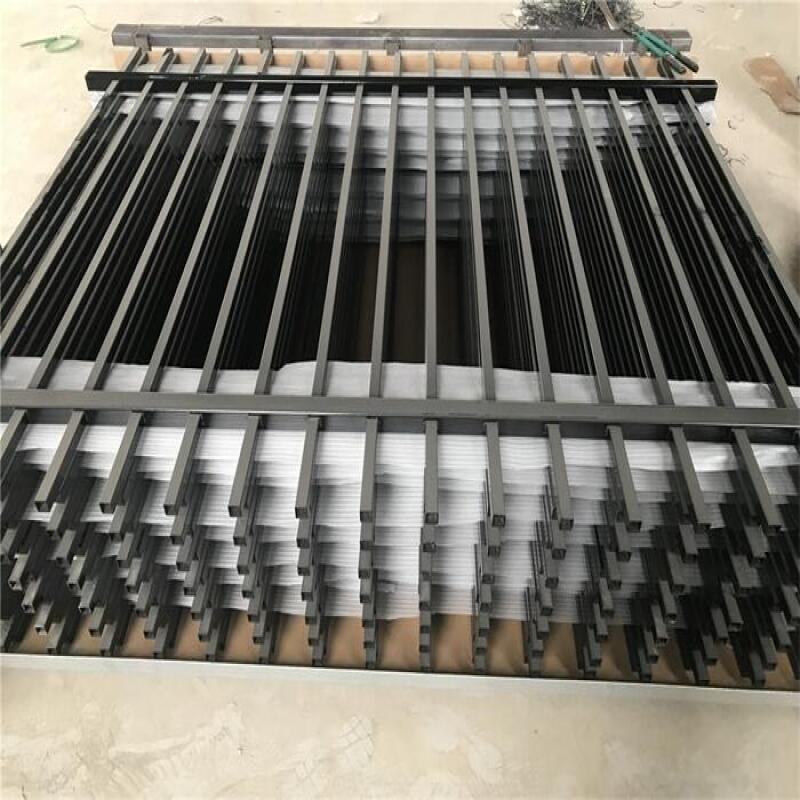
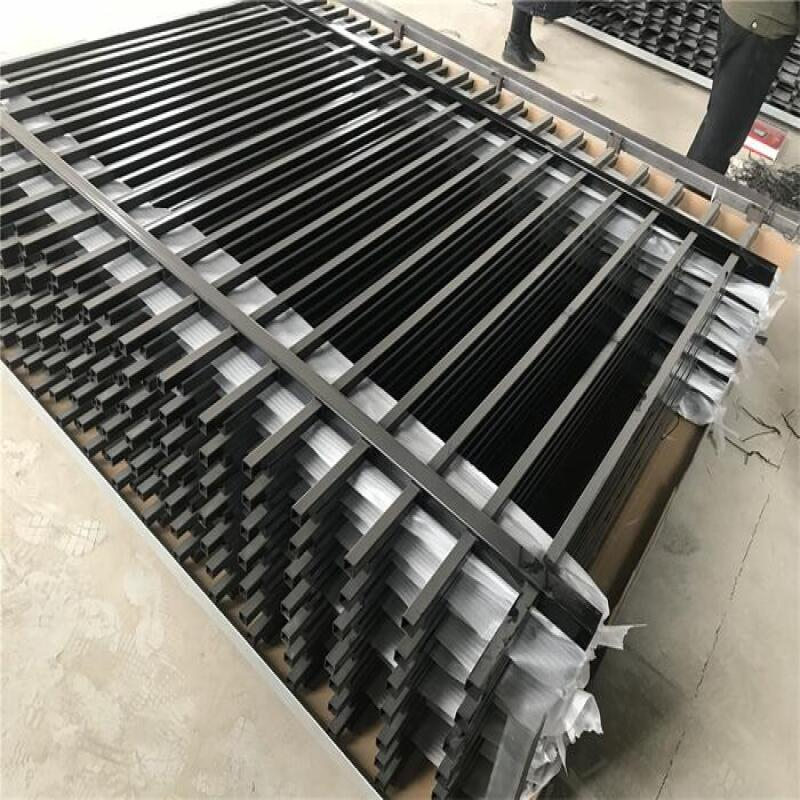
POLYMETAL typically packs Tubular Fencing Picket panels in counted bundles with separation protection at contact points to reduce rub marks and coating scuffs. Bundles are banded and palletized for forklift handling, labeled by height group, width group (2400/2450), rail frame option (40×40 / 45×45 / 50×50), upright size, upright thickness, and upright count. Posts are packed separately by size and wall thickness (60×60 to 100×100; 1.6/2.0/2.5mm wall) to prevent mix-ups, and accessories are packed as counted cartons so installers can verify components immediately on arrival—especially when crews follow a standardized accessory workflow from the steel fence accessories complete guides to avoid missing fixings and alignment errors.

Standards and FAQs
Standards
A professional Tubular Fencing Picket purchase specification should lock fence height and width, rail frame size and rail thickness, upright size and upright thickness, upright count and spacing, post size and post wall thickness, post height rule (panel height + 600mm), finish system (galvanized base + powder coat), and packing/labeling rules that prevent pre-bending and coating damage.
FAQs Tubular Fencing Picket
Q: Which upright spacing is the most security-focused?
A: 18 pickets per panel with 100mm spacing delivers the tightest pattern listed and a stronger security feel.
Q: Which rail frame should I choose?
A: 40×40 suits many standard programs; 45×45 and 50×50 increase stiffness and are preferred for high wind zones, higher fence heights, and longer runs where straightness matters most.
Q: Why must post height be panel height + 600mm?
A: Embed depth controls stability. The extra 600mm supports foundations so the fence resists wind and leverage without “walking” or leaning over time.
Q: What is the biggest hidden loss point?
A: Corrosion control (#7). If base protection and handling discipline are weak, rust starts at stressed points and spreads under coating—forcing replacement after posts are already set.