 Your One-Stop Wire Mesh Fence Supplier | POLYMETAL
What Is PVDF – 5 Essential, Safe Reasons Its Best Coating
PVDF (polyvinylidene fluoride) is a high-performance thermoplastic fluoropolymer made from vinylidene fluoride monomers. Its polymer chain is built from repeating –CH₂–CF₂– units, which give PVDF a unique combination of:
- Excellent chemical resistance
- Good mechanical strength
- High thermal stability
- Very good electrical properties, including piezoelectric behavior in certain crystal phases
PVDF sits between standard engineering plastics (such as PVC, PP and PE) and very high-end fluoropolymers (like PTFE). It is easier to process than PTFE, while offering far better chemical and weather resistance than most conventional plastics.Compared with normal vinyl (PVC) coating, PVDF fluoropolymer coating offers much better UV and weather resistance and a much longer service life.
2. Key Properties of PVDF
2.1 Thermal and Mechanical Properties
PVDF is a semi-crystalline polymer and typically offers:
- Continuous service temperatures up to about 120–150 °C, depending on grade
- Good tensile strength and impact resistance
- Low creep and good fatigue performance
This balance of properties makes PVDF suitable for pressurized piping, structural parts, long-life membranes and durable coatings.
2.2 Chemical and Weather Resistance
PVDF is well known for its resistance to:
- Many acids and bases
- A wide range of organic solvents
- Oxidizing and corrosive environments
- UV radiation, humidity and outdoor weathering
Because of this, PVDF is widely used in chemical processing equipment, architectural metal coatings, and corrosion-resistant components installed in harsh climates or coastal areas.
2.3 Electrical and Piezoelectric Properties
When processed into specific crystal phases (especially the β-phase), PVDF can show strong piezoelectric and pyroelectric properties, meaning it can convert mechanical deformation or temperature changes into electrical signals. This enables applications such as:
- Flexible pressure and vibration sensors
- Small actuators and energy harvesters
- Biomedical sensing films and smart wearable components
3. Common Forms and Processing
PVDF can be supplied and processed in many different forms, including:
Pellets for extrusion and injection molding
Pipes and fittings
Sheets, plates and profiles
Powders for high-performance powder coatings and liquid coatings
Films for electrical insulation, diaphragms, packaging and piezoelectric devices
Membranes (hollow fibers and flat sheet) for water and wastewater treatment
Coatings applied onto metal substrates such as aluminum, galvanized steel and stainless steel
PVDF is a true thermoplastic, so it can be processed using standard methods like extrusion, injection molding, coating and foaming. This makes it more flexible in processing than PTFE, which typically cannot be melt-processed in the same way.
4. Main Application Areas of PVDF
4.1 Chemical Processing and Piping
Thanks to its chemical and thermal stability, PVDF is widely used in:
- Chemical process piping and fittings
- Valves, pumps, tank linings and scrubbers
- Components handling aggressive acids, chlorinated media and various solvents
It offers a corrosion-resistant, lightweight alternative to many traditional metal systems.
4.2 Architectural Metal Coatings
One of the most famous uses of PVDF is in architectural coil coatings for aluminum and steel:
- Typical systems use a high PVDF content in the resin, giving outstanding UV resistance, color retention and resistance to chalking.
- These coatings are commonly used on curtain walls, façade panels, roofing sheets, soffits and other exterior building components.
The result is a building envelope that can maintain its color and gloss for decades, even in very harsh climates.
4.3 Membranes and Water Treatment
PVDF is also an important material for ultrafiltration (UF) and microfiltration (MF) membranes:
- High mechanical strength and toughness
- Excellent chemical compatibility with cleaning agents
- Ability to form controlled porous structures
PVDF membranes are used in drinking water treatment, municipal and industrial wastewater purification, food and beverage processes, and as pre-treatment for seawater desalination.
4.4 Energy, Electronics and Biomedical Uses
Because of its dielectric, chemical and piezoelectric properties, PVDF is widely used in:
- Lithium-ion batteries as a binder for cathode and anode materials
- Wire and cable insulation
- Film capacitors and flexible printed electronics
- Flexible sensors, actuators and biomedical devices that respond to mechanical motion or temperature changes
5. What Is Stainless Steel Ferrule Rope Mesh?
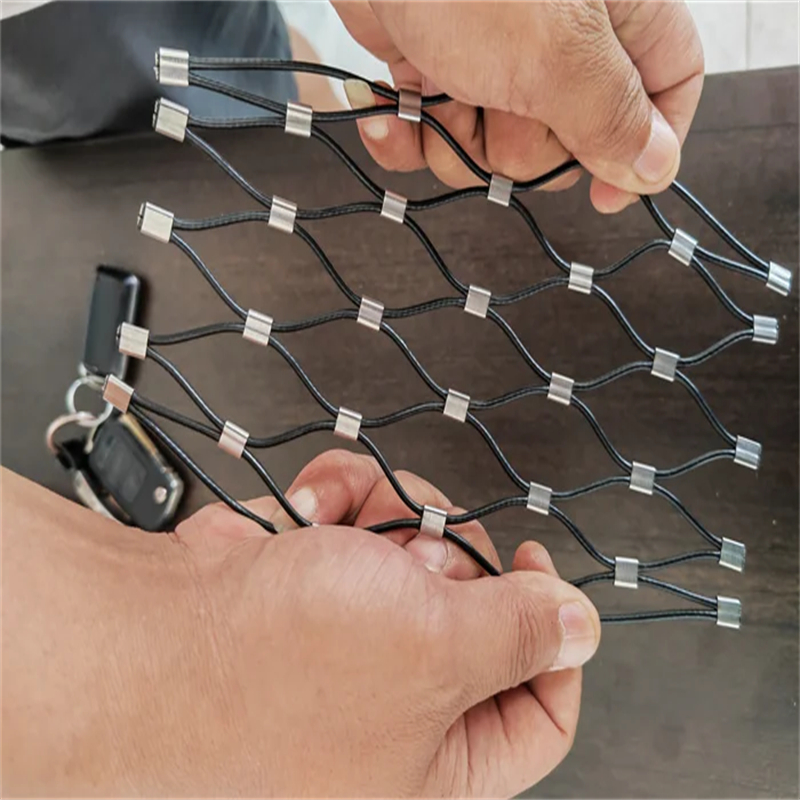
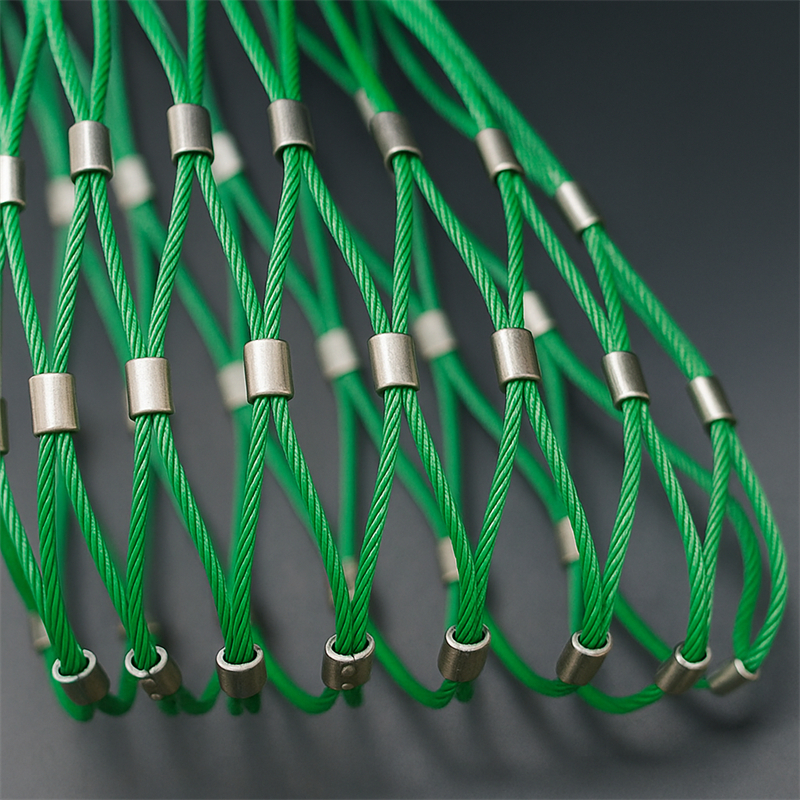
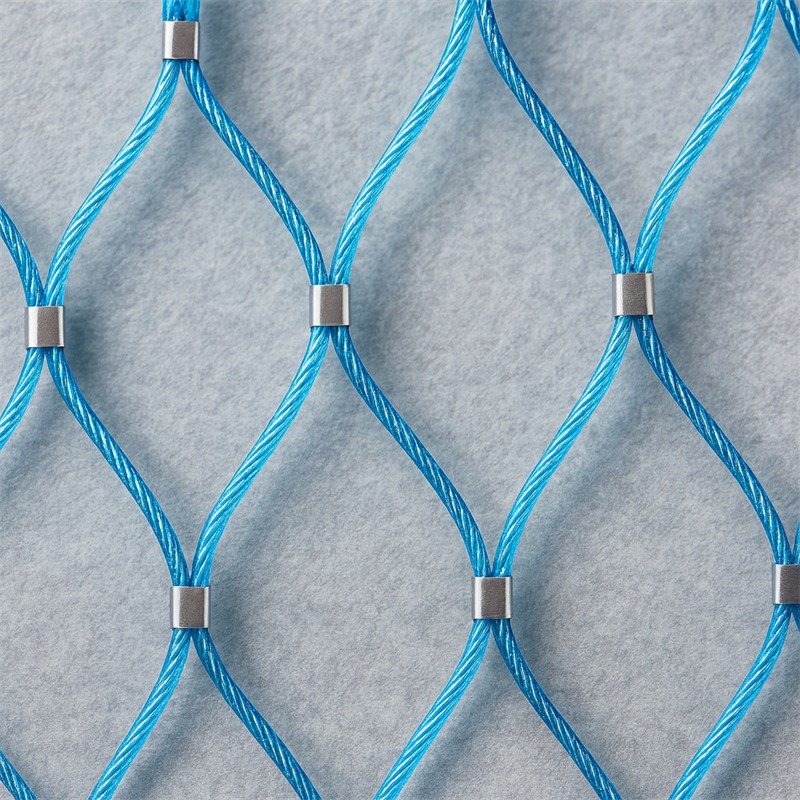
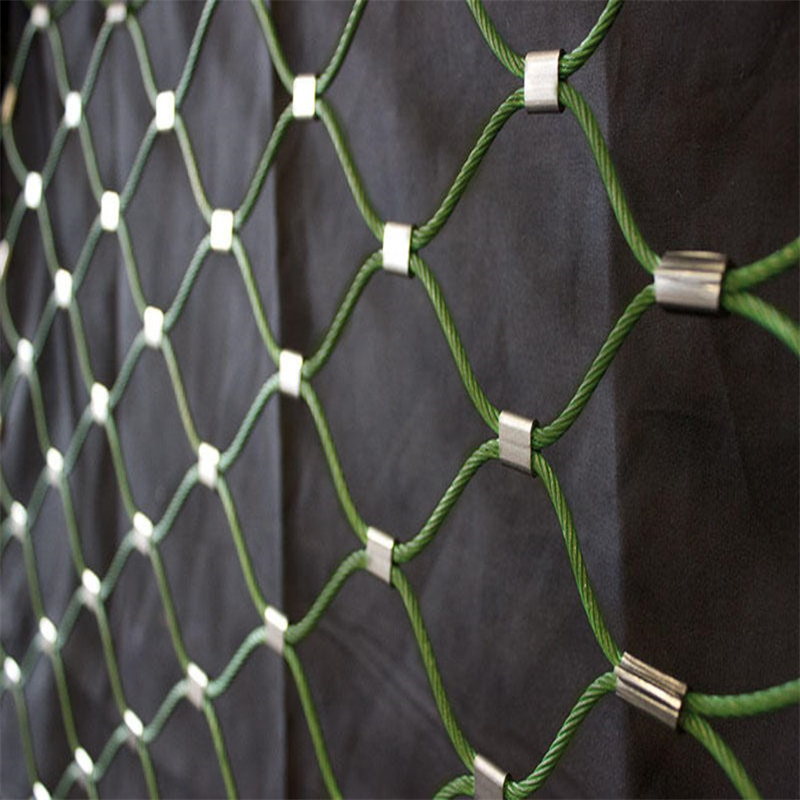
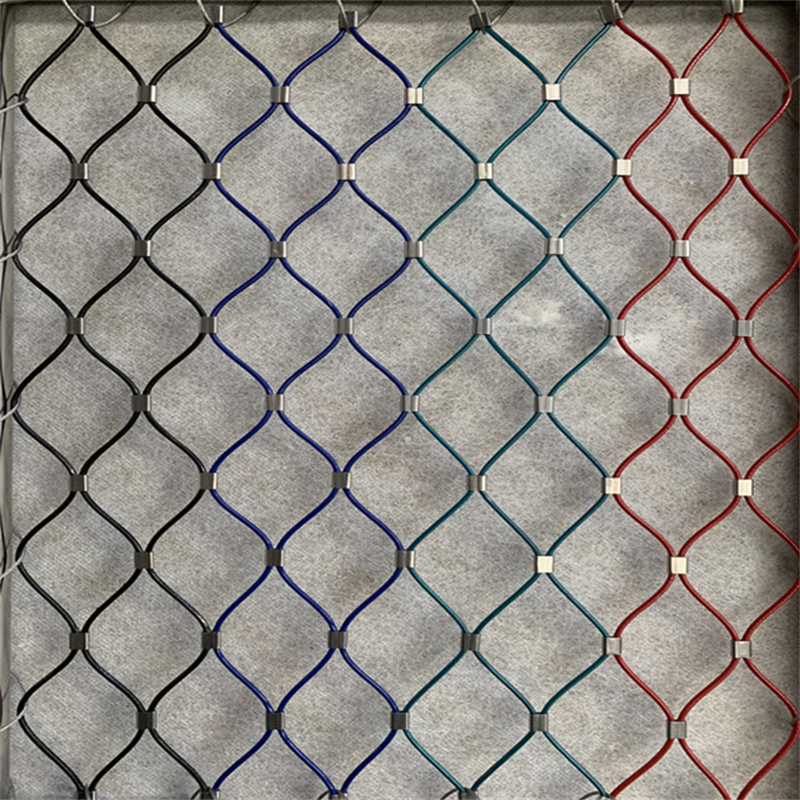
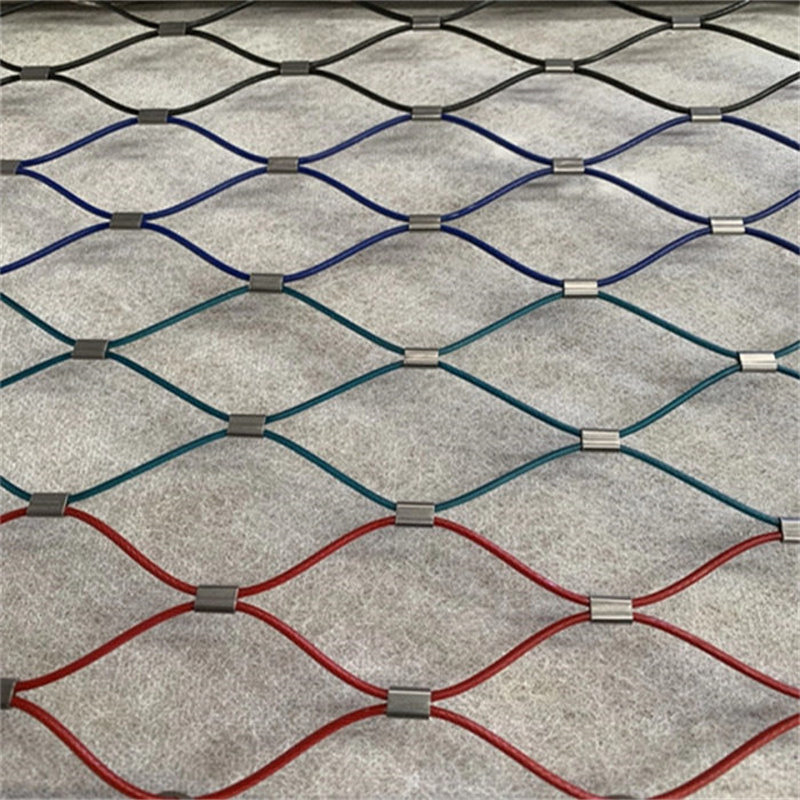
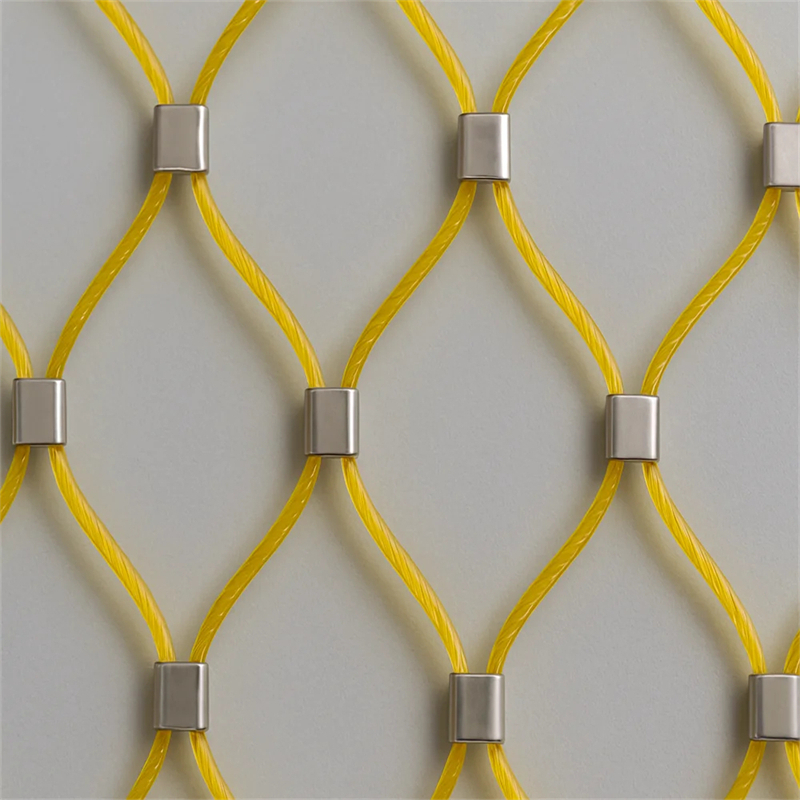
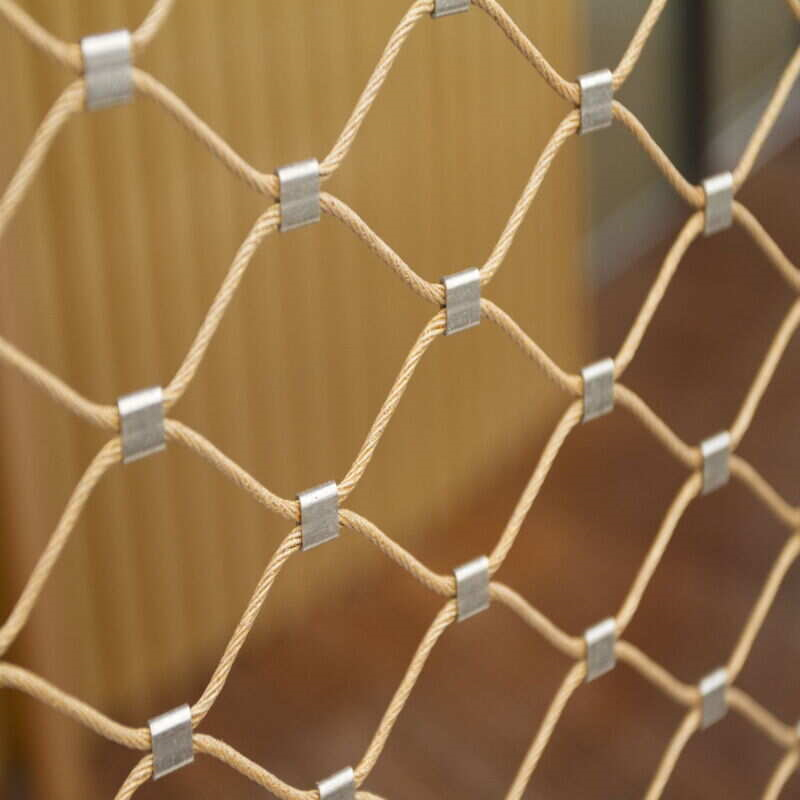
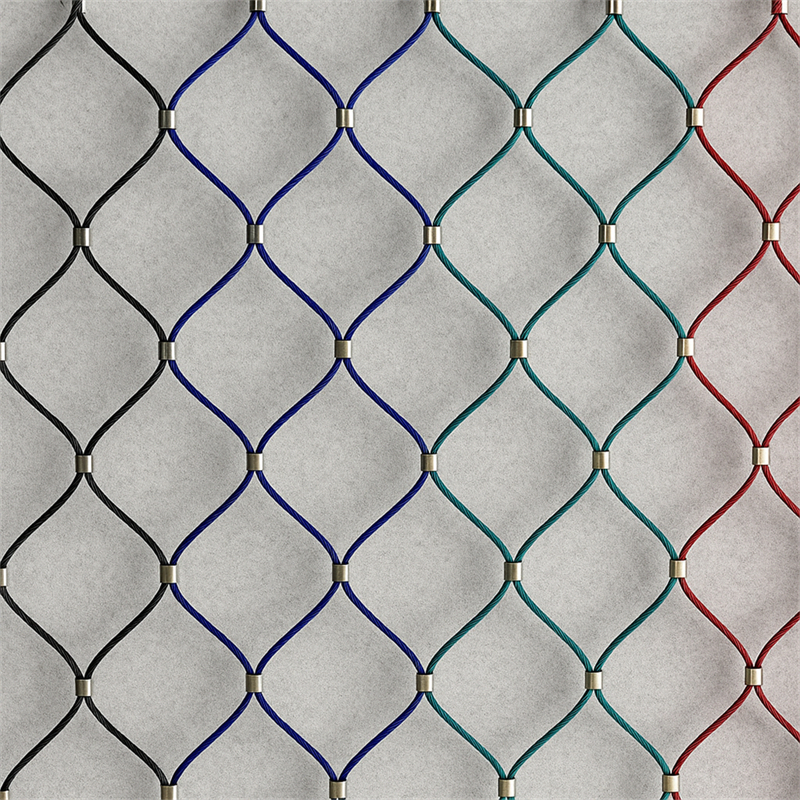
Stainless steel rope mesh (also called cable mesh) is a flexible, high-strength metal mesh made from stainless steel wire ropes, usually in 7×7 or 7×19 construction. The ropes intersect to form a diamond pattern. When the intersections are connected by pressed metal sleeves, the product is called stainless steel ferrule rope mesh.
Typical features:
- High strength and excellent load-bearing capacity
- Flexible and deformable, but always returns to its shape when tensioned
- High transparency and openness, allowing light and air to pass through
Typical applications include:
- Zoo enclosures, aviaries and big-cat or primate habitats
- Balustrade infill panels and fall-protection nets in buildings and bridges
- Tensile façades and vertical green walls
- Stadium, parking garage and public space safety nets
This combination of strength, safety and transparency makes stainless steel ferrule rope mesh very popular in modern architecture, landscape and zoo design.
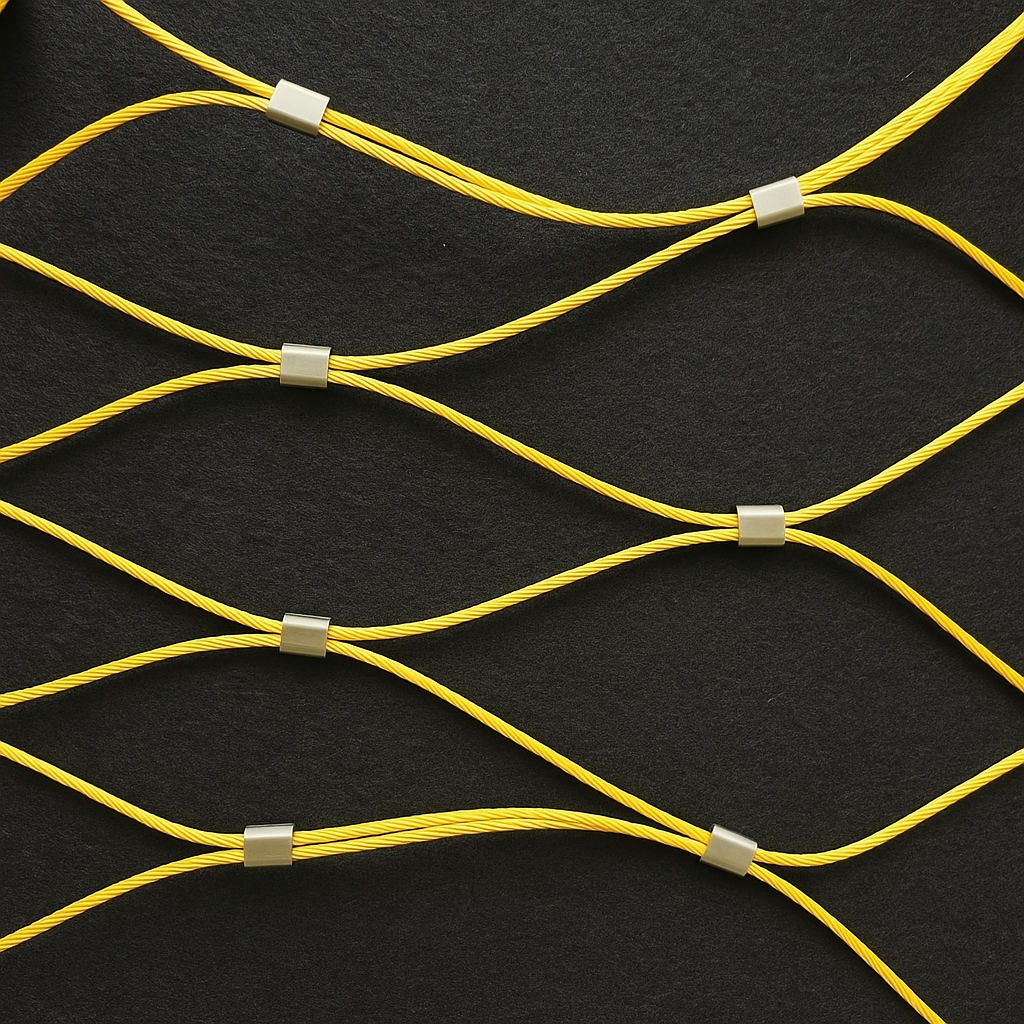 | 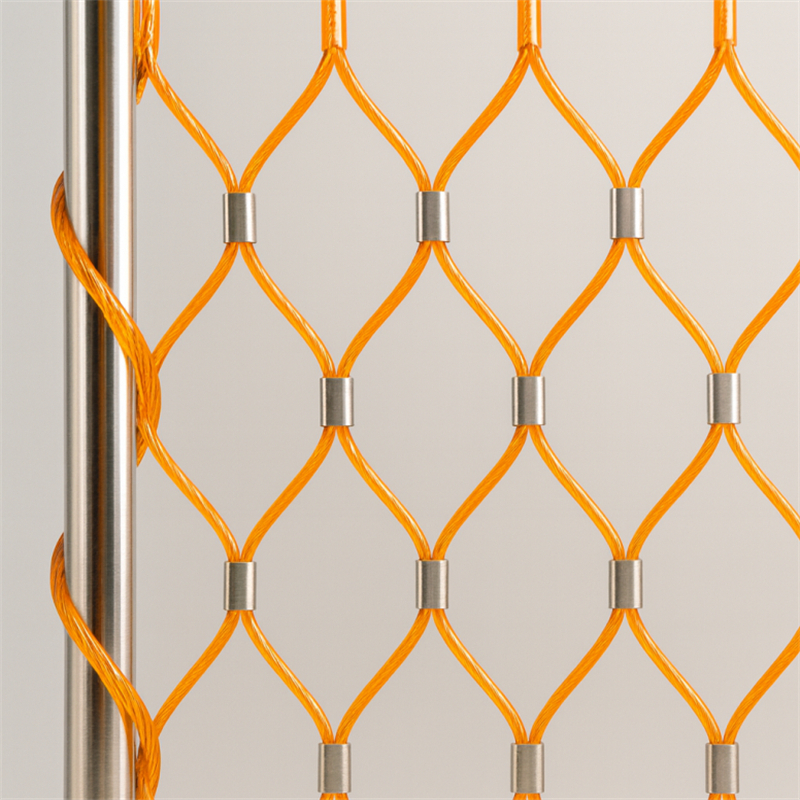 |
 | 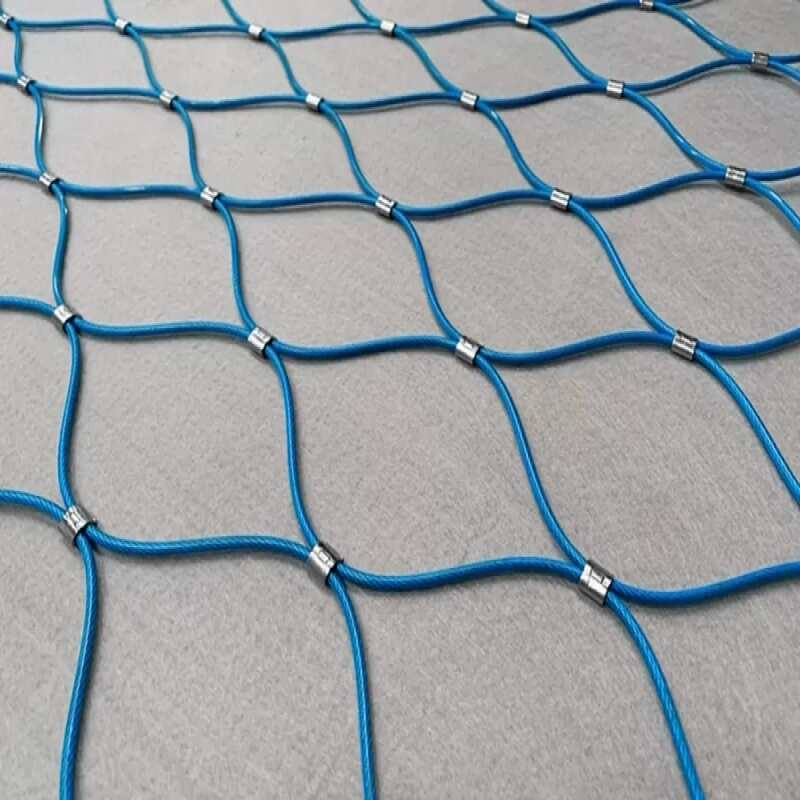 |
6. Why Combine PVDF with Stainless Steel Ferrule Rope Mesh?
Although stainless steel grades such as 304 and 316 already offer good corrosion resistance, high-end projects and aggressive environments often demand even higher durability and more design freedom. Applying a PVDF coating to the rope mesh and its components helps achieve this.
6.1 Enhanced Corrosion and Weather Resistance
In coastal zones, industrial areas or high-UV regions, stainless steel can still suffer from:
- Tea staining and surface discoloration
- Pitting corrosion in chloride-rich environments
- Loss of visual appearance over time
A PVDF coating forms a dense, chemically resistant barrier that:
- Protects the metal from salt spray, acid rain and industrial pollutants
- Resists UV-induced degradation, chalking and micro-cracking
- Extends the service life of both ropes and ferrules, especially in exposed façades, bridges and high-rise applications
This gives architects and owners a more reliable, long-life solution for visible safety and façade systems.
6.2 Improved Aesthetics and Visual Comfort
Standard stainless steel rope mesh has a bright metallic finish. While very modern, it is not always ideal in every setting. With PVDF coatings, you can:
- Choose matte black or dark grey mesh to reduce glare and reflections and make the net visually “disappear” in front of animals, plants or backgrounds.
- Match the mesh color to façade panels, handrails, support structures or brand colors using custom tints.
Because PVDF coatings have excellent color and gloss retention, the rope mesh maintains its visual quality for many years, not just shortly after installation.
6.3 Flexibility and Adhesion on a Moving Structure
Ferrule rope mesh is designed to be flexible. It moves under:
- Wind loads
- Thermal expansion and contraction
- Live loads from people leaning on the mesh or animals interacting with it
Any coating on the ropes must tolerate bending, vibration and repeated tensioning. PVDF-based coatings are known for their flexibility and strong adhesion when properly formulated, so they can accommodate the movement of the mesh without easily cracking or peeling.
6.4 Low Maintenance and Easy Cleaning
Many large-scale rope mesh installations are difficult or expensive to access for frequent maintenance. PVDF helps reduce the maintenance cost because:
- Its surface is relatively smooth and less prone to dirt pickup
- It is resistant to staining and biological growth
- It can usually be cleaned using water and mild detergents or gentle pressure washing
For large façades, bridges and zoo enclosures, this can greatly lower the long-term cost of keeping the mesh clean and visually attractive.
6.5 Comparison with Other Surface Options
Bare stainless steel:
- Good corrosion resistance, but still vulnerable to tea staining and localized corrosion in severe environments.
- Appearance can change faster than PVDF-coated surfaces in coastal or industrial areas.
PVC / PE coatings:
- Provide color at lower cost, but generally have lower UV and weather resistance than PVDF.
- More likely to harden, fade or crack over time in strong sunlight.
PVDF coatings:
Premium option with excellent weatherability, color stability and chemical resistance.
Best suited for long-life, high-visibility projects where consistent appearance and low maintenance are important.
7. Market Outlook and Sustainability Considerations
The construction and infrastructure markets are increasingly focused on:
Long-life materials that reduce replacement and repainting
Lifecycle cost instead of just initial cost
Sustainability and environmental impact
PVDF-coated metals fit this trend because they offer extremely long service lives and reduce the need for frequent recoating. At the same time, PVDF—like other fluoropolymers—is part of ongoing discussions around environmental and regulatory aspects, especially related to production processes and end-of-life management. This is driving continuous improvements in cleaner production, emissions control and recycling solutions.
For stainless steel ferrule rope mesh, demand is growing in:
Zoos and wildlife parks
Public buildings and transportation hubs
Bridges, stadiums and commercial complexes
Green façades and architectural design projects
Combining PVDF coatings with rope mesh aligns very well with this trend toward durable, visually refined and low-maintenance solutions.
8. Summary
PVDF is a high-performance thermoplastic fluoropolymer known for excellent chemical resistance, weatherability, mechanical strength and unique electrical properties.
It is used in chemical equipment, architectural coatings, membranes, batteries, electronics and biomedical devices.
Stainless steel ferrule rope mesh is a flexible, high-strength, visually transparent mesh used in balustrades, façades, green walls, bridges, stadiums and zoo enclosures.
Applying PVDF coatings to this mesh significantly improves corrosion resistance, color stability, aesthetics and maintenance performance, especially in coastal, high-UV or high-visibility projects.